
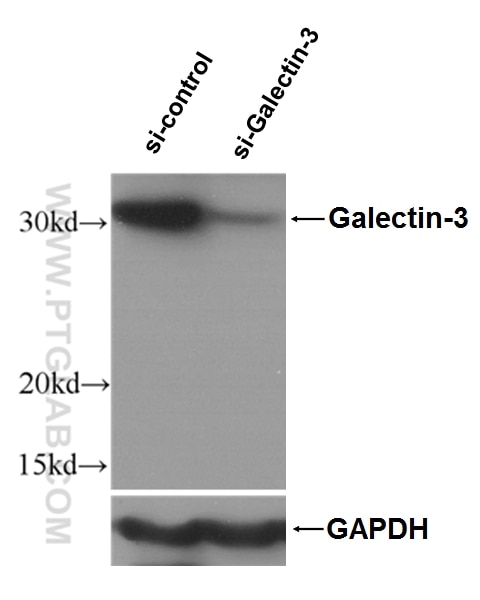
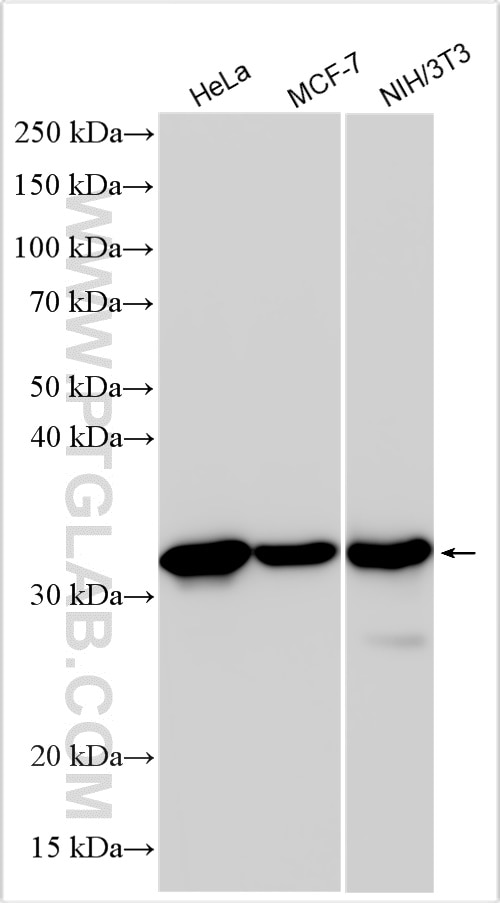
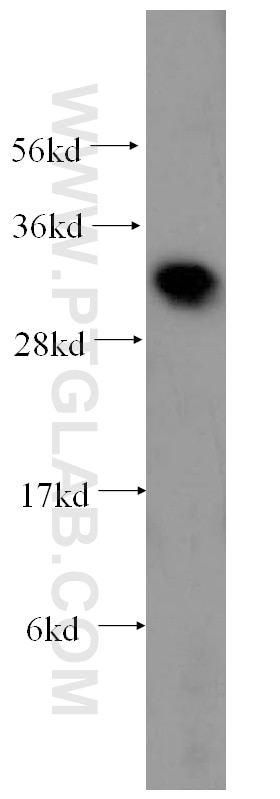
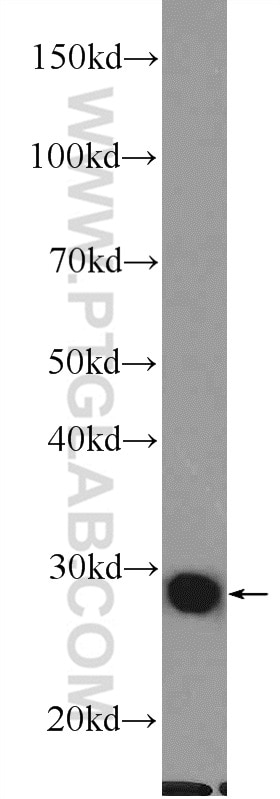

Tested Applications
| Positive WB detected in | HeLa cells, human heart tissue, rat colon tissue, MCF-7 cells, NIH/3T3 cells |
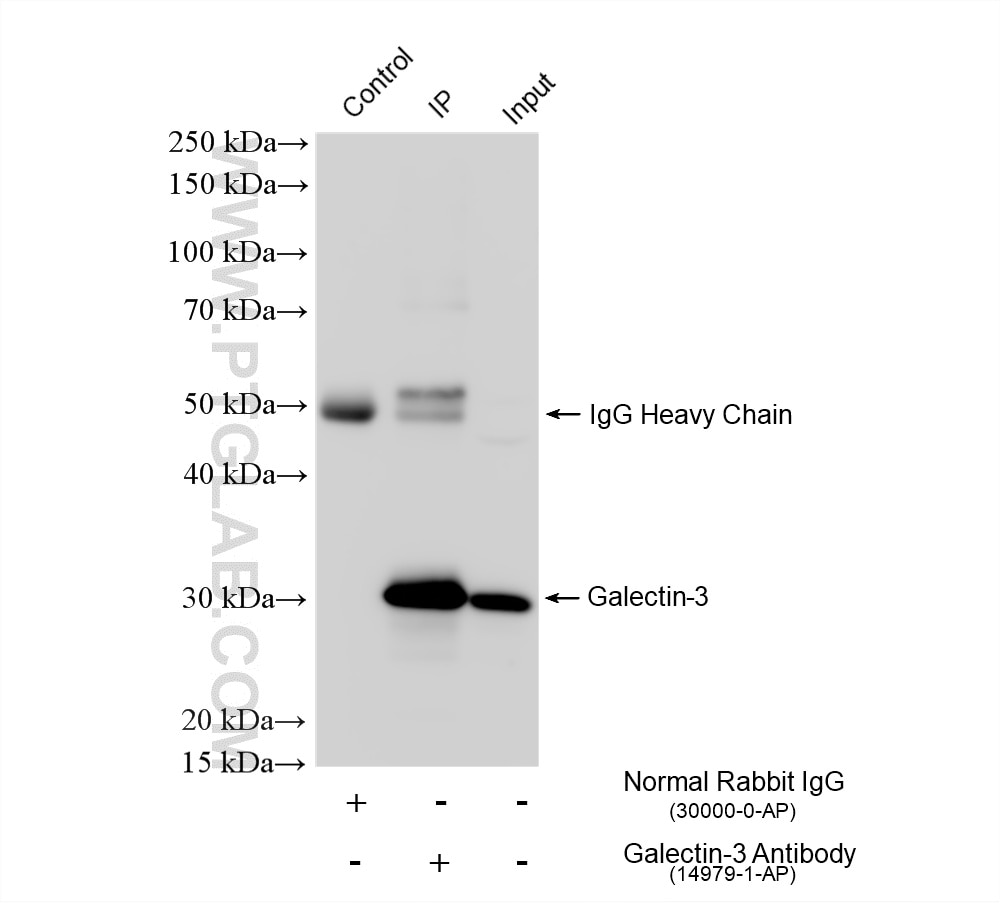
| Positive IP detected in | MCF-7 cells |
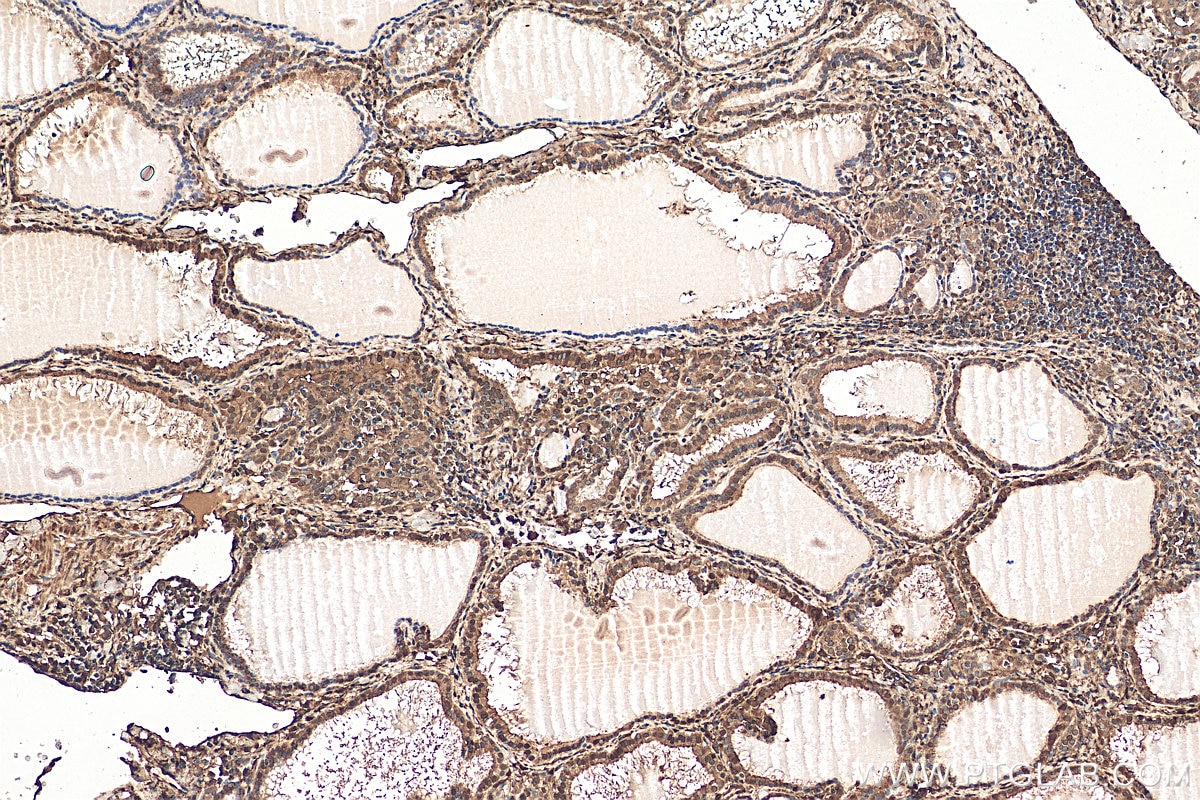
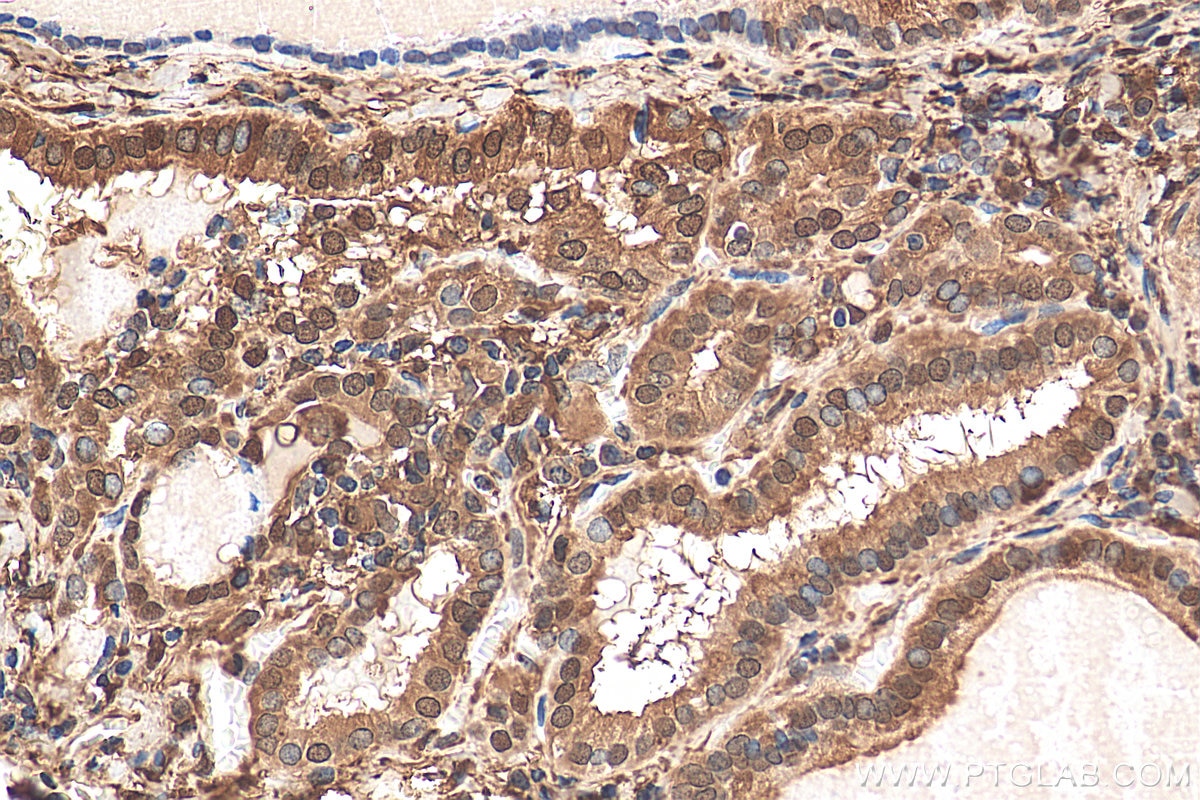
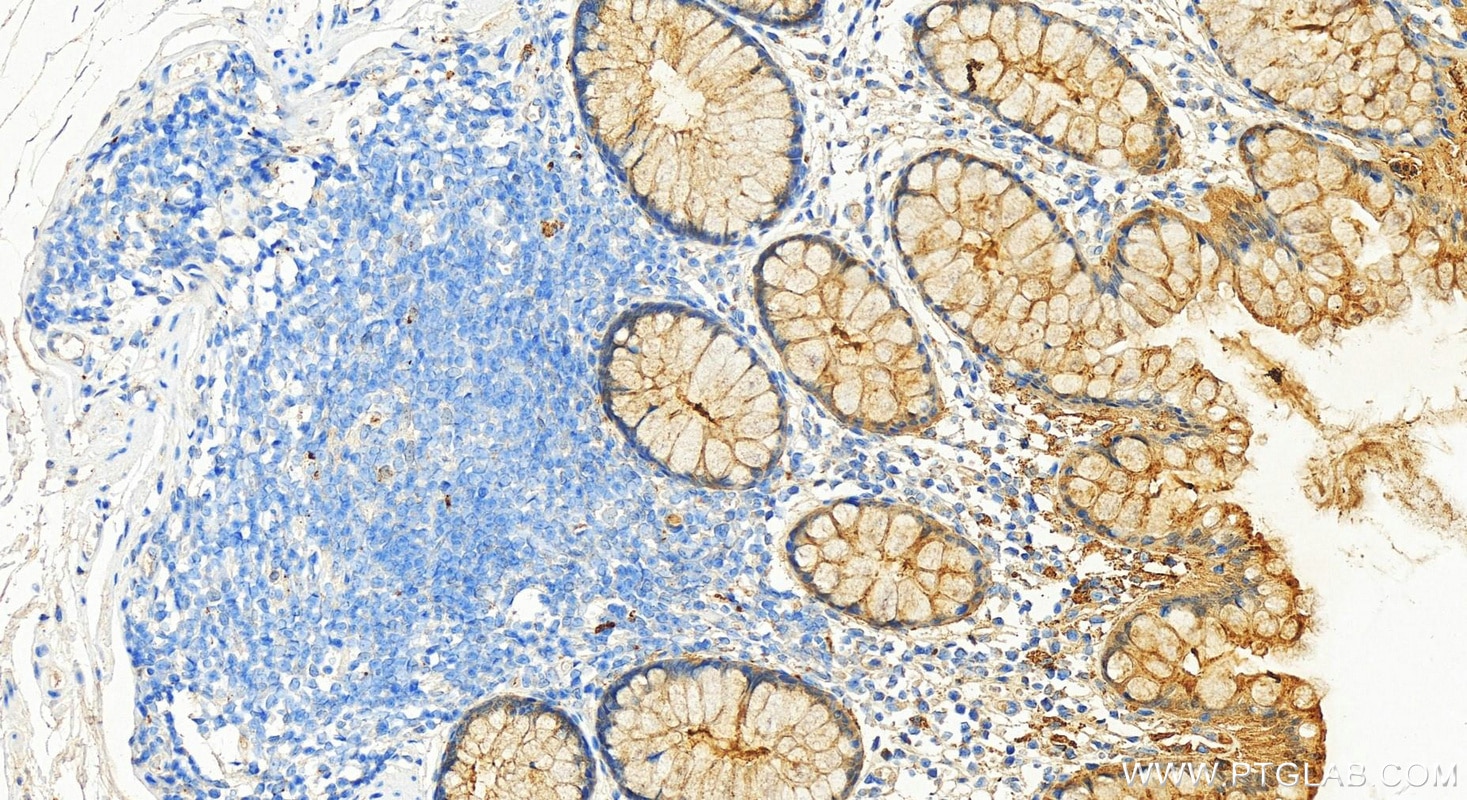
| Positive IHC detected in | human thyroid cancer tissue, human colon tissue Note: suggested antigen retrieval with TE buffer pH 9.0; (*) Alternatively, antigen retrieval may be performed with citrate buffer pH 6.0 |
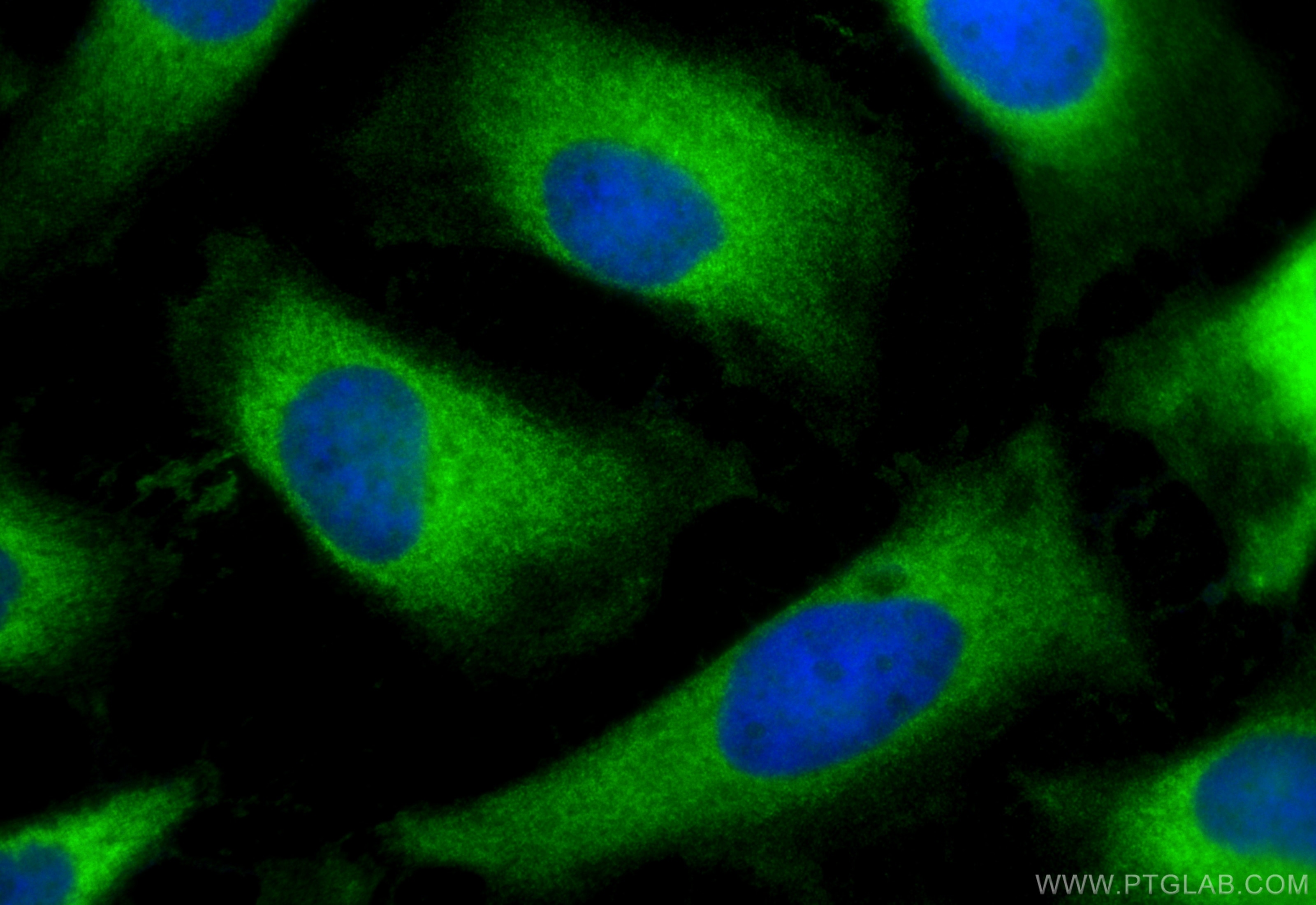
| Positive IF/ICC detected in | HeLa cells |
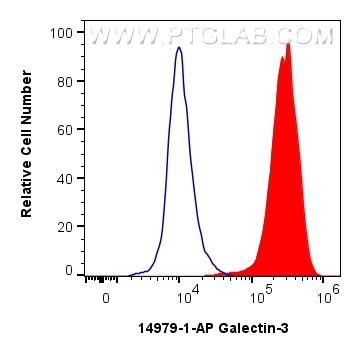
| Positive FC (Intra) detected in | HeLa cells |
Recommended dilution
| Application | Dilution |
|---|---|
| Western Blot (WB) | WB : 1:5000-1:50000 |
| Immunoprecipitation (IP) | IP : 0.5-4.0 ug for 1.0-3.0 mg of total protein lysate |
| Immunohistochemistry (IHC) | IHC : 1:50-1:500 |
| Immunofluorescence (IF)/ICC | IF/ICC : 1:50-1:500 |
| Flow Cytometry (FC) (INTRA) | FC (INTRA) : 0.40 ug per 10^6 cells in a 100 µl suspension |
| It is recommended that this reagent should be titrated in each testing system to obtain optimal results. | |
| Sample-dependent, Check data in validation data gallery. | |
Product Information
14979-1-AP targets Galectin-3 in WB, IHC, IF/ICC, FC (Intra), IP, ELISA applications and shows reactivity with human, mouse, rat samples.
| Tested Reactivity | human, mouse, rat |
| Cited Reactivity | human, mouse, rat, pig |
| Host / Isotype | Rabbit / IgG |
| Class | Polyclonal |
| Type | Antibody |
| Immunogen |
CatNo: Ag6891 Product name: Recombinant human Galectin 3 protein Source: e coli.-derived, PGEX-4T Tag: GST Domain: 1-250 aa of BC001120 Sequence: MADNFSLHDALSGSGNPNPQGWPGAWGNQPAGAGGYPGASYPGAYPGQAPPGAYPGQAPPGAYPGAPGAYPGAPAPGVYPGPPSGPGAYPSSGQPSATGAYPATGPYGAPAGPLIVPYNLPLPGGVVPRMLITILGTVKPNANRIALDFQRGNDVAFHFNPRFNENNRRVIVCNTKLDNNWGREERQSVFPFESGKPFKIQVLVEPDHFKVAVNDAHLLQYNHRVKKLNEISKLGISGDIDLTSASYTMI Predict reactive species |
| Full Name | lectin, galactoside-binding, soluble, 3 |
| Calculated Molecular Weight | 26 kDa |
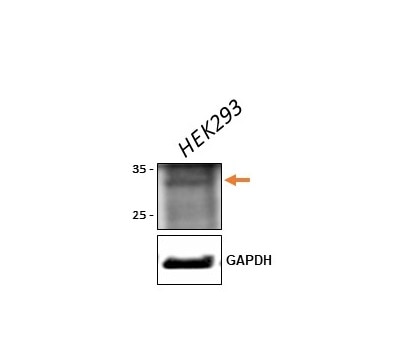
| Observed Molecular Weight | 31 kDa |
| GenBank Accession Number | BC001120 |
| Gene Symbol | Galectin-3 |
| Gene ID (NCBI) | 3958 |
| RRID | AB_2136768 |
| Conjugate | Unconjugated |
| Form | Liquid |
| Purification Method | Antigen affinity purification |
| UNIPROT ID | P17931 |
| Storage Buffer | PBS with 0.02% sodium azide and 50% glycerol, pH 7.3. |
| Storage Conditions | Store at -20°C. Stable for one year after shipment. Aliquoting is unnecessary for -20oC storage. 20ul sizes contain 0.1% BSA. |
Background Information
Galectins are a family of animal lectins defined by shared characteristic amino-acid sequences and affinity for β-galactose-containing oligosac-charides (PMID: 8063692). Galectin-3, a member of the β-galactoside-binding proteins, contains one carbohydrate recognition domain (CRD) and a proline- and glycine-rich N-terminal domain through which is able to form oligomers (PMID: 14758078). Galectin-3 is widely expressed in many normal tissues and a variety of tumors. It is found intracellularly in nucleus and cytoplasm or secreted outside of cell, being present on the cell surface or in the extracellular space (PMID: 16478649). Galectin-3 is involved in various biological processes including cell growth, adhesion, differentiation, apoptosis, angiogenesis, immune response, neoplastic transformation and metastasis (PMID: 16478649; 14758078).
Protocols
| Product Specific Protocols | |
|---|---|
| FC protocol for Galectin-3 antibody 14979-1-AP | Download protocol |
| IF protocol for Galectin-3 antibody 14979-1-AP | Download protocol |
| IHC protocol for Galectin-3 antibody 14979-1-AP | Download protocol |
| IP protocol for Galectin-3 antibody 14979-1-AP | Download protocol |
| WB protocol for Galectin-3 antibody 14979-1-AP | Download protocol |
| Standard Protocols | |
|---|---|
| Click here to view our Standard Protocols |
Publications
What published studies show
The anti-Galectin-3 (LGALS3) antibody, catalog number 14979-1-AP, has 80 total citations. These appear across journals including Nature, Nature Immunology, Autophagy, Cell Death & Disease, Cell Reports, EMBO Journal, Oncogene, Journal of Experimental Medicine, and Redox Biology. Research fields span lysosomal biology and membrane repair, macrophage/immune function, cancer (metastasis, chemoresistance, immunotherapy), cardiovascular disease (hypertension, cardiac remodeling, aortic aneurysm), neurodegeneration (Alzheimer's, Parkinson's, TBI), fibrosis, and metabolic disorders.
| Species | Application | Title |
|---|---|---|
Nat Immunol Heme drives hemolysis-induced susceptibility to infection via disruption of phagocyte functions. | ||
Bioact Mater Biomimetic stress granules replenish lysosomal repair to reinstate macrophage immunometabolic antibacterial programs. | ||
Autophagy E-cigarette aerosols induce the hydrolysis of lysosomal glycerophospholipids through PLA2G4A activation initiated by nicotine binding to CHRNA3/α3 nAchr in airway epithelial cells. | ||
Autophagy The PI4K2A-OSBPL6/ORP6-PS axis mediates lysosomal membrane repair to restore neuronal lipid homeostasis and promote neuronal survival after spinal cord injury. | ||
Exp Hematol Oncol Multi-model analysis of gallbladder cancer reveals the role of OxLDL-absorbing neutrophils in promoting liver invasion |
Reviews
What customers say
Customers rate this antibody favorably across applications. For immunoprecipitation, one user found it performed well. In immunofluorescence on reactive astrocytes (1:200), staining was specific with minor background possibly attributed to the secondary antibody, closely matching the images on the product page. For Western blot on HEK293 lysates (1:1000, overnight incubation with HRP secondary), the antibody produced clear detection. Overall, users report reliable specificity and performance consistent with the manufacturer's data.
The reviews below have been submitted by verified Proteintech customers who received an incentive for providing their feedback.
Ahmad (Verified Customer) (07-02-2026) | Good for IP !
|
Víctor (Verified Customer) (09-18-2024) | The staining appears specific, although there is a bit of background, maybe due to the secondary antibody used. It is quite similar to the staining shown on the product's website
|
Tom (Verified Customer) (07-07-2021) | HEK293 whole cell lysates on SDS-PAGE. Antibody incubated with membrane overnight in fridge. HRP secondary antibody used for detection.
 |











