

Tested Applications
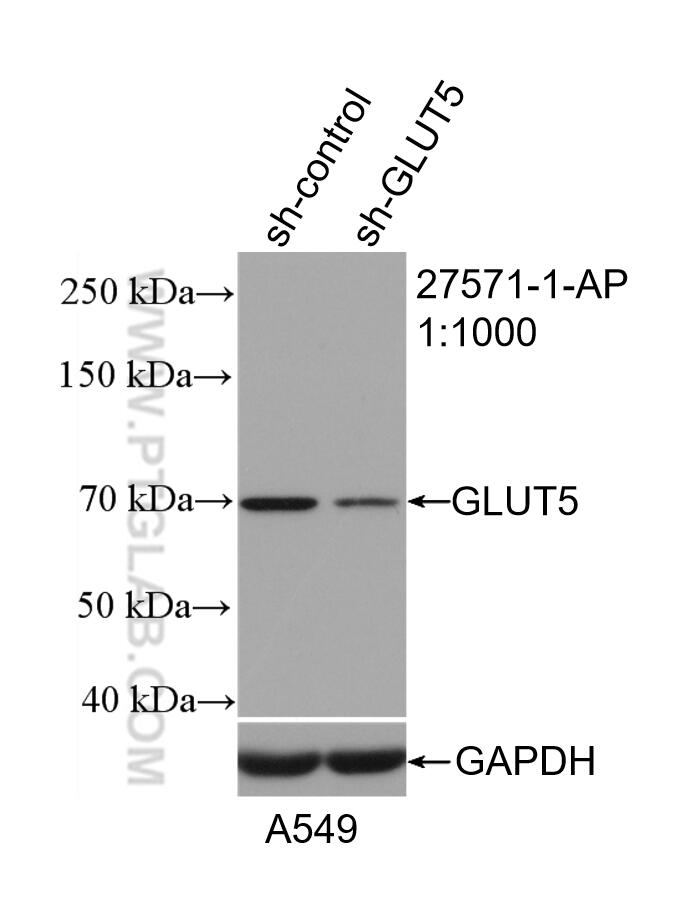
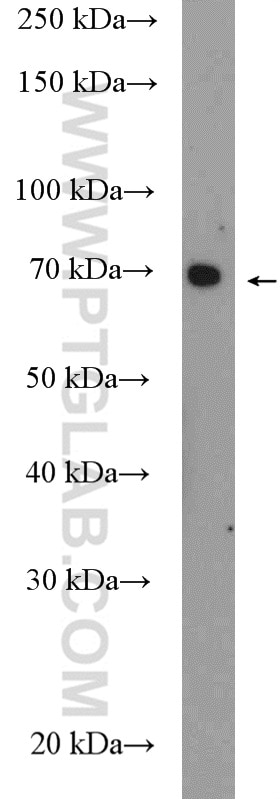
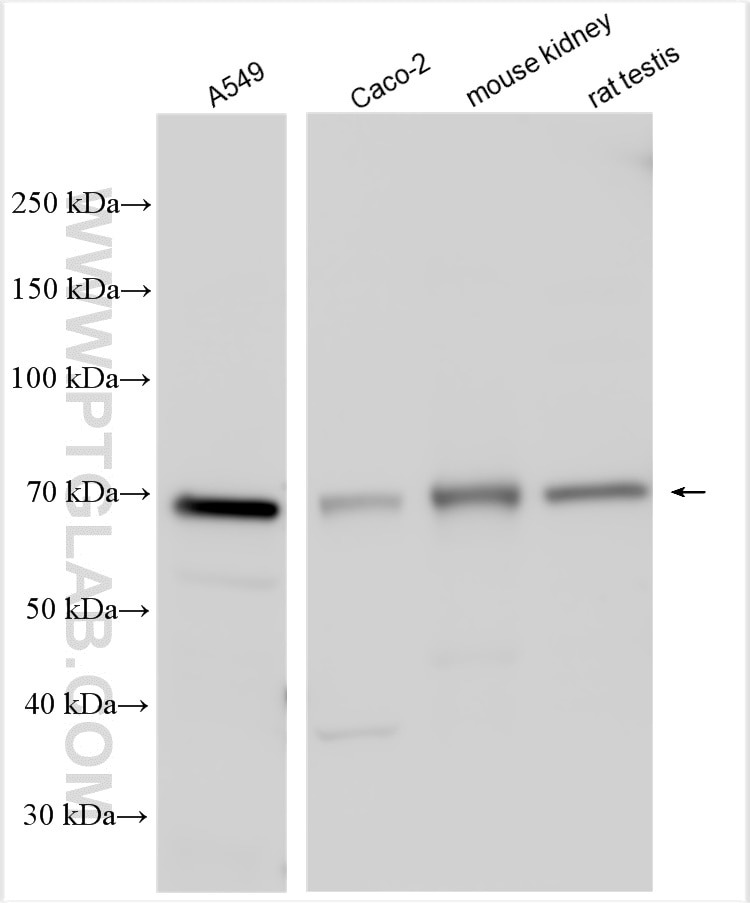
| Positive WB detected in | Caco-2 cells, A549 cells, mouse kidney tissue, rat testis tissue |
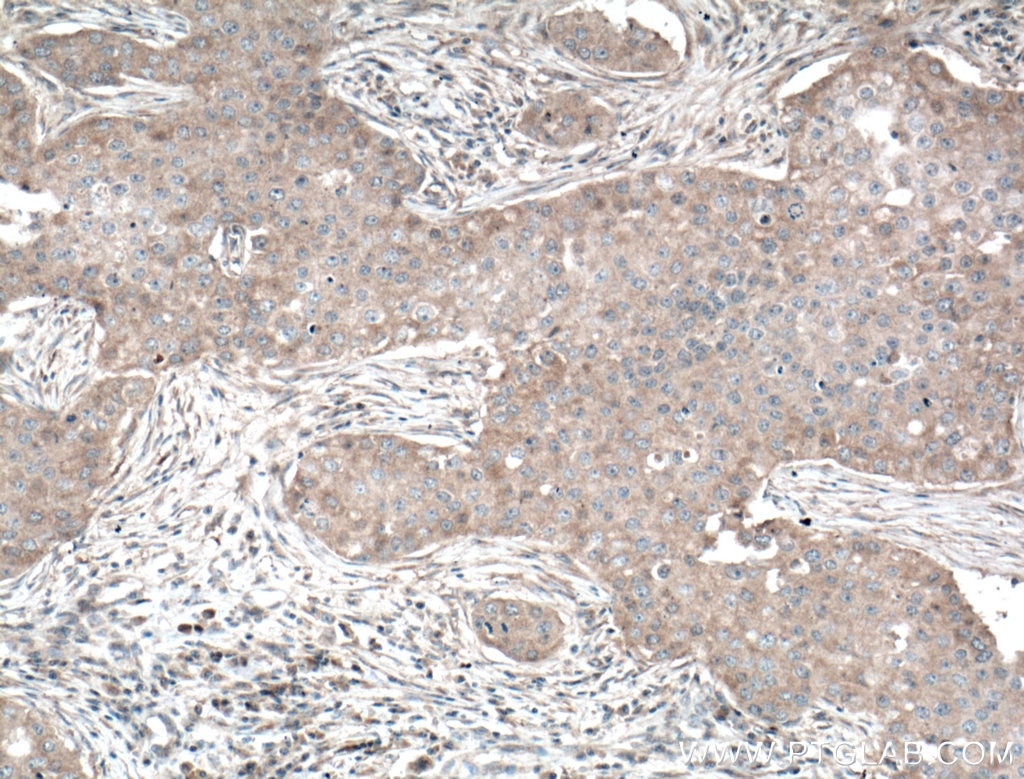
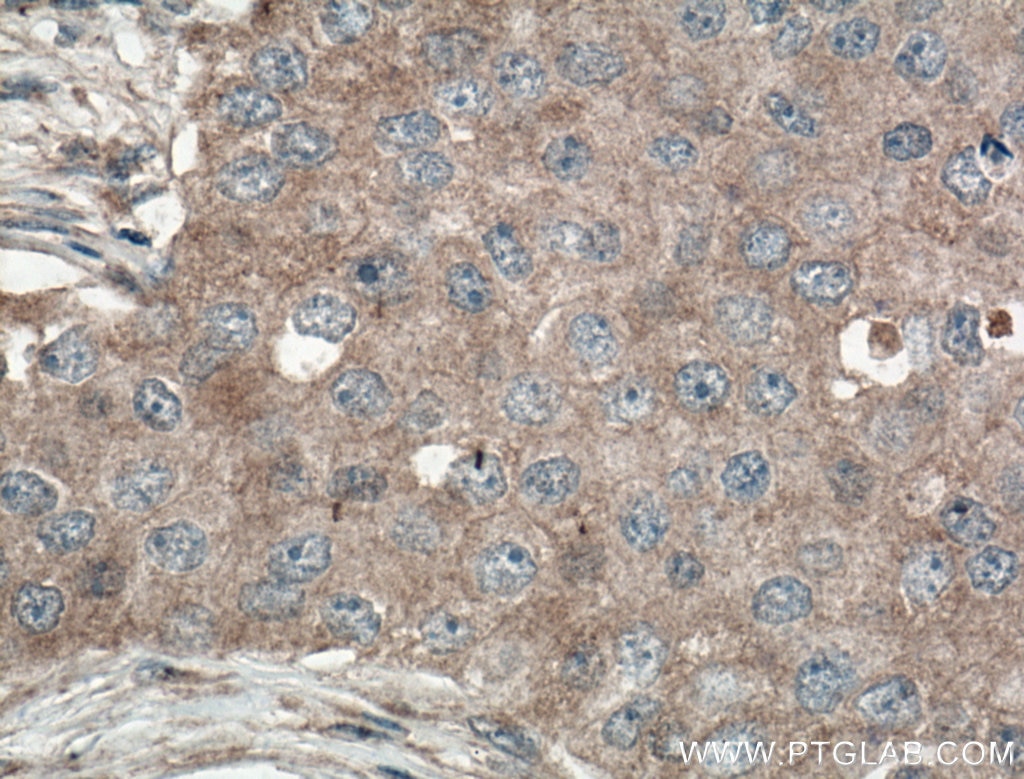
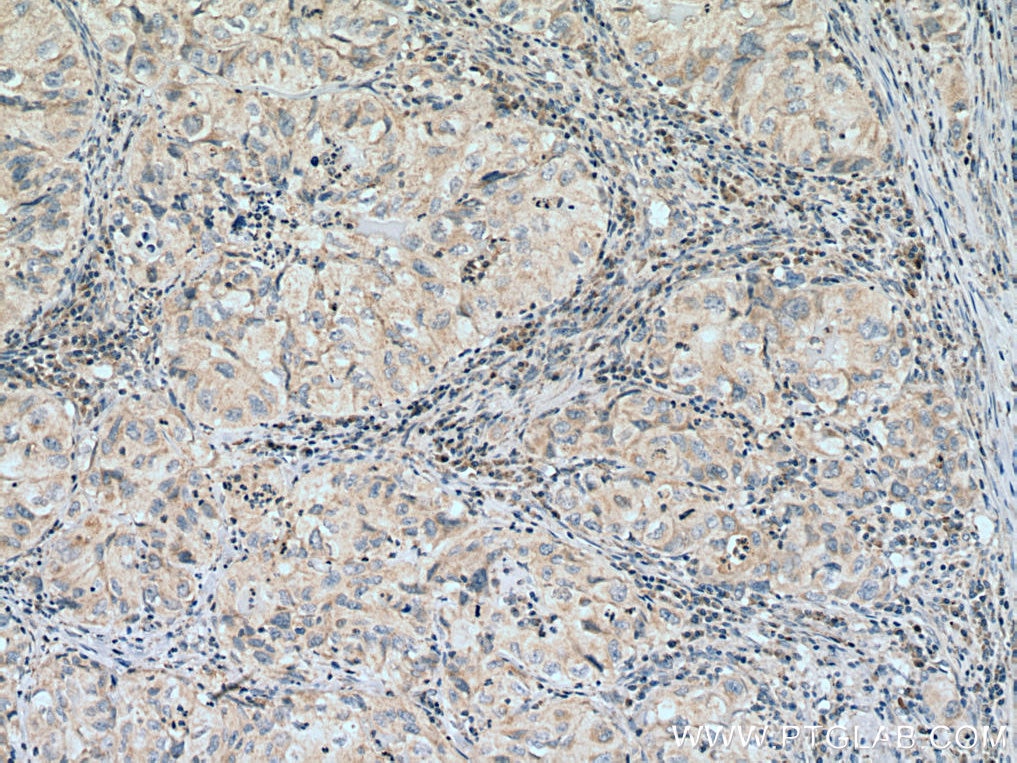
| Positive IHC detected in | human breast cancer tissue, human lung cancer tissue Note: suggested antigen retrieval with TE buffer pH 9.0; (*) Alternatively, antigen retrieval may be performed with citrate buffer pH 6.0 |
Recommended dilution
| Application | Dilution |
|---|---|
| Western Blot (WB) | WB : 1:500-1:2000 |
| Immunohistochemistry (IHC) | IHC : 1:50-1:500 |
| It is recommended that this reagent should be titrated in each testing system to obtain optimal results. | |
| Sample-dependent, Check data in validation data gallery. | |
Product Information
27571-1-AP targets GLUT5 in WB, IHC, ELISA applications and shows reactivity with human, mouse, rat samples.
| Tested Reactivity | human, mouse, rat |
| Cited Reactivity | human, mouse |
| Host / Isotype | Rabbit / IgG |
| Class | Polyclonal |
| Type | Antibody |
| Immunogen |
CatNo: Ag25682 Product name: Recombinant human SLC2A5 protein Source: e coli.-derived, PET28a Tag: 6*His Domain: 357-399 aa of BC001820 Sequence: CVLTAALALQDTVSWMPYISIVCVISYVIGHALGPSPIPALLI Predict reactive species |
| Full Name | solute carrier family 2 (facilitated glucose/fructose transporter), member 5 |
| Calculated Molecular Weight | 55 kDa |
| Observed Molecular Weight | 48-70 kDa |
| GenBank Accession Number | BC001820 |
| Gene Symbol | GLUT5 |
| Gene ID (NCBI) | 6518 |
| RRID | AB_2880913 |
| Conjugate | Unconjugated |
| Form | Liquid |
| Purification Method | Antigen affinity purification |
| UNIPROT ID | P22732 |
| Storage Buffer | PBS with 0.02% sodium azide and 50% glycerol, pH 7.3. |
| Storage Conditions | Store at -20°C. Stable for one year after shipment. Aliquoting is unnecessary for -20oC storage. 20ul sizes contain 0.1% BSA. |
Background Information
GLUT5, also known as SLC2A5, is a fructose transporter expressed on the apical border of enterocytes in the small intestine. GLUT5 allows for fructose to be transported from the intestinal lumen into the enterocyte by facilitated diffusion due to fructose's high concentration in the intestinal lumen (PMID: 12750891). GLUT5 is also expressed in skeletal muscle, testis, kidney, fat tissue (adipocytes), and brain (PMID: 9781312, 18398011).
Protocols
| Product Specific Protocols | |
|---|---|
| IHC protocol for GLUT5 antibody 27571-1-AP | Download protocol |
| WB protocol for GLUT5 antibody 27571-1-AP | Download protocol |
| Standard Protocols | |
|---|---|
| Click here to view our Standard Protocols |
Publications
What published studies show
The anti-GLUT5 antibody (Cat# 27571-1-AP) has 16 total citations. Citations appear in journals including Cell Metabolism, Cell Host & Microbe, Journal of Advanced Research, Gut Microbes, Cell Death Discovery, BMC Cancer, iScience, Nutrients, and Biochemical and Biophysical Research Communications. Research fields span fructose metabolism, hepatocellular carcinoma, glioblastoma, gastric cancer, renal cell carcinoma, obesity, graft-versus-host disease, intestinal glucose transport, and metabolic dysfunction-associated steatotic liver disease.
| Species | Application | Title |
|---|---|---|
Cell Metab High dietary fructose promotes hepatocellular carcinoma progression by enhancing O-GlcNAcylation via microbiota-derived acetate | ||
Cell Metab Dietary fructose-mediated adipocyte metabolism drives antitumor CD8+ T cell responses | ||
Cell Host Microbe Commensal enteric virome regulates intestinal carbohydrate digestion and absorption. | ||
J Adv Res miR-155 down-regulation protects the heart from hypoxic damage by activating fructose metabolism in cardiac fibroblasts | ||
Gut Microbes Overconsumption of fructose aggravates acute GVHD by inducing gut dysbiosis and promoting macrophage-mediated inflammatory response. | ||
Cell Death Discov ERK1-mediated GLYCTK2 phosphorylation promotes fructolysis to sustain glioblastoma survival under glucose deprivation |







