
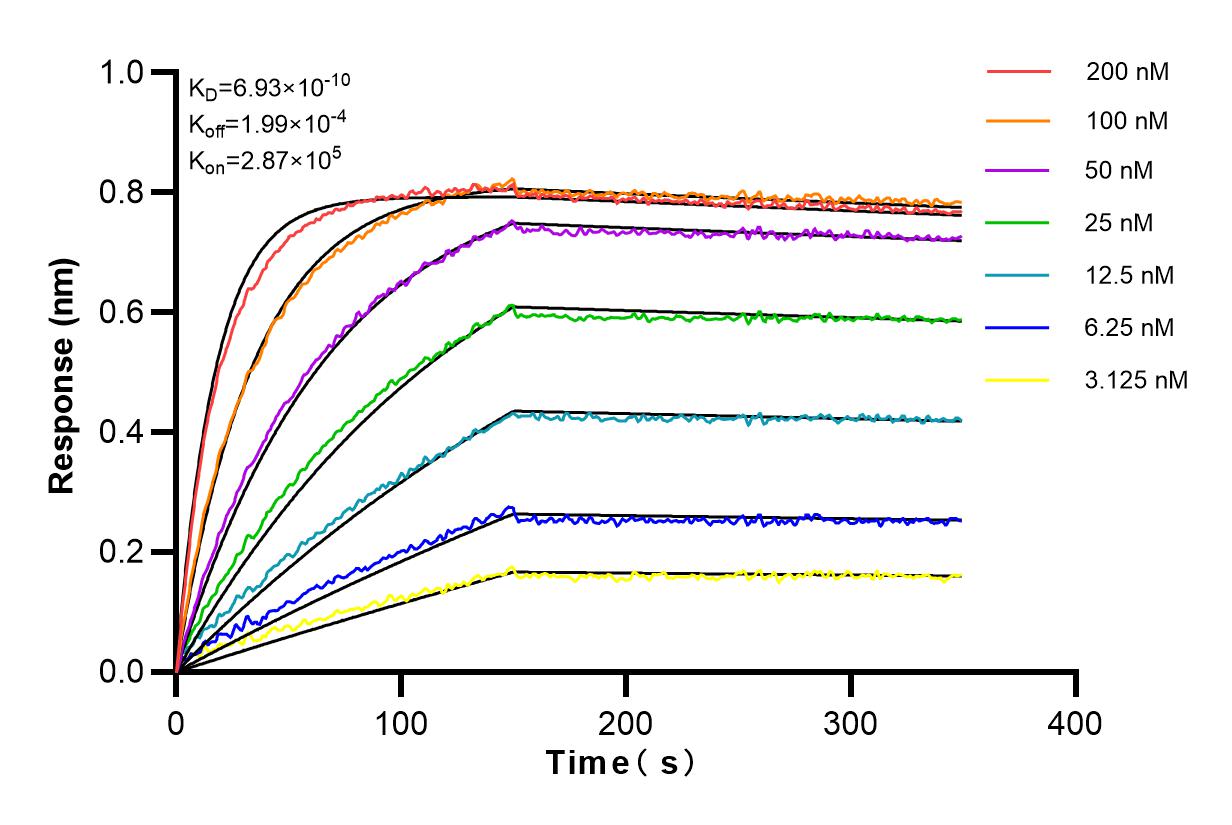
Tested Applications
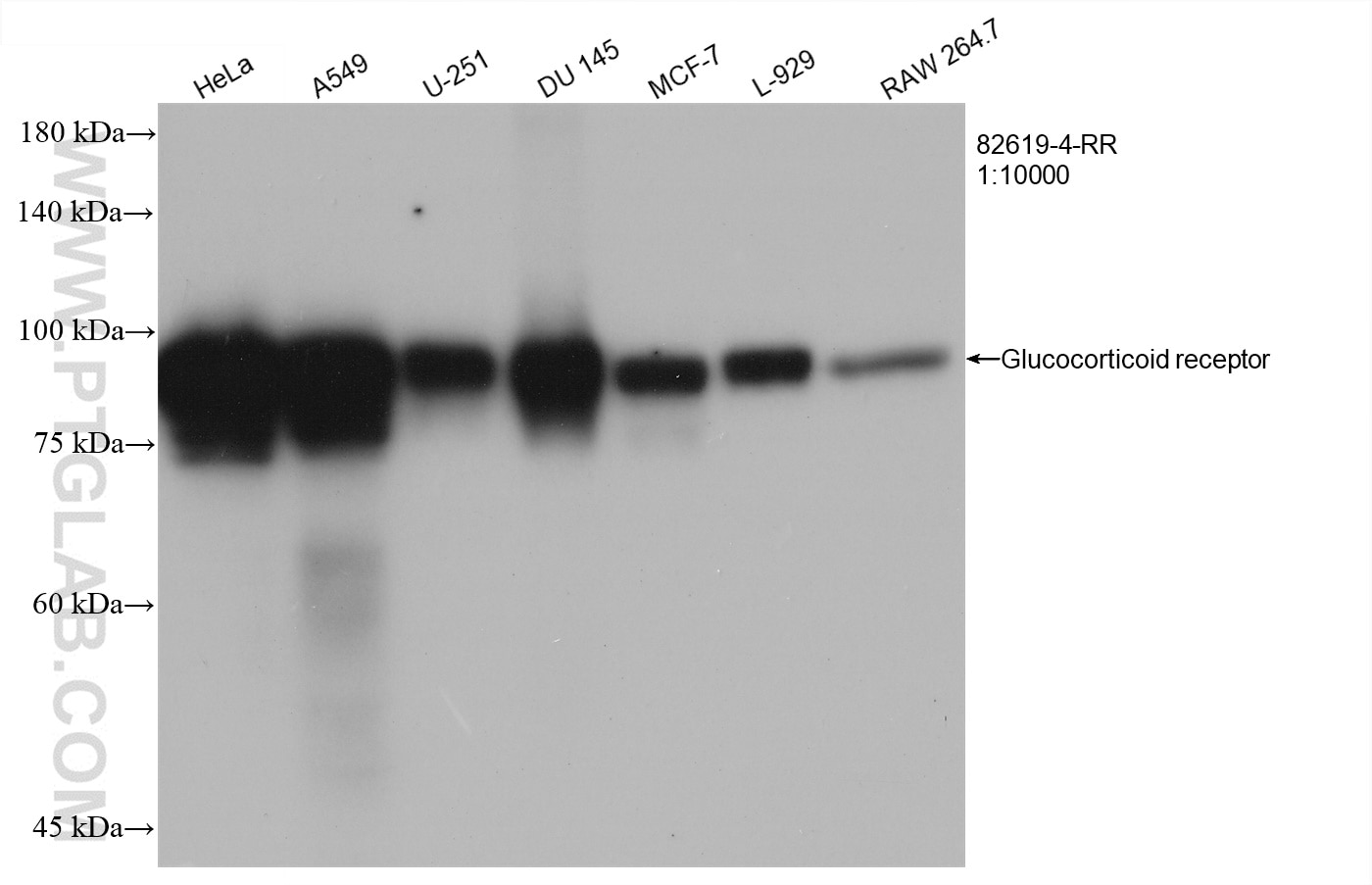
| Positive WB detected in | HeLa cells, A549 cells, U-251 cells, DU 145 cells, MCF-7 cells, L-929 cells, RAW 264.7 cells |
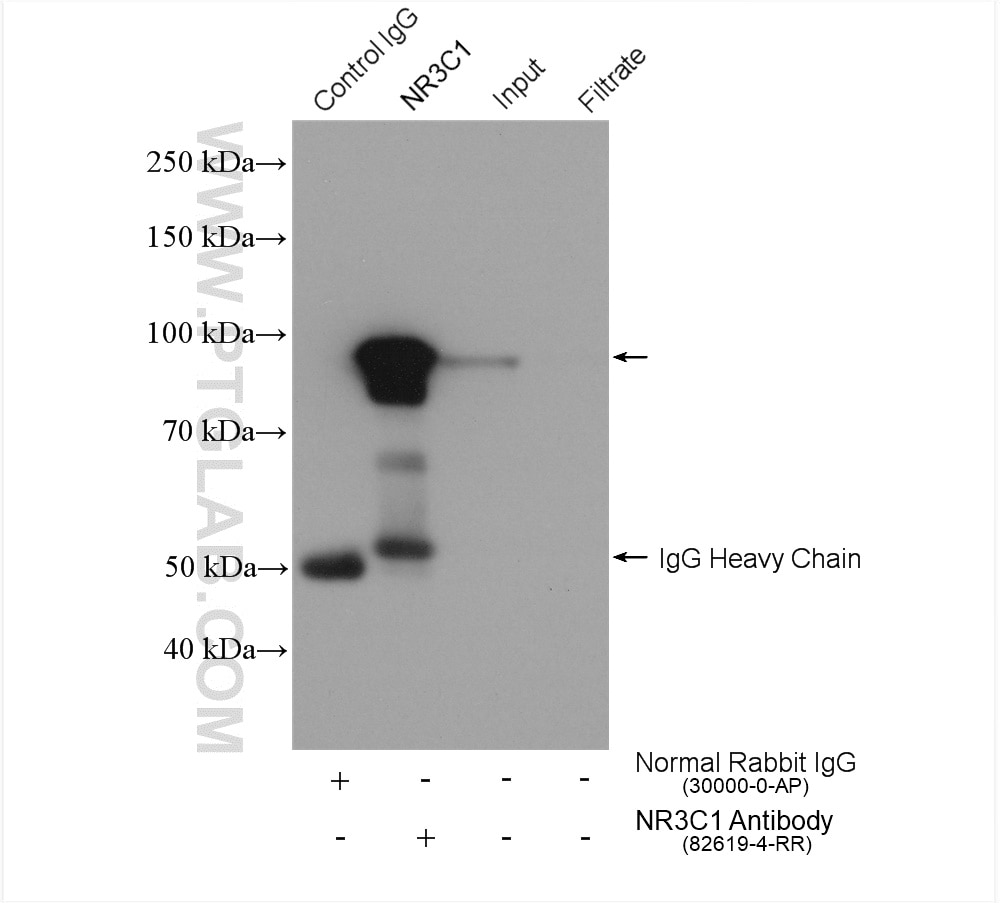
| Positive IP detected in | HepG2 cells |
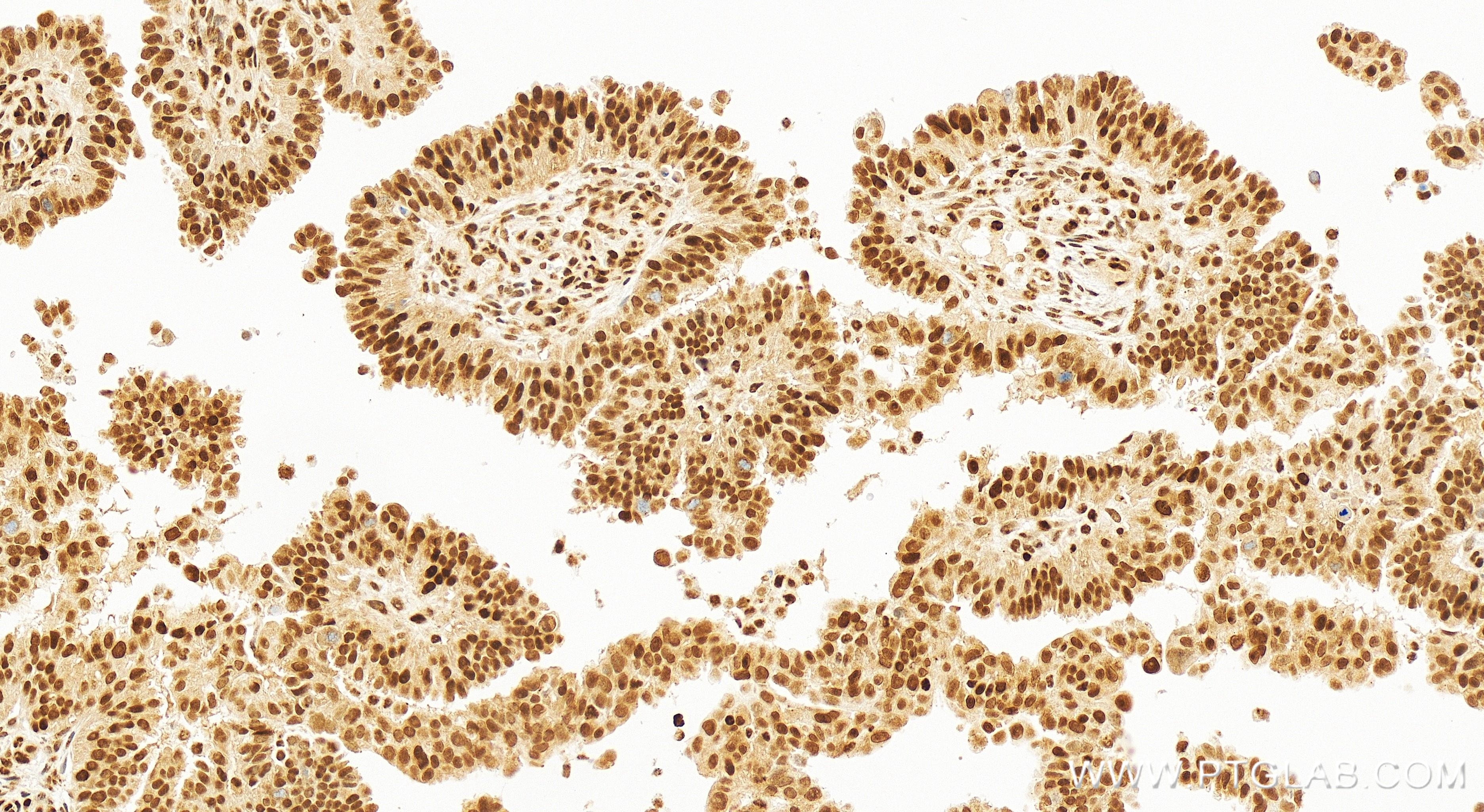
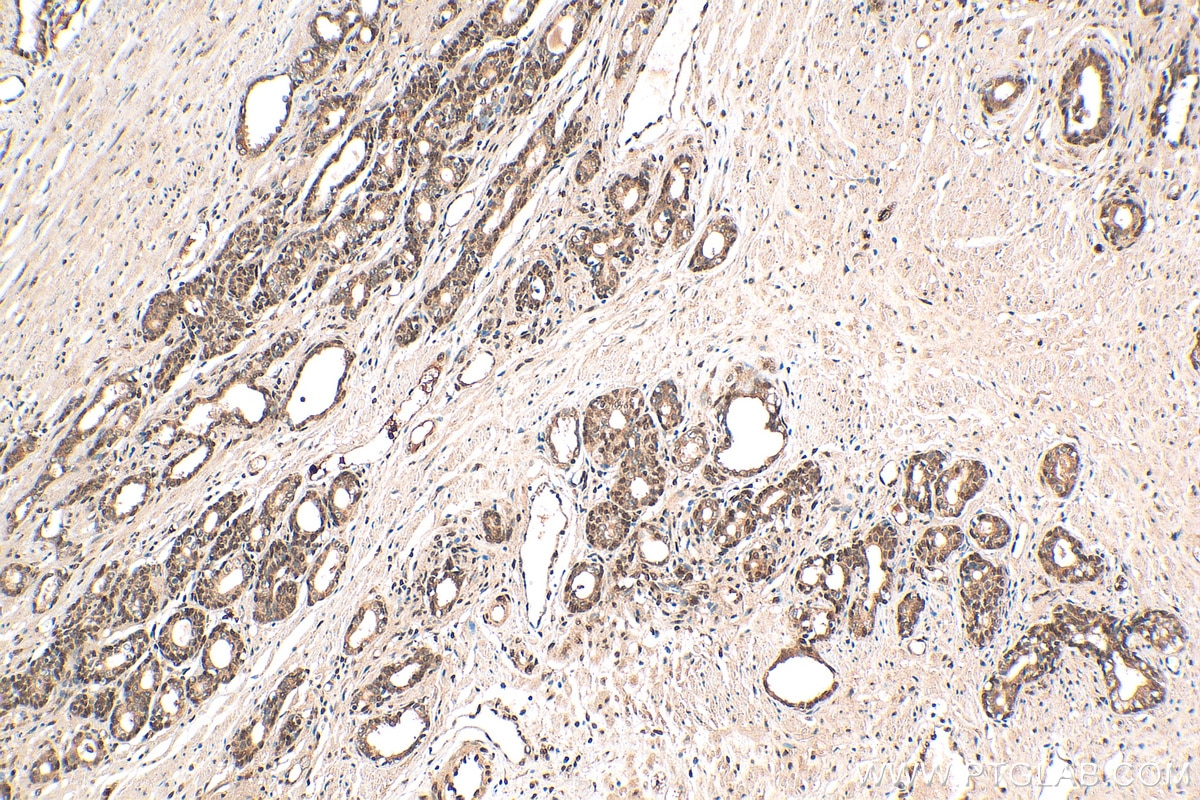
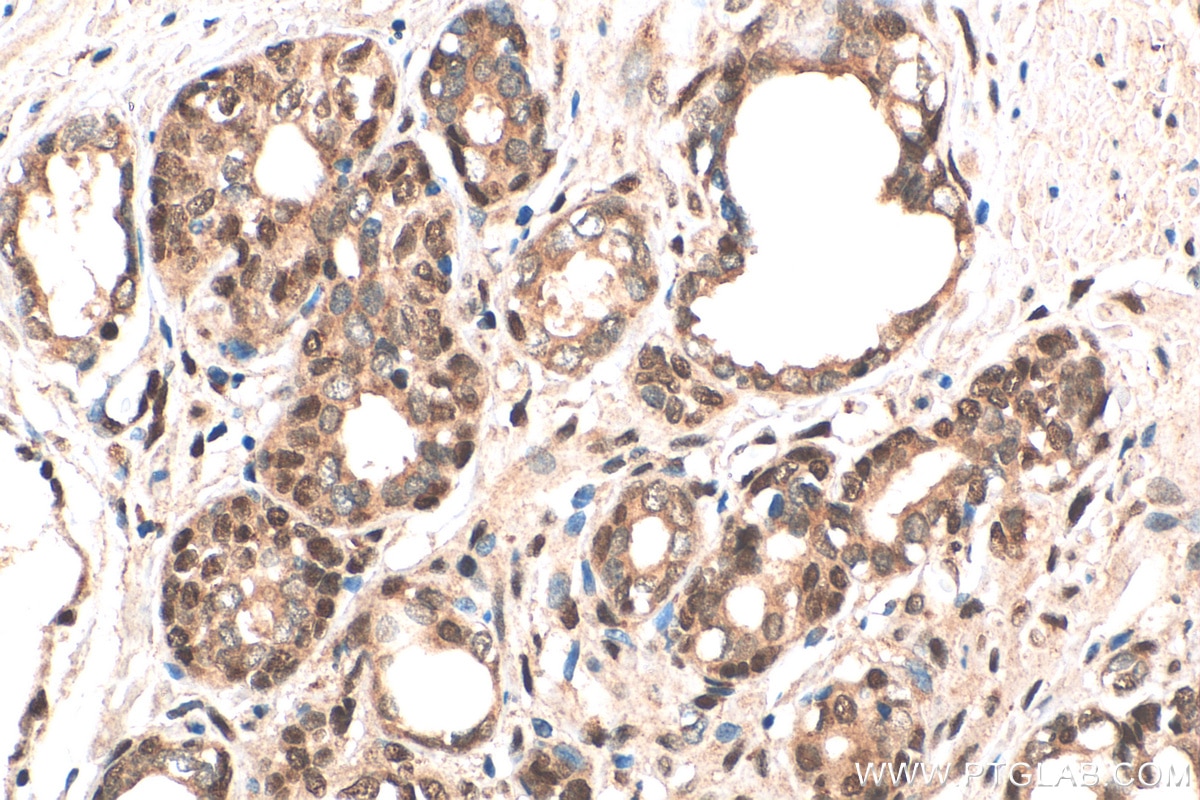
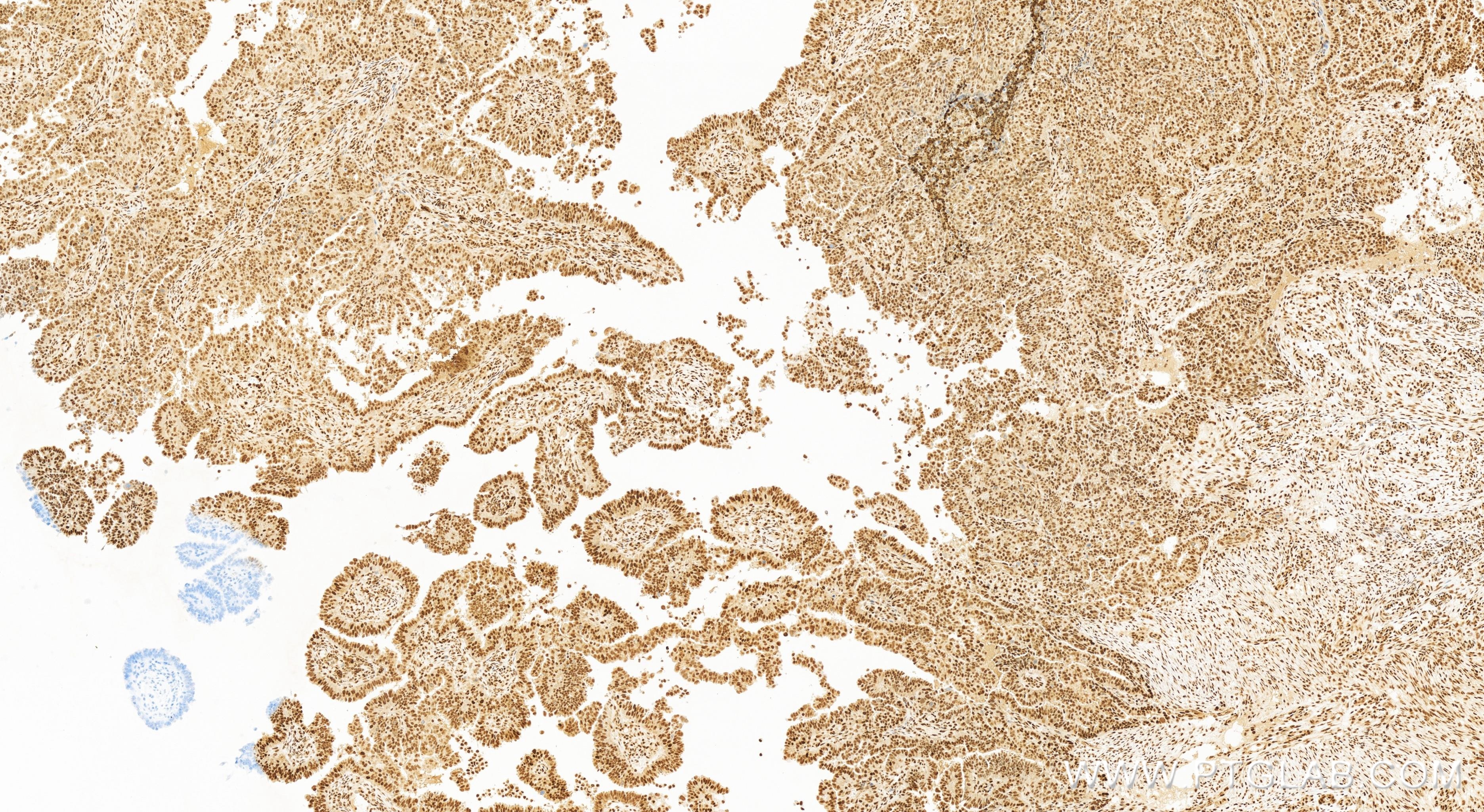
| Positive IHC detected in | human prostate cancer tissue, human ovary cancer tissue Note: suggested antigen retrieval with TE buffer pH 9.0; (*) Alternatively, antigen retrieval may be performed with citrate buffer pH 6.0 |
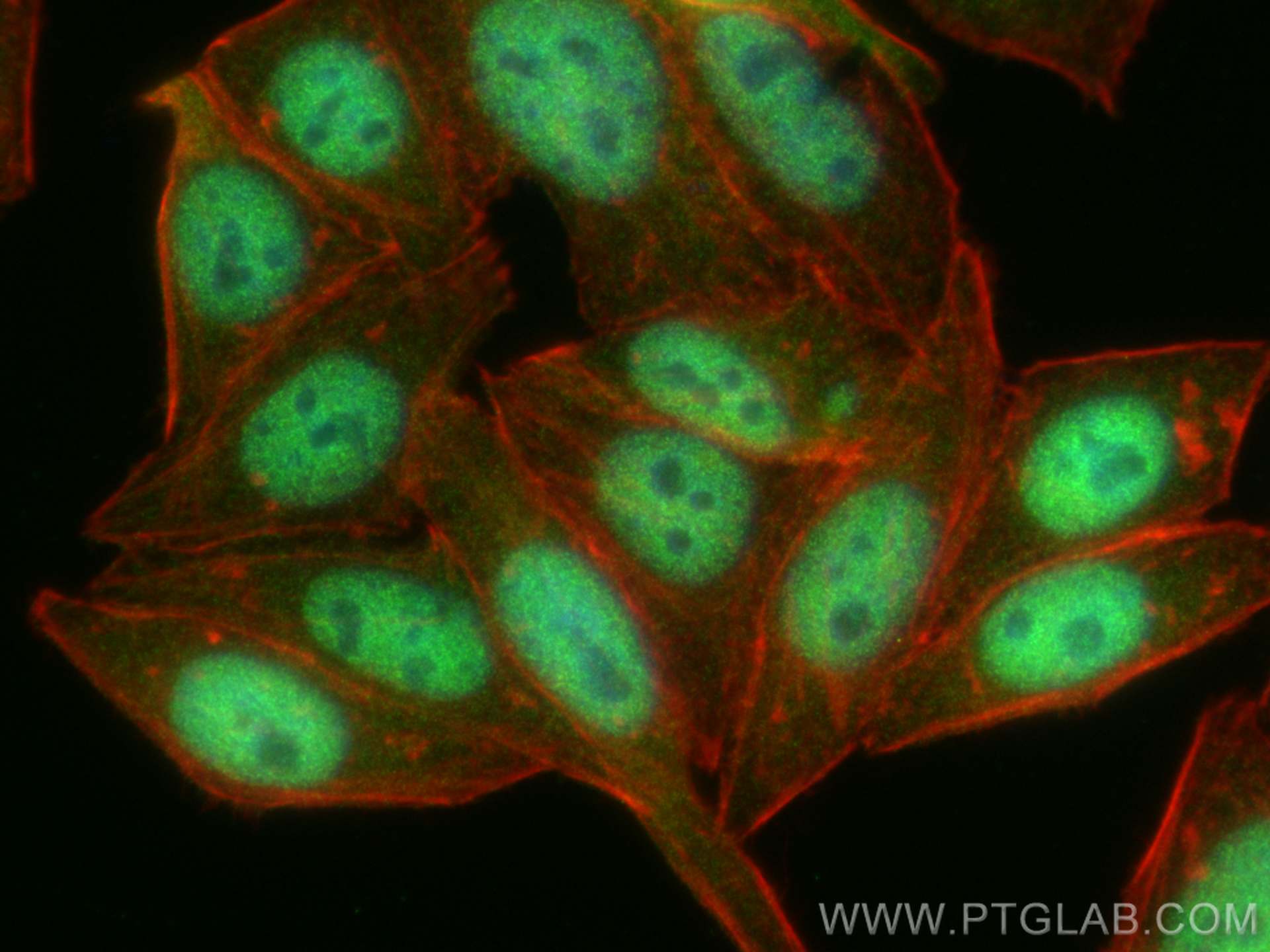
| Positive IF/ICC detected in | HepG2 cells |
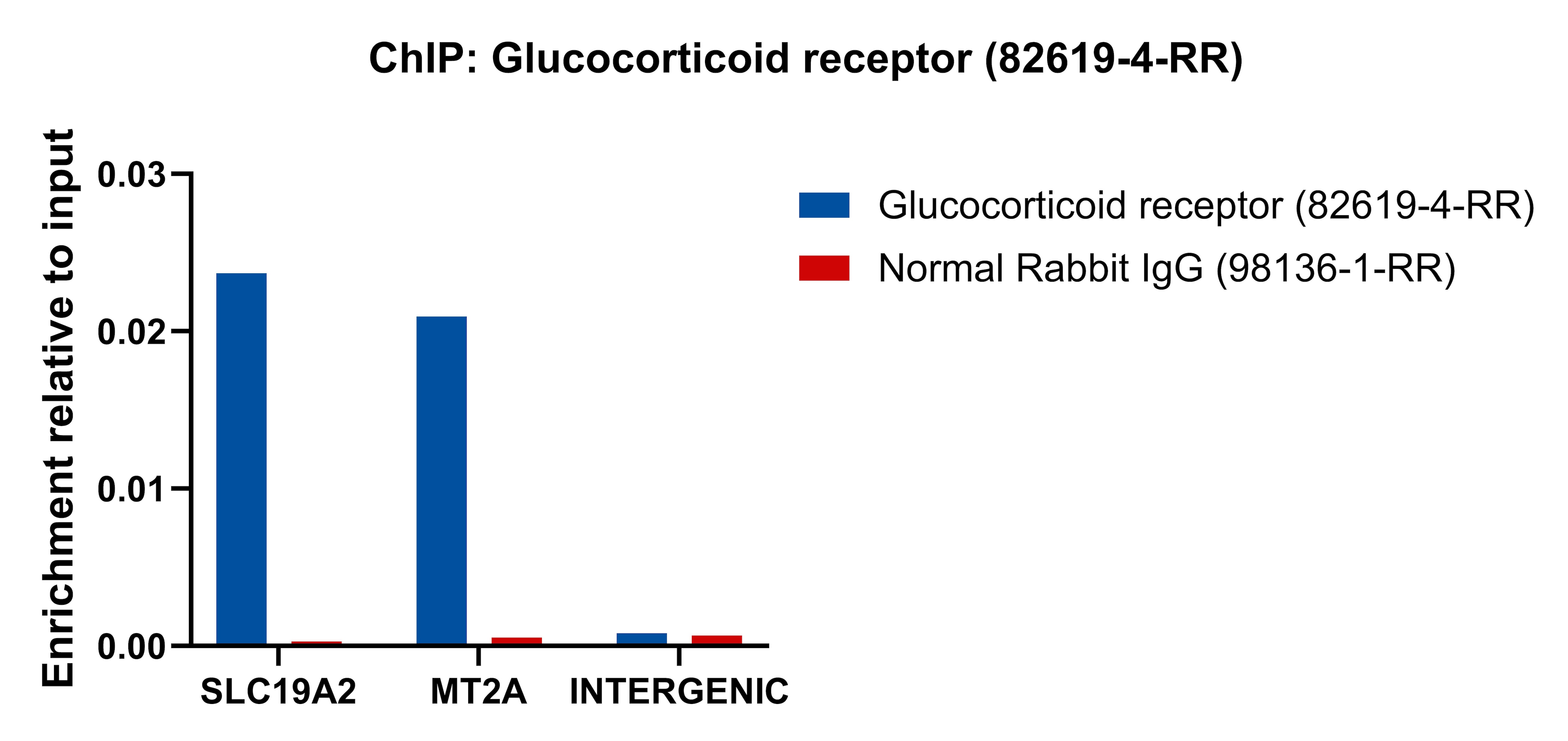
| Positive ChIP-qPCR detected in | dexamethasone (100 nM, 1 h) A549 cells |
Recommended dilution
| Application | Dilution |
|---|---|
| Western Blot (WB) | WB : 1:5000-1:50000 |
| Immunoprecipitation (IP) | IP : 0.5-4.0 ug for 1.0-3.0 mg of total protein lysate |
| Immunohistochemistry (IHC) | IHC : 1:175-1:700 |
| Immunofluorescence (IF)/ICC | IF/ICC : 1:500-1:2000 |
| CHIP-QPCR | CHIP-QPCR : 1:10-1:100 |
| It is recommended that this reagent should be titrated in each testing system to obtain optimal results. | |
| Sample-dependent, Check data in validation data gallery. | |
Published Applications
| WB | See 1 publications below |
Product Information
82619-4-RR targets Glucocorticoid receptor in WB, IHC, IF/ICC, IP, ELISA, ChIP-qPCR applications and shows reactivity with human, mouse samples.
| Tested Reactivity | human, mouse |
| Cited Reactivity | mouse, rat |
| Host / Isotype | Rabbit / IgG |
| Class | Recombinant |
| Type | Antibody |
| Immunogen |
CatNo: Ag21146 Product name: Recombinant human Glucocorticoid receptor protein Source: e coli.-derived, PGEX-4T Tag: GST Domain: 1-350 aa of BC015610 Sequence: MDSKESLTPGREENPSSVLAQERGDVMDFYKTLRGGATVKVSASSPSLAVASQSDSKQRRLLVDFPKGSVSNAQQPDLSKAVSLSMGLYMGETETKVMGNDLGFPQQGQISLSSGETDLKLLEESIANLNRSTSVPENPKSSASTAVSAAPTEKEFPKTHSDVSSEQQHLKGQTGTNGGNVKLYTTDQSTFDILQDLEFSSGSPGKETNESPWRSDLLIDENCLLSPLAGEDDSFLLEGNSNEDCKPLILPDTKPKIKDNGDLVLSSPSNVTLPQVKTEKEDFIELCTPGVIKQEKLGTVYCQASFPGANIIGNKMSAISVHGVSTSGGQMYHYDMNTASLSQQQDQKPI Predict reactive species |
| Full Name | nuclear receptor subfamily 3, group C, member 1 (glucocorticoid receptor) |
| Calculated Molecular Weight | 86 kDa |
| Observed Molecular Weight | 94-97 kDa |
| GenBank Accession Number | BC015610 |
| Gene Symbol | Glucocorticoid receptor |
| Gene ID (NCBI) | 2908 |
| RRID | AB_3086492 |
| Conjugate | Unconjugated |
| Form | Liquid |
| Purification Method | Protein A purification |
| UNIPROT ID | P04150 |
| Storage Buffer | PBS with 0.02% sodium azide and 50% glycerol, pH 7.3. |
| Storage Conditions | Store at -20°C. Stable for one year after shipment. Aliquoting is unnecessary for -20oC storage. 20ul sizes contain 0.1% BSA. |
Background Information
Glucocorticoid receptor (GR, or GCR) also known as NR3C1 (nuclear receptor subfamily 3, group C, member 1) is a receptor for glucocorticoids, which owns a dual mode of action: as a transcription factor that binds to glucocorticoid response elements (GRE) and as a modulator of other transcription factors. It is involved in cell proliferation and differentiation and specifically implicated in newborn birth weight, thus providing a biological mechanism by which NR3C1 expression may influence birth weight (PMID:22810058).
Protocols
| Product Specific Protocols | |
|---|---|
| IF protocol for Glucocorticoid receptor antibody 82619-4-RR | Download protocol |
| IHC protocol for Glucocorticoid receptor antibody 82619-4-RR | Download protocol |
| IP protocol for Glucocorticoid receptor antibody 82619-4-RR | Download protocol |
| WB protocol for Glucocorticoid receptor antibody 82619-4-RR | Download protocol |
| Standard Protocols | |
|---|---|
| Click here to view our Standard Protocols |










