

Tested Applications
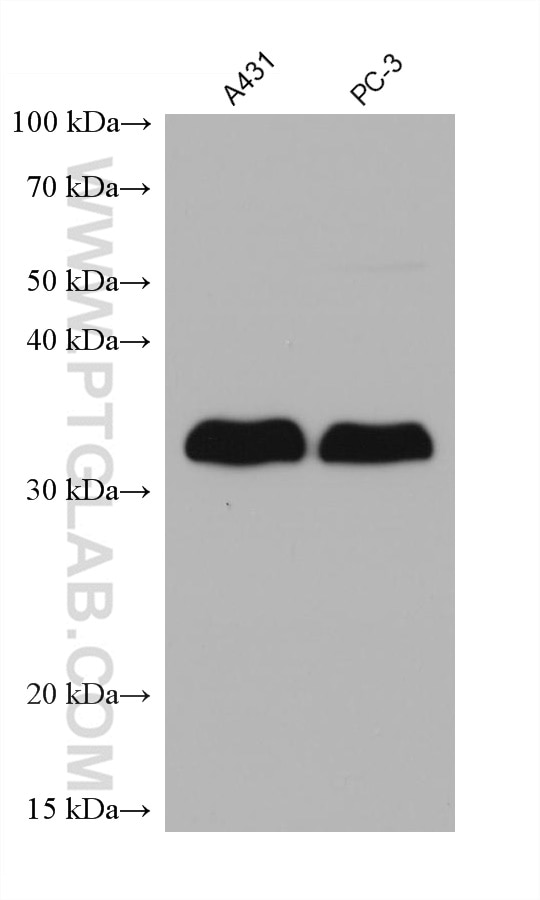
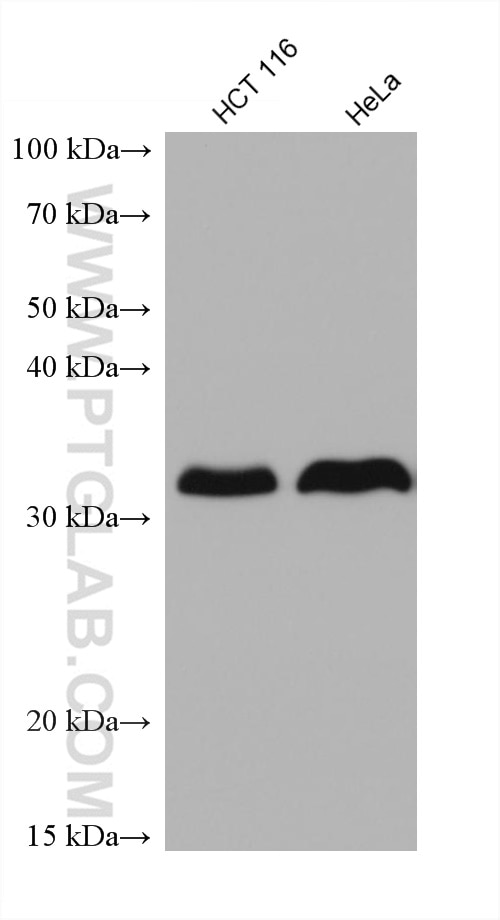
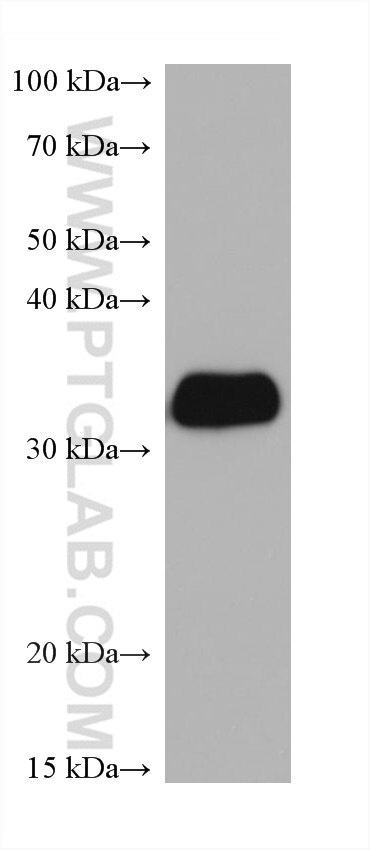
| Positive WB detected in | A431 cells, HCT 116 cells, human peripheral blood platelets, PC-3 cells, HeLa cells |
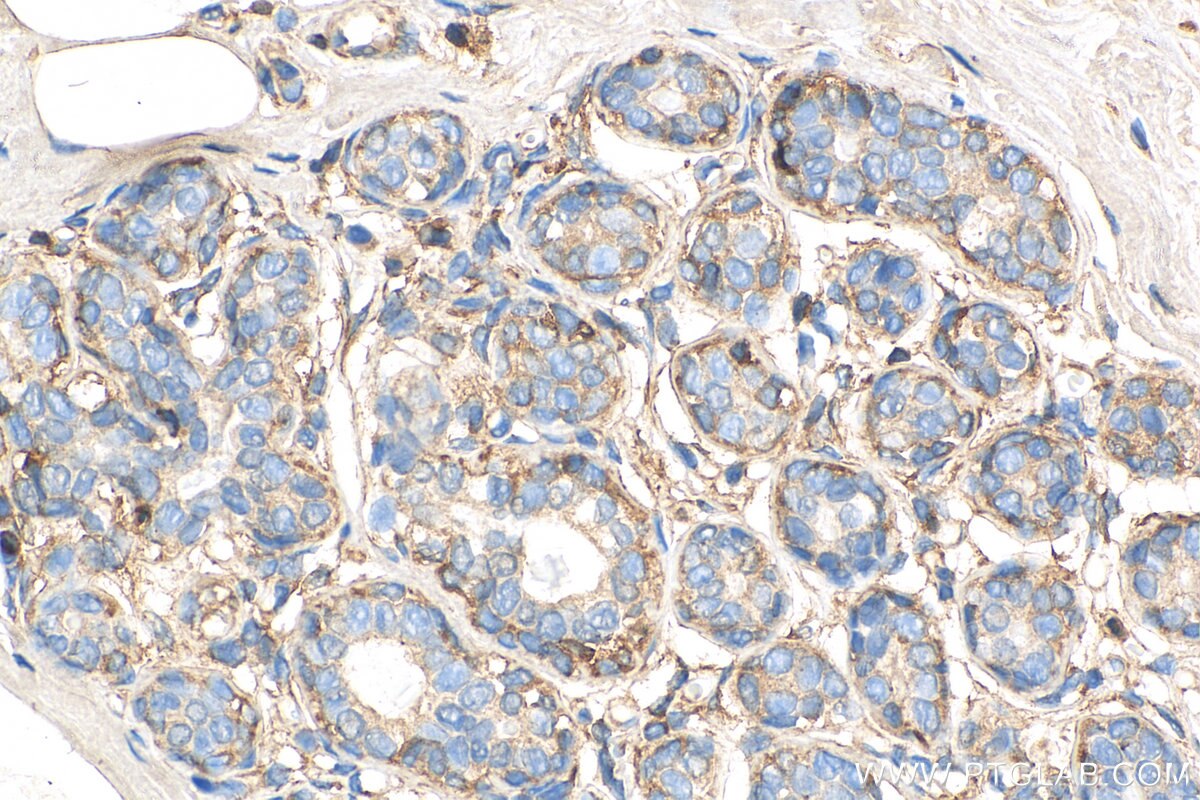
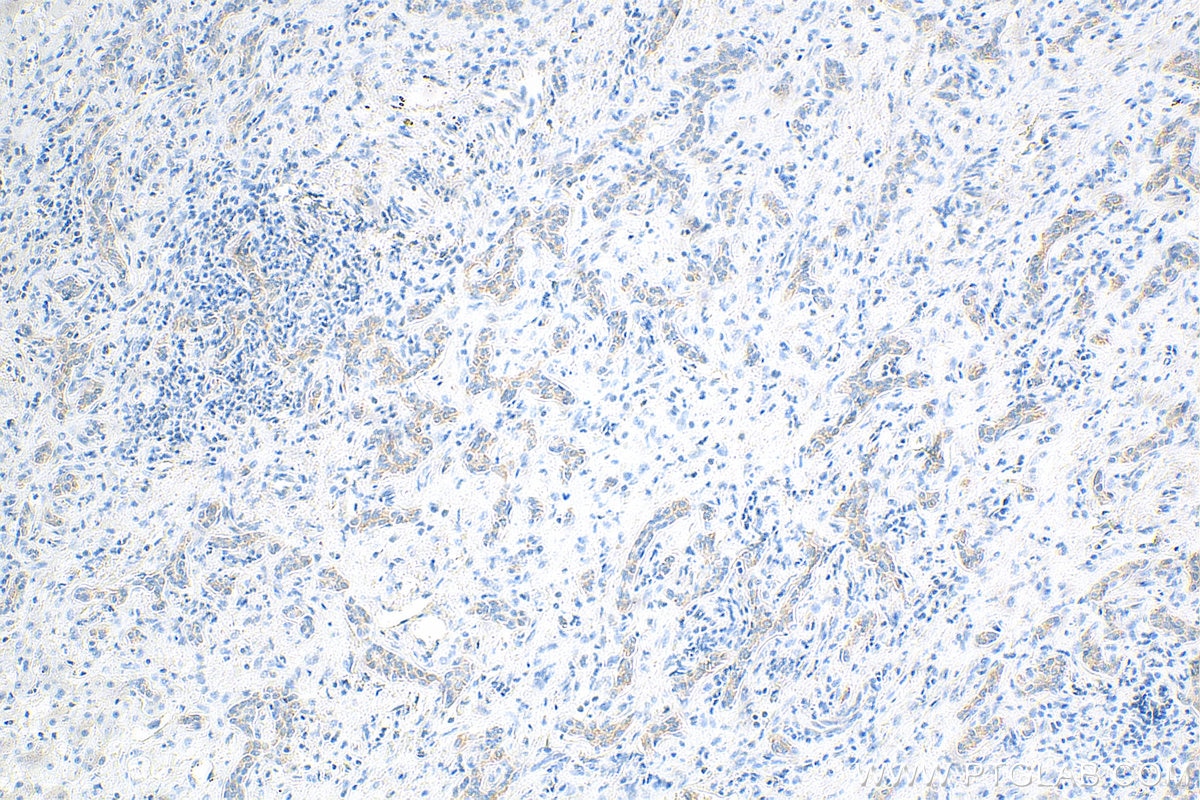
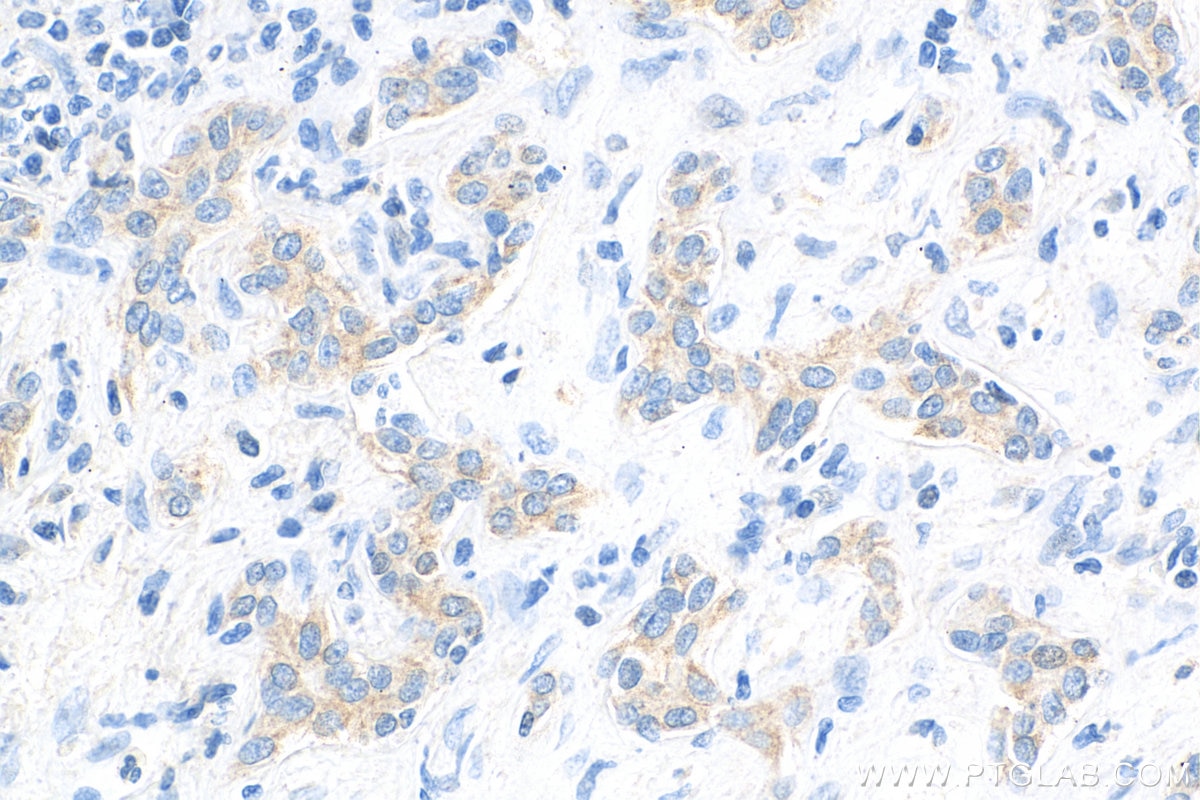
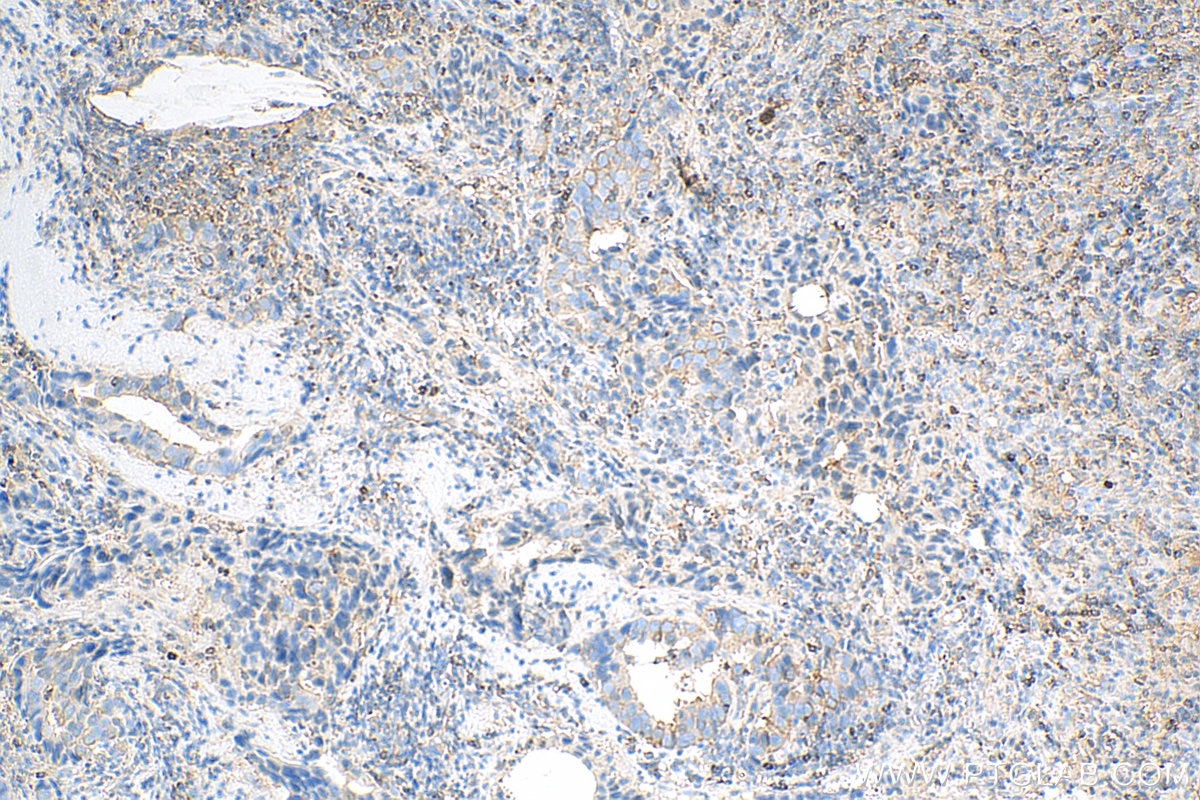
| Positive IHC detected in | human liver cancer tissue, human breast cancer tissue Note: suggested antigen retrieval with TE buffer pH 9.0; (*) Alternatively, antigen retrieval may be performed with citrate buffer pH 6.0 |
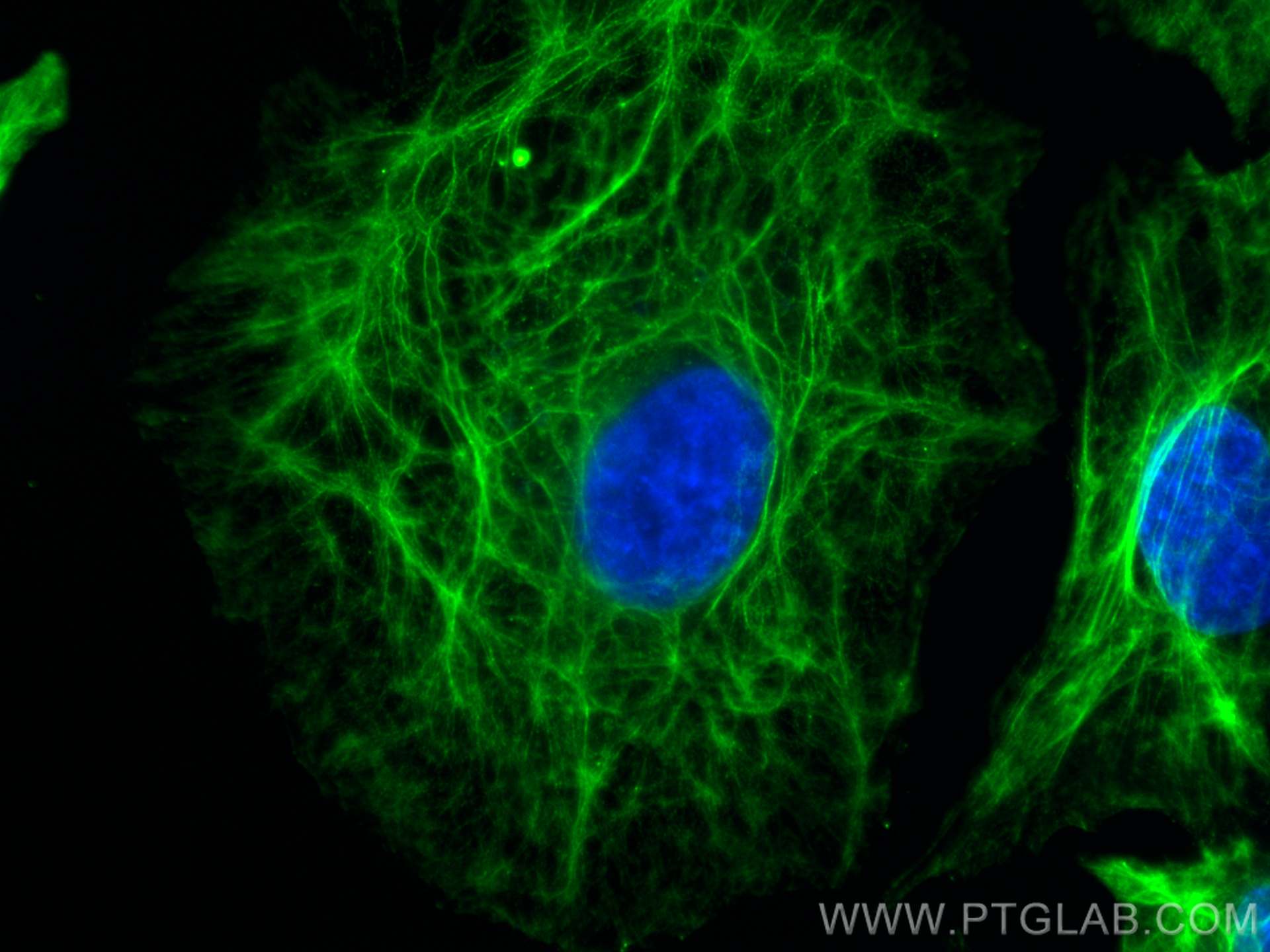
| Positive IF/ICC detected in | A549 cells |
Recommended dilution
| Application | Dilution |
|---|---|
| Western Blot (WB) | WB : 1:5000-1:50000 |
| Immunohistochemistry (IHC) | IHC : 1:500-1:2000 |
| Immunofluorescence (IF)/ICC | IF/ICC : 1:200-1:800 |
| It is recommended that this reagent should be titrated in each testing system to obtain optimal results. | |
| Sample-dependent, Check data in validation data gallery. | |
Product Information
68080-1-Ig targets LASP1 in WB, IHC, IF/ICC, ELISA applications and shows reactivity with human samples.
| Tested Reactivity | human |
| Cited Reactivity | human |
| Host / Isotype | Mouse / IgG1 |
| Class | Monoclonal |
| Type | Antibody |
| Immunogen |
CatNo: Ag18101 Product name: Recombinant human LASP1 protein Source: e coli.-derived, PET28a Tag: 6*His Domain: 125-210 aa of BC012460 Sequence: EFEKSRMGPSGGEGMEPERRDSQDGSSYRRPLEQQQPHHIPTSAPVYQQPQQQPVAQSYGGYKEPAAPVSIQRSAPGGGGKRYRAA Predict reactive species |
| Full Name | LIM and SH3 protein 1 |
| Calculated Molecular Weight | 30 kDa |
| Observed Molecular Weight | 35-38 kDa |
| GenBank Accession Number | BC012460 |
| Gene Symbol | LASP1 |
| Gene ID (NCBI) | 3927 |
| ENSEMBL Gene ID | ENSG00000002834 |
| RRID | AB_2918817 |
| Conjugate | Unconjugated |
| Form | Liquid |
| Purification Method | Protein G purification |
| UNIPROT ID | Q14847 |
| Storage Buffer | PBS with 0.02% sodium azide and 50% glycerol, pH 7.3. |
| Storage Conditions | Store at -20°C. Stable for one year after shipment. Aliquoting is unnecessary for -20oC storage. 20ul sizes contain 0.1% BSA. |
Background Information
LASP1(LIM and SH3 protein 1), also known as MLN50, is a 261 amino acid protein that localizes to both the cytoplasm and the cytoskeleton(PMID: 7589475). LASP1 consists of an N-terminal LIM-domain with two zinc finger motifs, followed by two central actin-binding nebulin repeats, flanked by a linker region and a C-terminal SH3 domain (PMID: 17177073, 9848085). LASP-1 interacts with F-Actin and plays an important role in the regulation of Actin-associated cytoskeletal organization. Agonist-dependent changes in LASP1 phosphorylation may regulate Actin-related ion transport activities in epithelial cells (PMID: 15465019,12571245). Overexpression of LASP-1 is associated with breast cancer, and plays a role in tumor transformation and metastasis (PMID: 17956604).
Protocols
| Product Specific Protocols | |
|---|---|
| IF protocol for LASP1 antibody 68080-1-Ig | Download protocol |
| IHC protocol for LASP1 antibody 68080-1-Ig | Download protocol |
| WB protocol for LASP1 antibody 68080-1-Ig | Download protocol |
| Standard Protocols | |
|---|---|
| Click here to view our Standard Protocols |
Publications
What published studies show
The LASP1 Monoclonal antibody (1G4B6), catalog number 68080-1-Ig, has 1 total citation. It appears in Cell Death & Disease (IF 12.2), a 2023 study investigating how TRIM15 forms a regulatory loop with the AKT/FOXO1 axis and LASP1 to modulate hepatocellular carcinoma cell sensitivity to tyrosine kinase inhibitors. The associated research field is cancer biology, specifically HCC drug resistance mechanisms.
| Species | Application | Title |
|---|---|---|
Cell Death Dis TRIM15 forms a regulatory loop with the AKT/FOXO1 axis and LASP1 to modulate the sensitivity of HCC cells to TKIs
|









