
Product Information
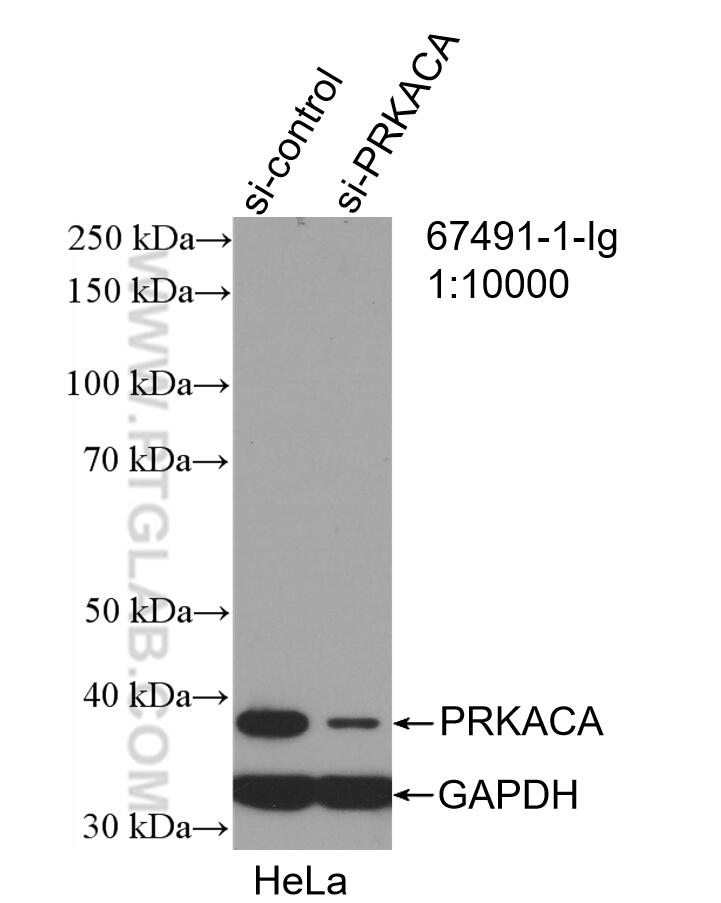
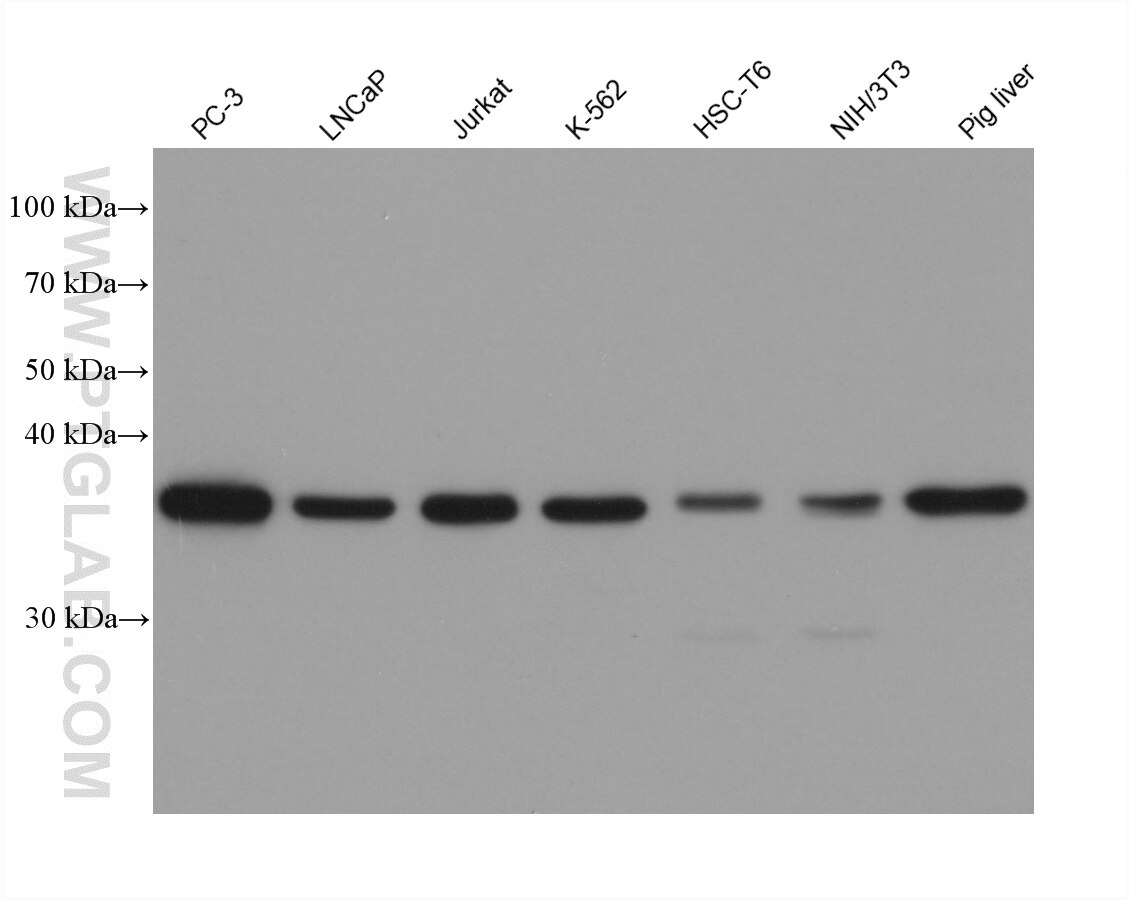
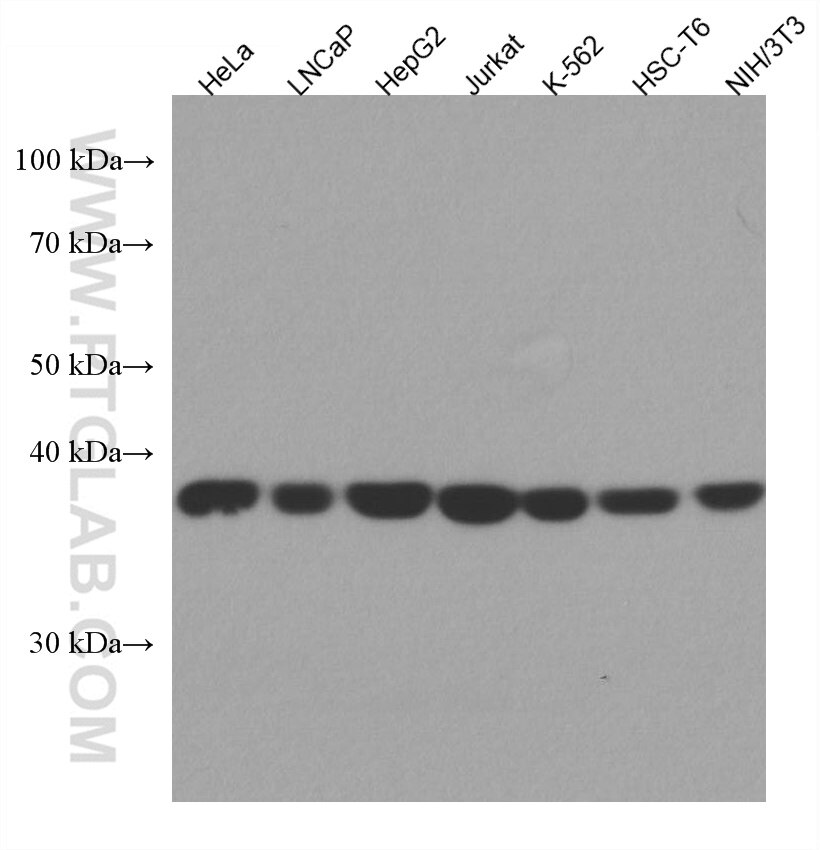
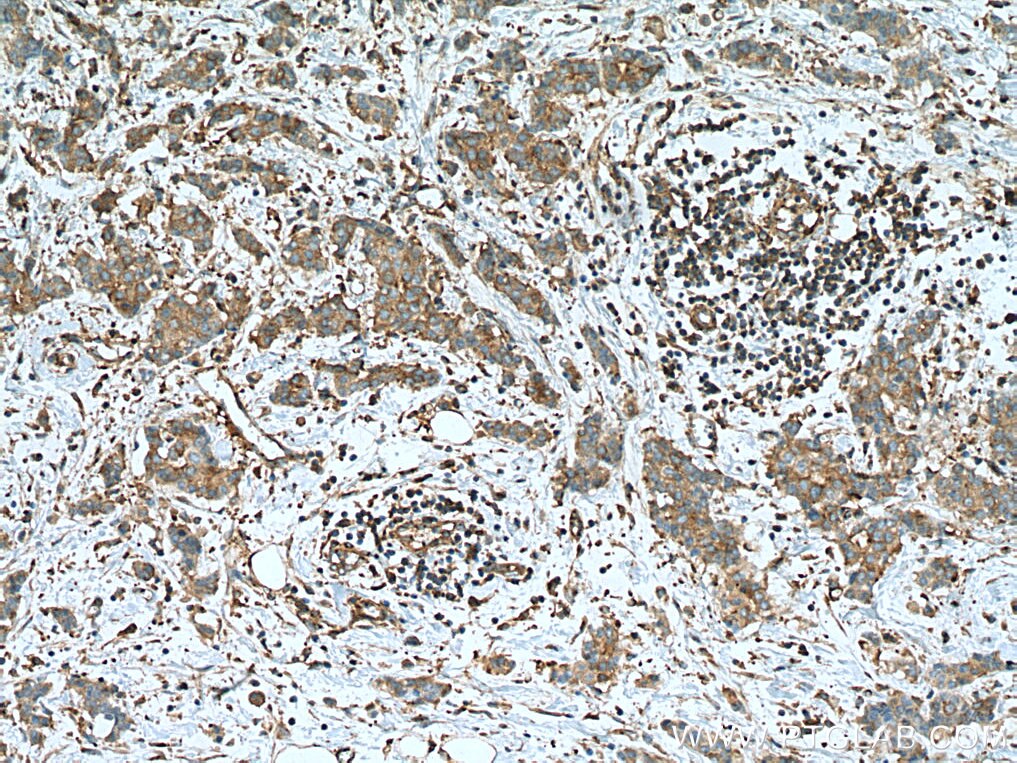
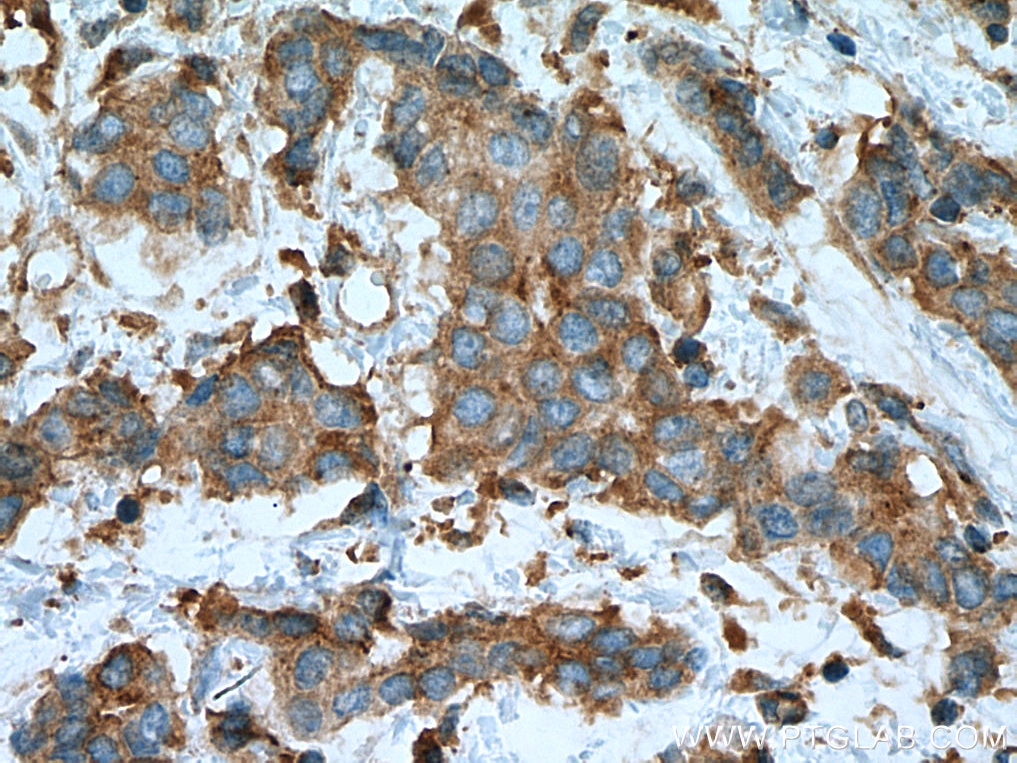
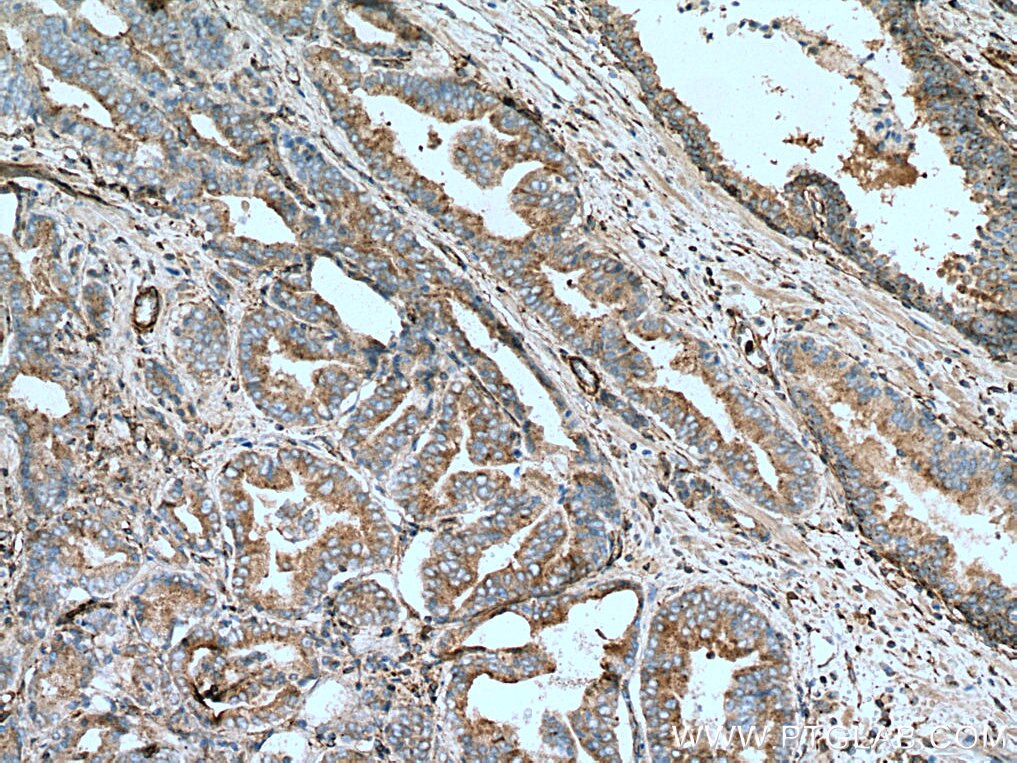
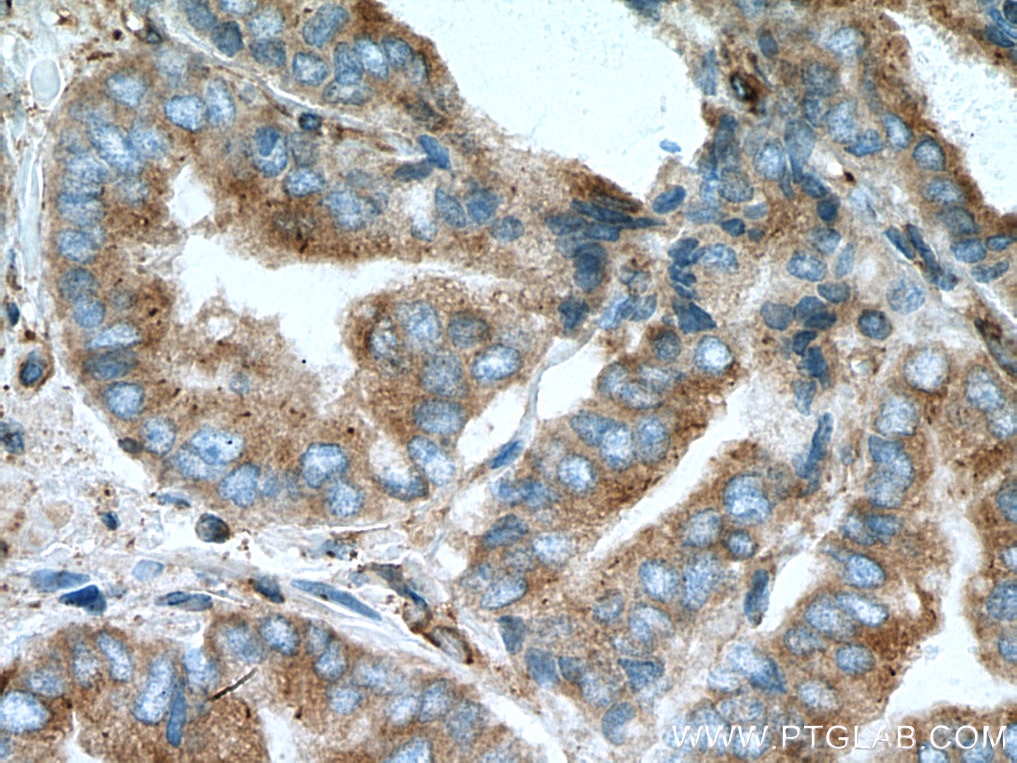
67491-1-PBS targets PRKACA in WB, IHC, ELISA applications and shows reactivity with human, mouse, rat, pig samples.
| Tested Reactivity | human, mouse, rat, pig |
| Host / Isotype | Mouse / IgG2a |
| Class | Monoclonal |
| Type | Antibody |
| Immunogen |
CatNo: Ag26400 Product name: Recombinant human PRKACA protein Source: e coli.-derived, PET28a Tag: 6*His Domain: 162-351 aa of BC039846 Sequence: DLIYRDLKPENLLIDQQGYIQVTDFGFAKRVKGRTWTLCGTPEYLAPEIILSKGYNKAVDWWALGVLIYEMAAGYPPFFADQPIQIYEKIVSGKVRFPSHFSSDLKDLLRNLLQVDLTKRFGNLKNGVNDIKNHKWFATTDWIAIYQRKVEAPFIPKFKGPGDTSNFDDYEEEEIRVSINEKCGKEFSEF Predict reactive species |
| Full Name | protein kinase, cAMP-dependent, catalytic, alpha |
| Calculated Molecular Weight | 41 kDa |
| Observed Molecular Weight | 38-43 kDa |
| GenBank Accession Number | BC039846 |
| Gene Symbol | PRKACA |
| Gene ID (NCBI) | 5566 |
| RRID | AB_2882716 |
| Conjugate | Unconjugated |
| Form | Liquid |
| Purification Method | Protein A purification |
| UNIPROT ID | P17612 |
| Storage Buffer | PBS only, pH 7.3. |
| Storage Conditions | Store at -80°C. |
Background Information
PRKACA (protein kinase cAMP-activated catalytic subunit alpha) is a gene that encodes the catalytic subunit alpha of protein kinase A (PKA), a critical enzyme in the cyclic adenosine monophosphate (cAMP) signaling pathway. Functioning as the primary effector of cAMP, this kinase regulates a vast array of cellular processes, including metabolism, gene expression, cell cycle progression, and synaptic plasticity. Under basal conditions, the catalytic subunit is held inactive by regulatory subunits; upon cAMP binding, it is released and phosphorylates a diverse range of substrate proteins on serine and threonine residues. Beyond its physiological roles, aberrant PRKACA activity, particularly gene fusions and copy number gains, is a well-established driver of specific human diseases, most notably fibrolamellar hepatocellular carcinoma (FLC), where a characteristic DNAJB1-PRKACA fusion acts as the oncogenic driver.








