

Tested Applications
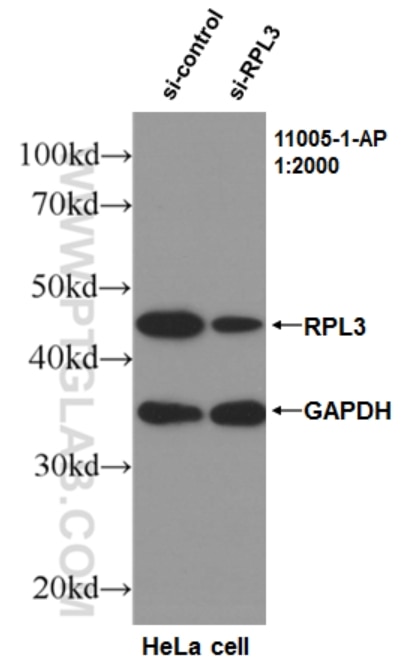
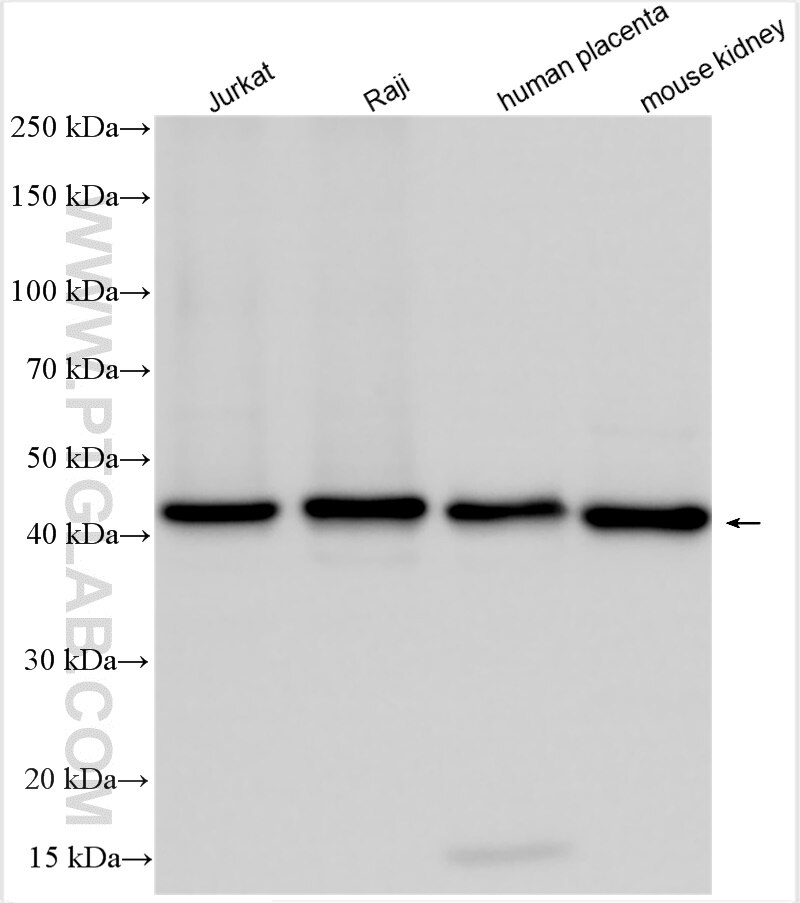
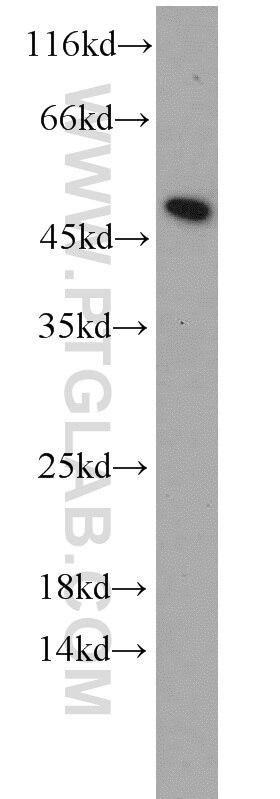
| Positive WB detected in | Jurkat cells, human kidney tissue, HeLa cells, Raji cells, human placenta tissue, mouse kidney tissue |
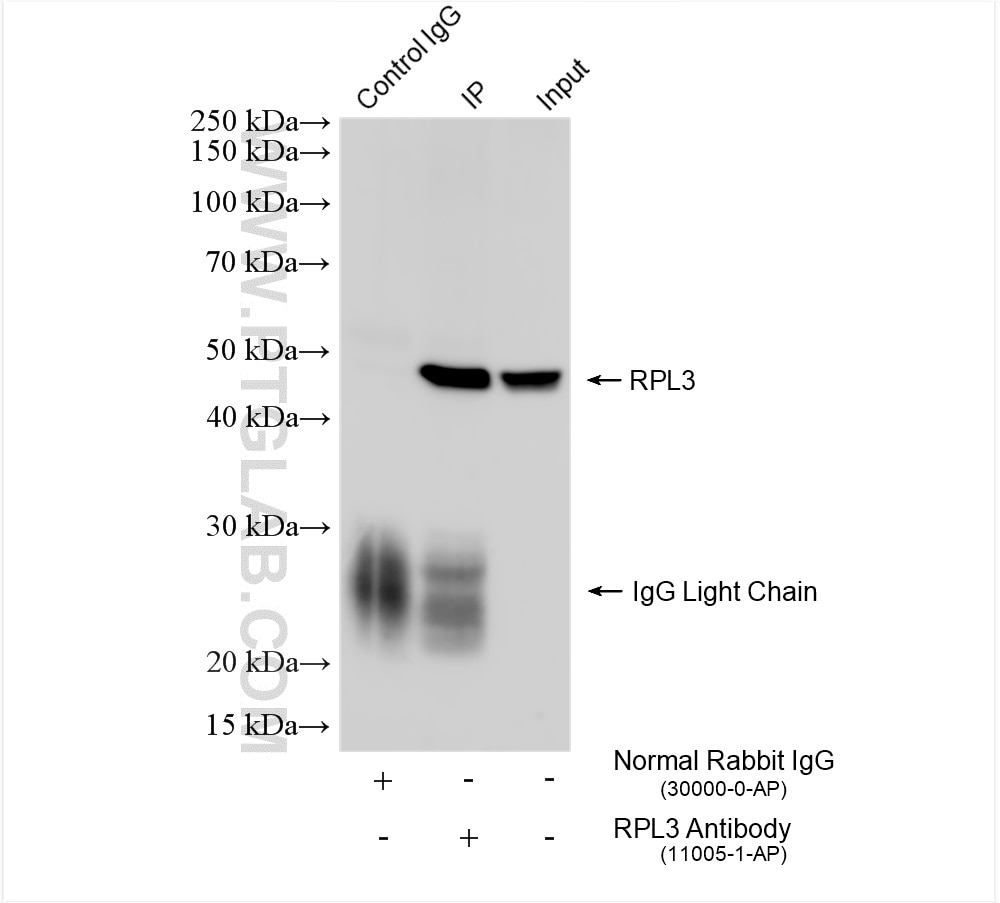
| Positive IP detected in | HepG2 cells |
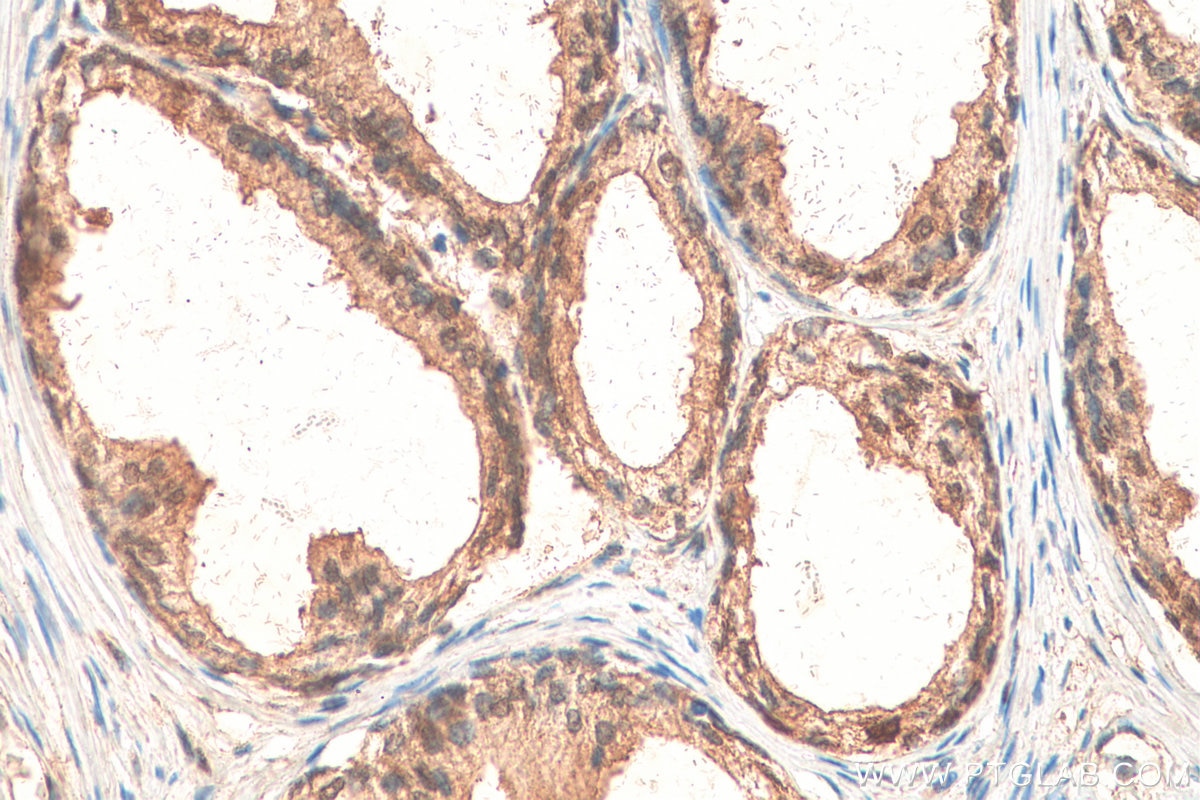
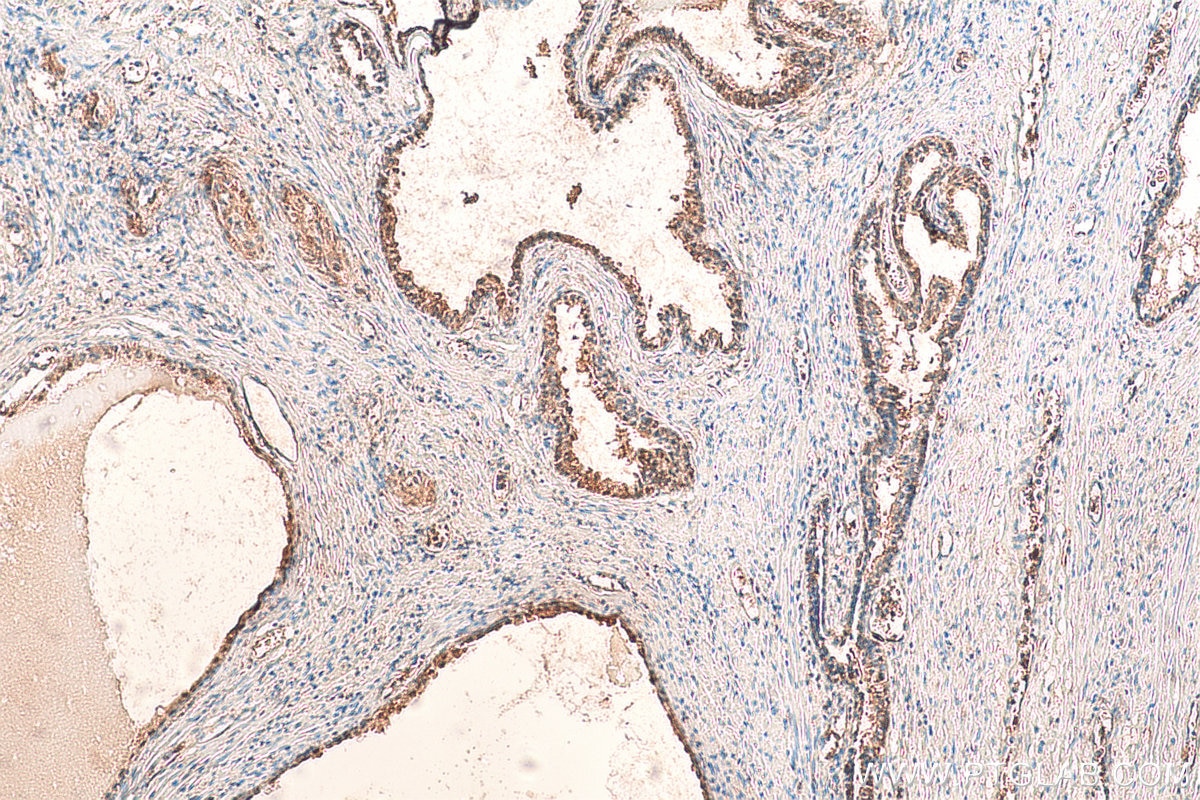
| Positive IHC detected in | human prostate cancer tissue Note: suggested antigen retrieval with TE buffer pH 9.0; (*) Alternatively, antigen retrieval may be performed with citrate buffer pH 6.0 |
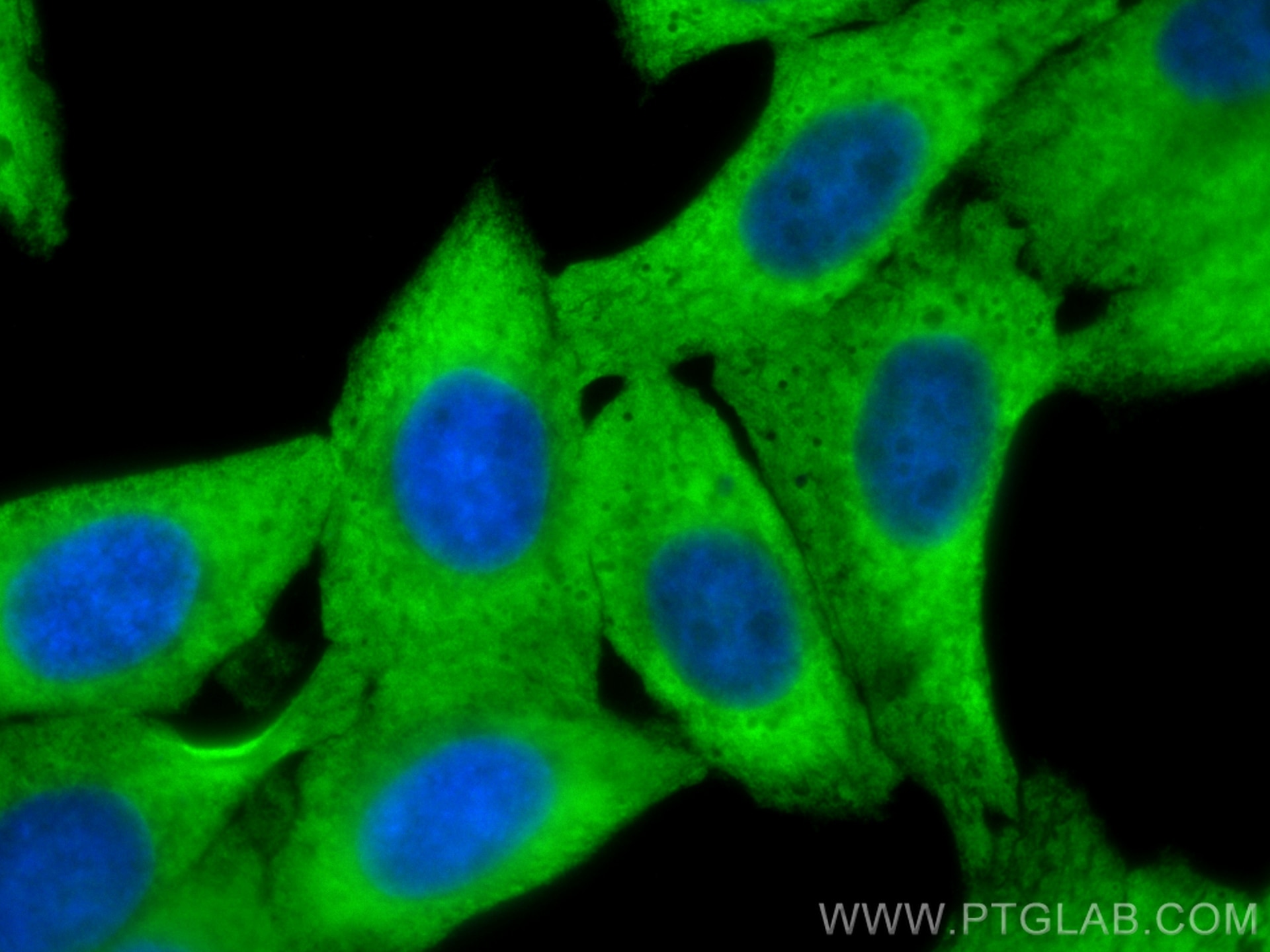
| Positive IF/ICC detected in | HepG2 cells |
Recommended dilution
| Application | Dilution |
|---|---|
| Western Blot (WB) | WB : 1:2000-1:16000 |
| Immunoprecipitation (IP) | IP : 0.5-4.0 ug for 1.0-3.0 mg of total protein lysate |
| Immunohistochemistry (IHC) | IHC : 1:50-1:500 |
| Immunofluorescence (IF)/ICC | IF/ICC : 1:200-1:800 |
| It is recommended that this reagent should be titrated in each testing system to obtain optimal results. | |
| Sample-dependent, Check data in validation data gallery. | |
Product Information
11005-1-AP targets RPL3 in WB, IHC, IF/ICC, IP, ELISA applications and shows reactivity with human, mouse samples.
| Tested Reactivity | human, mouse |
| Cited Reactivity | human, mouse |
| Host / Isotype | Rabbit / IgG |
| Class | Polyclonal |
| Type | Antibody |
| Immunogen |
CatNo: Ag1436 Product name: Recombinant human RPL3 protein Source: e coli.-derived, PGEX-4T Tag: GST Domain: 153-403 aa of BC012786 Sequence: MKKYCQVIRVIAHTQMRLLPLRQKKAHLMEIQVNGGTVAEKLDWARERLEQQVPVNQVFGQDEMIDVIGVTKGKGYKGVTSRWHTKKLPRKTHRGLRKVACIGAWHPARVAFSVARAGQKGYHHRTEINKKIYKIGQGYLIKDGKLIKNNASTDYDLSDKSINPLGGFVHYGEVTNDFVMLKGCVVGTKKRVLTLRKSLLVQTKRRALEKIDLKFIDTTSKFGHGRFQTMEEKKAFMGPLKKDRIAKEEGA Predict reactive species |
| Full Name | ribosomal protein L3 |
| Calculated Molecular Weight | 46/27 kDa |
| Observed Molecular Weight | 46 kDa |
| GenBank Accession Number | BC012786 |
| Gene Symbol | RPL3 |
| Gene ID (NCBI) | 6122 |
| RRID | AB_2181760 |
| Conjugate | Unconjugated |
| Form | Liquid |
| Purification Method | Antigen affinity purification |
| UNIPROT ID | P39023 |
| Storage Buffer | PBS with 0.02% sodium azide and 50% glycerol, pH 7.3. |
| Storage Conditions | Store at -20°C. Stable for one year after shipment. Aliquoting is unnecessary for -20oC storage. 20ul sizes contain 0.1% BSA. |
Background Information
Ribosomes, the complexes that catalyze protein synthesis, consist of a small 40S subunit and a large 60S subunit. Together these subunits are composed of 4 RNA species and approximately 80 structurally distinct proteins. RPL3, also named as TARBP-B and MGC104284, belongs to the ribosomal protein L3P family. This protein is a component of the 60S subunit. It can bind to the HIV-1 TAR mRNA, and it has been suggested that the protein contributes to tat-mediated transactivation. As is typical for genes encoding ribosomal proteins, there are multiple processed pseudogenes of this gene dispersed through the genome. This is a rabbit polyclonal antibody raised against the C terminus of human RPL3.
Protocols
| Product Specific Protocols | |
|---|---|
| IF protocol for RPL3 antibody 11005-1-AP | Download protocol |
| IHC protocol for RPL3 antibody 11005-1-AP | Download protocol |
| IP protocol for RPL3 antibody 11005-1-AP | Download protocol |
| WB protocol for RPL3 antibody 11005-1-AP | Download protocol |
| Standard Protocols | |
|---|---|
| Click here to view our Standard Protocols |
Publications
What published studies show
RPL3 antibody (Cat# 11005-1-AP) has 20 citations across journals including Nature, J Hepatol, Cell Discov, Mol Cell, Nucleic Acids Res, PNAS, Cell Reports, EMBO Reports, and eLife. Research fields span ribosome biology and heterogeneity, mRNA translation regulation, cancer (gastric, cholangiocarcinoma, colorectal, breast), mitochondrial function, muscle regeneration, viral infection, and RNA splicing.
| Species | Application | Title |
|---|---|---|
J Hepatol Nucleolin lactylation contributes to intrahepatic cholangiocarcinoma pathogenesis via RNA splicing regulation of MADD | ||
Nucleic Acids Res Dynamic interplay between RPL3- and RPL3L-containing ribosomes modulates mitochondrial activity in the mammalian heart
| ||
Cell Death Dis TMEM232 is required for the formation of sperm flagellum and male fertility in mice |
Reviews
What customers say
Both reviewers gave 5-star ratings. One used the antibody for Western Blot at 1:5000 on mouse bone marrow-derived macrophage lysates, reporting a very clean signal with no background bands. The other applied it for Immunofluorescence at 1:500 (overnight at 4°C) on RPE-1 cells and found it worked well. Overall, users report strong specificity and reliable performance across applications.
The reviews below have been submitted by verified Proteintech customers who received an incentive for providing their feedback.
Sharvani (Verified Customer) (06-06-2025) | The antibody was used on whole cell lysates of mouse bone marrow derived macrophages. The signal was very clean with no background bands.
|
Abe (Verified Customer) (04-25-2024) | Worked well for IF at 1:500 overnight at 4c in RPE-1 cells.
|








