

Tested Applications
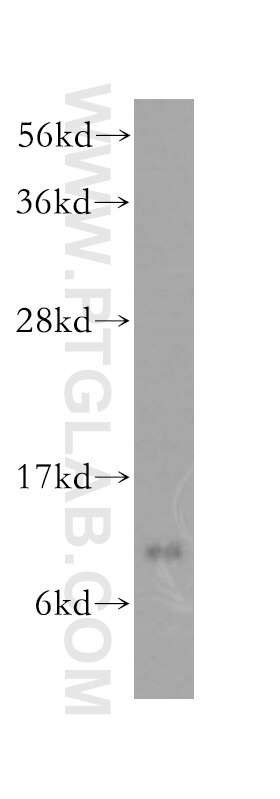
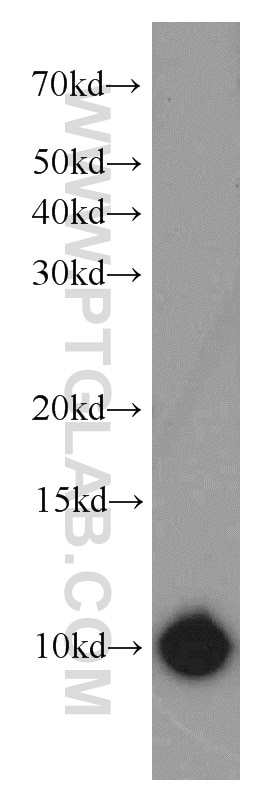
| Positive WB detected in | human heart tissue |
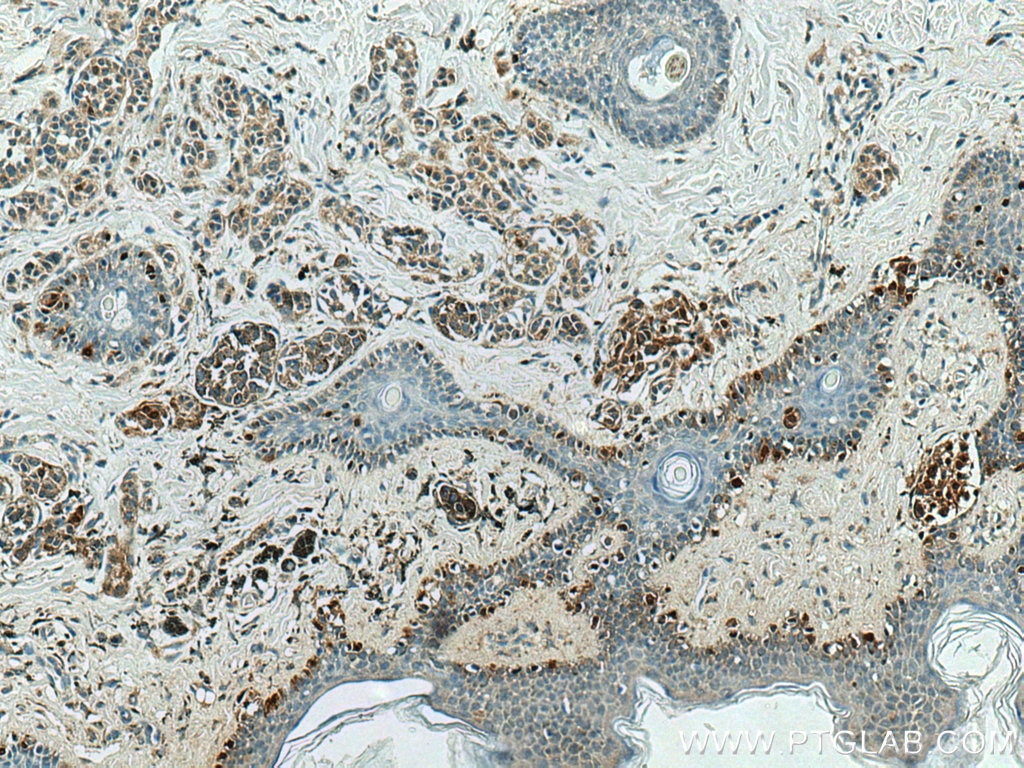
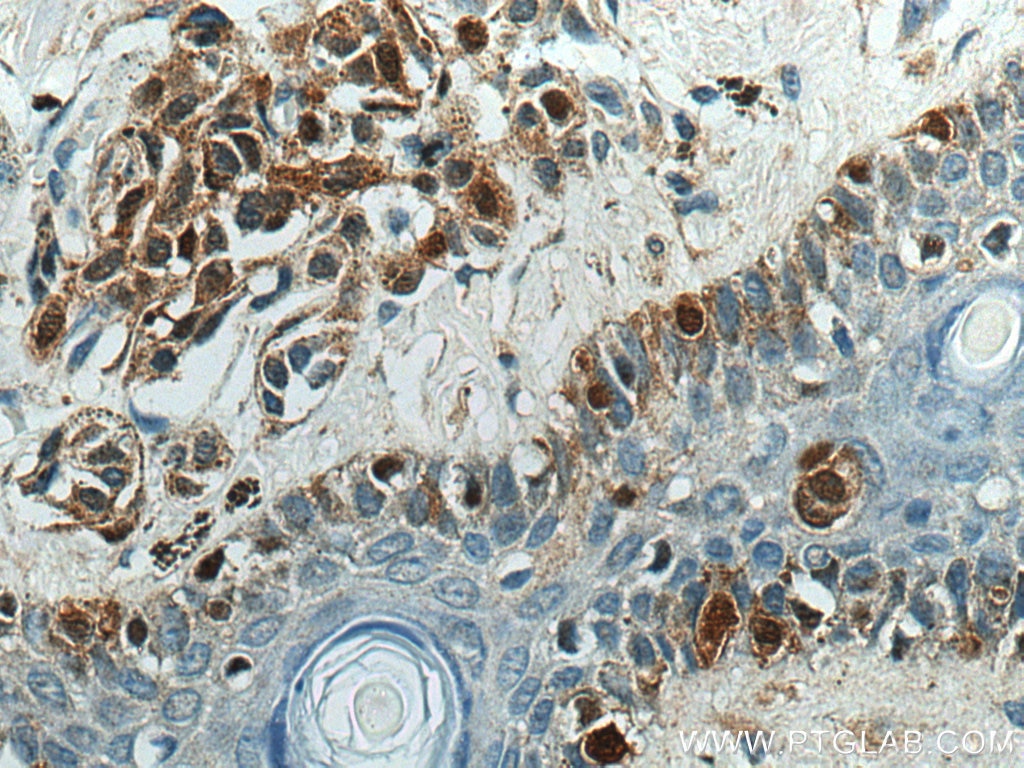
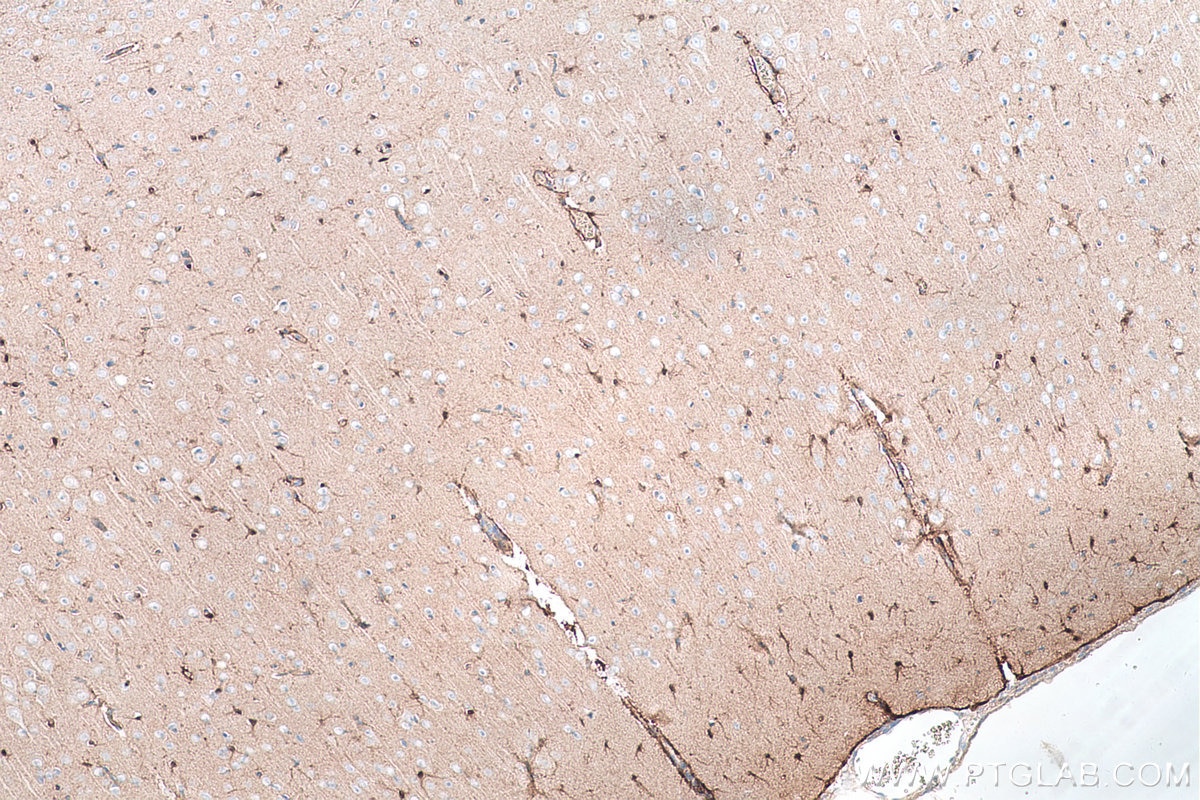
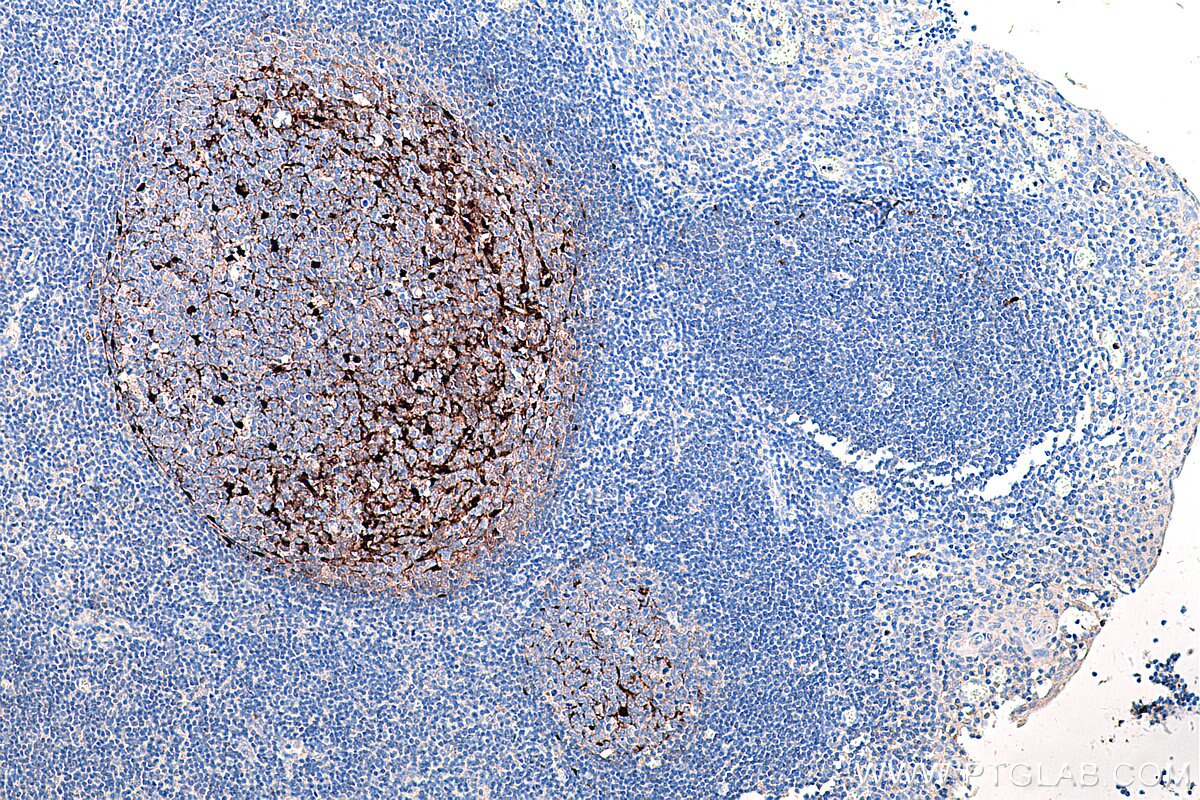
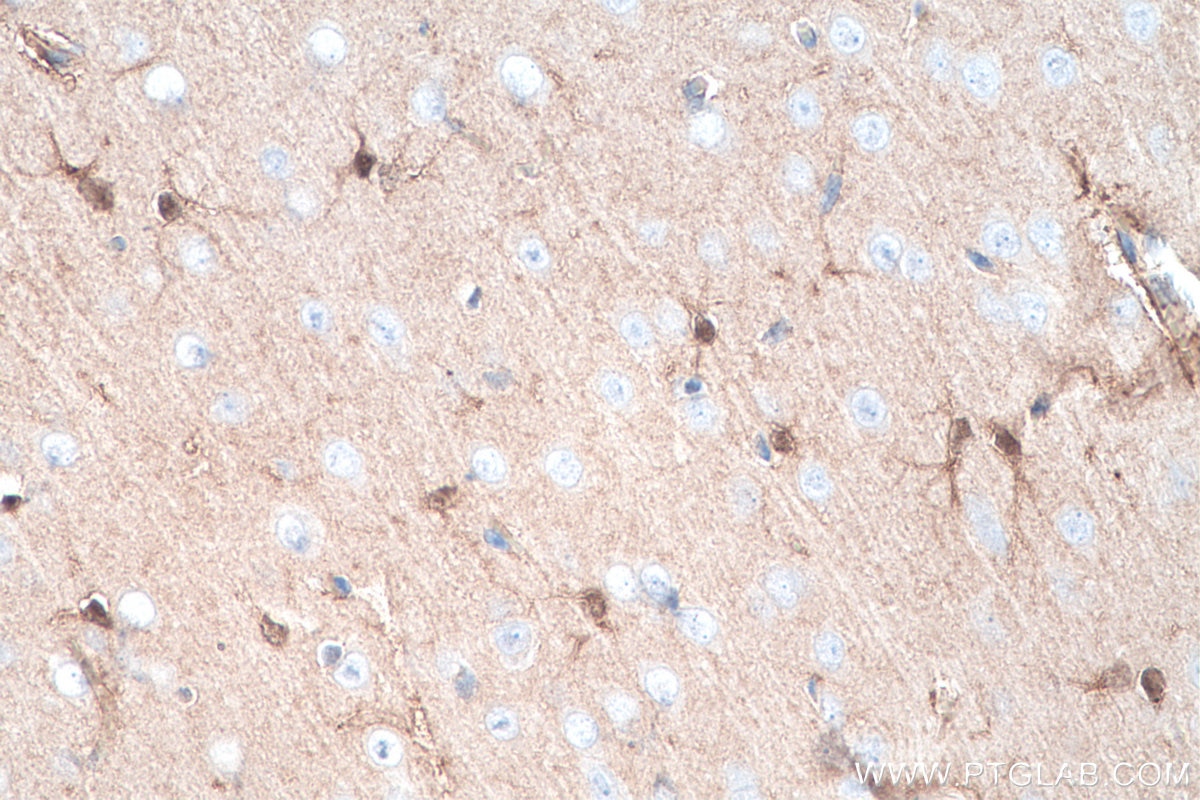
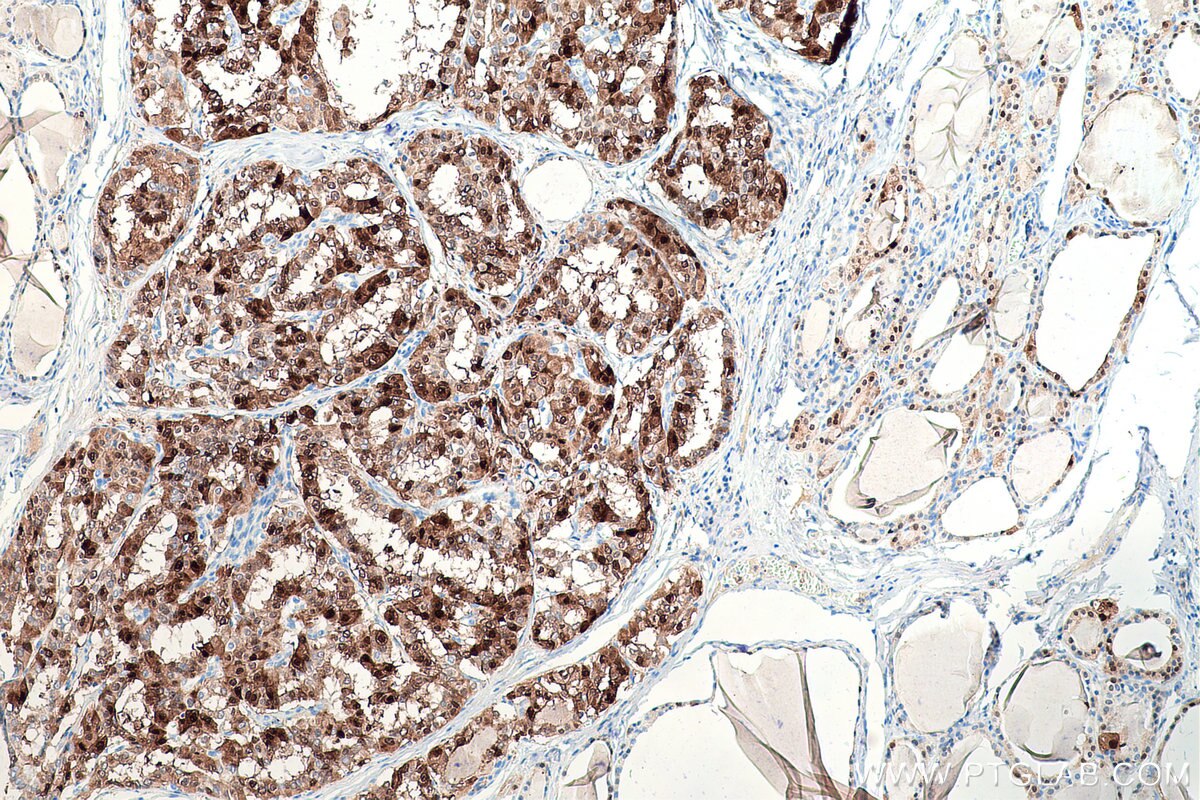
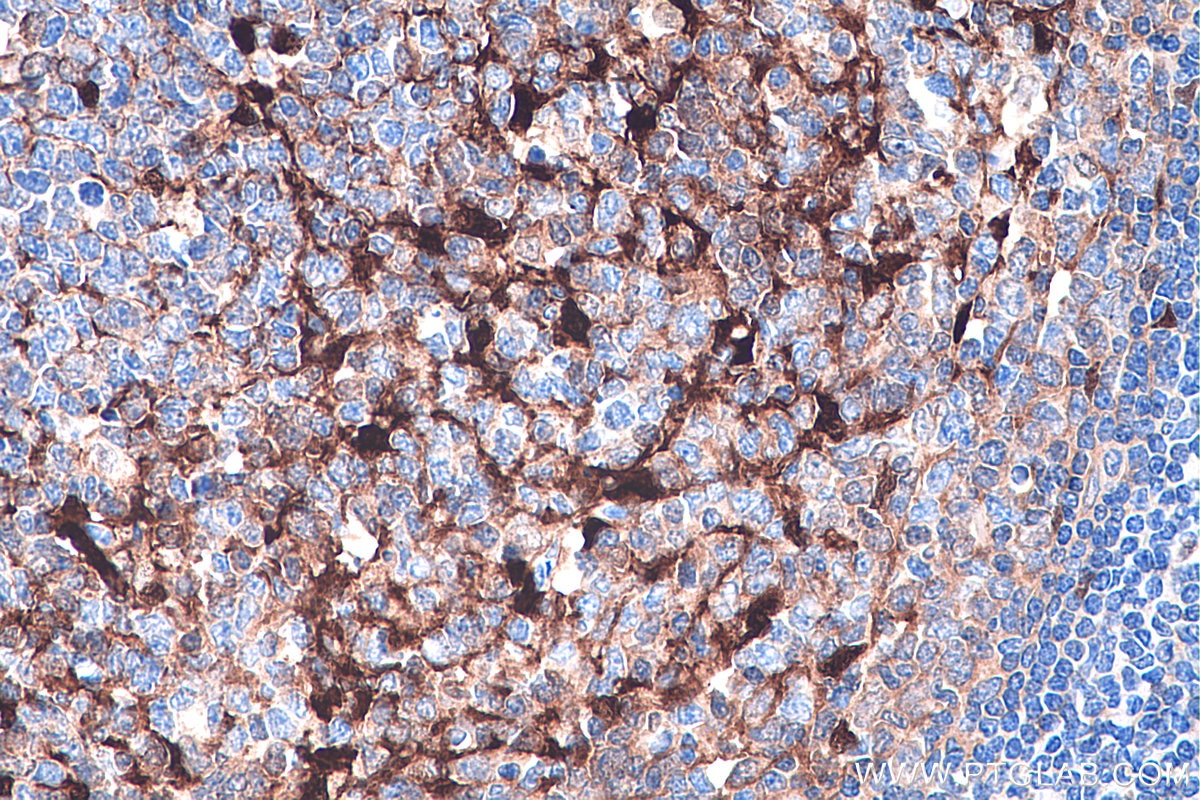
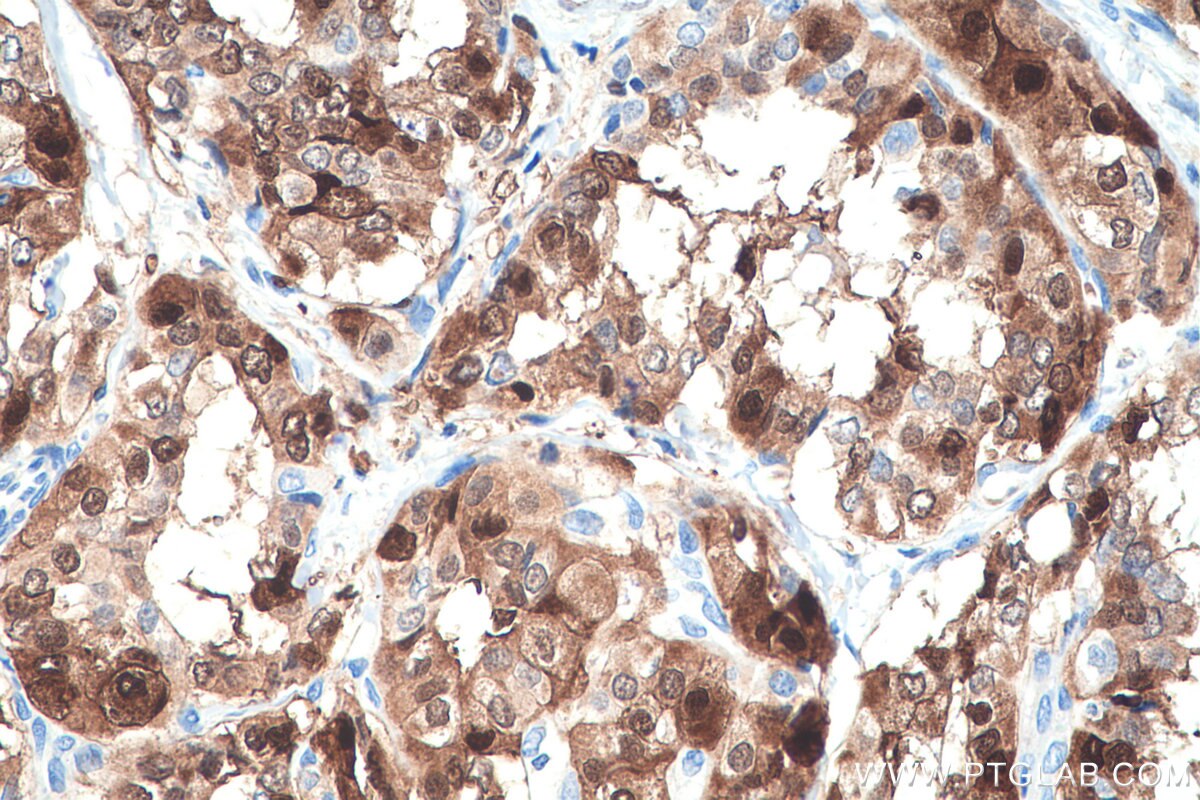
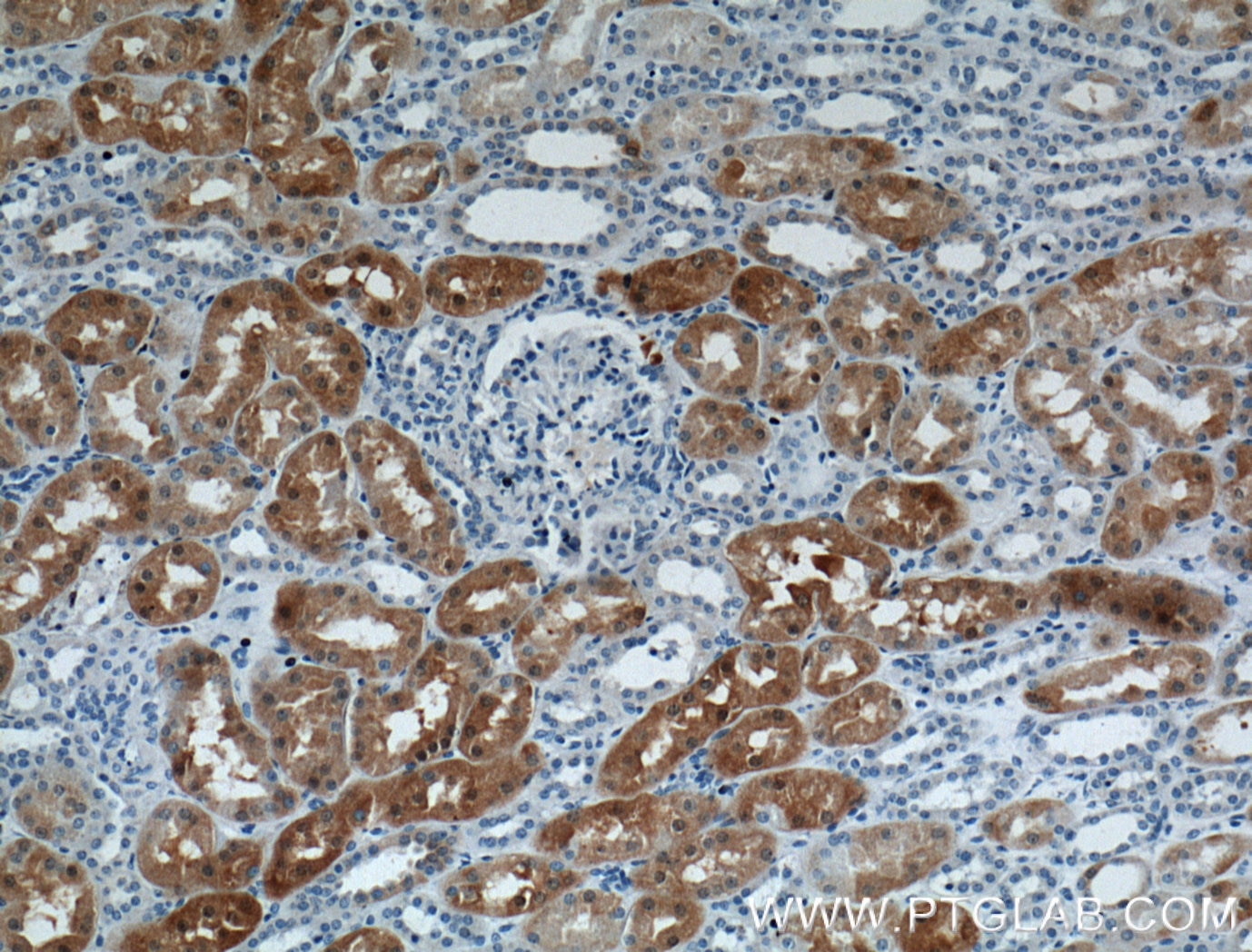
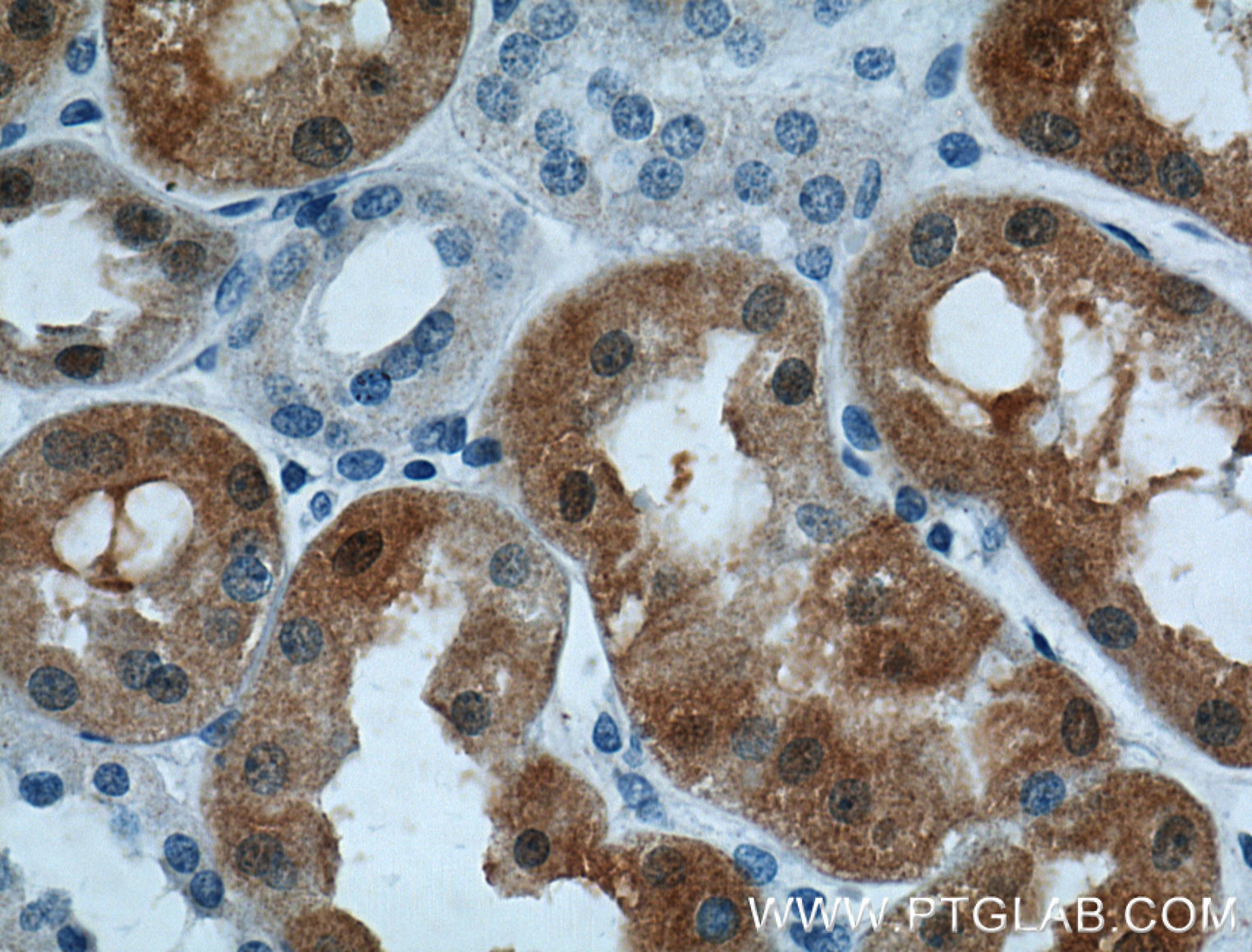
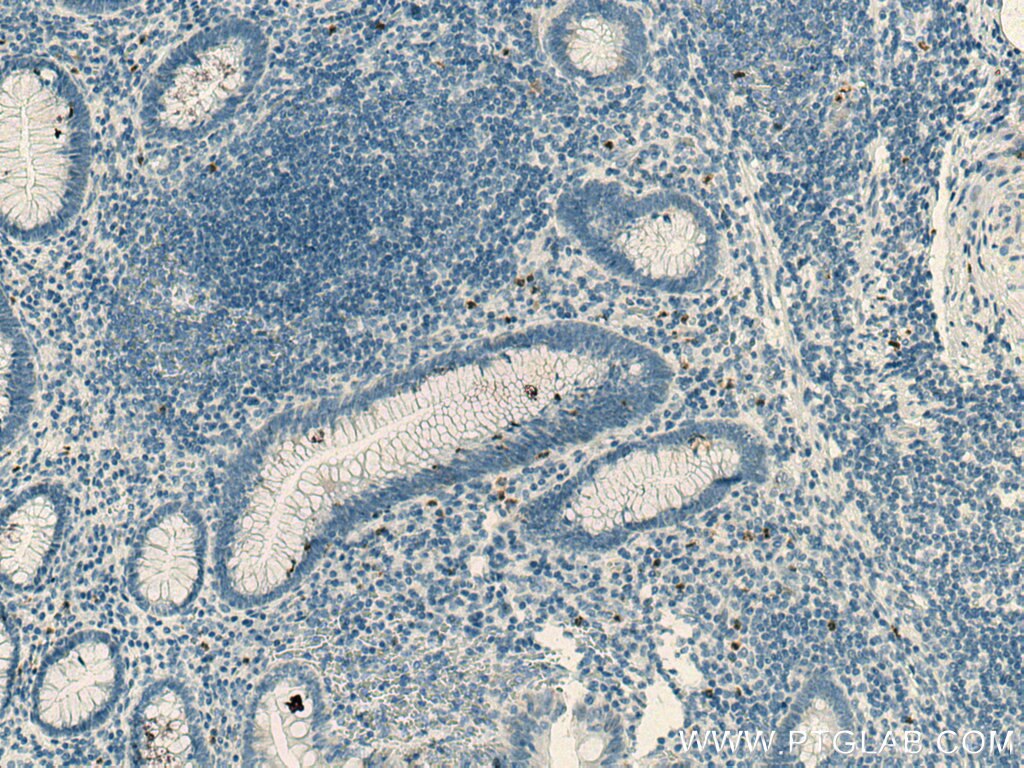
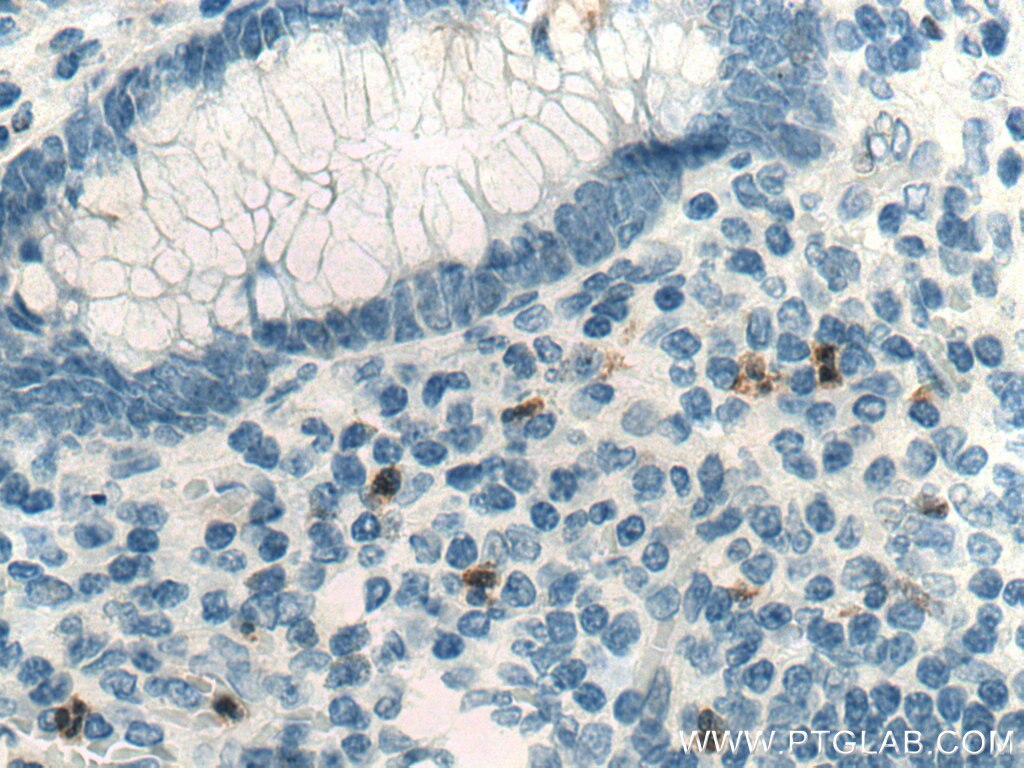
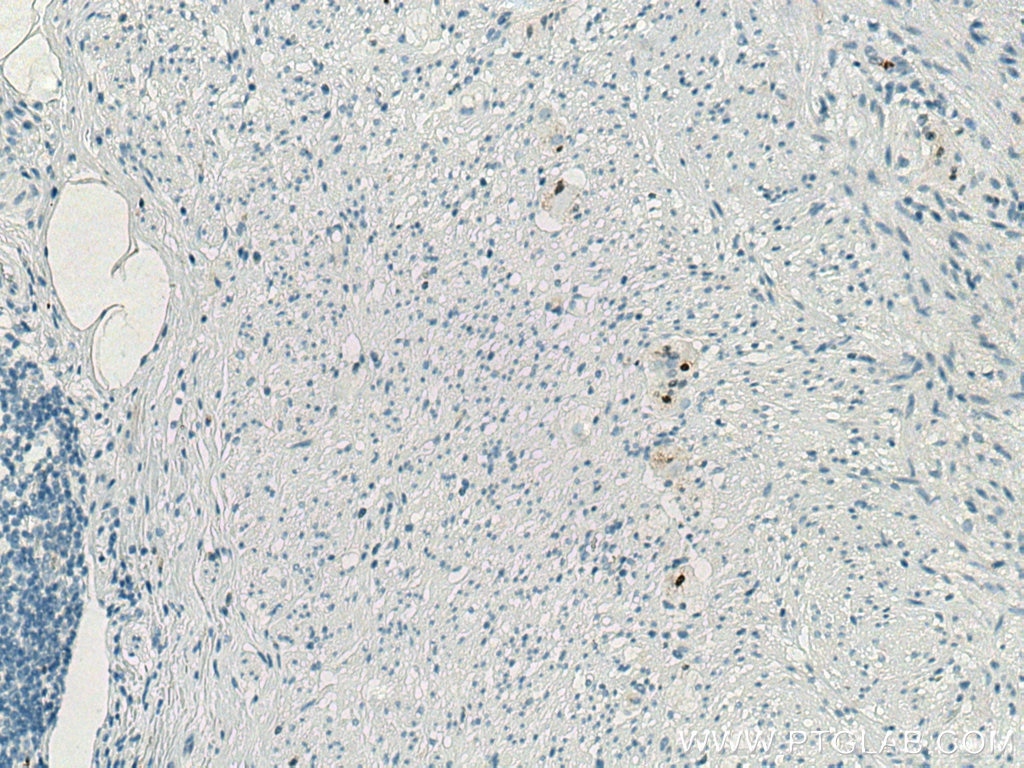
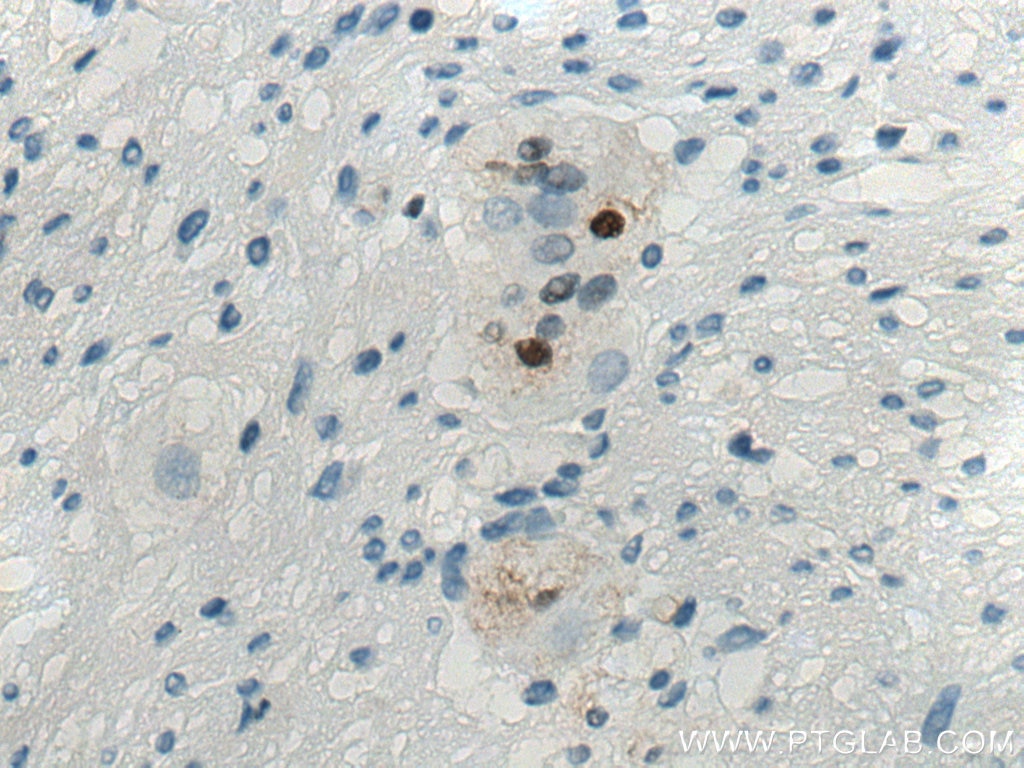
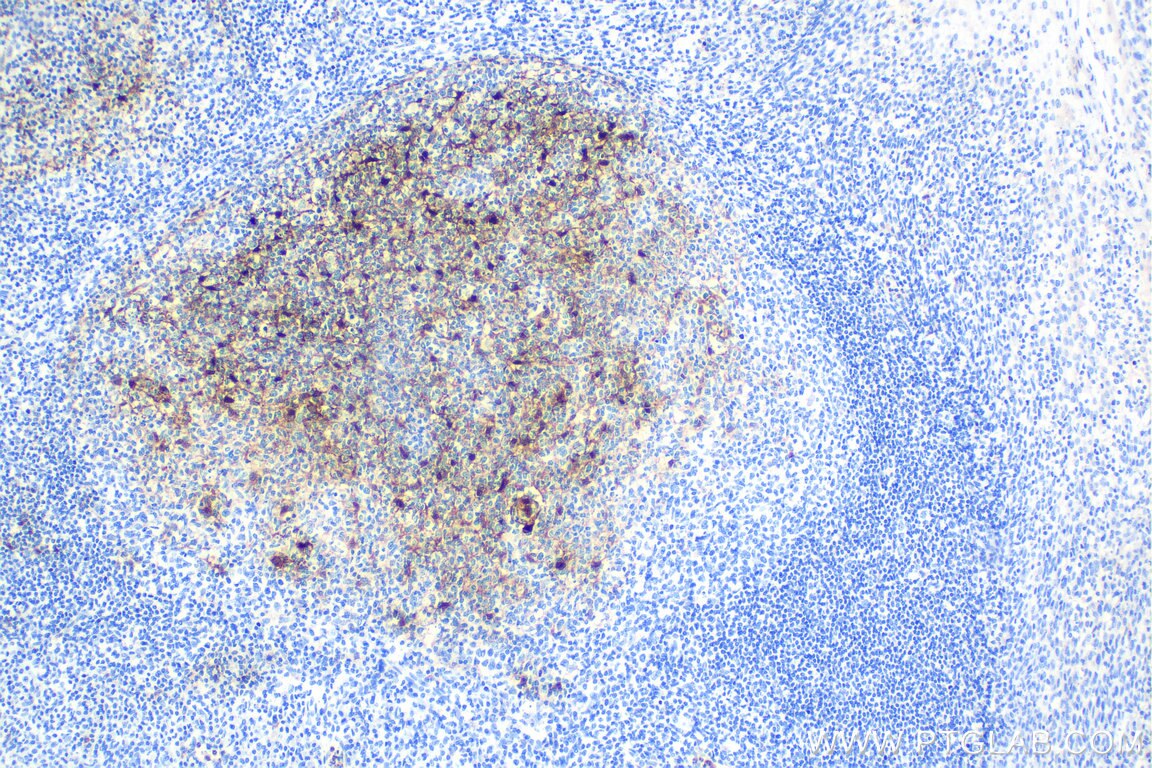
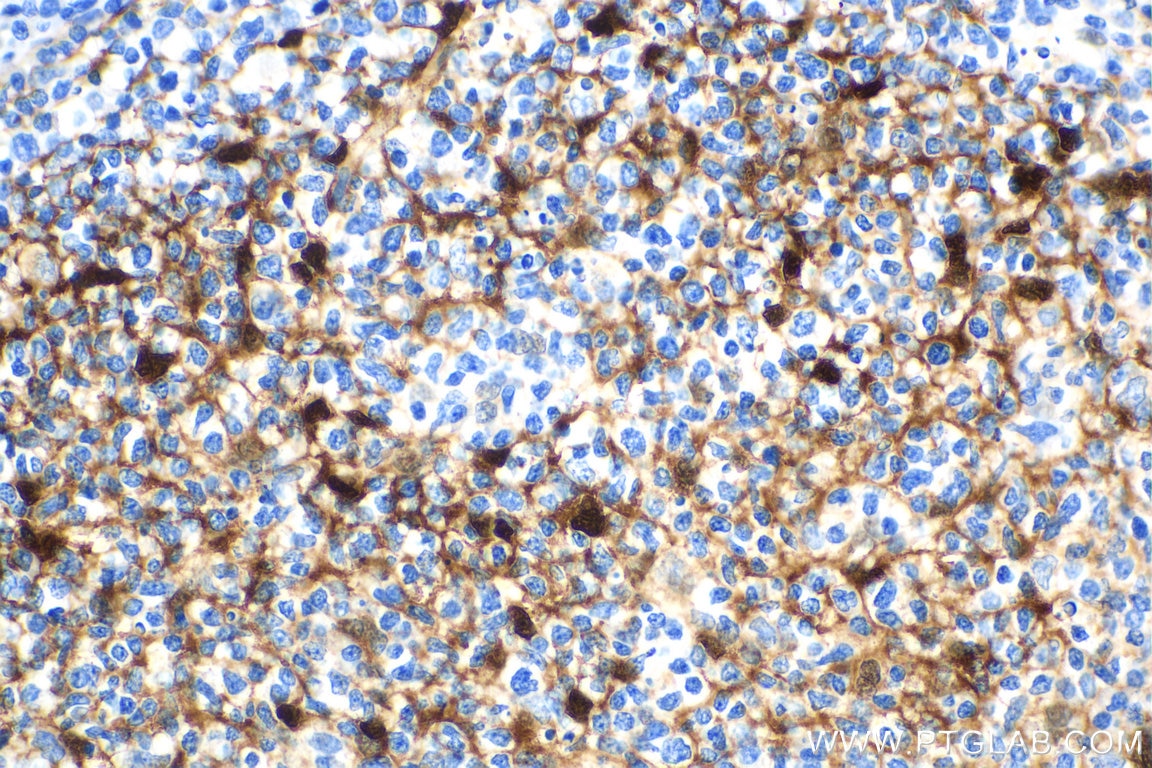
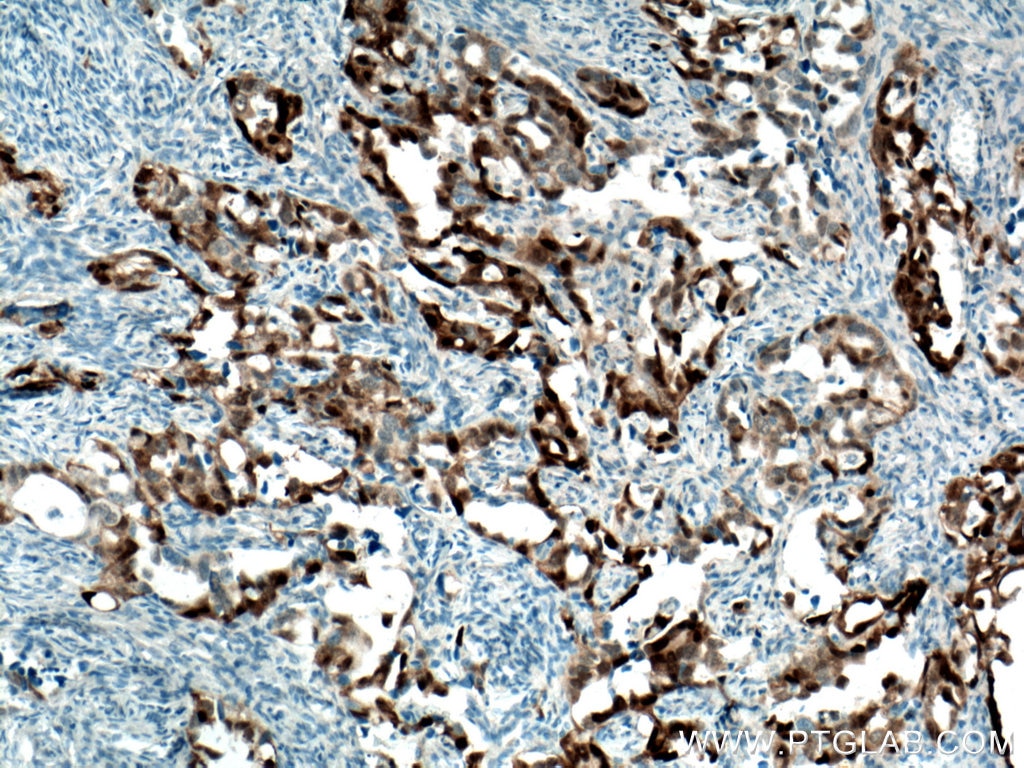
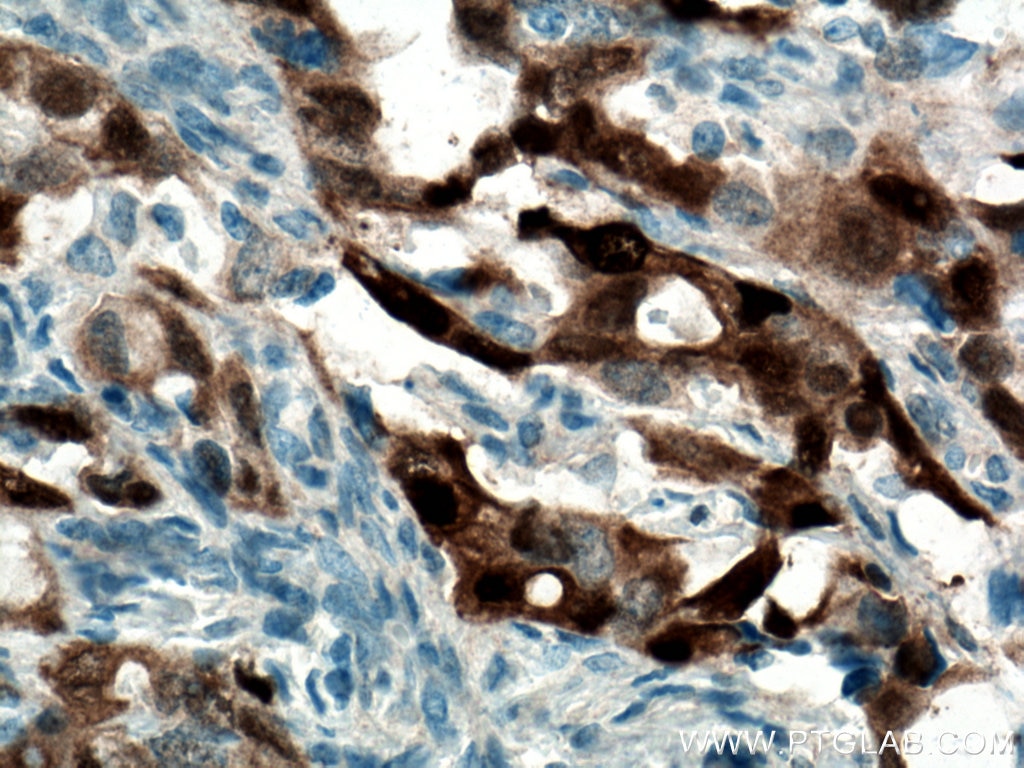
| Positive IHC detected in | human malignant melanoma tissue, human kidney tissue, human ovary tumor tissue, human appendicitis tissue, human tonsillitis tissue, rat brain tissue, human thyroid cancer tissue Note: suggested antigen retrieval with TE buffer pH 9.0; (*) Alternatively, antigen retrieval may be performed with citrate buffer pH 6.0 |
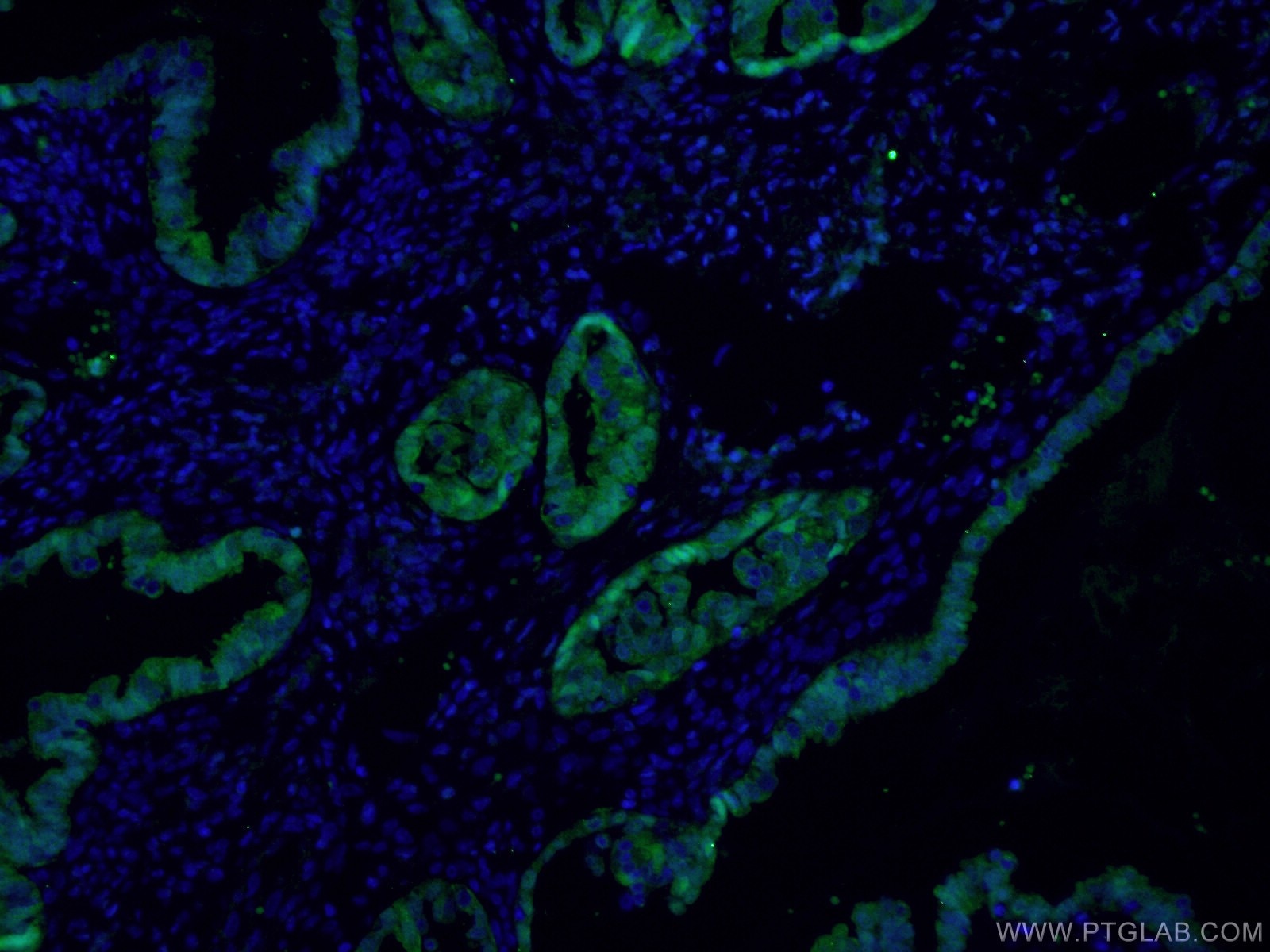
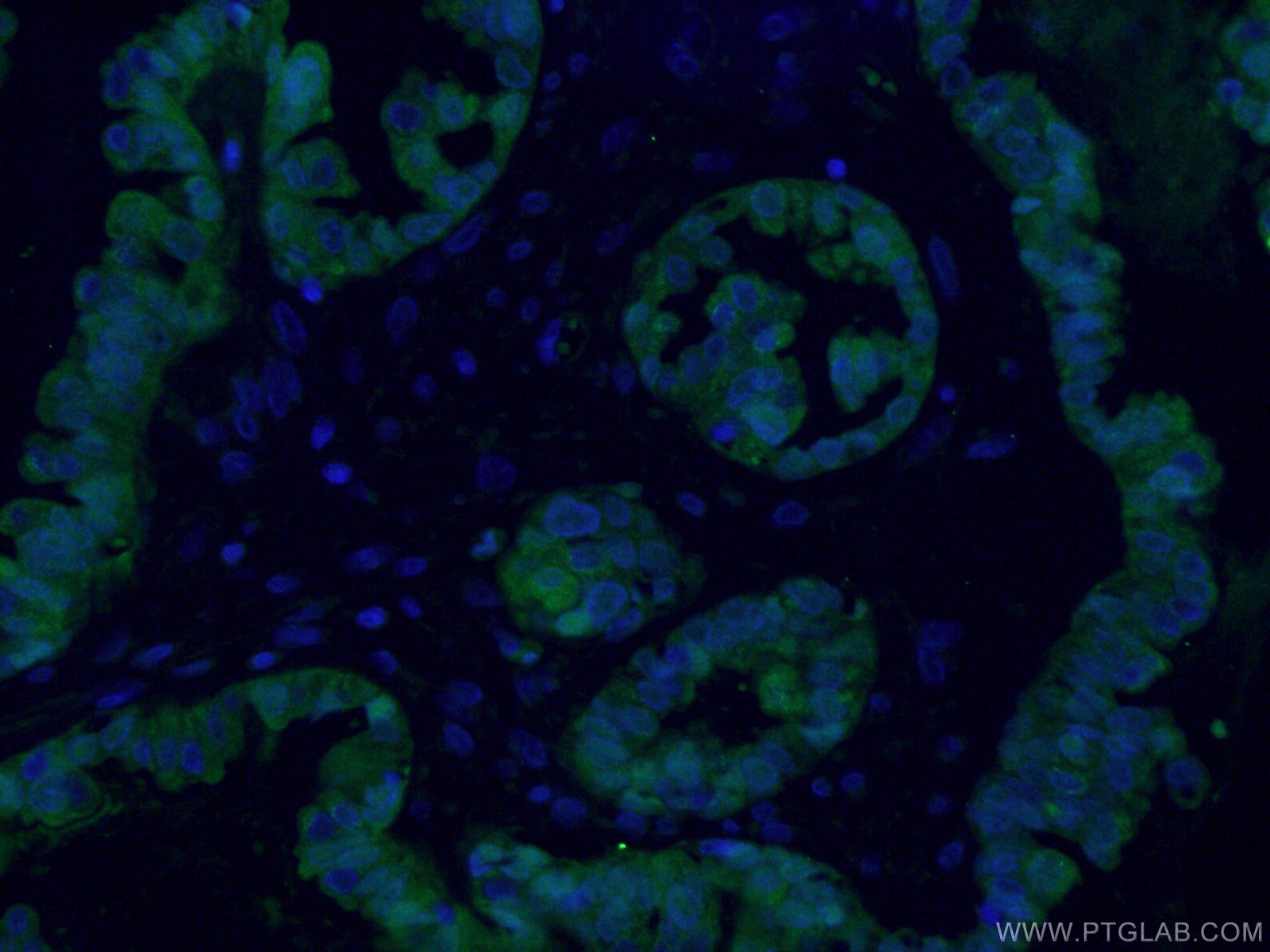
| Positive IF-P detected in | human ovary cancer tissue |
Recommended dilution
| Application | Dilution |
|---|---|
| Western Blot (WB) | WB : 1:500-1:1000 |
| Immunohistochemistry (IHC) | IHC : 1:50-1:500 |
| Immunofluorescence (IF)-P | IF-P : 1:50-1:500 |
| It is recommended that this reagent should be titrated in each testing system to obtain optimal results. | |
| Sample-dependent, Check data in validation data gallery. | |
Product Information
16027-1-AP targets S100A1 in WB, IHC, IF-P, ELISA applications and shows reactivity with human, mouse, rat samples.
| Tested Reactivity | human, mouse, rat |
| Cited Reactivity | human, mouse, rat |
| Host / Isotype | Rabbit / IgG |
| Class | Polyclonal |
| Type | Antibody |
| Immunogen |
CatNo: Ag8871 Product name: Recombinant human S100A1 protein Source: e coli.-derived, PGEX-4T Tag: GST Domain: 1-94 aa of BC014392 Sequence: MGSELETAMETLINVFHAHSGKEGDKYKLSKKELKELLQTELSGFLDAQKDVDAVDKVMKELDENGDGEVDFQEYVVLVAALTVACNNFFWENS Predict reactive species |
| Full Name | S100 calcium binding protein A1 |
| Calculated Molecular Weight | 94 aa, 11 kDa |
| Observed Molecular Weight | 10 kDa |
| GenBank Accession Number | BC014392 |
| Gene Symbol | S100A1 |
| Gene ID (NCBI) | 6271 |
| RRID | AB_2183214 |
| Conjugate | Unconjugated |
| Form | Liquid |
| Purification Method | Antigen affinity purification |
| UNIPROT ID | P23297 |
| Storage Buffer | PBS with 0.02% sodium azide and 50% glycerol, pH 7.3. |
| Storage Conditions | Store at -20°C. Stable for one year after shipment. Aliquoting is unnecessary for -20oC storage. 20ul sizes contain 0.1% BSA. |
Background Information
S100A1 belongs to the S100 protein family, which represents the largest group among EF-hand Ca2+-binding proteins exclusively expressed in vertebrates. S100 proteins have been described as central regulators of numerous cellular and molecular processes, often operating in a cell-type-specific manner (PMID: 11991838). S100A1 is a central regulator of Ca2+-driven networks that orchestrates compartmentalized Ca2+ fluxes in the heart (PMID: 22336719, PMID: 26021637). S100A1 is primarily expressed in cardiomyocytes (CM). Endothelial cells (EC) express significantly lower S100A1 levels, whereas fibroblasts do not express S100A1 (PMID: 38641766).
Protocols
| Product Specific Protocols | |
|---|---|
| IF protocol for S100A1 antibody 16027-1-AP | Download protocol |
| IHC protocol for S100A1 antibody 16027-1-AP | Download protocol |
| WB protocol for S100A1 antibody 16027-1-AP | Download protocol |
| Standard Protocols | |
|---|---|
| Click here to view our Standard Protocols |
Publications
What published studies show
The S100A1 Polyclonal antibody (Cat# 16027-1-AP) has 14 citations. They appear in journals including Advanced Materials, Science Advances, Biomaterials, Cell Death & Disease, Acta Biomaterialia, Circulation: Heart Failure, Molecular Neurobiology, Frontiers in Pharmacology, Molecular Medicine Reports, and Translational Cancer Research. Research fields span peripheral nerve regeneration, dental stem cells, cochlear organoids, endometrial cancer, heart failure, and neuroinflammation.
| Species | Application | Title |
|---|---|---|
Adv Mater Photo-Responsive H2S Composite System Regulates the Nerve Regeneration Microenvironment Through Multiple Pathways | ||
Sci Adv A spatially organized Cd24a+/Pax9+ stem cell core governs postnatal tooth establishment | ||
Sci Adv An injectable and adaptable hydrogen sulfide delivery system for modulating neuroregenerative microenvironment | ||
Biomaterials Biocompatibility and therapeutic efficacy of crosslinked hydrogel filled 3D-printed nerve conduit for sacral nerve injury repair | ||
Biomaterials Hydrogen-releasing electroactive nerve guidance conduits promote peripheral nerve regeneration by remodeling the microenvironment | ||
Biomaterials Oriented nanofibrous P(MMD-co-LA)/Deferoxamine nerve scaffold facilitates peripheral nerve regeneration by regulating macrophage phenotype and revascularization. |























