
Product Information
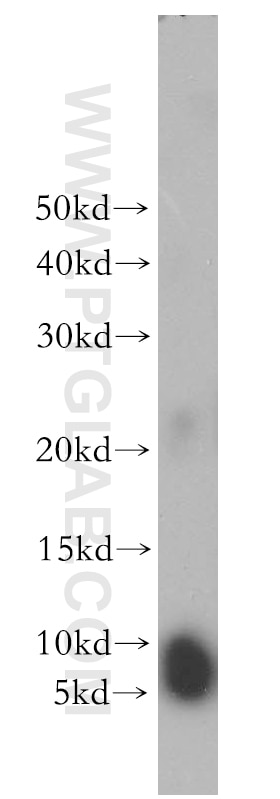
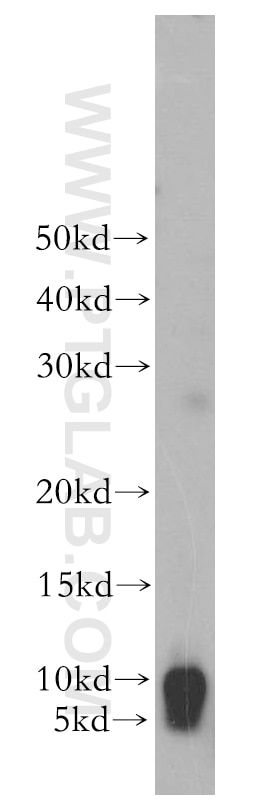
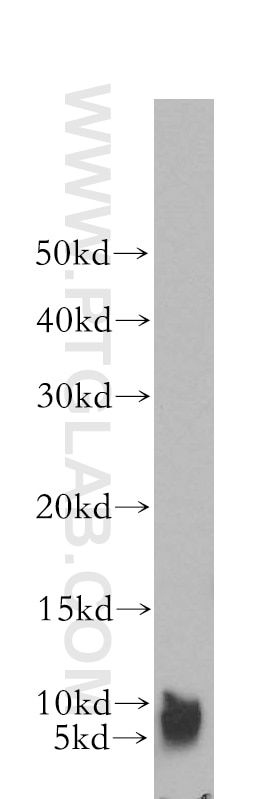
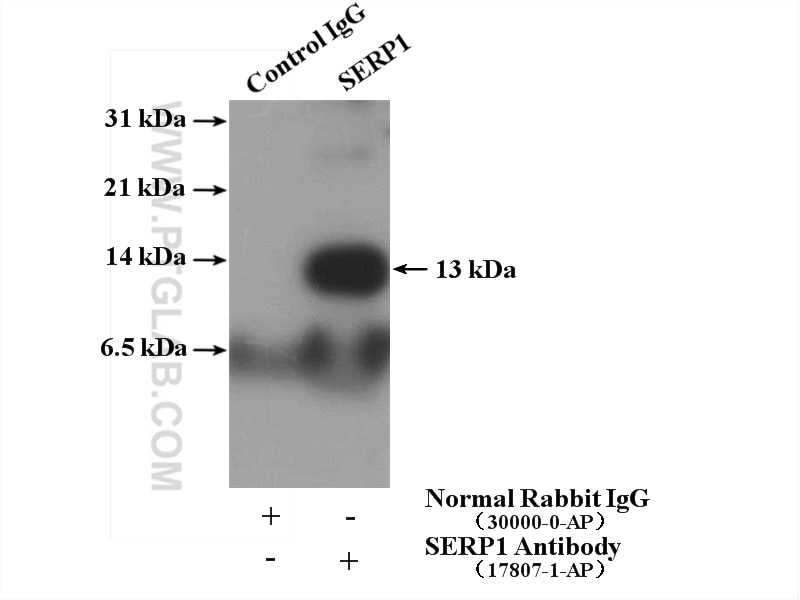
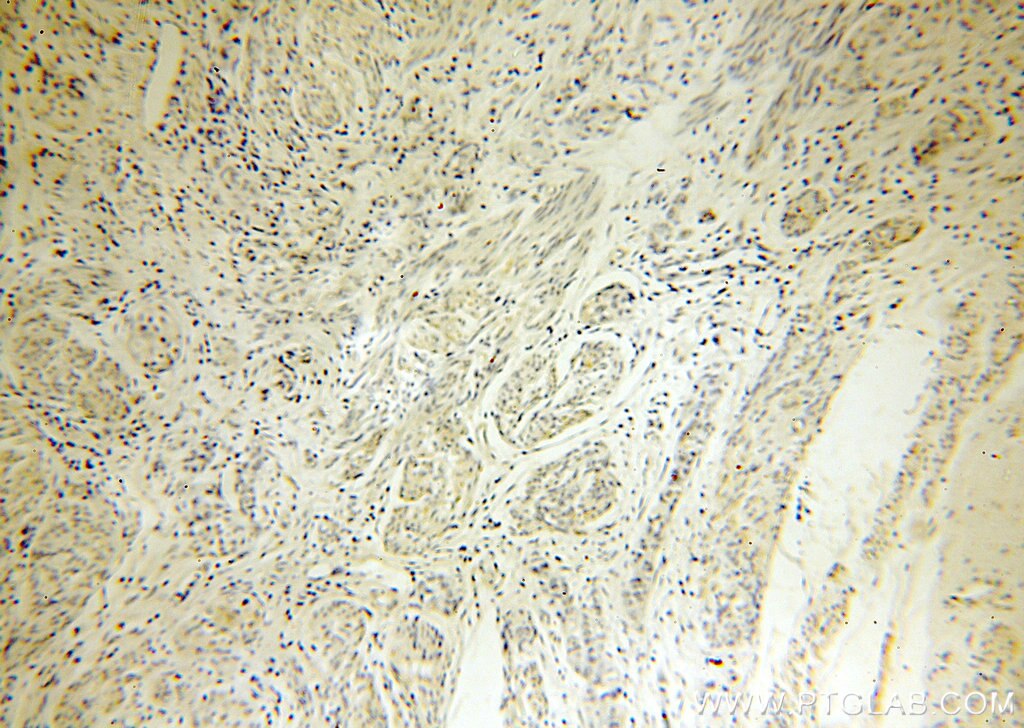
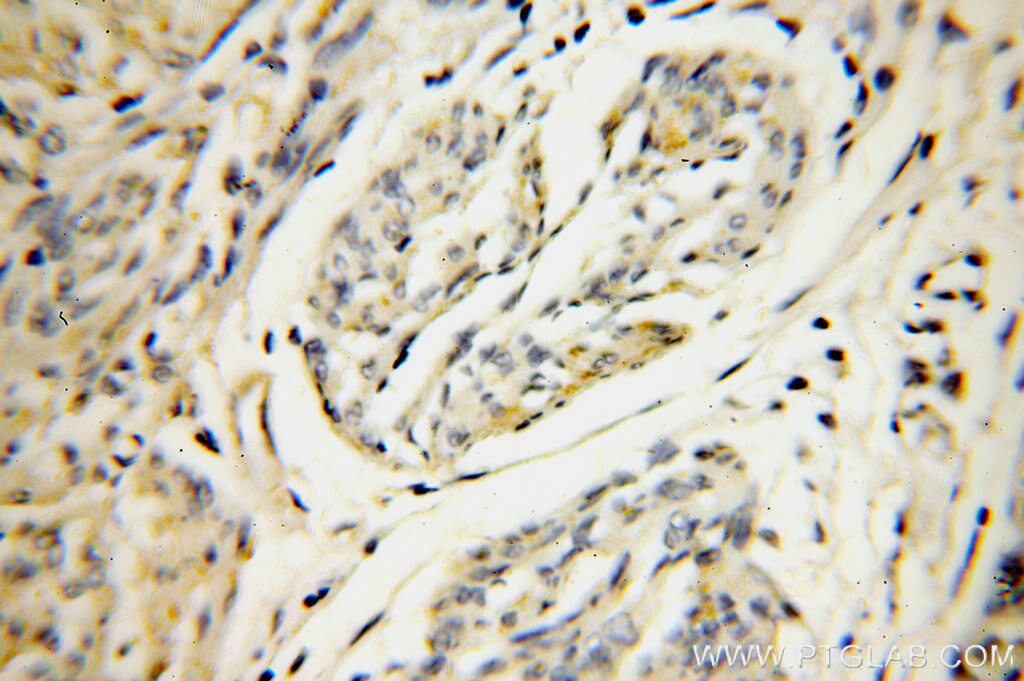
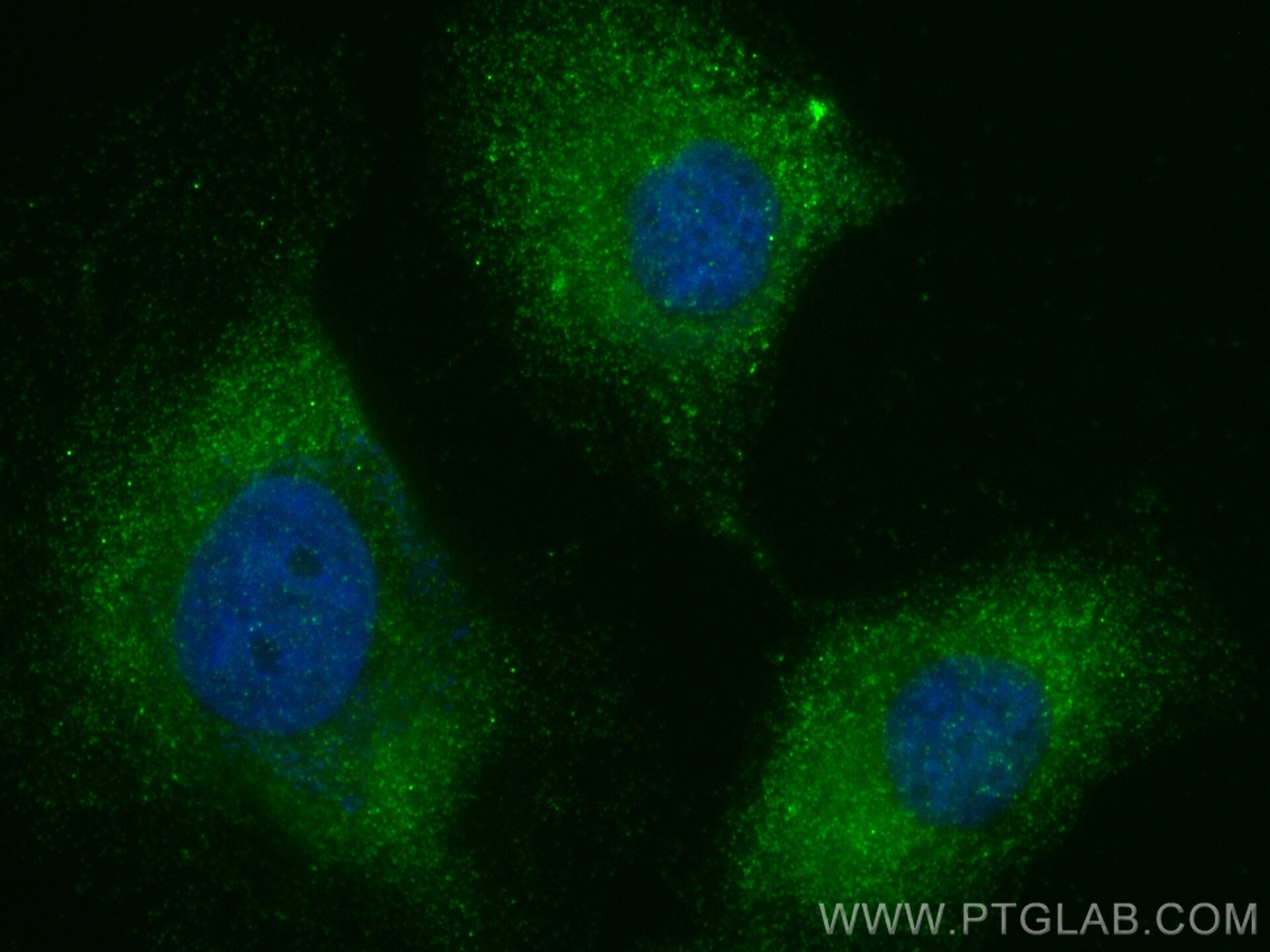
17807-1-PBS targets SERP1 in WB, IHC, IF/ICC, IP, Indirect ELISA applications and shows reactivity with human, mouse, rat samples.
| Tested Reactivity | human, mouse, rat |
| Host / Isotype | Rabbit / IgG |
| Class | Polyclonal |
| Type | Antibody |
| Immunogen |
CatNo: Ag12087 Product name: Recombinant human SERP1 protein Source: e coli.-derived, PET28a Tag: 6*His Domain: 1-66 aa of BC108314 Sequence: MVAKQRIRMANEKHSKNITQRGNVAKTSRNAPEEKASVGPWLLALFIFVVCGSAIFQIIQSIRMGM Predict reactive species |
| Full Name | stress-associated endoplasmic reticulum protein 1 |
| Calculated Molecular Weight | 66 aa, 7 kDa |
| Observed Molecular Weight | 10 kDa |
| GenBank Accession Number | BC108314 |
| Gene Symbol | SERP1 |
| Gene ID (NCBI) | 27230 |
| RRID | AB_10597394 |
| Conjugate | Unconjugated |
| Form | Liquid |
| Purification Method | Antigen affinity purification |
| UNIPROT ID | Q9Y6X1 |
| Storage Buffer | PBS only, pH 7.3. |
| Storage Conditions | Store at -80°C. |
Background Information
Stress-associated endoplasmic reticulum (ER) protein 1 (SERP1), also known as ribosome- associated membrane protein 4 (RAMP4), is a Sec61-associated polypeptide that is induced by ER stress [PMID:16705175]. SERP1 interacts with target proteins during their translocation into the lumen of the endoplasmic reticulum. It controls glycosylation of major histocompatibility complex class II-associated invariant chains by a translocational pausing mechanism, and its overexpression stabilizes newly synthesized membrane proteins under ER stress by associating with the Sec61 complex [PMID:10601334]. It is suggested SERP1 is involved in the biosynthesis/processing of secretory proteins








