
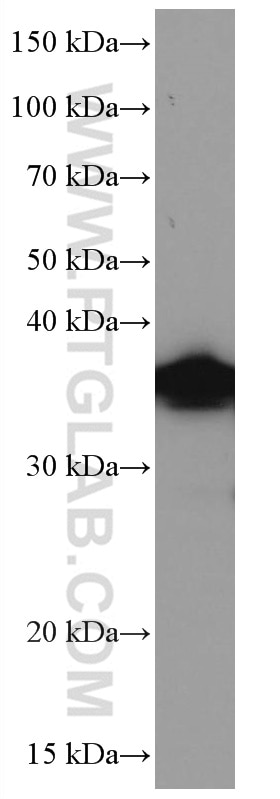
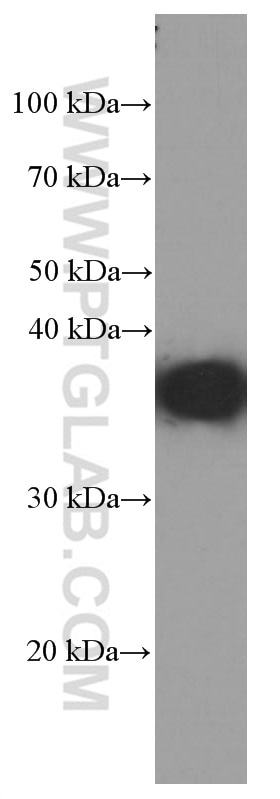
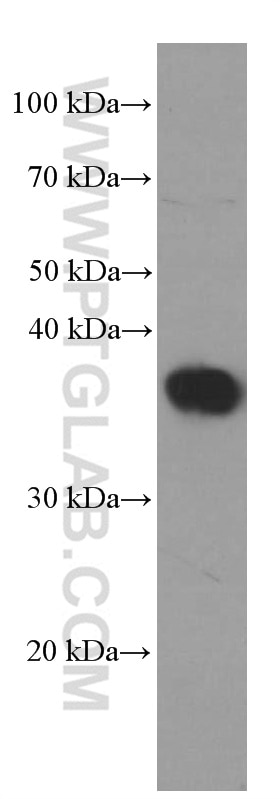
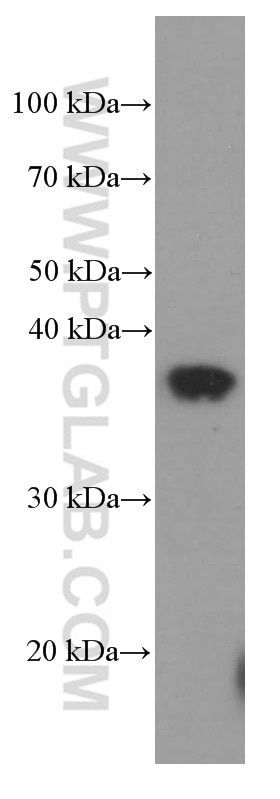

Tested Applications
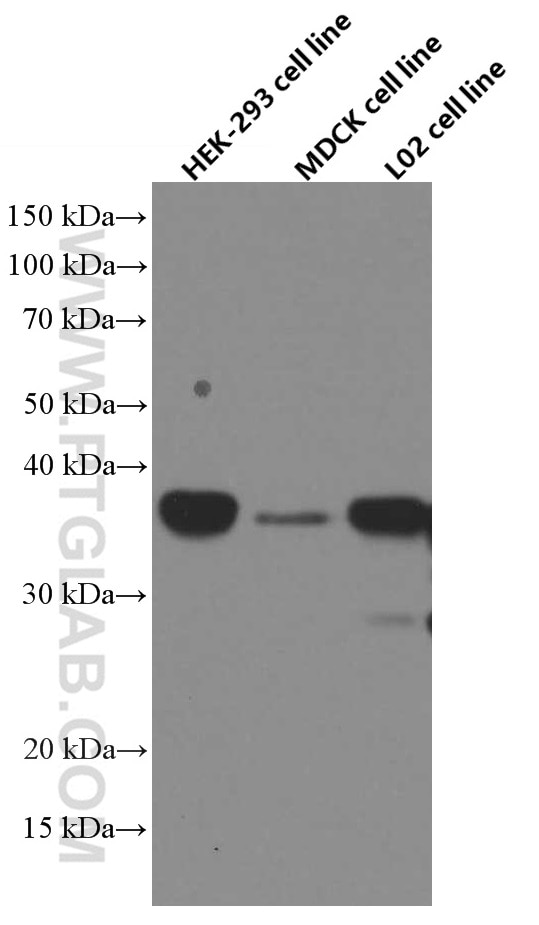
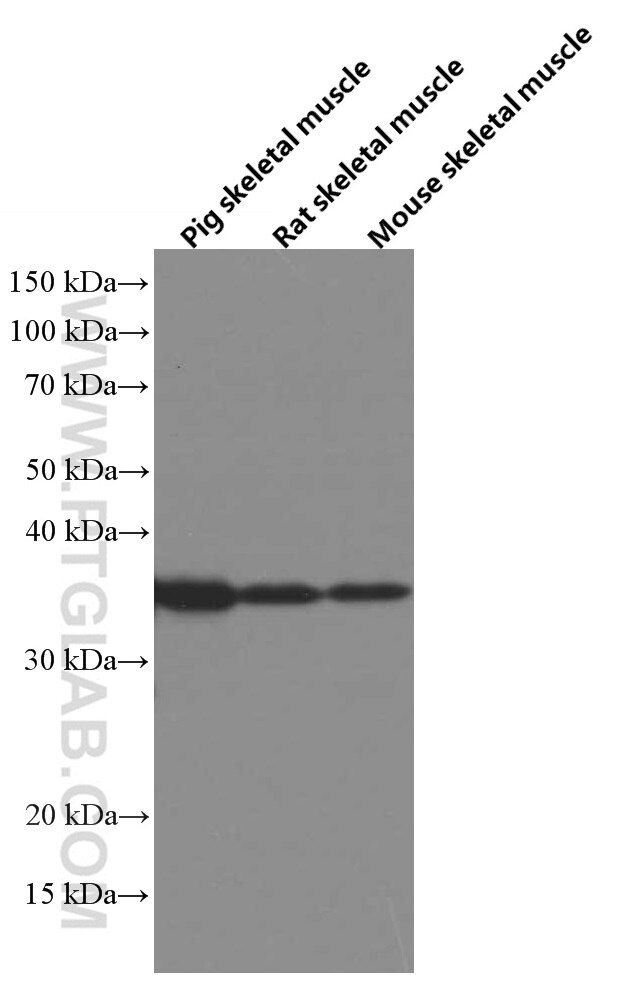
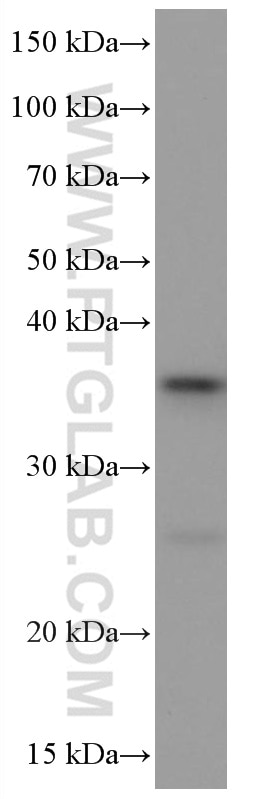
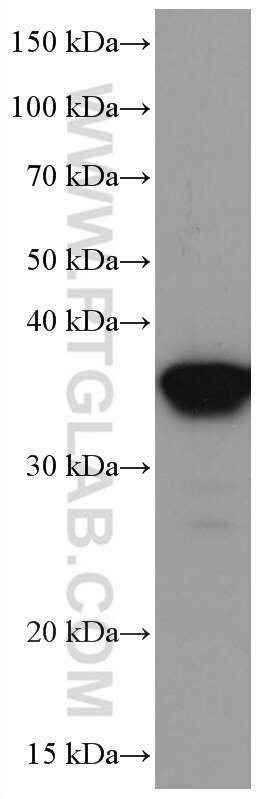
| Positive WB detected in | pig skeletal muscle tissue, HEK-293 cells, MDCK cells, rat skeletal muscle tissue, NCCIT cells, L02 cells, mouse skeletal muscle tissue |
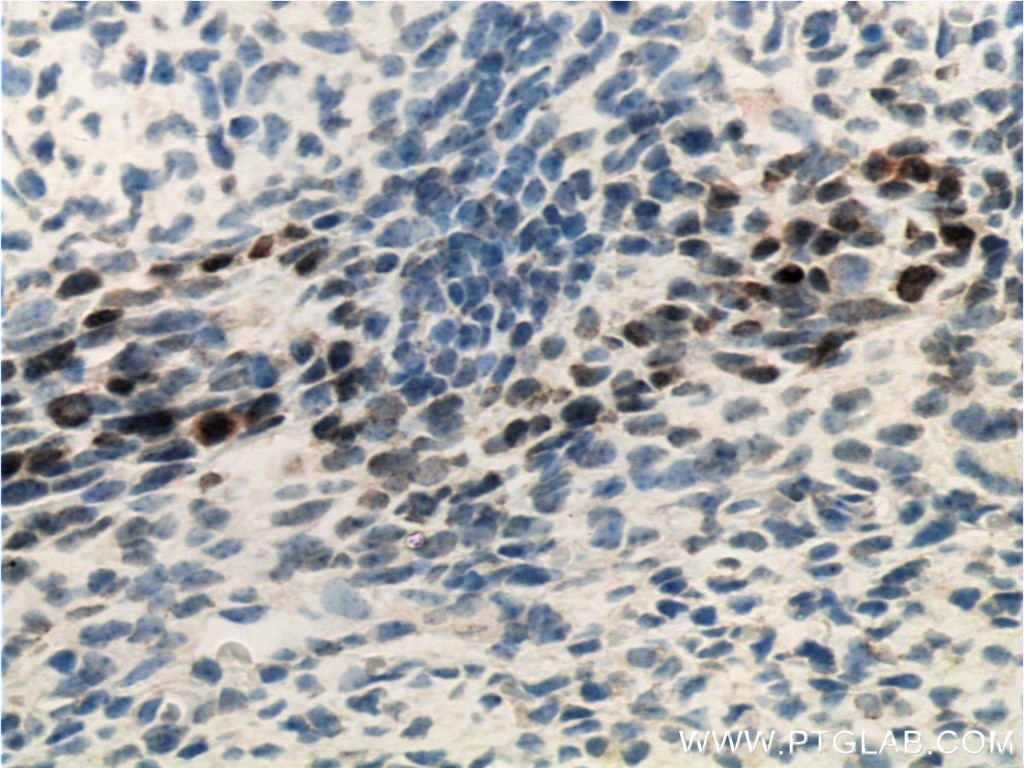
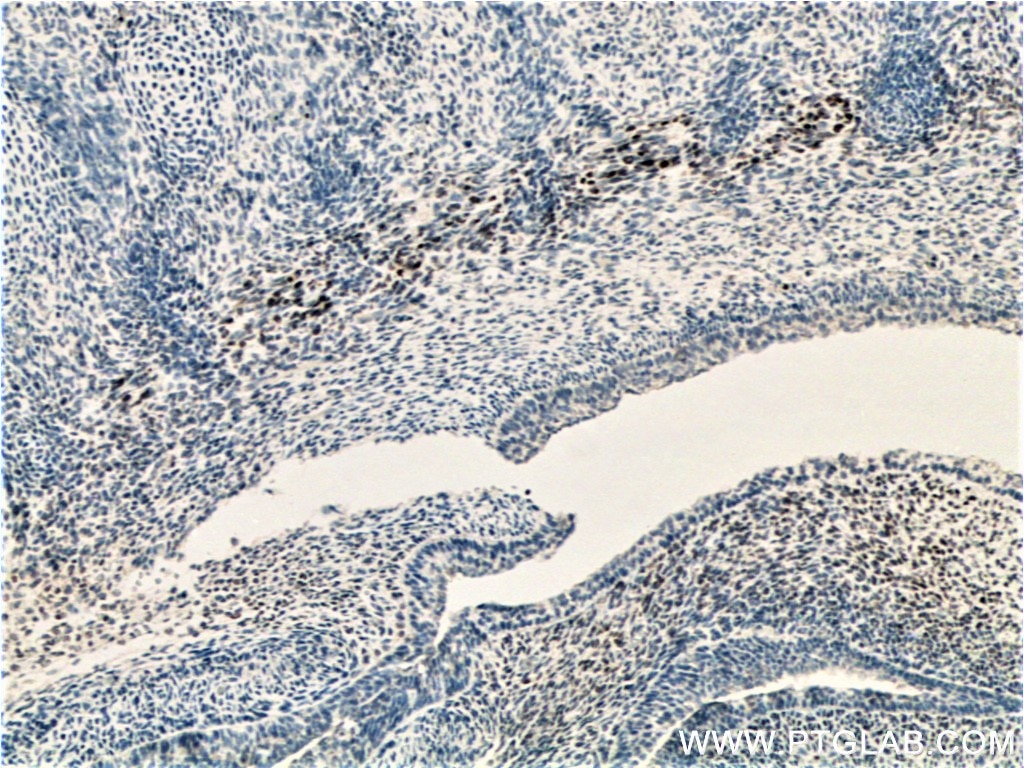
| Positive IHC detected in | mouse embryo tissue Note: suggested antigen retrieval with TE buffer pH 9.0; (*) Alternatively, antigen retrieval may be performed with citrate buffer pH 6.0 |
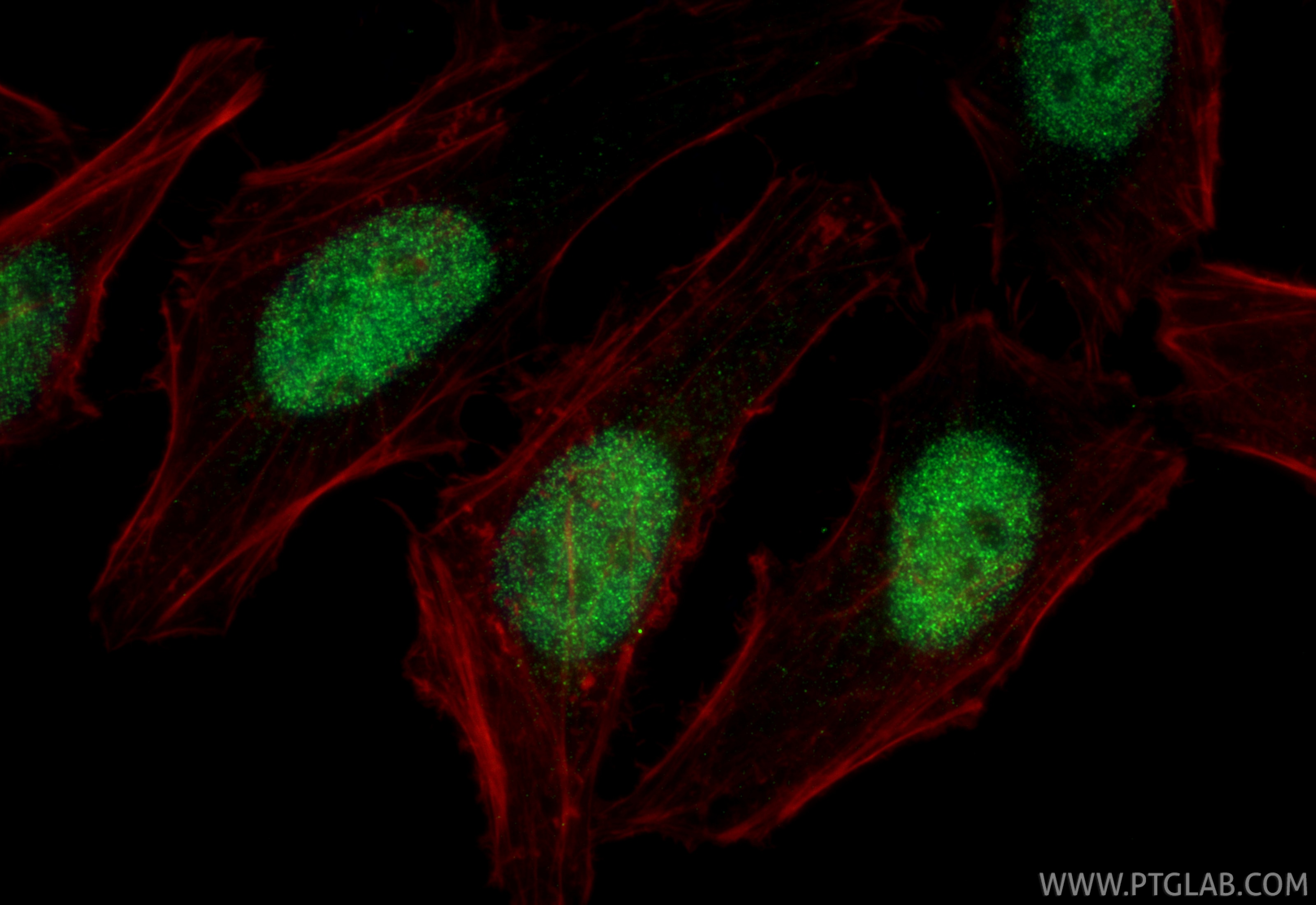
| Positive IF/ICC detected in | HeLa cells |
Recommended dilution
| Application | Dilution |
|---|---|
| Western Blot (WB) | WB : 1:1000-1:6000 |
| Immunohistochemistry (IHC) | IHC : 1:50-1:500 |
| Immunofluorescence (IF)/ICC | IF/ICC : 1:200-1:800 |
| It is recommended that this reagent should be titrated in each testing system to obtain optimal results. | |
| Sample-dependent, Check data in validation data gallery. | |
Product Information
66347-1-Ig targets SIX2 in WB, IHC, IF/ICC, ELISA applications and shows reactivity with human, mouse, rat, pig, canine samples.
| Tested Reactivity | human, mouse, rat, pig, canine |
| Cited Reactivity | human, mouse |
| Host / Isotype | Mouse / IgG2b |
| Class | Monoclonal |
| Type | Antibody |
| Immunogen |
CatNo: Ag2124 Product name: Recombinant human SIX2 protein Source: e coli.-derived, PGEX-4T Tag: GST Domain: 1-291 aa of BC024033 Sequence: MSMLPTFGFTQEQVACVCEVLQQGGNIERLGRFLWSLPACEHLHKNESVLKAKAVVAFHRGNFRELYKILESHQFSPHNHAKLQQLWLKAHYIEAEKLRGRPLGAVGKYRVRRKFPLPRSIWDGEETSYCFKEKSRSVLREWYAHNPYPSPREKRELTEATGLTTTQVSNWFKNRRQRDRAAEAKERENNENSNSNSHNPLNGSGKSVLGSSEDEKTPSGTPDHSSSSPALLLSPPPPGLPSLHSLGHPPGPSAVPVPVPGGGGADPLQHHHGLQDSILNPMSANLVDLGS Predict reactive species |
| Full Name | SIX homeobox 2 |
| Calculated Molecular Weight | 291 aa, 32 kDa |
| Observed Molecular Weight | 37 kDa |
| GenBank Accession Number | BC024033 |
| Gene Symbol | SIX2 |
| Gene ID (NCBI) | 10736 |
| RRID | AB_2881727 |
| Conjugate | Unconjugated |
| Form | Liquid |
| Purification Method | Protein A purification |
| UNIPROT ID | Q9NPC8 |
| Storage Buffer | PBS with 0.02% sodium azide and 50% glycerol, pH 7.3. |
| Storage Conditions | Store at -20°C. Stable for one year after shipment. Aliquoting is unnecessary for -20oC storage. 20ul sizes contain 0.1% BSA. |
Background Information
The SIX proteins (sine oculis) are a family of homeodomain transcription factors that share a conserved DNA binding domain. Six members (Six1-Six6) of the Six gene family have been identified in mice and humans. SIX2, containing one homeobox DNA-binding domain, is highly expressed in fetal tissues but expression is limited in adult tissues. SIX2 may be involved in limb tendon and ligament development[PMID:21420949]. It has been previously shown that SIX2 is expressed in developing mesenchymal tissue including head and urogenital system at the time of overt midfacial and renal differentiation[PMID: 22282599].
Protocols
| Product Specific Protocols | |
|---|---|
| IF protocol for SIX2 antibody 66347-1-Ig | Download protocol |
| IHC protocol for SIX2 antibody 66347-1-Ig | Download protocol |
| WB protocol for SIX2 antibody 66347-1-Ig | Download protocol |
| Standard Protocols | |
|---|---|
| Click here to view our Standard Protocols |
Publications
What published studies show
The SIX2 Monoclonal antibody (1F9G11), catalog number 66347-1-Ig, has 10 citations published in journals including Nature Genetics, Nucleic Acids Research, Journal of the American Society of Nephrology, Biochemical Pharmacology, Frontiers in Bioengineering and Biotechnology, Development, Biochemical and Biophysical Research Communications, Developmental Dynamics, bioRxiv, and Nature Communications. The research fields primarily involve kidney development, nephron progenitor cell maintenance, renal fibrosis, and embryonic organogenesis.
| Species | Application | Title |
|---|---|---|
Nat Genet Single-cell spatial mapping of human kidney development implicates the microenvironment in guiding cell fate decisions. | ||
Nucleic Acids Res The transcriptional coactivator Eya1 exerts transcriptional repressive activity by interacting with REST corepressors and REST-binding sequences to maintain nephron progenitor identity | ||
J Am Soc Nephrol Chromatin Remodelers Interact with Eya1 and Six2 to Target Enhancers to Control Nephron Progenitor Cell Maintenance | ||
Biochem Pharmacol IRF8 and RUNX1 cooperatively regulate the senescence and damage of urine-derived renal progenitor cells by upregulating LINC01806 | ||
Front Bioeng Biotechnol OSR1 and SIX2 drive divergent transcriptional programs in human kidney cells: implications for regeneration and tumorigenesis. | ||
Development Aberrant centrosome biogenesis disrupts nephron and collecting duct progenitor growth and fate resulting in fibrocystic kidney disease |












