

Tested Applications
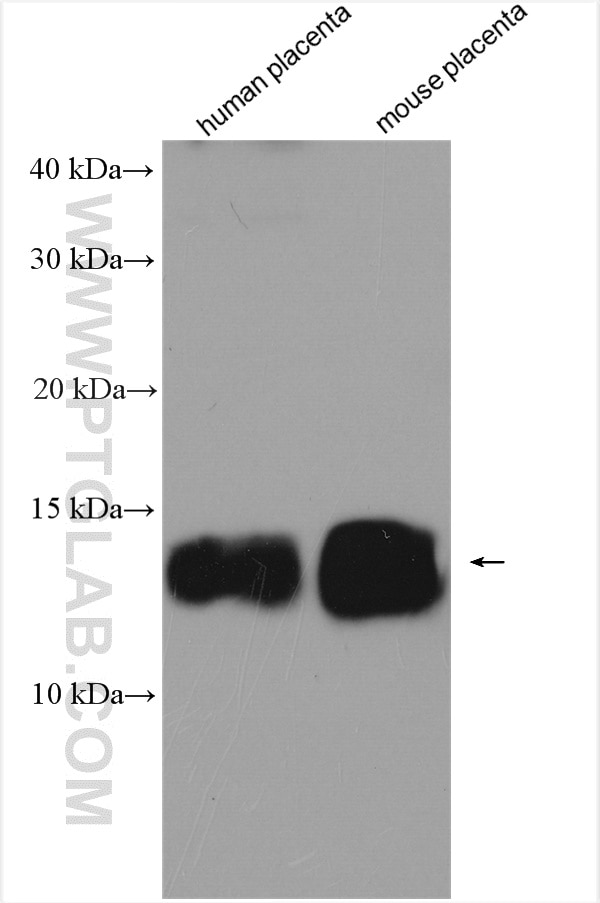
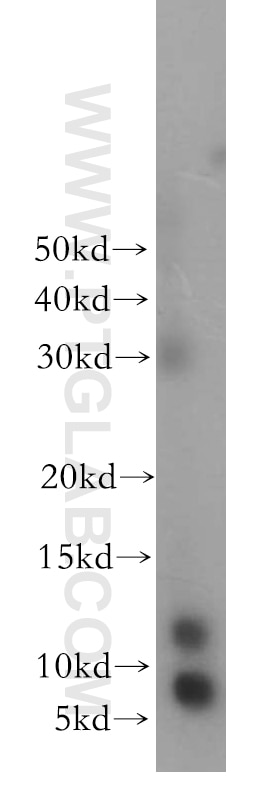
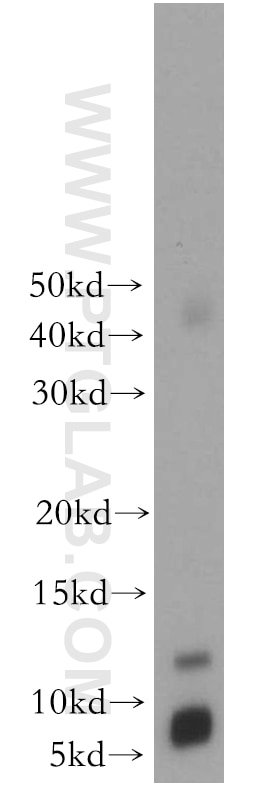
| Positive WB detected in | mouse placenta tissue, human placenta tissue, human brain tissue |
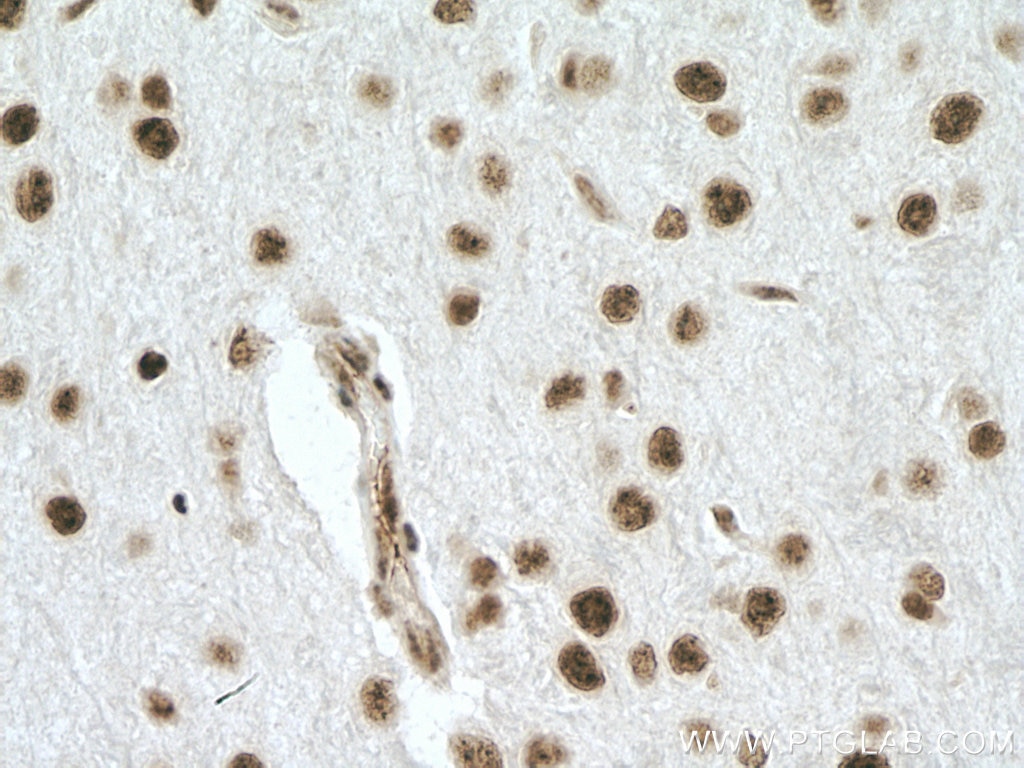
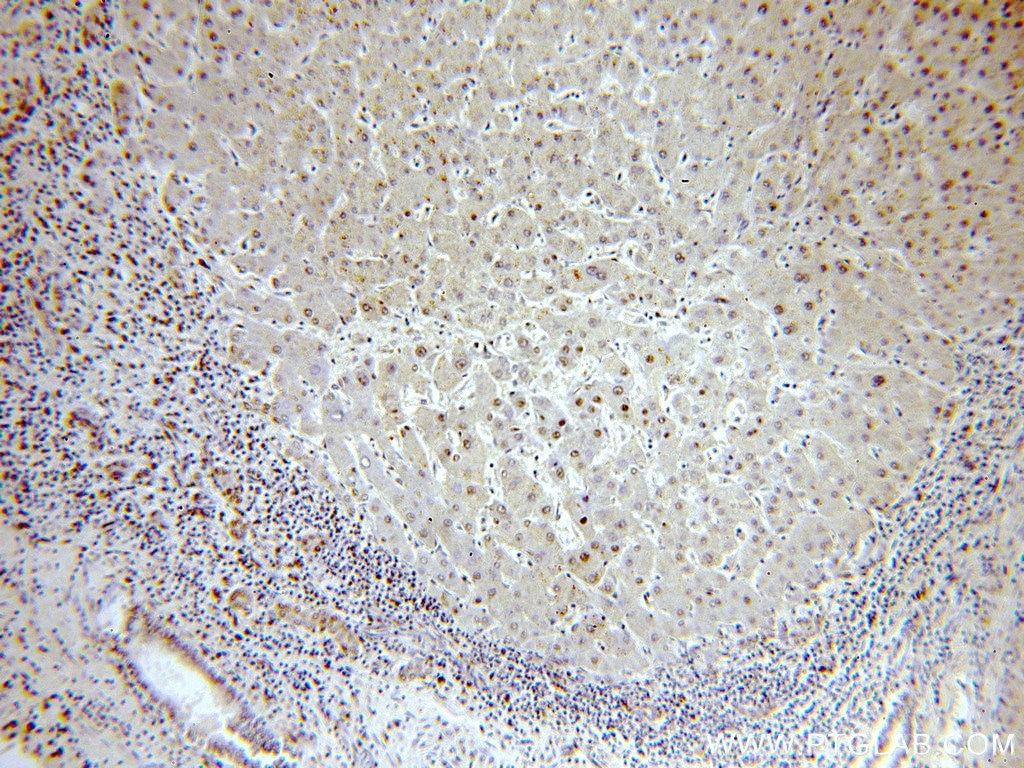
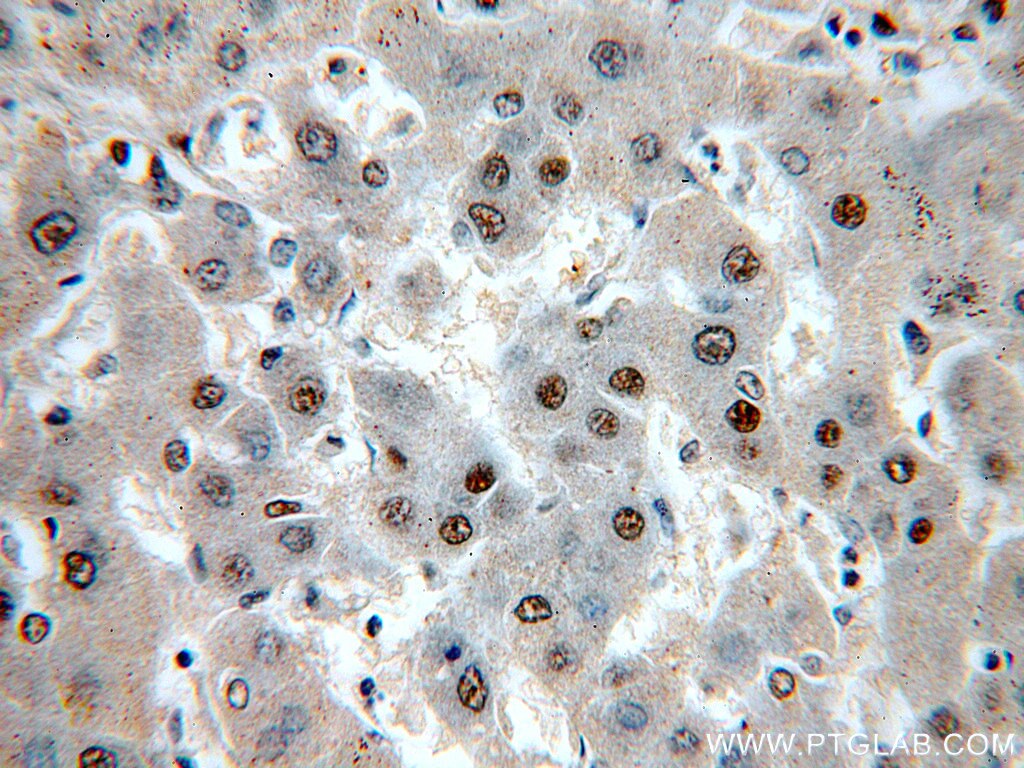
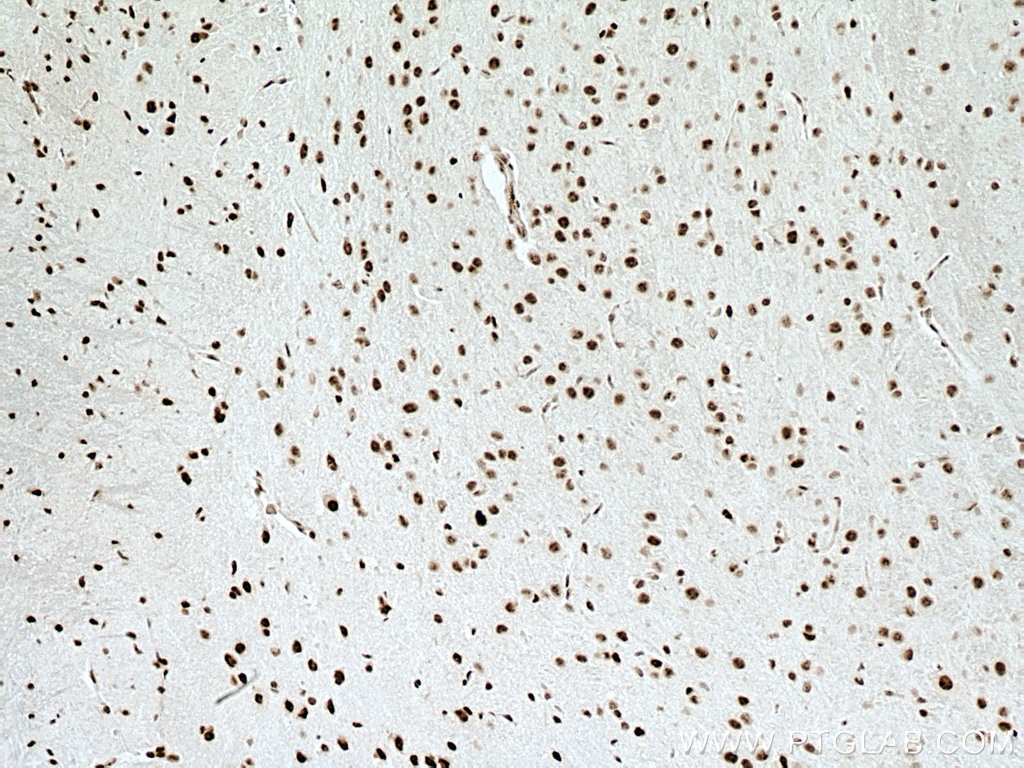
| Positive IHC detected in | mouse brain tissue, human hepatocirrhosis tissue Note: suggested antigen retrieval with TE buffer pH 9.0; (*) Alternatively, antigen retrieval may be performed with citrate buffer pH 6.0 |
Recommended dilution
| Application | Dilution |
|---|---|
| Western Blot (WB) | WB : 1:500-1:1000 |
| Immunohistochemistry (IHC) | IHC : 1:50-1:500 |
| It is recommended that this reagent should be titrated in each testing system to obtain optimal results. | |
| Sample-dependent, Check data in validation data gallery. | |
Product Information
20407-1-AP targets SNRPE in WB, IHC, IF, ELISA applications and shows reactivity with human, mouse, rat samples.
| Tested Reactivity | human, mouse, rat |
| Cited Reactivity | human, mouse |
| Host / Isotype | Rabbit / IgG |
| Class | Polyclonal |
| Type | Antibody |
| Immunogen |
CatNo: Ag14227 Product name: Recombinant human SNRPE protein Source: e coli.-derived, PGEX-4T Tag: GST Domain: 1-92 aa of BC002639 Sequence: MAYRGQGQKVQKVMVQPINLIFRYLQNRSRIQVWLYEQVNMRIEGCIIGFDEYMNLVLDDAEEIHSKTKSRKQLGRIMLKGDNITLLQSVSN Predict reactive species |
| Full Name | small nuclear ribonucleoprotein polypeptide E |
| Calculated Molecular Weight | 92 aa, 11 kDa |
| Observed Molecular Weight | 11 kDa |
| GenBank Accession Number | BC002639 |
| Gene Symbol | SNRPE |
| Gene ID (NCBI) | 6635 |
| RRID | AB_10699882 |
| Conjugate | Unconjugated |
| Form | Liquid |
| Purification Method | Antigen affinity purification |
| UNIPROT ID | P62304 |
| Storage Buffer | PBS with 0.02% sodium azide and 50% glycerol, pH 7.3. |
| Storage Conditions | Store at -20°C. Stable for one year after shipment. Aliquoting is unnecessary for -20oC storage. 20ul sizes contain 0.1% BSA. |
Background Information
The snRNP E (SNRPE)protein is one of several proteins associated with the U family of small nuclear RNAs that are involved in RNA processing. It functions in the U7 snRNP complex that is involved in histone 3'-end processing and also associated with snRNP U1, U2, U4/U6 and U5. This antibody raises against the full length of human SNRPE, and can recognize two bands of SNRPE, include a 9 kDa band(isoform) and a 11kDa band(SNRPE) (PMID:23246290)
Protocols
| Product Specific Protocols | |
|---|---|
| IHC protocol for SNRPE antibody 20407-1-AP | Download protocol |
| WB protocol for SNRPE antibody 20407-1-AP | Download protocol |
| Standard Protocols | |
|---|---|
| Click here to view our Standard Protocols |
Publications
What published studies show
The SNRPE Polyclonal antibody (Cat# 20407-1-AP) has 5 citations. These appear in Molecular Cell, American Journal of Human Genetics, Frontiers in Immunology, Journal of Pathology, and Pharmacological Research. Research fields span mRNA chromatin escape and PRMT5 activity, autosomal-dominant hypotrichosis genetics, ovarian cancer stemness and immunotherapy prediction, lung adenocarcinoma prognostic signatures, and microglial senescence in the aging brain. Applications include Western blot, immunofluorescence, and IHC in human and mouse samples.
| Species | Application | Title |
|---|---|---|
Am J Hum Genet Mutations in SNRPE, which encodes a core protein of the spliceosome, cause autosomal-dominant hypotrichosis simplex. | ||
Front Immunol Multi-omics analysis and experiments uncover the function of cancer stemness in ovarian cancer and establish a machine learning-based model for predicting immunotherapy responses
| ||
J Pathol A novel protein-based prognostic signature improves risk stratification to guide clinical management in early-stage lung adenocarcinoma patients. | ||
Pharmacol Res Compartment-specific inhibition of cytosolic Cathepsin B mitigates microglial senescence in the aging brain. |








