

Tested Applications
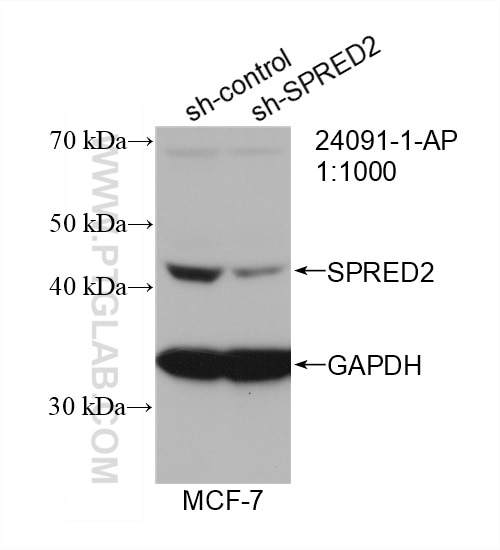
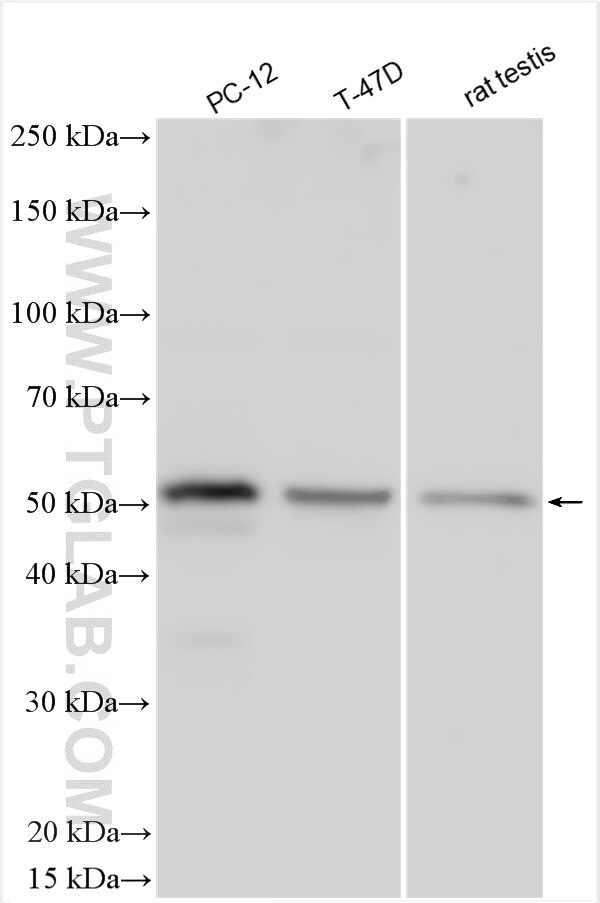
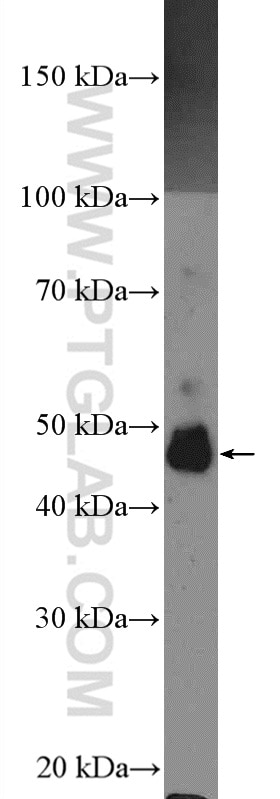
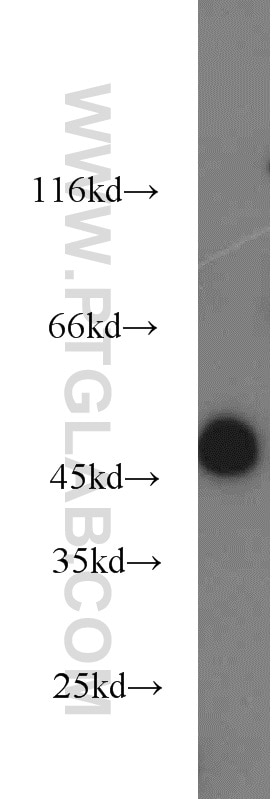
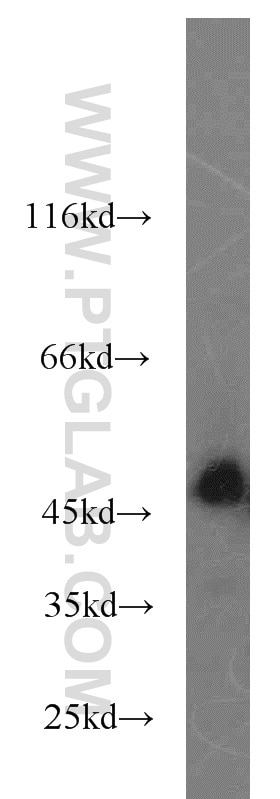
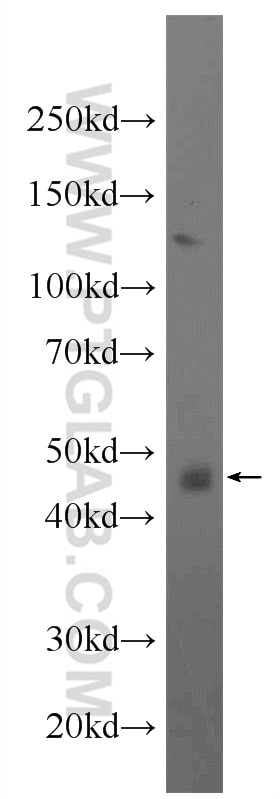
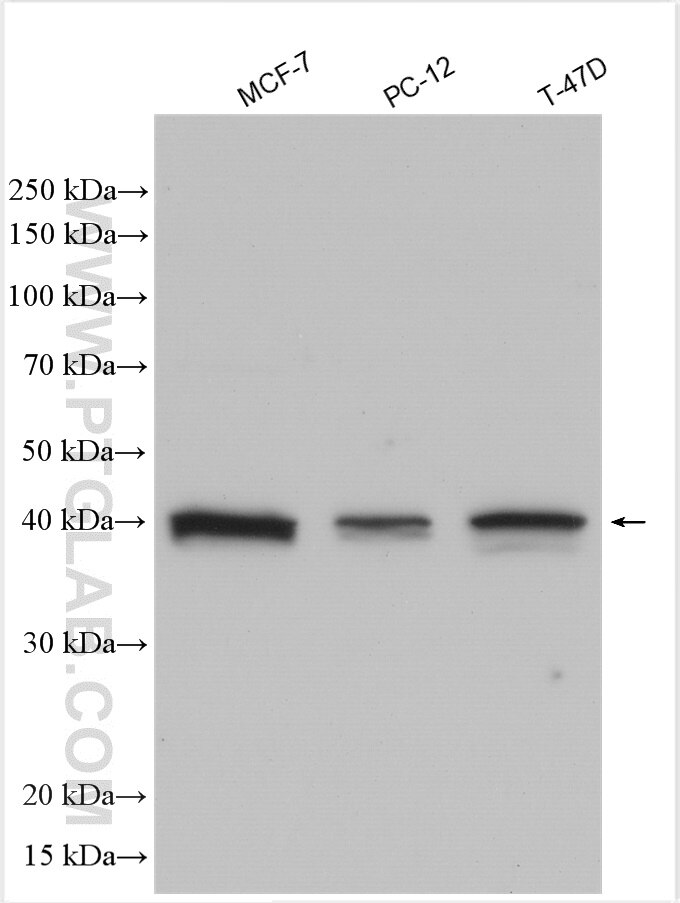
| Positive WB detected in | PC-12 cells, MCF-7 cells, mouse testis tissue, mouse brain tissue, rat brain tissue, T-47D cells, rat testis tissue |
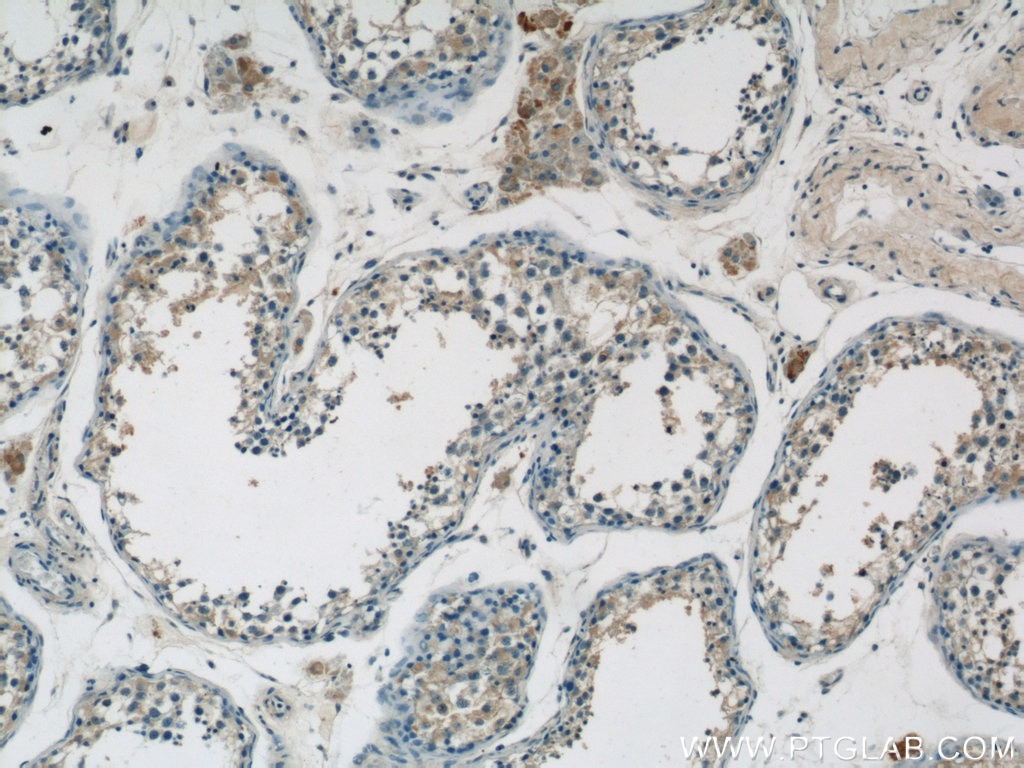
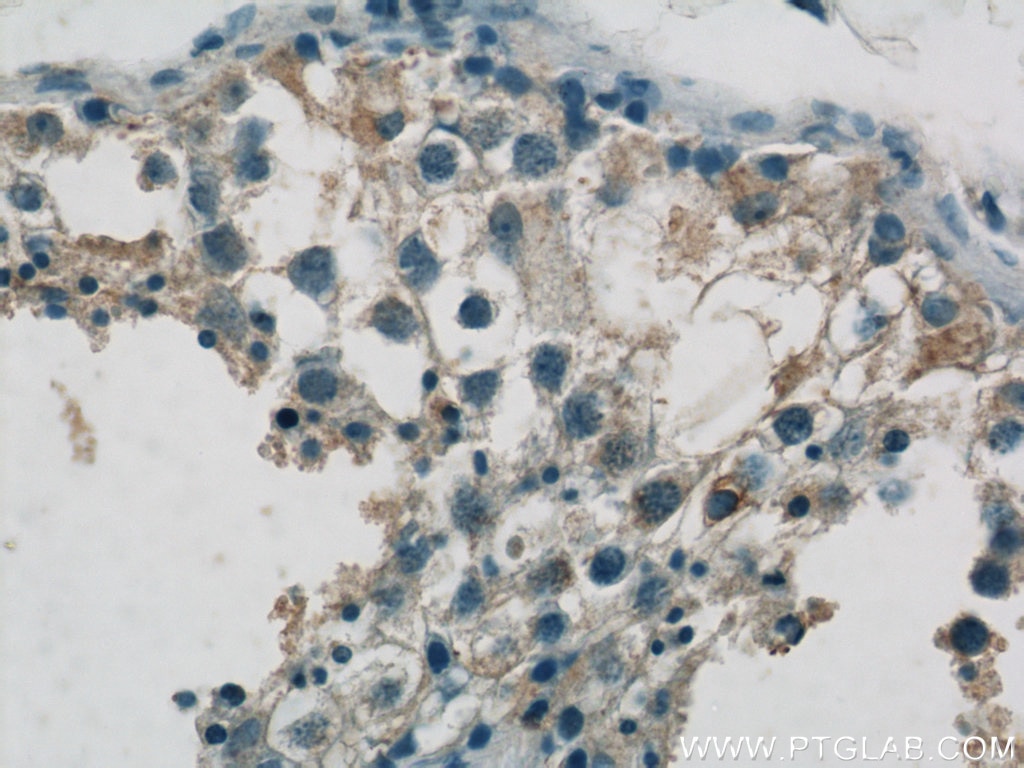
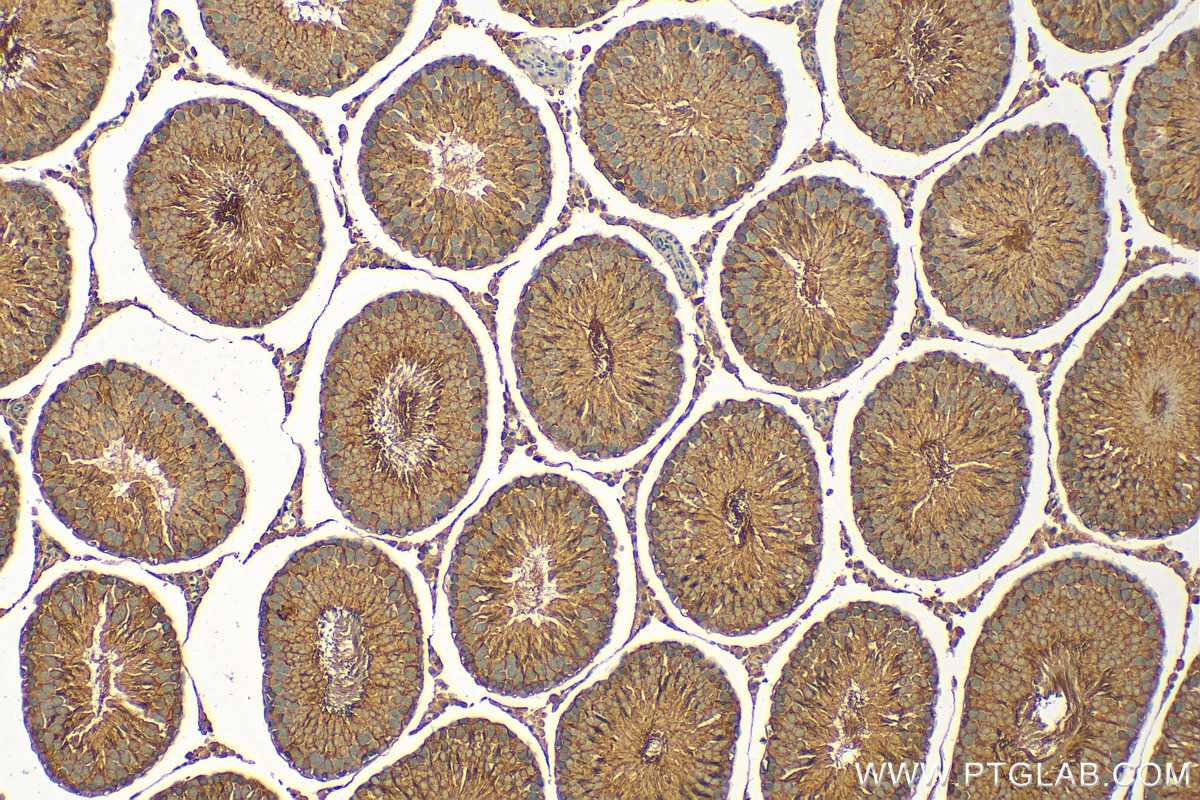
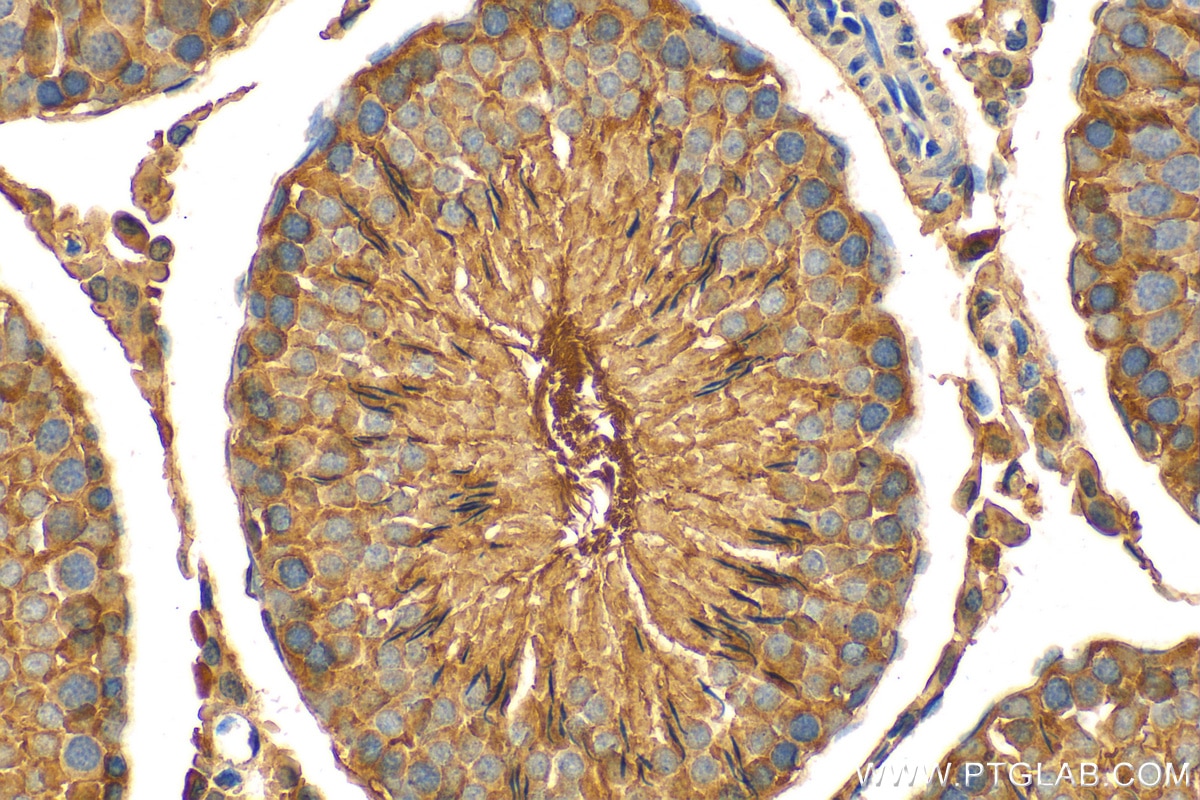
| Positive IHC detected in | rat testis tissue, human testis tissue Note: suggested antigen retrieval with TE buffer pH 9.0; (*) Alternatively, antigen retrieval may be performed with citrate buffer pH 6.0 |
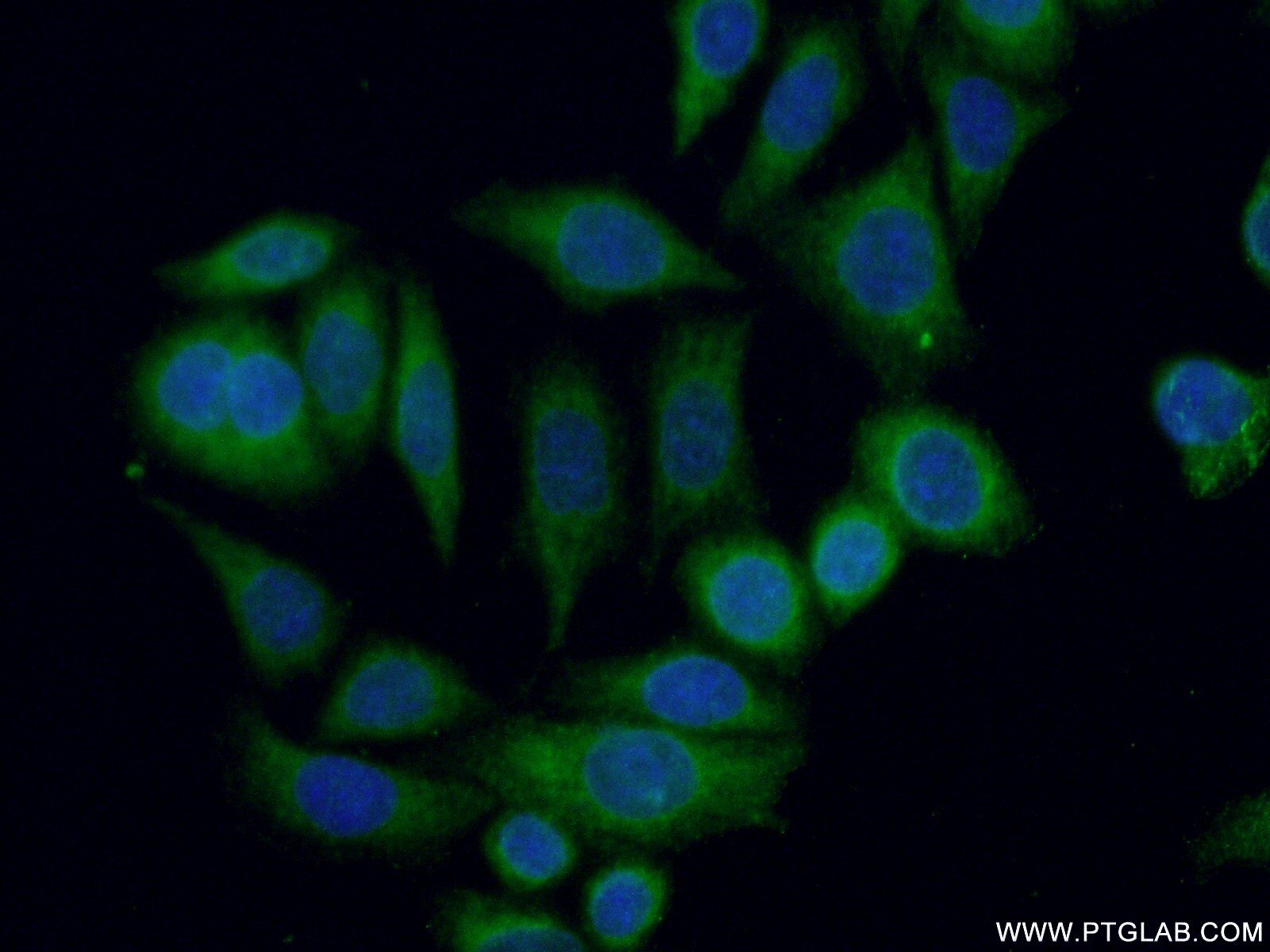
| Positive IF/ICC detected in | HeLa cells |
Recommended dilution
| Application | Dilution |
|---|---|
| Western Blot (WB) | WB : 1:1000-1:6000 |
| Immunohistochemistry (IHC) | IHC : 1:50-1:500 |
| Immunofluorescence (IF)/ICC | IF/ICC : 1:50-1:500 |
| It is recommended that this reagent should be titrated in each testing system to obtain optimal results. | |
| Sample-dependent, Check data in validation data gallery. | |
Product Information
24091-1-AP targets SPRED2 in WB, IHC, IF/ICC, ELISA applications and shows reactivity with human, mouse, rat samples.
| Tested Reactivity | human, mouse, rat |
| Cited Reactivity | human, mouse |
| Host / Isotype | Rabbit / IgG |
| Class | Polyclonal |
| Type | Antibody |
| Immunogen |
CatNo: Ag21359 Product name: Recombinant human SPRED2 protein Source: e coli.-derived, PET28a Tag: 6*His Domain: 122-214 aa of BC136334 Sequence: LIEGSTTSSSTIHNEAELGDDDVFTTATDSSSNSSQKREQPTRTISSPTSCEHRRIYTLGHLHDSYPTDHYHLDQPMPRPYRQVSFPDDDEEI Predict reactive species |
| Full Name | sprouty-related, EVH1 domain containing 2 |
| Calculated Molecular Weight | 418 aa, 48 kDa |
| Observed Molecular Weight | 40-48 kDa |
| GenBank Accession Number | BC136334 |
| Gene Symbol | SPRED2 |
| Gene ID (NCBI) | 200734 |
| RRID | AB_2879429 |
| Conjugate | Unconjugated |
| Form | Liquid |
| Purification Method | Antigen Affinity purified |
| UNIPROT ID | Q7Z698 |
| Storage Buffer | PBS with 0.02% sodium azide and 50% glycerol, pH 7.3. |
| Storage Conditions | Store at -20°C. Stable for one year after shipment. Aliquoting is unnecessary for -20oC storage. 20ul sizes contain 0.1% BSA. |
Background Information
SPRED2 is a member of the SPRED family of proteins that modulate GFR signaling by inhibiting the Ras-MAPK cascade (PMID: 17094949). SPRED family members are characterized by an N-terminal Enabled/VASP homology 1 domain (EVH1), a central c-Kit binding domain (KBD) and a C-terminal Sprouty-related domain (SPR) (PMID: 17691106). Three mammalian SPREDs (SPRED1-3) have been described. In adult tissues, SPRED2 is expressed ubiquitously, but most highly expressed in glandular epithelia (PMID: 15580519; 17691106). Reduced expression level of SPRED2 has been reported in human hepatocellular carcinoma (HCC), suggesting SPRED2 may play a role in tumorgenesis (PMID: 16652141). Gene disruption of SPRED2 causes dwarfism (PMID: 15946934).
Protocols
| Product Specific Protocols | |
|---|---|
| IF protocol for SPRED2 antibody 24091-1-AP | Download protocol |
| IHC protocol for SPRED2 antibody 24091-1-AP | Download protocol |
| WB protocol for SPRED2 antibody 24091-1-AP | Download protocol |
| Standard Protocols | |
|---|---|
| Click here to view our Standard Protocols |
Publications
What published studies show
The SPRED2 antibody (Cat# 24091-1-AP) has 8 total citations. These appear in journals including Int J Mol Sci, Pathol Res Pract, PLoS One, J Mol Neurosci, Histol Histopathol, and Biol Pharm Bull. Research fields span hepatocellular carcinoma, breast cancer, lung adenocarcinoma, urothelial tumorigenesis, neuronal autophagy, pulmonary fibrosis, and contact dermatitis. Applications include WB, IHC, and IF in human and mouse samples.
| Species | Application | Title |
|---|---|---|
Int J Mol Sci SPRED2: A Novel Regulator of Epithelial-Mesenchymal Transition and Stemness in Hepatocellular Carcinoma Cells | ||
Int J Mol Sci Neurofibromin Encoded by the Neurofibromatosis Type 1 (NF1) Gene Promotes the Membrane Translocation of SPRED2, Thereby Inhibiting the ERK Pathway in Breast Cancer Cells.
| ||
Int J Mol Sci SPRED2 Is a Novel Regulator of Autophagy in Hepatocellular Carcinoma Cells and Normal Hepatocytes
| ||
J Mol Neurosci TRIM25 Suppresses Hippocampal Neuronal Autophagy under High Glucose via Ubiquitination and Degradation of SIX2.
|













