

Product Information
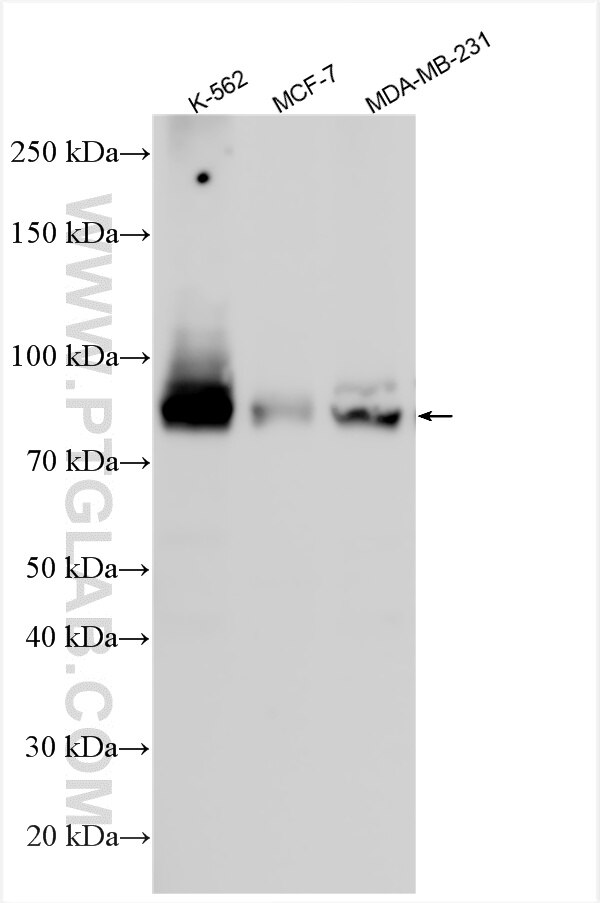
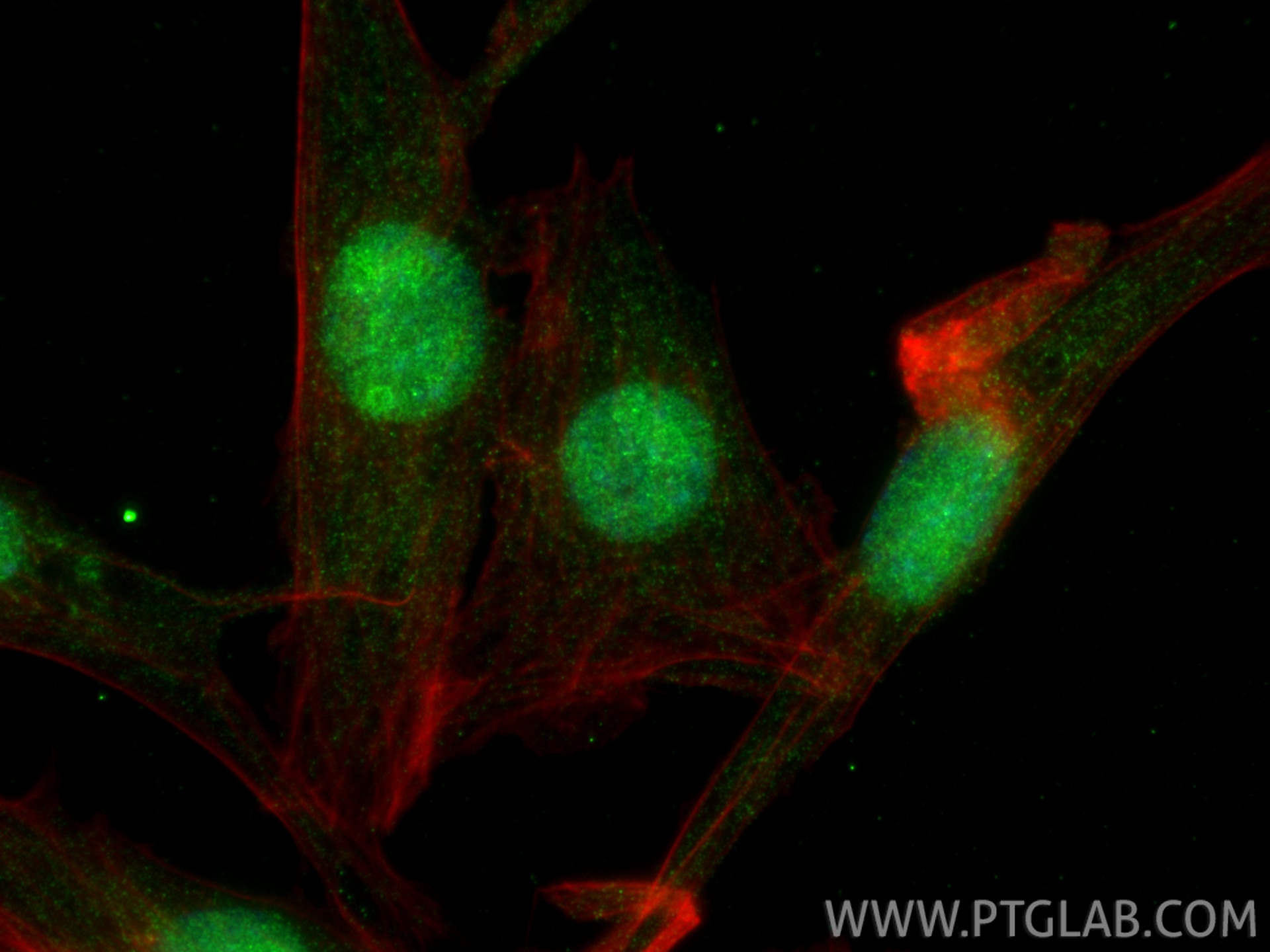
33930-1-PBS targets ZNF800 in WB, IF/ICC, Indirect ELISA applications and shows reactivity with human, mouse samples.
| Tested Reactivity | human, mouse |
| Host / Isotype | Rabbit / IgG |
| Class | Polyclonal |
| Type | Antibody |
| Immunogen |
CatNo: Ag40831 Product name: Recombinant human ZNF800 protein Source: e coli.-derived, PGEX-4T Tag: GST Domain: 91-220 aa of BC110624 Sequence: YCPPSLQMDDNLPDVNDKQSQAINDLLEAIYPSVDKREYIIKLEPIETNQNAVFQYISRTDNPIEVTESSSTPEQTEVQIQETSTEQSKTVPVTDTEVETVEPPPVEIVTDEVAPTSDEQPQESQADLET Predict reactive species |
| Full Name | zinc finger protein 800 |
| Calculated Molecular Weight | 664 aa, 75 kDa |
| Observed Molecular Weight | 80 kDa |
| GenBank Accession Number | BC110624 |
| Gene Symbol | ZNF800 |
| Gene ID (NCBI) | 168850 |
| RRID | AB_3743115 |
| Conjugate | Unconjugated |
| Form | Liquid |
| Purification Method | Antigen affinity Purification |
| UNIPROT ID | Q2TB10 |
| Storage Buffer | PBS only, pH 7.3. |
| Storage Conditions | Store at -80°C. |
Background Information
ZNF800 (Zinc Finger Protein 800) is a DNA-binding transcription factor containing a C2H2-type zinc finger domain. It is localized in the nucleus and participates in the regulation of gene expression. This protein plays a critical inhibitory role in the differentiation of enteroendocrine cells (EECs). By directly binding to the promoter regions of transcription factors such as PAX4, SOX4, and INSM1, it blocks the EEC differentiation program and maintains intestinal epithelial homeostasis. In cancer research, ZNF800 is highly expressed in various malignant tumors, including low-grade glioma and lung cancer, where it promotes tumor cell proliferation, migration, and invasion. Its expression level is significantly correlated with shortened overall survival of patients, serving as an independent prognostic predictor. Furthermore, ZNF800 expression is positively correlated with immune cell infiltration in the tumor microenvironment and the expression of immune checkpoint molecules such as PD-1/PD-L1, suggesting its potential role in tumor immune evasion.



