

Tested Applications
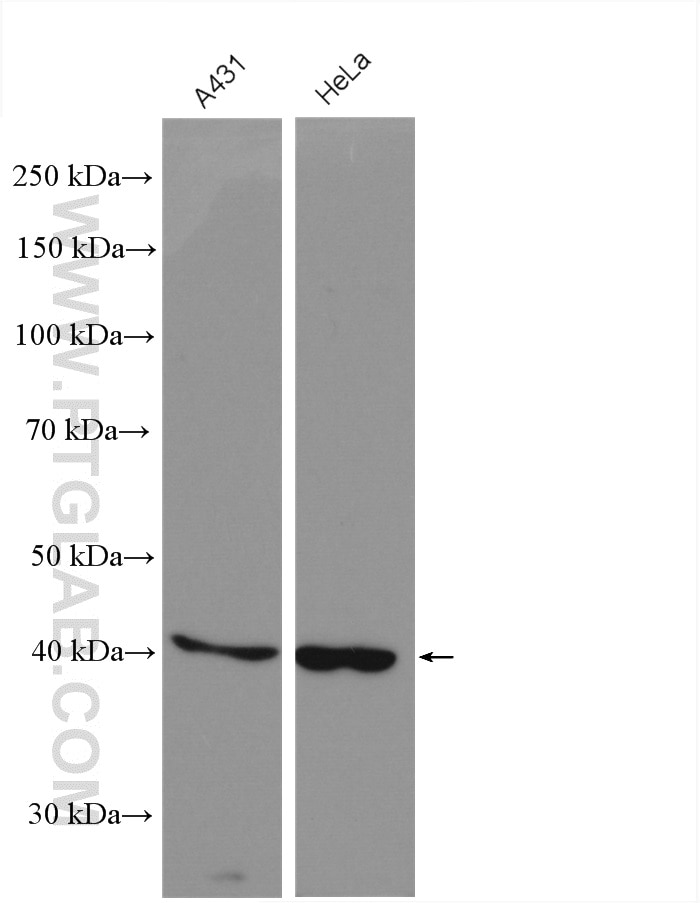
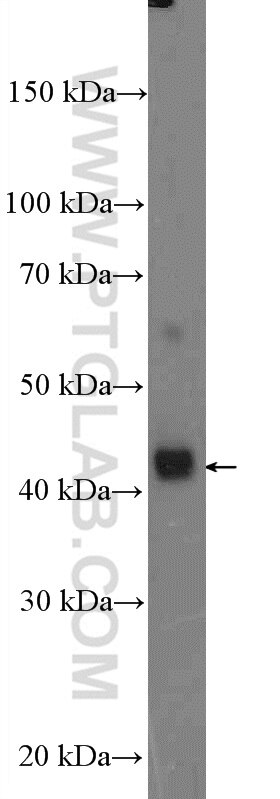
| Positive WB detected in | A431 cells, MDA-MB-453s cells, HeLa cells |
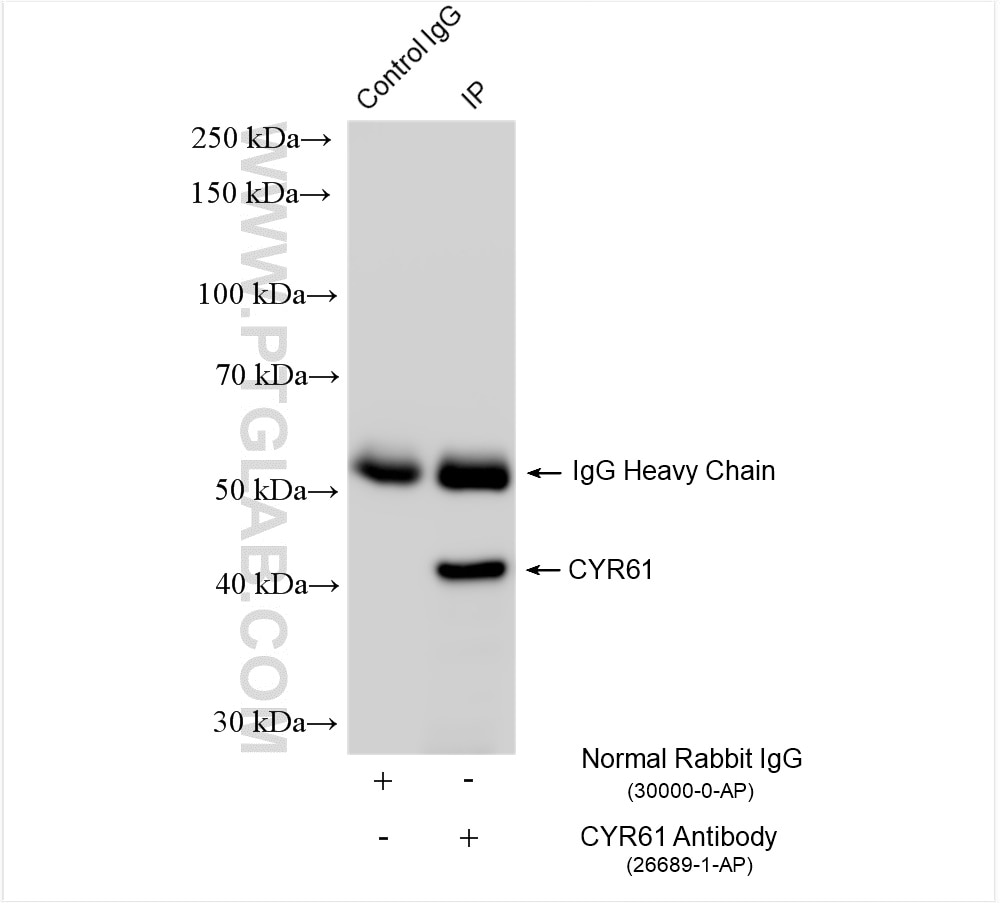
| Positive IP detected in | HeLa cells |
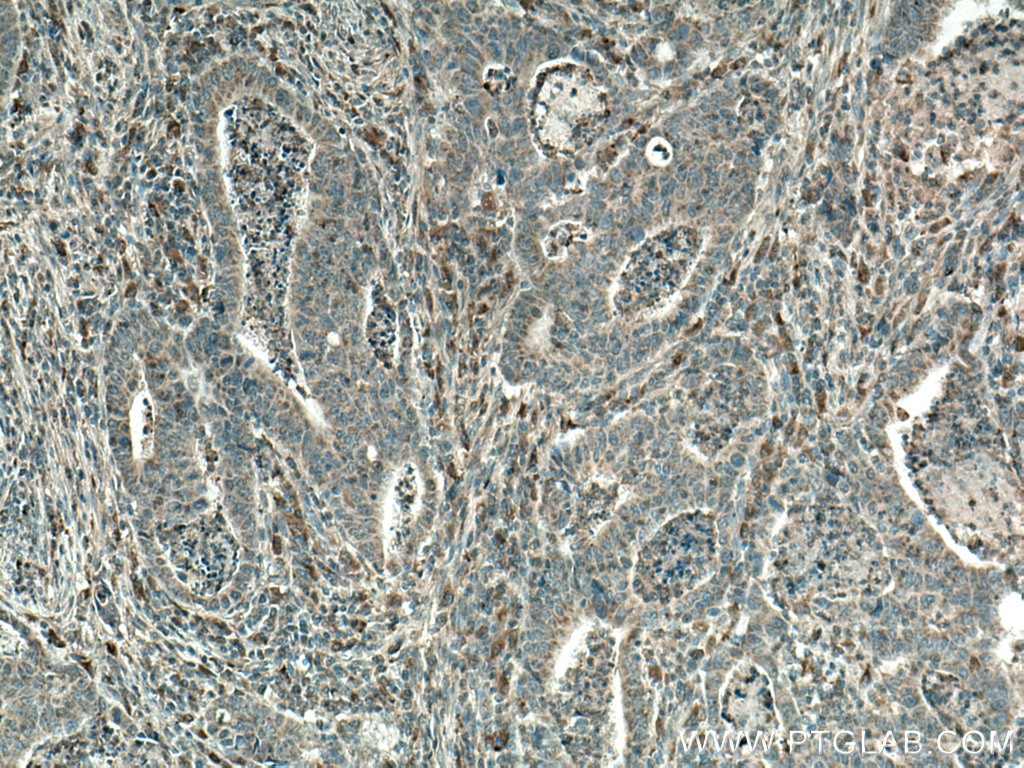
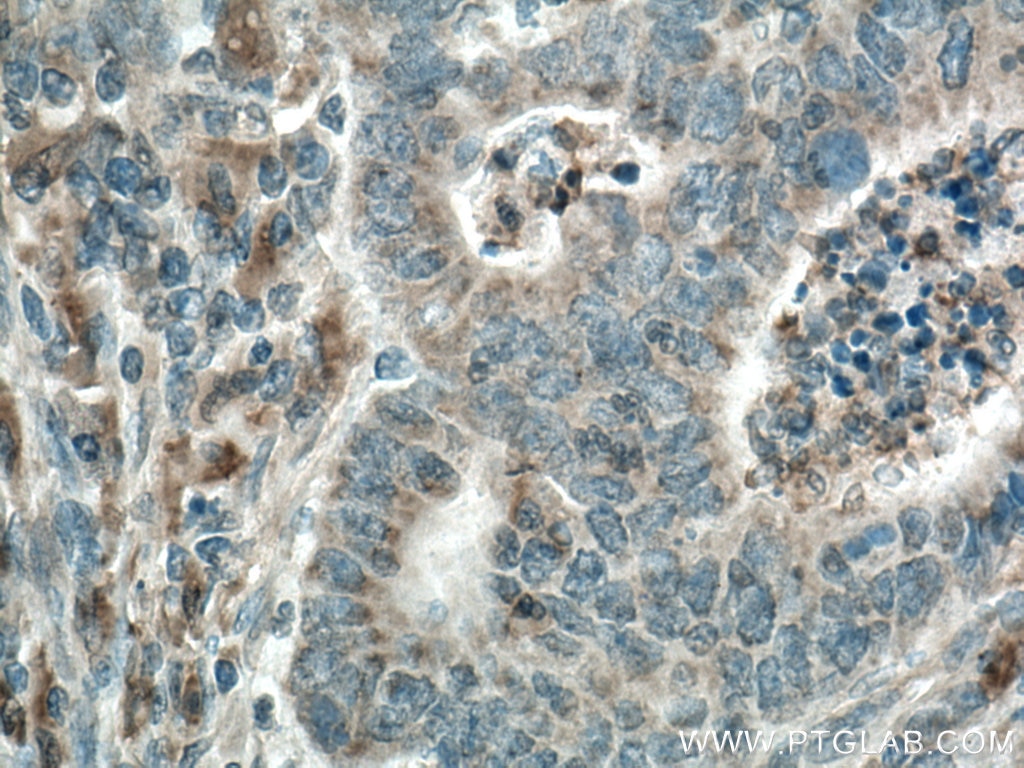
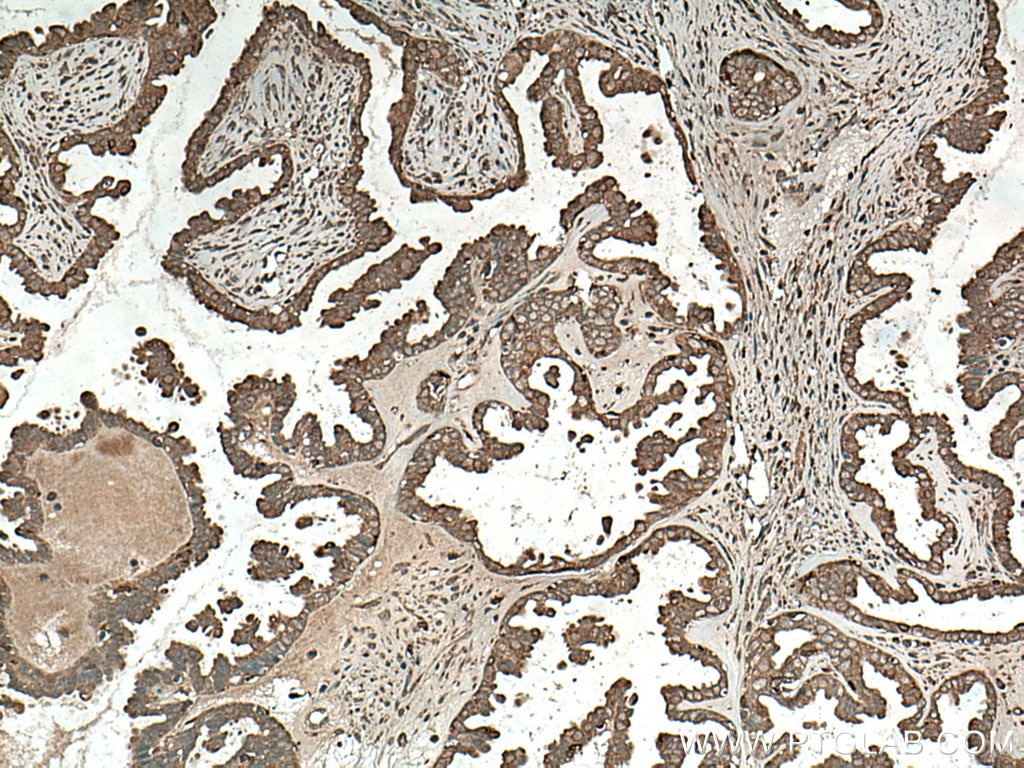
| Positive IHC detected in | human colon cancer tissue, human ovary tumor tissue Note: suggested antigen retrieval with TE buffer pH 9.0; (*) Alternatively, antigen retrieval may be performed with citrate buffer pH 6.0 |
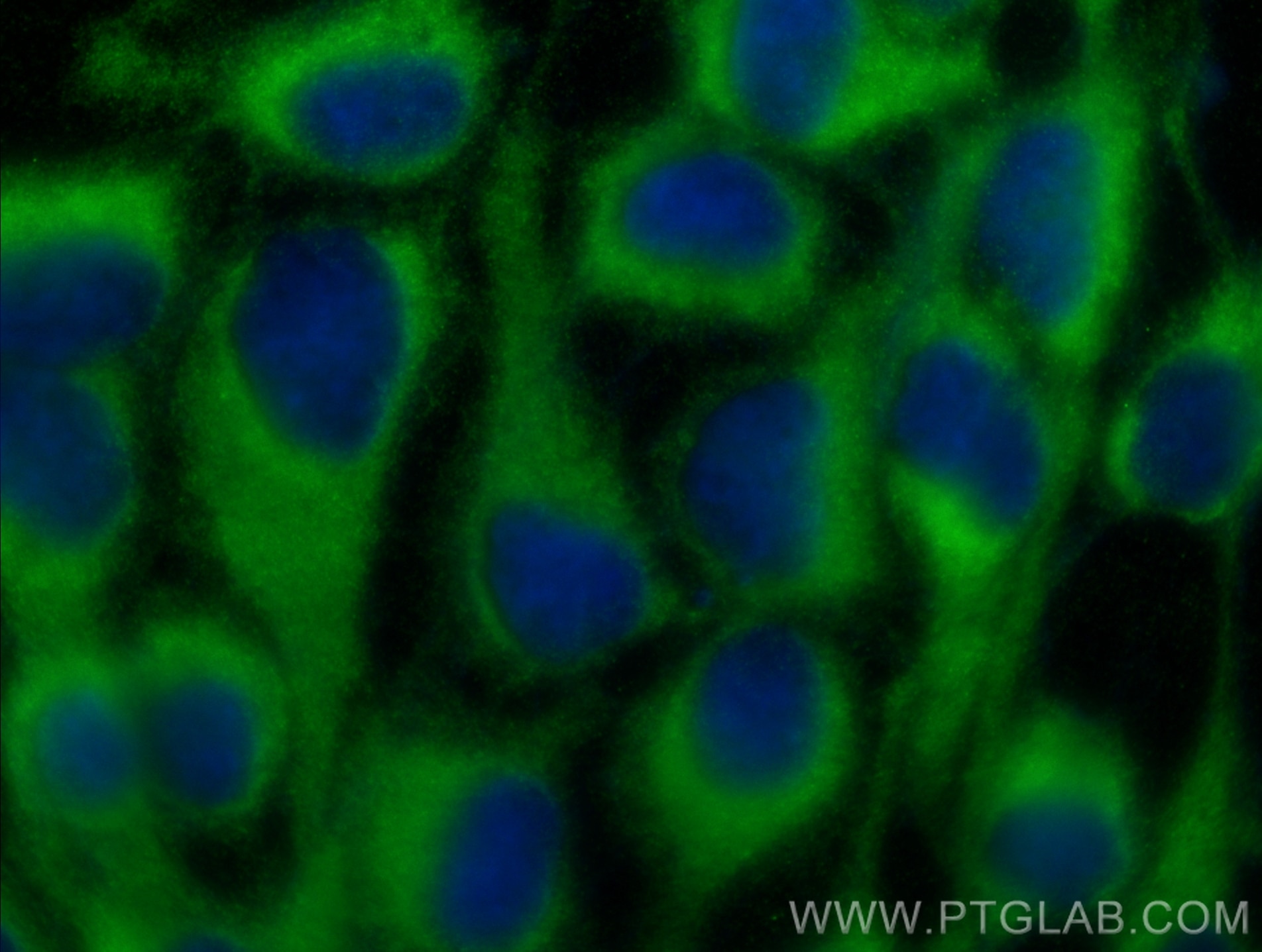
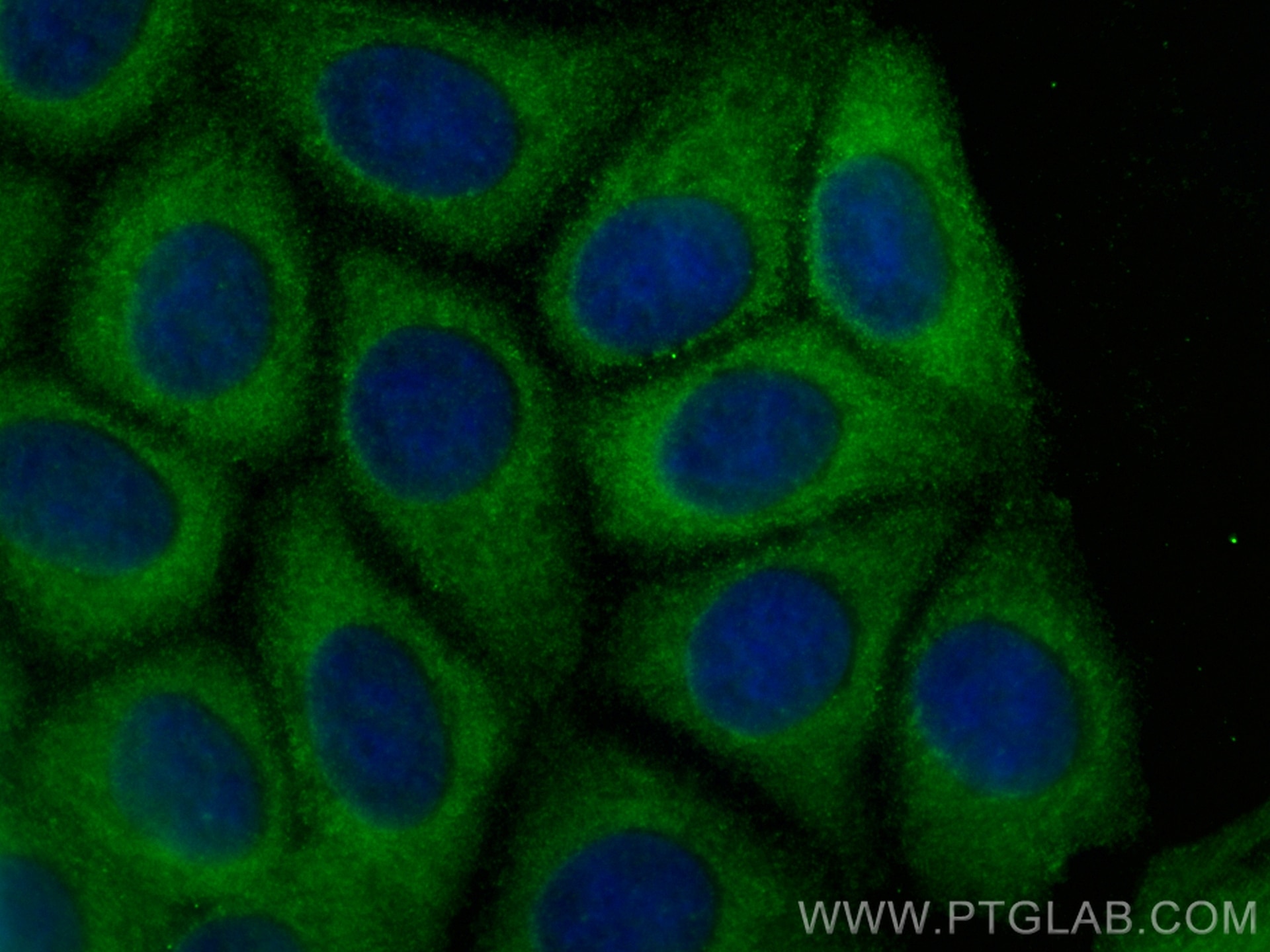
| Positive IF/ICC detected in | A431 cells, MCF-7 cells |
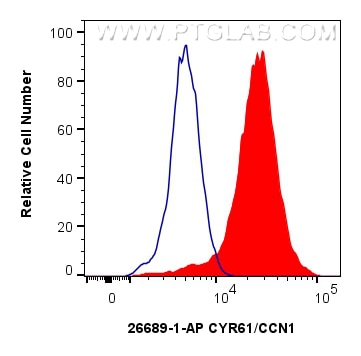
| Positive FC (Intra) detected in | HeLa cells |
Recommended dilution
| Application | Dilution |
|---|---|
| Western Blot (WB) | WB : 1:1000-1:4000 |
| Immunoprecipitation (IP) | IP : 0.5-4.0 ug for 1.0-3.0 mg of total protein lysate |
| Immunohistochemistry (IHC) | IHC : 1:50-1:500 |
| Immunofluorescence (IF)/ICC | IF/ICC : 1:200-1:800 |
| Flow Cytometry (FC) (INTRA) | FC (INTRA) : 0.25 ug per 10^6 cells in a 100 ul suspension |
| It is recommended that this reagent should be titrated in each testing system to obtain optimal results. | |
| Sample-dependent, Check data in validation data gallery. | |
Product Information
26689-1-AP targets CYR61/CCN1 in WB, IHC, IF/ICC, FC (Intra), IP, CoIP, ELISA applications and shows reactivity with human samples.
| Tested Reactivity | human |
| Cited Reactivity | human, mouse, rat |
| Host / Isotype | Rabbit / IgG |
| Class | Polyclonal |
| Type | Antibody |
| Immunogen |
CatNo: Ag25129 Product name: Recombinant human CYR61 protein Source: e coli.-derived, PGEX-4T Tag: GST Domain: 165-239 aa of BC001271 Sequence: EDSIKDPMEDQDGLLGKELGFDASEVELTRNNELIAVGKGSSLKRLPVFGMEPRILYNPLQGQKCIVQTTSWSQC Predict reactive species |
| Full Name | cysteine-rich, angiogenic inducer, 61 |
| Calculated Molecular Weight | 42 kDa |
| Observed Molecular Weight | 42 kDa |
| GenBank Accession Number | BC001271 |
| Gene Symbol | CYR61 |
| Gene ID (NCBI) | 3491 |
| RRID | AB_2880604 |
| Conjugate | Unconjugated |
| Form | Liquid |
| Purification Method | Antigen affinity purification |
| UNIPROT ID | O00622 |
| Storage Buffer | PBS with 0.02% sodium azide and 50% glycerol, pH 7.3. |
| Storage Conditions | Store at -20°C. Stable for one year after shipment. Aliquoting is unnecessary for -20oC storage. 20ul sizes contain 0.1% BSA. |
Background Information
CYR61 is a member of the CYR61/CTGF/NOV (CCN) protein family. CYR61 participated in cell mitogenesis, cellular adhesion, migration, differentiation, angiogenesis, and survival. Cyr61 is especially associated with diseases related to chronic inflammation, including RA, Crohn's disease and ulcerative colitis. CYR61 may serve essential roles as either an oncogene or a tumor suppressor, depending on the cancer cell type. CYR61 also induces angiogenesis, which supplies oxygen and nutrients to tumors during growth. CYR61 can also play a role in the proliferation, invasion, survival, and metastasis of cancer cells.
Protocols
| Product Specific Protocols | |
|---|---|
| FC protocol for CYR61/CCN1 antibody 26689-1-AP | Download protocol |
| IF protocol for CYR61/CCN1 antibody 26689-1-AP | Download protocol |
| IHC protocol for CYR61/CCN1 antibody 26689-1-AP | Download protocol |
| IP protocol for CYR61/CCN1 antibody 26689-1-AP | Download protocol |
| WB protocol for CYR61/CCN1 antibody 26689-1-AP | Download protocol |
| Standard Protocols | |
|---|---|
| Click here to view our Standard Protocols |
Publications
What published studies show
The CYR61/CCN1 Polyclonal antibody (Cat# 26689-1-AP) has 65 citations. Publications appear in journals including Nature Communications, Cell Discovery, Journal of Clinical Investigation, Advanced Science, Science Advances, Autophagy, Cell Death & Disease, EMBO Journal, Oncogene, Developmental Cell, and Biomaterials. Research fields span oncology (Hippo/YAP/TAZ signaling across multiple cancer types), autophagy, ferroptosis, fibrosis, wound healing, cardiovascular disease, neurology, diabetes, and aging.
| Species | Application | Title |
|---|---|---|
Cancer Commun (Lond) Cytoplasmic YAP1-mediated ESCRT-III assembly promotes autophagic cell death and is ubiquitinated by NEDD4L in breast cancer | ||
Autophagy Mechanical stress-mediated ferritinophagy aggravates cartilage endplate degeneration via a PIEZO1-NCOA4-ZBP1 axis. | ||
Autophagy Cardiac fibroblast-derived CCN1 aggravates diabetic cardiomyopathy through ITGAV-ITGB1/integrin αvβ1-mediated autophagy inhibition. | ||
Cell Discov Long non-coding RNA MT1DP shunts the cellular defense to cytotoxicity through crosstalk with MT1H and RhoC in cadmium stress.
| ||
J Clin Invest Plasminogen activator inhibitor 1 promotes aortic aging-like pathophysiology in humans and mice. |










