Summary
- Flag-tag (DYKDDDDK) is an artificial, 8-amino-acid peptide tag widely used to capture and detect recombinant proteins in applications like Western blot, IP, and immunofluorescence.
- Both 1x Flag-tag and 3x Flag-tag are recognized by anti-Flag antibodies, but the 3x Flag-tag has higher affinity and is often preferred for tandem purification and protein pull-down experiments.
- The 1x Flag-tag is smaller and less likely to interfere with protein function, making it suitable when you only need detection (e.g., Western blot), whereas the larger 3x Flag-tag can better support demanding purification workflows.
- The Flag-tag contains an enterokinase cleavage site (DDDDK) that allows the tag to be removed from the tagged protein after purification, if needed.
1. What is Flag-tag?
Flag-tag is a commonly used epitope or peptide tag that is not derived from a natural protein. The Flag-tag is an artificial tag and, based on the peptide sequence, is also called DYKDDDDK-tag. Flag-tag is used to tag proteins for multiple capture and detection applications.
2. How does Flag-tag work?
Flag-tagged proteins are investigated using anti-Flag antibodies, which bind to the tag. The Flag-tag is either N- or C-terminally cloned to the protein of interest. After expression, the recombinant Flag-tag fusion protein can be analyzed by means of ELISA, flow cytometry, immunofluorescence (IF), immunoprecipitation (IP) & co-immunoprecipitation (Co-IP), protein purification, and Western blotting (WB).
3. Structure of Flag-tag
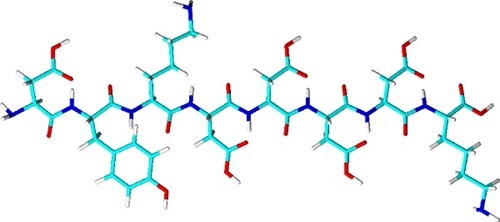 Structure of the Flag-tag octapeptide
4. Development and discovery of Flag-tag
The Flag-tag was first described by Hopp et al. (1988)*.
5. Properties
The Flag-tag contains 8 amino acids (aa) and has the sequence motif NH2-DYKDDDDK-COOH (Asp-Tyr-Lys-Asp-Asp-Asp-Asp-Lys). The sequence contains an enterokinase cleavage site (DDDDK). Cleavage by enterokinase removes the Flag-tag from the Flag-tagged protein. In addition to 1x Flag-tag, 3x Flag-tag is also commonly used. The most frequently used sequence motif is not a simple repetition of the 1x Flag sequence: DYKDHDG-DYKDHDI-DYKDDDDK.
6. How to Flag-tag a protein?
Like other protein and peptide tags, Flag-tag is attached to a protein of interest (POI). Normally, the Flag-tag is cloned in frame to the POI in a DNA plasmid. The recombinant DNA plasmid is then used for transfection.
7. Size of Flag-tag and 3x Flag-tag
Flag-tag
Number of amino acids: 8
Molecular weight (MW): 1012.98 Da
3x Flag-tag
Number of amino acids: 22
Molecular weight (MW): 2730.71 Da
8. Specifications of the Flag-tag and 3x Flag-tag
Flag-tag
Theoretical isoelectric point (pI): 3.97. Total number of negatively charged residues (Asp + Glu): 5. Total number of positively charged residues (Arg + Lys): 2. Total number of charged residues: 7.
3x Flag-tag
Theoretical pI: 4.16. Total number of negatively charged residues (Asp + Glu): 11. Total number of positively charged residues (Arg + Lys): 4. Total number of charged residues: 15.
9. Flag-tag epitope tag sequences
Flag-tag amino acid sequence: DYKDDDDK
Flag-tag DNA sequence: GAC TAC AAG GAC GAC GAT GAC AAG
3x Flag-tag amino acid sequence: DYKDHD-G-DYKDHD-I-DYKDDDDK
D=Aspartic acid; G=Glycine; H=Histidine; I= Isoleucine; K=Lysine; Y=Tyrosine
10. When should I use 3x Flag and when should I use 1x-Flag-tag?
There is no simple answer to this question. The increased length of the 3x Flag-tag increases the affinity of the anti-Flag antibody/affinity reagents. 3x Flag-tag is often used in tandem purification and protein purification. As mentioned above, 3x-Flag-tag is longer than 1x Flag-tag and has more charged amino acids. Negatively and positively charged amino acids potentially interfere more strongly with the POI and may influence protein expression. For detection in Western blot, 1x Flag-tag should be sufficient.
11. Why is Flag-tag also called DYKDDDDK-tag?
FLAG is a registered trademark of Sigma-Aldrich Co. LLC. Other suppliers may refer to the Flag-tag as DYKDDDDK-tag instead.
12. Applications
While the Flag-tag has been developed as a capture tag for IP and protein purification, and for immunoblotting, it is also used for immunofluorescence.
13. Flag- vs. Myc-tag
| Property | Flag-tag | Myc-tag |
|---|---|---|
| Origin | - | human c-Myc |
| 3D structure | 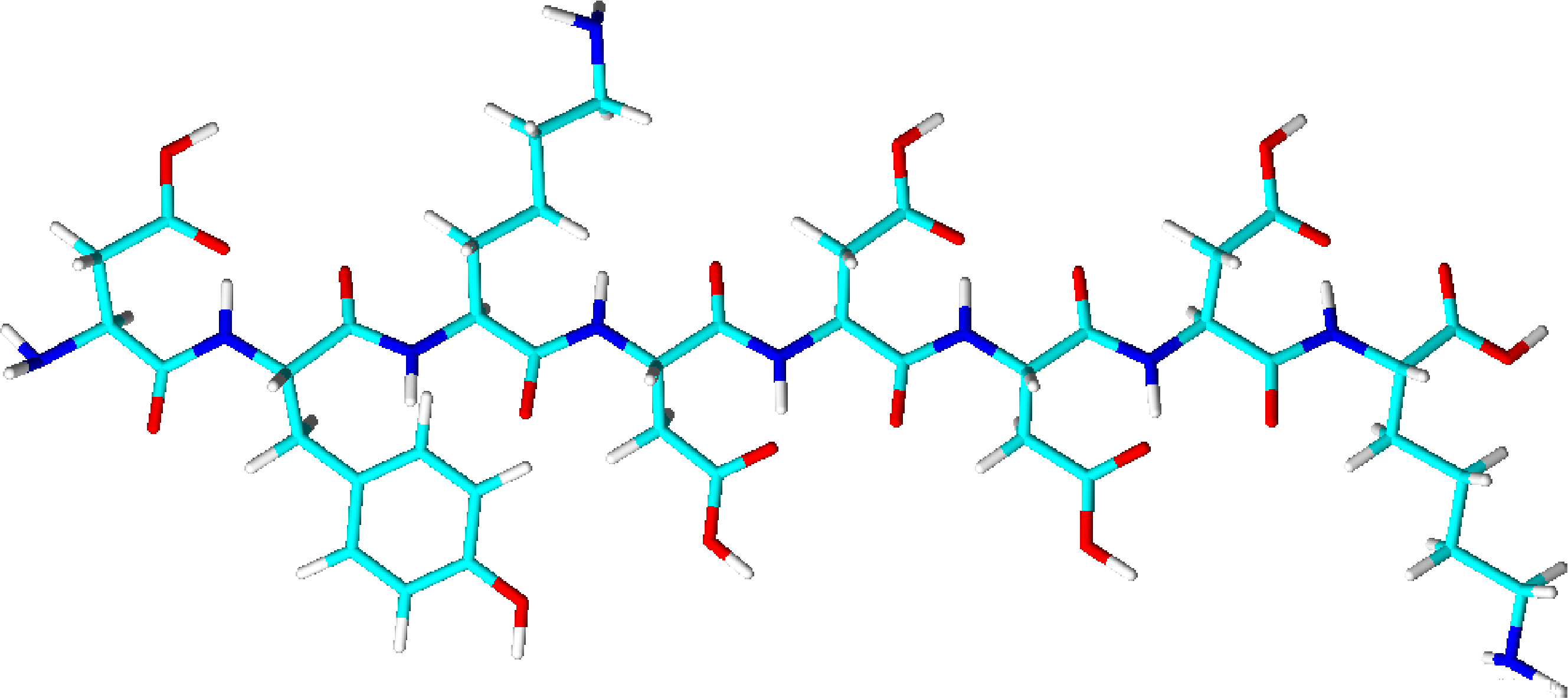 |
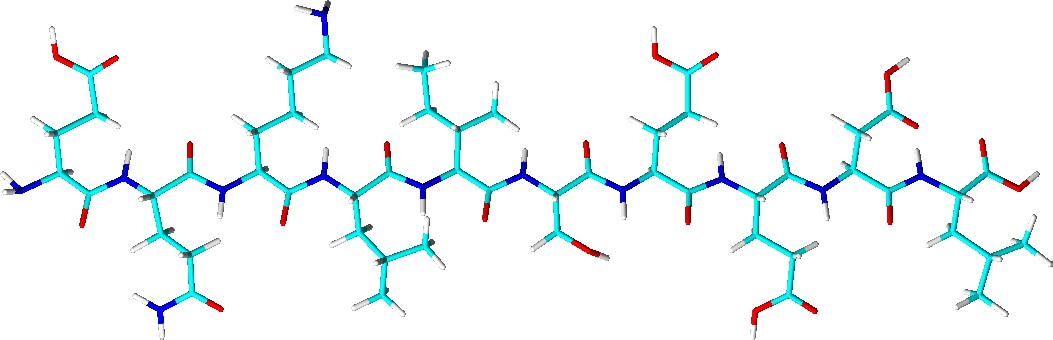 |
| Amino acid sequence | DYKDDDDK | EQKLISEEDL |
| Number of amino acids | 8 | 10 |
| Molecular weight (Da) | 1012.98 | 1203.31 |
| pI | 3.97 | 4.00 |
| Negatively charged residues | 5 | 4 |
| Positively charged residues | 2 | 1 |
14. Flag- vs. HA-tag
| Property | Flag-tag | HA-tag |
|---|---|---|
| Origin | - | Influenza hemagglutinin |
| 3D structure | |
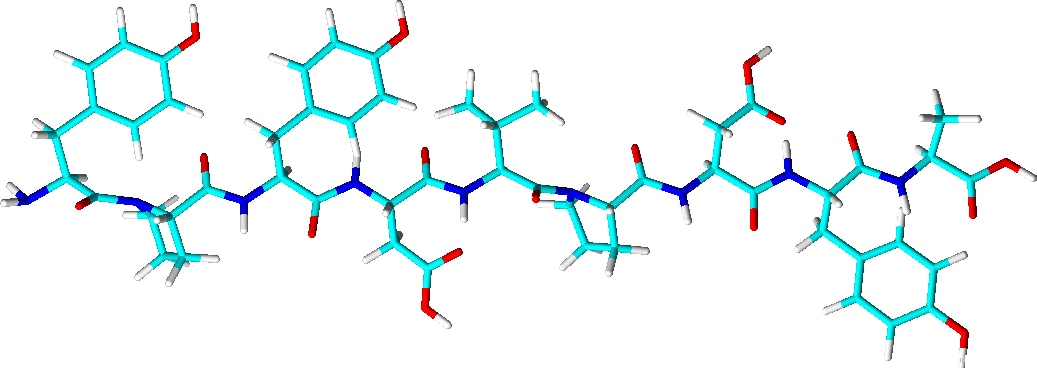 |
| Amino acid sequence | DYKDDDDK | YPYDVPDYA |
| Number of amino acids | 8 | 9 |
| Molecular weight (Da) | 1012.98 | 1102.17 |
| pI | 3.97 | 3.56 |
| Negatively charged residues | 5 | 2 |
| Positively charged residues | 2 | 0 |
15. Flag- vs. Spot-tag
| Property | Flag-tag | Spot-tag |
|---|---|---|
| Origin | - | Human beta-catenin |
| 3D structure | |
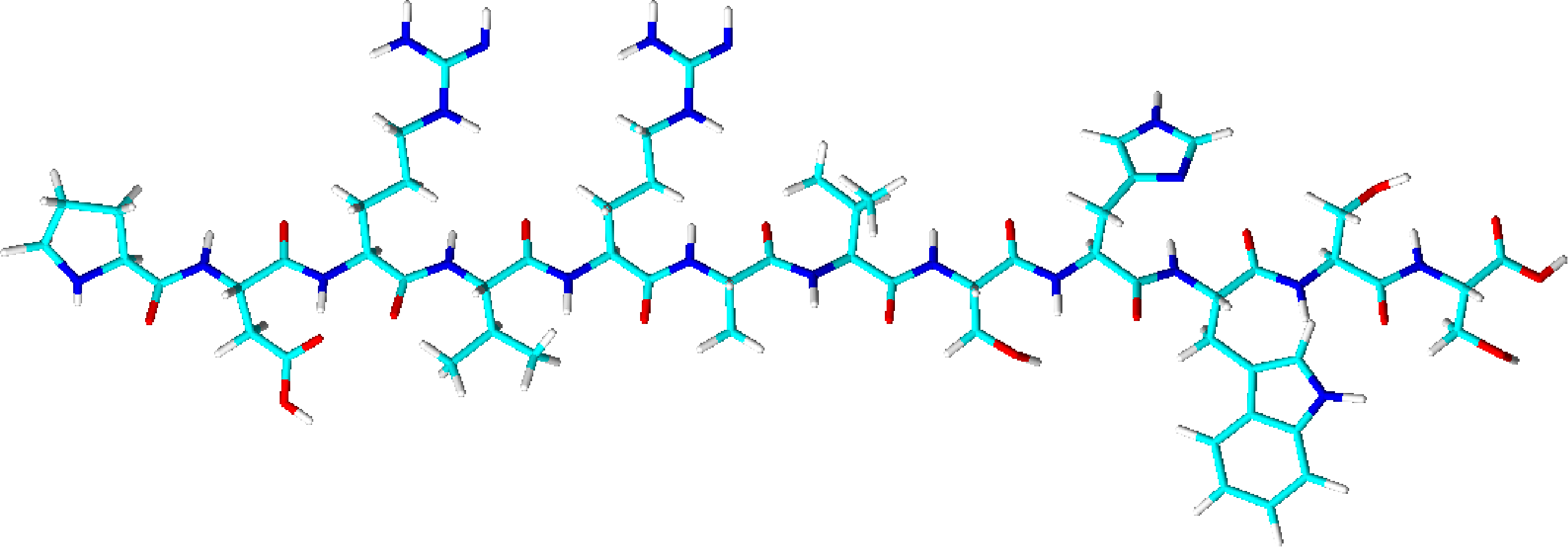 |
| Amino acid sequence | DYKDDDDK | PDRVRAVSHWSS |
| Number of amino acids | 8 | 12 |
| Molecular weight (Da) | 1012.98 | 1396.53 |
| pI | 3.97 | 10.03 |
| Negatively charged residues | 5 | 1 |
| Positively charged residues | 2 | 2 |
16. Flag- vs. V5-tag
| Property | Flag-tag | V5-tag |
|---|---|---|
| Origin | - | Simian virus 5 |
| 3D structure | |
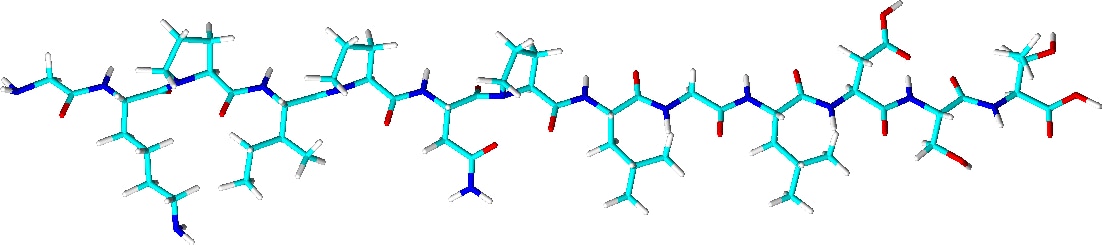 |
| Amino acid sequence | DYKDDDDK | GKPIPNPLLGLDST |
| Number of amino acids | 8 | 14 |
| Molecular weight (Da) | 1012.98 | 1421.66 |
| pI | 3.97 | 5.84 |
| Negatively charged residues | 5 | 1 |
| Positively charged residues | 2 | 1 |
17. How to elute Flag-tagged proteins?
- Competitive elution with Flag peptides: 1x Flag peptide or 3x Flag peptide. (Note: 1x Flag peptide will not elute 3x Flag-tagged proteins).
- Acidic elution with glycine (pH 2.5).
- SDS sample buffer.
18. Flag-tag plasmids
Vectors for expression of Flag-tag containing a multiple cloning site (MCS) are available from suppliers including Merck (Sigma Aldrich), Novus Biologicals, and Addgene.
19. What anti-Flag-tag antibodies are available?
Recombinant, monoclonal, and polyclonal anti-Flag antibodies are available. ChromoTek offers DYKDDDDK Fab-Trap™ for high-purity IP.
Proteintech offers validated anti-Flag antibodies: Recombinant, Monoclonal, and Polyclonal antibodies.
20. Request your DYKDDDDK Fab-Trap sample
FAQs
- Can a Flag-tag interfere with protein trafficking?
- A Flag-tag is less likely to interfere with proper protein trafficking compared to larger tags like GFP and HA. However, there are some instances, especially when working with secreted and membrane proteins, where tag placement could impede correct localization. For example, if the tag is placed at a location that disrupts signal peptides or localization motifs, this could interfere with trafficking.
- What is the difference between Flag-tag and 3x Flag-tag?
- Flag-tag and 3x Flag-tag are both peptide tags containing the DYKDDDDK sequence and are typically cloned in frame with a protein of interest (POI) for detection or purification. Flag-tag is a single 8 amino acid sequence commonly used in immunoprecipitation, western blot, and immunofluorescence applications. In contrast, 3x Flag-tag contains 22 amino acids, giving it a greater affinity for anti-Flag antibodies, and making it particularly advantageous for protein purification workflows.
- Why is it important to consider the negatively and positively charged residues of a tag?
- Charged residues in tags can affect how a protein is folded, its stability, and its interactions with other molecules. This could completely change the function of a protein, making it biologically irrelevant to study. Therefore, it is important to know the charge properties of the amino acids within your tag to understand how they may affect the target protein.
- What is the benefit of using an antibody against a tag, such as Flag-tag, instead of an antibody against the protein of interest?
- The main advantage of using a tag, like Flag-tag, is that it allows for consistent detection across multiple applications for most proteins of interest (POIs). This is due to the small size of tags and the fact that most tag antibodies are highly validated. Tags also allow you to study a protein that may not have a commercial antibody available for your POI or for the needed application.
- What should I consider when selecting an antibody against Flag-tag?
- When selecting an antibody against Flag-tag, make sure to go onto the supplier’s website and ensure that it is validated in your intended application(s) and in the clonality ideal for your experiment (polyclonal, monoclonal, or recombinant). You may also consider whether you need a conjugated antibody, especially if you are considering a multiplex experiment.
* Hopp, T., et al. Nat Biotechnol 6, 1204–1210 (1988). https://doi.org/10.1038/nbt1088-1204