

Tested Applications
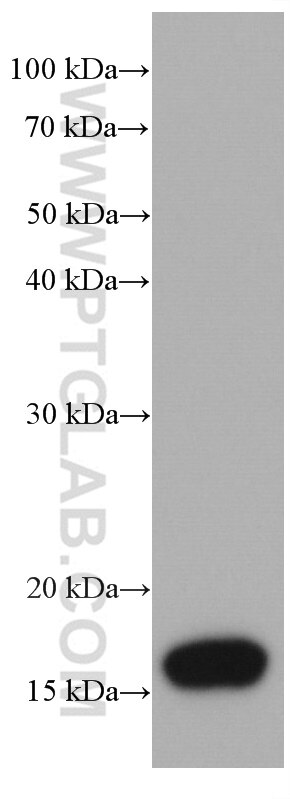
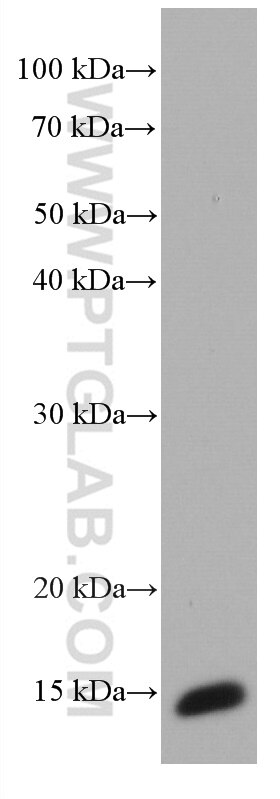
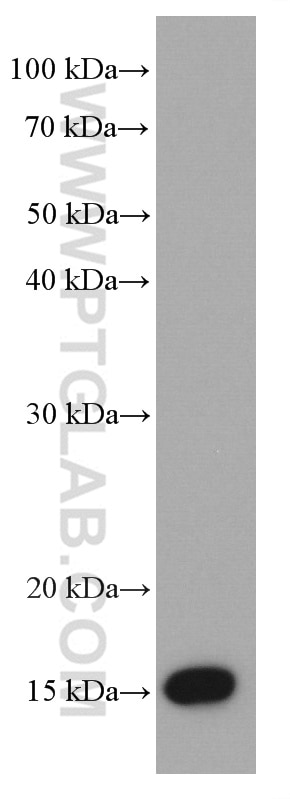
| Positive WB detected in | pig stomach tissue, T-47D cells, HT-29 cells |
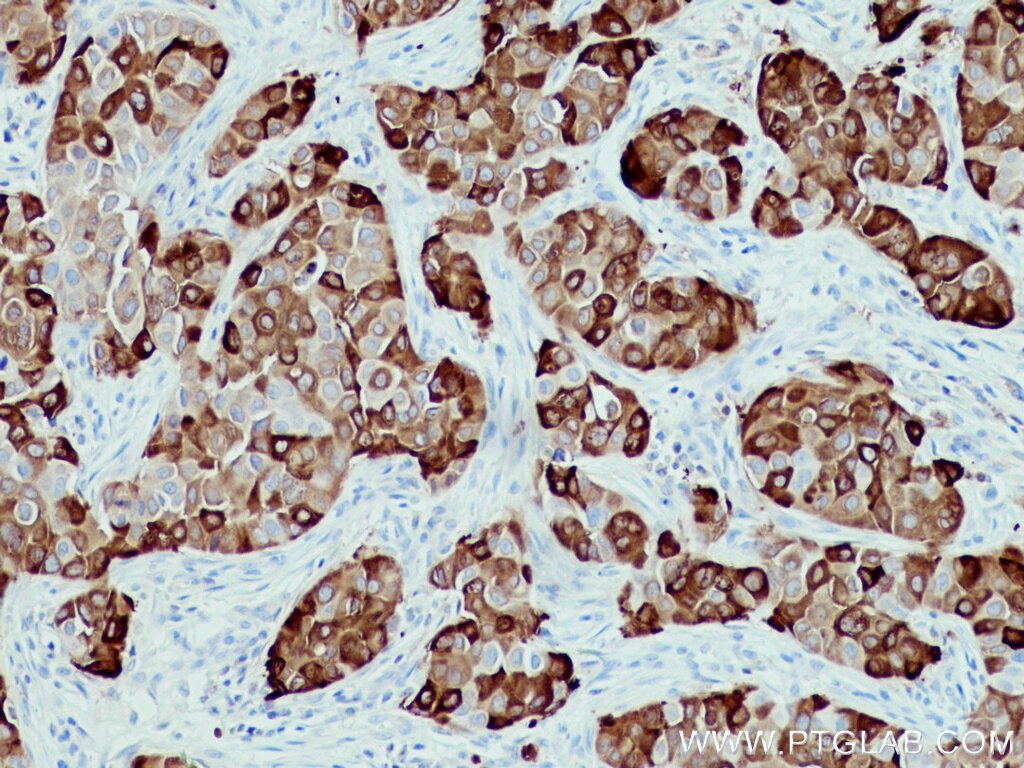
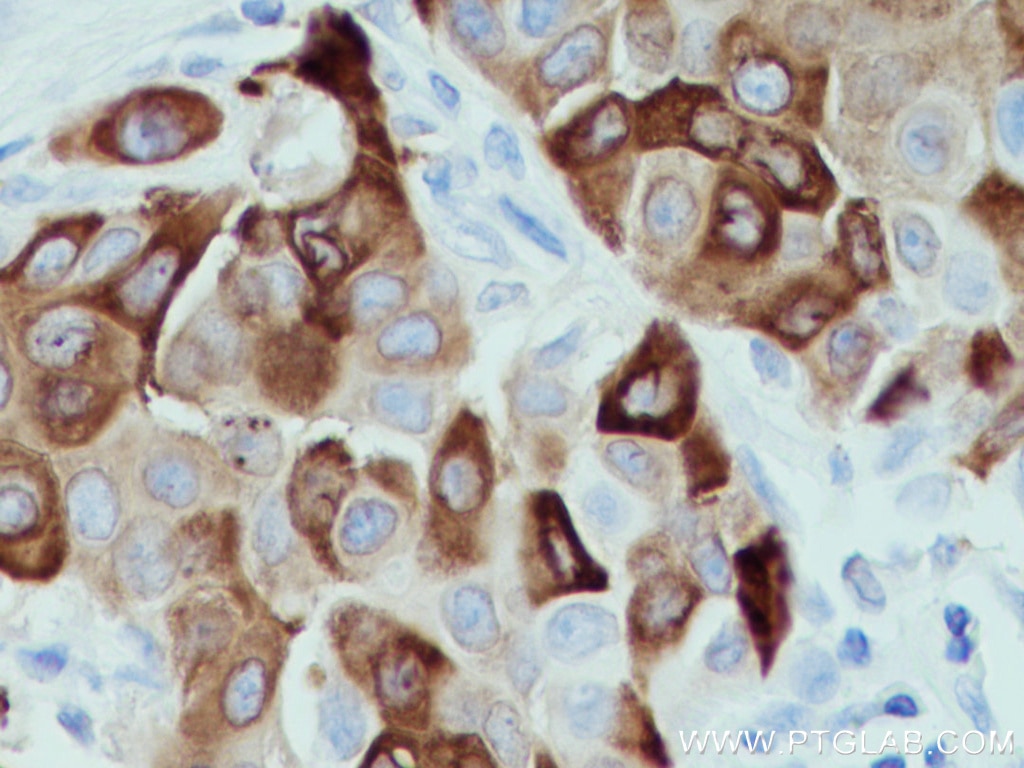
| Positive IHC detected in | human breast cancer tissue Note: suggested antigen retrieval with TE buffer pH 9.0; (*) Alternatively, antigen retrieval may be performed with citrate buffer pH 6.0 |
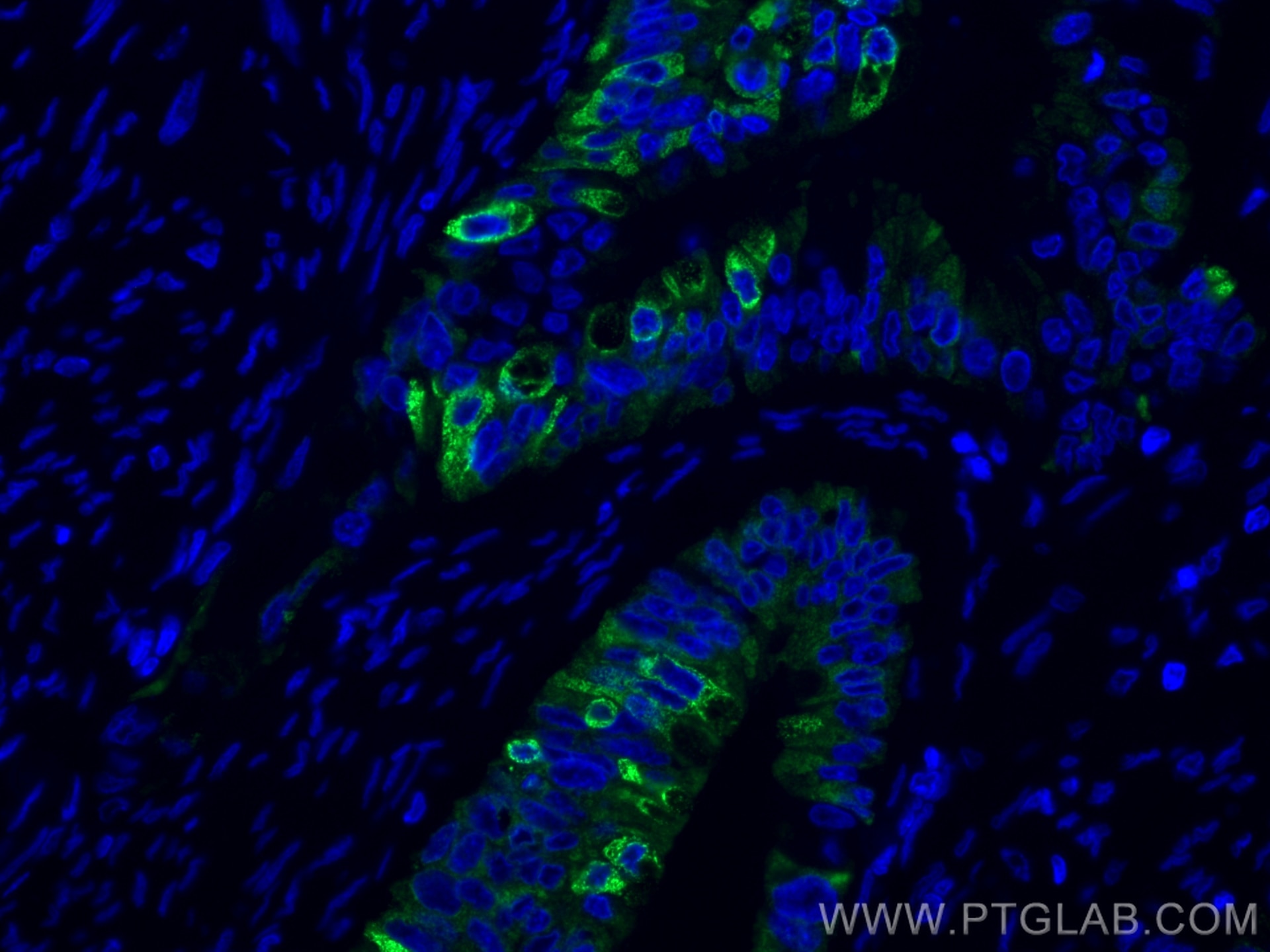
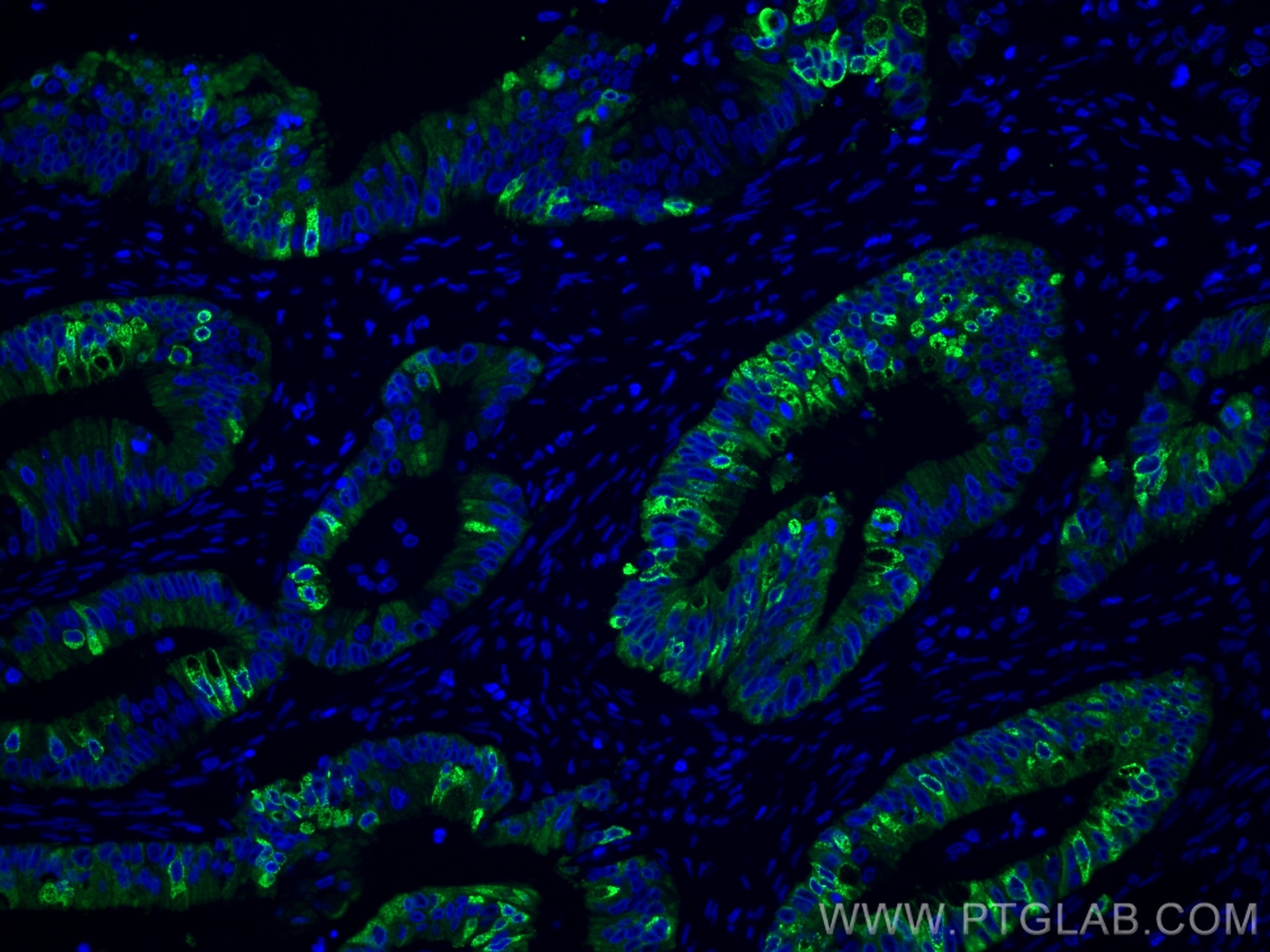
| Positive IF-P detected in | human colon cancer tissue |
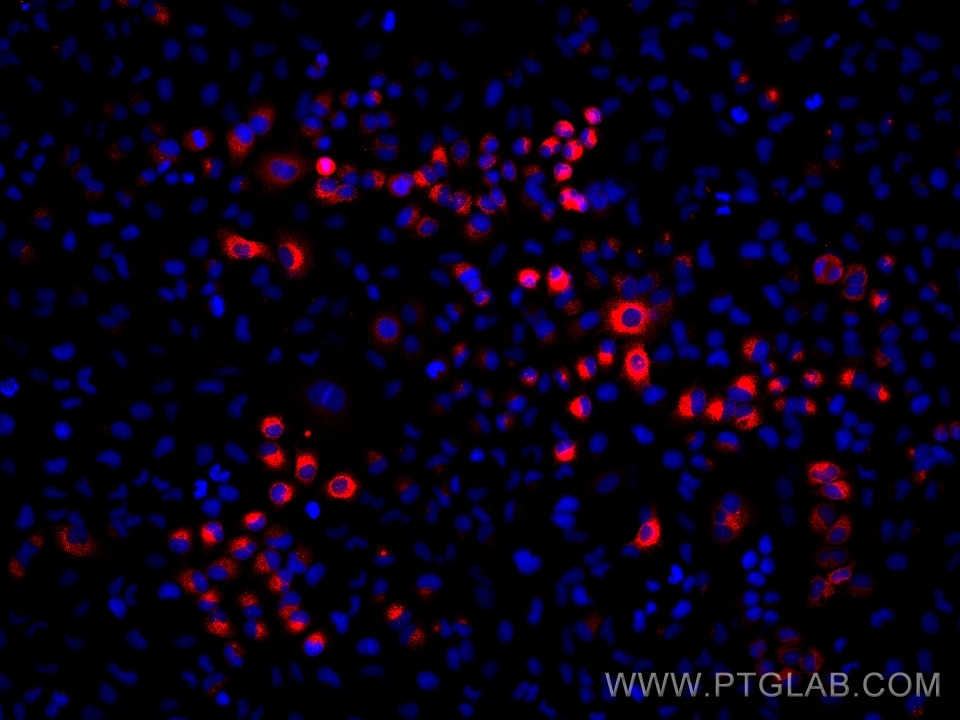
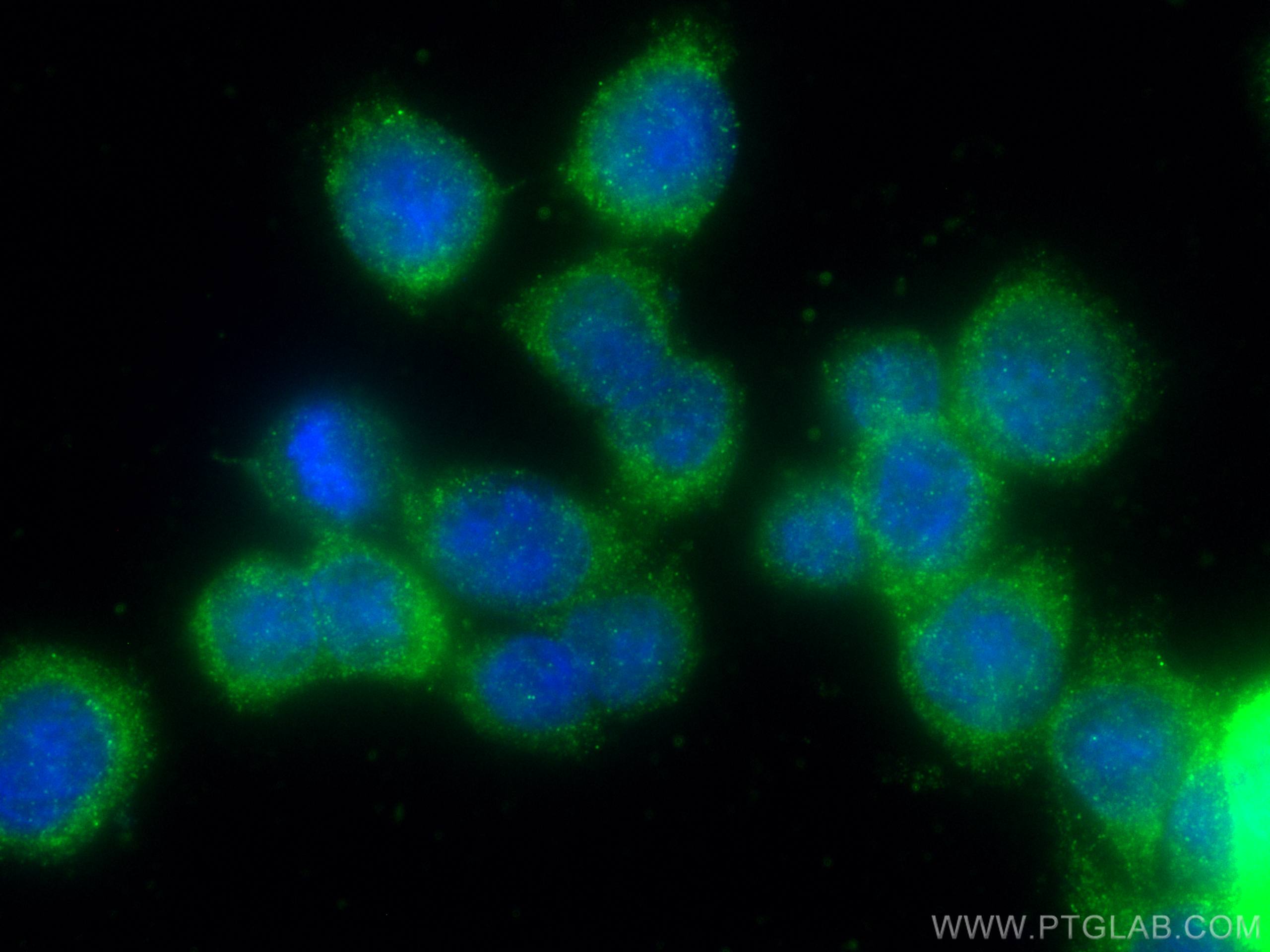
| Positive IF/ICC detected in | HT-29 cells, A549 cells |
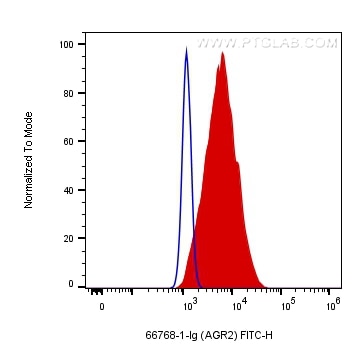
| Positive FC (Intra) detected in | HT-29 cells |
Recommended dilution
| Application | Dilution |
|---|---|
| Western Blot (WB) | WB : 1:1000-1:6000 |
| Immunohistochemistry (IHC) | IHC : 1:150-1:600 |
| Immunofluorescence (IF)-P | IF-P : 1:200-1:800 |
| Immunofluorescence (IF)/ICC | IF/ICC : 1:400-1:1600 |
| Flow Cytometry (FC) (INTRA) | FC (INTRA) : 0.20 ug per 10^6 cells in a 100 µl suspension |
| It is recommended that this reagent should be titrated in each testing system to obtain optimal results. | |
| Sample-dependent, Check data in validation data gallery. | |
Product Information
66768-1-Ig targets AGR2 in WB, IHC, IF/ICC, IF-P, FC (Intra), ELISA applications and shows reactivity with human, pig samples.
| Tested Reactivity | human, pig |
| Cited Reactivity | human |
| Host / Isotype | Mouse / IgG2b |
| Class | Monoclonal |
| Type | Antibody |
| Immunogen |
CatNo: Ag2919 Product name: Recombinant human AGR2 protein Source: e coli.-derived, PGEX-4T Tag: GST Domain: 17-175 aa of BC015503 Sequence: YTLARDTTVKPGAKKDTKDSRPKLPQTLSRGWGDQLIWTQTYEEALYKSKTSNKPLMIIHHLDECPHSQALKKVFAENKEIQKLAEQFVLLNLVYETTDKHLSPDGQYVPRIMFVDPSLTVRADITGRYSNRLYAYEPADTALLLDNMKKALKLLKTEL Predict reactive species |
| Full Name | anterior gradient homolog 2 (Xenopus laevis) |
| Calculated Molecular Weight | 175 aa, 20 kDa |
| Observed Molecular Weight | 17 kDa |
| GenBank Accession Number | BC015503 |
| Gene Symbol | AGR2 |
| Gene ID (NCBI) | 10551 |
| RRID | AB_2882114 |
| Conjugate | Unconjugated |
| Form | Liquid |
| Purification Method | Protein A purification |
| UNIPROT ID | O95994 |
| Storage Buffer | PBS with 0.02% sodium azide and 50% glycerol, pH 7.3. |
| Storage Conditions | Store at -20°C. Stable for one year after shipment. Aliquoting is unnecessary for -20oC storage. 20ul sizes contain 0.1% BSA. |
Background Information
AGR2, also named AG2 or HPC8, encodes anterior gradient protein 2 homolog which belongs to the AGR family. It is a secreted protein localized in endoplasmic reticulum. AGR2 plays roles in MUC2 post-transcriptional synthesis,secretion and production of mucus by intestinal cells. AGR2 was significantly elevated in the pancreatic juice from patients with pre-malignant conditions as well as pancreatic cancer compared to control pancreatic juice samples. AGR2 levels in pancreatic juice could potentially be used to aide in assessment of high-risk patients undergoing endoscopic procedures.
Protocols
| Product Specific Protocols | |
|---|---|
| FC protocol for AGR2 antibody 66768-1-Ig | Download protocol |
| IF protocol for AGR2 antibody 66768-1-Ig | Download protocol |
| IHC protocol for AGR2 antibody 66768-1-Ig | Download protocol |
| WB protocol for AGR2 antibody 66768-1-Ig | Download protocol |
| Standard Protocols | |
|---|---|
| Click here to view our Standard Protocols |
Publications
What published studies show
The AGR2 Monoclonal antibody (1A8A8), catalog number 66768-1-Ig, has 3 total citations. These appear in Molecular Cancer, International Journal of Biological Macromolecules, and Frontiers in Oncology. The associated research fields include breast cancer metastasis (epigenetic regulation of AGR2), colorectal cancer progression (macrophage M2 polarization), and non-small cell lung cancer (cell proliferation, migration, and EMT). All cited studies used human samples with WB or IHC applications.
| Species | Application | Title |
|---|---|---|
Mol Cancer LINC02273 drives breast cancer metastasis by epigenetically increasing AGR2 transcription. | ||
Int J Biol Macromol GPX2 induces macrophage M2 polarization through the MIF signaling pathway to promote colorectal cancer progression. | ||
Front Oncol QKI-6 Suppresses Cell Proliferation, Migration, and EMT in Non-Small Cell Lung Cancer. |











