
Tested Applications
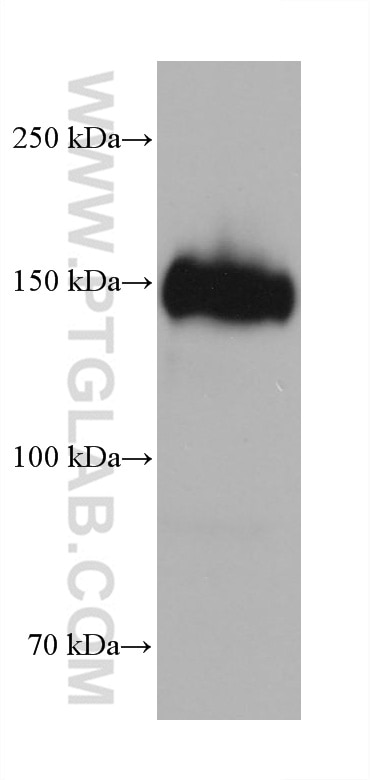
| Positive WB detected in | human placenta tissue |
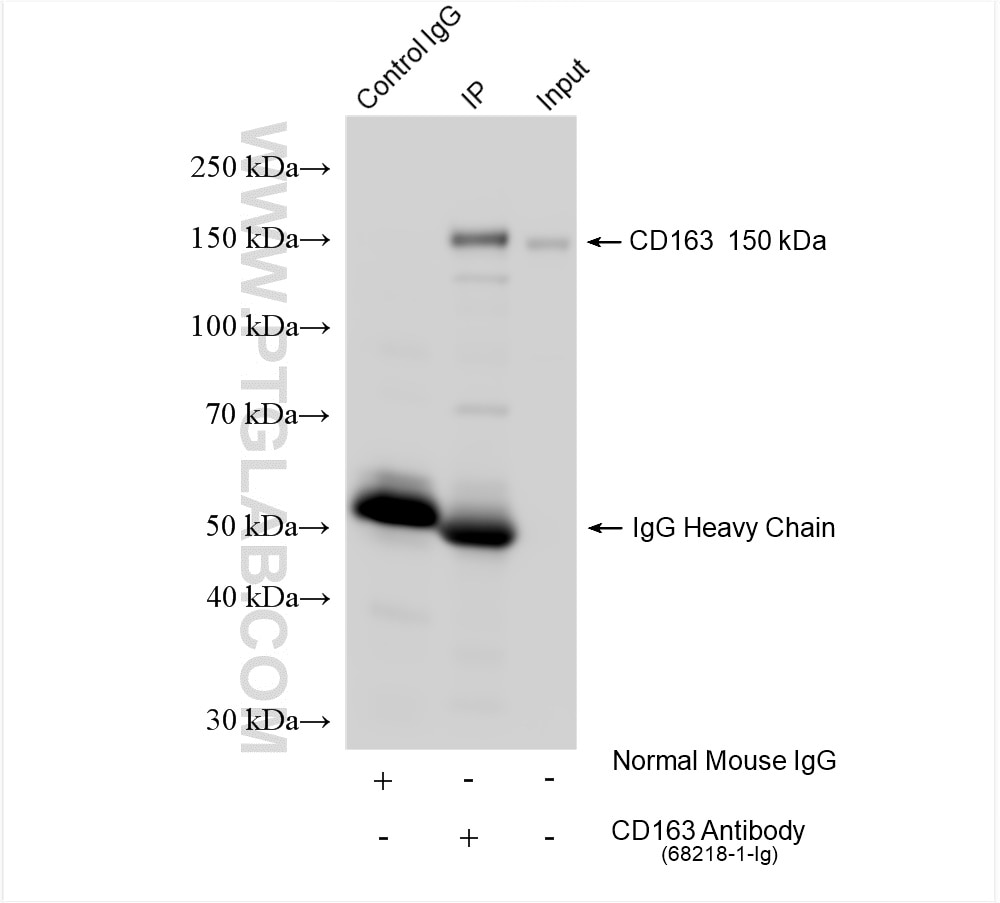
| Positive IP detected in | human placenta tissue |
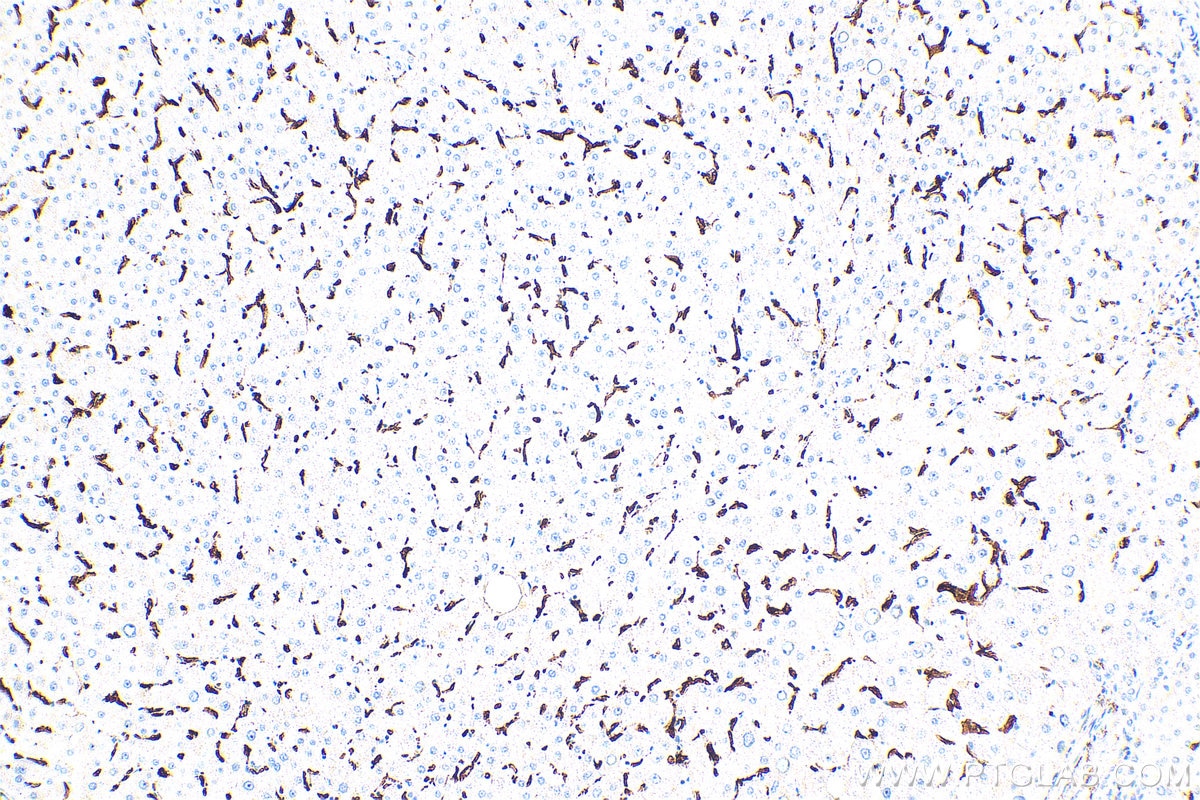
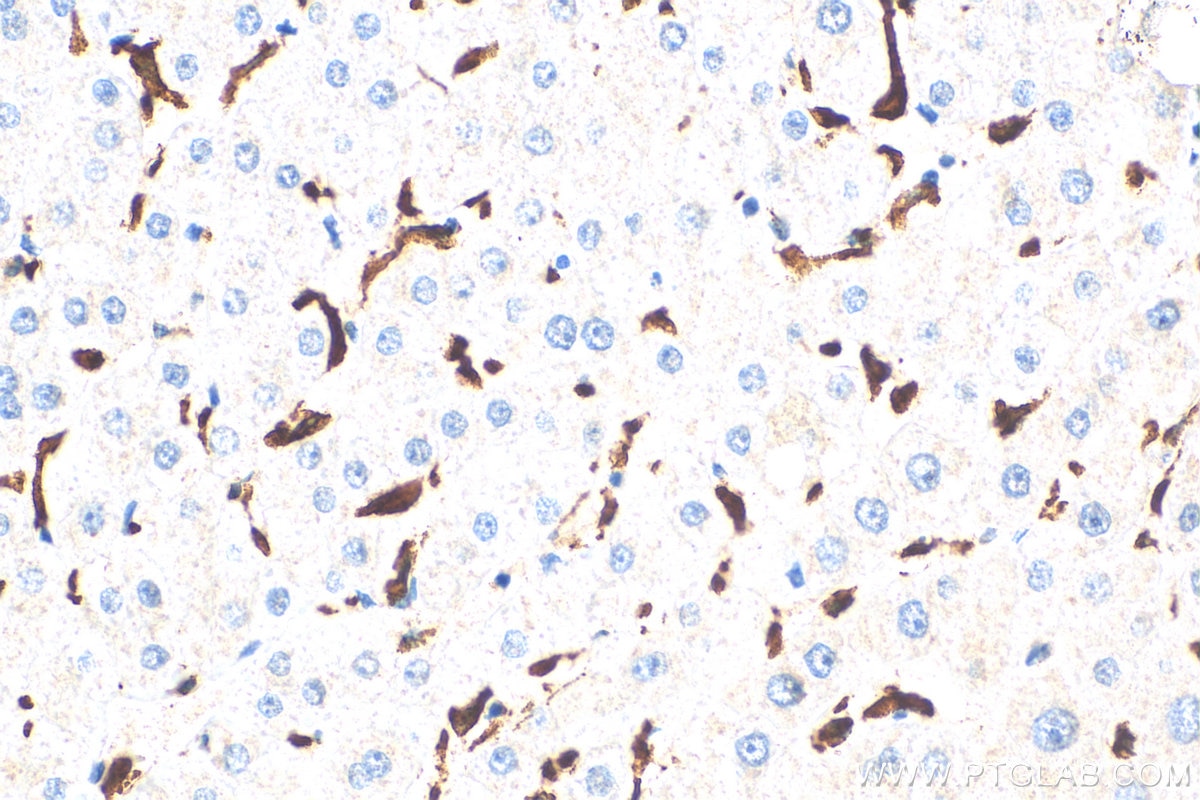
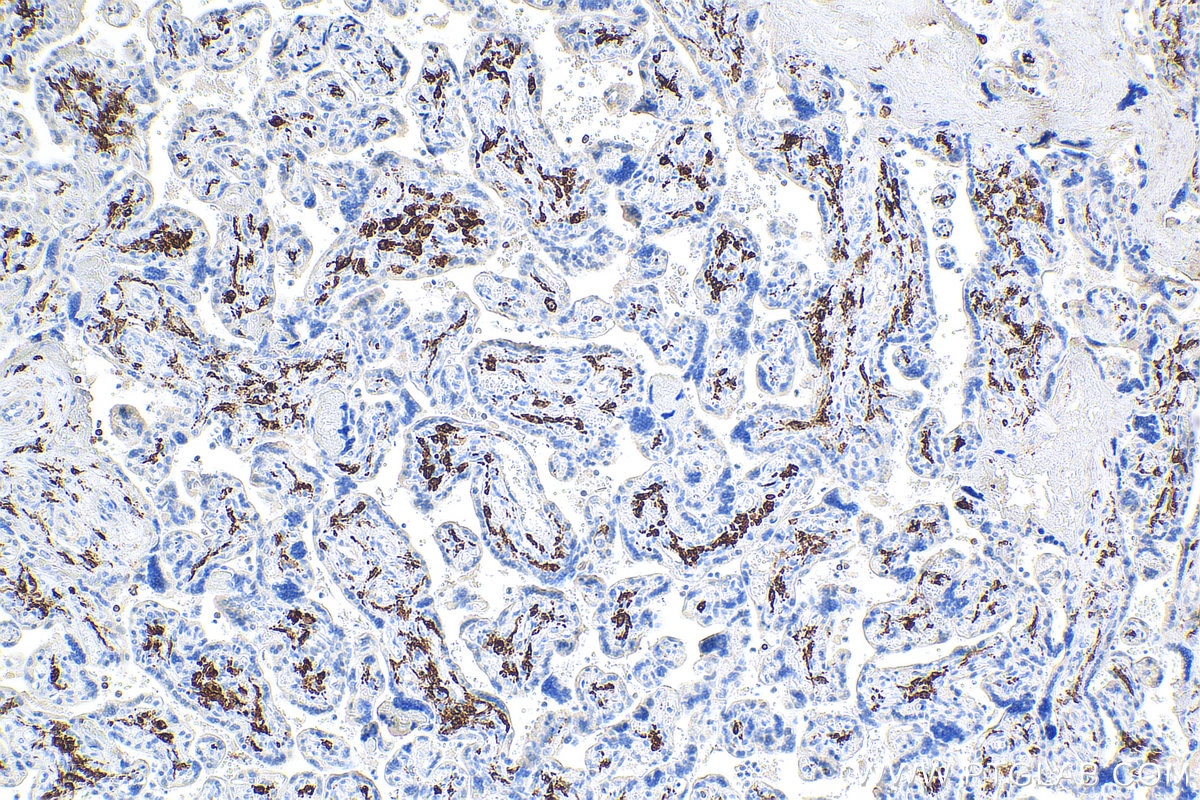
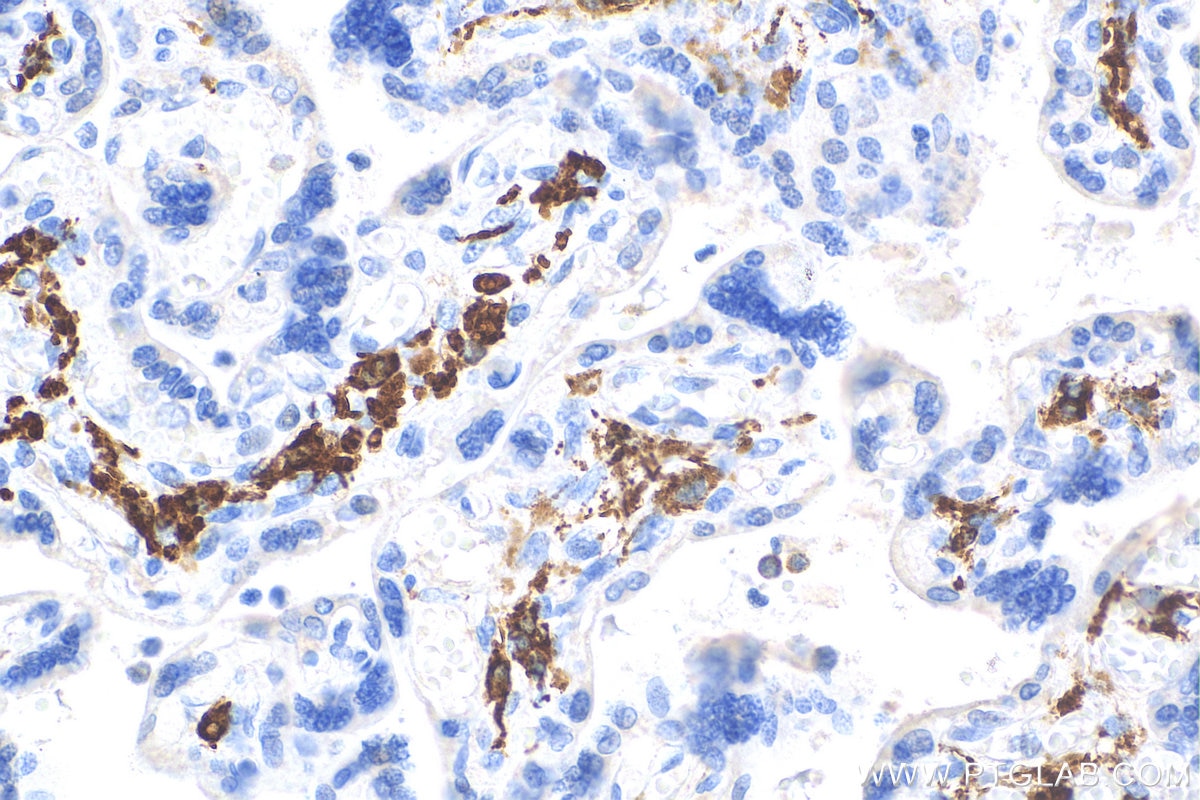
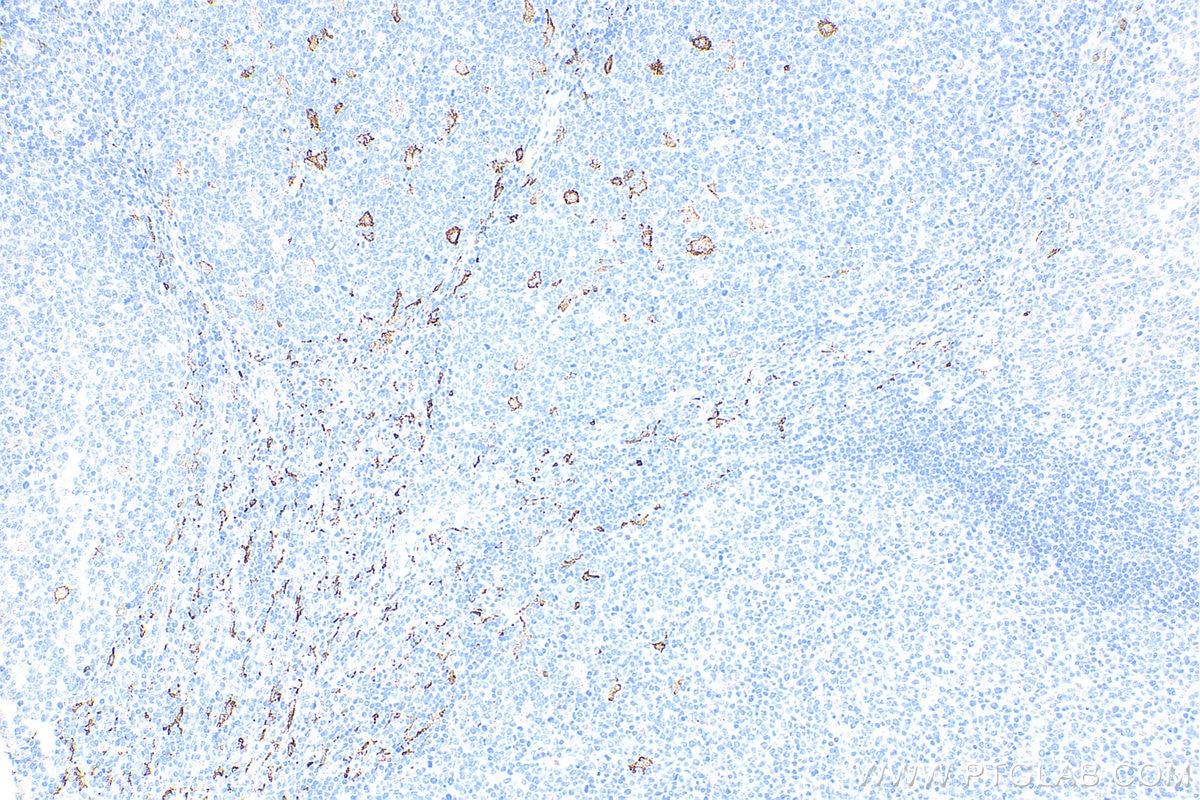
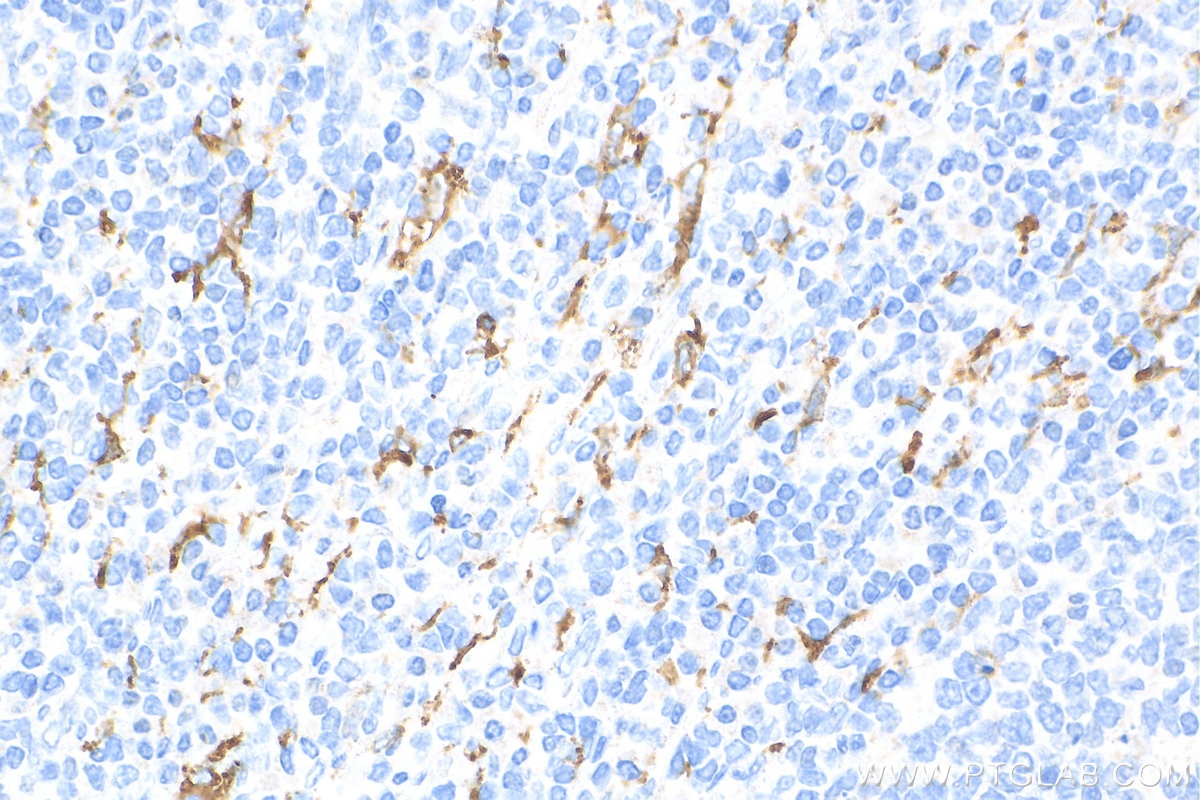
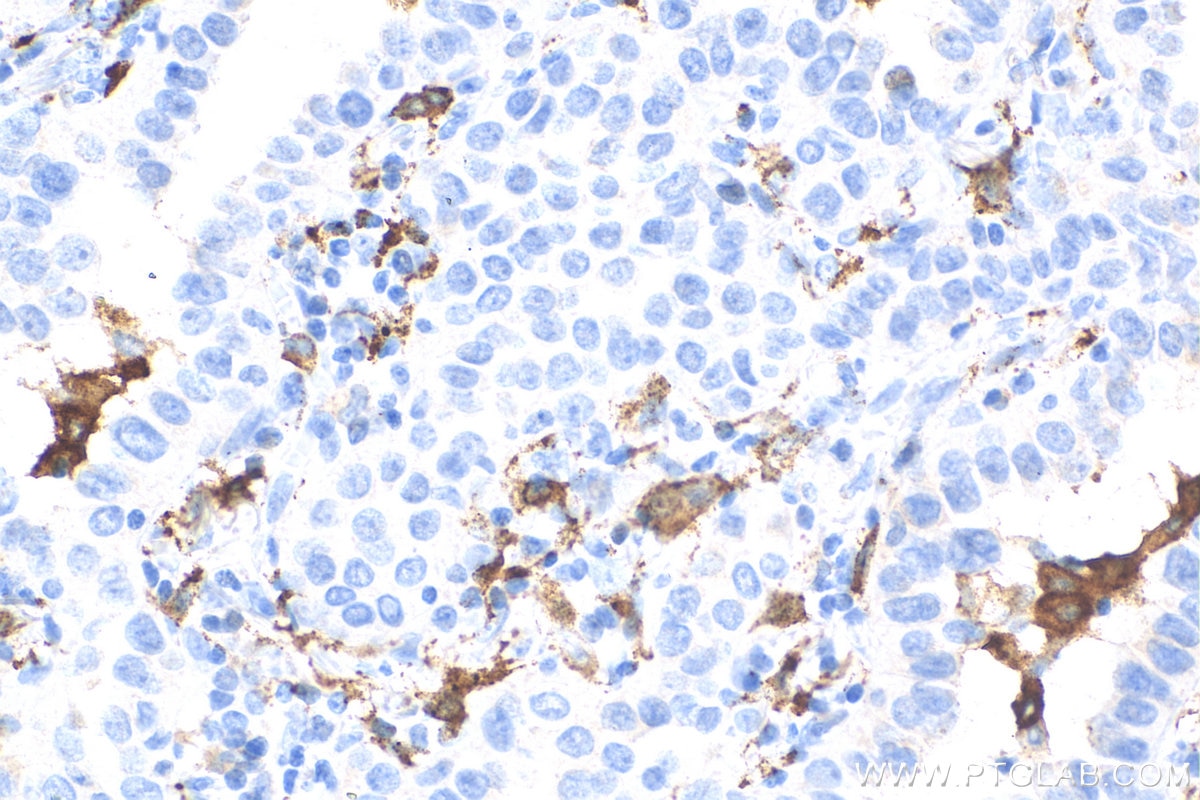
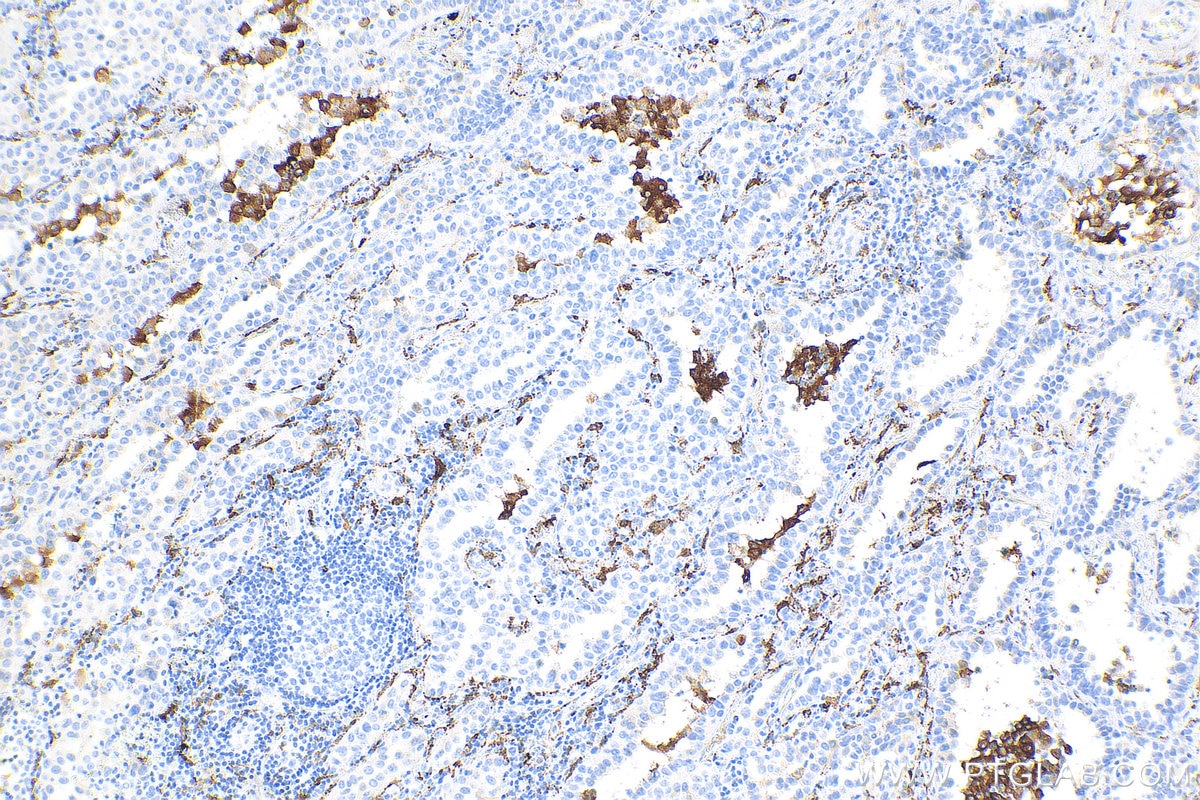
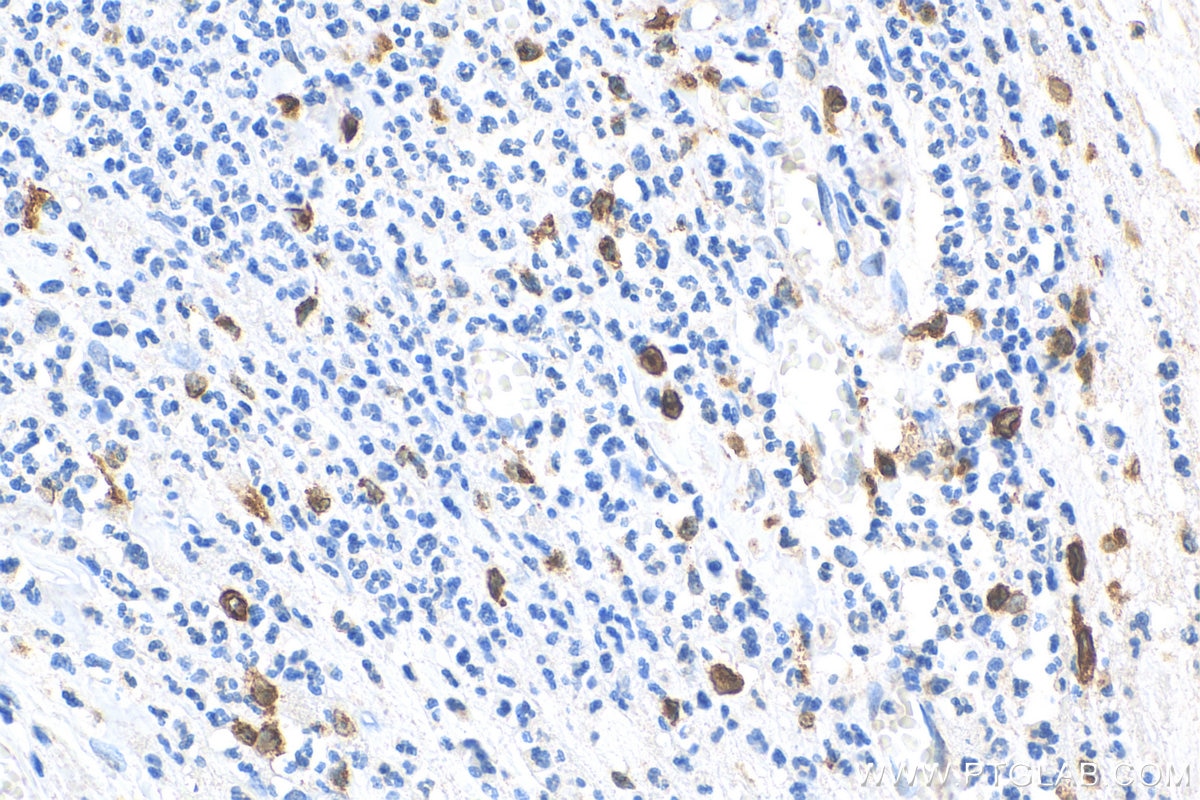
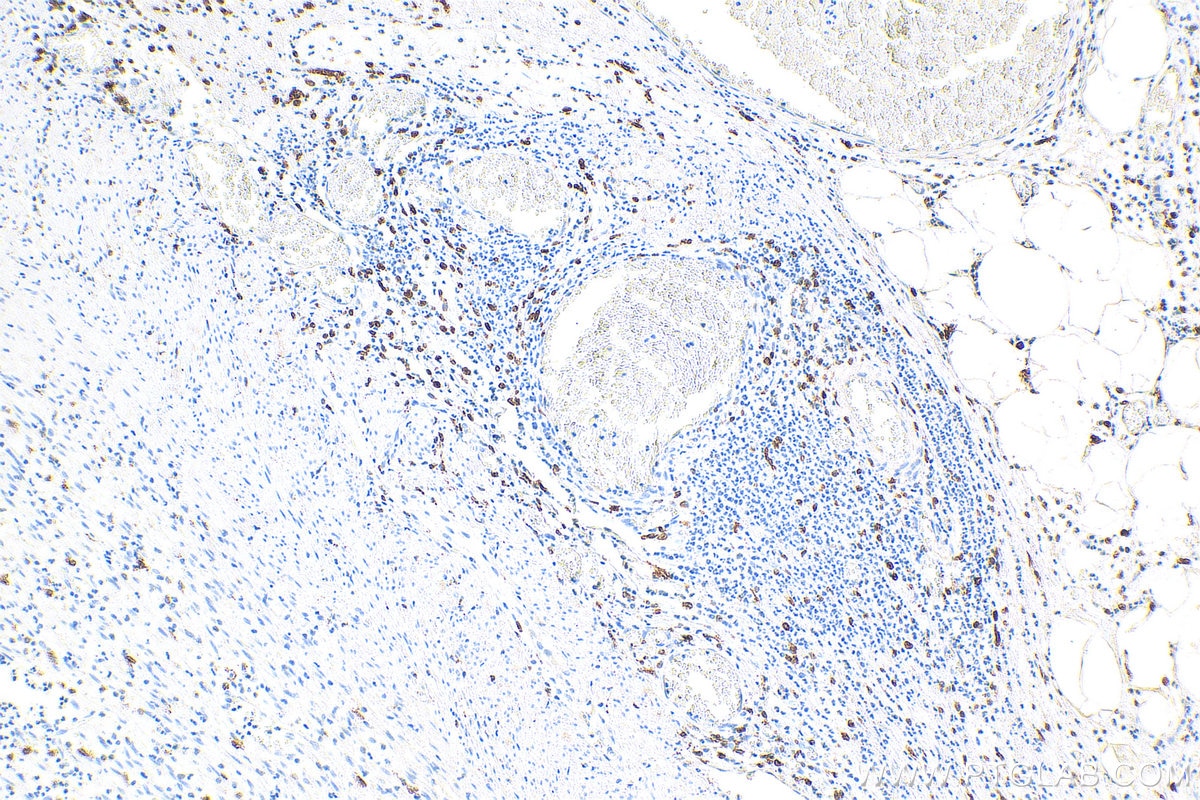
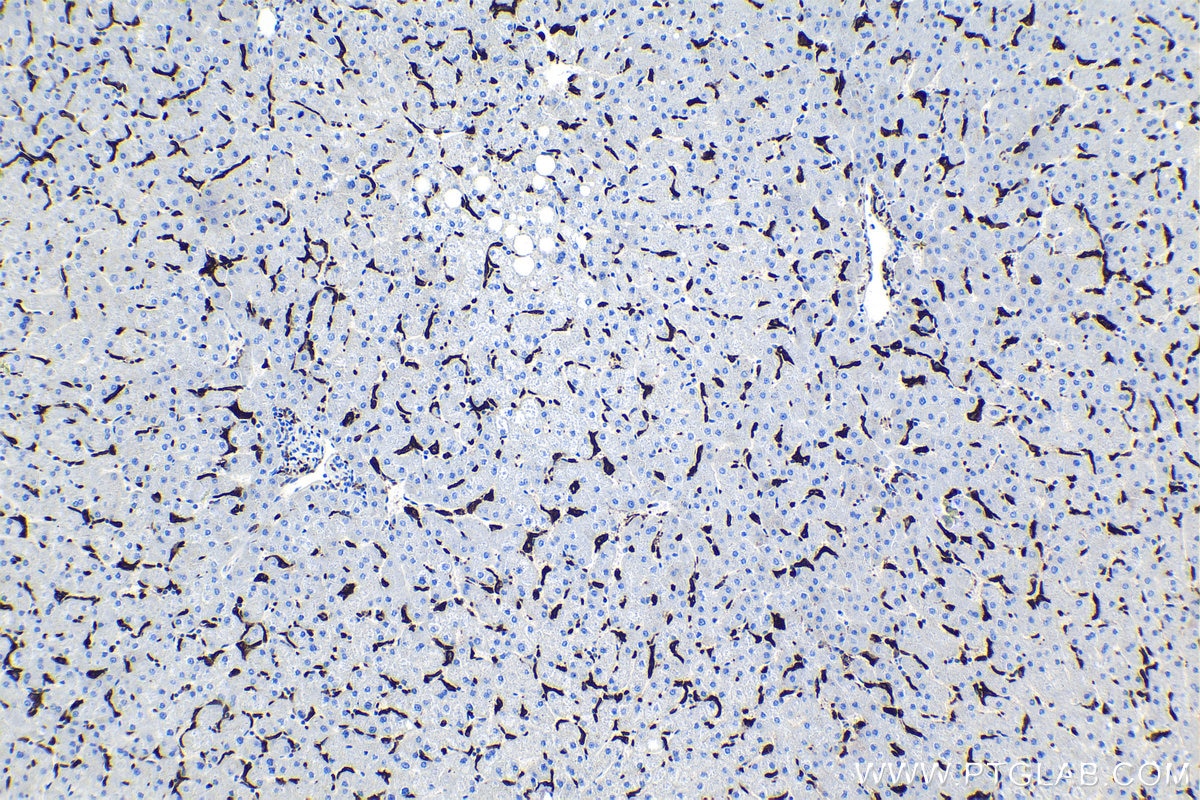
| Positive IHC detected in | human liver tissue, human appendicitis tissue, human lung cancer tissue, human placenta tissue, human tonsillitis tissue Note: suggested antigen retrieval with TE buffer pH 9.0; (*) Alternatively, antigen retrieval may be performed with citrate buffer pH 6.0 |
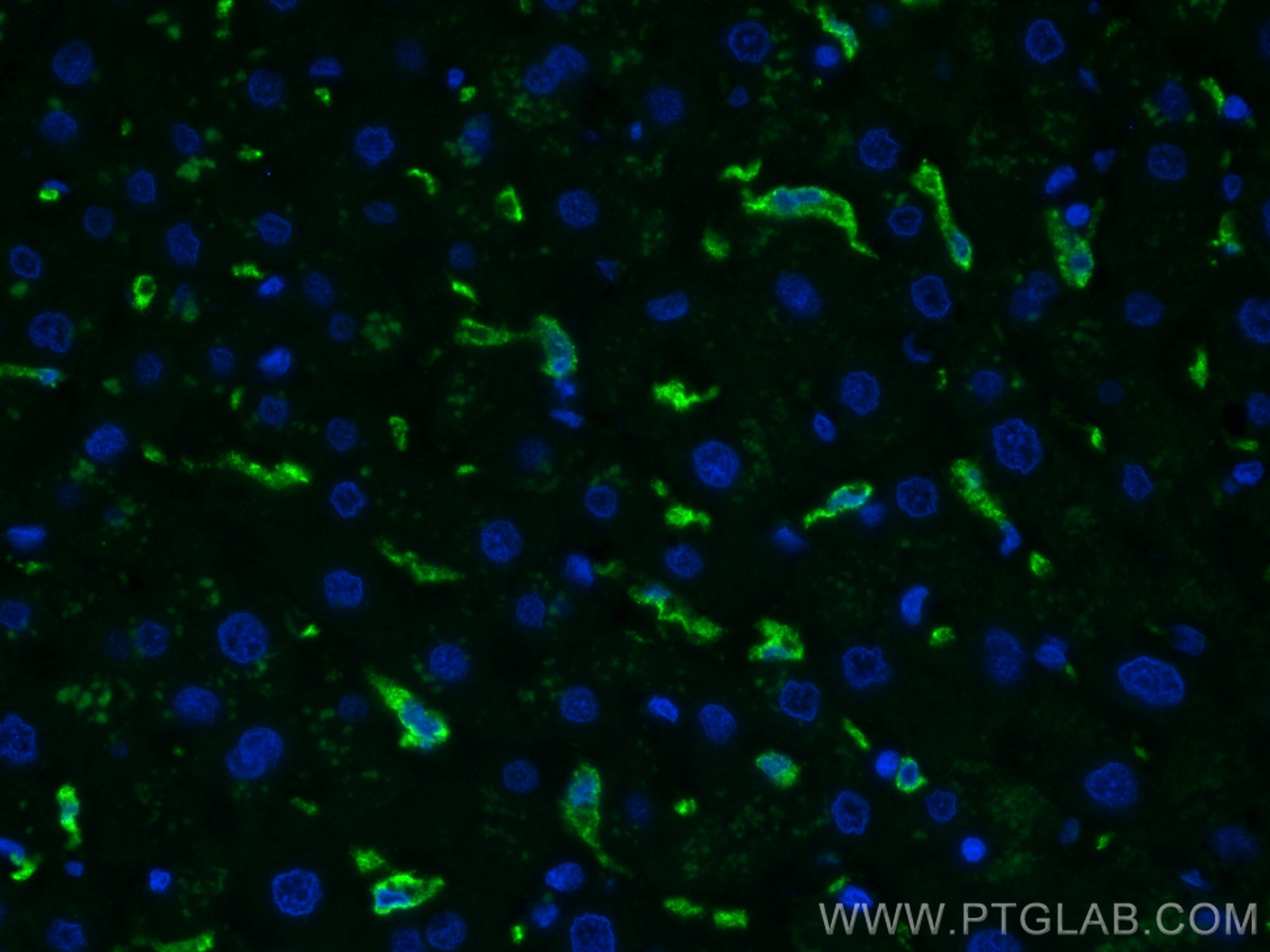
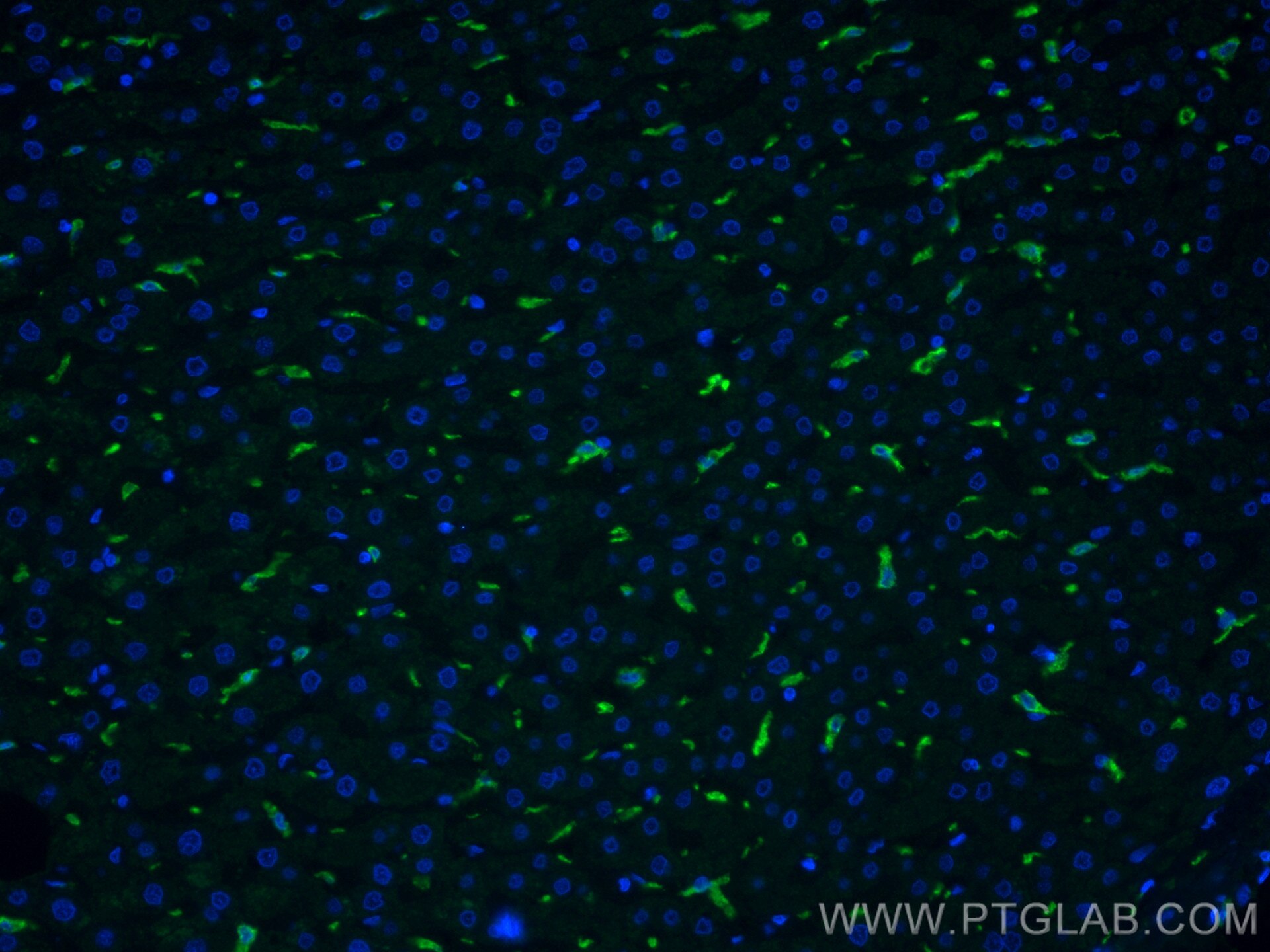
| Positive IF-P detected in | human liver tissue |
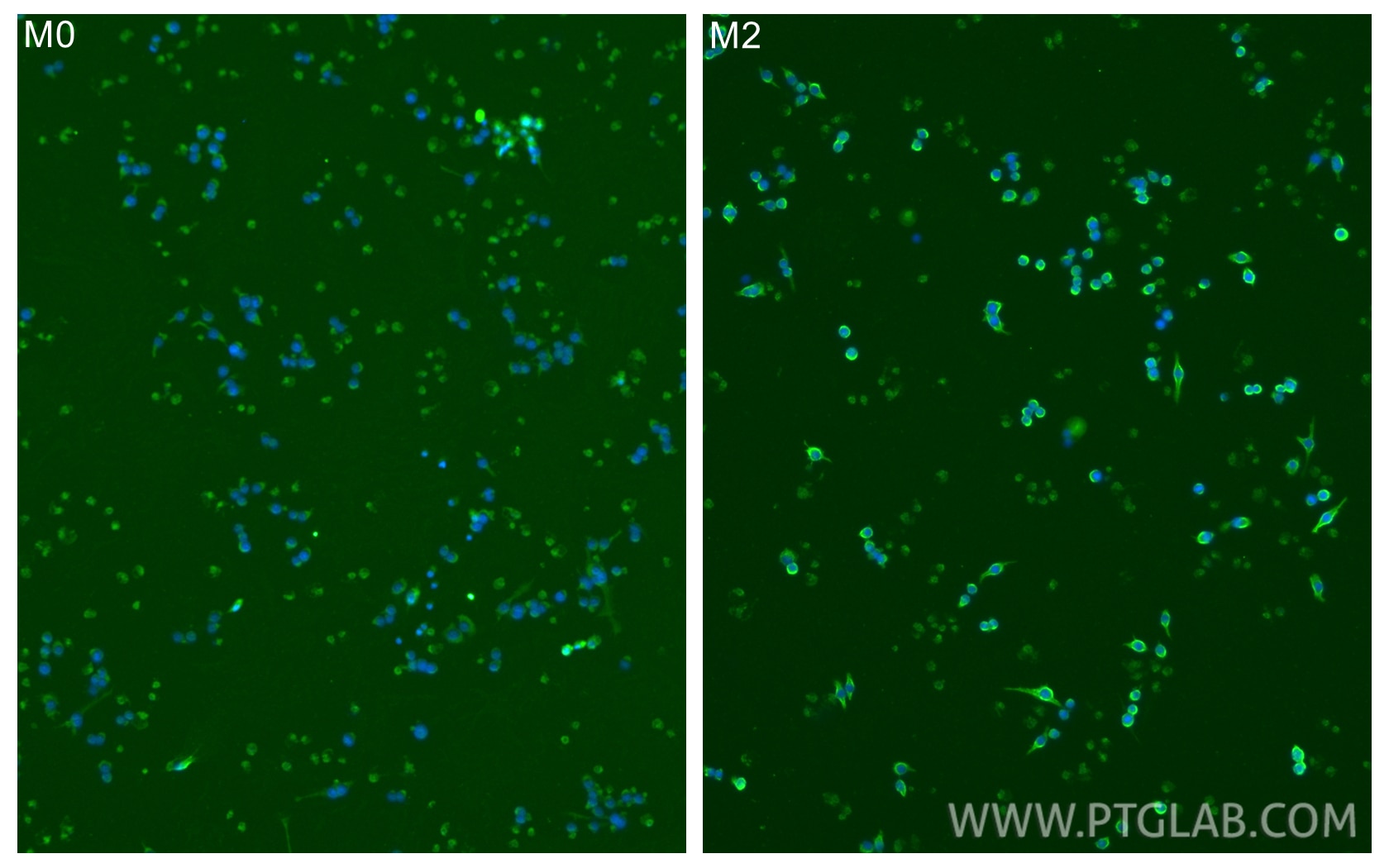
| Positive IF/ICC detected in | IL-4 treated RAW 264.7 cells |
Recommended dilution
| Application | Dilution |
|---|---|
| Western Blot (WB) | WB : 1:5000-1:50000 |
| Immunoprecipitation (IP) | IP : 0.5-4.0 ug for 1.0-3.0 mg of total protein lysate |
| Immunohistochemistry (IHC) | IHC : 1:2500-1:10000 |
| Immunofluorescence (IF)-P | IF-P : 1:200-1:800 |
| Immunofluorescence (IF)/ICC | IF/ICC : 1:400-1:1600 |
| It is recommended that this reagent should be titrated in each testing system to obtain optimal results. | |
| Sample-dependent, Check data in validation data gallery. | |
Published Applications
| WB | See 6 publications below |
| IHC | See 4 publications below |
| IF | See 15 publications below |
| FC | See 1 publications below |
Product Information
68218-1-Ig targets CD163 in WB, IHC, IF/ICC, IF-P, IP, ELISA applications and shows reactivity with human, mouse samples.
| Tested Reactivity | human, mouse |
| Cited Reactivity | human, mouse, rabbit |
| Host / Isotype | Mouse / IgG1 |
| Class | Monoclonal |
| Type | Antibody |
| Immunogen |
CatNo: Ag26721 Product name: Recombinant human CD163 protein Source: e coli.-derived, PET28a Tag: 6*His Domain: 46-401 aa of BC051281 Sequence: GTDKELRLVDGENKCSGRVEVKVQEEWGTVCNNGWSMEAVSVICNQLGCPTAIKAPGWANSSAGSGRIWMDHVSCRGNESALWDCKHDGWGKHSNCTHQQDAGVTCSDGSNLEMRLTRGGNMCSGRIEIKFQGRWGTVCDDNFNIDHASVICRQLECGSAVSFSGSSNFGEGSGPIWFDDLICNGNESALWNCKHQGWGKHNCDHAEDAGVICSKGADLSLRLVDGVTECSGRLEVRFQGEWGTICDDGWDSYDAAVACKQLGCPTAVTAIGRVNASKGFGHIWLDSVSCQGHEPAVWQCKHHEWGKHYCNHNEDAGVTCSDGSDLELRLRGGGSRCAGTVEVEIQRLLGKVCDRG Predict reactive species |
| Full Name | CD163 molecule |
| Calculated Molecular Weight | 1156 aa, 125 kDa |
| Observed Molecular Weight | 145-150 kDa |
| GenBank Accession Number | BC051281 |
| Gene Symbol | CD163 |
| Gene ID (NCBI) | 9332 |
| ENSEMBL Gene ID | ENSG00000177575 |
| RRID | AB_2935306 |
| Conjugate | Unconjugated |
| Form | Liquid |
| Purification Method | Protein G purification |
| UNIPROT ID | Q86VB7 |
| Storage Buffer | PBS with 0.02% sodium azide and 50% glycerol, pH 7.3. |
| Storage Conditions | Store at -20°C. Stable for one year after shipment. Aliquoting is unnecessary for -20oC storage. 20ul sizes contain 0.1% BSA. |
Background Information
CD163 is a transmembrane protein which belongs to the scavenger receptor cysteine-rich (SRCR) superfamily. This protein is a scavenger receptor for the hemoglobin-haptoglobin complex and is a marker for monocytes and macrophages. Soluble CD163 (sCD163), as a result of ectodomain shedding during inflammatory activation of macrophages, circulates in blood and has been suggested as a plasma/serum marker for macrophage activity.
Protocols
| Product Specific Protocols | |
|---|---|
| IF protocol for CD163 antibody 68218-1-Ig | Download protocol |
| IHC protocol for CD163 antibody 68218-1-Ig | Download protocol |
| IP protocol for CD163 antibody 68218-1-Ig | Download protocol |
| WB protocol for CD163 antibody 68218-1-Ig | Download protocol |
| Standard Protocols | |
|---|---|
| Click here to view our Standard Protocols |
Publications
| Species | Application | Title |
|---|---|---|
ACS Appl Bio Mater Calycosin-7-glucoside-Loaded Hydrogel Promotes Wound Healing in Gestational Diabetes Mellitus | ||
Clin Exp Med Study on the regulation of Treg cell infiltration by EZH2 through CXCR4/CXCL12 in diffuse large B-cell lymphoma. | ||
J Transl Med The CD163 + tissue-infiltrating macrophages regulate ferroptosis in thyroid-associated ophthalmopathy orbital fibroblasts via the TGF-β/Smad2/3 signaling pathway | ||
Dev Cell STAT3-controlled CHI3L1/SPP1 positive feedback loop demonstrates the spatial heterogeneity and immune characteristics of glioblastoma | ||
Hum Cell METTL14 knockdown augmented the polarization of M2-like macrophages to promote acute myeloid leukemia progression. | ||
Am J Cancer Res STAC3 as a poor prognostic biomarker in renal clear cell carcinoma: relationship with immune infiltration |

















