
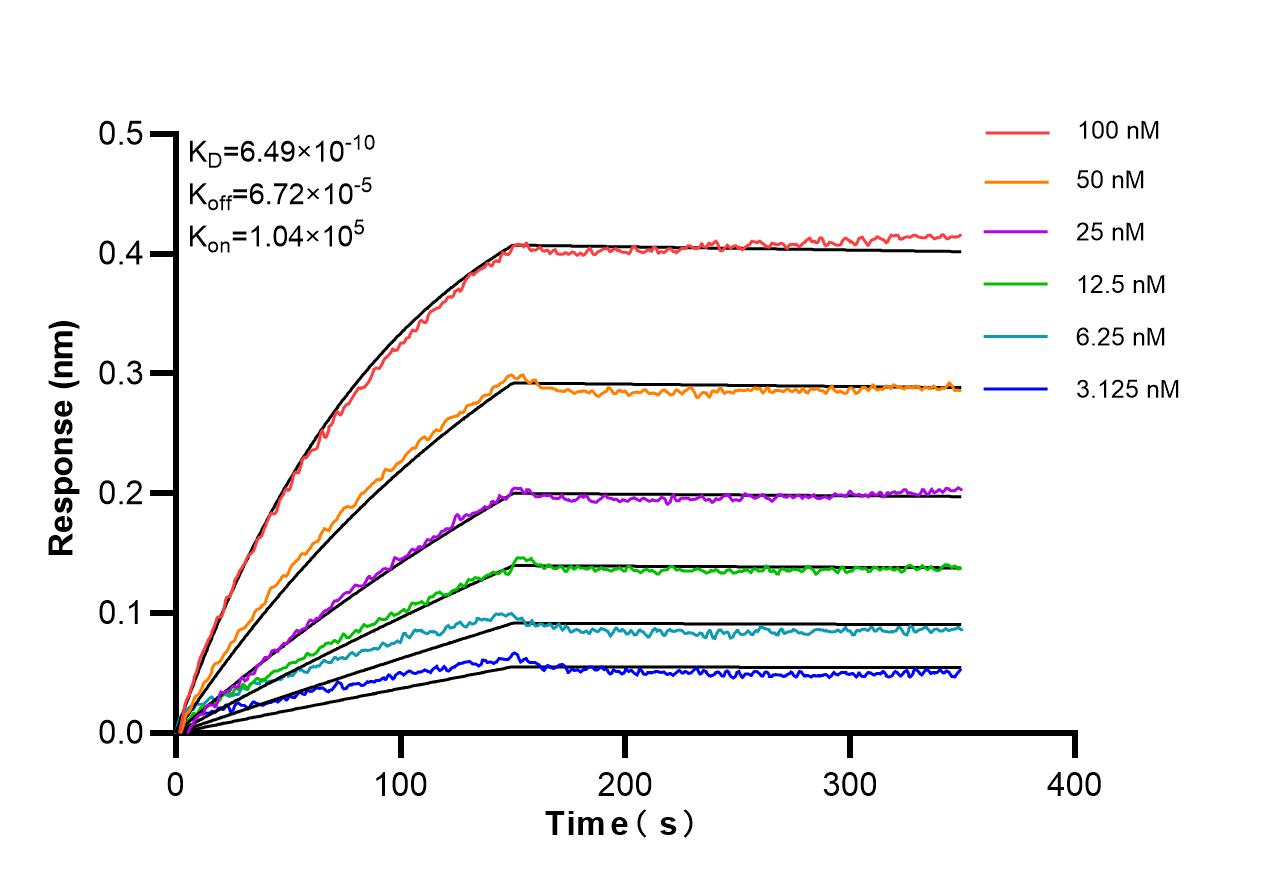

Product Information
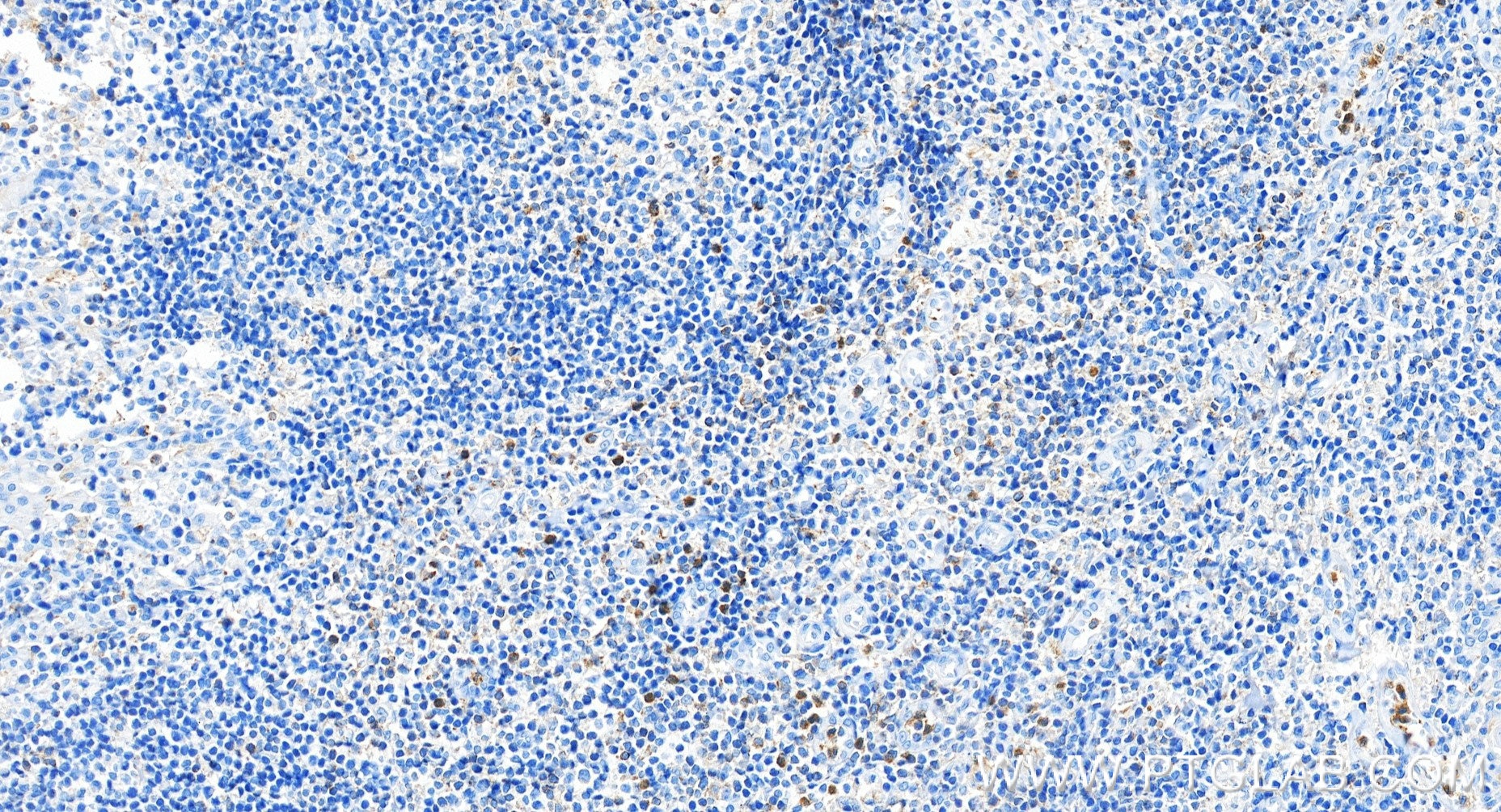
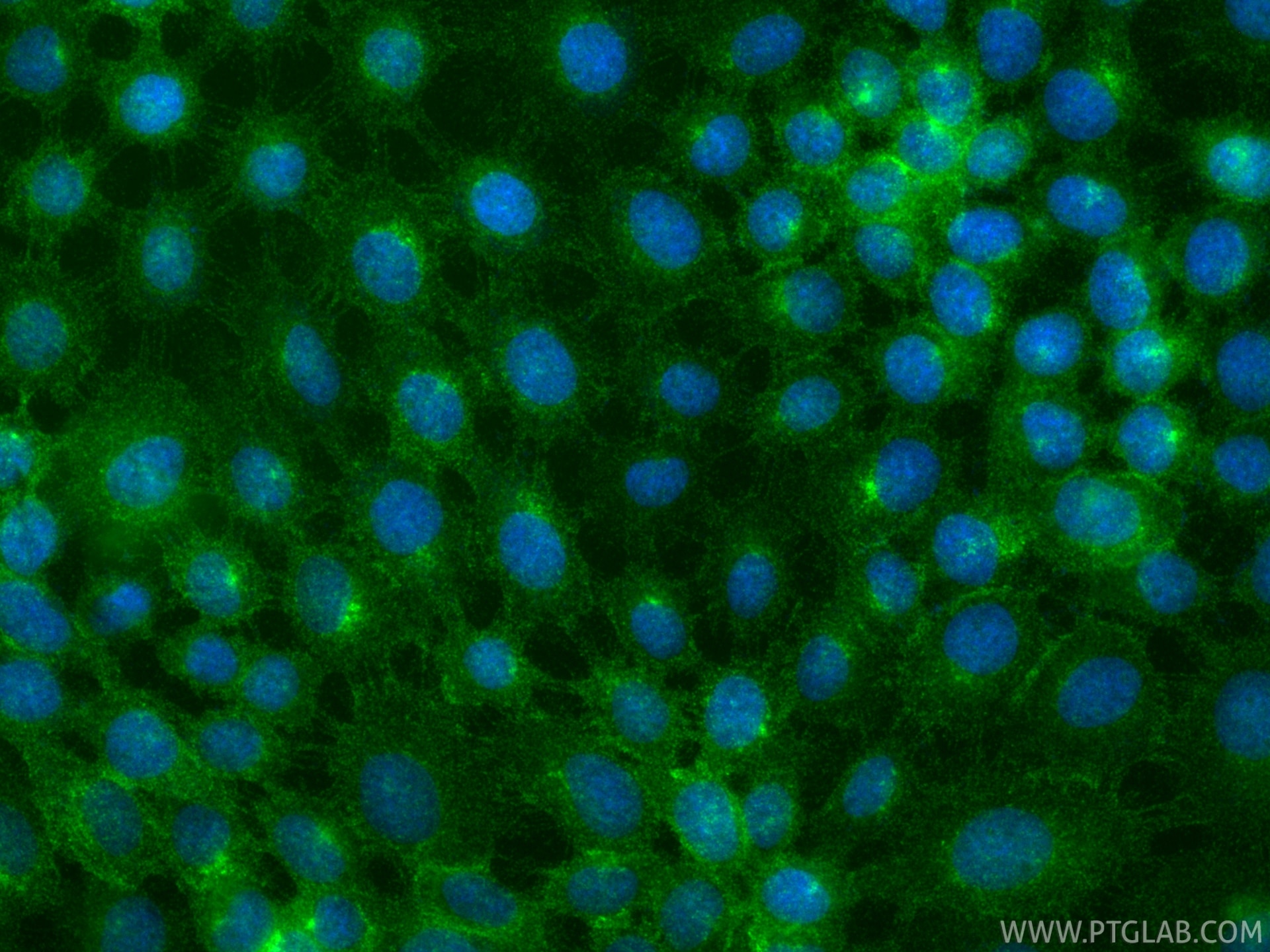
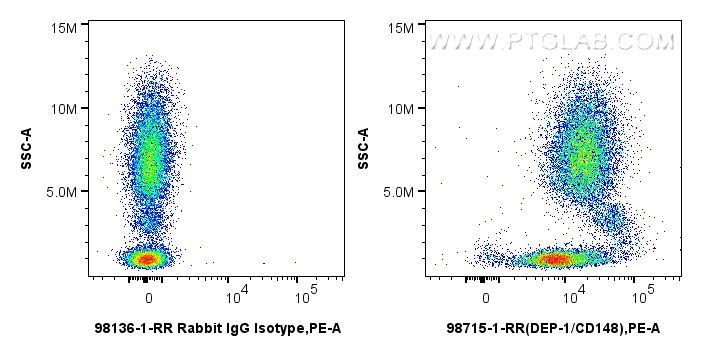
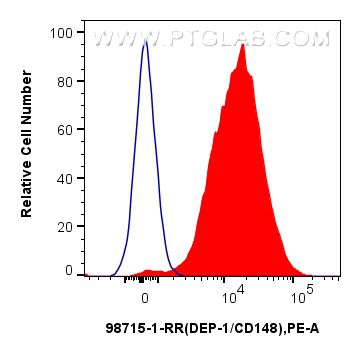
98715-1-PBS targets PTPRJ/CD148 in IHC, IF/ICC, FC applications and shows reactivity with human samples.
| Tested Reactivity | human |
| Host / Isotype | Rabbit / IgG |
| Class | Recombinant |
| Type | Antibody |
| Immunogen |
CatNo: Eg3492 Product name: recombinant human DEP-1/CD148 protein Source: mammalian cells-derived, pHZ-KIsec-C-rFc Tag: C-rFc Domain: 36-975 aa of NM_002843.4 Sequence: AGGTPSPIPDPSVATVATGENGITQISSTAESFHKQNGTGTPQVETNTSEDGESSGANDSLRTPEQGSNGTDGASQKTPSSTGPSPVFDIKAVSISPTNVILTWKSNDTAASEYKYVVKHKMENEKTITVVHQPWCNITGLRPATSYVFSITPGIGNETWGDPRVIKVITEPIPVSDLRVALTGVRKAALSWSNGNGTASCRVLLESIGSHEELTQDSRLQVNISGLKPGVQYNINPYLLQSNKTKGDPLGTEGGLDASNTERSRAGSPTAPVHDESLVGPVDPSSGQQSRDTEVLLVGLEPGTRYNATVYSQAANGTEGQPQAIEFRTNAIQVFDVTAVNISATSLTLIWKVSDNESSSNYTYKIHVAGETDSSNLNVSEPRAVIPGLRSSTFYNITVCPVLGDIEGTPGFLQVHTPPVPVSDFRVTVVSTTEIGLAWSSHDAESFQMHITQEGAGNSRVEITTNQSIIIGGLFPGTKYCFEIVPKGPNGTEGASRTVCNRTVPSAVFDIHVVYVTTTEMWLDWKSPDGASEYVYHLVIESKHGSNHTSTYDKAITLQGLIPGTLYNITISPEVDHVWGDPNSTAQYTRPSNVSNIDVSTNTTAATLSWQNFDDASPTYSYCLLIEKAGNSSNATQVVTDIGITDATVTELIPGSSYTVEIFAQVGDGIKSLEPGRKSFCTDPASMASFDCEVVPKEPALVLKWTCPPGANAGFELEVSSGAWNNATHLESCSSENGTEYRTEVTYLNFSTSYNISITTVSCGKMAAPTRNTCTTGITDPPPPDGSPNITSVSHNSVKVKFSGFEASHGPIKAYAVILTTGEAGHPSADVLKYTYEDFKKGASDTYVTYLIRTEEKGRSQSLSEVLKYEIDVGNESTTLGYYNGKLEPLGSYRACVAGFTNITFHPQNKGLIDGAESYVSFSRYSDAVSLPQDPGVICG Predict reactive species |
| Full Name | protein tyrosine phosphatase, receptor type, J |
| Calculated Molecular Weight | 146 kDa |
| GenBank Accession Number | NM_002843.4 |
| Gene Symbol | PTPRJ |
| Gene ID (NCBI) | 5795 |
| RRID | AB_3746294 |
| Conjugate | Unconjugated |
| Form | Liquid |
| Purification Method | Protein A purification |
| UNIPROT ID | Q12913-1 |
| Storage Buffer | PBS only, pH 7.3. |
| Storage Conditions | Store at -80°C. |
Background Information
PTPRJ, also named as CD148 and DEP1, belongs to the protein-tyrosine phosphatase family and Receptor class 3 subfamily. PTPs are known to be signaling molecules that regulate a variety of cellular processes including cell growth, differentiation, mitotic cycle, and oncogenic transformation. PTPRJ may contribute to the mechanism of contact inhibition of cell growth. PTPRJ is present in all hematopoietic lineages, and was shown to negatively regulate T cell receptor signaling possibly through interfering with the phosphorylation of Phospholipase C Gamma 1 (PLCG1) and Linker for Activation of T Cells (LAT). It was also found to dephosphorylate PDGF beta receptor, and may be involved in UV-induced signal transduction.






