
Product Information
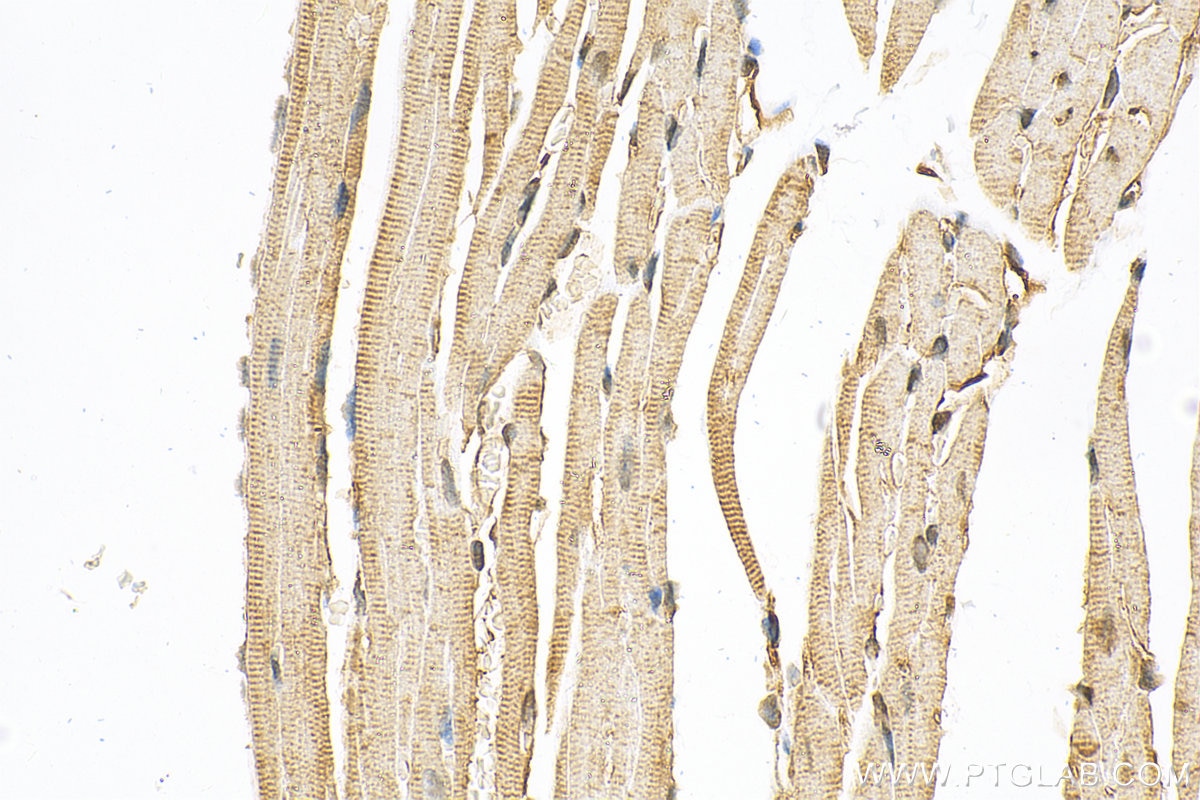
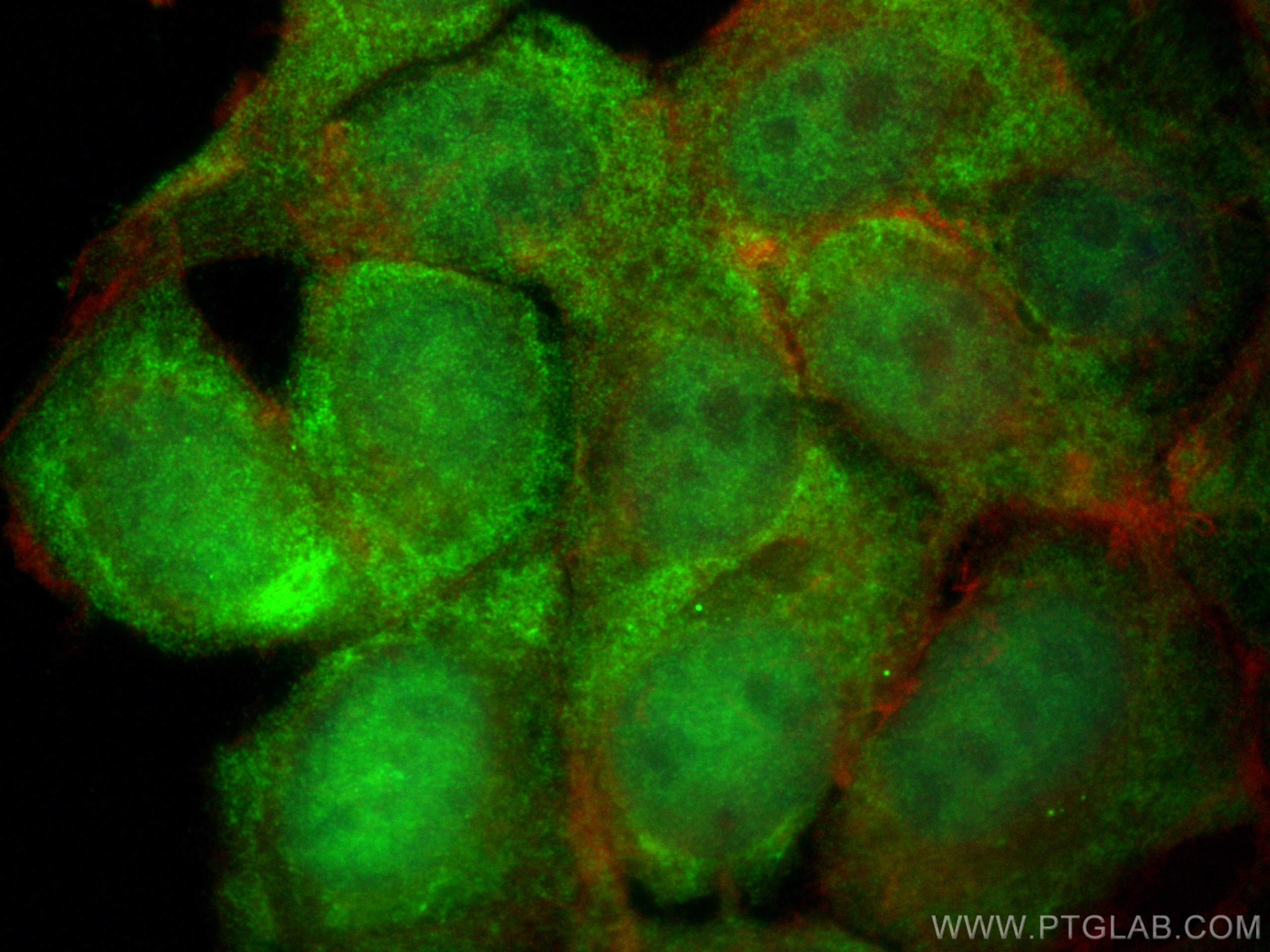
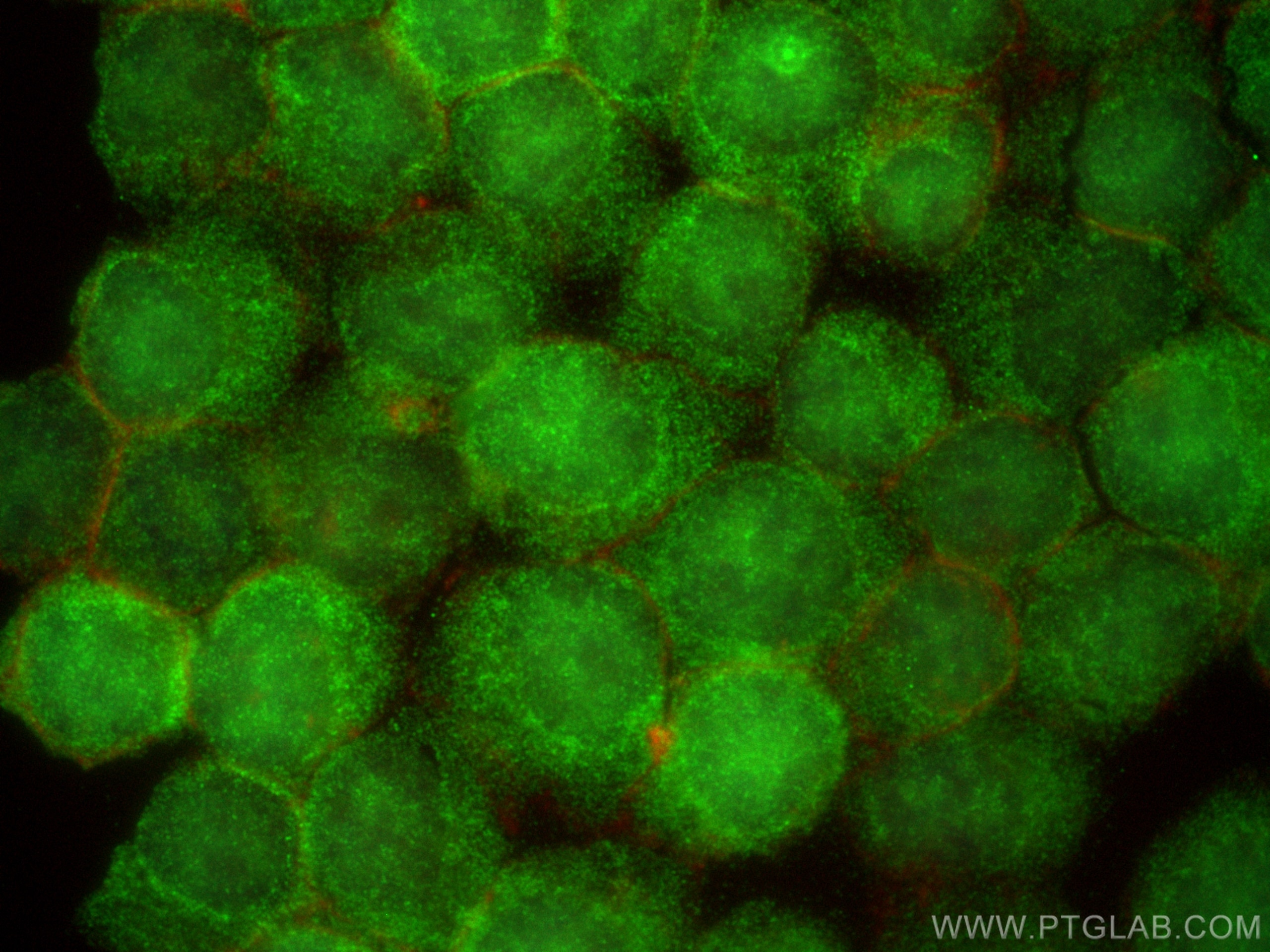
12694-1-PBS targets SMG5 in IHC, IF/ICC, Indirect ELISA applications and shows reactivity with human, mouse samples.
| Tested Reactivity | human, mouse |
| Host / Isotype | Rabbit / IgG |
| Class | Polyclonal |
| Type | Antibody |
| Immunogen |
CatNo: Ag3424 Product name: Recombinant human SMG5 protein Source: e coli.-derived, PGEX-4T Tag: GST Domain: 670-1016 aa of BC038296 Sequence: DLIIVCAQSSQSLWNRLSVLLNLLPAAGELQESGLALCPEVQDLLEGCELPDLPSSLLLPEDMALRNLPPLRAAHRRFNFDTDRPLLSTLEESVVRICCIRSFGHFIARLQGSILQFNPEVGIFVSIAQSEQESLLQQAQAQFRMAQEEARRNRLMRDMAQLRLQLEVSQLEGSLQQPKAQSAMSPYLVPDTQALCHHLPVIRQLATSGRFIVIIPRTVIDGLDLLKKEHPGARDGIRYLEAEFKKGNRYIRCQKEVGKSFERHKLKRQDADAWTLYKILDSCKQLTLAQGAGEEDPSGMVTIITGLPLDNPSVLSGPMQAALQAAAHASVDIKDVLDFYKQWKEIG Predict reactive species |
| Full Name | Smg-5 homolog, nonsense mediated mRNA decay factor (C. elegans) |
| Calculated Molecular Weight | 1016 aa, 114 kDa |
| GenBank Accession Number | BC038296 |
| Gene Symbol | SMG5 |
| Gene ID (NCBI) | 23381 |
| RRID | AB_2270781 |
| Conjugate | Unconjugated |
| Form | Liquid |
| Purification Method | Antigen affinity purification |
| UNIPROT ID | Q9UPR3 |
| Storage Buffer | PBS only, pH 7.3. |
| Storage Conditions | Store at -80°C. |
Background Information
SMG5 is also named EST1-like protein B (EST1B) and LPTS-RP1. SMG5 is a key Nonsense-mediated mRNA decay (NMD) factor, and NMD factor SMG5 is vital for embryonic development (PMID: 39199410). SMG5 plays a role in the degradation of mRNA through the process of nonsense-mediated decay and encodes a protein. SMG5 has been linked to the development of pancreatic cancer and epiphyseal chondrodysplasia among various illnesses (PMID: 36056355). SMG5 is a kind of RNA-binding proteins (RBPs) (PMID: 37936239). In addition, they have been shown to be key regulators of oncogenesis and tumor progression (PMID: 33228611). SMG5 may be a high-risk factor for HCC prognosis (PMID: 33411682). SMG5 promotes HCC cell proliferation and tumor growth. SMG5 has extensive effects on the proliferation, survival, and tumor growth of HCC cells.




