

Tested Applications
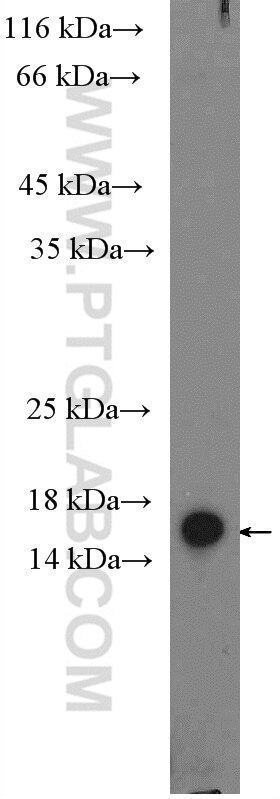
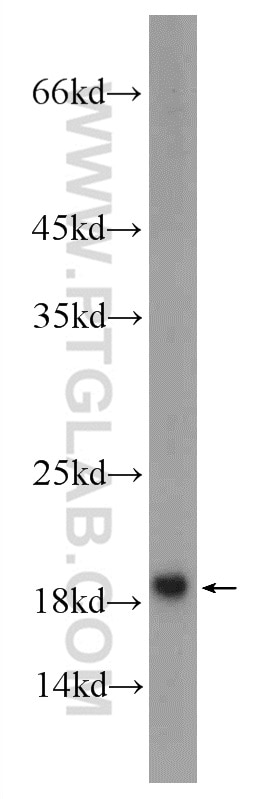
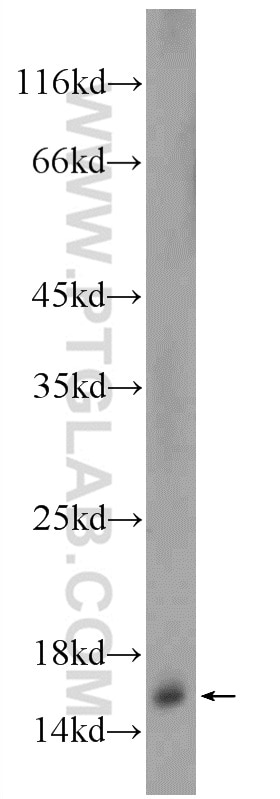
| Positive WB detected in | A375 cells, HEK-293 cells, rat brain tissue |
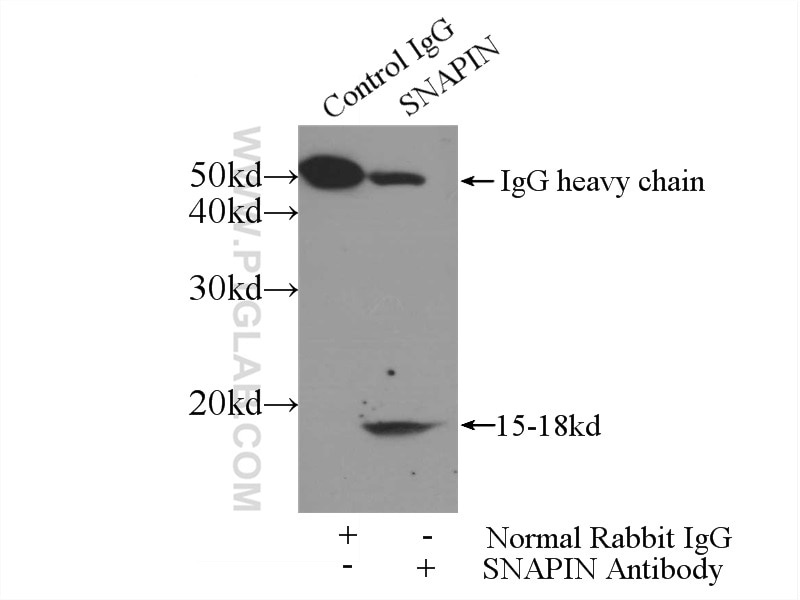
| Positive IP detected in | mouse brain tissue |
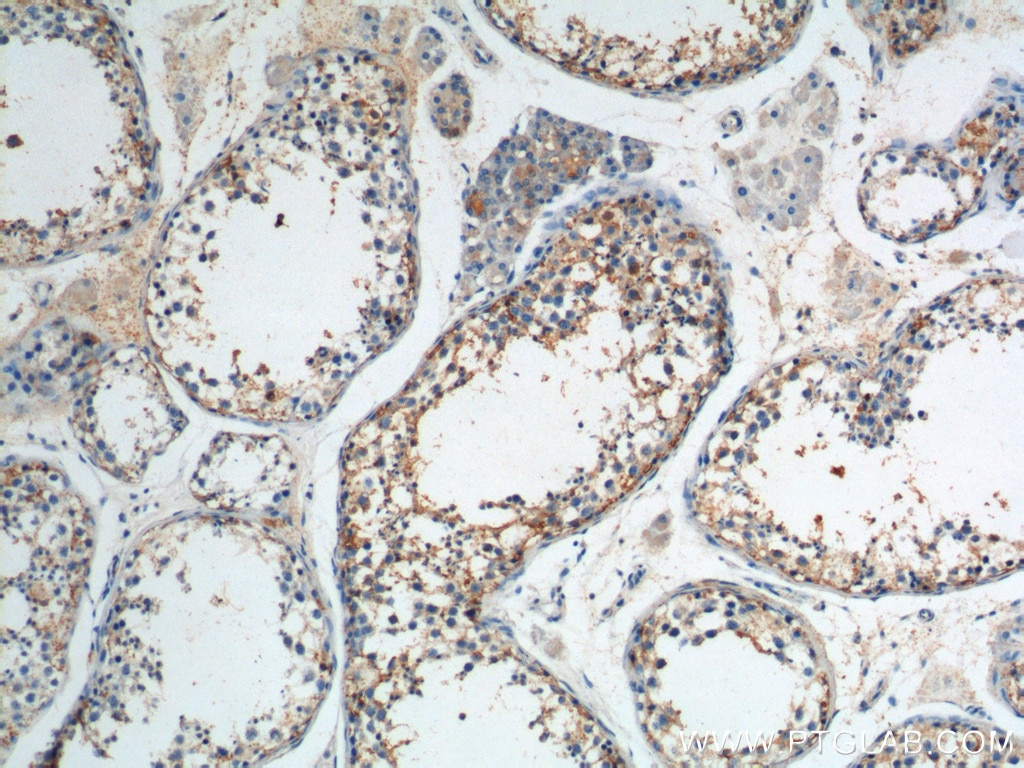
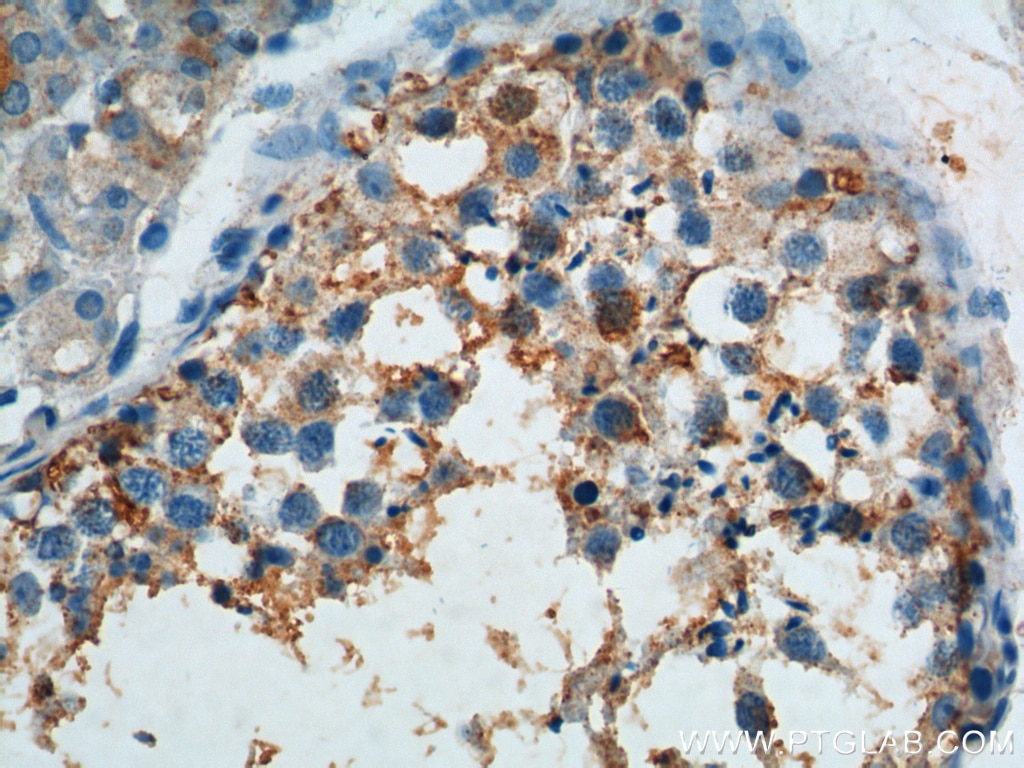
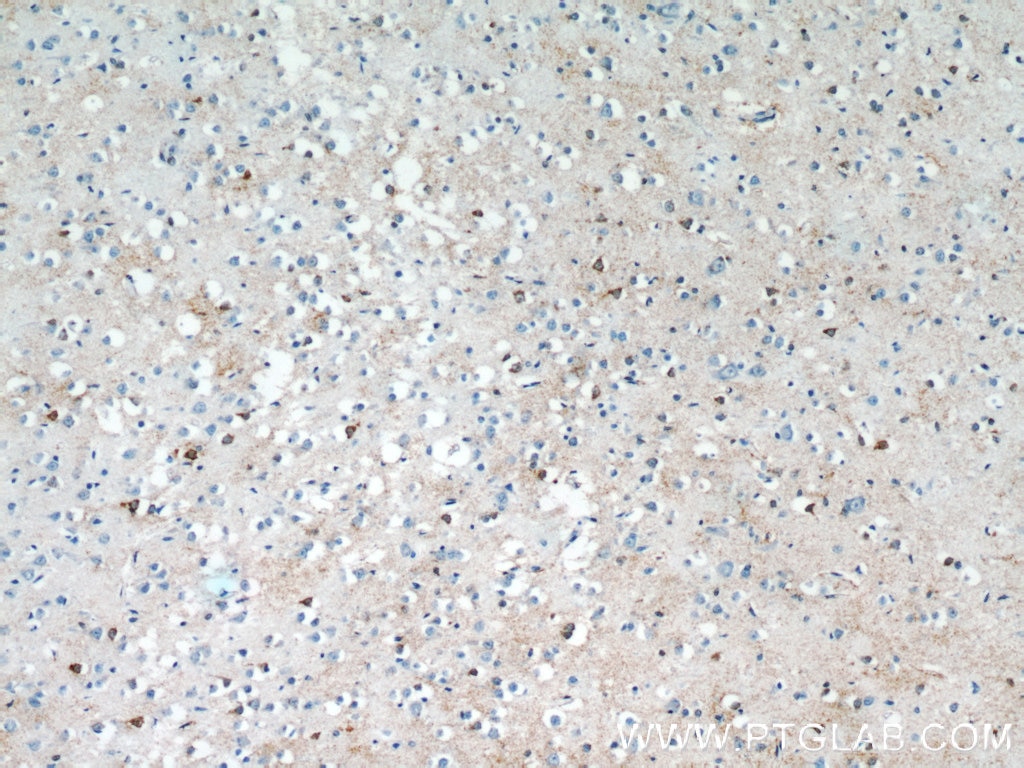
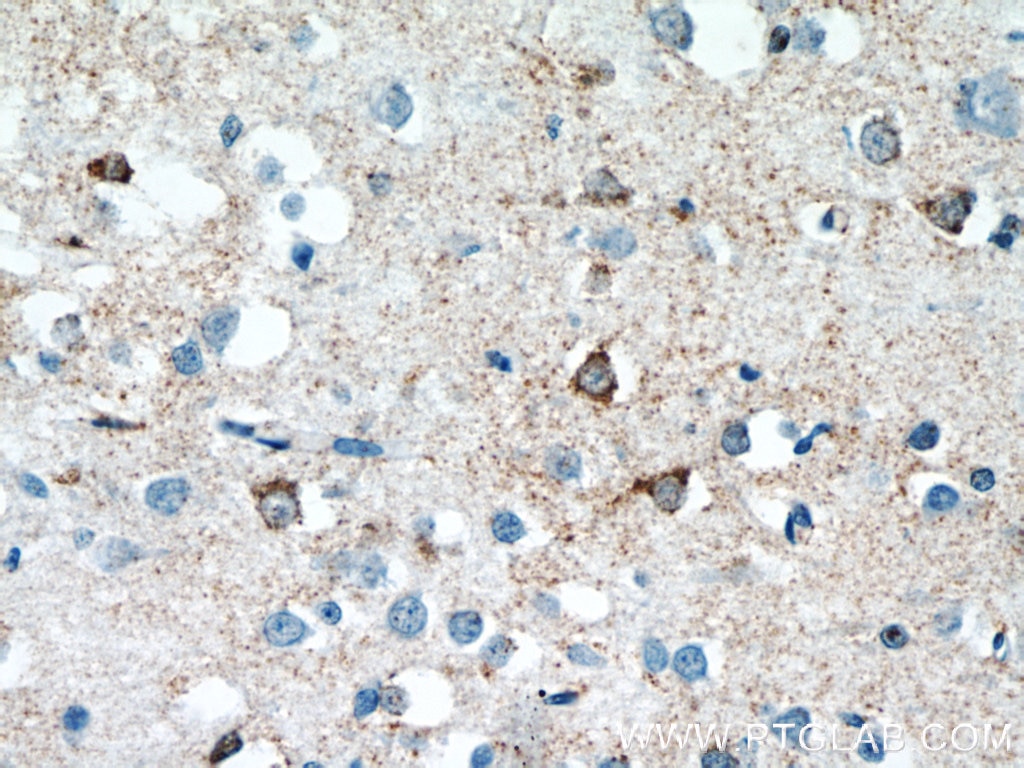
| Positive IHC detected in | human testis tissue, human brain tissue Note: suggested antigen retrieval with TE buffer pH 9.0; (*) Alternatively, antigen retrieval may be performed with citrate buffer pH 6.0 |
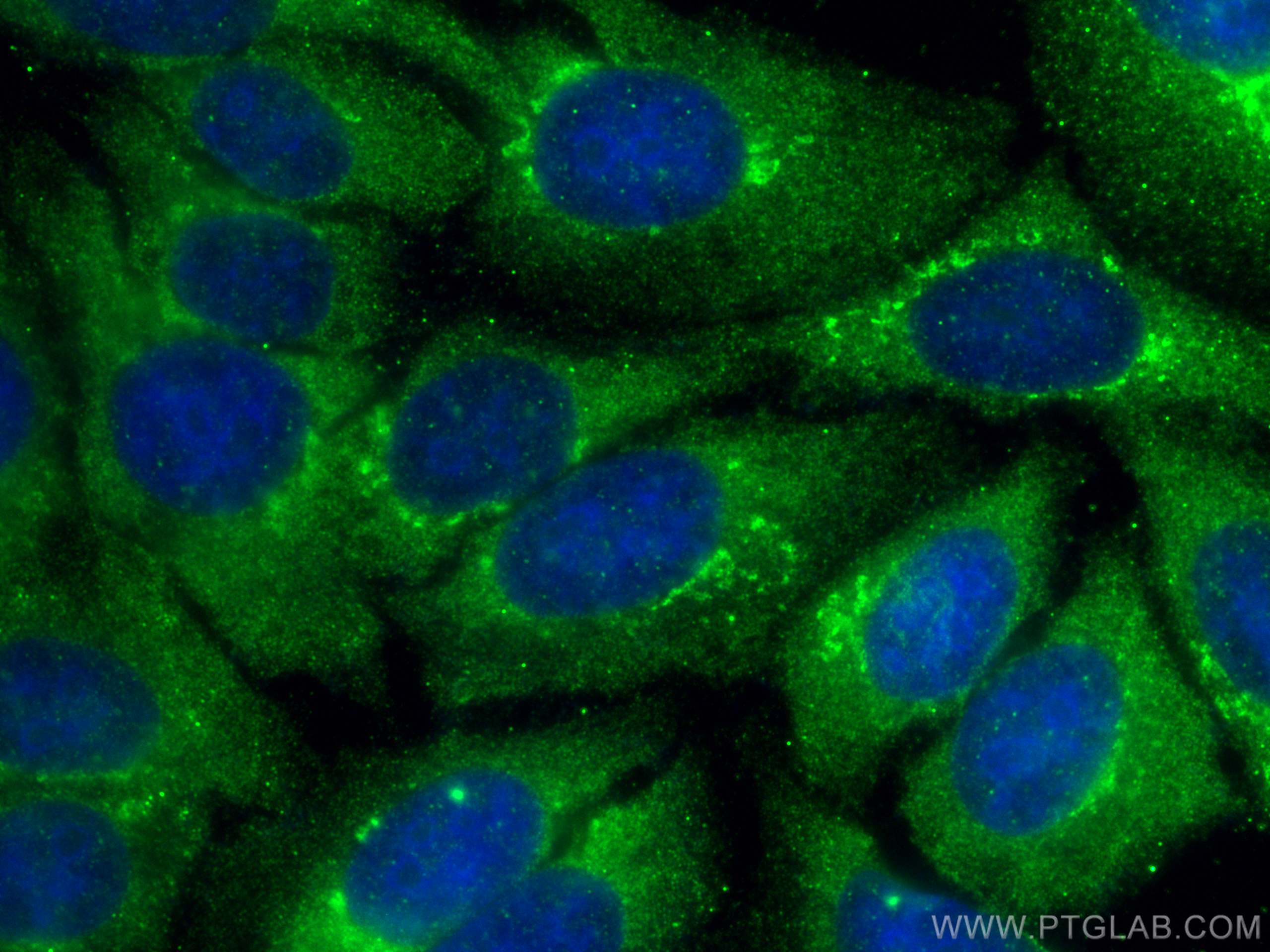
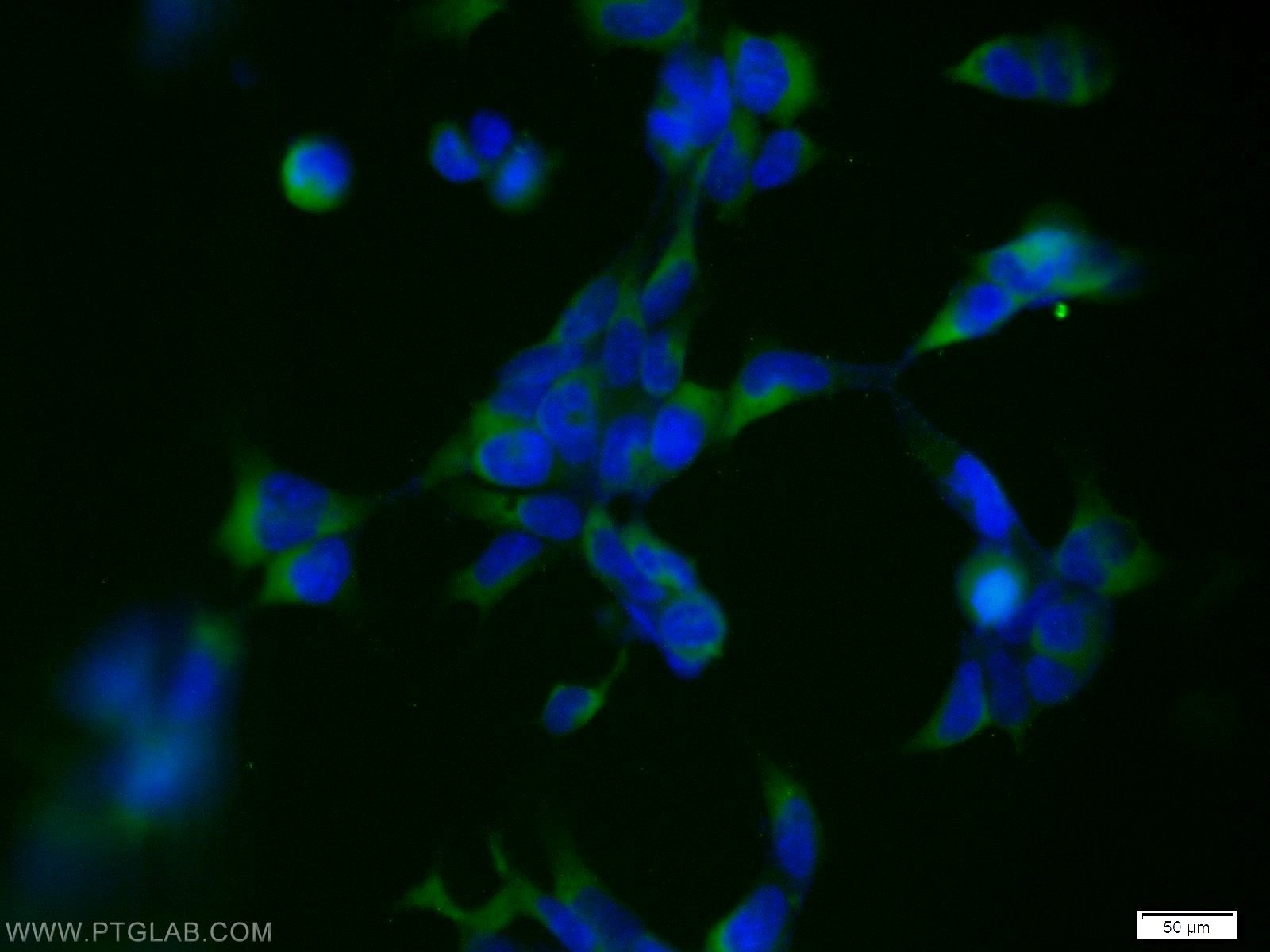
| Positive IF/ICC detected in | HepG2 cells |
Recommended dilution
| Application | Dilution |
|---|---|
| Western Blot (WB) | WB : 1:200-1:1000 |
| Immunoprecipitation (IP) | IP : 0.5-4.0 ug for 1.0-3.0 mg of total protein lysate |
| Immunohistochemistry (IHC) | IHC : 1:50-1:500 |
| Immunofluorescence (IF)/ICC | IF/ICC : 1:50-1:500 |
| It is recommended that this reagent should be titrated in each testing system to obtain optimal results. | |
| Sample-dependent, Check data in validation data gallery. | |
Product Information
10055-1-AP targets SNAPIN in WB, IHC, IF/ICC, IP, ELISA applications and shows reactivity with human, mouse, rat samples.
| Tested Reactivity | human, mouse, rat |
| Cited Reactivity | human, mouse, rat |
| Host / Isotype | Rabbit / IgG |
| Class | Polyclonal |
| Type | Antibody |
| Immunogen |
CatNo: Ag0101 Product name: Recombinant human SNAPIN protein Source: e coli.-derived, PGEX-4T Tag: GST Domain: 1-136 aa of BC000761 Sequence: MAGAGSAAVSGAGTPVAGPTGRDLFAEGLLEFLRPAVQQLDSHVHAVRESQVELREQIDNLATELCRINEDQKVALDLDPYVKKLLNARRRVVLVNNILQNAQERLRRLNHSVAKETARRRAMLDSGIYPPGSPGK Predict reactive species |
| Full Name | SNAP-associated protein |
| Calculated Molecular Weight | 15 kDa |
| Observed Molecular Weight | 15-18 kDa |
| GenBank Accession Number | BC000761 |
| Gene Symbol | SNAPIN |
| Gene ID (NCBI) | 23557 |
| RRID | AB_2192656 |
| Conjugate | Unconjugated |
| Form | Liquid |
| Purification Method | Antigen affinity purification |
| UNIPROT ID | O95295 |
| Storage Buffer | PBS with 0.02% sodium azide and 50% glycerol, pH 7.3. |
| Storage Conditions | Store at -20°C. Stable for one year after shipment. Aliquoting is unnecessary for -20oC storage. 20ul sizes contain 0.1% BSA. |
Background Information
Snapin, a protein of relative molecular weight of 15kd, is implicated in neurotransmission by binding to SNAP-25. Snapin was enriched in neurons and exclusively located on synaptic vesicle membrane, which may be a PKA target for modulating transmitter release through the cAMP-dependent signal-transduction pathway. This anitbody can recognize the 15-18kd(Monomer) and 30-36kd(Dimer) forms of SNAPIN.
Protocols
| Product Specific Protocols | |
|---|---|
| IF protocol for SNAPIN antibody 10055-1-AP | Download protocol |
| IHC protocol for SNAPIN antibody 10055-1-AP | Download protocol |
| IP protocol for SNAPIN antibody 10055-1-AP | Download protocol |
| WB protocol for SNAPIN antibody 10055-1-AP | Download protocol |
| Standard Protocols | |
|---|---|
| Click here to view our Standard Protocols |
Publications
What published studies show
SNAPIN Polyclonal antibody (Cat# 10055-1-AP) has 17 citations across journals including Autophagy, NPJ Parkinson's Disease, American Journal of Human Genetics, Journal of Cell Biology, Molecular Cell Proteomics, Frontiers in Endocrinology, Journal of Thrombosis and Haemostasis, Cancer Science, Skeletal Muscle, Pigment Cell & Melanoma Research, Reproduction, Traffic, eLife, and bioRxiv. Research fields span lysosomal biology, autophagy, neurodegeneration, platelet disorders, pancreatic β-cell growth, hepatocellular carcinoma, muscular dystrophy, Hermansky-Pudlak syndrome, spermatogenesis, and HIV-associated neurological damage.
| Species | Application | Title |
|---|---|---|
Autophagy Carbon nanotubes, but not spherical nanoparticles, block autophagy by a shape-related targeting of lysosomes in murine macrophages. | ||
Autophagy SNAPIN is critical for lysosomal acidification and autophagosome maturation in macrophages. | ||
Autophagy HIV-1 Vpr protein impairs lysosome clearance causing SNCA/alpha-synuclein accumulation in neurons. | ||
NPJ Parkinsons Dis Disruption of axonal transport in Parkinson's disease: the role of pathological α-Syn and AMPK/p38 MAPK signaling | ||
Am J Hum Genet A BLOC-1 mutation screen reveals that PLDN is mutated in Hermansky-Pudlak Syndrome type 9. | ||
Mol Cell Proteomics Interaction Proteomics of Polycystins 1 and 2 Reveal a Novel Role for the BLOC-1/BORC Lysosomal Positioning Complex. |











