
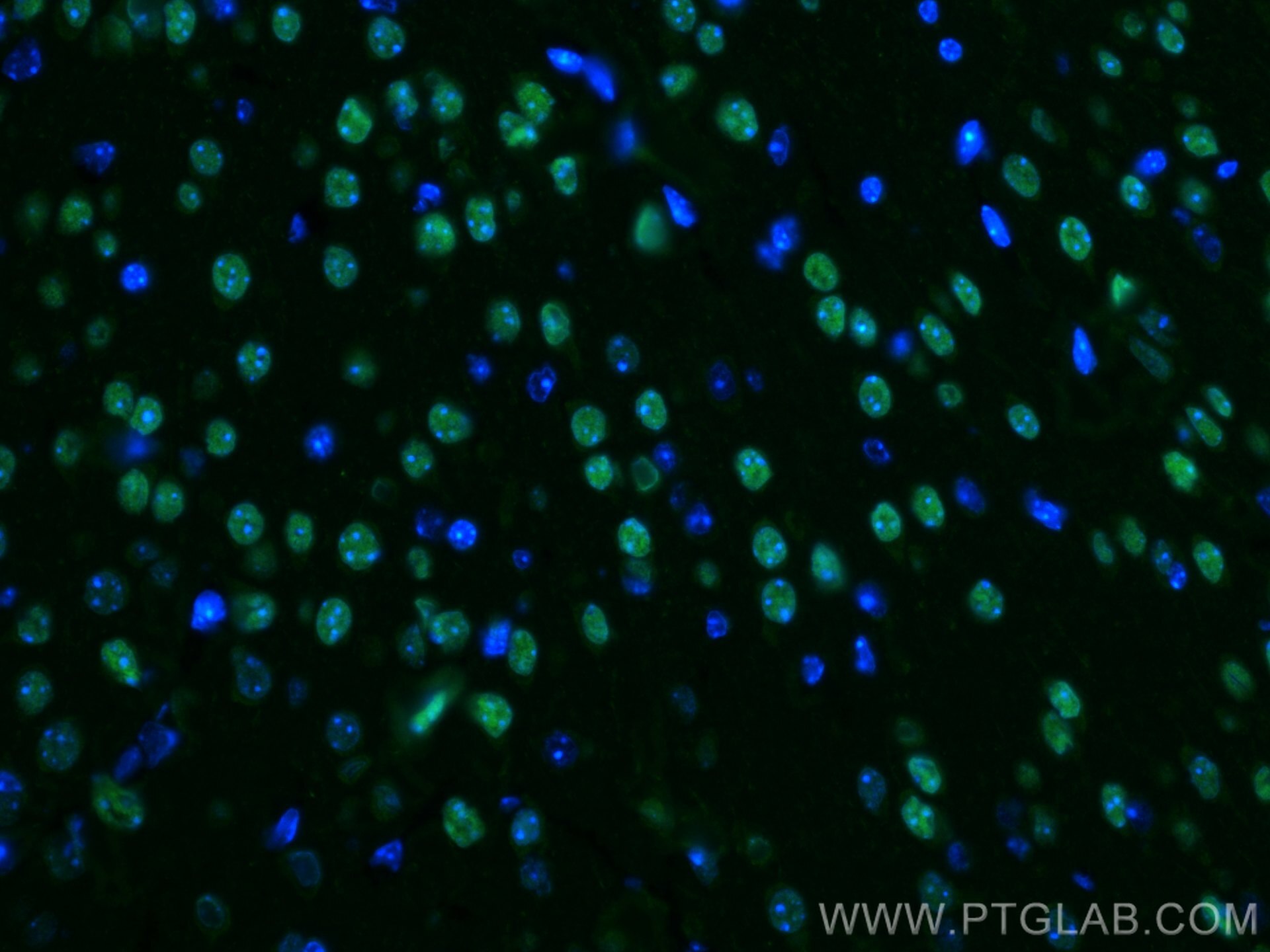
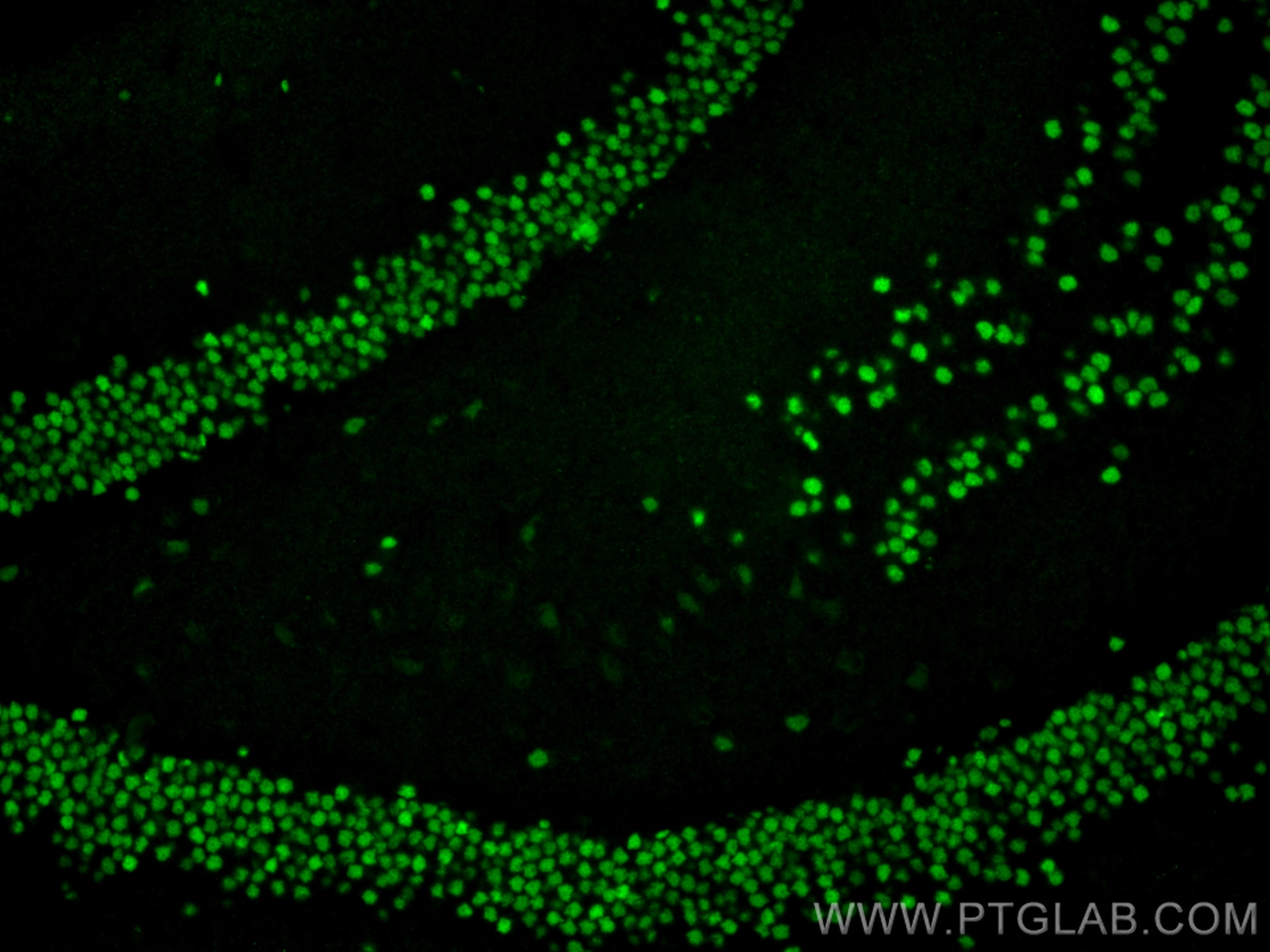

Tested Applications
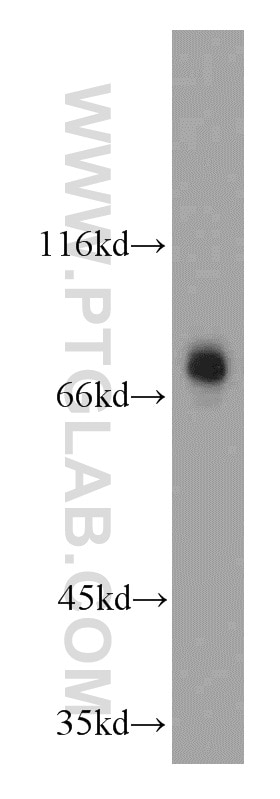
| Positive WB detected in | mouse brain tissue |
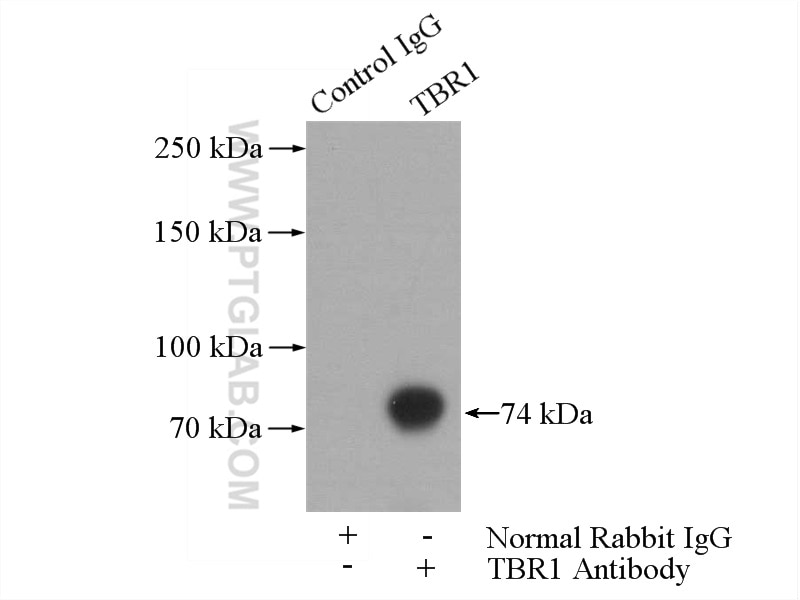
| Positive IP detected in | mouse brain tissue |
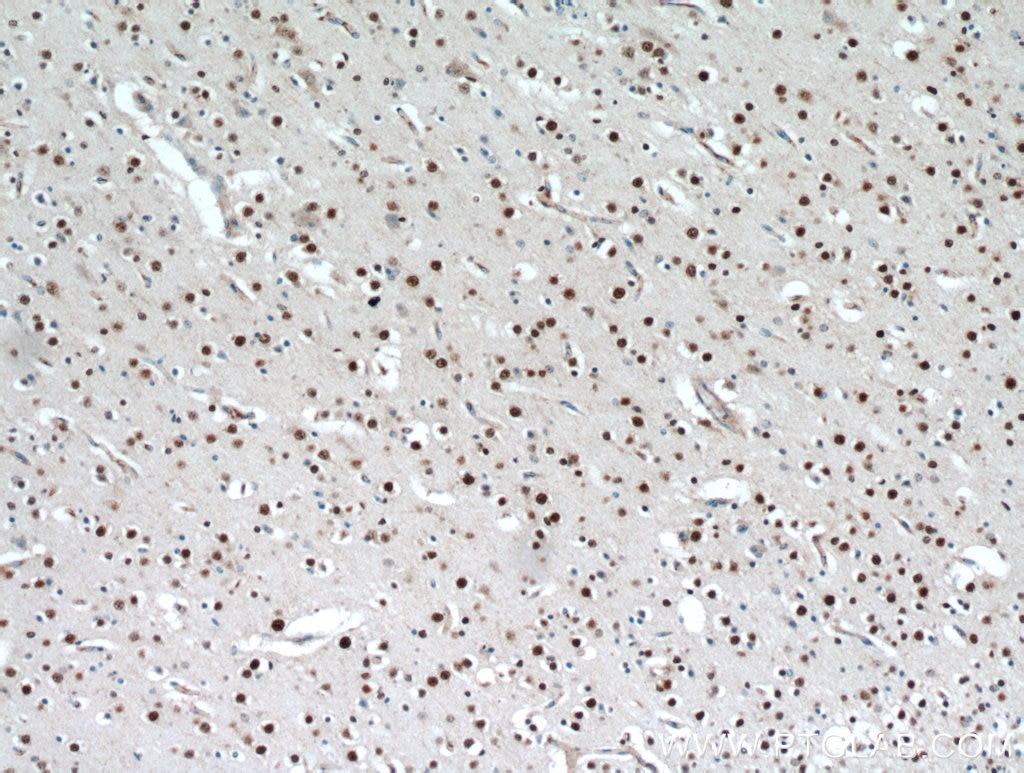
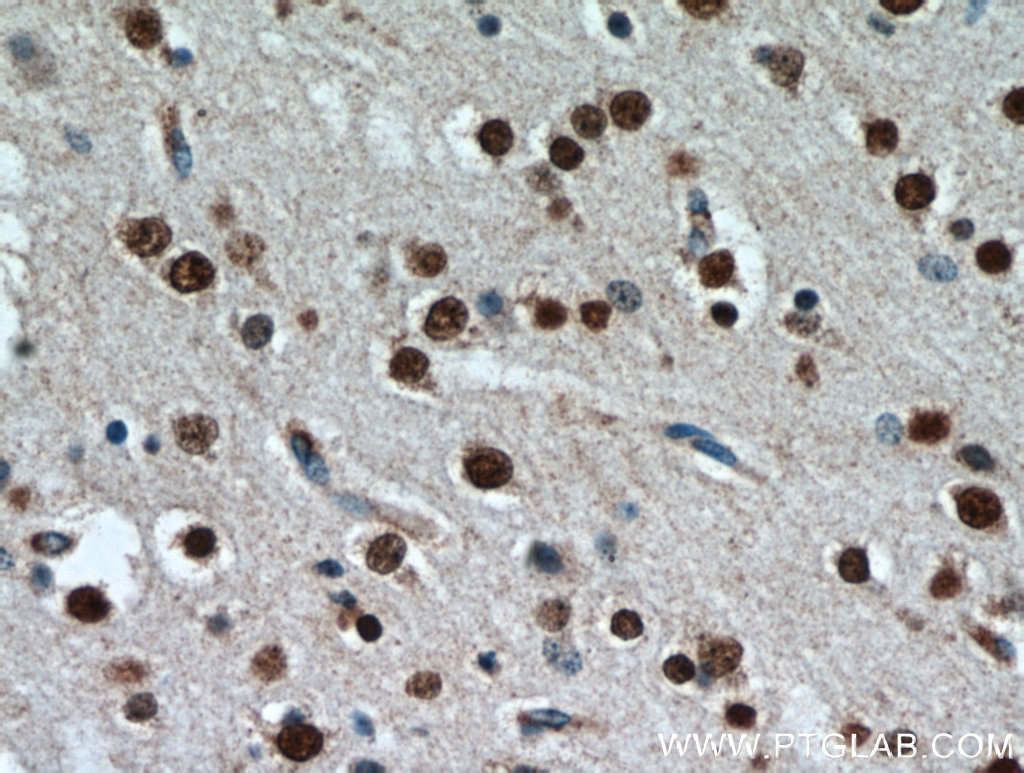
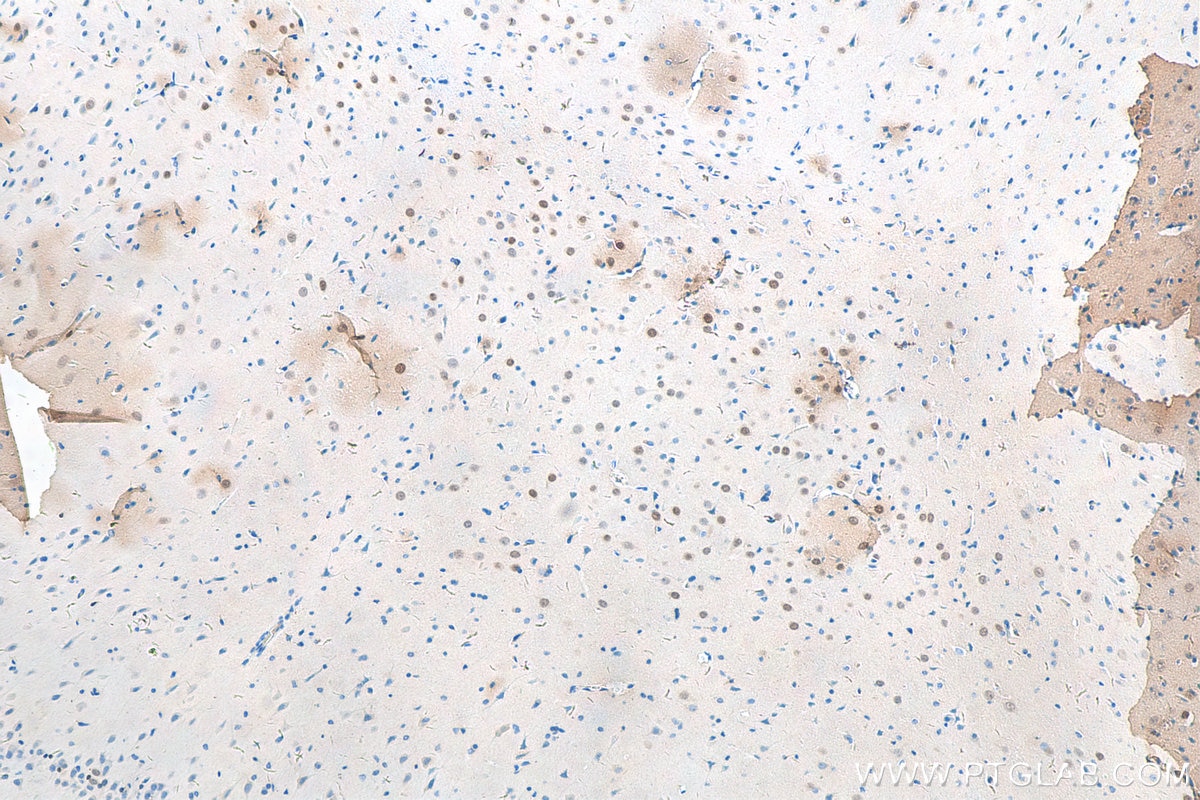
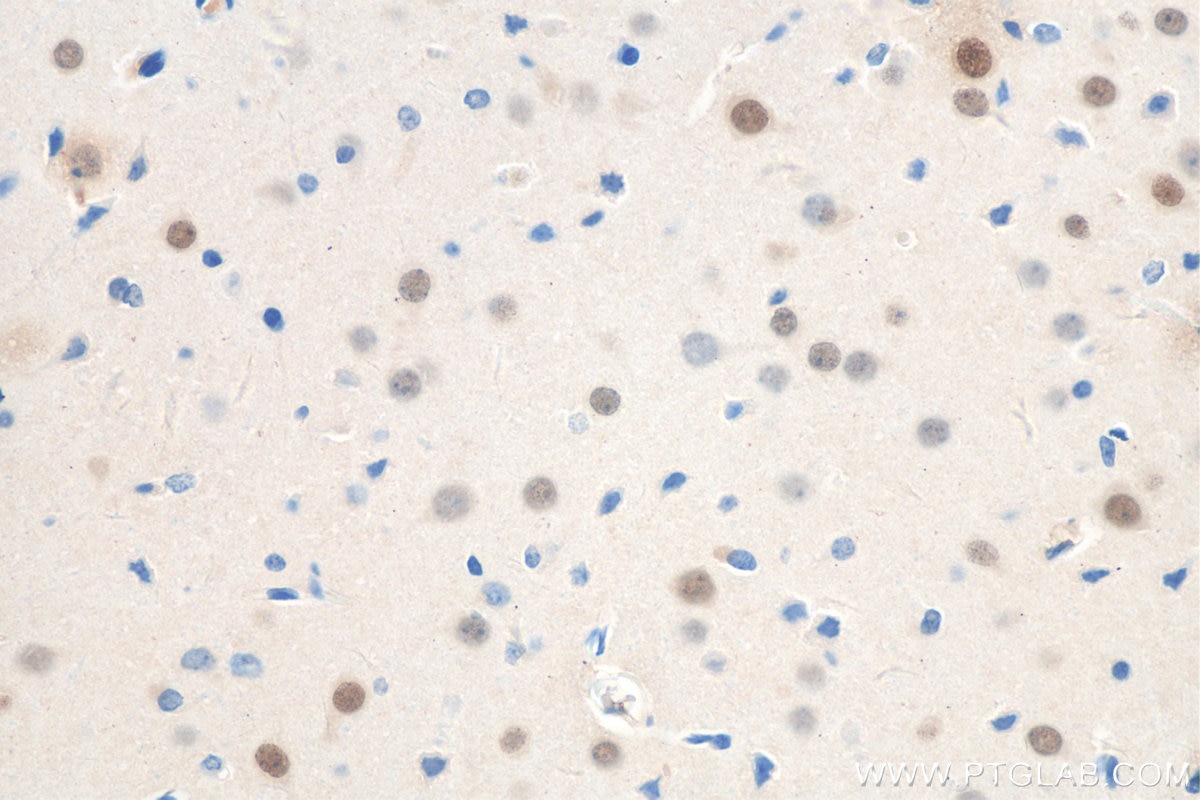
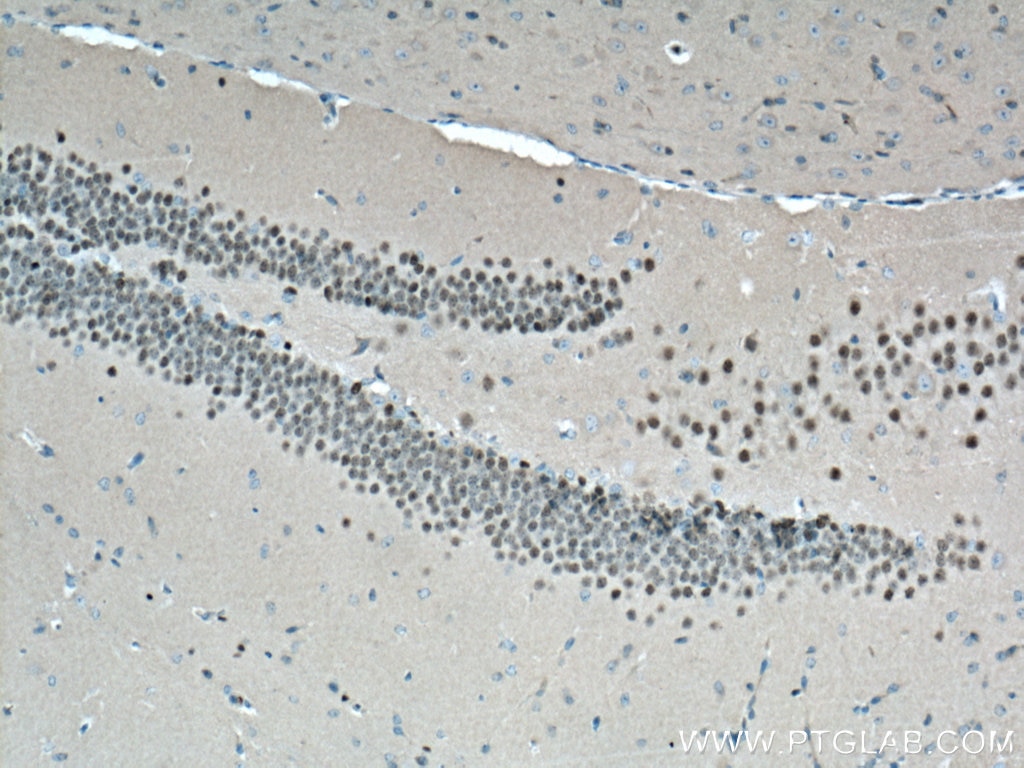
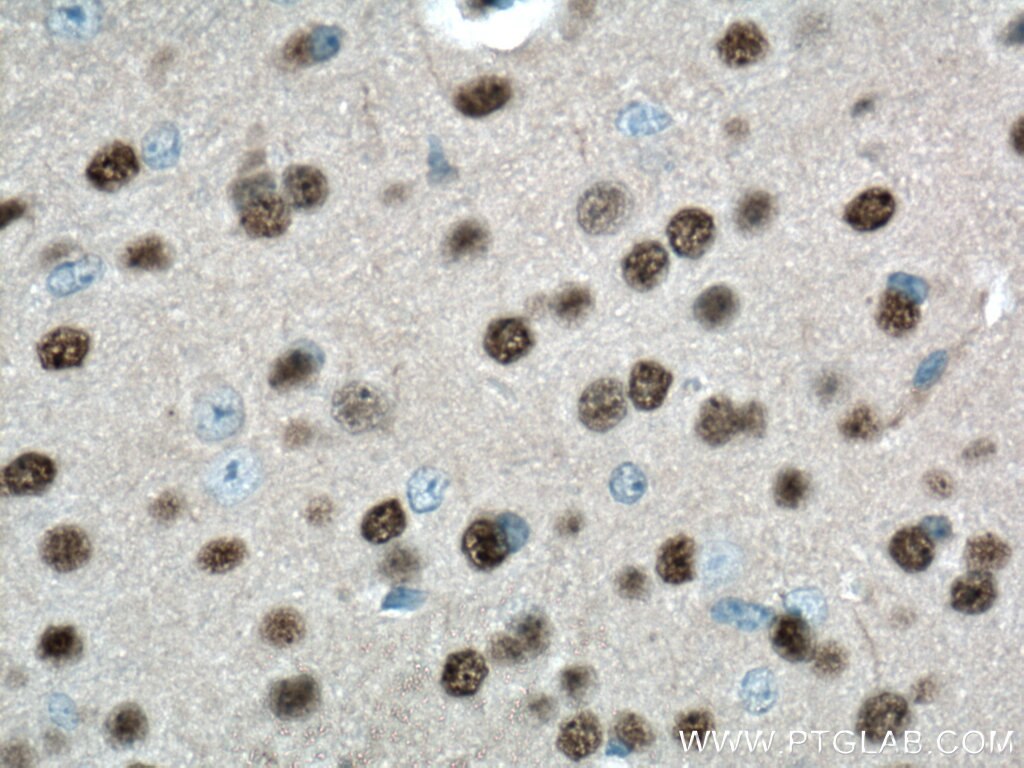
| Positive IHC detected in | human brain tissue, mouse brain tissue, rat brain tissue Note: suggested antigen retrieval with TE buffer pH 9.0; (*) Alternatively, antigen retrieval may be performed with citrate buffer pH 6.0 |
| Positive IF-P detected in | mouse brain tissue |
Recommended dilution
| Application | Dilution |
|---|---|
| Western Blot (WB) | WB : 1:500-1:1000 |
| Immunoprecipitation (IP) | IP : 0.5-4.0 ug for 1.0-3.0 mg of total protein lysate |
| Immunohistochemistry (IHC) | IHC : 1:20-1:200 |
| Immunofluorescence (IF)-P | IF-P : 1:200-1:800 |
| It is recommended that this reagent should be titrated in each testing system to obtain optimal results. | |
| Sample-dependent, Check data in validation data gallery. | |
Product Information
20932-1-AP targets TBR1 in WB, IHC, IF-P, IP, ELISA applications and shows reactivity with human, mouse, rat samples.
| Tested Reactivity | human, mouse, rat |
| Cited Reactivity | human, mouse, rat |
| Host / Isotype | Rabbit / IgG |
| Class | Polyclonal |
| Type | Antibody |
| Immunogen |
CatNo: Ag14935 Product name: Recombinant human TBR1 protein Source: e coli.-derived, PGEX-4T Tag: GST Domain: 1-196 aa of BC104844 Sequence: MQLEHCLSPSIMLSKKFLNVSSSYPHSGGSELVLHDHPIISTTDNLERSSPLKKITRGMTNQSDTDNFPDSKDSPGDVQRSKLSPVLDGVSELRHSFDGSAADRYLLSQSSQPQSAATAPSAMFPYPGQHGPAHPAFSIGSPSRYMAHHPVITNGAYNSLLSNSSPQGYPTAGYPYPQQYGHSYQGAPFYQFSSTQ Predict reactive species |
| Full Name | T-box, brain, 1 |
| Calculated Molecular Weight | 682 aa, 74 kDa |
| Observed Molecular Weight | 74 kDa |
| GenBank Accession Number | BC104844 |
| Gene Symbol | TBR1 |
| Gene ID (NCBI) | 10716 |
| RRID | AB_10695502 |
| Conjugate | Unconjugated |
| Form | Liquid |
| Purification Method | Antigen affinity purification |
| UNIPROT ID | Q16650 |
| Storage Buffer | PBS with 0.02% sodium azide and 50% glycerol, pH 7.3. |
| Storage Conditions | Store at -20°C. Stable for one year after shipment. Aliquoting is unnecessary for -20oC storage. 20ul sizes contain 0.1% BSA. |
Background Information
TBR1, also named as T-box brain protein 1, is a 682 amino acid protein, which contains one T-box DNA-binding domain and localizes in the nucleus. TBR1 is expressed in the brain and as a transcriptional regulator is involved in developmental processes. TBR1 is required for normal brain development.
Protocols
| Product Specific Protocols | |
|---|---|
| IF protocol for TBR1 antibody 20932-1-AP | Download protocol |
| IHC protocol for TBR1 antibody 20932-1-AP | Download protocol |
| IP protocol for TBR1 antibody 20932-1-AP | Download protocol |
| WB protocol for TBR1 antibody 20932-1-AP | Download protocol |
| Standard Protocols | |
|---|---|
| Click here to view our Standard Protocols |
Publications
What published studies show
The TBR1 Polyclonal Antibody (Cat# 20932-1-AP) has 45 citations published in journals including Nature Neuroscience, Nature Communications, Cell Stem Cell, Cell Reports, EMBO Reports, Molecular Brain, Cerebral Cortex, Human Molecular Genetics, and Science Reports. Associated research fields encompass cortical development, neuronal differentiation, neurodegeneration (Alzheimer's disease, hereditary spastic paraplegia), stem cell biology, autism, Angelman syndrome, fragile X syndrome, and neuroinflammation.
| Species | Application | Title |
|---|---|---|
Cell Stem Cell Transcriptional code for circuit integration in the injured brain by transplanted human neurons. | ||
Nat Neurosci Neuronal activity rapidly reprograms dendritic translation via eIF4G2:uORF binding | ||
Nat Neurosci A tau homeostasis signature is linked with the cellular and regional vulnerability of excitatory neurons to tau pathology. | ||
Nat Commun Disrupted neuronal maturation in Angelman syndrome-derived induced pluripotent stem cells. | ||
Nat Commun GRAMD1B is a regulator of lipid homeostasis, autophagic flux and phosphorylated tau |
Reviews
What customers say
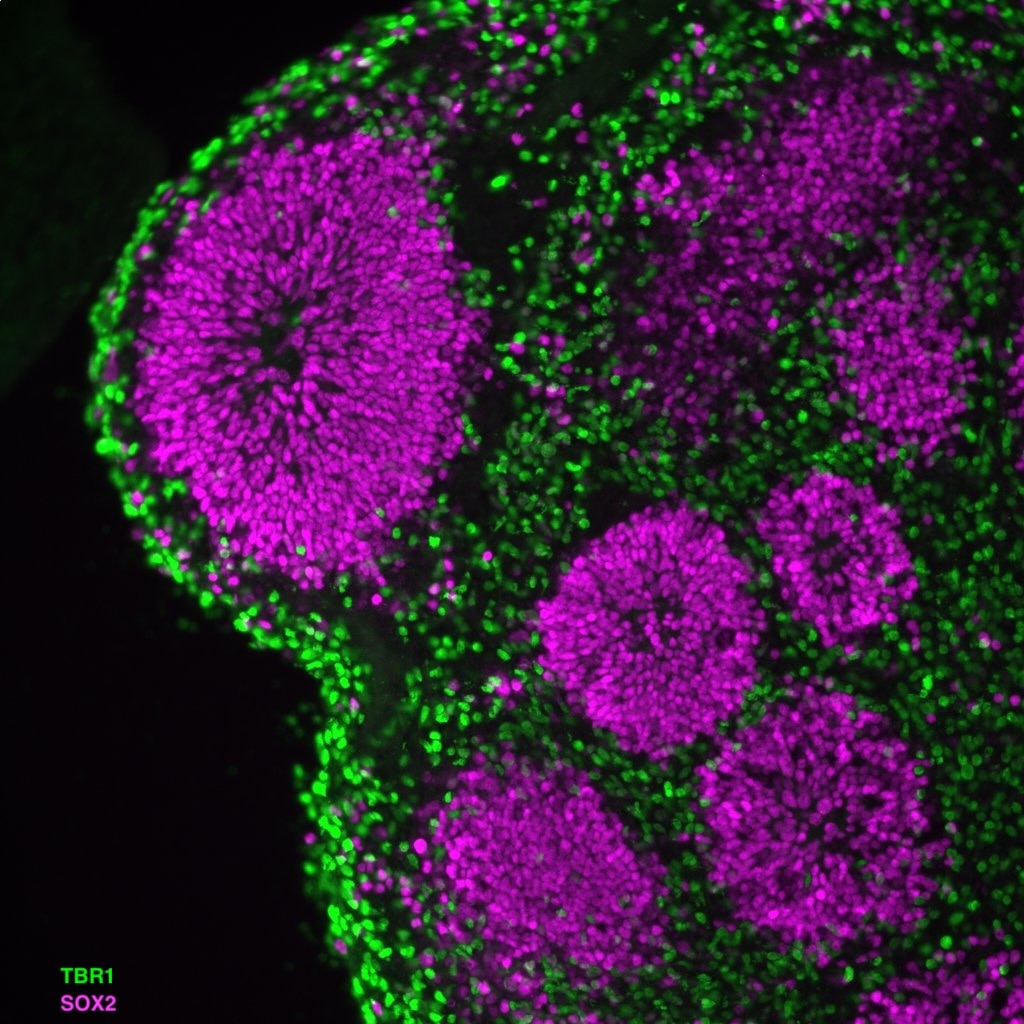
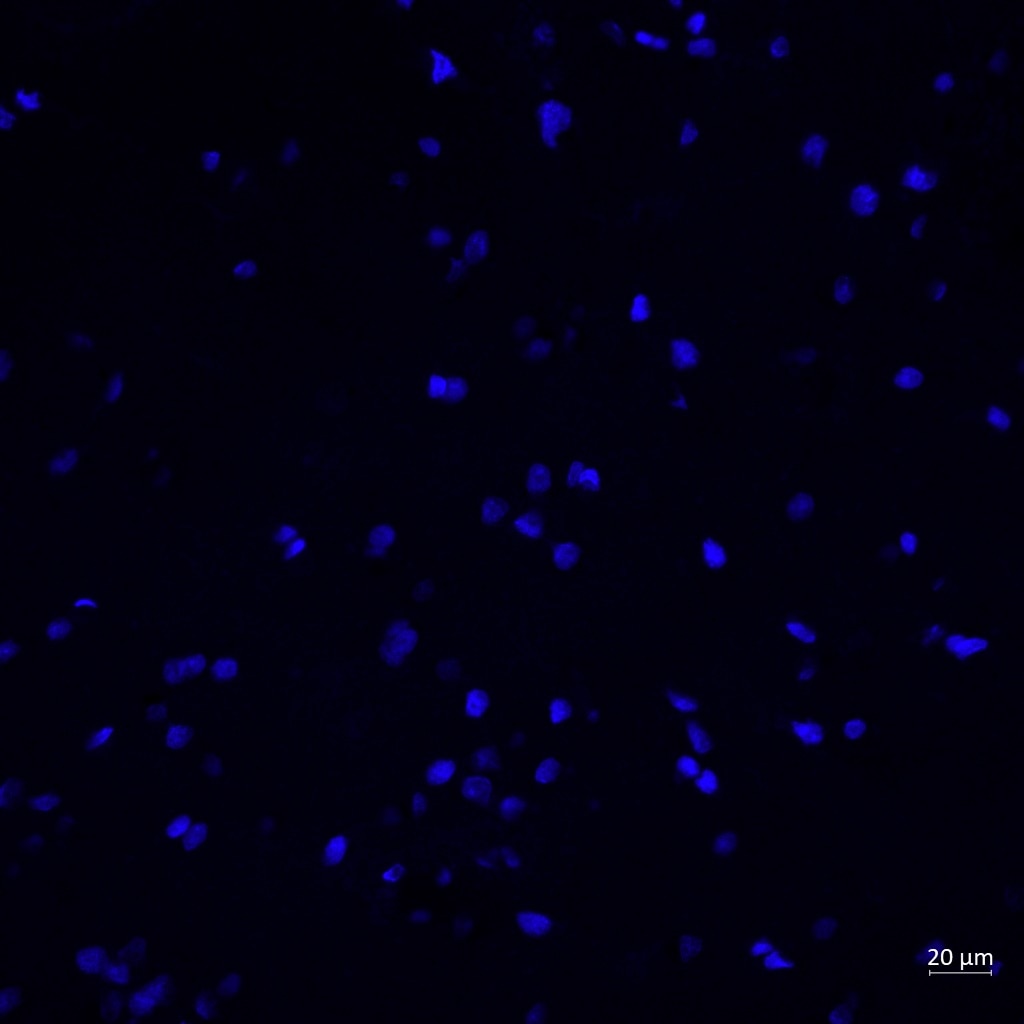
Users consistently report clear nuclear staining of TBR1-positive neurons in immunofluorescence applications across human brain cortex sections, iPSC-derived cortical neurons, and cortical brain organoids. Dilutions of 1:100–1:250 were used. One reviewer noted that some optimization was needed to minimize non-specific binding and recommended running primary/secondary antibody deletion controls. Overall satisfaction is high, with an average rating of approximately 4.3 out of 5 stars.
The reviews below have been submitted by verified Proteintech customers who received an incentive for providing their feedback.
Raquel (Verified Customer) (03-04-2026) | Very nice and clean staining of TBR1 positive neurons
 |
Reyes (Verified Customer) (03-01-2024) | Used on human brain cortical sections, it marked nicely the nucleus of my neurons.
 |
Mandi (Verified Customer) (03-09-2020) | Good staining on iPSC-derived Cortical neurons. Needed a decent amount of optimization to prevent non-specific binding though. Make sure to run primary/secondary deletes.
|











