

Tested Applications
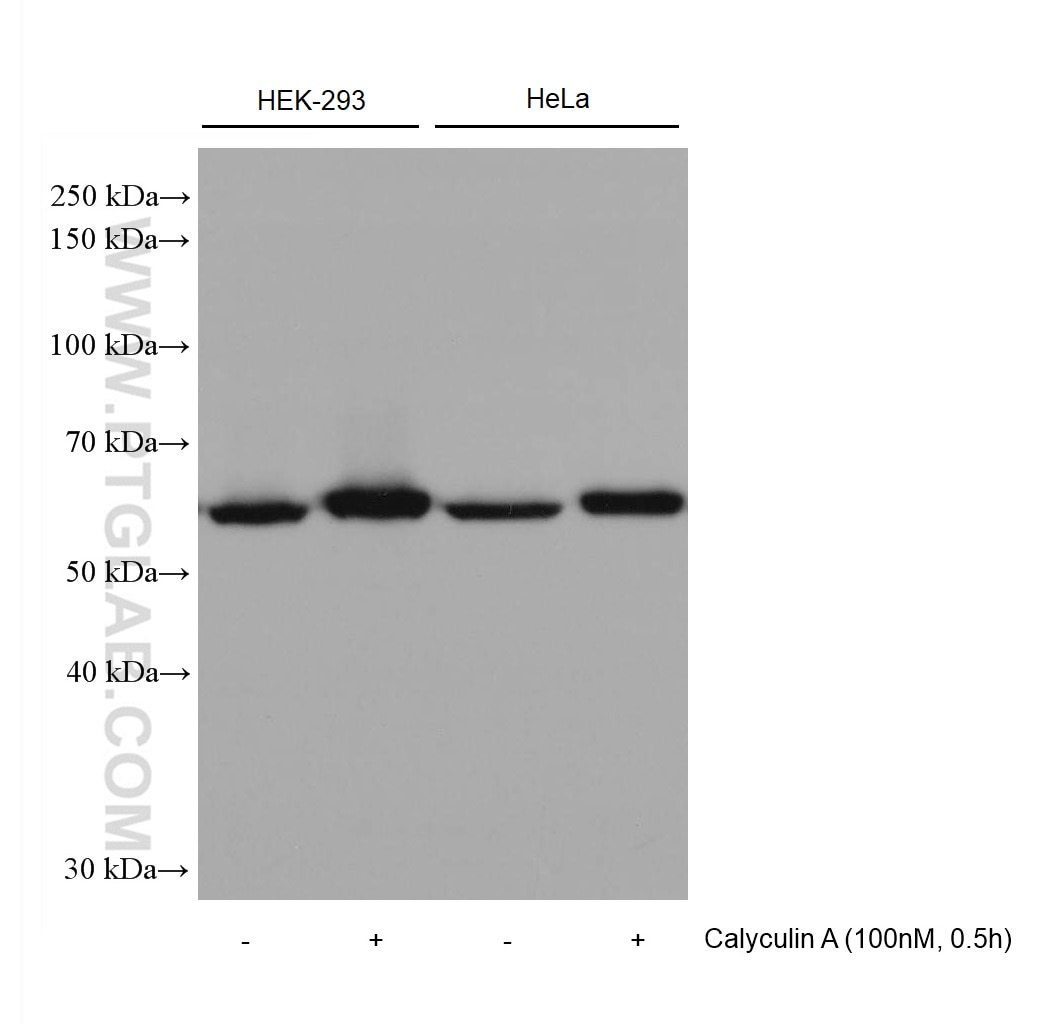
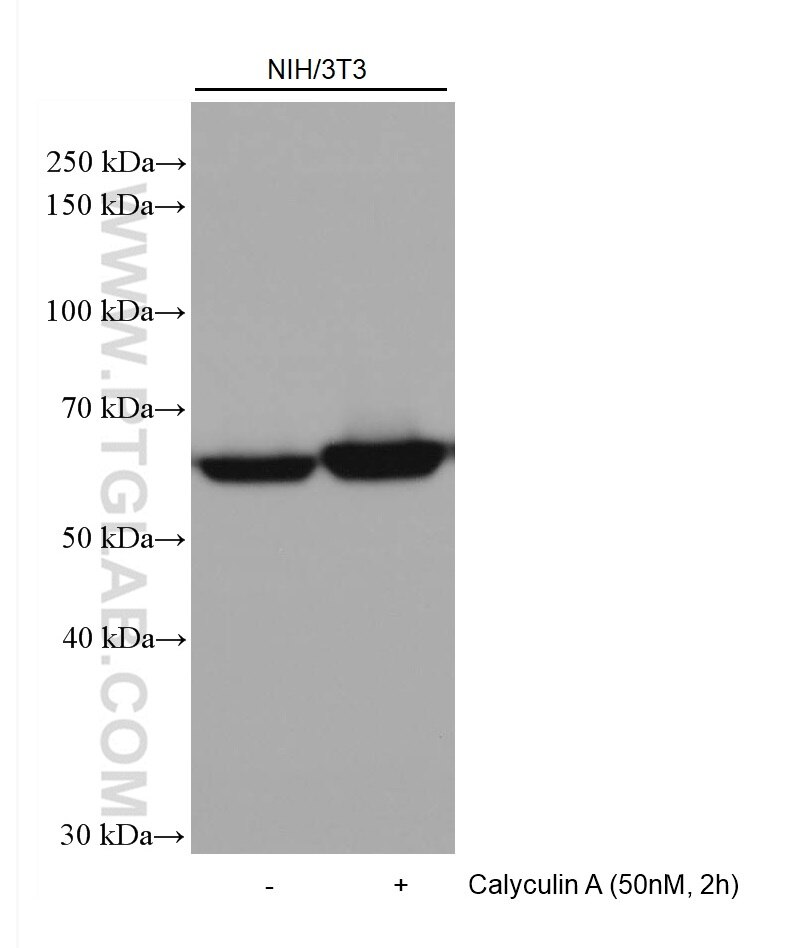
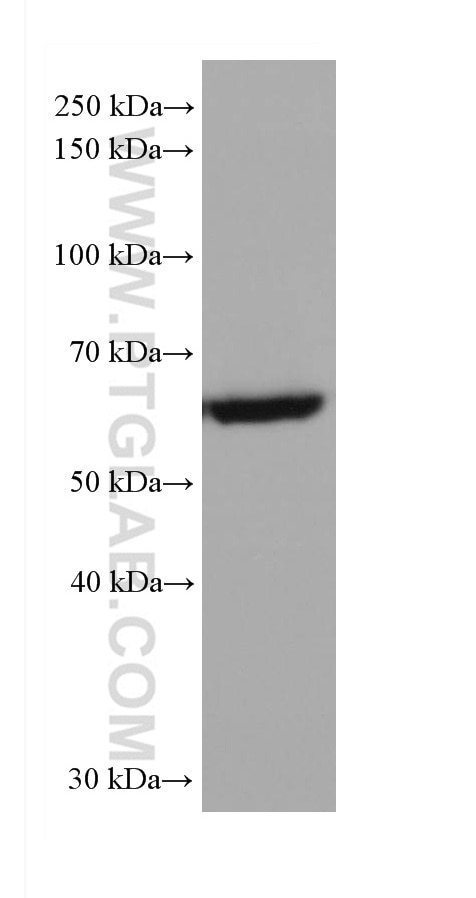
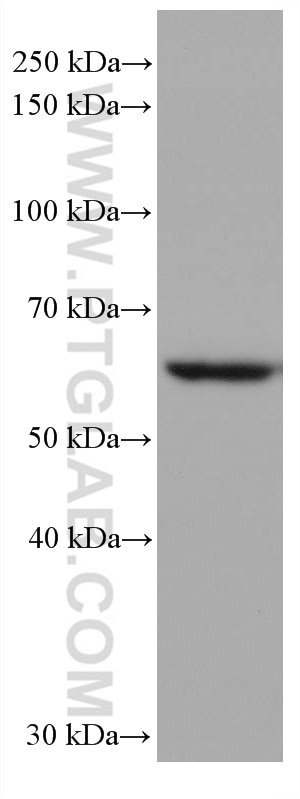
| Positive WB detected in | HEK-293 cells, HEK-293T cells, NIH/3T3 cells, Calyculin A treated HepG2 cells, Calyculin A treated HEK-293 cells, HeLa cells, Calyculin A treated HeLa cells, Calyculin A treated NIH/3T3 cells |
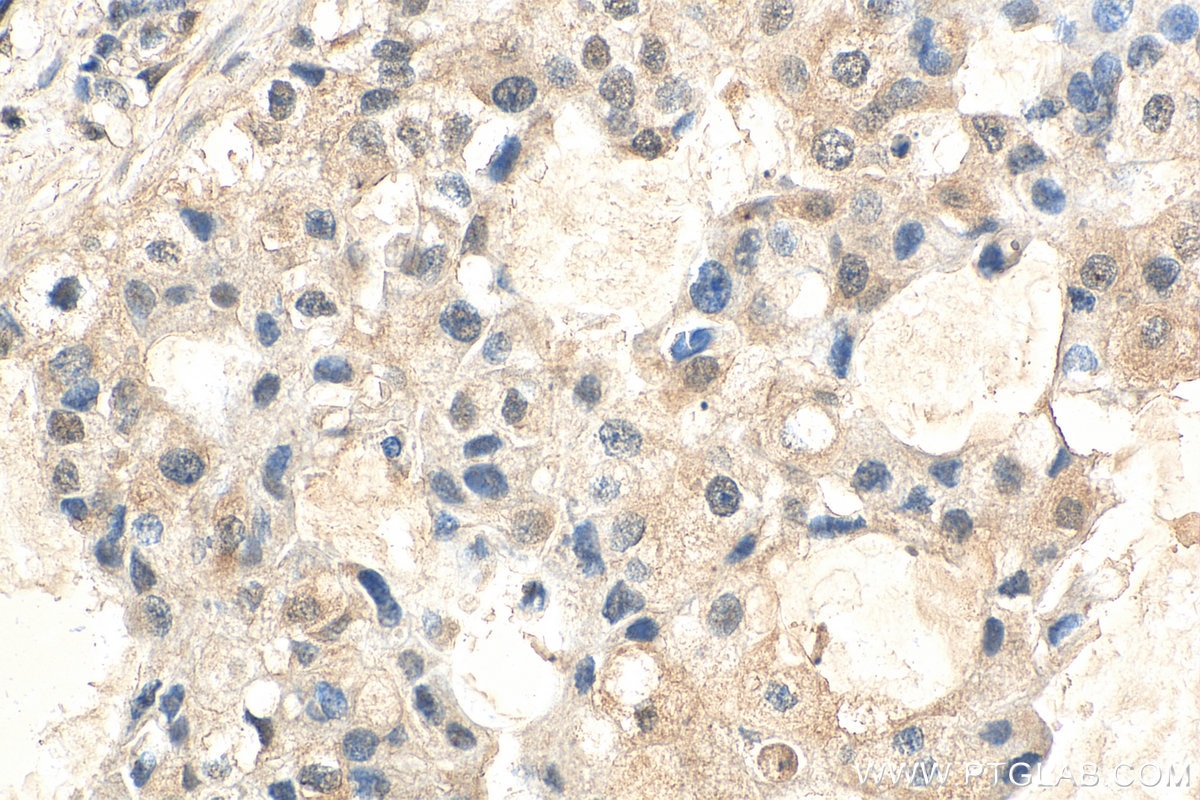
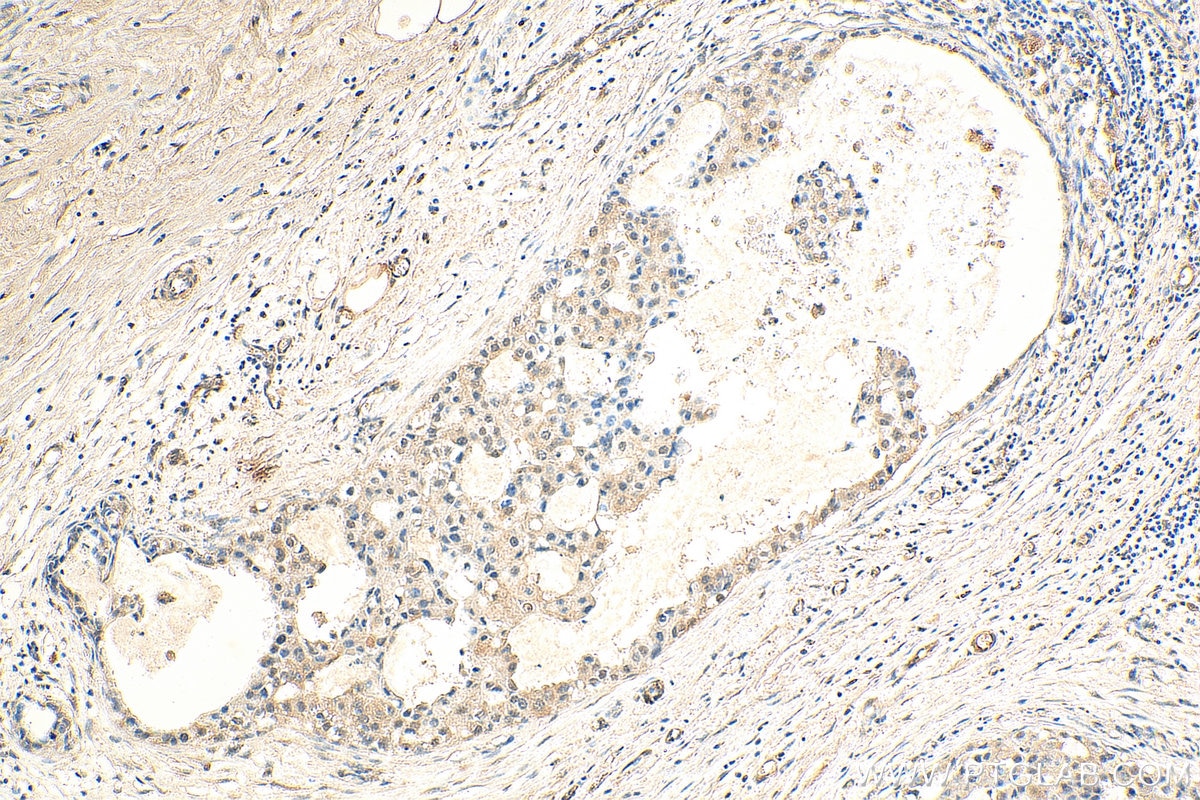
| Positive IHC detected in | human breast cancer tissue Note: suggested antigen retrieval with TE buffer pH 9.0; (*) Alternatively, antigen retrieval may be performed with citrate buffer pH 6.0 |
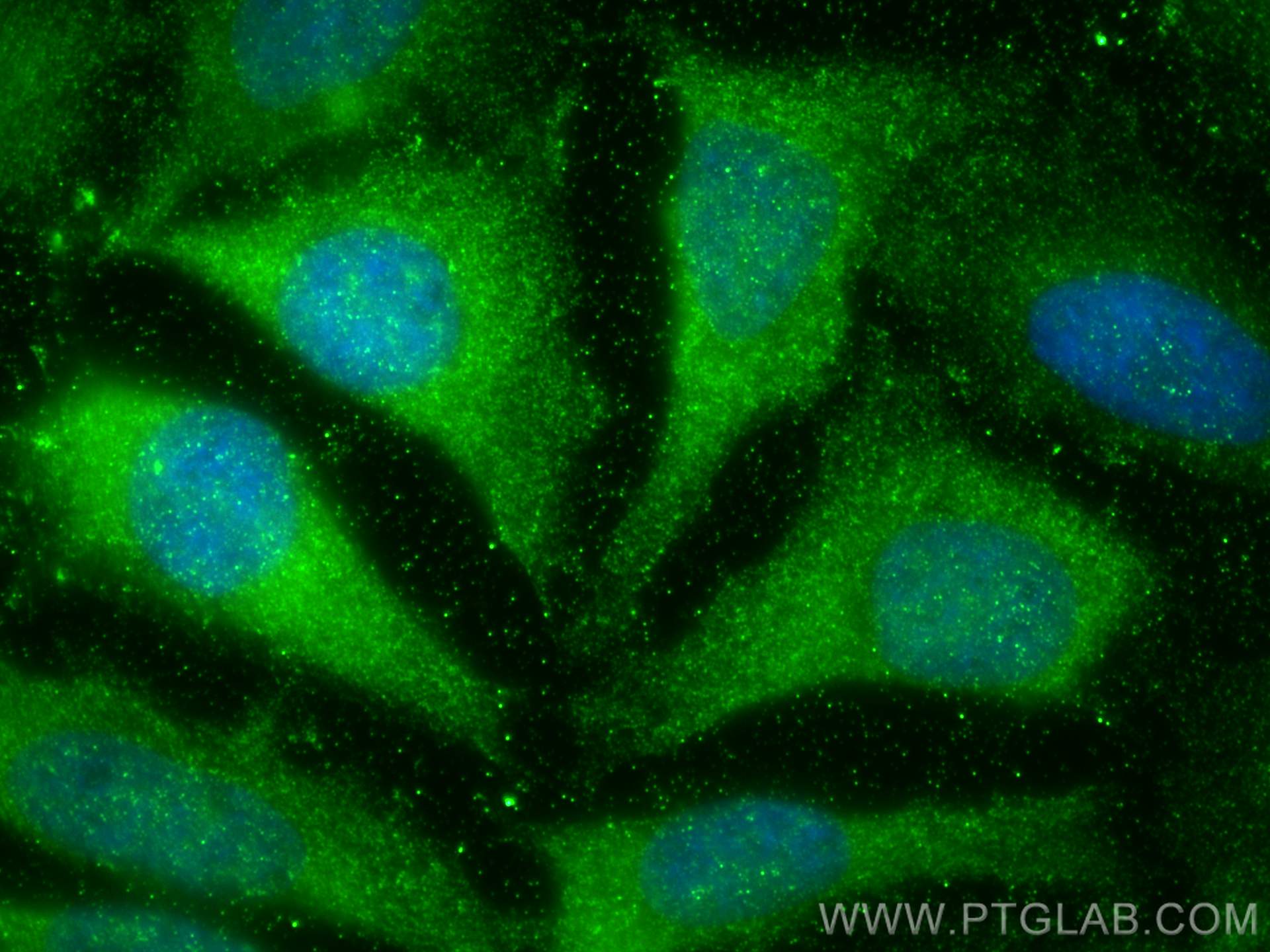
| Positive IF/ICC detected in | HeLa cells |
Recommended dilution
| Application | Dilution |
|---|---|
| Western Blot (WB) | WB : 1:5000-1:50000 |
| Immunohistochemistry (IHC) | IHC : 1:50-1:500 |
| Immunofluorescence (IF)/ICC | IF/ICC : 1:200-1:800 |
| It is recommended that this reagent should be titrated in each testing system to obtain optimal results. | |
| Sample-dependent, Check data in validation data gallery. | |
Product Information
80457-1-RR targets AKT1-Specific in WB, IHC, IF/ICC, CoIP, ELISA applications and shows reactivity with human, mouse samples.
| Tested Reactivity | human, mouse |
| Cited Reactivity | human, mouse |
| Host / Isotype | Rabbit / IgG |
| Class | Recombinant |
| Type | Antibody |
| Immunogen |
Peptide Predict reactive species |
| Full Name | v-akt murine thymoma viral oncogene homolog 1 |
| Observed Molecular Weight | 56-62 kDa |
| GenBank Accession Number | NM_005163 |
| Gene Symbol | AKT1 |
| Gene ID (NCBI) | 207 |
| RRID | AB_2918893 |
| Conjugate | Unconjugated |
| Form | Liquid |
| Purification Method | Protein A purification |
| UNIPROT ID | P31749 |
| Storage Buffer | PBS with 0.02% sodium azide and 50% glycerol, pH 7.3. |
| Storage Conditions | Store at -20°C. Stable for one year after shipment. Aliquoting is unnecessary for -20oC storage. 20ul sizes contain 0.1% BSA. |
Background Information
AKT is a serine/threonine kinase and it participates in the key role of the PI3K signaling pathway. Phosphatidylinositol-3 kinase (PI3K) is the key regulator of AKT activation. The recruitment of inactive AKT protein to PIP3-rich areas of the plasma membrane results in a conformational change that exposes the activation loop of AKT. AKT's activating kinase, phosphoinositide-dependent protein kinase (PDK1) , is also recruited to PIP3 microdomains. PDK1 phosphorylates AKT on threonine 308 (Thr308) of the exposed activation loop, activating AKT and leading to a second phosphorylation of AKT at serine 473 (Ser473) by a kinase presumed to be mTORC2 that further potentiates kinase activity. Active AKT will phosphorylate various downstream protein targets that control cell growth and translational control and act to suppress apoptosis. (PMID: 31594388, PMID: 30808672). 80457-1-RR specifically recognizes AKT1.
Protocols
| Product Specific Protocols | |
|---|---|
| IF protocol for AKT1-Specific antibody 80457-1-RR | Download protocol |
| IHC protocol for AKT1-Specific antibody 80457-1-RR | Download protocol |
| WB protocol for AKT1-Specific antibody 80457-1-RR | Download protocol |
| Standard Protocols | |
|---|---|
| Click here to view our Standard Protocols |
Publications
What published studies show
The AKT1 Rabbit mAb (Cat# 80457-1-RR) has 15 citations across 14 journals, including Nature Communications, Redox Biology, Advanced Science, Phytomedicine, Oncogene, Cell Reports, and Scientific Reports. Cited research spans oncology (hepatocellular carcinoma, ovarian germ cell tumors), neurodegeneration (Parkinson's disease), immunology (antitumor immunity, urticaria), cardiology (myocardial/renal ischemia-reperfusion injury), gastroenterology (ulcerative colitis), pulmonology (fibrosis), dermatology (atopic dermatitis), and virology.
| Species | Application | Title |
|---|---|---|
Nat Commun Multi-protomics analysis identified host cellular pathways perturbed by tick-borne encephalitis virus infection | ||
Redox Biol CircSV2b participates in oxidative stress regulation through miR-5107-5p-Foxk1-Akt1 axis in Parkinson's disease | ||
Adv Sci (Weinh) POSTN-Mediated Interplay of M1 Polarized Macrophage with Tendon-Derived Stem Cells to Drive Traumatic Heterotopic Ossification Formation through PTK7/ATK Signaling | ||
Phytomedicine Apigenin ameliorates inflamed ulcerative colitis by regulating mast cell degranulation via the PAMP-MRGPRX2 feedback loop | ||
Phytomedicine Schisandrin B regulates mitochondrial dynamics via AKT1 activation and mitochondrial targeting to ameliorate renal ischemia-reperfusion injury | ||
Oncogene The protection of UCK2 protein stability by GART maintains pyrimidine salvage synthesis for HCC growth under glucose limitation |








