

Tested Applications
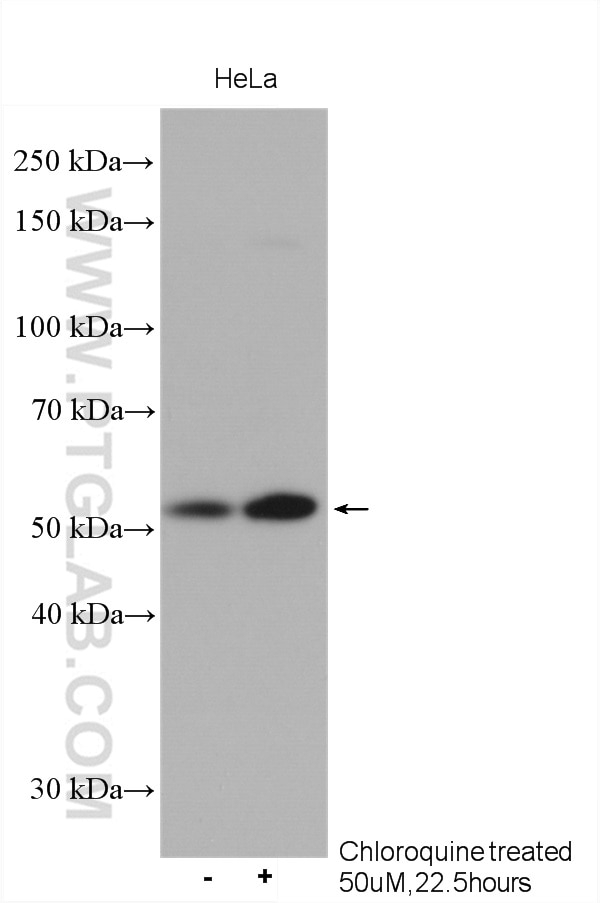
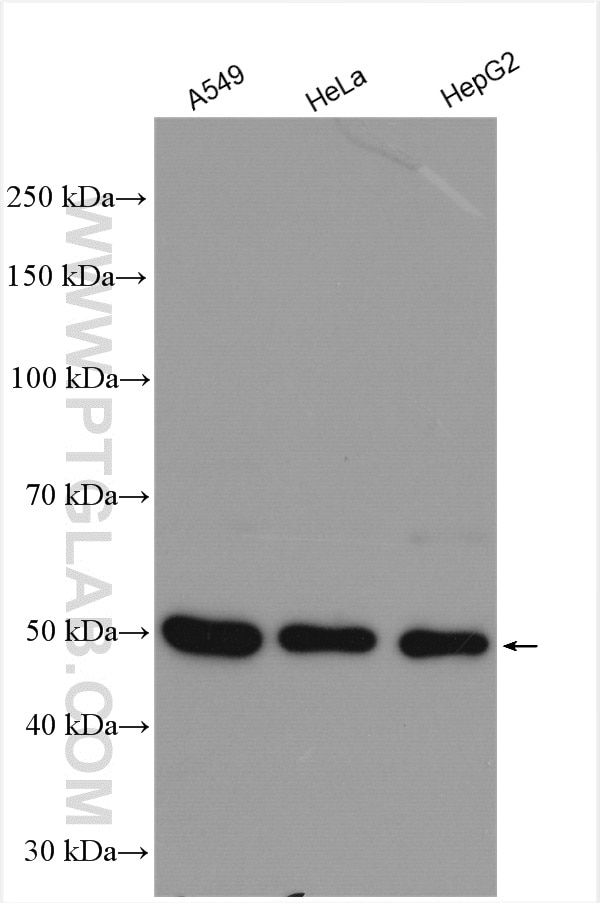
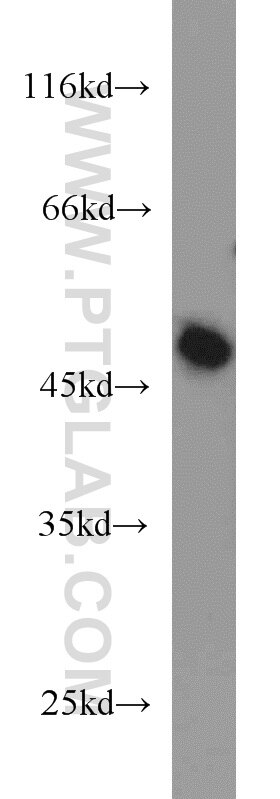
| Positive WB detected in | A549 cells, HeLa cells, mouse kidney tissue, HepG2 cells |
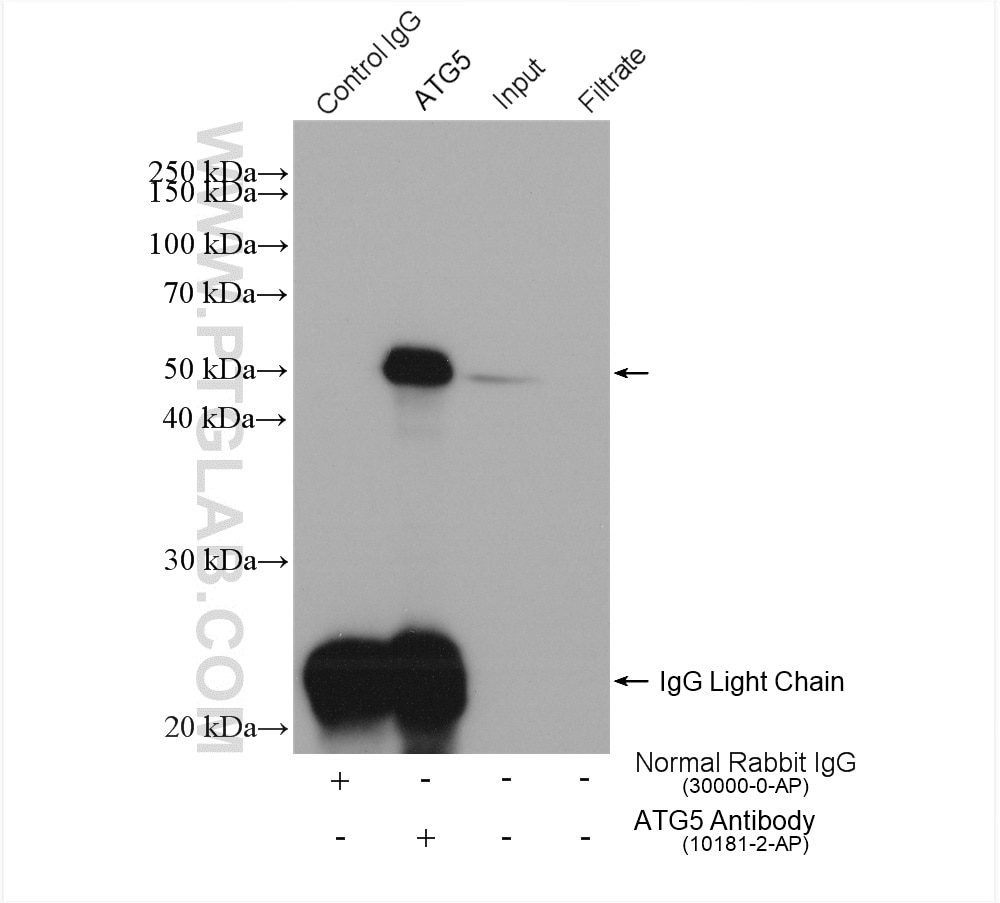
| Positive IP detected in | HeLa cells |
Recommended dilution
| Application | Dilution |
|---|---|
| Western Blot (WB) | WB : 1:1000-1:5000 |
| Immunoprecipitation (IP) | IP : 0.5-4.0 ug for 1.0-3.0 mg of total protein lysate |
| It is recommended that this reagent should be titrated in each testing system to obtain optimal results. | |
| Sample-dependent, Check data in validation data gallery. | |
Product Information
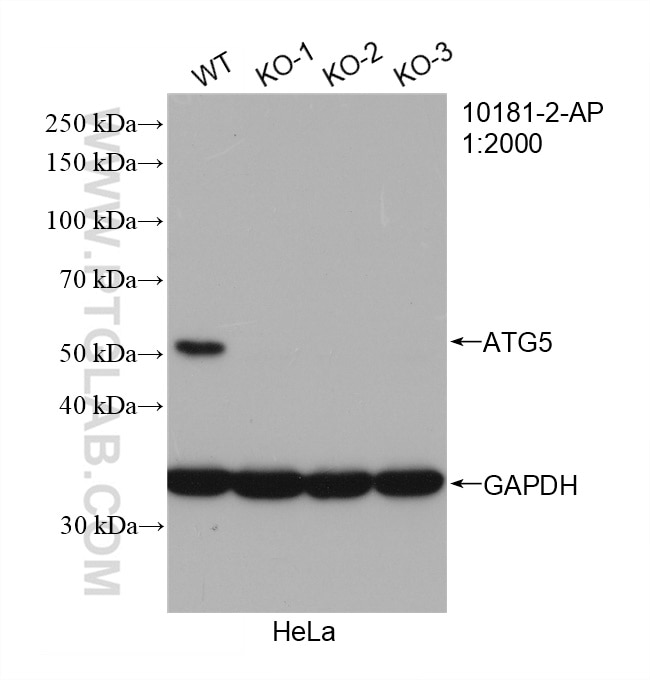
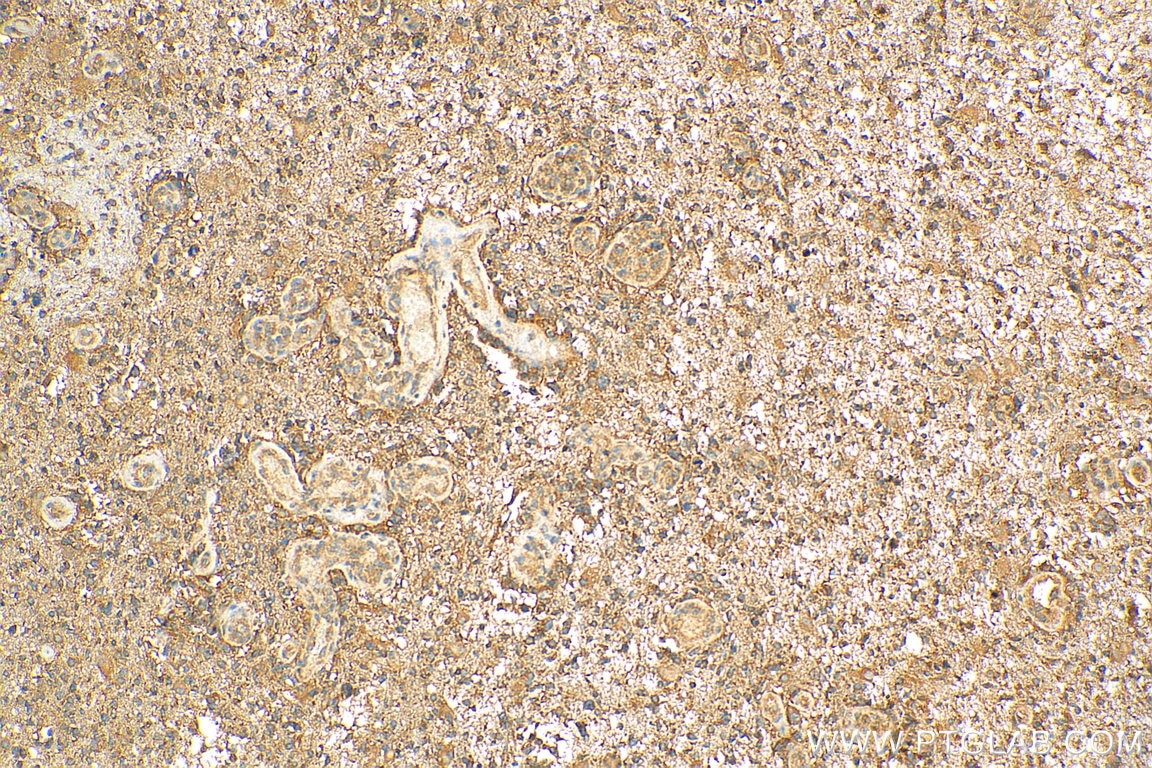
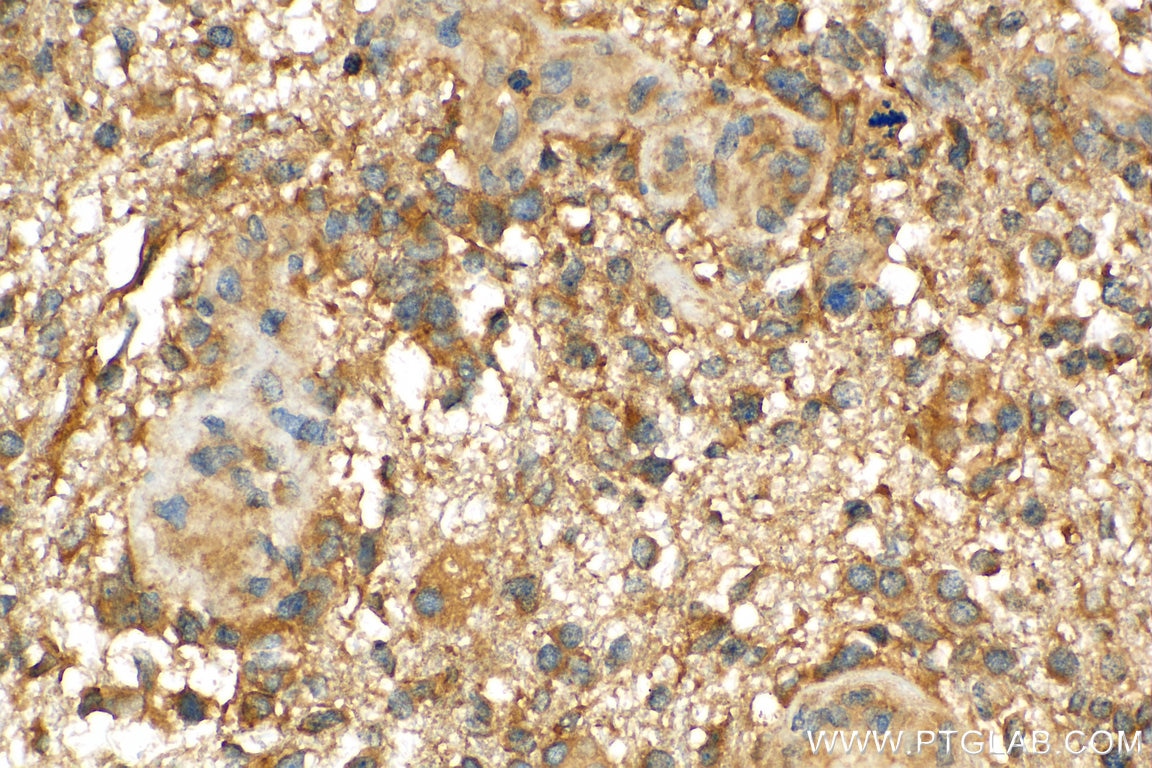
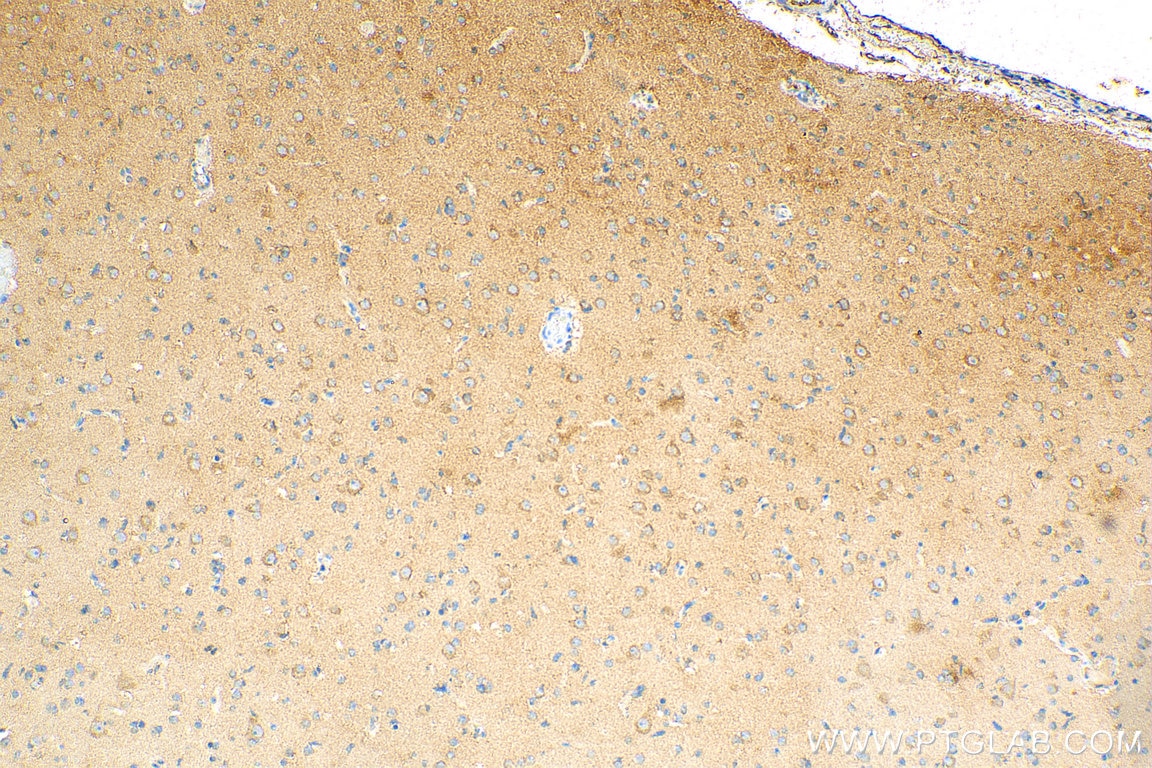
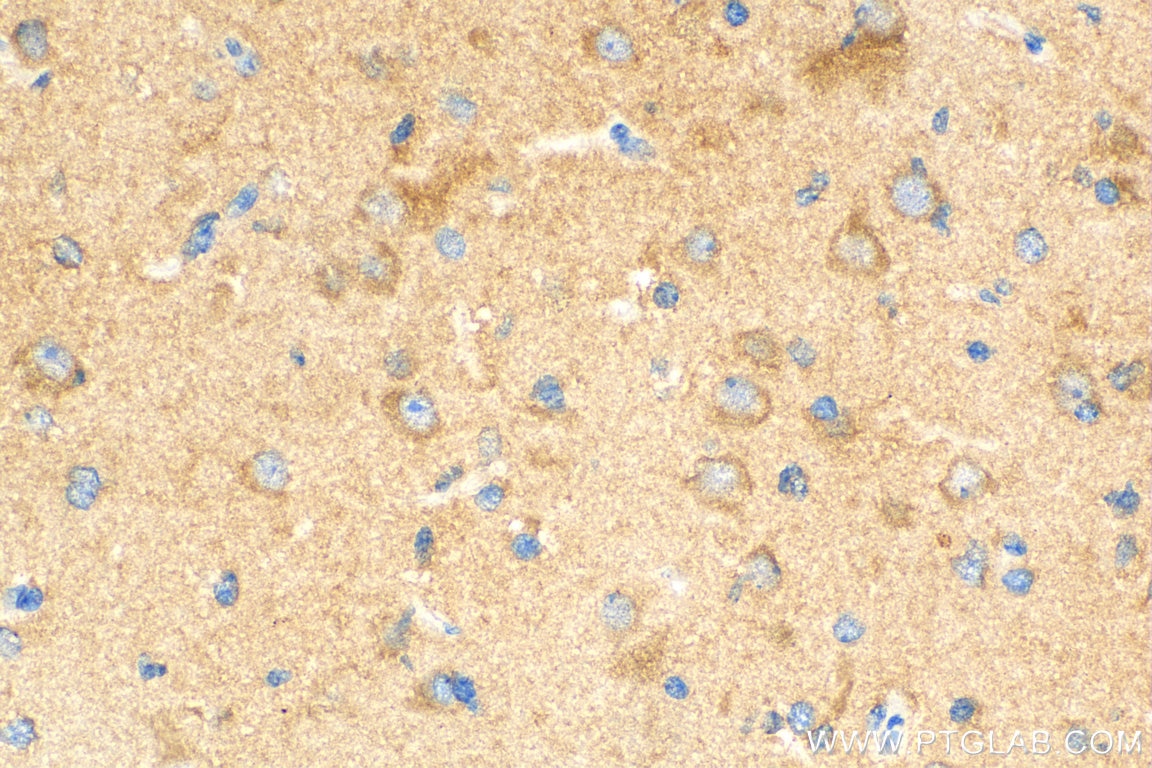
10181-2-AP targets ATG5 in WB, IHC, IF, IP, CoIP, ELISA applications and shows reactivity with human, mouse, rat samples.
| Tested Reactivity | human, mouse, rat |
| Cited Reactivity | human, mouse, rat, pig, monkey, chicken, bovine, hamster, goat |
| Host / Isotype | Rabbit / IgG |
| Class | Polyclonal |
| Type | Antibody |
| Immunogen |
CatNo: Ag0214 Product name: Recombinant human ATG5 protein Source: e coli.-derived, PGEX-4T Tag: GST Domain: 28-275 aa of BC002699 Sequence: TEREAEPYYLLLPRVSYLTLVTDKVKKHFQKVMRQEDISEIWFEYEGTPLKWHYPIGLLFDLLASSSALPWNITVHFKSFPEKDLLHCPSKDAIEAHFMSCMKEADALKHKSQVINEMQKKDHKQLWMGLQNDRFDQFWAINRKLMEYPAEENGFRYIPFRIYQTTTERPFIQKLFRPVAADGQLHTLGDLLKEVCPSAIDPEDGEKKNQVMIHGIEPMLETPLQWLSEHLSYPDNFLHISIIPQPTD Predict reactive species |
| Full Name | ATG5 autophagy related 5 homolog (S. cerevisiae) |
| Calculated Molecular Weight | 32 kDa |
| Observed Molecular Weight | 32 kDa, 40-45 kDa, 50-55 kDa |
| GenBank Accession Number | BC002699 |
| Gene Symbol | ATG5 |
| Gene ID (NCBI) | 9474 |
| RRID | AB_2062045 |
| Conjugate | Unconjugated |
| Form | Liquid |
| Purification Method | Antigen affinity purification |
| UNIPROT ID | Q9H1Y0 |
| Storage Buffer | PBS with 0.02% sodium azide and 50% glycerol, pH 7.3. |
| Storage Conditions | Store at -20°C. Stable for one year after shipment. Aliquoting is unnecessary for -20oC storage. 20ul sizes contain 0.1% BSA. |
Background Information
ATG5, also named as APG5L and ASP, belongs to the ATG5 family. It is required for autophagy. It plays an important role in the apoptotic process, possibly within the modified cytoskeleton. Its expression is a relatively late event in the apoptotic process, occurring downstream of caspase activity. Autophagy is a catabolic process for the autophagosomic-lysosomal degradation of bulk cytoplasmic contents. Formation of the autophagosome involves a ubiquitin-like conjugation system in which Atg12 is covalently bound to Atg5 and targeted to autophagosome vesicles. It mediates autophagosome-independent host protection. This antibody is raised against 28-275 amino acids of human ATG5. It can recognize the ATG5-ATG12 complex (55 kDa) which can be truncated and generate a 40-45 kDa band. 10181-2-AP also recognizes the free ATG5 (32 kDa).
Protocols
| Product Specific Protocols | |
|---|---|
| IHC protocol for ATG5 antibody 10181-2-AP | Download protocol |
| IP protocol for ATG5 antibody 10181-2-AP | Download protocol |
| WB protocol for ATG5 antibody 10181-2-AP | Download protocol |
| Standard Protocols | |
|---|---|
| Click here to view our Standard Protocols |
Publications
What published studies show
The ATG5 Polyclonal antibody (Cat# 10181-2-AP) has accumulated 505 citations. Publications appear in high-impact journals including Science, Nature Cell Biology, Nature Communications, Cell Research, Autophagy, Cell Death & Differentiation, Cell Death & Disease, Advanced Science, Cancer Letters, and Free Radical Biology and Medicine. Research fields span autophagy, mitophagy, ferroptosis, cancer biology, neurodegeneration, cardiovascular disease, liver disease, inflammation, and immunology, with applications primarily in Western blot, IHC, IF, and IP.
| Species | Application | Title |
|---|---|---|
Signal Transduct Target Ther Targeting CRL4 suppresses chemoresistant ovarian cancer growth by inducing mitophagy | ||
Science Endosomal lipid signaling reshapes the endoplasmic reticulum to control mitochondrial function
| ||
Mol Cancer Long non-coding RNA GBCDRlnc1 induces chemoresistance of gallbladder cancer cells by activating autophagy. | ||
Cell Res Degradation of lipid droplets by chimeric autophagy-tethering compounds.
| ||
Mil Med Res Ultrasound-triggered microbubble destruction enhances the radiosensitivity of glioblastoma by inhibiting PGRMC1-mediated autophagy in vitro and in vivo. | ||
Nat Aging DNA damage in macrophages drives immune autoreactivity via nuclear antigen presentation. |
Reviews
What customers say
All six reviews are highly positive, with five five-star and one four-star rating. The antibody performs reliably in Western Blot across human and mouse samples, including Caco2 cells, mouse liver, and colon tissue, producing clear Atg5 (33 kDa) and Atg5-12 complex (56 kDa) bands. One reviewer also confirmed successful use in immunofluorescence with siRNA validation. Recommended dilutions range from 1:1000 to 1:2000, and TBST or 3% milk TBS-T blocking conditions work well. Overall, users report consistent, high-quality results with no notable issues.
The reviews below have been submitted by verified Proteintech customers who received an incentive for providing their feedback.
JULIE (Verified Customer) (03-13-2026) | work on endogenous human cell lysates for western-blot and immunofluorescence validated with siRNA
|
Priya (Verified Customer) (08-09-2023) | Used for Caco2 cells and mice colon tissue
|
Kamal (Verified Customer) (06-29-2023) | Works well with TBST. Atg5-12 complex (56 kDa) and Atg5 (33kDa) bands came out nice and clear.
|
Priya (Verified Customer) (06-21-2023) | Used this antibody for Caco2 cells andmice tissue
|
Priya (Verified Customer) (06-21-2023) | Used this antibody for Caco2 cells and mice tissue
|
Benjamin (Verified Customer) (01-07-2020) | Works well in western blot in 3% milk TBS-T
|










