

Tested Applications
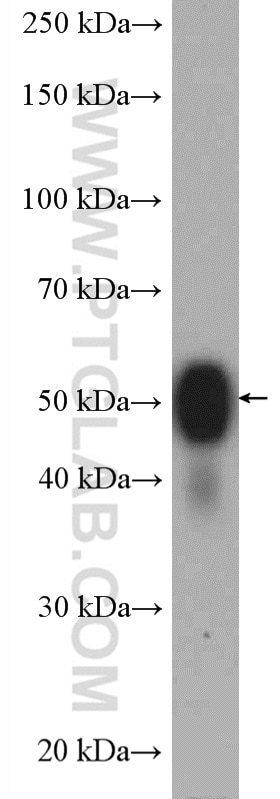
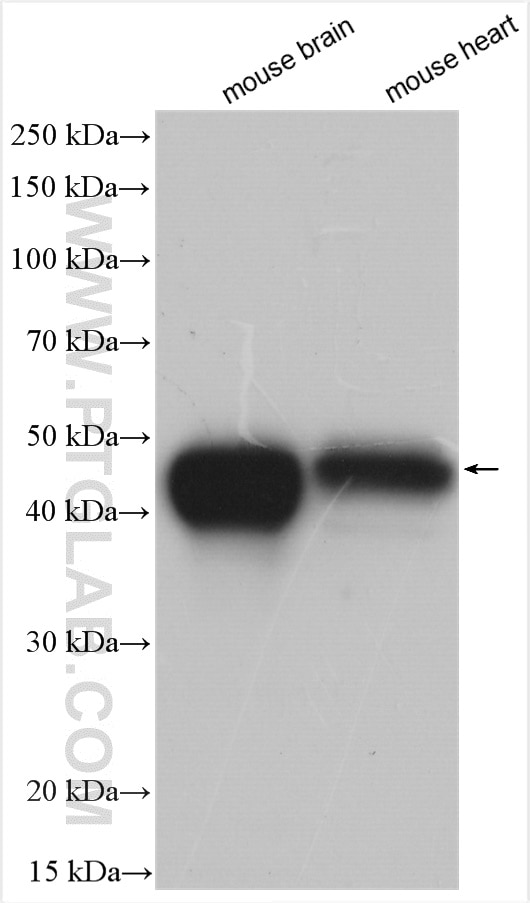
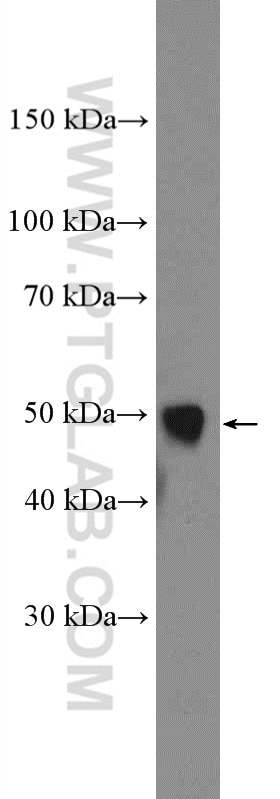
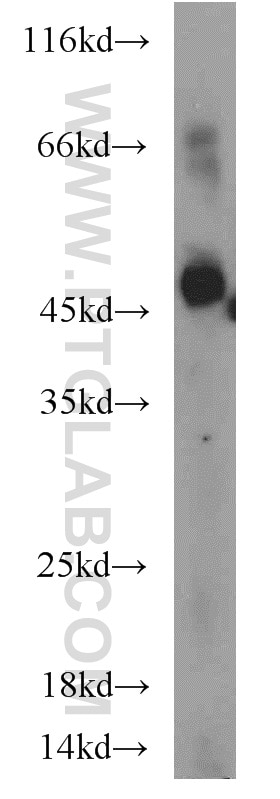
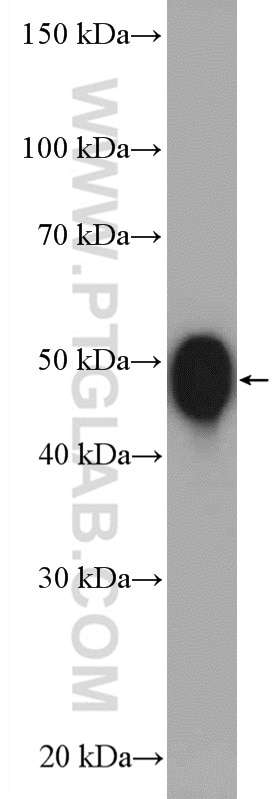
| Positive WB detected in | mouse brain tissue, human heart tissue, human brain tissue, mouse heart tissue |
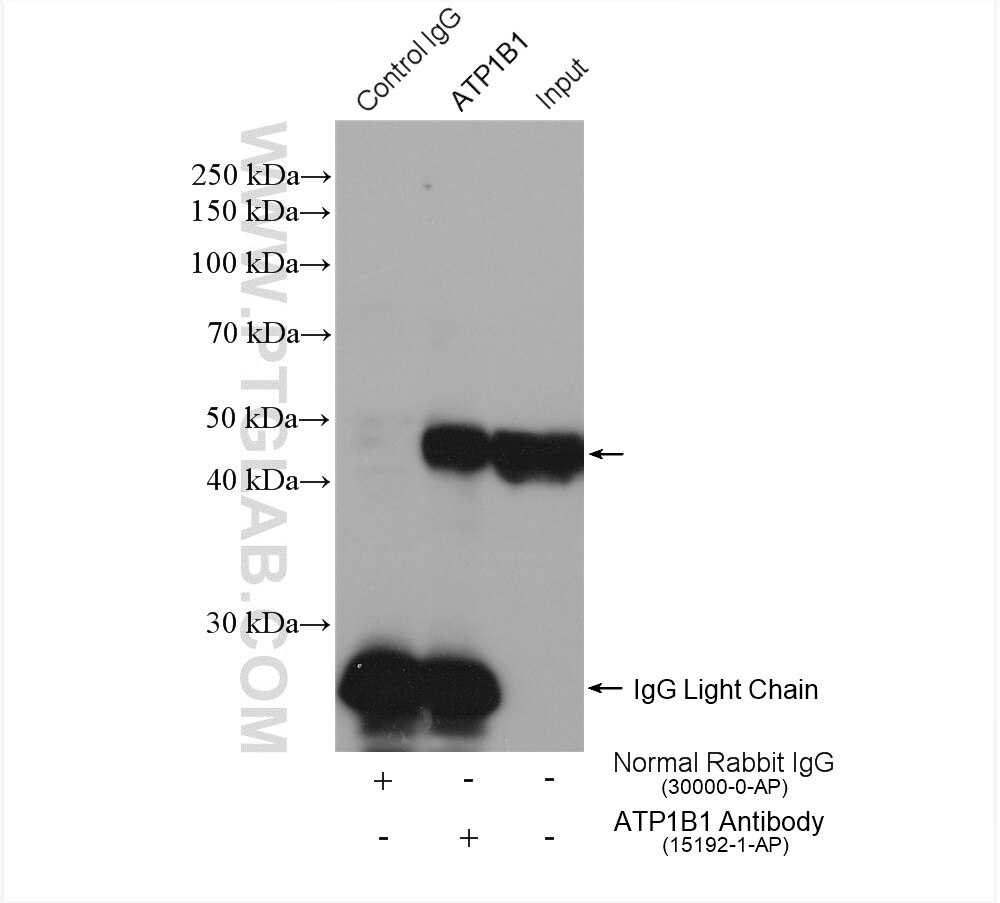
| Positive IP detected in | mouse brain tissue |
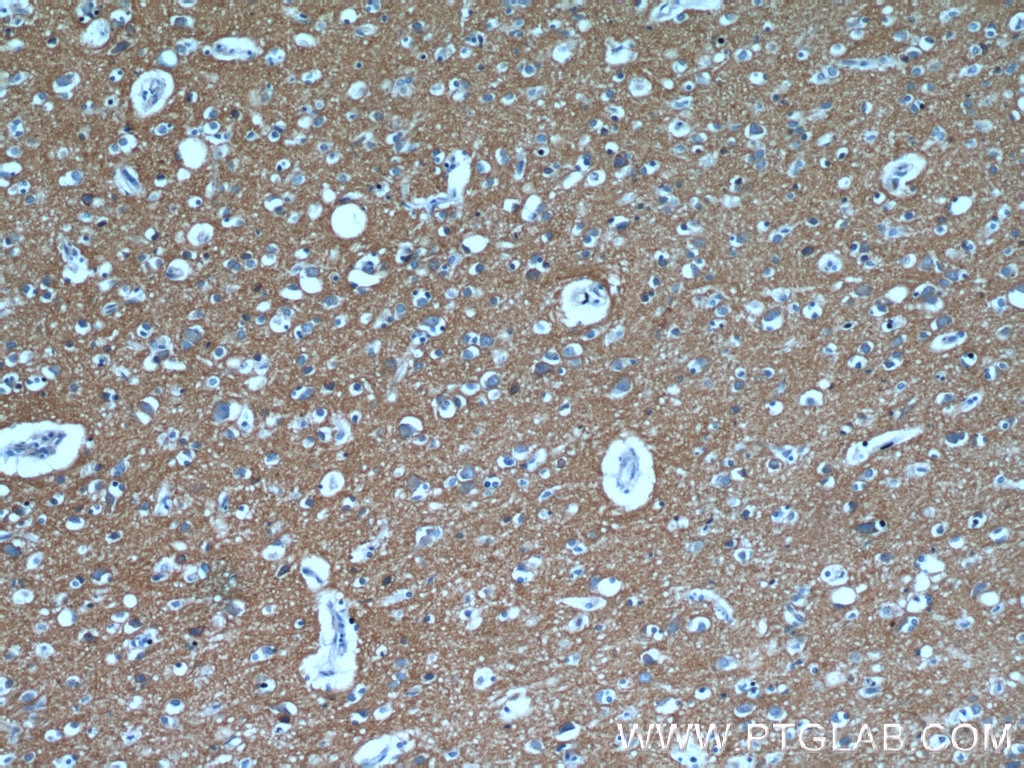
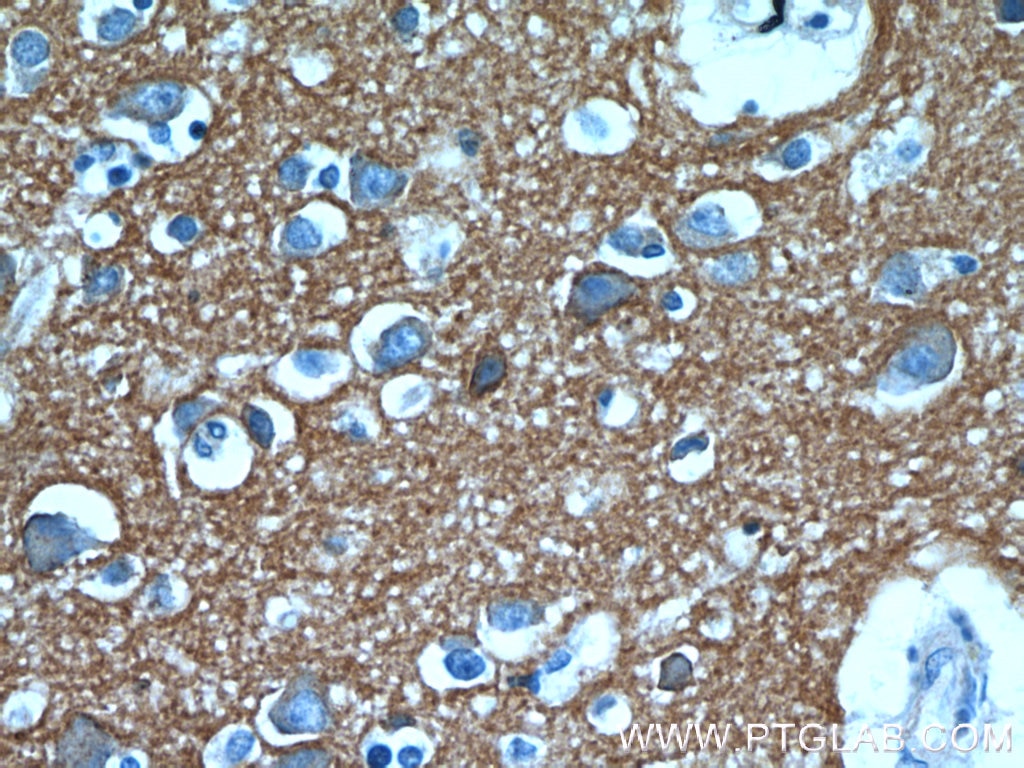
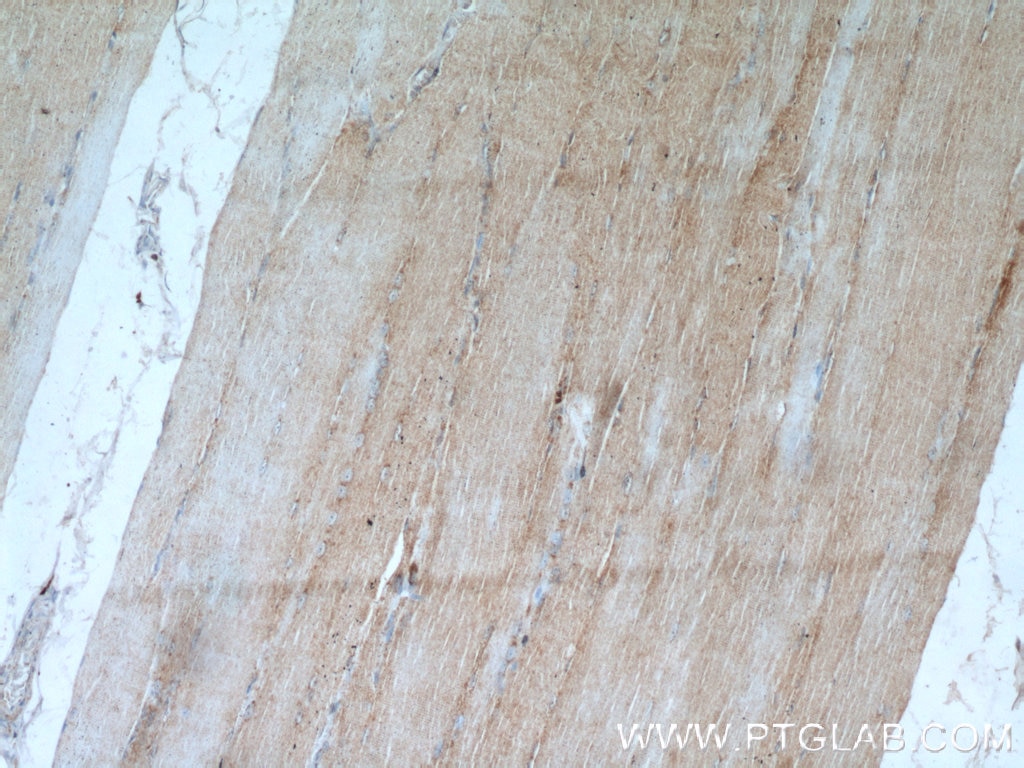
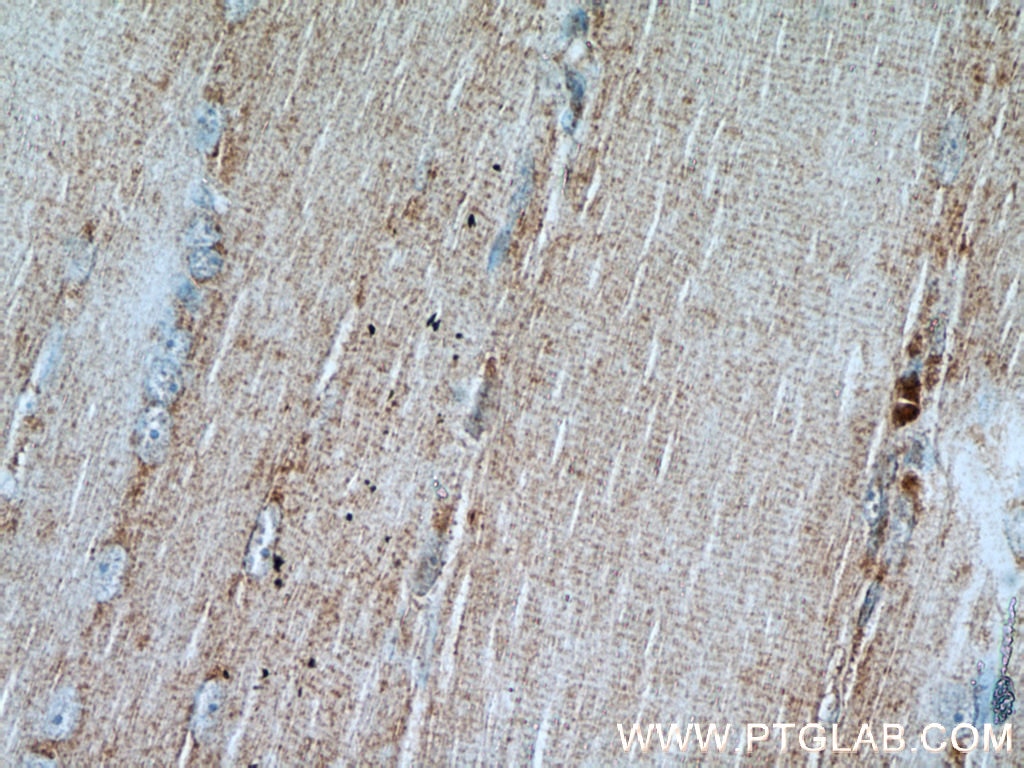
| Positive IHC detected in | human brain tissue, human skeletal muscle tissue Note: suggested antigen retrieval with TE buffer pH 9.0; (*) Alternatively, antigen retrieval may be performed with citrate buffer pH 6.0 |
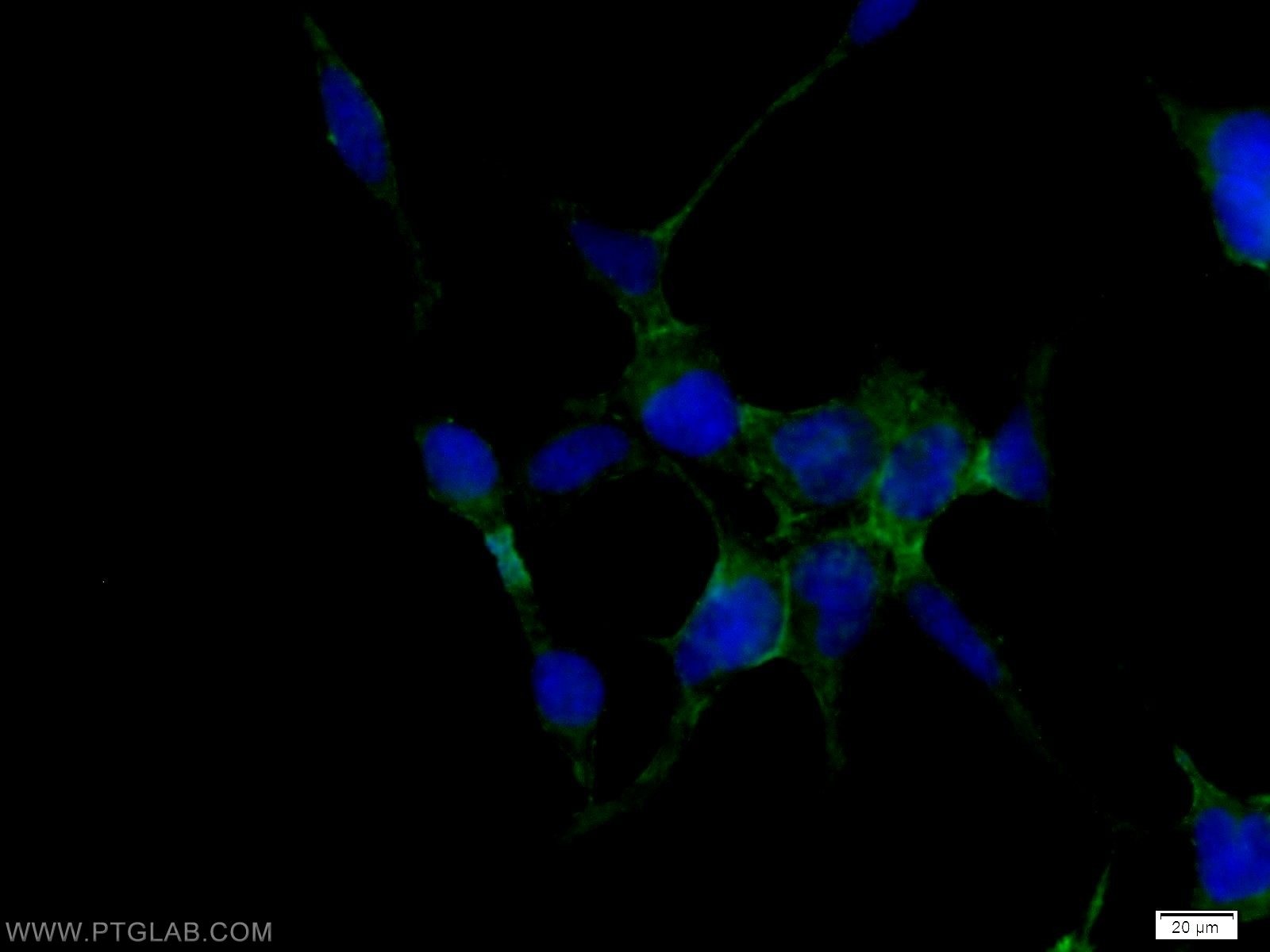
| Positive IF/ICC detected in | HEK-293 cells |
Recommended dilution
| Application | Dilution |
|---|---|
| Western Blot (WB) | WB : 1:1000-1:8000 |
| Immunoprecipitation (IP) | IP : 0.5-4.0 ug for 1.0-3.0 mg of total protein lysate |
| Immunohistochemistry (IHC) | IHC : 1:20-1:200 |
| Immunofluorescence (IF)/ICC | IF/ICC : 1:10-1:100 |
| It is recommended that this reagent should be titrated in each testing system to obtain optimal results. | |
| Sample-dependent, Check data in validation data gallery. | |
Product Information
15192-1-AP targets ATP1B1 in WB, IHC, IF/ICC, IP, CoIP, ELISA applications and shows reactivity with human, mouse samples.
| Tested Reactivity | human, mouse |
| Cited Reactivity | human, mouse, rat |
| Host / Isotype | Rabbit / IgG |
| Class | Polyclonal |
| Type | Antibody |
| Immunogen |
CatNo: Ag7279 Product name: Recombinant human ATP1B1 protein Source: e coli.-derived, PGEX-4T Tag: GST Domain: 59-303 aa of BC000006 Sequence: LTISEFKPTYQDRVAPPGLTQIPQIQKTEISFRPNDPKSYEAYVLNIVRFLEKYKDSAQRDDMIFEDCGDVPSEPKERGDFNHERGERKVCRFKLEWLGNCSGLNDETYGYKEGKPCIIIKLNRVLGFKPKPPKNESLETYPVMKYNPNVLPVQCTGKRDEDKDKVGNVEYFGLGNSPGFPLQYYPYYGKLLQPKYLQPLLAVQFTNLTMDTEIRIECKAYGENIGYSEKDRFQGRFDVKIEVKS Predict reactive species |
| Full Name | ATPase, Na+/K+ transporting, beta 1 polypeptide |
| Calculated Molecular Weight | 35 kDa |
| Observed Molecular Weight | 45-52 kDa |
| GenBank Accession Number | BC000006 |
| Gene Symbol | ATP1B1 |
| Gene ID (NCBI) | 481 |
| RRID | AB_2290040 |
| Conjugate | Unconjugated |
| Form | Liquid |
| Purification Method | Antigen affinity purification |
| UNIPROT ID | P05026 |
| Storage Buffer | PBS with 0.02% sodium azide and 50% glycerol, pH 7.3. |
| Storage Conditions | Store at -20°C. Stable for one year after shipment. Aliquoting is unnecessary for -20oC storage. 20ul sizes contain 0.1% BSA. |
Background Information
ATP1B1 is one of beta subunits of the Na+/K+ ATPase and responsible for formation and structural integrity of the Na+/K+ ATPase. The Na+/K+ ATPase is a plasma membrane pump consisting of alpha, beta, and gamma subunits. At least four of Na+/K+-ATPase beta subunits (β1, β2, β3, β4) have been identified in mammalian cells; the β1-subunit (ATP1B1) is the most ubiquitous. The Na+/K+ ATPase β subunits have multiple N-glycosylation sites. The predicted MW of ATP1B1 is 35 kDa, while it migrates around 40-52 kDa due to the variable glycosylation. (PMID: 10896885, 17714085)
Protocols
| Product Specific Protocols | |
|---|---|
| IF protocol for ATP1B1 antibody 15192-1-AP | Download protocol |
| IHC protocol for ATP1B1 antibody 15192-1-AP | Download protocol |
| IP protocol for ATP1B1 antibody 15192-1-AP | Download protocol |
| WB protocol for ATP1B1 antibody 15192-1-AP | Download protocol |
| Standard Protocols | |
|---|---|
| Click here to view our Standard Protocols |
Publications
What published studies show
ATP1B1 Polyclonal antibody (Cat# 15192-1-AP) has 18 total citations published across journals including Biomaterials, Molecular Therapy, Cell & Molecular Life Sciences, Molecular Metabolism, Journal of Biological Chemistry, Journal of Immunology, and others. Research fields span neuroscience (astrocytes, retinoschisis, neuropathic pain), cardiology, renal disease, metabolic regulation, innate immunity, and oncology.
| Species | Application | Title |
|---|---|---|
Biomaterials Astroglial membrane camouflaged Ptbp1 siRNA delivery hinders glutamate homeostasis via SDH/Nrf2 pathway | ||
Mol Ther Harnessing patient-derived antibodies-induced microglial complement 1q expression: Novel therapy for anti-NMDAR encephalitis. | ||
Cell Mol Life Sci PEBP4 deficiency aggravates LPS-induced acute lung injury and alveolar fluid clearance impairment via modulating PI3K/AKT signaling pathway | ||
Mol Metab Glycolytic activation of β-cell Na(+)/K(+)-ATPases containing β1-subunits accelerates Na(+) extrusion, prolonging the duration of Ca(2+) oscillations but decreasing insulin secretion. | ||
Drug Des Devel Ther Xian Huang Fang Inhibits the PKCδ/MAPK Signaling Pathway to Attenuate Renal Tubular Epithelial Cell Senescence and Thereby Delay Renal Interstitial Fibrosis | ||
Int J Mol Sci RBM20 Regulates CaV1.2 Surface Expression by Promoting Exon 9* Inclusion of CACNA1C in Neonatal Rat Cardiomyocytes. |
Reviews
What customers say
The single review for 15192-1-AP is a 5-star rating from a researcher who used the antibody for Western Blot on Mouse Aorta tissue at a 1:4000 dilution (Lot 00054515). The reviewer noted that it works well with in vivo samples, indicating reliable performance on native tissue preparations.
The reviews below have been submitted by verified Proteintech customers who received an incentive for providing their feedback.
Gaurav (Verified Customer) (02-27-2026) | Works with in vivo samples
|












