

Tested Applications
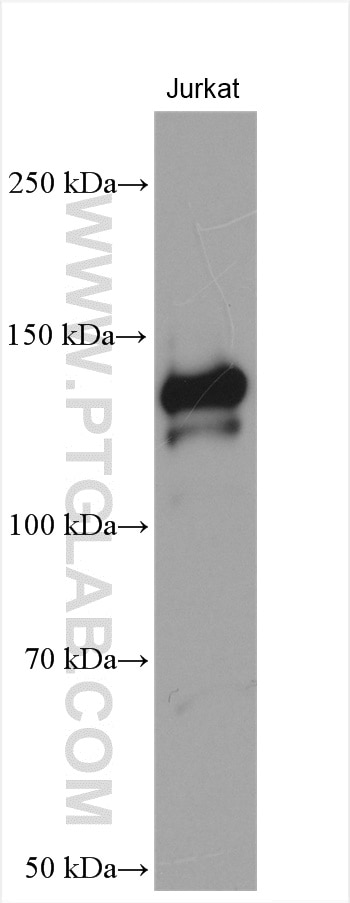
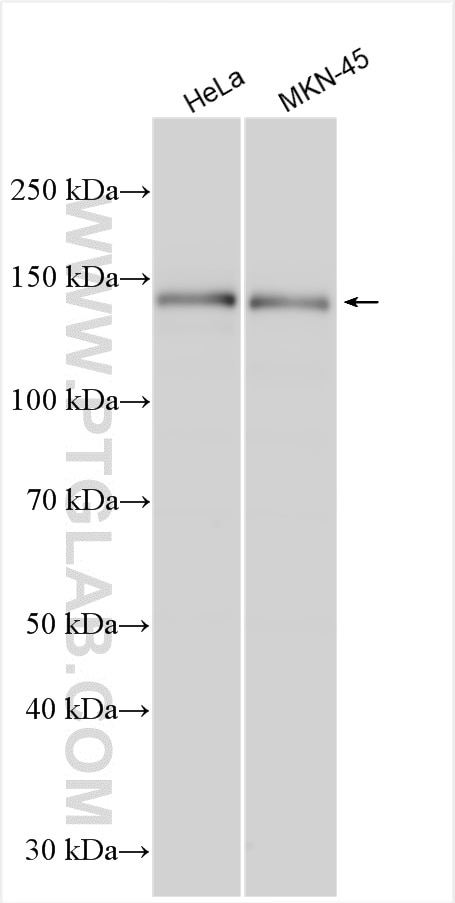
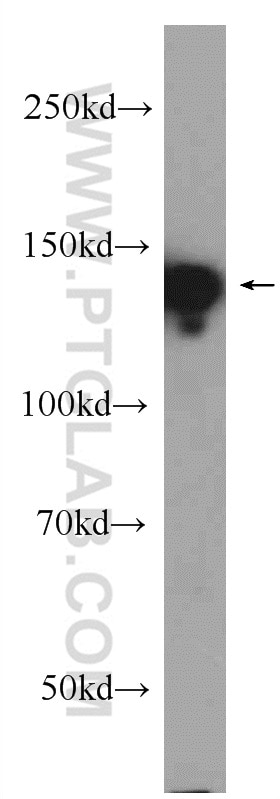
| Positive WB detected in | Jurkat cells, HeLa cells, MKN-45 cells |
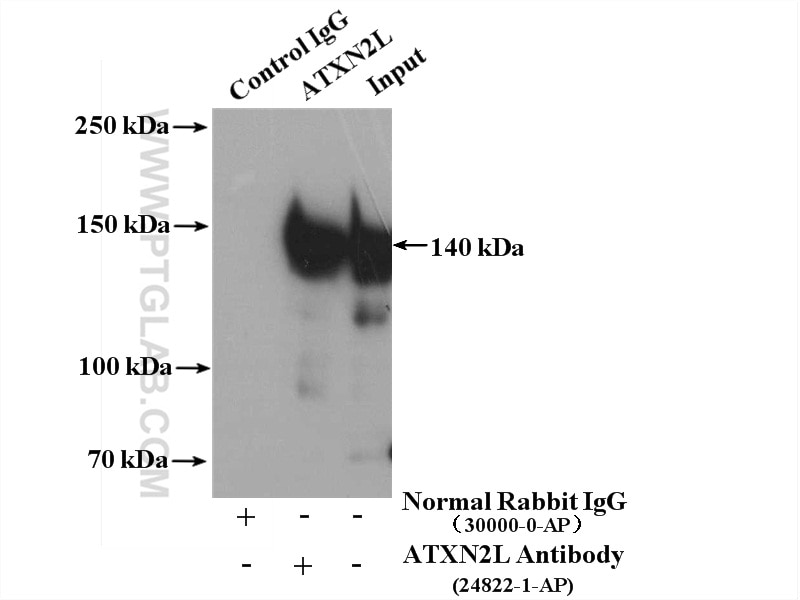
| Positive IP detected in | HeLa cells |
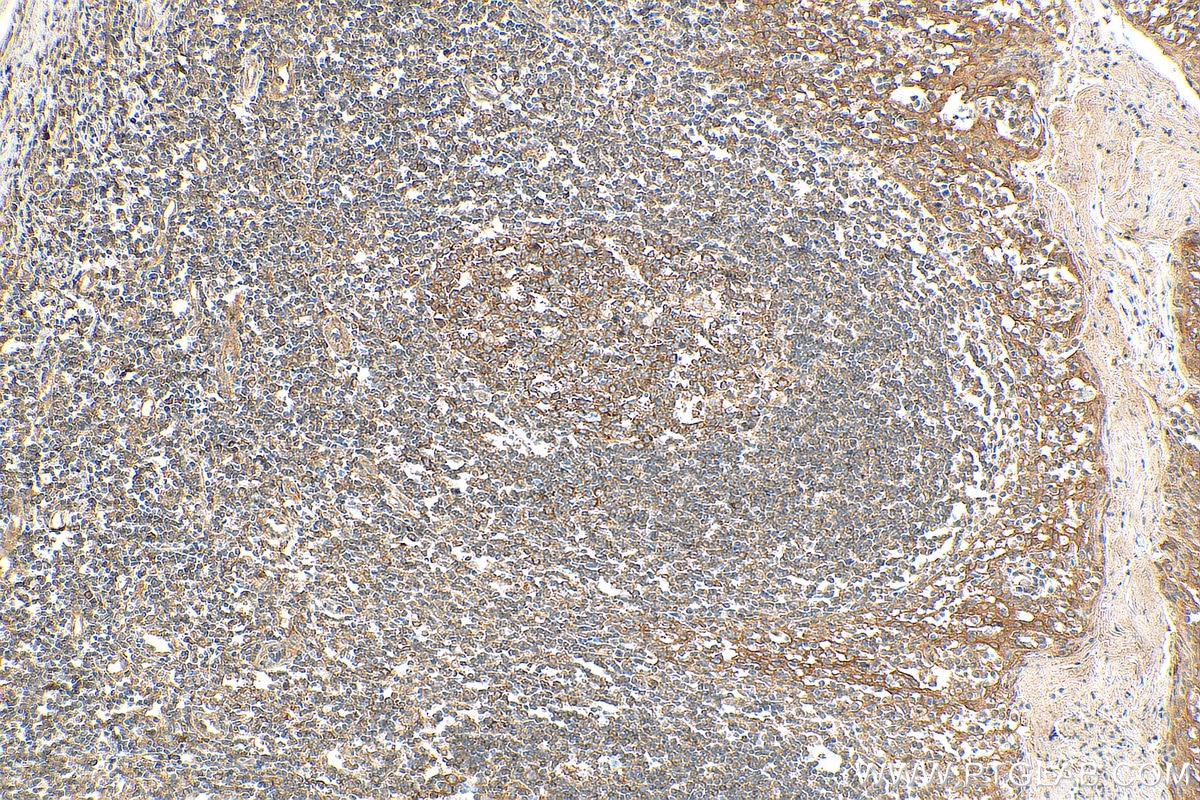
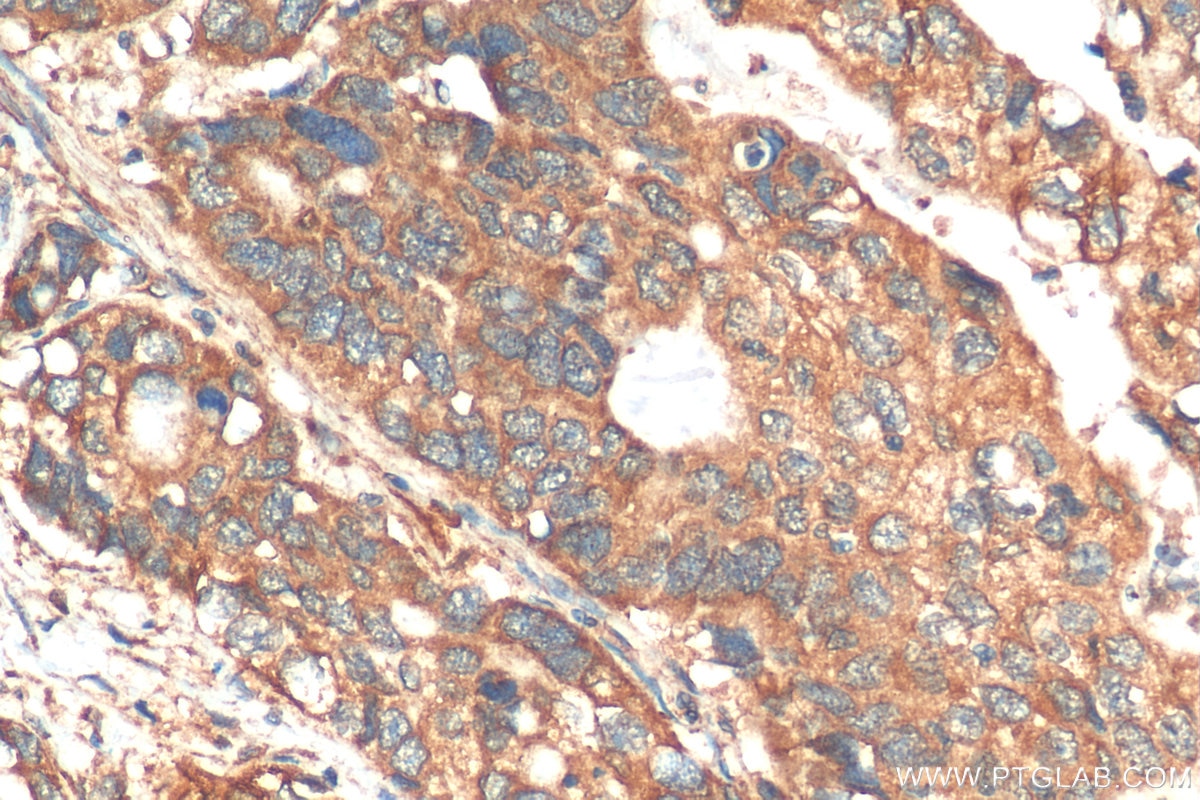
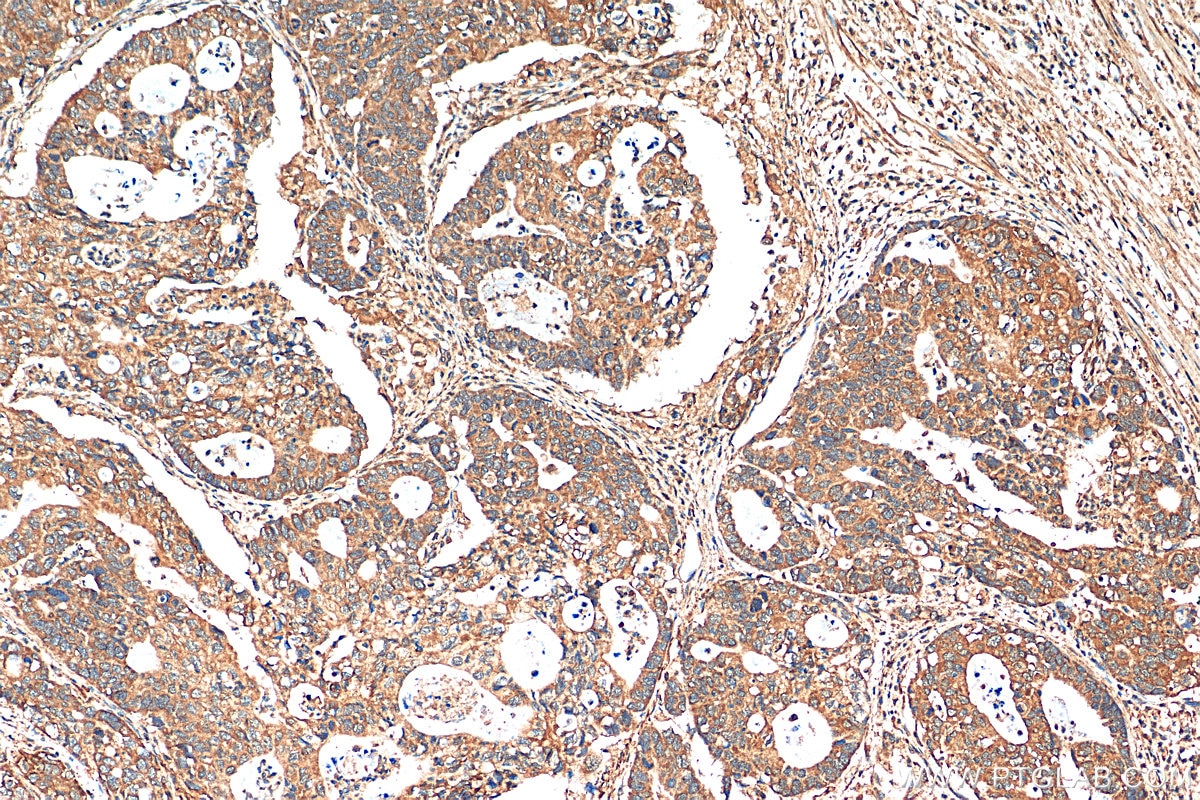
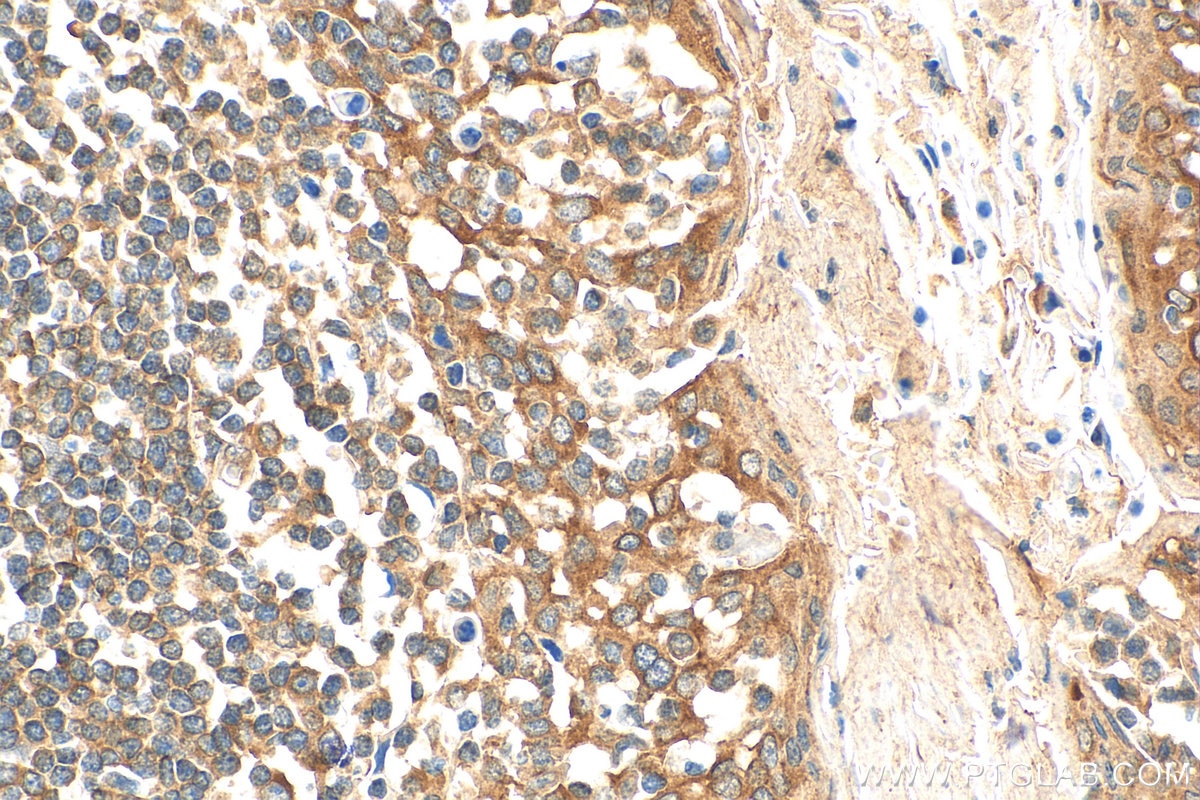
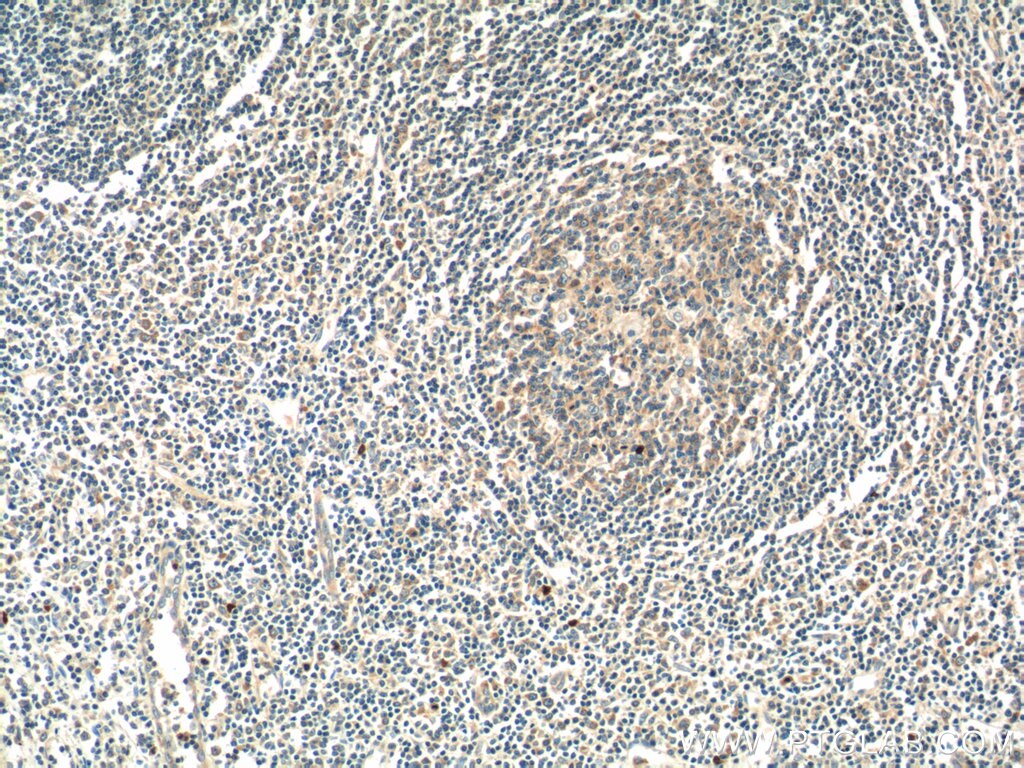
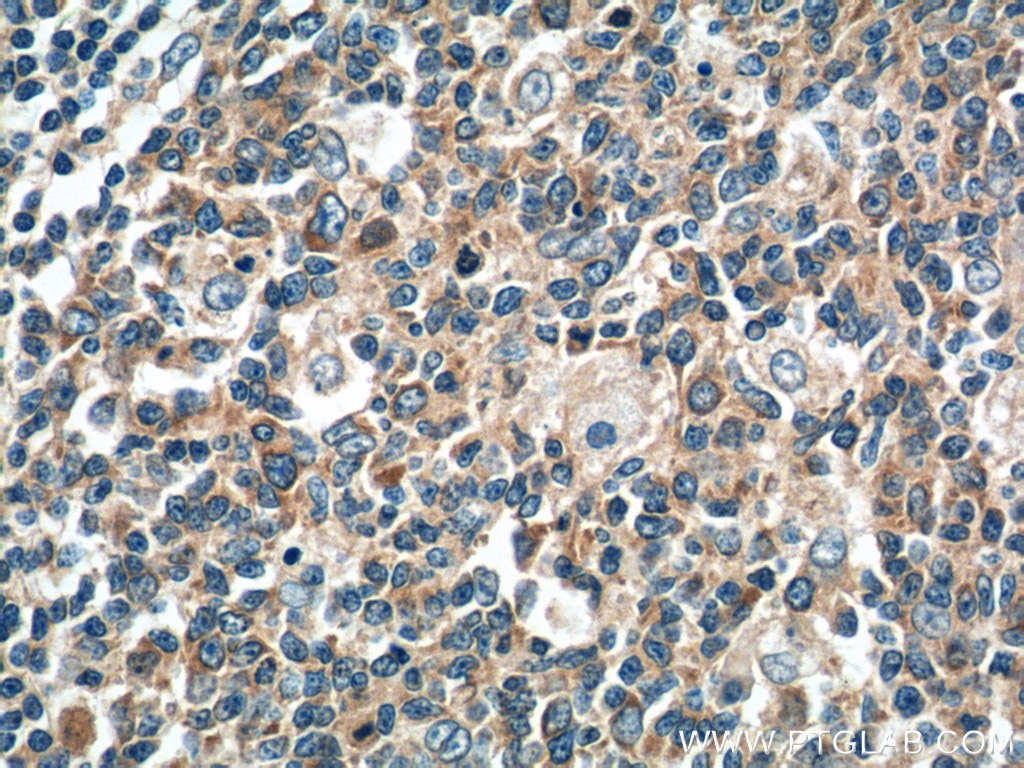
| Positive IHC detected in | human tonsillitis tissue, human stomach cancer tissue Note: suggested antigen retrieval with TE buffer pH 9.0; (*) Alternatively, antigen retrieval may be performed with citrate buffer pH 6.0 |
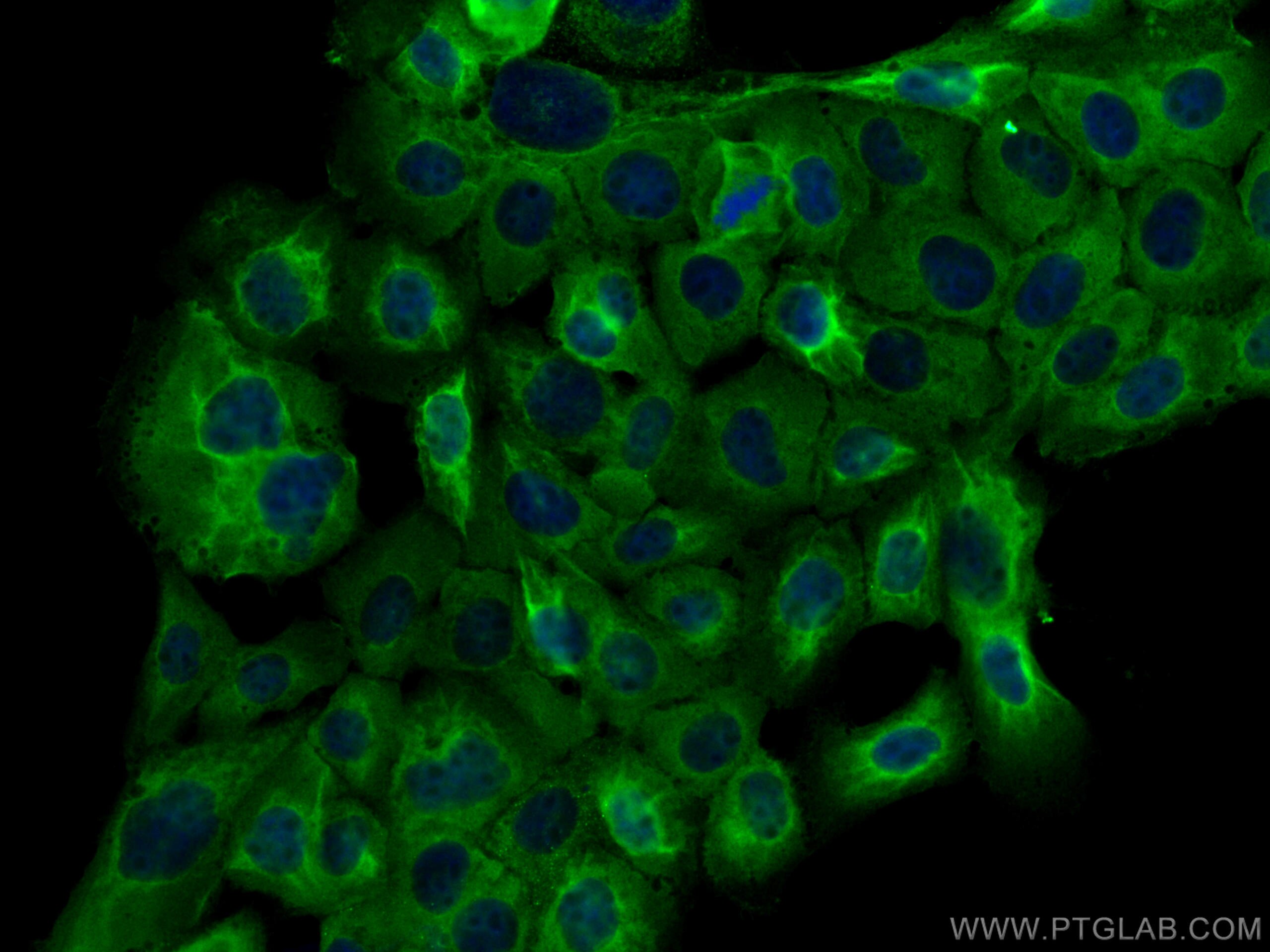
| Positive IF/ICC detected in | A431 cells |
Recommended dilution
| Application | Dilution |
|---|---|
| Western Blot (WB) | WB : 1:1000-1:8000 |
| Immunoprecipitation (IP) | IP : 0.5-4.0 ug for 1.0-3.0 mg of total protein lysate |
| Immunohistochemistry (IHC) | IHC : 1:50-1:500 |
| Immunofluorescence (IF)/ICC | IF/ICC : 1:200-1:800 |
| It is recommended that this reagent should be titrated in each testing system to obtain optimal results. | |
| Sample-dependent, Check data in validation data gallery. | |
Product Information
24822-1-AP targets ATXN2L in WB, IHC, IF/ICC, IP, CoIP, ELISA applications and shows reactivity with human, mouse samples.
| Tested Reactivity | human, mouse |
| Cited Reactivity | human, mouse, rat |
| Host / Isotype | Rabbit / IgG |
| Class | Polyclonal |
| Type | Antibody |
| Immunogen |
CatNo: Ag20581 Product name: Recombinant human ATXN2L protein Source: e coli.-derived, PGEX-4T Tag: GST Domain: 712-1062 aa of BC082760 Sequence: SYIPQIHMGPAVQAPQMYPYPVSNSVPGQQGKYRGAKGSLPPQRSDQHQPASAPPMMQAAAAAGPPLVAATPYSSYIPYNPQQFPGQPAMMQPMAHYPSQPVFAPMLQSNPRMLTSGSHPQAIVSSSTPQYPSAEQPTPQALYATVHQSYPHHATQLHAHQPQPATTPTGSQPQSQHAAPSPVQHQAGQAPHLGSGQPQQNLYHPGALTGTPPSLPPGPSAQSPQSSFPQPAAVYAIHHQQLPHGFTNMAHVTQAHVQTGITAAPPPHPGAPHPPQVMLLHPPQSHGGPPQGAVPQSGVPALSASTPSPYPYIGHPQGEQPGQAPGFPGGADDRILQSHPSQQLPFHPPGN Predict reactive species |
| Full Name | ataxin 2-like |
| Calculated Molecular Weight | 1062 aa, 112 kDa |
| Observed Molecular Weight | ~140 kDa |
| GenBank Accession Number | BC082760 |
| Gene Symbol | ATXN2L |
| Gene ID (NCBI) | 11273 |
| RRID | AB_2879743 |
| Conjugate | Unconjugated |
| Form | Liquid |
| Purification Method | Antigen affinity purification |
| UNIPROT ID | Q8WWM7 |
| Storage Buffer | PBS with 0.02% sodium azide and 50% glycerol, pH 7.3. |
| Storage Conditions | Store at -20°C. Stable for one year after shipment. Aliquoting is unnecessary for -20oC storage. 20ul sizes contain 0.1% BSA. |
Background Information
ATXN2L is a paralog of Ataxin-2 (ATXN2) but without abnormal polyQ expended track, which is conserved in most of the ATXNs and drives the pathogenesis of neurodegeneration. It was reported that ATXN2L was widely expressed in immortalized cell lines, and ATXN2L-JAK2 fusion was found in CD4-positive T-cell lymphoma.
Protocols
| Product Specific Protocols | |
|---|---|
| IF protocol for ATXN2L antibody 24822-1-AP | Download protocol |
| IHC protocol for ATXN2L antibody 24822-1-AP | Download protocol |
| IP protocol for ATXN2L antibody 24822-1-AP | Download protocol |
| WB protocol for ATXN2L antibody 24822-1-AP | Download protocol |
| Standard Protocols | |
|---|---|
| Click here to view our Standard Protocols |
Publications
What published studies show
The ATXN2L Polyclonal antibody (Cat# 24822-1-AP) has 16 citations. These appear in high-impact journals including Cell, Nature Communications, Neuron, Molecular Cell, Cell Discovery, Cell Genomics, Cell Reports, Neurobiology of Disease, Cell Death & Disease, Phytotherapy Research, Cells, International Journal of Molecular Sciences, ACS Chemical Biology, and Radiation Research. Research fields span circadian clocks, stress granules, protein phase separation, translation, tauopathies, autism, gastric and liver cancer, diabetic neuropathy, and apoptosis. Applications include WB, IF, CoIP, IP, and IHC across human, mouse, and rat.
| Species | Application | Title |
|---|---|---|
Cell Diverse CMT2 neuropathies are linked to aberrant G3BP interactions in stress granules | ||
Nat Commun Ataxin-2-like promotes translation of nonpolyadenylated reovirus mRNA.
| ||
Nat Commun In situ secondary structure imaging of protein phase separation and aggregation by hyperspectral stimulated Raman scattering microscopy | ||
Cell Discov RNA helicase DDX6 governs ASC speck formation in P-bodies and the transition to stress granules via phase separation during inflammasome activation. | ||
Neuron Increased G3BP2-Tau interaction in tauopathies is a natural defense against Tau aggregation |
Reviews
What customers say
Able is busy answering your previous question. Please try again later.
The reviews below have been submitted by verified Proteintech customers who received an incentive for providing their feedback.
Sahil (Verified Customer) (06-21-2019) | I have checked others too and this works perfectly fine. If needed again would definitely buy it.
|












