

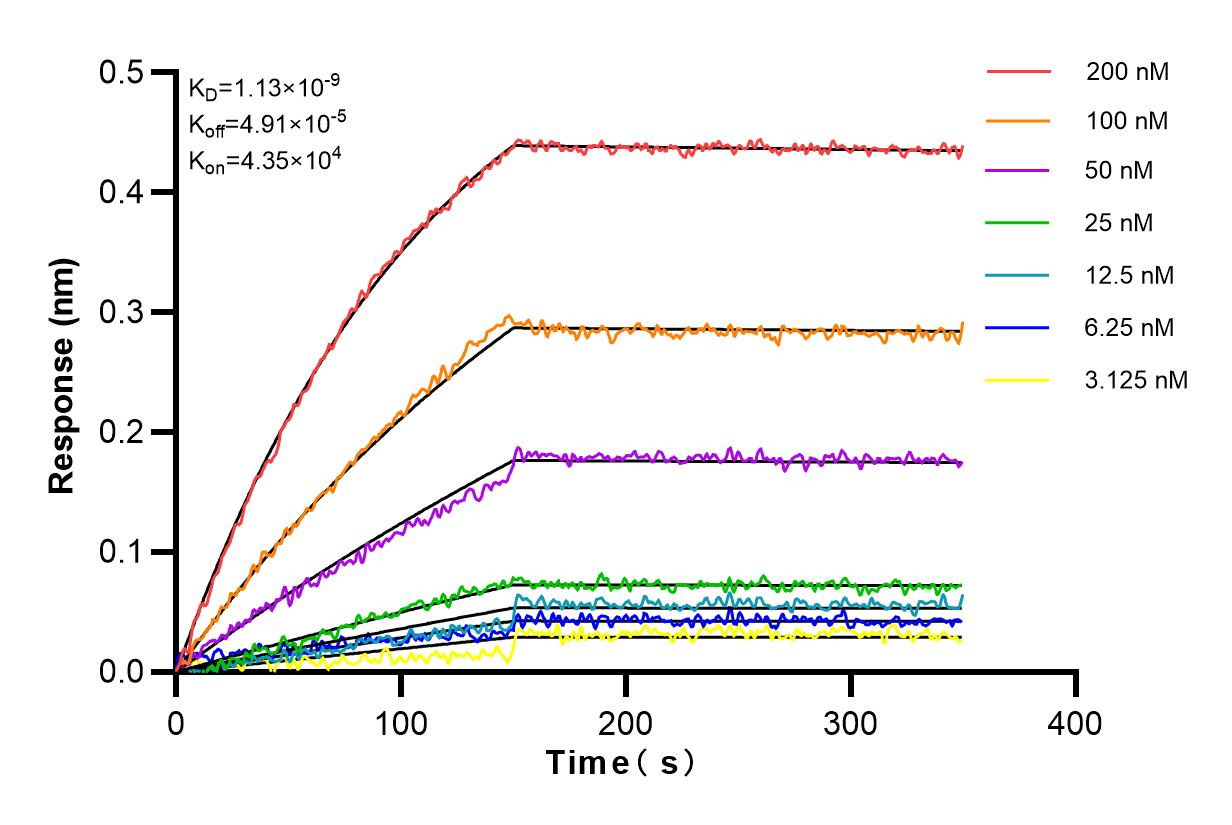

Tested Applications
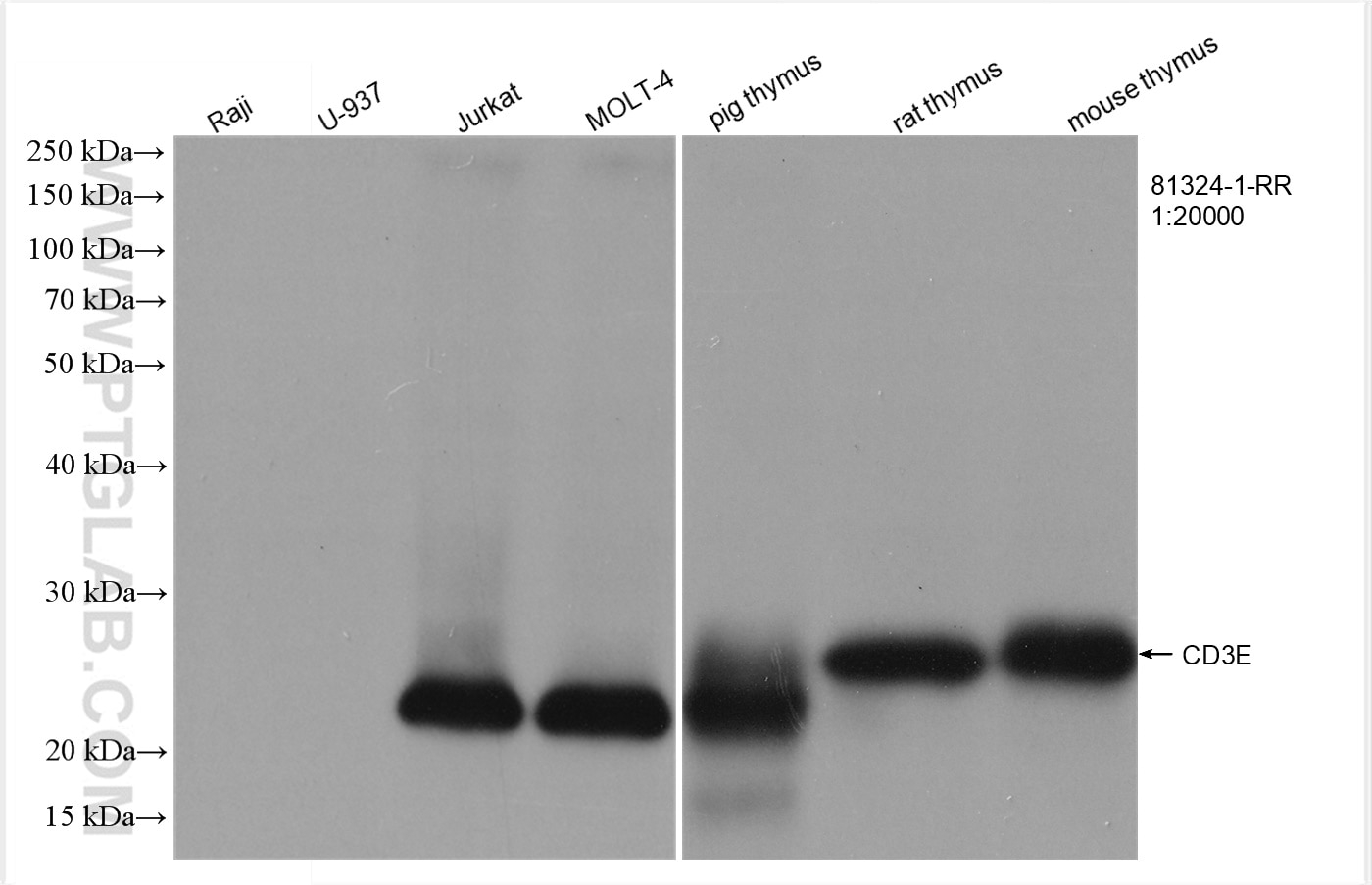
| Positive WB detected in | Jurkat cells, MOLT-4 cells, pig thymus tissue, rat thymus tissue, mouse thymus tissue |
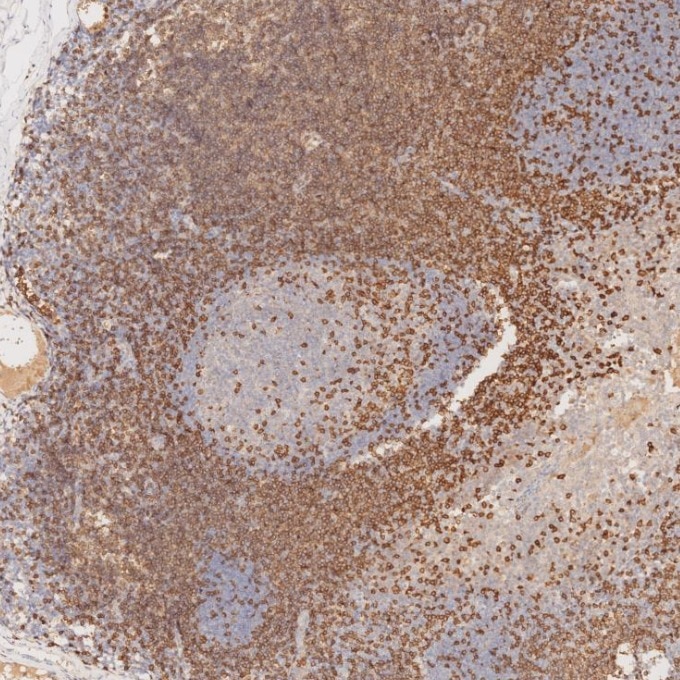
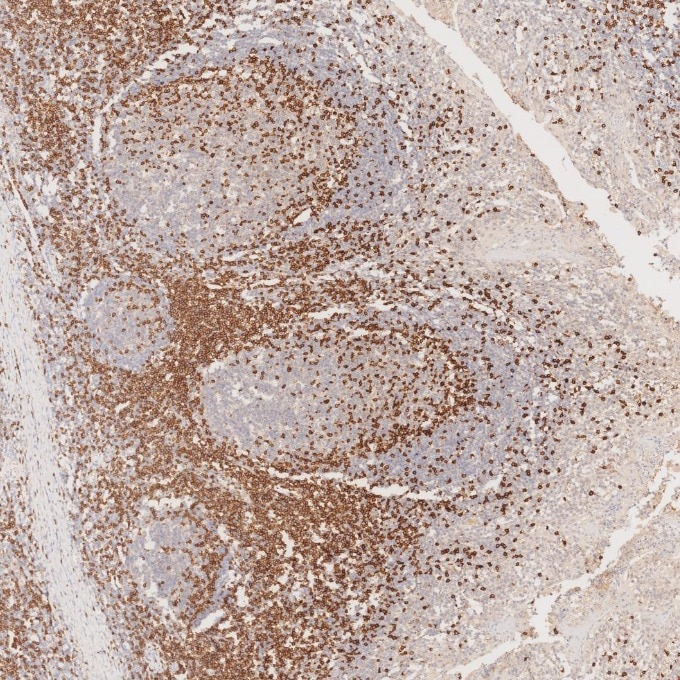
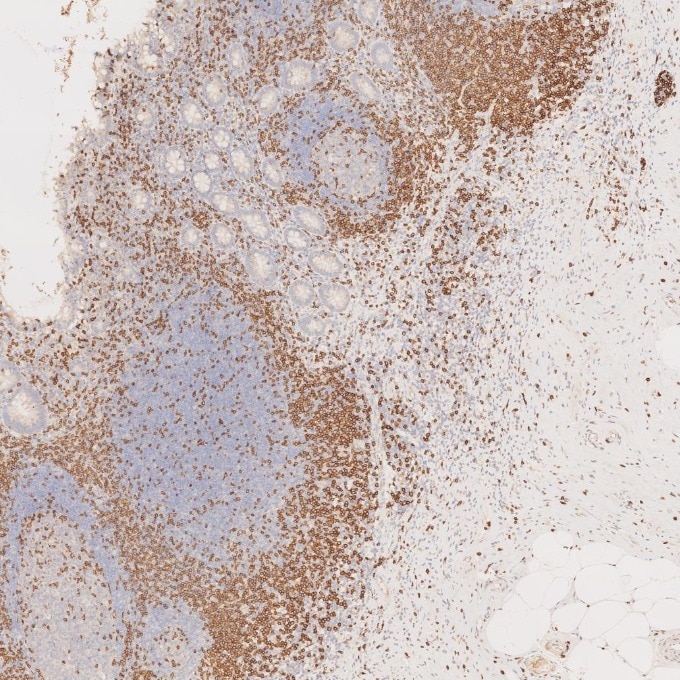
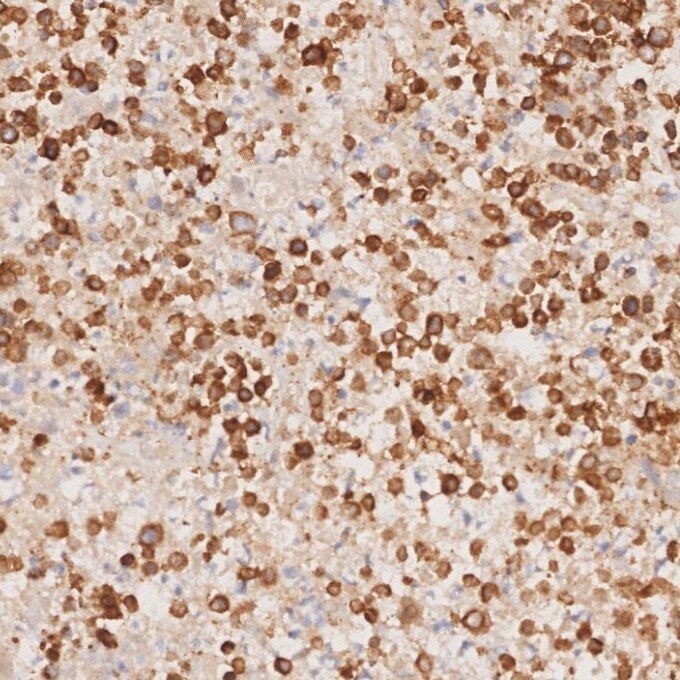
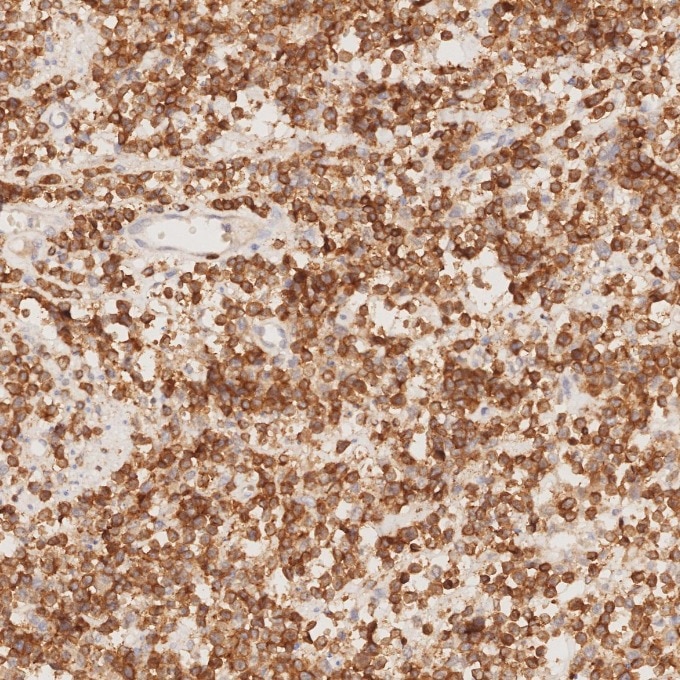
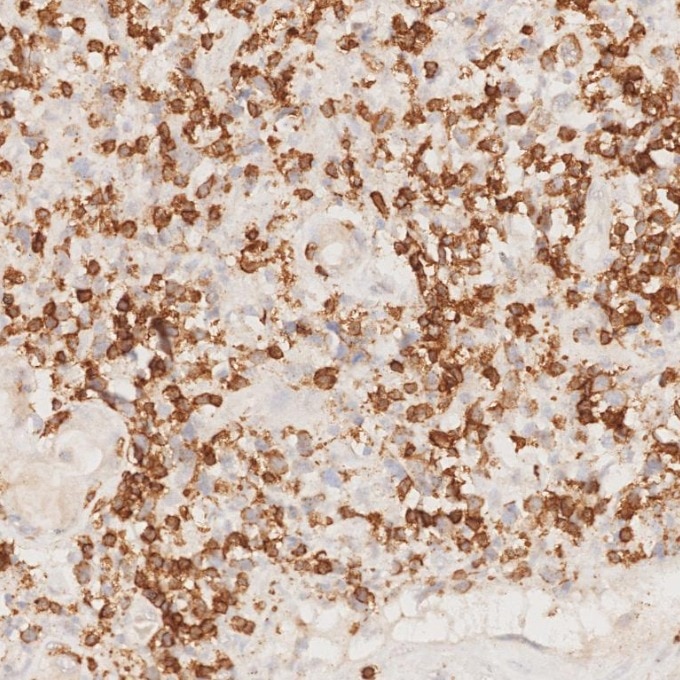
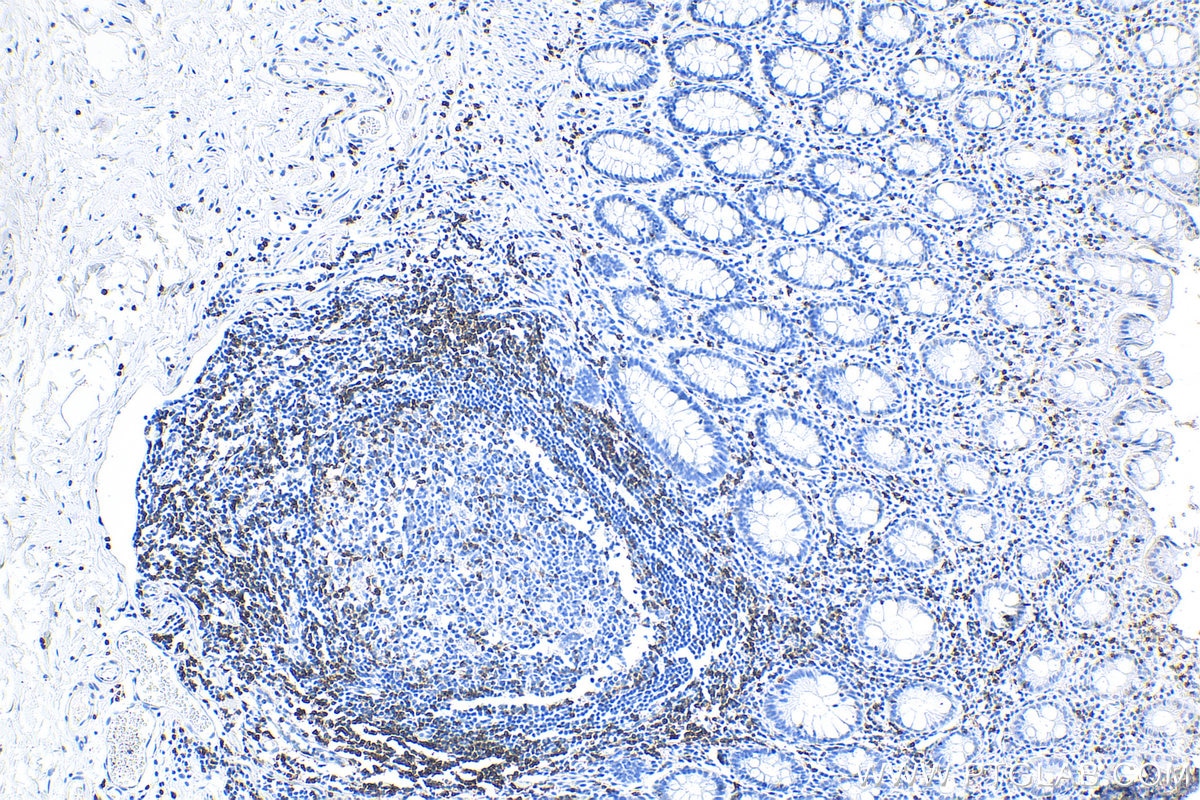
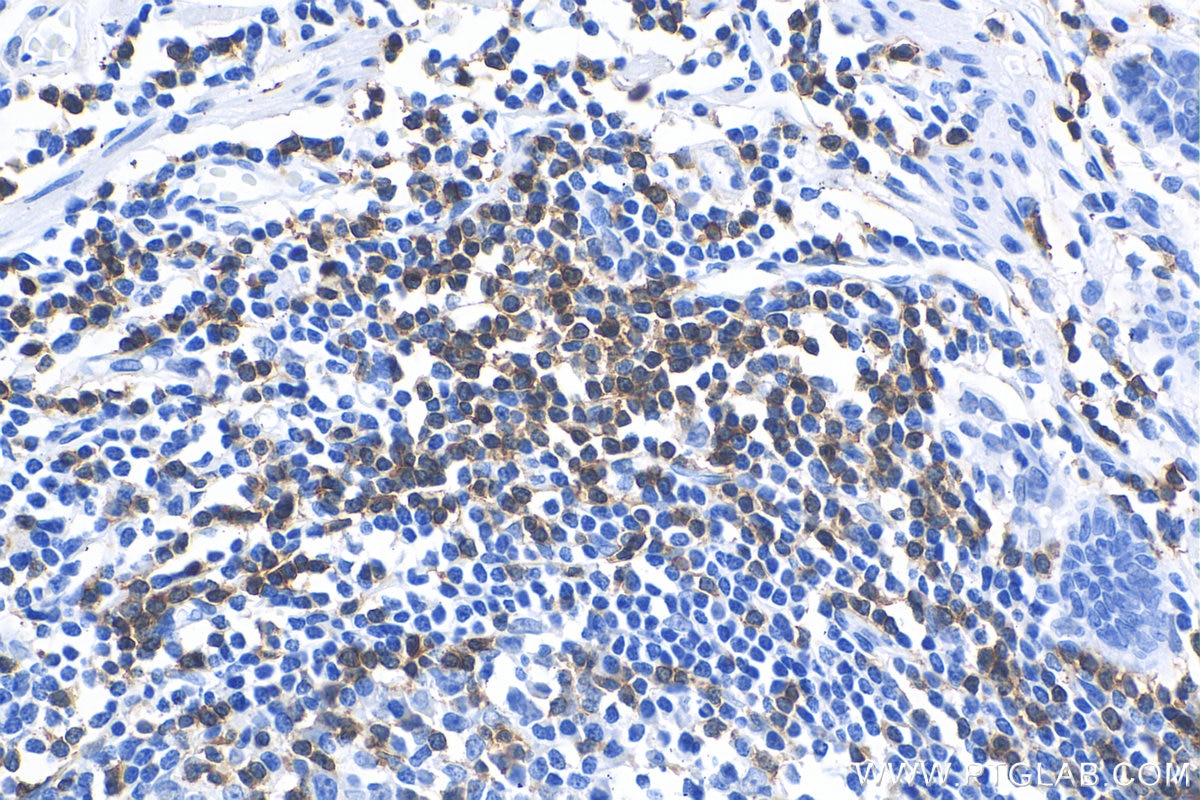
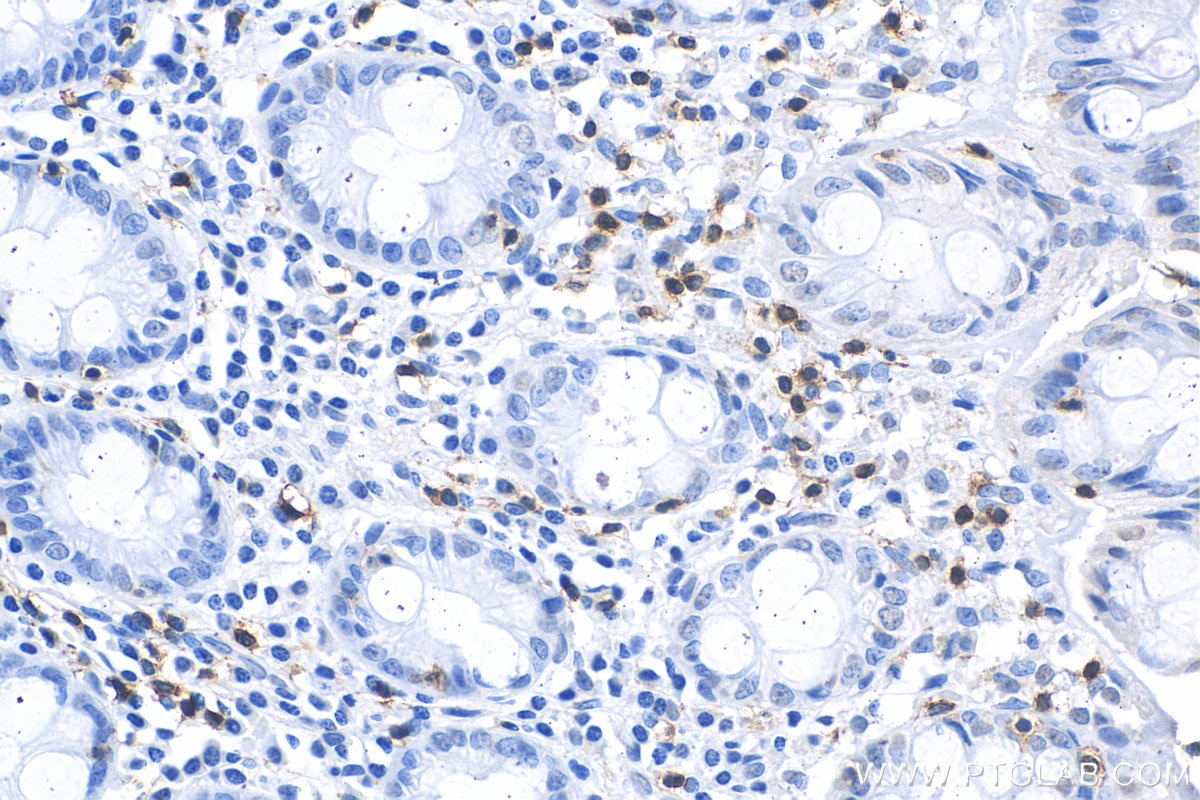
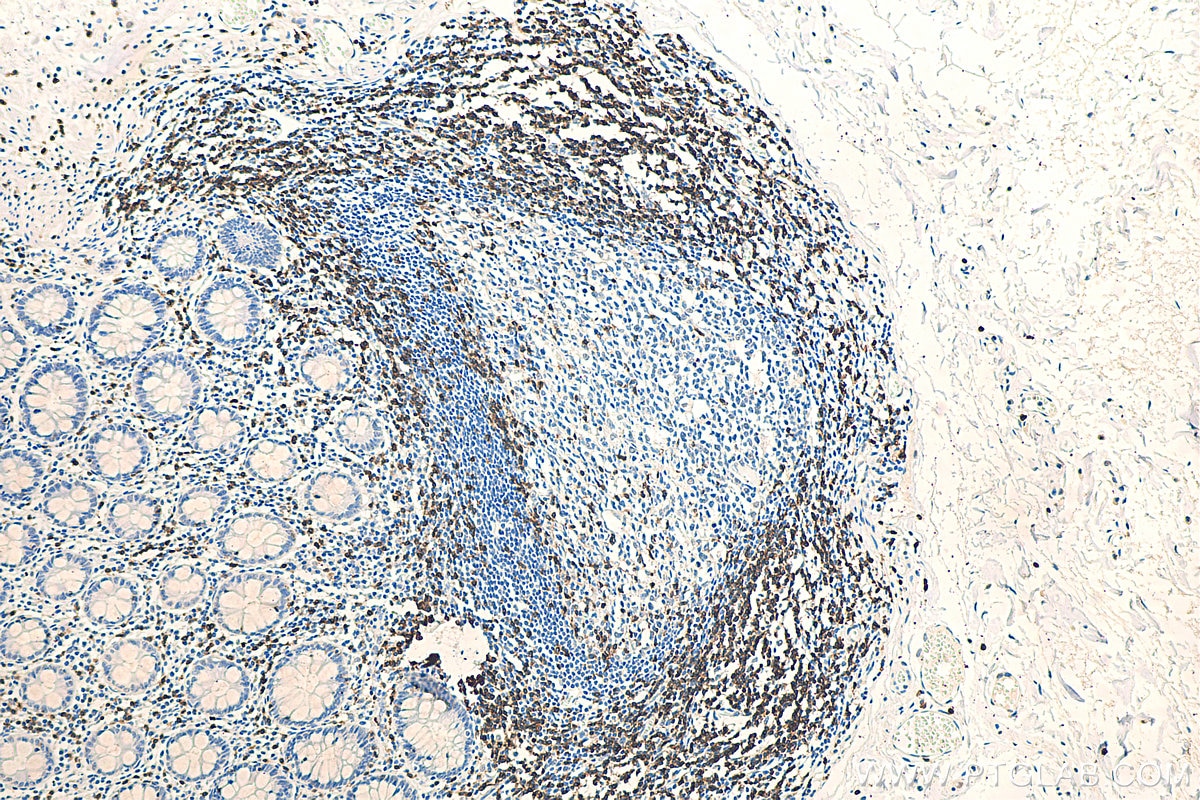
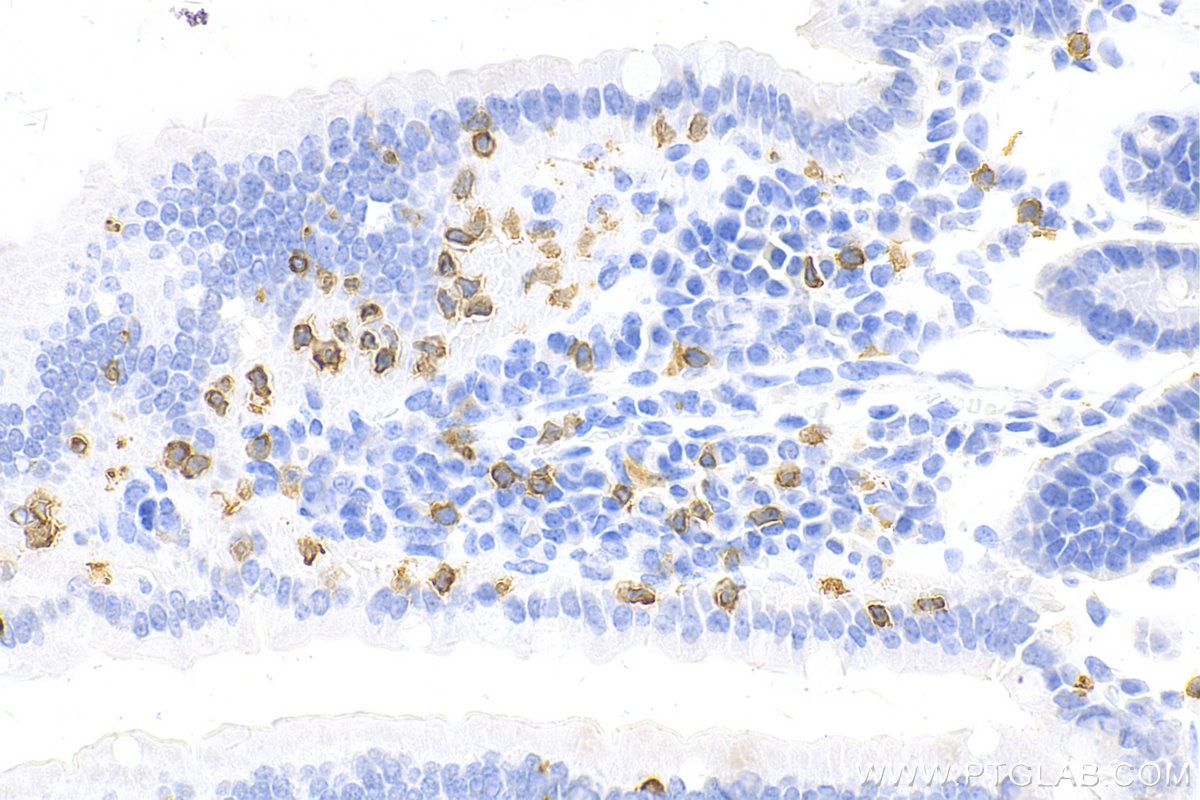
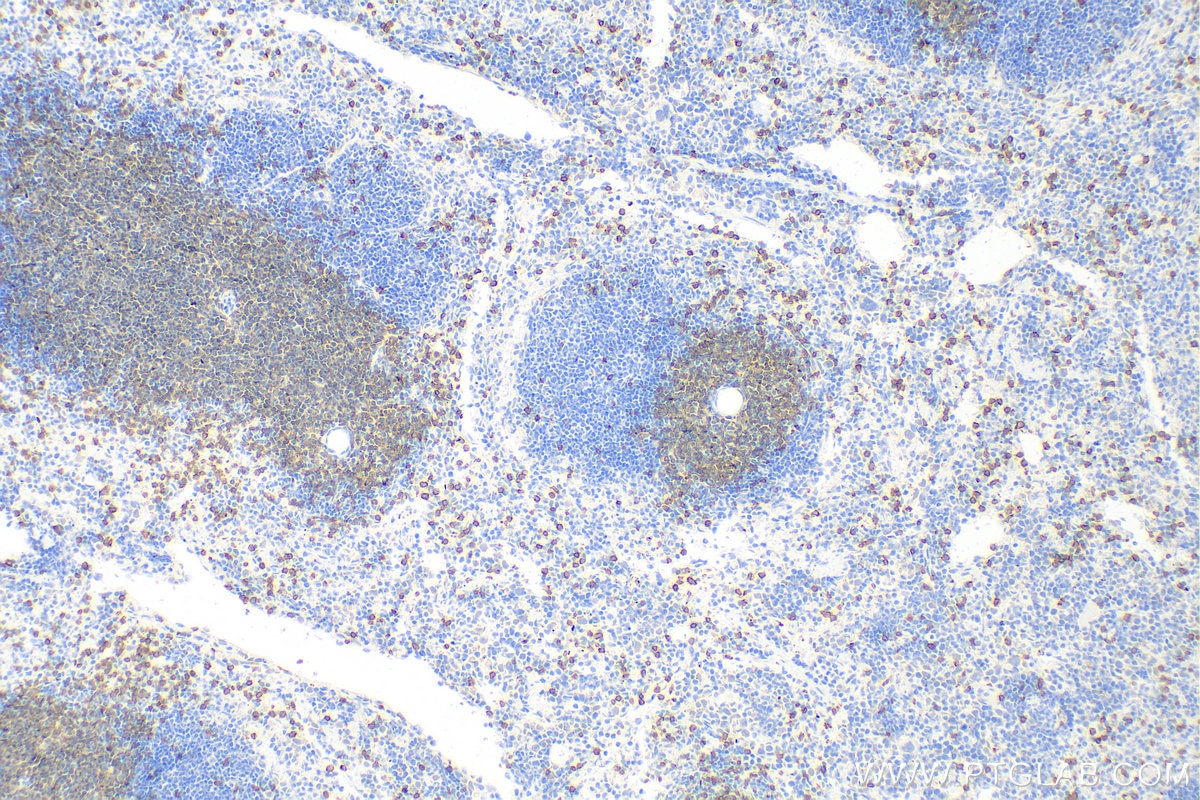
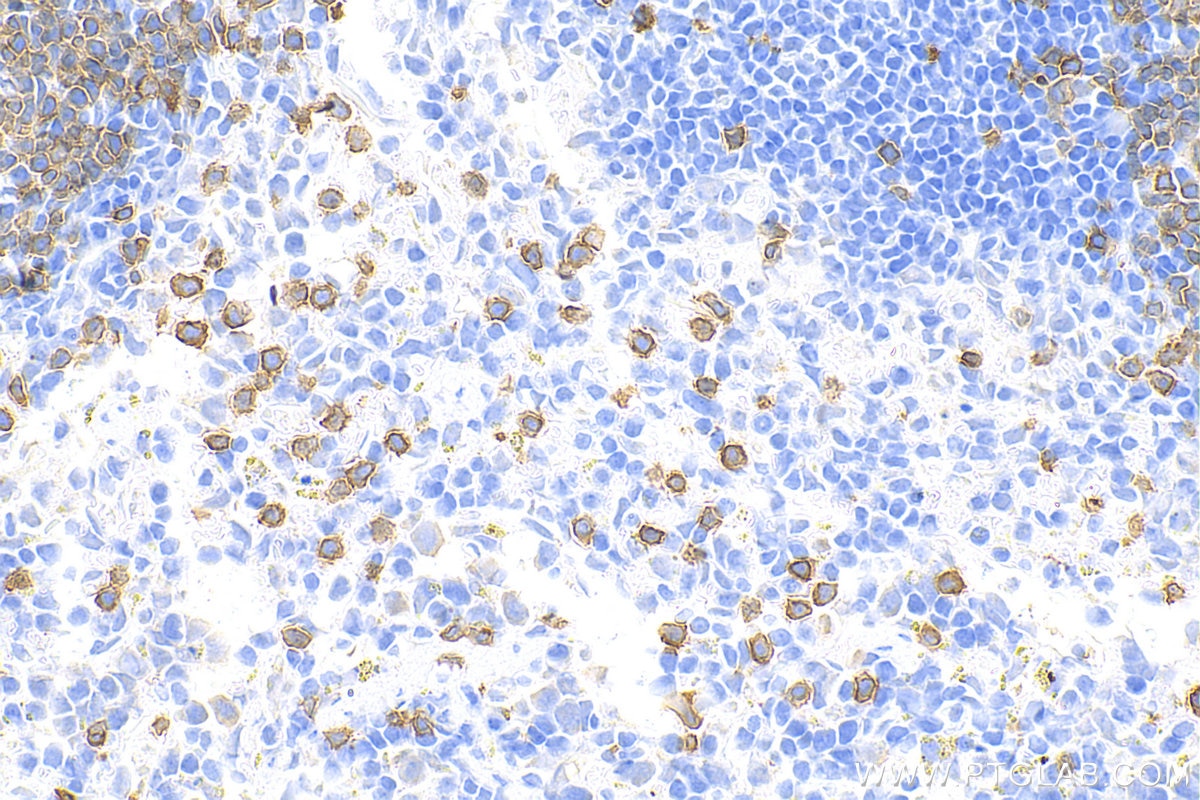
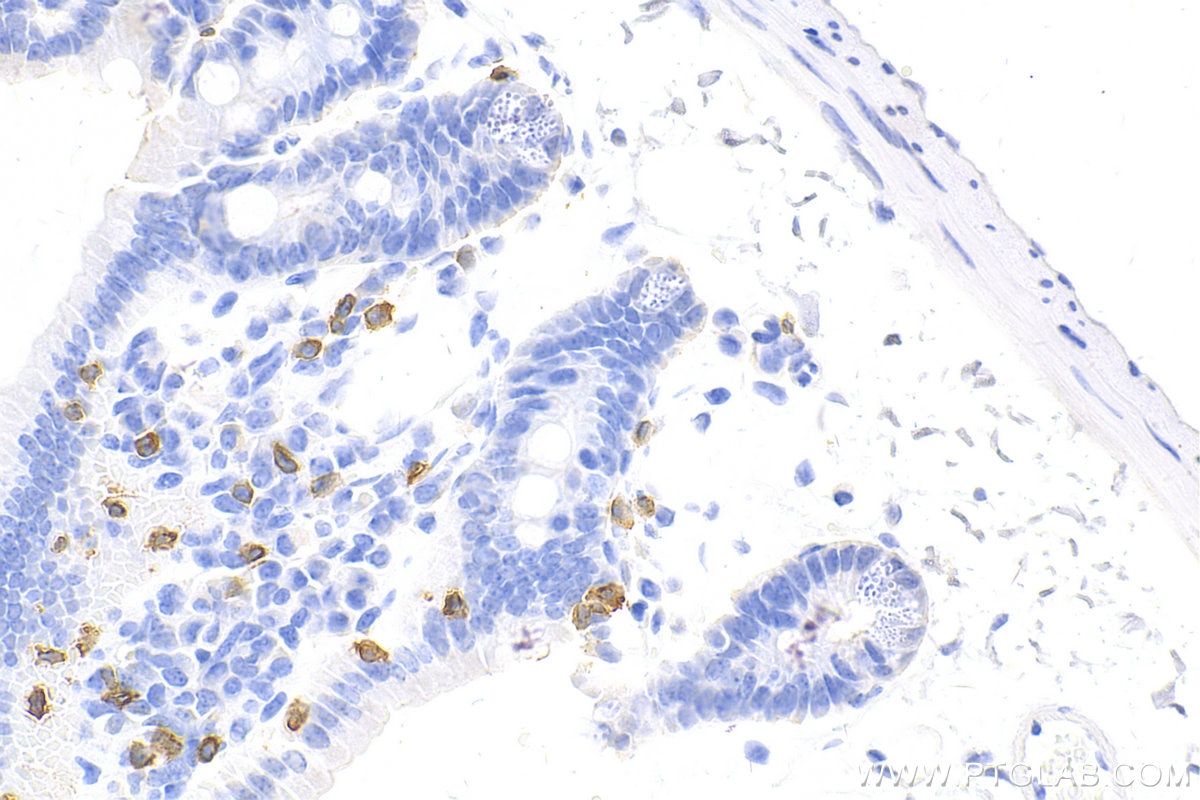
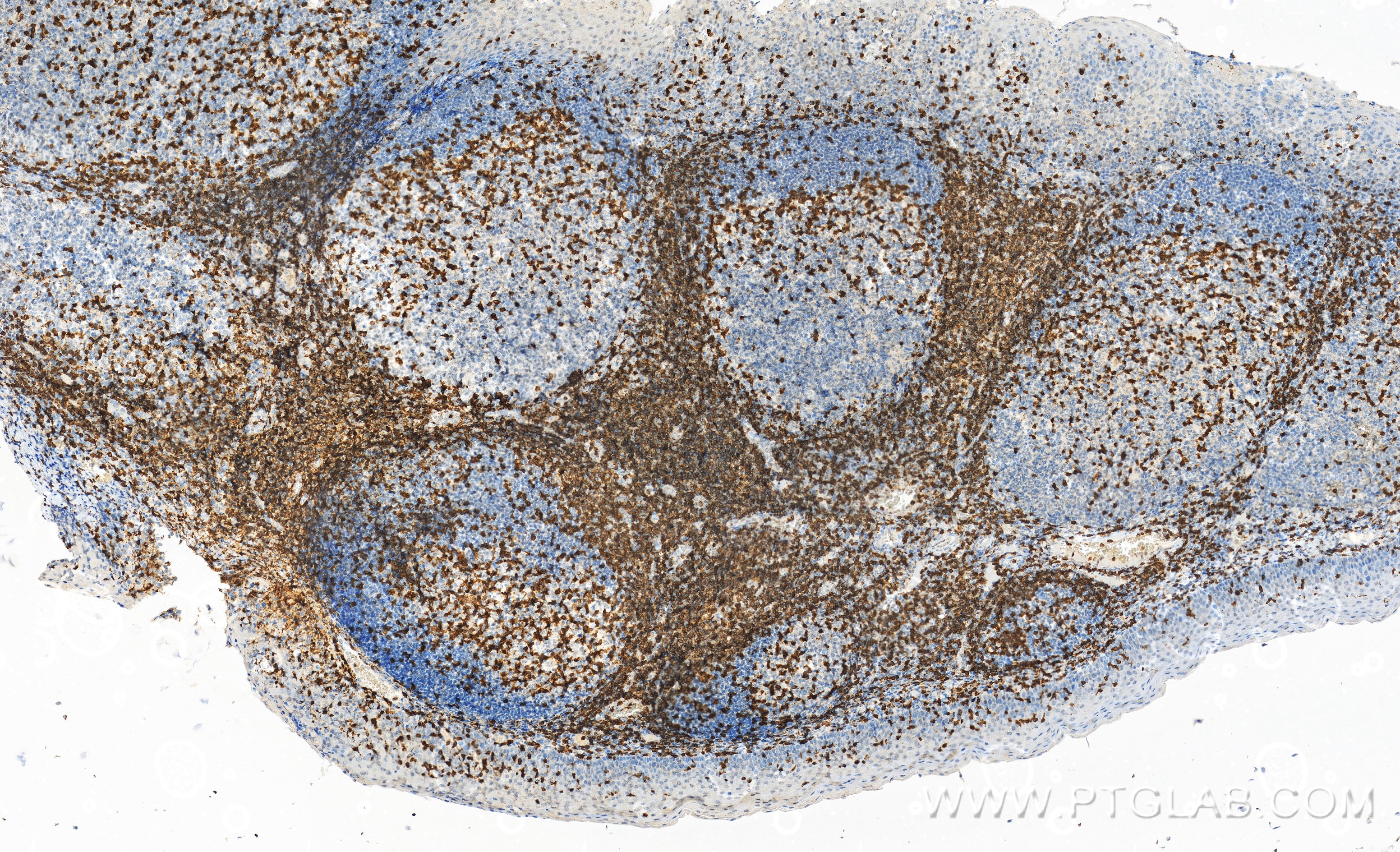
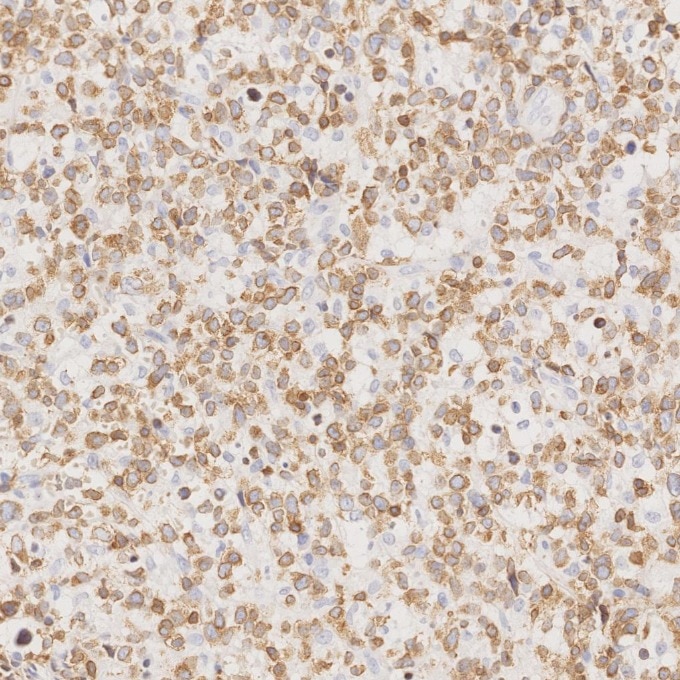
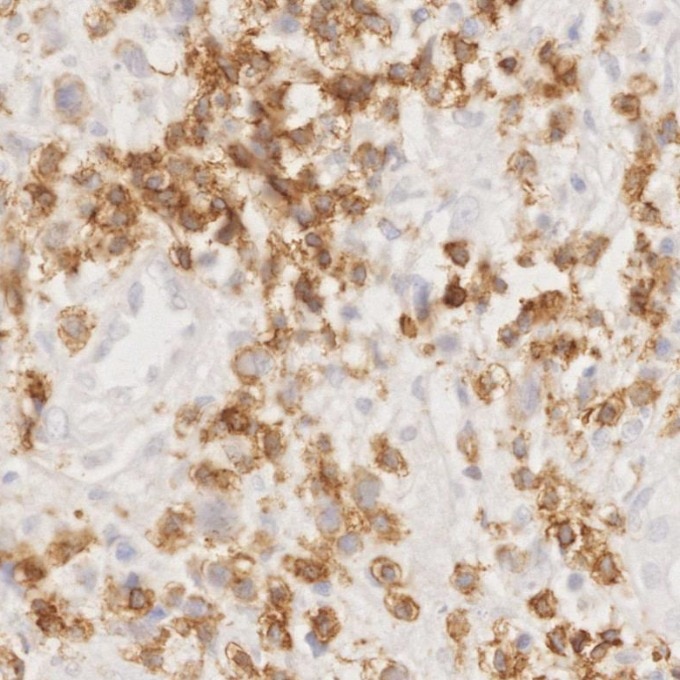
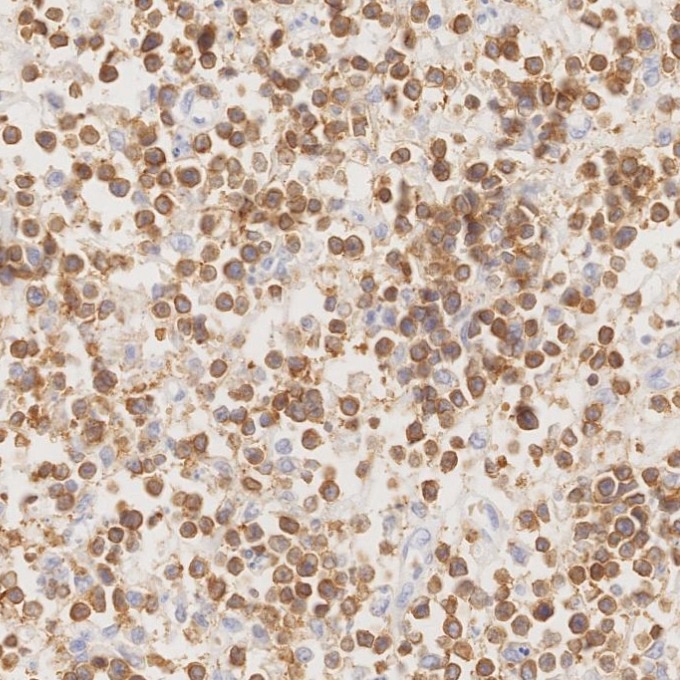
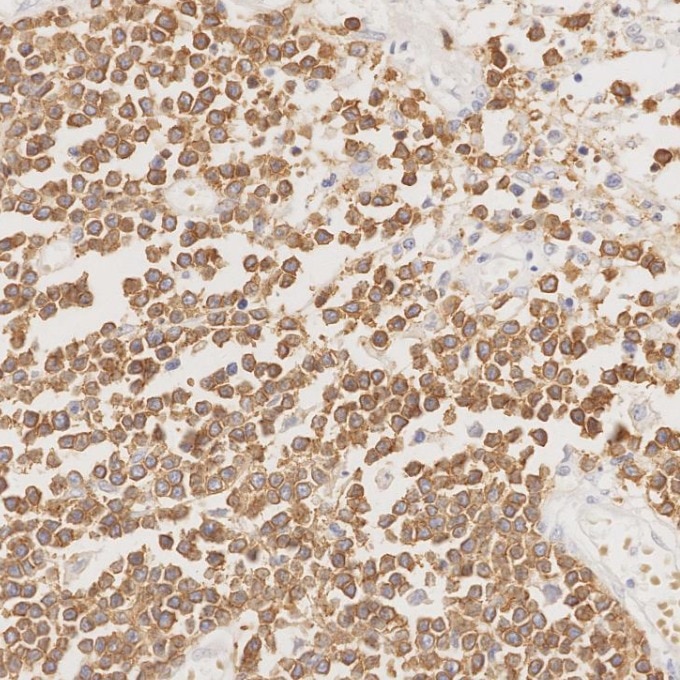
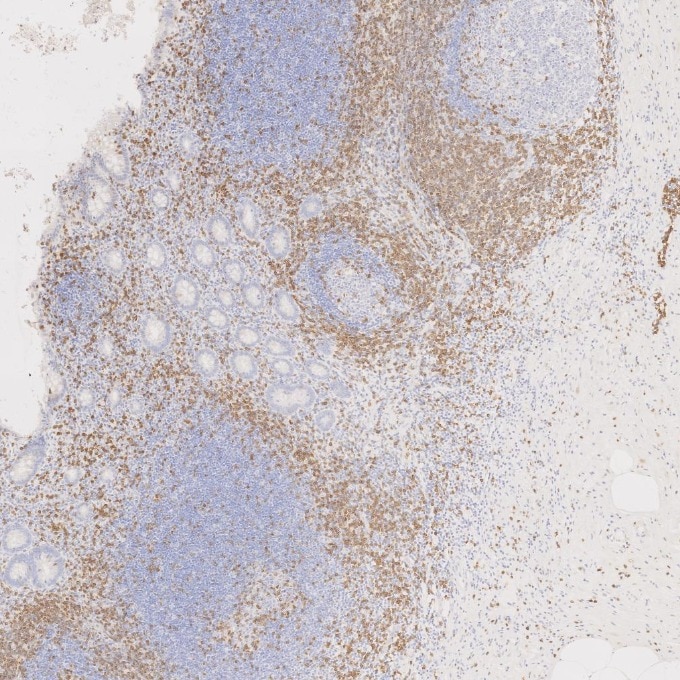
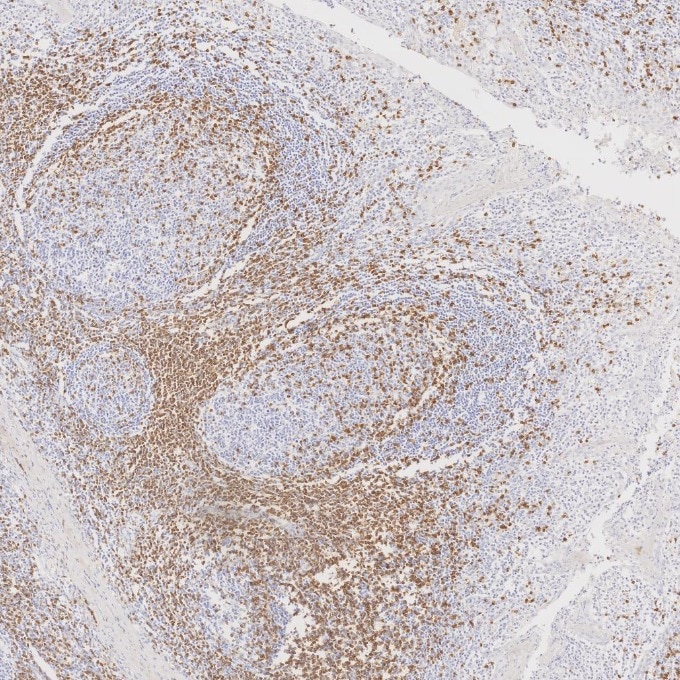
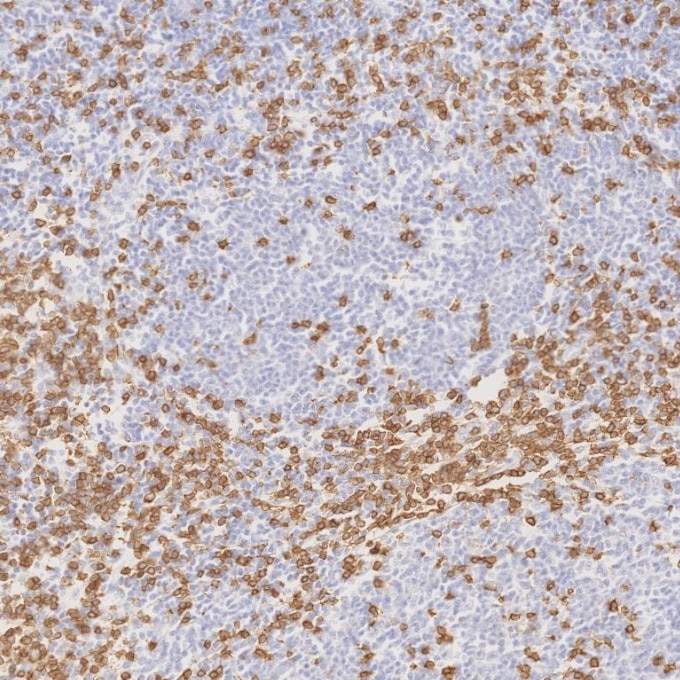
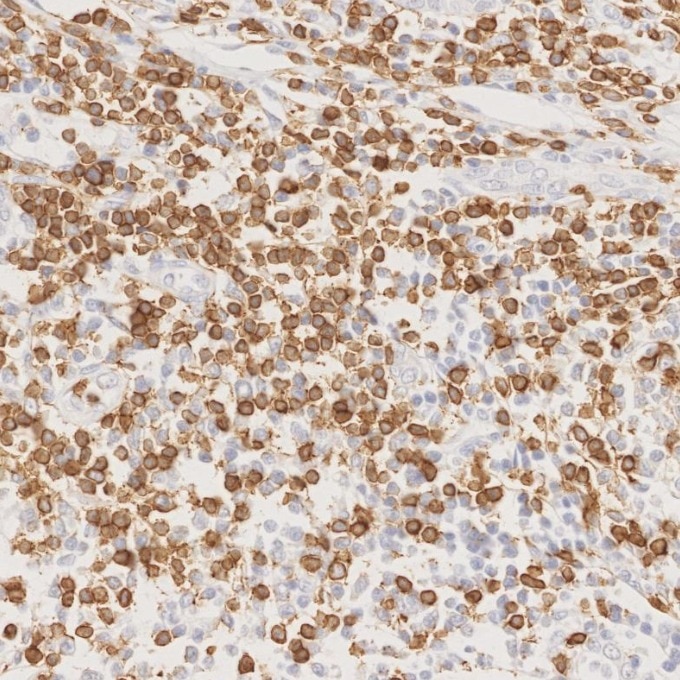
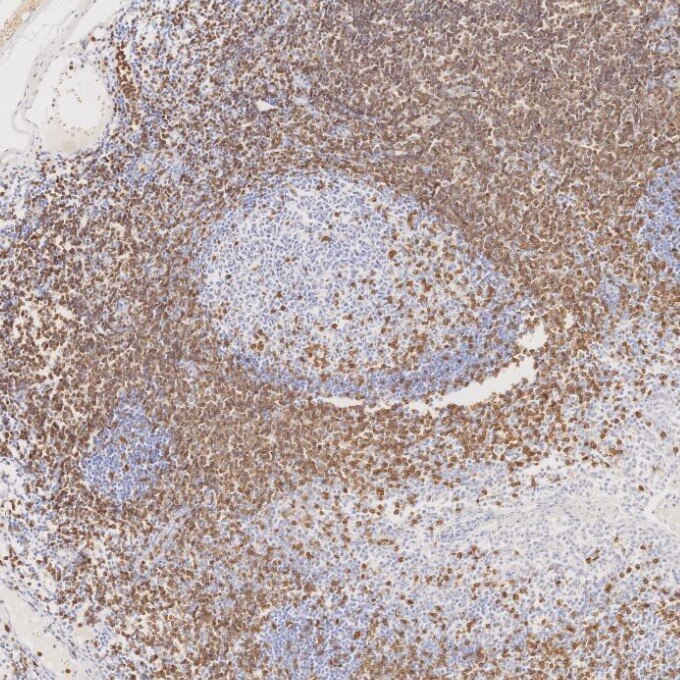
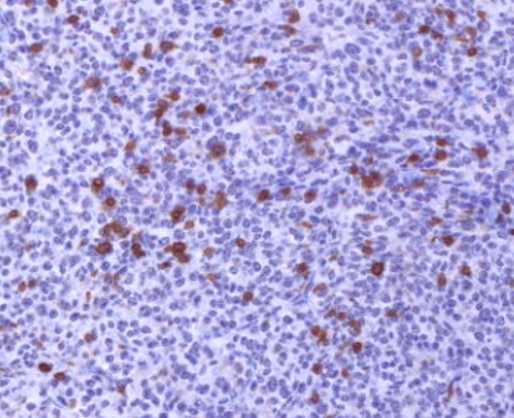
| Positive IHC detected in | human colon tissue, human appendicitis tissue, human tonsillitis tissue, mouse small intestine tissue, human lymphoma tissue, human colon tissue Note: suggested antigen retrieval with TE buffer pH 9.0; (*) Alternatively, antigen retrieval may be performed with citrate buffer pH 6.0 |
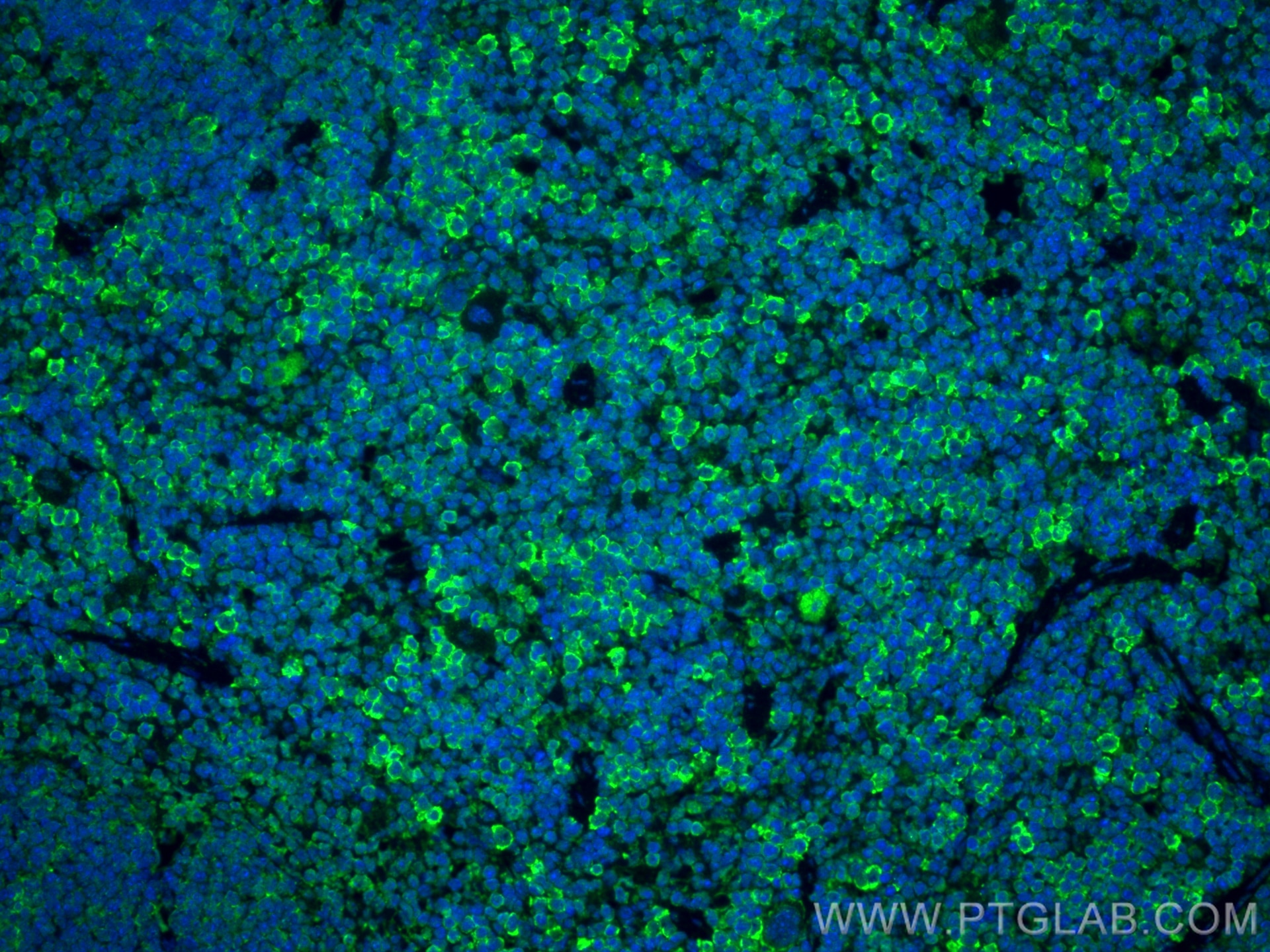
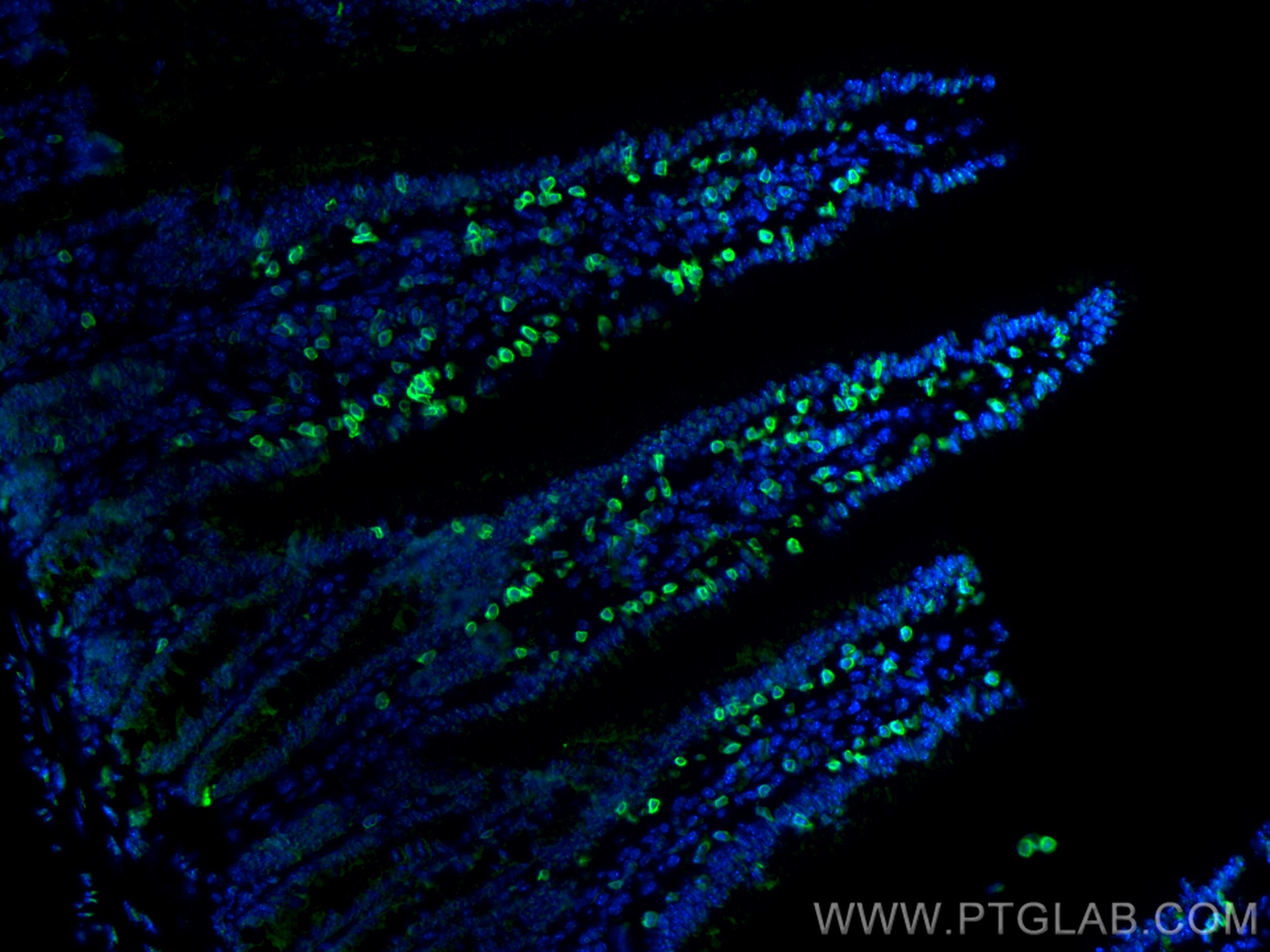
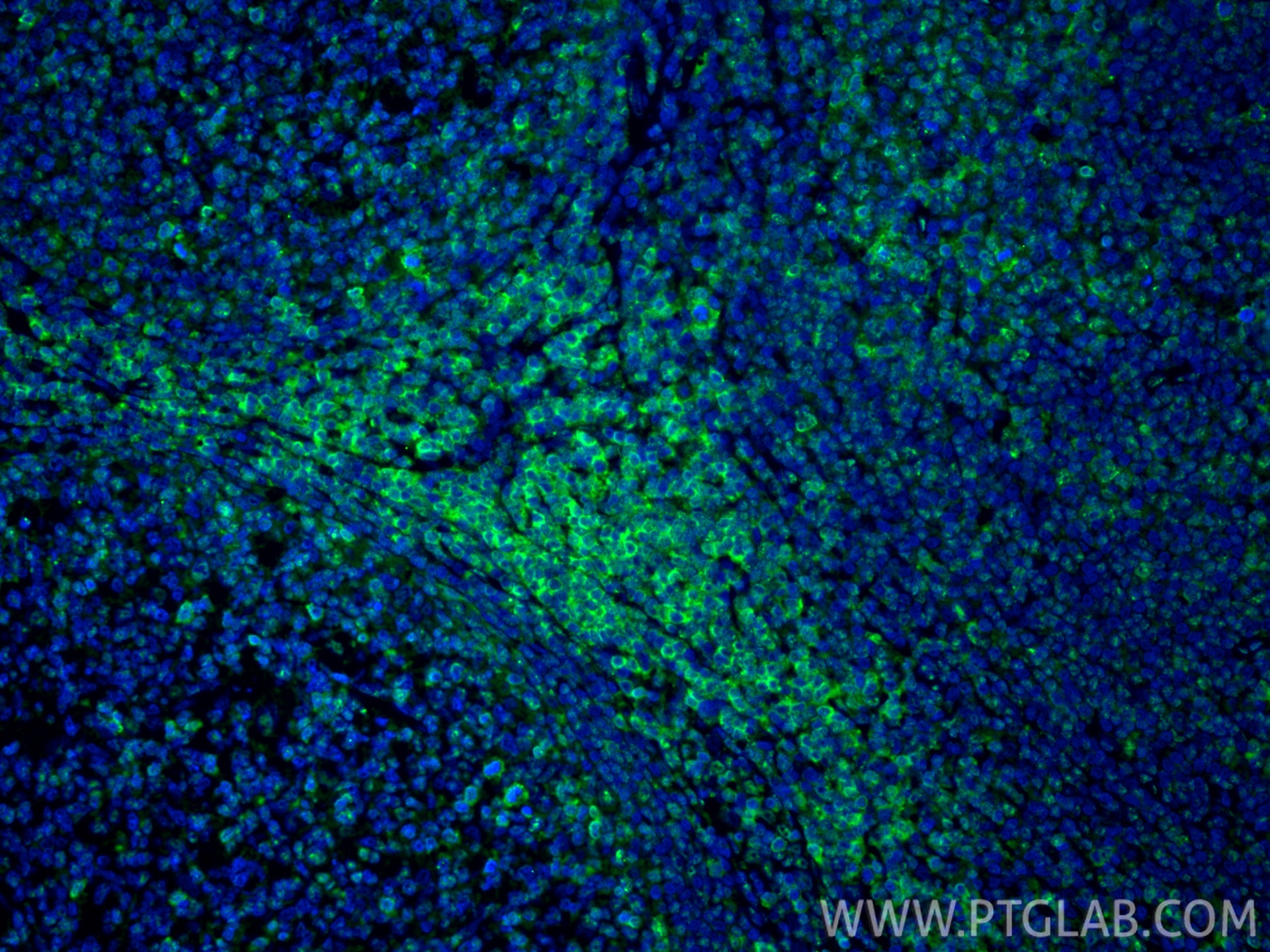
| Positive IF-P detected in | mouse spleen tissue, mouse small intestine tissue, human tonsillitis tissue |
Recommended dilution
| Application | Dilution |
|---|---|
| Western Blot (WB) | WB : 1:5000-1:50000 |
| Immunohistochemistry (IHC) | IHC : 1:5000-1:20000 |
| Immunofluorescence (IF)-P | IF-P : 1:50-1:500 |
| It is recommended that this reagent should be titrated in each testing system to obtain optimal results. | |
| Sample-dependent, Check data in validation data gallery. | |
Product Information
81324-1-RR targets CD3 in WB, IHC, IF-P, ELISA, Cell treatment applications and shows reactivity with human, mouse, rat, pig samples.
| Tested Reactivity | human, mouse, rat, pig |
| Cited Reactivity | human, mouse |
| Host / Isotype | Rabbit / IgG |
| Class | Recombinant |
| Type | Antibody |
| Immunogen |
CatNo: Ag11797 Product name: Recombinant human CD3E protein Source: e coli.-derived, PET28a Tag: 6*His Domain: 1-207 aa of BC049847 Sequence: MQSGTHWRVLGLCLLSVGVWGQDGNEEMGGITQTPYKVSISGTTVILTCPQYPGSEILWQHNDKNIGGDEDDKNIGSDEDHLSLKEFSELEQSGYYVCYPRGSKPEDANFYLYLRARVCENCMEMDVMSVATIVIVDICITGGLLLLVYYWSKNRKAKAKPVTRGAGAGGRQRGQNKERPPPVPNPDYEPIRKGQRDLYSGLNQRRI Predict reactive species |
| Full Name | CD3e molecule, epsilon (CD3-TCR complex) |
| Calculated Molecular Weight | 207 aa, 23 kDa |
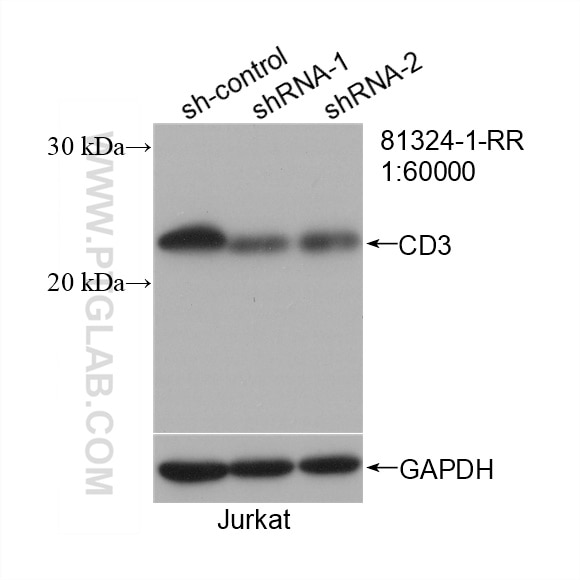
| Observed Molecular Weight | 23-25 kDa |
| GenBank Accession Number | BC049847 |
| Gene Symbol | CD3 |
| Gene ID (NCBI) | 916 |
| ENSEMBL Gene ID | ENSG00000198851 |
| RRID | AB_2935548 |
| Conjugate | Unconjugated |
| Form | Liquid |
| Purification Method | Protein A purification |
| UNIPROT ID | P07766 |
| Storage Buffer | PBS with 0.02% sodium azide and 50% glycerol, pH 7.3. |
| Storage Conditions | Store at -20°C. Stable for one year after shipment. Aliquoting is unnecessary for -20oC storage. 20ul sizes contain 0.1% BSA. |
Background Information
CD3 is a complex of proteins that directly associates with the T cell receptor (TCR). The TCR/CD3 complex of T-lymphocytes consists of either a TCR alpha/beta or TCR gamma/delta heterodimer coexpressed at the cell surface with the invariant subunits of CD3 labeled gamma, delta, epsilon, zeta, and eta. The TCR recognizes antigens bound to major histocompatibility complex (MHC) molecules. TCR-mediated peptide-MHC recognition is transmitted to the CD3 complex, leading to the intracellular signal transduction. CD3 is considered to be a pan-T cell marker for detection of normal and neoplastic T cells. This antibody is directed against the epsilon chain of human CD3 molecule.
Protocols
| Product Specific Protocols | |
|---|---|
| IF protocol for CD3 antibody 81324-1-RR | Download protocol |
| IHC protocol for CD3 antibody 81324-1-RR | Download protocol |
| WB protocol for CD3 antibody 81324-1-RR | Download protocol |
| Standard Protocols | |
|---|---|
| Click here to view our Standard Protocols |
Publications
What published studies show
The CD3 Recombinant monoclonal antibody (4I19), catalog number 81324-1-RR, has accumulated 13 citations. These publications appear in journals including Bioactive Materials, Advanced Science, Cell Death & Disease, Journal of Translational Medicine, Frontiers in Immunology, Journal of Autoimmunity, Cancer Immunology & Immunotherapy, Journal of Inflammation Research, FASEB Journal, Journal of Translational Autoimmunity, Viruses, Clinical & Translational Oncology, and Translational Cancer Research. The cited studies span immunology, oncology, inflammation, cell death mechanisms, autoimmune disease, and infectious disease research.
| Species | Application | Title |
|---|---|---|
Bioact Mater TLR2 inhibition attenuates NET-driven inflammation and restenosis during poly-lactic acid bioresorbable scaffold degradation. | ||
Adv Sci (Weinh) Cuproptosis and Disulfidptosis Converge to Empower PD-L1 Checkpoint Therapy via Cadict-Induced PD-L1 Translation. | ||
Cell Death Dis Inflammation impairs fertility and oocyte quality in systemic lupus erythematosus by triggering oxidative stress-mediated ferroptosis. | ||
J Transl Med Prognostic implications and characterization of tumor-associated tertiary lymphoid structures genes in pancreatic cancer | ||
Front Immunol Efficacy and safety evaluation of cross-reactive Fibroblast activation protein scFv-based CAR-T cells | ||
J Autoimmun Proinflammatory CD20(+)CD3(+) T cells as a potential driver of macrophage reprogramming in rheumatoid arthritis. |
Reviews
What customers say
One reviewer (Lindsay A.) gave a 5-star rating, reporting excellent IHC performance at a dilution of 0.2 µg/mL on murine prostate tumor tissue after EDTA pH9 antigen retrieval. The review was posted on June 25, 2026, using lot #23015622. Overall, the single review reflects strong satisfaction with the antibody's performance in immunohistochemistry.
The reviews below have been submitted by verified Proteintech customers who received an incentive for providing their feedback.
Lindsay (Verified Customer) (06-25-2026) | Works very well in IHC at 0.2µg/mL after antigen retrieval with EDTA pH9
 |
































