

Tested Applications
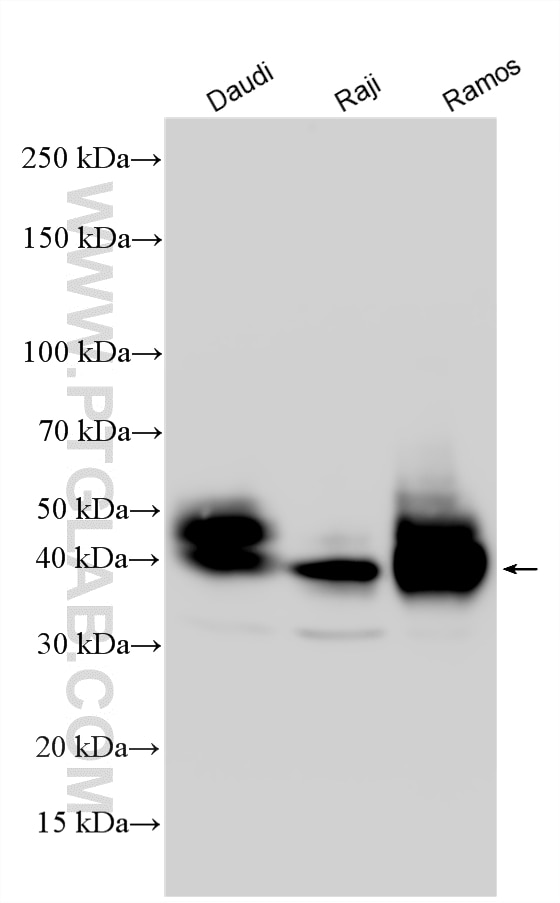
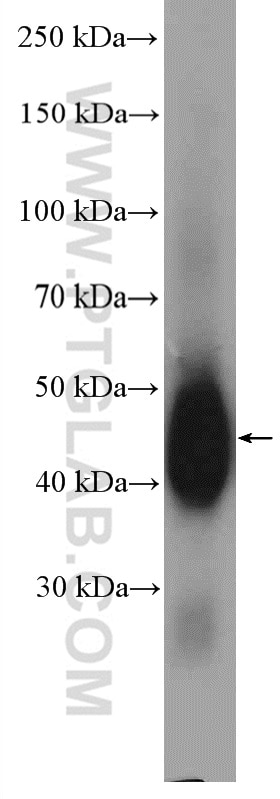
| Positive WB detected in | Daudi cells, Raji cells, Ramos cells |
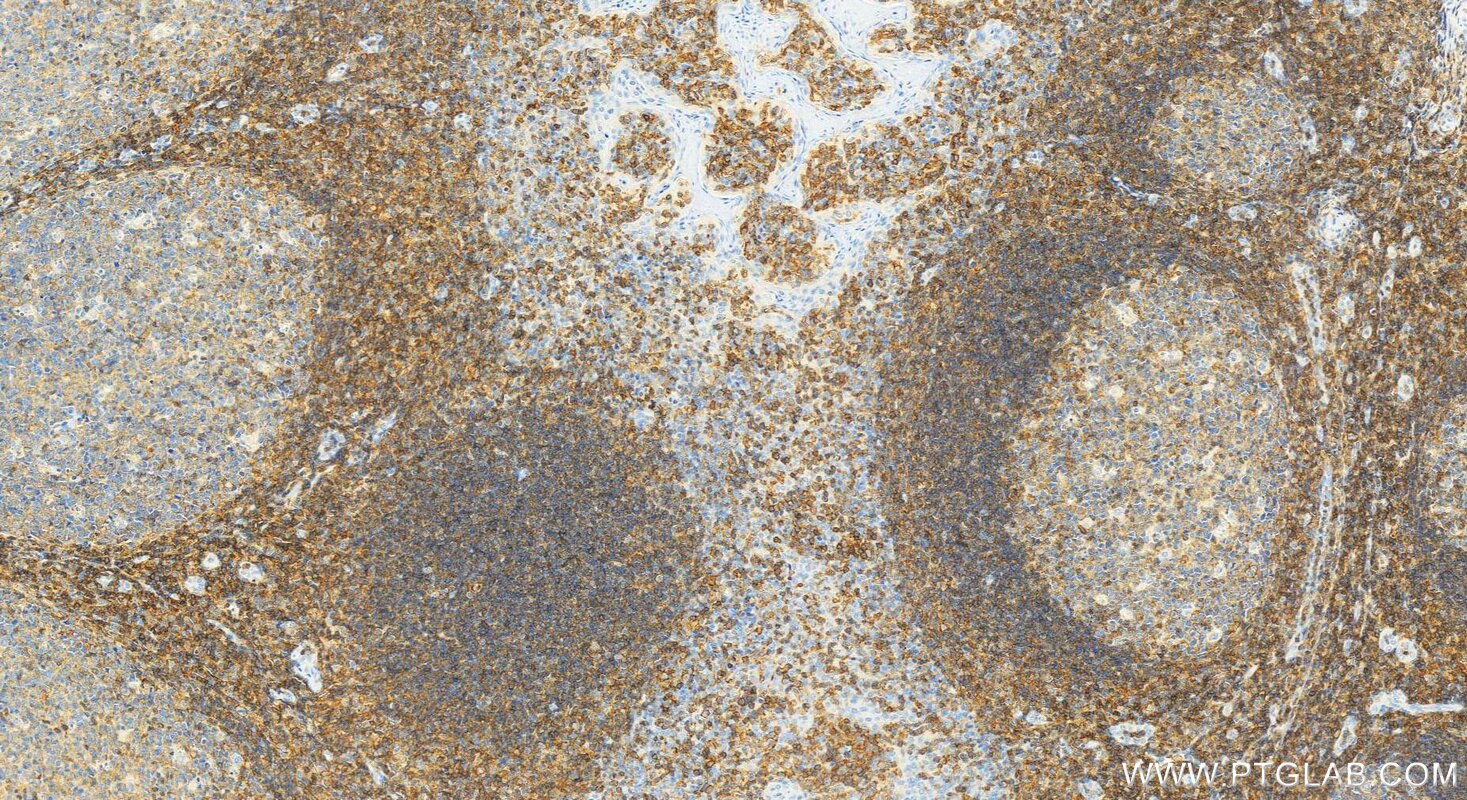
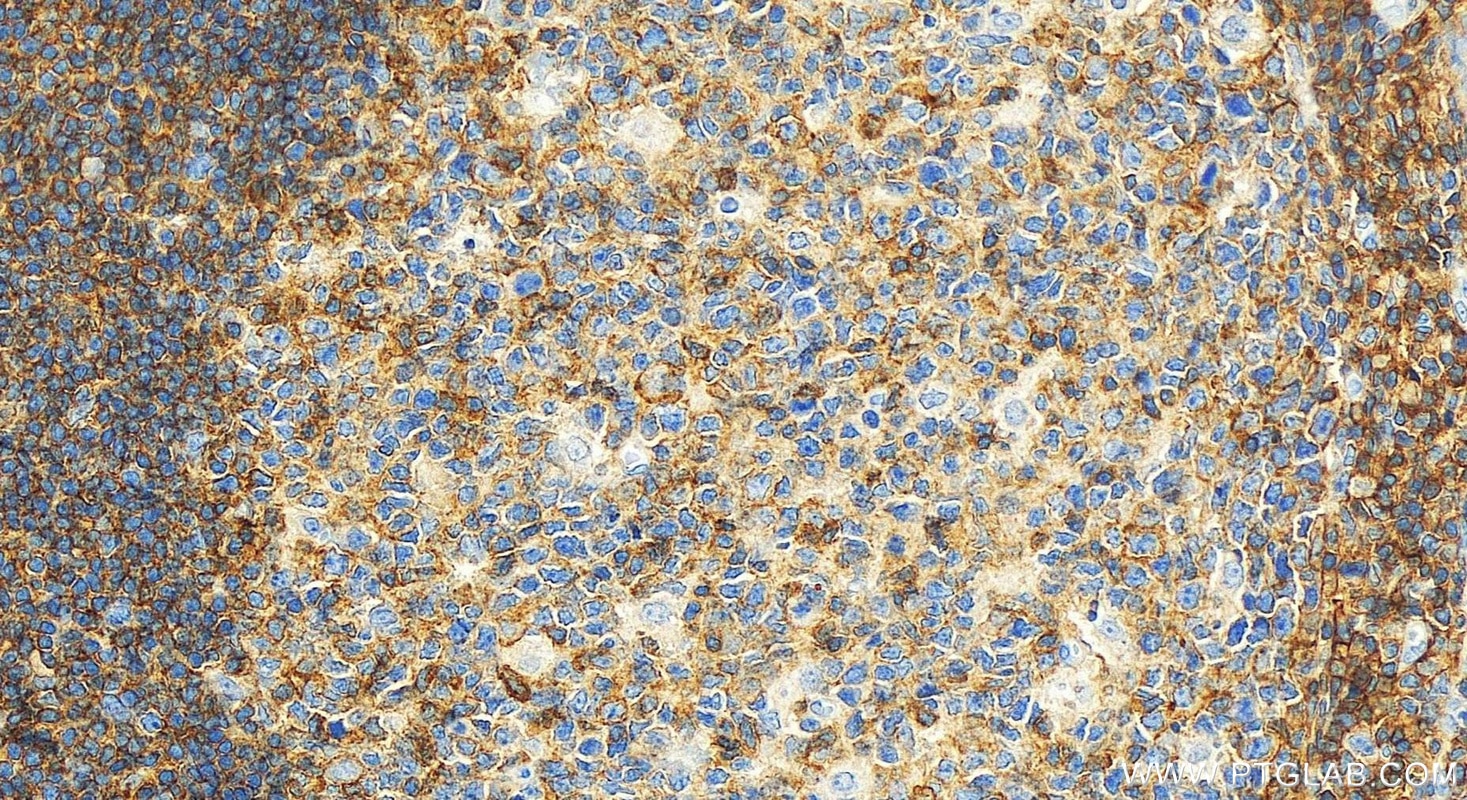
| Positive IHC detected in | human tonsillitis tissue Note: suggested antigen retrieval with TE buffer pH 9.0; (*) Alternatively, antigen retrieval may be performed with citrate buffer pH 6.0 |
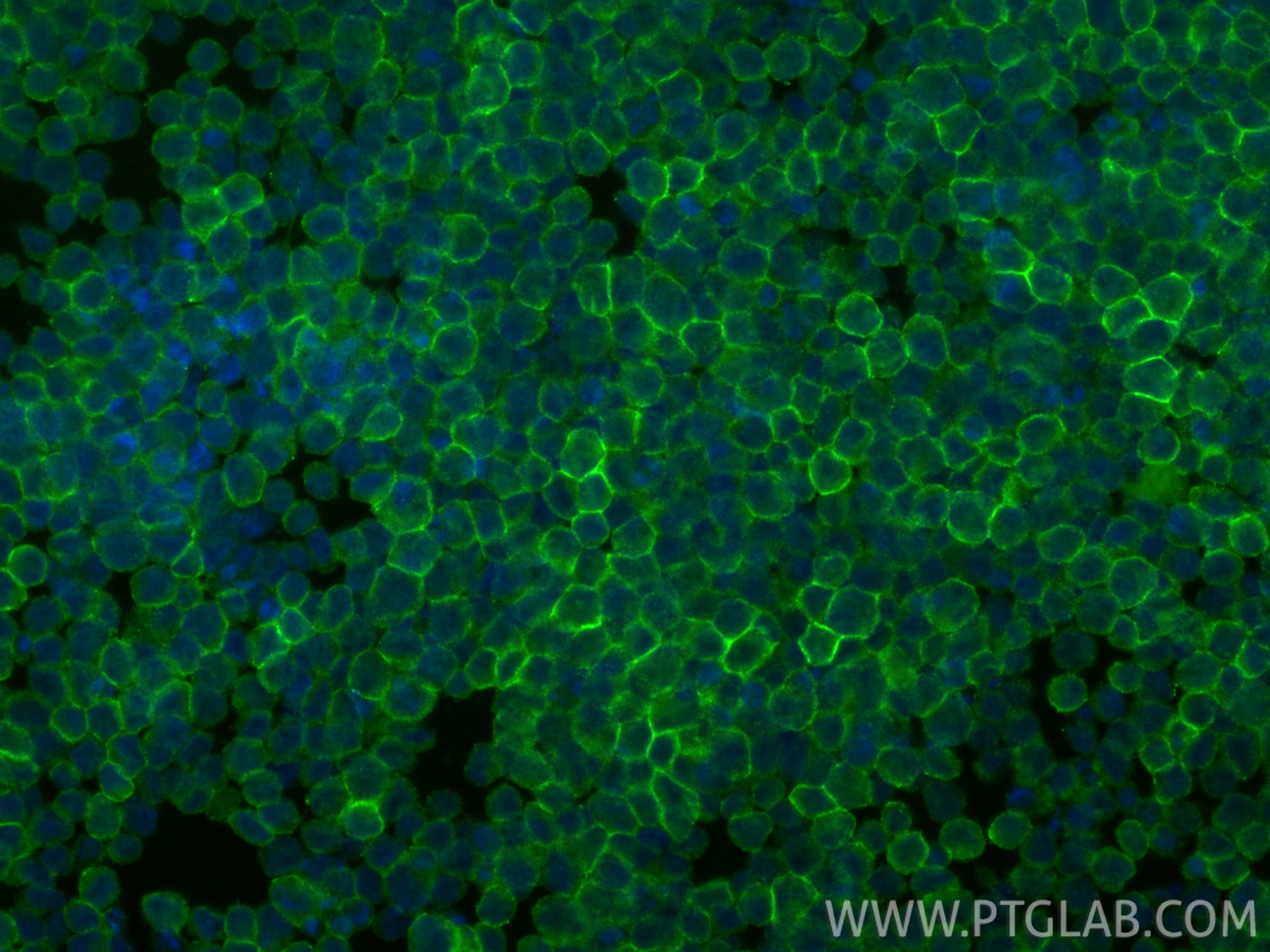
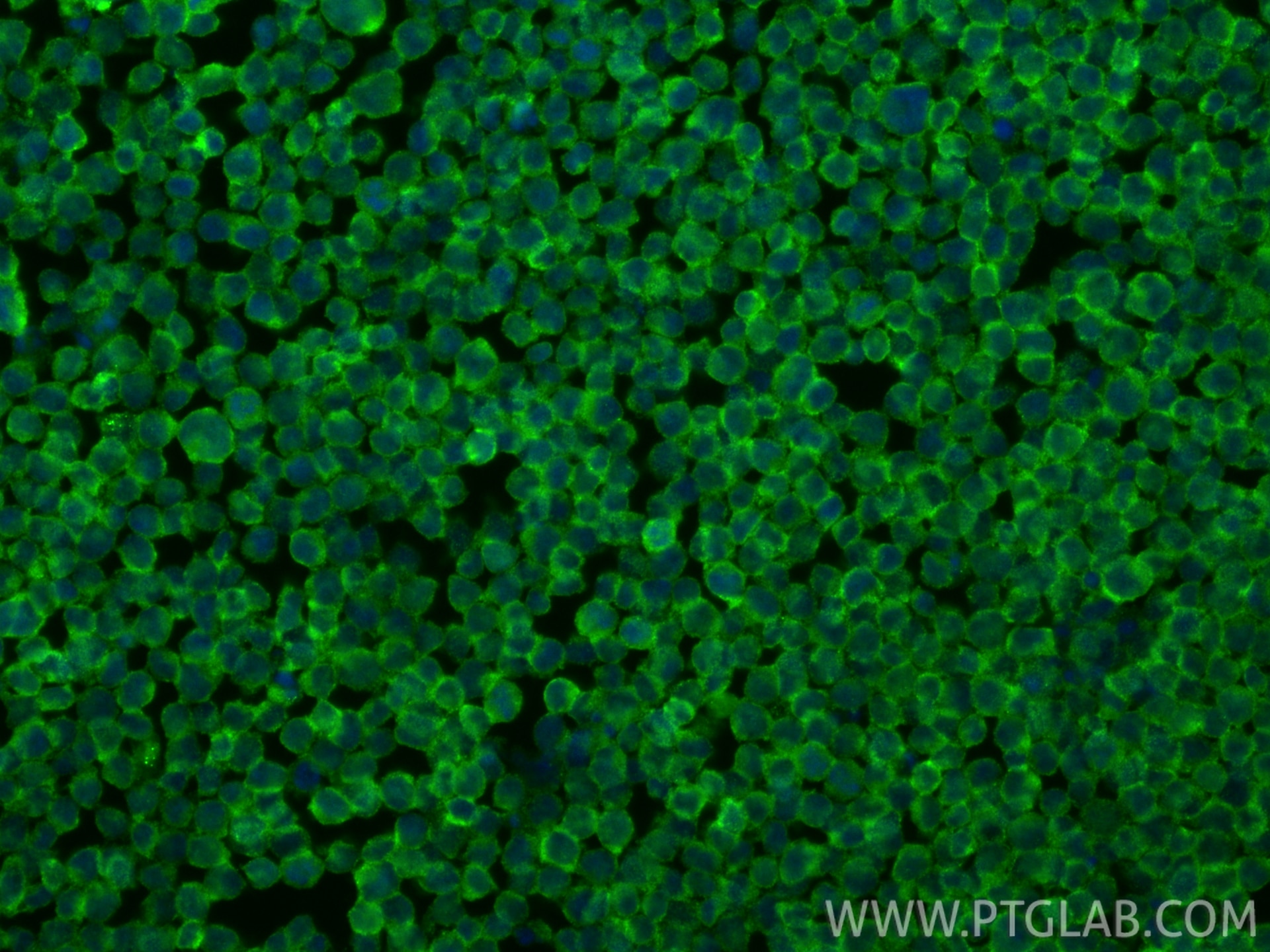
| Positive IF/ICC detected in | Ramos cells, Jurkat cells |
Recommended dilution
| Application | Dilution |
|---|---|
| Western Blot (WB) | WB : 1:1000-1:8000 |
| Immunohistochemistry (IHC) | IHC : 1:1000-1:4000 |
| Immunofluorescence (IF)/ICC | IF/ICC : 1:50-1:500 |
| It is recommended that this reagent should be titrated in each testing system to obtain optimal results. | |
| Sample-dependent, Check data in validation data gallery. | |
Product Information
27519-1-AP targets CD48 in WB, IHC, IF/ICC, ELISA applications and shows reactivity with human samples.
| Tested Reactivity | human |
| Cited Reactivity | mouse |
| Host / Isotype | Rabbit / IgG |
| Class | Polyclonal |
| Type | Antibody |
| Immunogen |
CatNo: Ag26536 Product name: Recombinant human CD48 protein Source: e coli.-derived, PGEX-4T Tag: GST Domain: 27-220 aa of BC016182 Sequence: QGHLVHMTVVSGSNVTLNISESLPENYKQLTWFYTFDQKIVEWDSRKSKYFESKFKGRVRLDPQSGALYISKVQKEDNSTYIMRVLKKTGNEQEWKIKLQVLDPVPKPVIKIEKIEDMDDNCYLKLSCVIPGESVNYTWYGDKRPFPKELQNSVLETTLMPHNYSRCYTCQVSNSVSSKNGTVCLSPPCTLARS Predict reactive species |
| Full Name | CD48 molecule |
| Calculated Molecular Weight | 43 kDa |
| Observed Molecular Weight | 38-45 kDa |
| GenBank Accession Number | BC016182 |
| Gene Symbol | CD48 |
| Gene ID (NCBI) | 962 |
| RRID | AB_2880897 |
| Conjugate | Unconjugated |
| Form | Liquid |
| Purification Method | Antigen affinity purification |
| UNIPROT ID | P09326 |
| Storage Buffer | PBS with 0.02% sodium azide and 50% glycerol, pH 7.3. |
| Storage Conditions | Store at -20°C. Stable for one year after shipment. Aliquoting is unnecessary for -20oC storage. 20ul sizes contain 0.1% BSA. |
Background Information
Signaling lymphocytic activation molecule family 2 (SLAMF2, CD48) is an adhesion and costimulatory molecule expressed constitutively on most hematopoietic cells, particularly in antigen-presenting cells (APC). CD48 is expressed on all the hematopoietic cells, both in humans and mice, except for murine neutrophils and long-term HSC. CD48 exists as both a membrane-bound (mCD48) and a soluble (sCD48) form. CD48 can activate T cells, antigen-presenting cells and granulocytes, by binding to CD2 or bacterial FimH, and through cell intrinsic effects. Interactions between CD48 and its high-affinity ligand CD244 are more complex, with both stimulatory and inhibitory outcomes. CD48 expression is increased in autoimmunity and allergy diseases, and anti-CD48 monoclonal antibodies have been shown to attenuate experimental autoimmune encephalomyelitis.
Protocols
| Product Specific Protocols | |
|---|---|
| IF protocol for CD48 antibody 27519-1-AP | Download protocol |
| IHC protocol for CD48 antibody 27519-1-AP | Download protocol |
| WB protocol for CD48 antibody 27519-1-AP | Download protocol |
| Standard Protocols | |
|---|---|
| Click here to view our Standard Protocols |
Publications
What published studies show
The CD48 Polyclonal antibody (Cat# 27519-1-AP) has 1 citation to date. It appears in the journal Gene, in a study identifying CD48 and ITIH5 as potential diagnostic biomarkers and therapeutic targets for metabolic disorders associated with obesity. The antibody was applied in WB and IF using mouse samples. The research falls within the fields of immunology, metabolic disease, and biomarker discovery.
| Species | Application | Title |
|---|---|---|
Gene Multi-omics analysis identifies CD48 and ITIH5 as potential diagnostic biomarkers and therapeutic targets for metabolic disorders associated with obesity. |







