
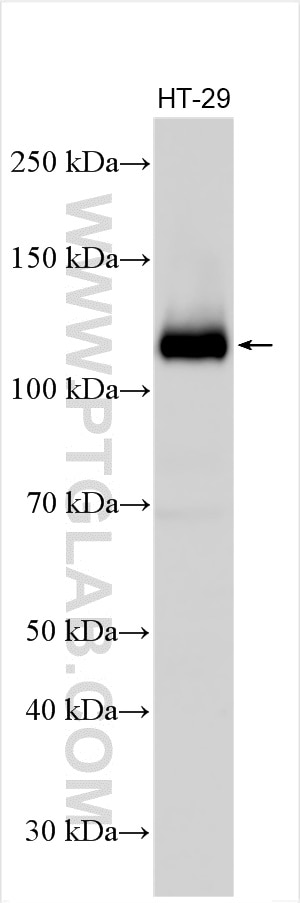
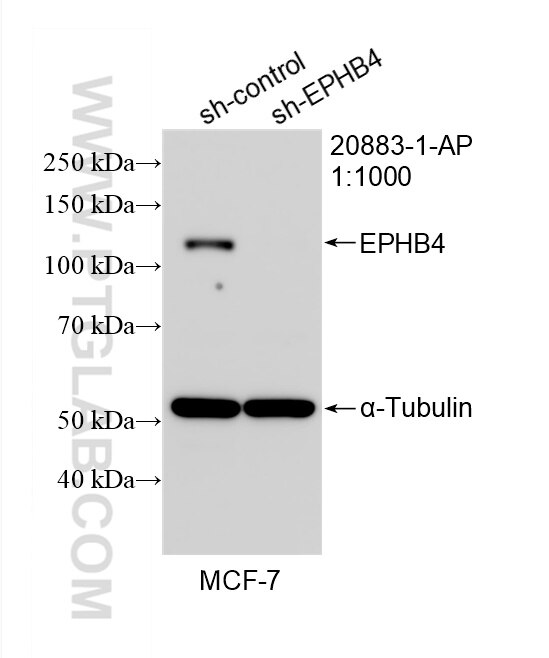
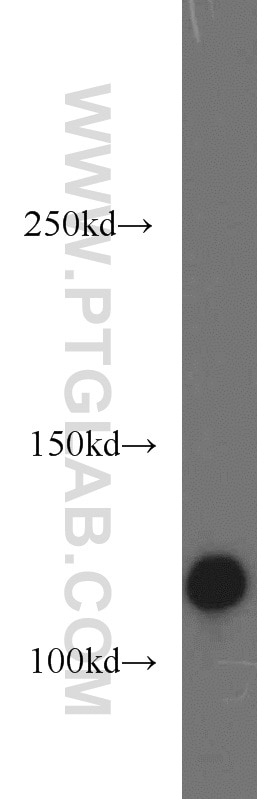
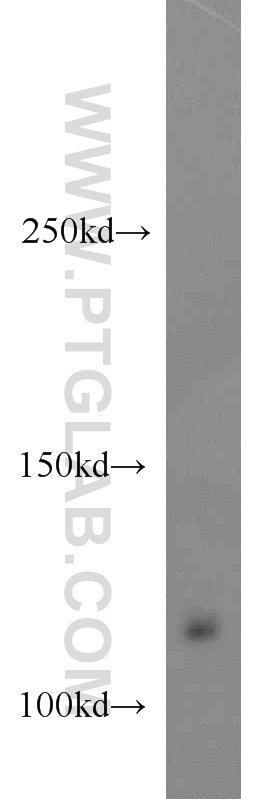
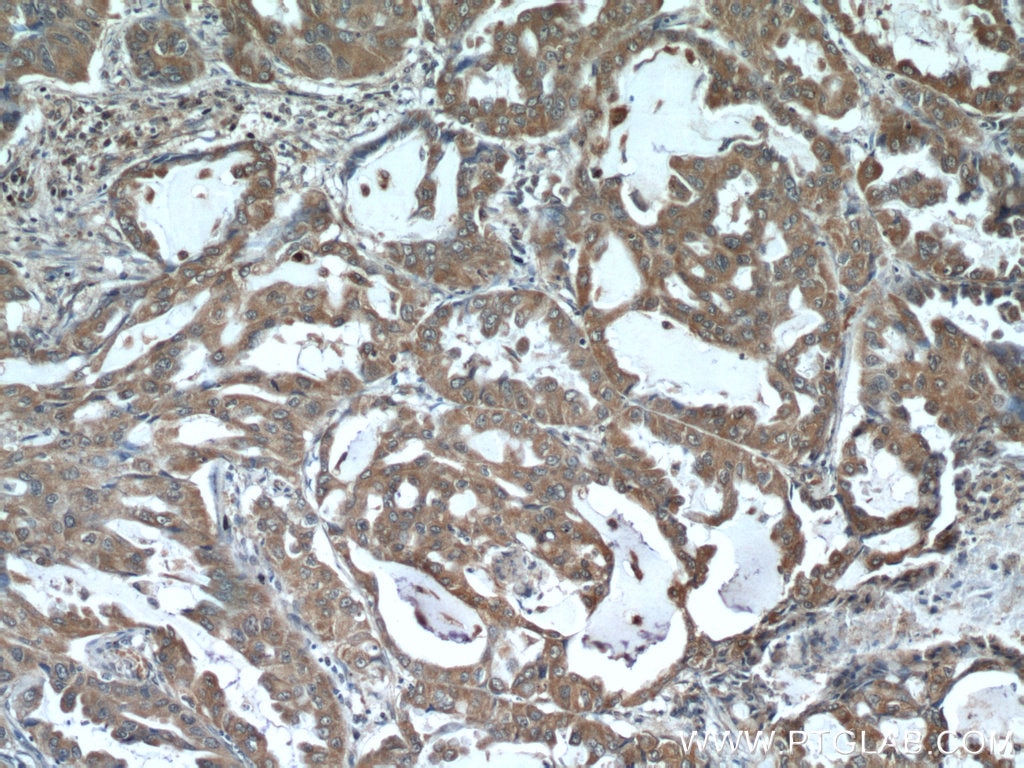
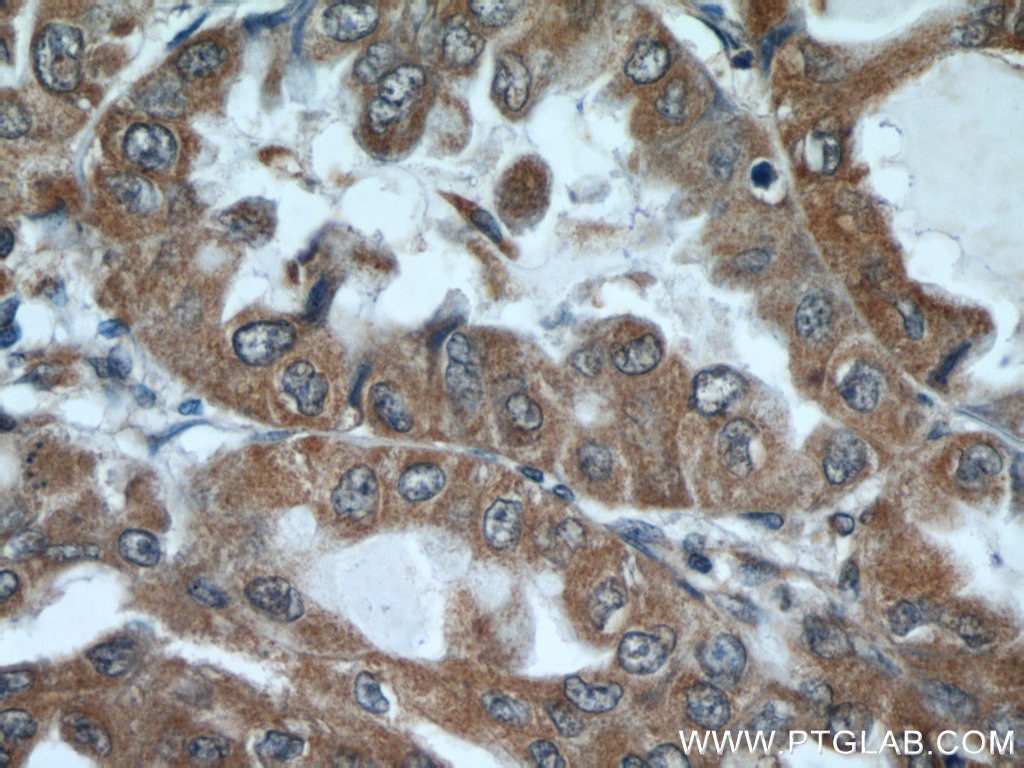
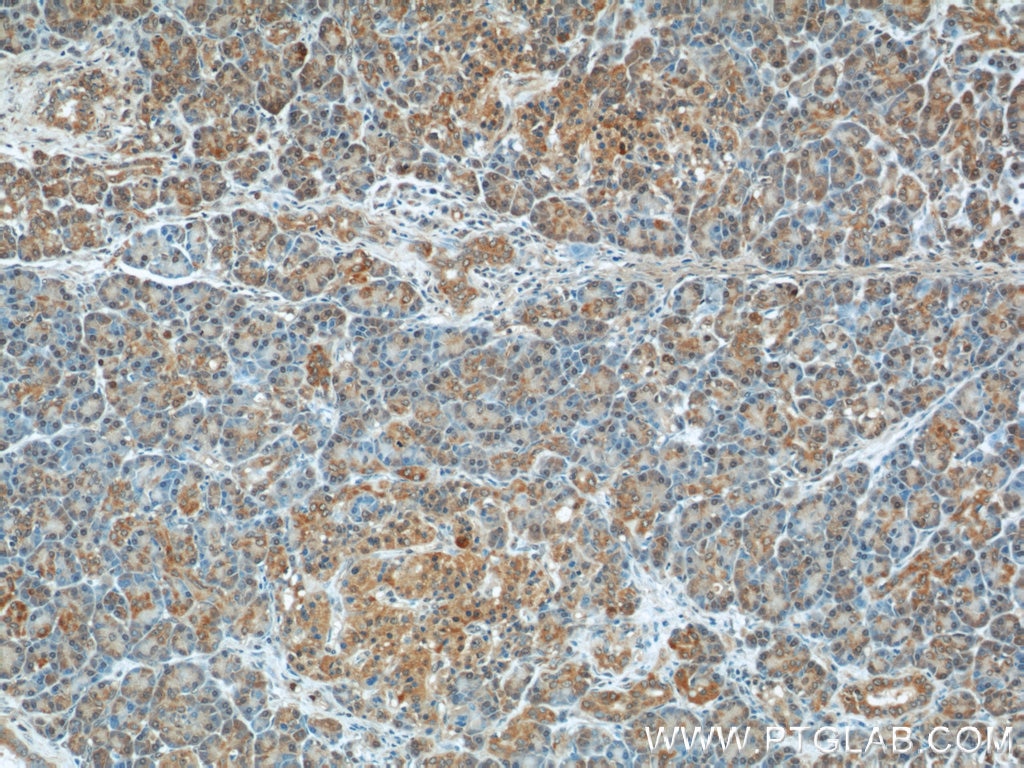
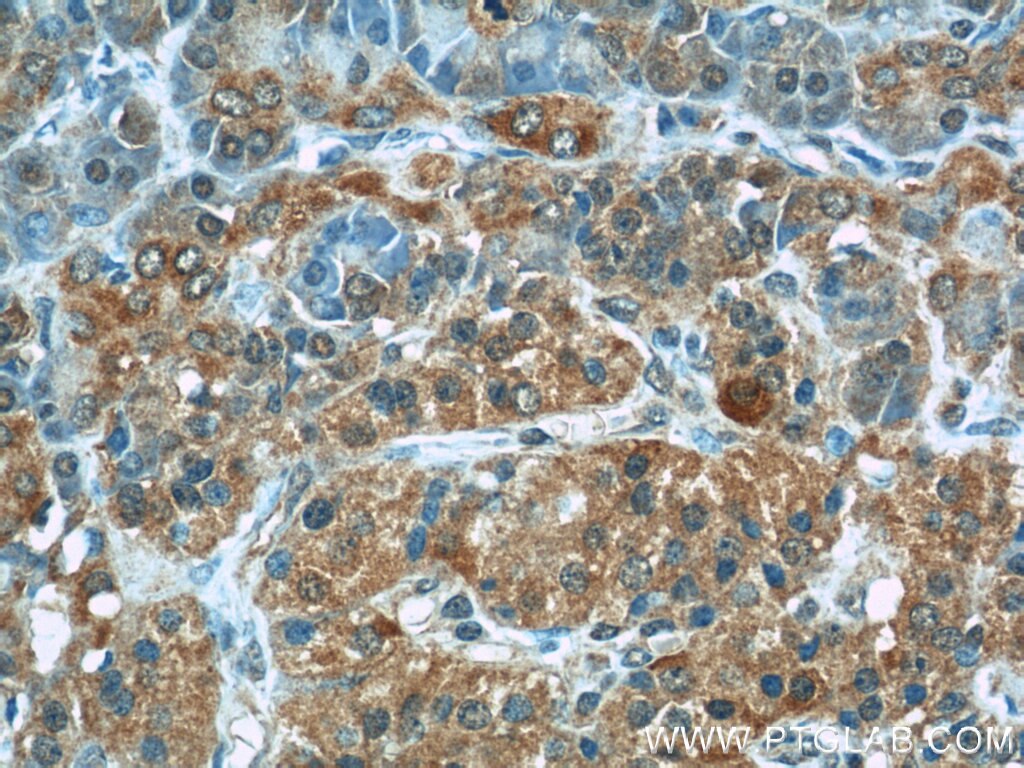

Tested Applications
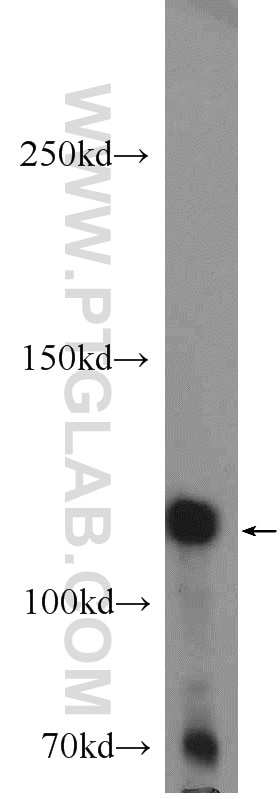
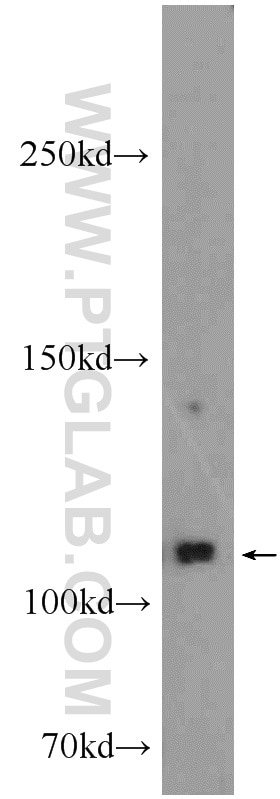
| Positive WB detected in | HT-29 cells, DU 145 cells, HeLa cells, HT-1080 cells, MCF-7 cells, PC-3 cells |
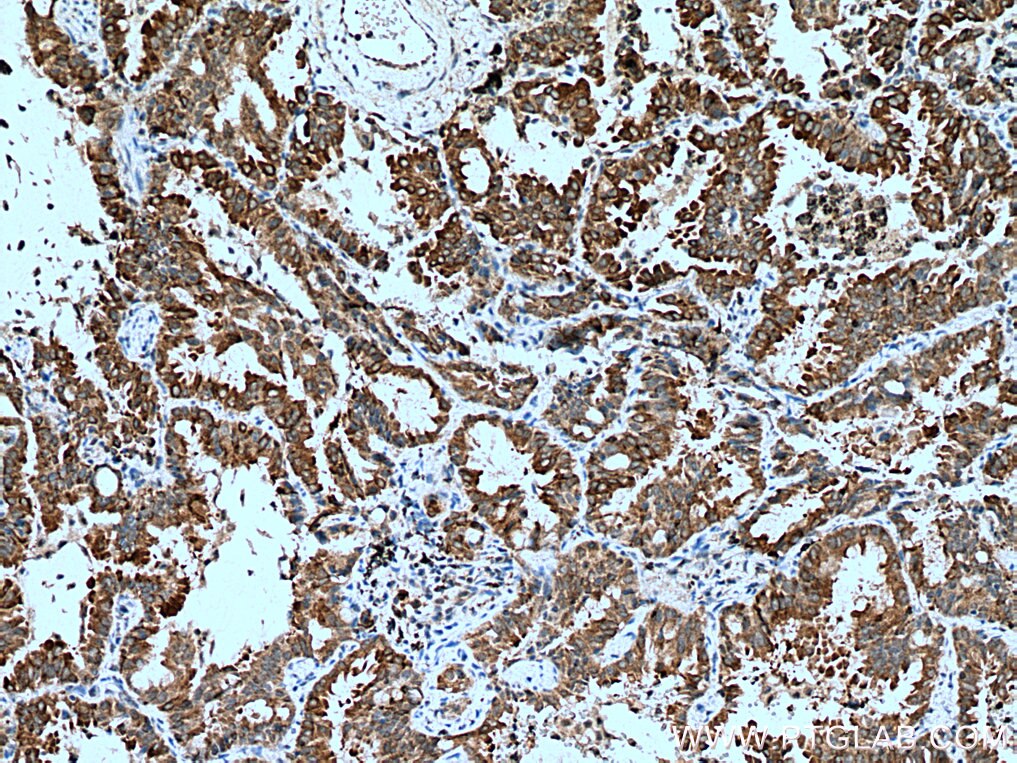
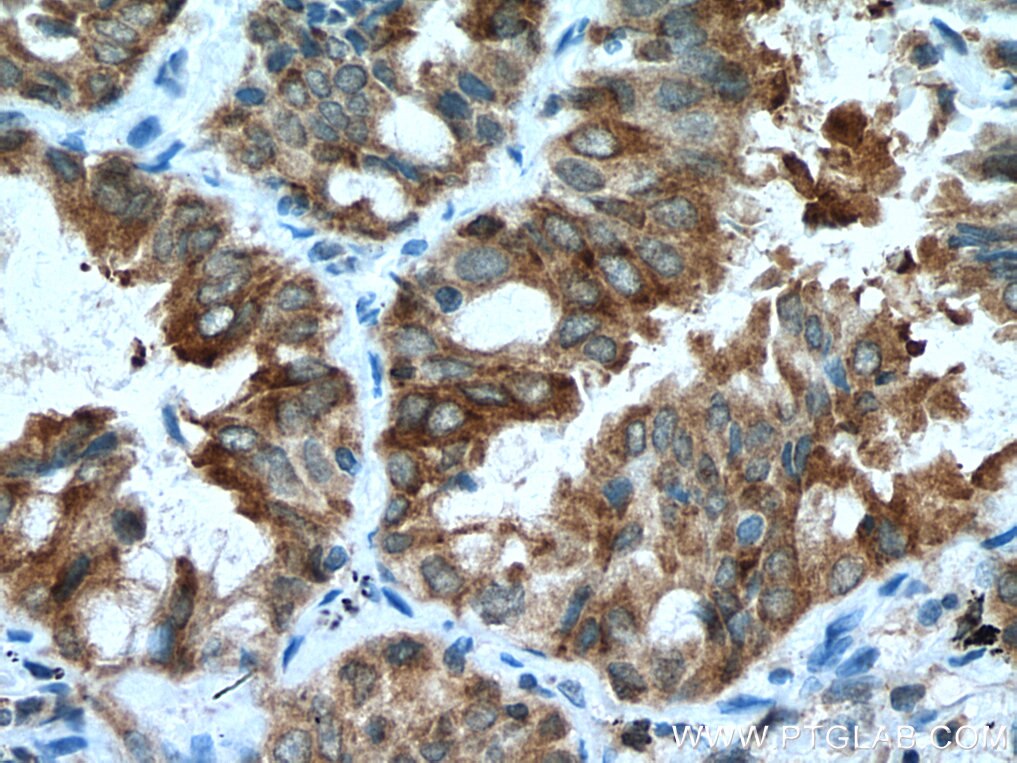
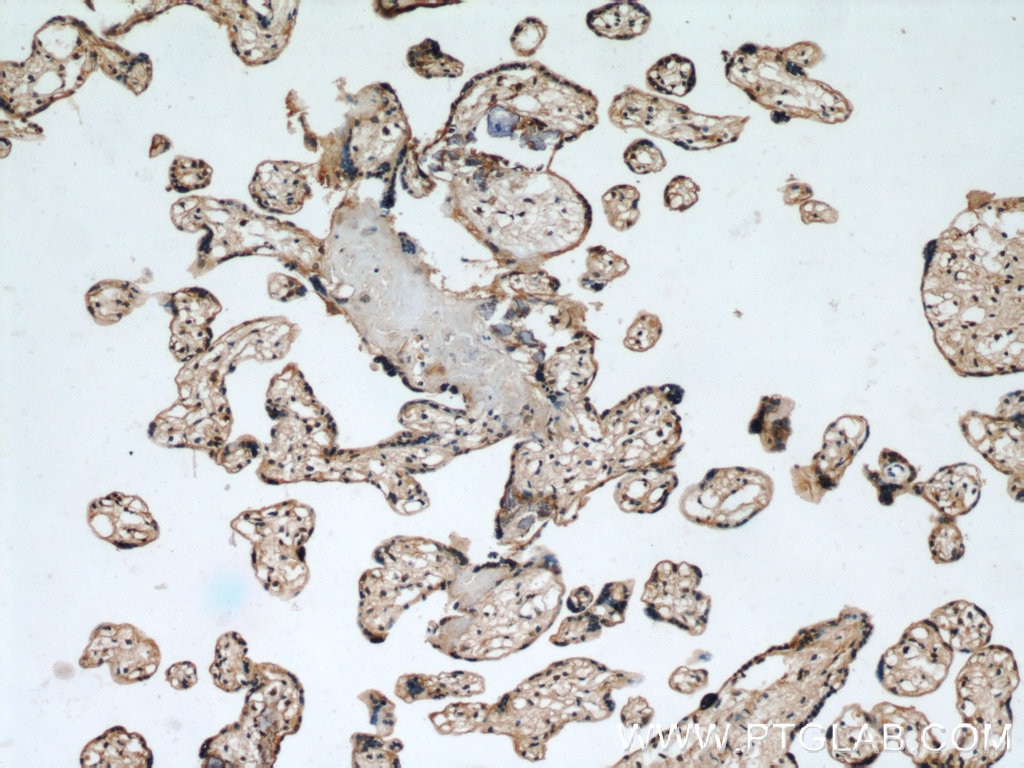
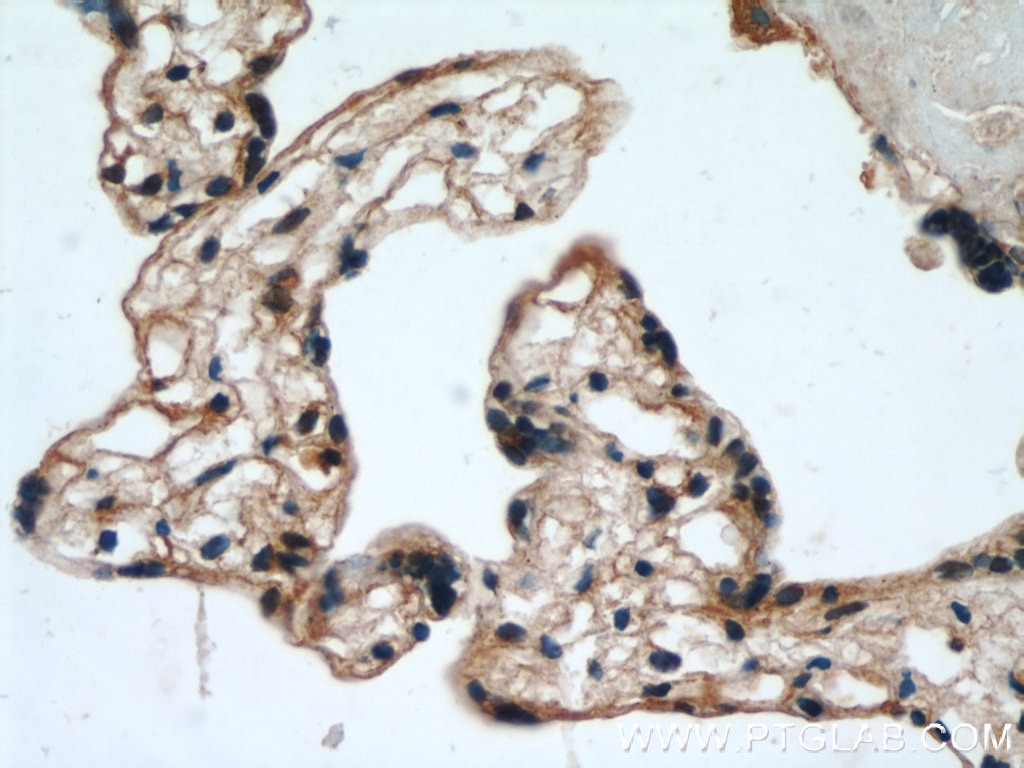
| Positive IHC detected in | human lung cancer tissue, human pancreas tissue, human placenta tissue Note: suggested antigen retrieval with TE buffer pH 9.0; (*) Alternatively, antigen retrieval may be performed with citrate buffer pH 6.0 |
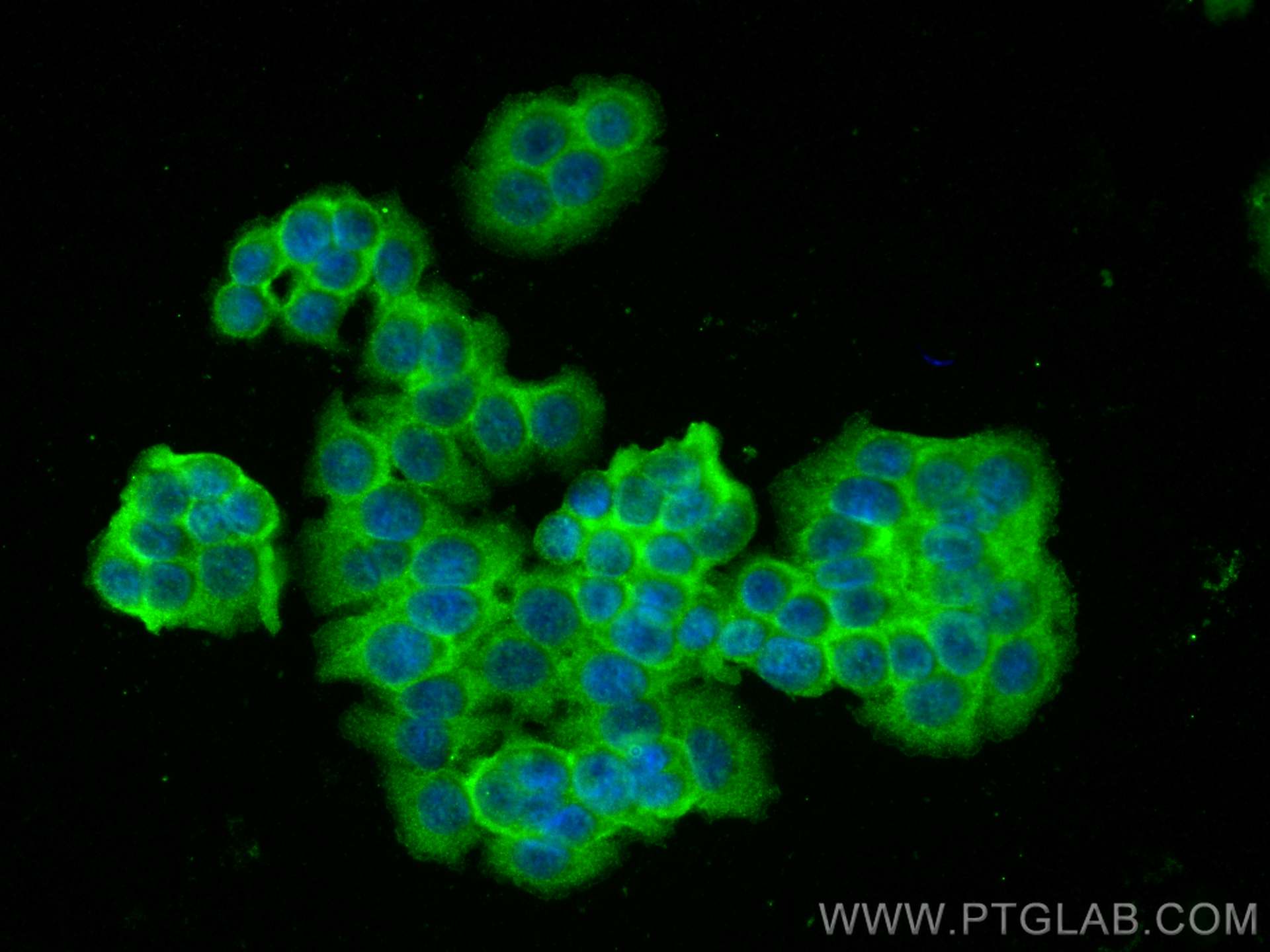
| Positive IF/ICC detected in | HT-29 cells |
Recommended dilution
| Application | Dilution |
|---|---|
| Western Blot (WB) | WB : 1:1000-1:6000 |
| Immunohistochemistry (IHC) | IHC : 1:50-1:500 |
| Immunofluorescence (IF)/ICC | IF/ICC : 1:200-1:800 |
| It is recommended that this reagent should be titrated in each testing system to obtain optimal results. | |
| Sample-dependent, Check data in validation data gallery. | |
Product Information
20883-1-AP targets EPHB4 in WB, IHC, IF/ICC, ELISA applications and shows reactivity with human samples.
| Tested Reactivity | human |
| Cited Reactivity | human, mouse, rat |
| Host / Isotype | Rabbit / IgG |
| Class | Polyclonal |
| Type | Antibody |
| Immunogen |
CatNo: Ag10033 Product name: Recombinant human EPHB4 protein Source: e coli.-derived, PGEX-4T Tag: GST Domain: 639-987 aa of BC052804 Sequence: KKESCVAIKTLKGGYTERQRREFLSEASIMGQFEHPNIIRLEGVVTNSMPVMILTEFMENGALDSFLRLNDGQFTVIQLVGMLRGIASGMRYLAEMSYVHRDLAARNILVNSNLVCKVSDFGLSRFLEENSSDPTYTSSLGGKIPIRWTAPEAIAFRKFTSASDAWSYGIVMWEVMSFGERPYWDMSNQDVINAIEQDYRLPPPPDCPTSLHQLMLDCWQKDRNARPRFPQVVSALDKMIRNPASLKIVARENGGASHPLLDQRQPHYSAFGSVGEWLRAIKMGRYEESFAAAGFGSFELVSQISAEDLLRIGVTLAGHQKKILASVQHMKSQAKPGTPGGTGGPAPQY Predict reactive species |
| Full Name | EPH receptor B4 |
| Calculated Molecular Weight | 987 aa, 108 kDa |
| Observed Molecular Weight | 110-120 kDa |
| GenBank Accession Number | BC052804 |
| Gene Symbol | EPHB4 |
| Gene ID (NCBI) | 2050 |
| RRID | AB_10897158 |
| Conjugate | Unconjugated |
| Form | Liquid |
| Purification Method | Antigen affinity purification |
| UNIPROT ID | P54760 |
| Storage Buffer | PBS with 0.02% sodium azide and 50% glycerol, pH 7.3. |
| Storage Conditions | Store at -20°C. Stable for one year after shipment. Aliquoting is unnecessary for -20oC storage. 20ul sizes contain 0.1% BSA. |
Background Information
EPHB4 (Ephrin type-B receptor 4) is a member of the Eph receptor tyrosine kinase family, the largest group of receptor tyrosine kinases. It binds ephrin-B ligands to regulate embryonic vascular development, lymphangiogenesis, and adult angiogenesis. Aberrant EPHB4 signaling promotes tumor progression, metastasis, and therapy resistance in various cancers, including breast, prostate, and colorectal malignancies. As a key regulator of tumor vasculature and the tumor microenvironment, EPHB4 represents an emerging therapeutic target for anti-cancer drug development and a potential prognostic biomarker.
Protocols
| Product Specific Protocols | |
|---|---|
| IF protocol for EPHB4 antibody 20883-1-AP | Download protocol |
| IHC protocol for EPHB4 antibody 20883-1-AP | Download protocol |
| WB protocol for EPHB4 antibody 20883-1-AP | Download protocol |
| Standard Protocols | |
|---|---|
| Click here to view our Standard Protocols |
Publications
What published studies show
Anti-EphB4 antibody (Cat# 20883-1-AP) has 29 citations across journals including Signal Transduction and Targeted Therapy, Cell Stem Cell, Developmental Cell, Small, FASEB Journal, Biochemical Pharmacology, and Communications Biology. Research fields span oncology (esophageal, breast, hepatic, thyroid cancers), vascular biology and angiogenesis, osteogenesis and bone remodeling, periodontitis, diabetes metabolism, neurovascular pathology, drug delivery, and inflammatory bowel disease.
| Species | Application | Title |
|---|---|---|
Signal Transduct Target Ther Aberrant epithelial cell interaction promotes esophageal squamous-cell carcinoma development and progression
| ||
Cell Stem Cell Modeling blood-brain barrier formation and cerebral cavernous malformations in human PSC-derived organoids | ||
Small Specific Photothermal Ablation Therapy of Endometriosis by Targeting Delivery of Gold Nanospheres. | ||
Phytomedicine Sanguinarine combats hypoxia-induced activation of EphB4 and HIF-1α pathways in breast cancer. | ||
Dev Cell Differentiation of lung tissue-resident c-Kit+ cells into microvascular endothelial cells alleviates pulmonary vascular remodeling | ||
Int J Mol Med Upregulated EFNB2 and EPHB4 promotes lung development in a nitrofen-induced congenital diaphragmatic hernia rat model. |
Reviews
What customers say
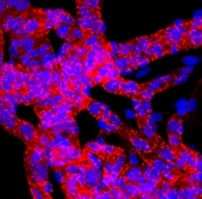
One reviewer (M. Mues) gave this antibody a 5-star rating for immunofluorescence on brain tissue at a 1:100 dilution, noting that it is useful for staining. Overall, the single review reflects a positive experience with the product's performance in IF applications.
The reviews below have been submitted by verified Proteintech customers who received an incentive for providing their feedback.
Marsilius (Verified Customer) (04-13-2021) | This antibody is useful for staining.
 |
















