

Tested Applications
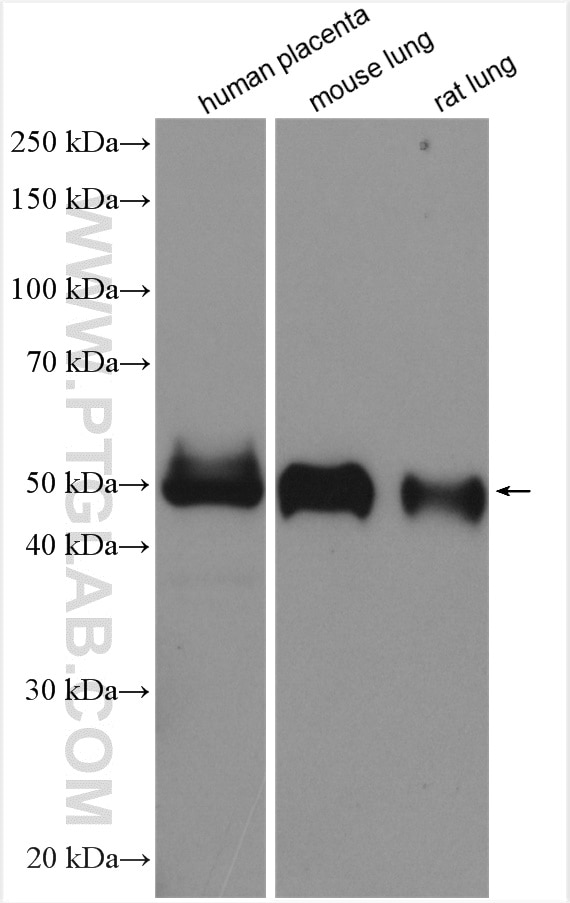
| Positive WB detected in | human placenta tissue, mouse lung tissue, rat lung tissue |
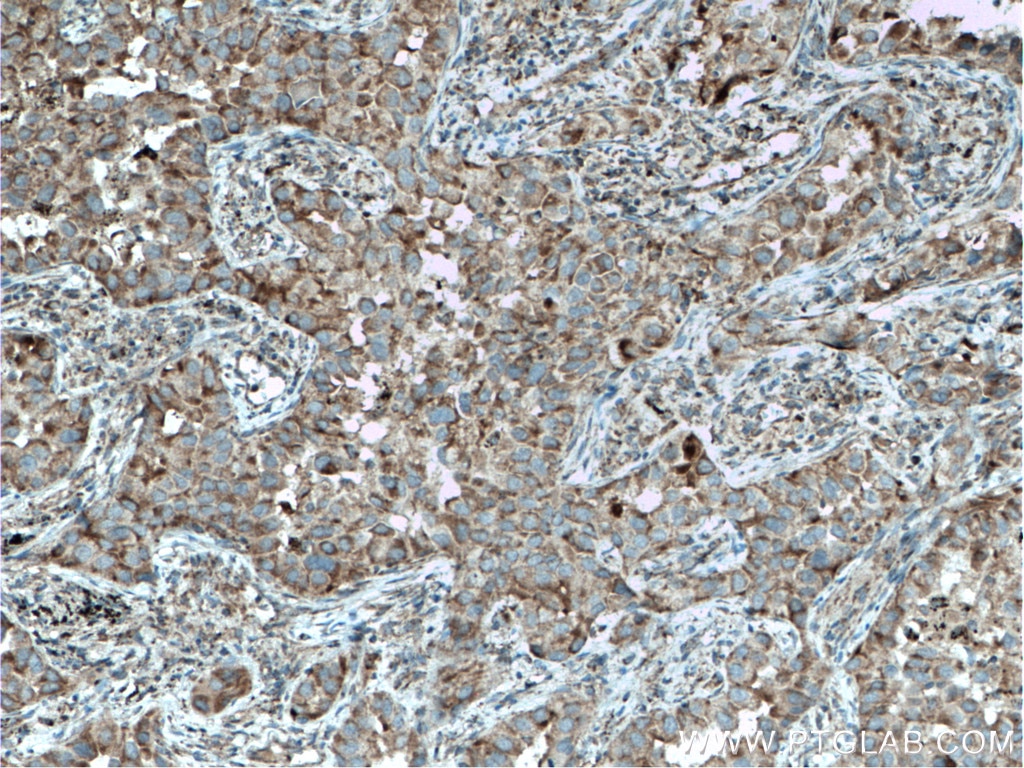
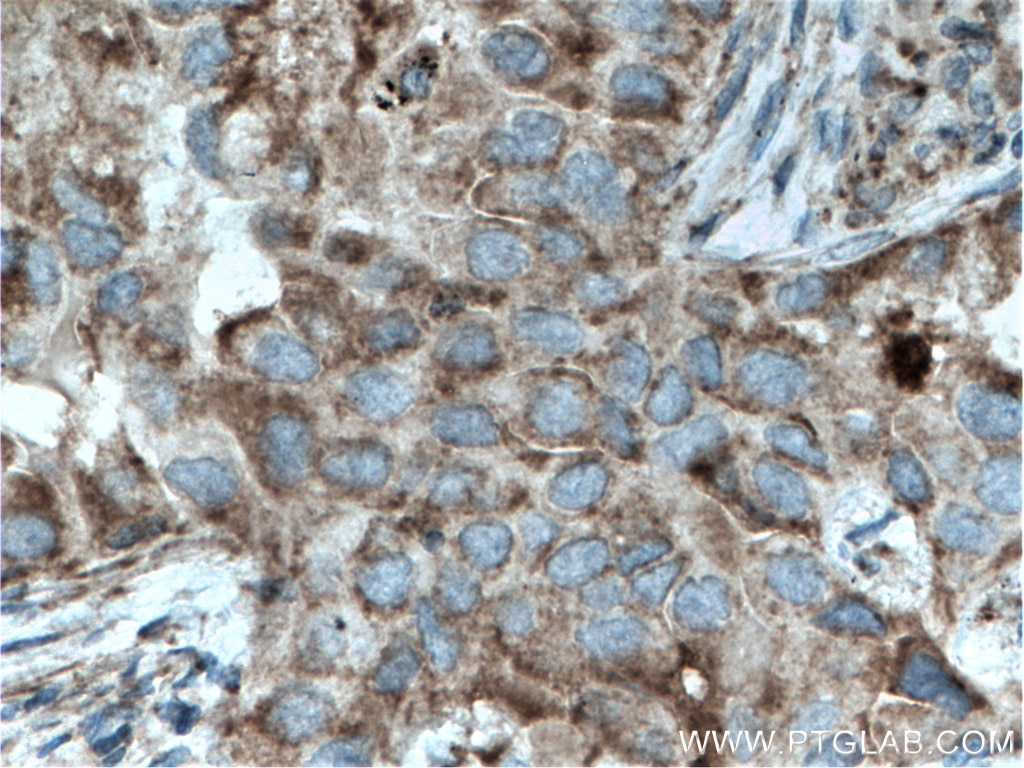
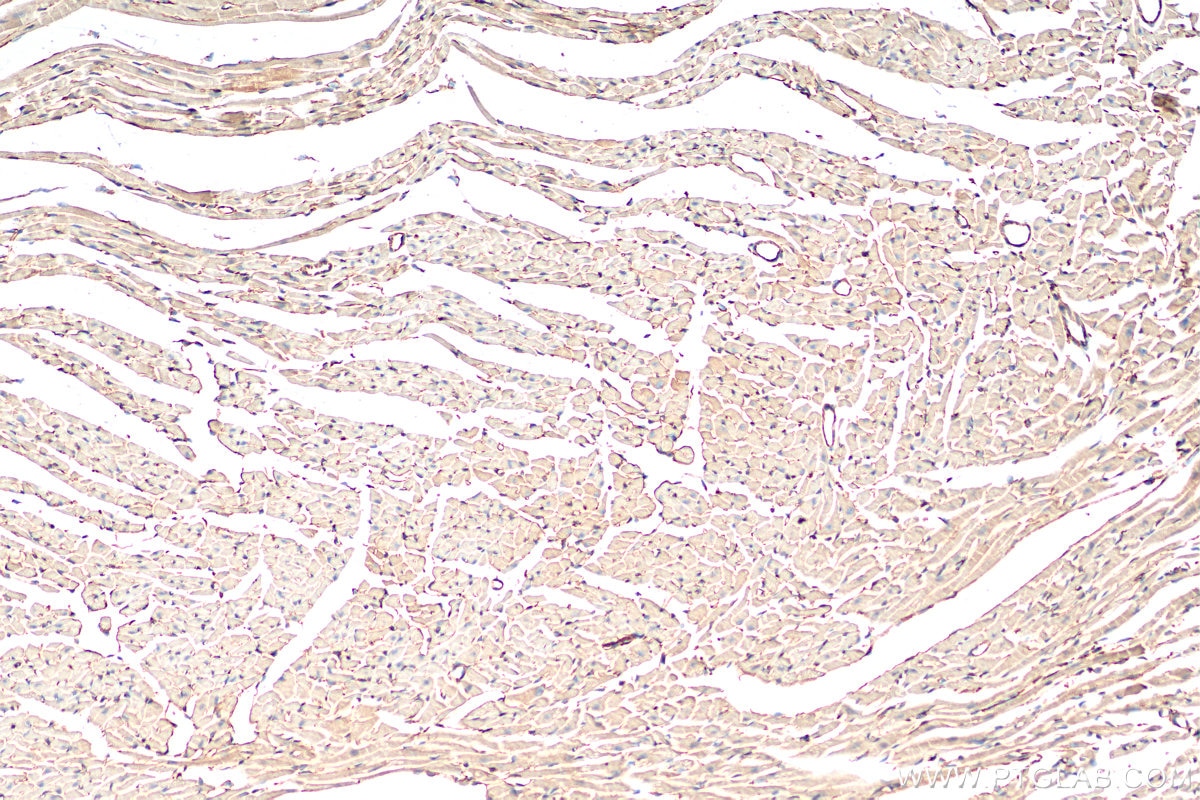
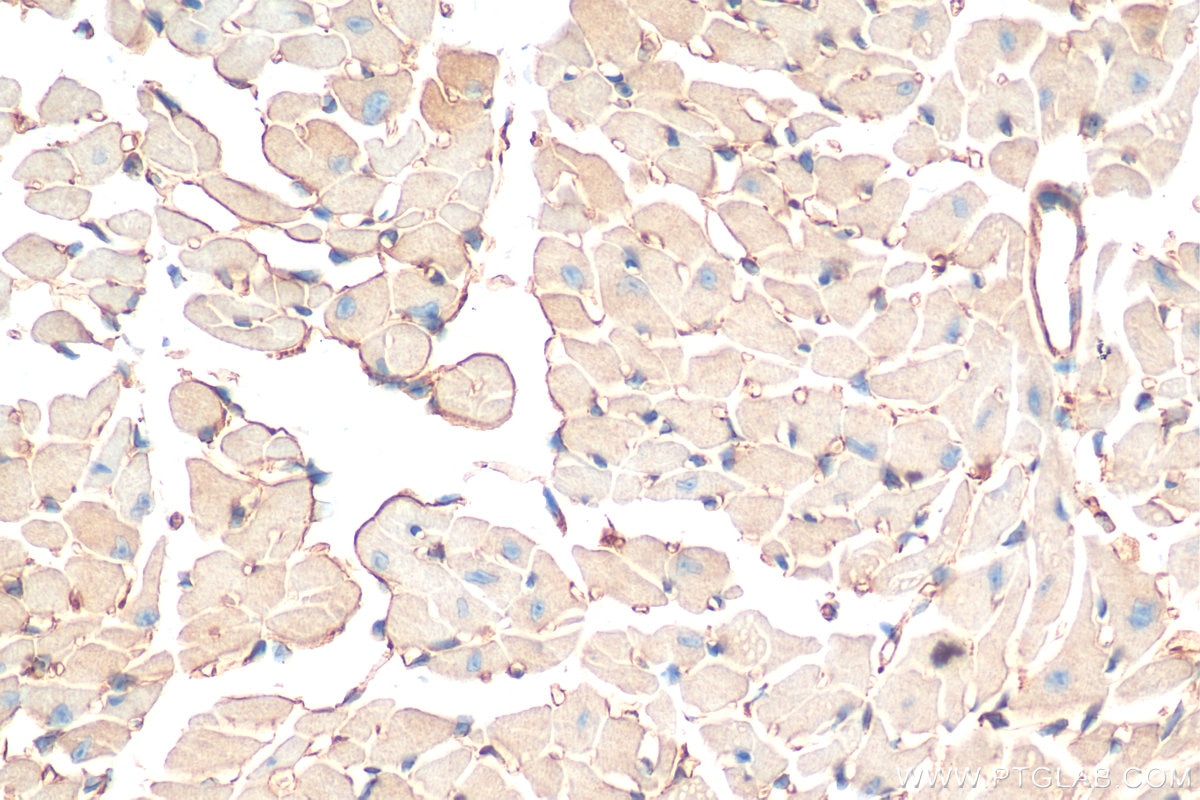
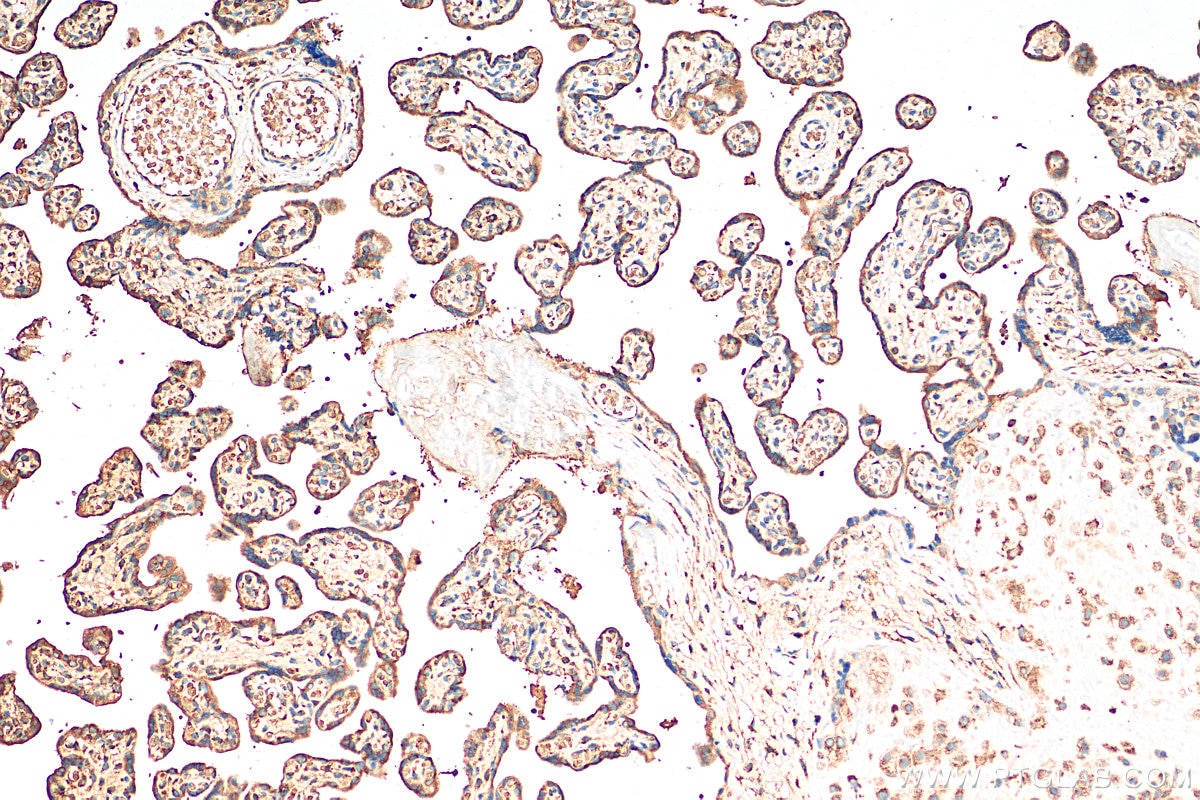
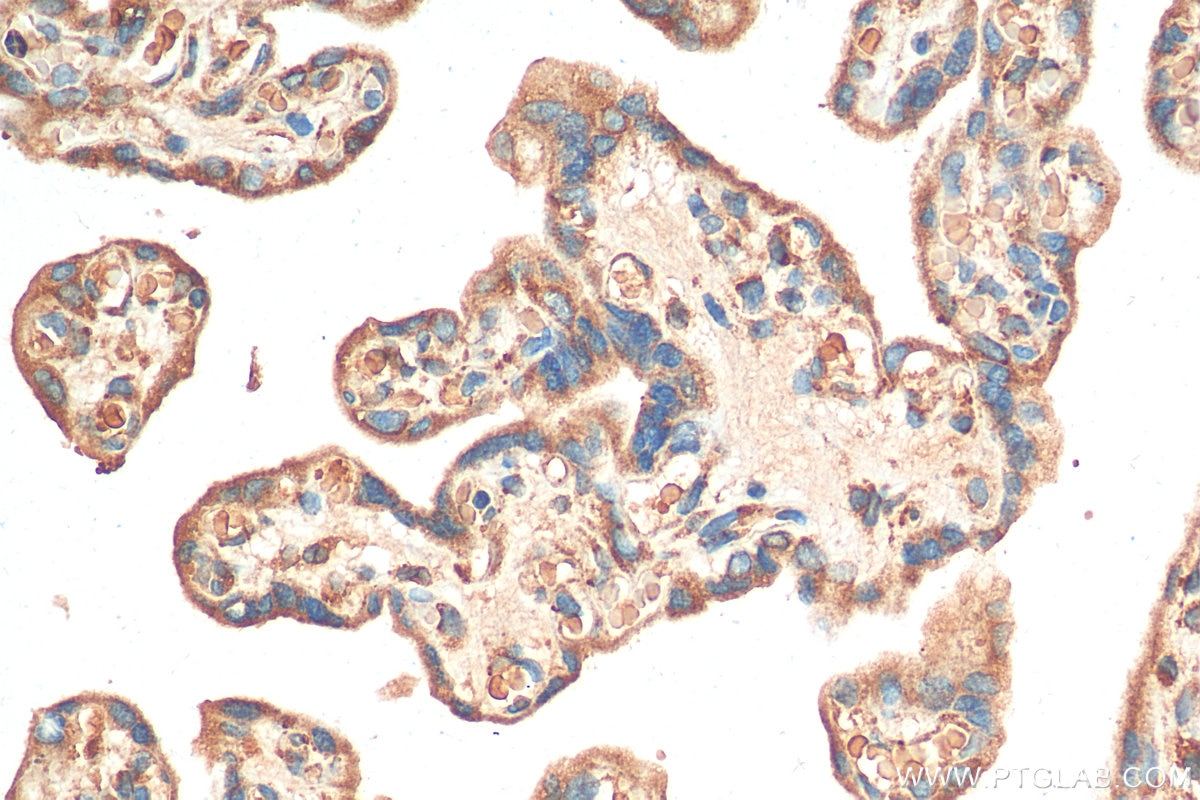
| Positive IHC detected in | mouse heart tissue, human lung cancer tissue, human placenta tissue Note: suggested antigen retrieval with TE buffer pH 9.0; (*) Alternatively, antigen retrieval may be performed with citrate buffer pH 6.0 |
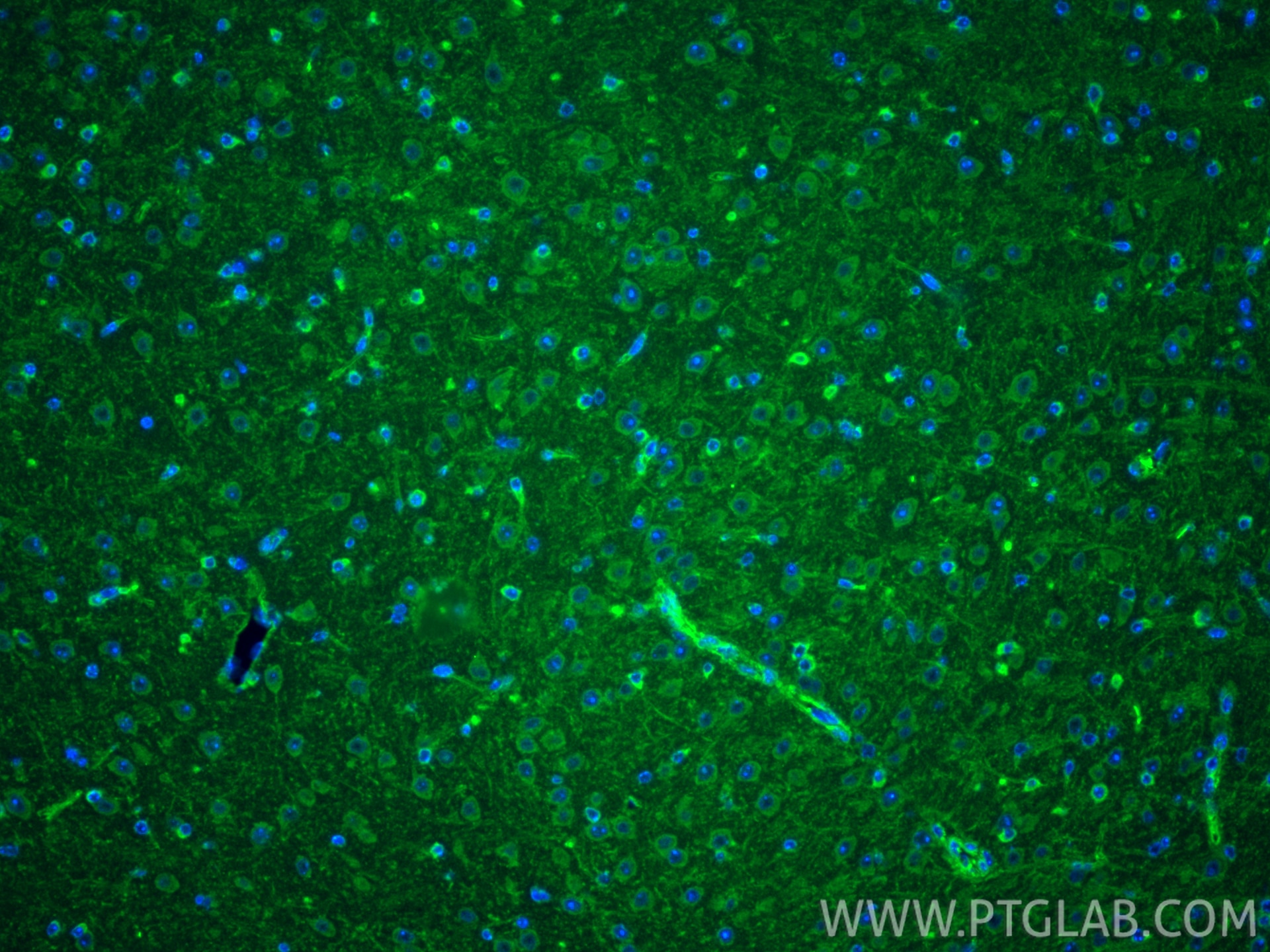
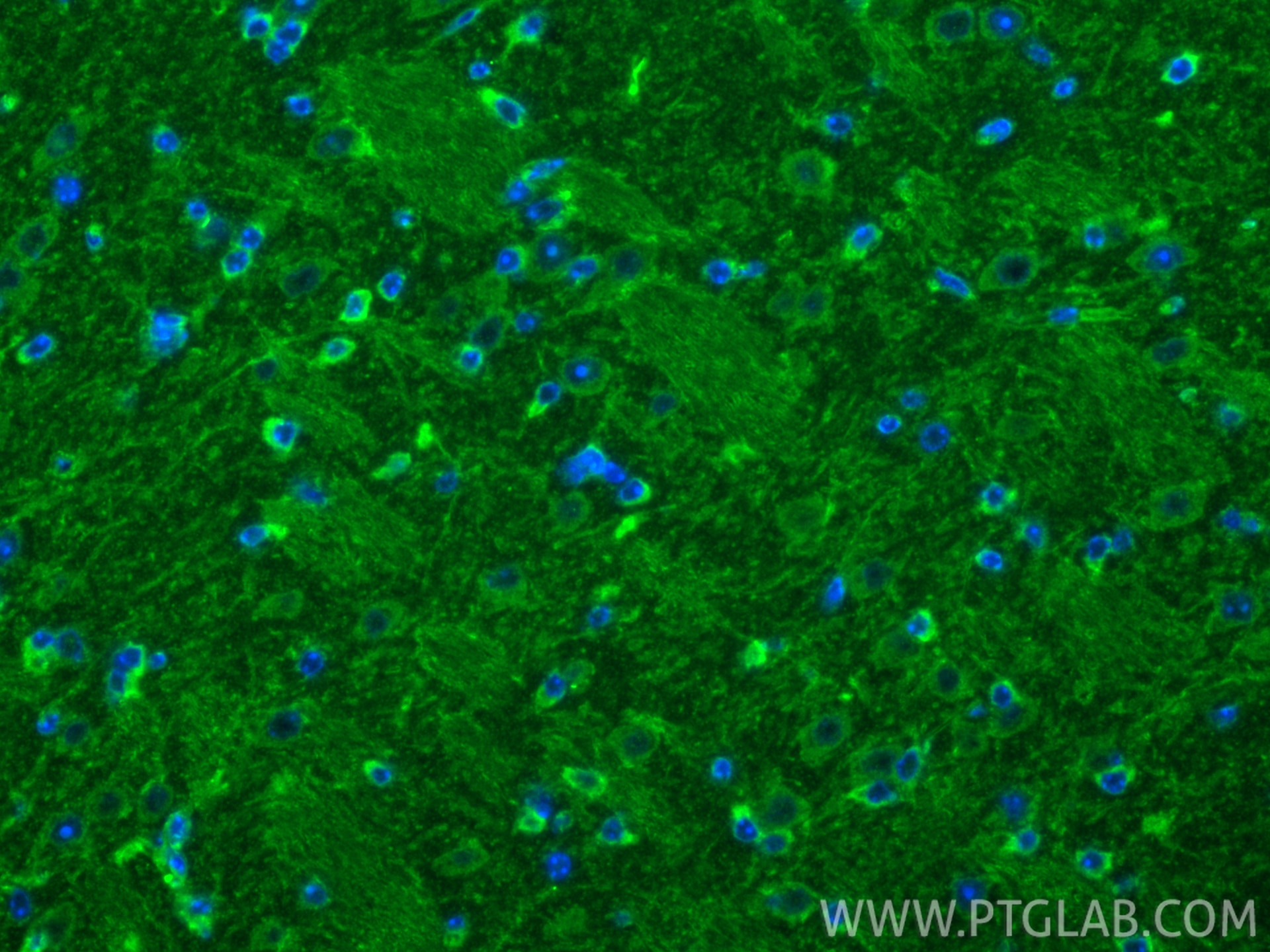
| Positive IF-P detected in | mouse brain tissue |
Recommended dilution
| Application | Dilution |
|---|---|
| Western Blot (WB) | WB : 1:500-1:2000 |
| Immunohistochemistry (IHC) | IHC : 1:1000-1:4000 |
| Immunofluorescence (IF)-P | IF-P : 1:200-1:800 |
| It is recommended that this reagent should be titrated in each testing system to obtain optimal results. | |
| Sample-dependent, Check data in validation data gallery. | |
Product Information
11920-1-AP targets IL-1RL1/ST2 in WB, IHC, IF-P, IP, CoIP, ELISA applications and shows reactivity with human, mouse, rat samples.
| Tested Reactivity | human, mouse, rat |
| Cited Reactivity | human, mouse, rat |
| Host / Isotype | Rabbit / IgG |
| Class | Polyclonal |
| Type | Antibody |
| Immunogen |
CatNo: Ag2555 Product name: Recombinant human IL-1RL1 protein Source: e coli.-derived, PGEX-4T Tag: GST Domain: 4-328 aa of BC030975 Sequence: WILAILTILMYSTAAKFSKQSWGLENEALIVRCPRQGKPSYTVDWYYSQTNKSIPTQERNRVFASGQLLKFLPAAVADSGIYTCIVRSPTFNRTGYANVTIYKKQSDCNVPDYLMYSTVSGSEKNSKIYCPTIDLYNWTAPLEWFKNCQALQGSRYRAHKSFLVIDNVMTEDAGDYTCKFIHNENGANYSVTATRSFTVKDEQGFSLFPVIGAPAQNEIKEVEIGKNANLTCSACFGKGTQFLAAVLWQLNGTKITDFGEPRIQQEEGQNQSFSNGLACLDMVLRIADVKEEDLLLQYDCLALNLHGLRRHTVRLSRKNPSKECF Predict reactive species |
| Full Name | interleukin 1 receptor-like 1 |
| Calculated Molecular Weight | 63 kDa, 37 kDa, 30 kDa |
| Observed Molecular Weight | 50 kDa |
| GenBank Accession Number | BC030975 |
| Gene Symbol | IL1RL1 |
| Gene ID (NCBI) | 9173 |
| RRID | AB_906359 |
| Conjugate | Unconjugated |
| Form | Liquid |
| Purification Method | Antigen affinity purification |
| UNIPROT ID | Q01638 |
| Storage Buffer | PBS with 0.02% sodium azide and 50% glycerol, pH 7.3. |
| Storage Conditions | Store at -20°C. Stable for one year after shipment. Aliquoting is unnecessary for -20oC storage. 20ul sizes contain 0.1% BSA. |
Background Information
ST2, also known as IL1RL1, is a member of the IL-1 superfamily and serves as the receptor for IL-33. It plays a major role in immune and inflammatory responses. ST2 is expressed by various types of immune cells including Th2 cells, mast cells, type 2 innate lymphoid cells, eosinophils, basophils, NK cells, and non-immune cells, including cardiomyocytes. Two forms of ST2 exist: a membrane-bound form and a soluble form (sST2). The membrane-bound form activates the MyD88/NF-κB signaling pathway to enhance mast cell, Th2, regulatory T cell (Treg), and innate lymphoid cell type 2 functions. sST2 acts as a decoy receptor. (PMID: 27055914; 23999434; 28484466)
Protocols
| Product Specific Protocols | |
|---|---|
| IF protocol for IL-1RL1/ST2 antibody 11920-1-AP | Download protocol |
| IHC protocol for IL-1RL1/ST2 antibody 11920-1-AP | Download protocol |
| WB protocol for IL-1RL1/ST2 antibody 11920-1-AP | Download protocol |
| Standard Protocols | |
|---|---|
| Click here to view our Standard Protocols |
Publications
What published studies show
Anti-IL-33 antibody (Cat# 11920-1-AP) has 55 total citations published in journals including Cell, PNAS, Oncogene, Cell Death & Disease, Journal of Neuroinflammation, Free Radical Biology and Medicine, Clinical Science, and International Immunopharmacology. Research fields span immunology and inflammation, cardiovascular disease, oncology, neurology, pulmonary disease, renal fibrosis, allergic disorders, and autoimmune conditions.
| Species | Application | Title |
|---|---|---|
Cell Charting the cellular biogeography in colitis reveals fibroblast trajectories and coordinated spatial remodeling | ||
Cell Mol Immunol Topical delivery of a human single-domain antibody targeting IL-33 to inhibit mucosal inflammation | ||
MedComm (2020) Partial reduction of interleukin-33 signaling improves senescence and renal injury in diabetic nephropathy | ||
Cell Death Dis Macrophages originated IL-33/ST2 inhibits ferroptosis in endometriosis via the ATF3/SLC7A11 axis
| ||
Cell Commun Signal IL-33/ST2 antagonizes STING signal transduction via autophagy in response to acetaminophen-mediated toxicological immunity | ||
J Neuroinflammation IL-33/ST2 signaling contributes to radicular pain by modulating MAPK and NF-κB activation and inflammatory mediator expression in the spinal cord in rat models of noncompressive lumber disk herniation. |










