

Tested Applications
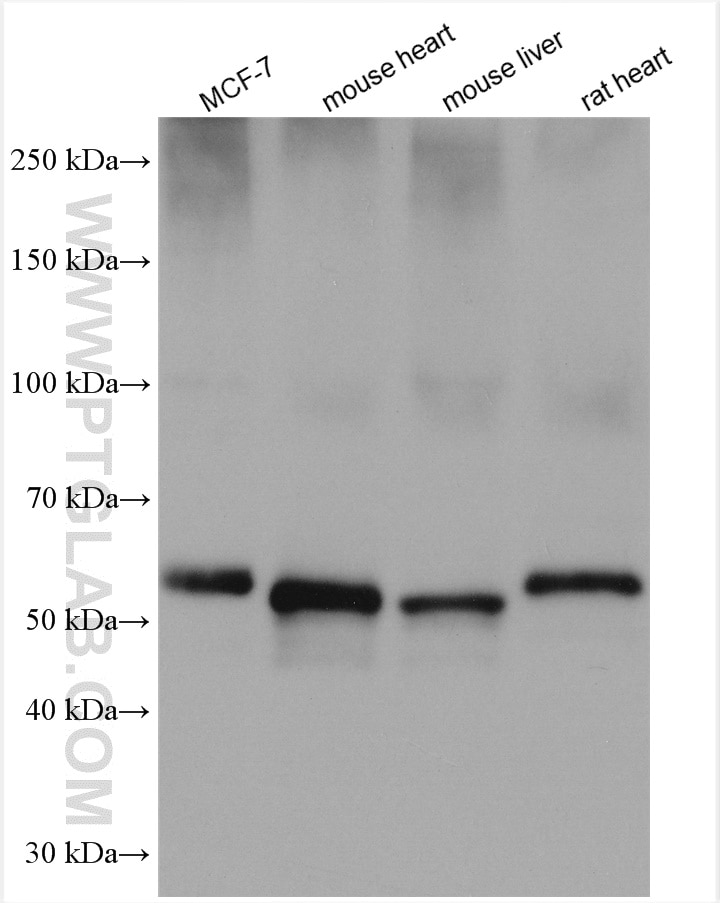
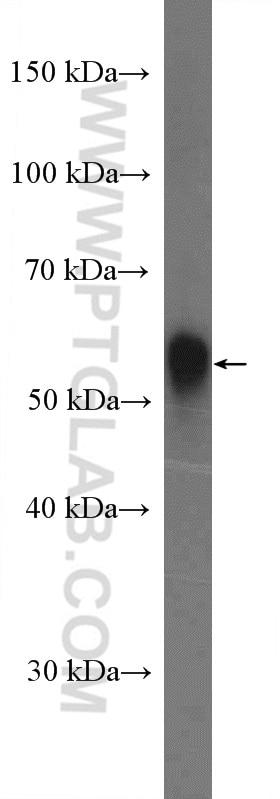
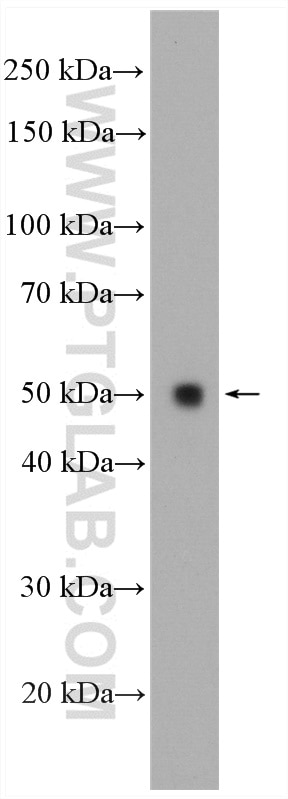
| Positive WB detected in | MCF-7 cells, mouse liver tissue, pig heart tissue, mouse heart tissue, rat heart tissue |
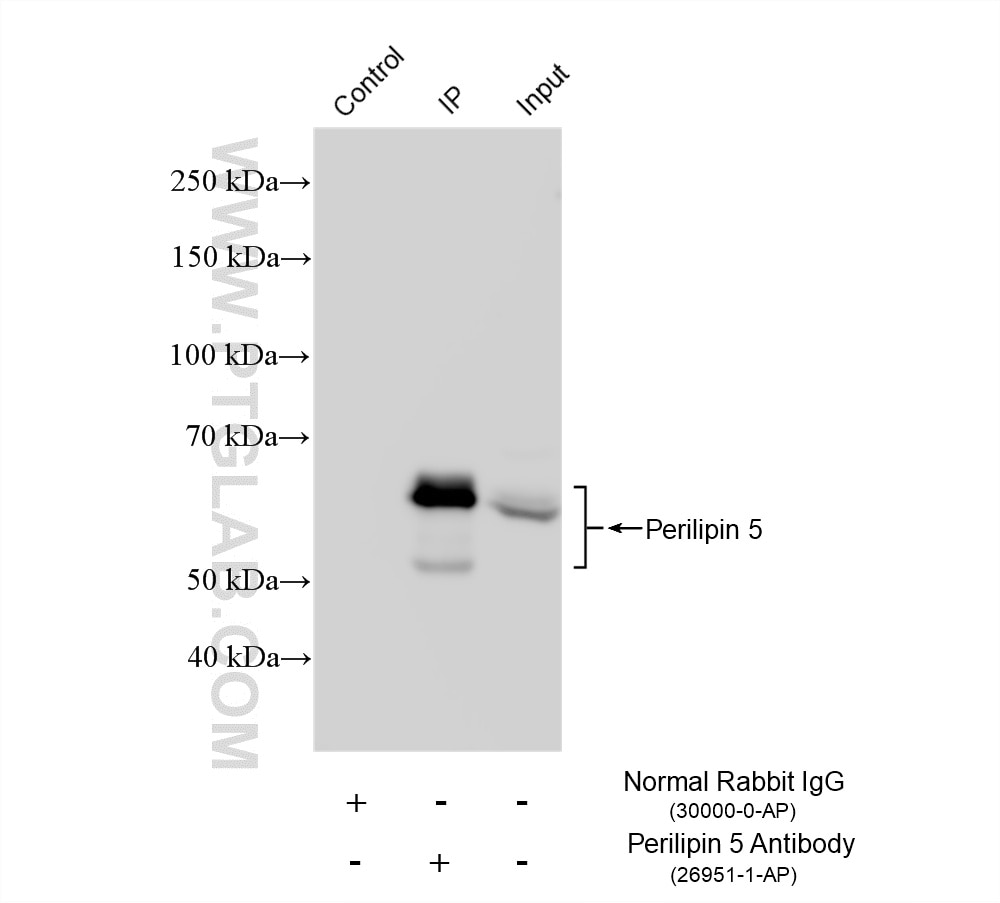
| Positive IP detected in | MCF-7 cells |
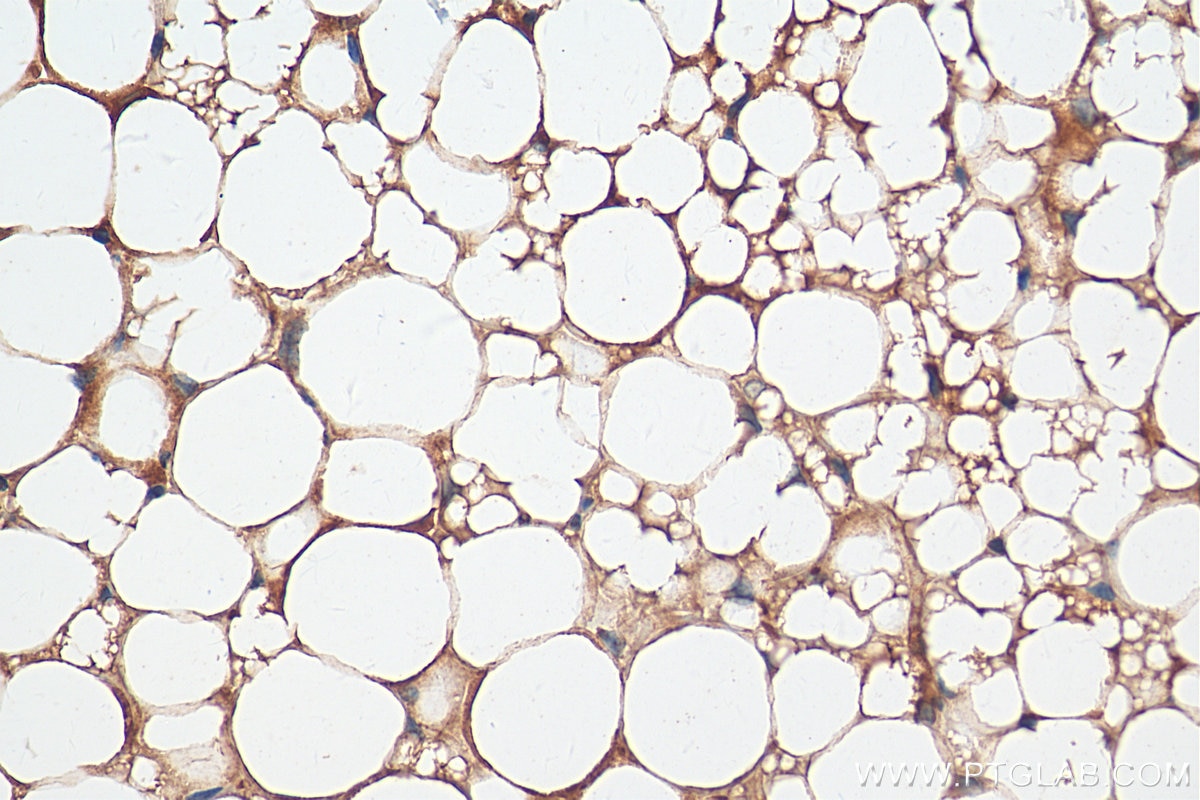
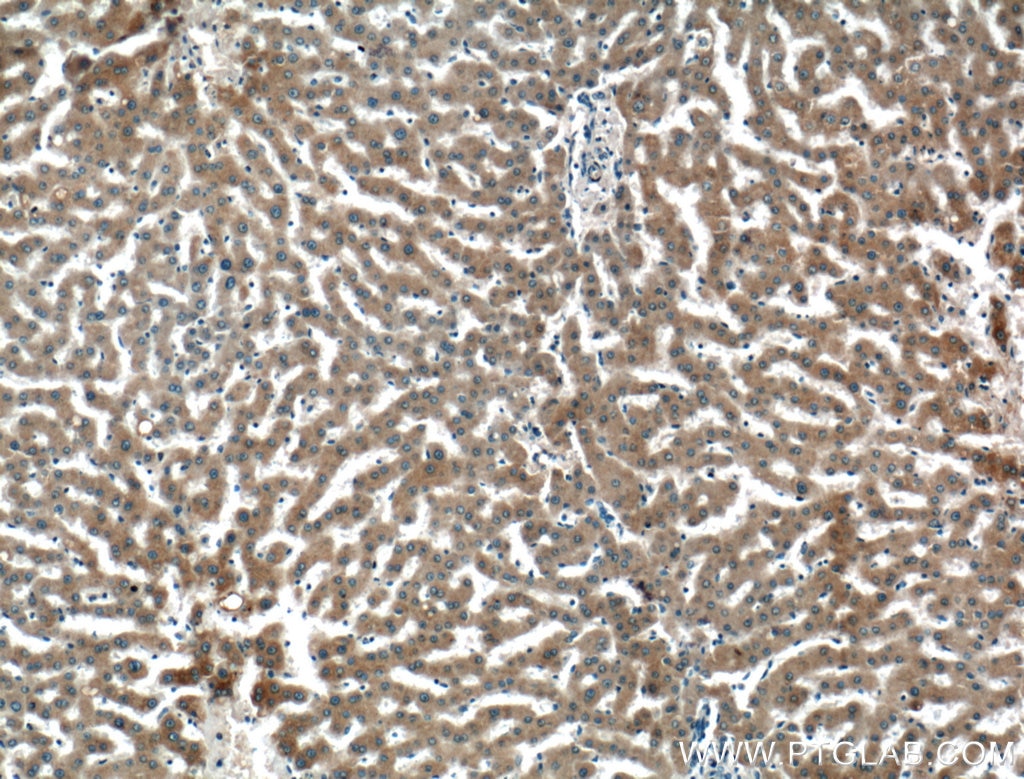
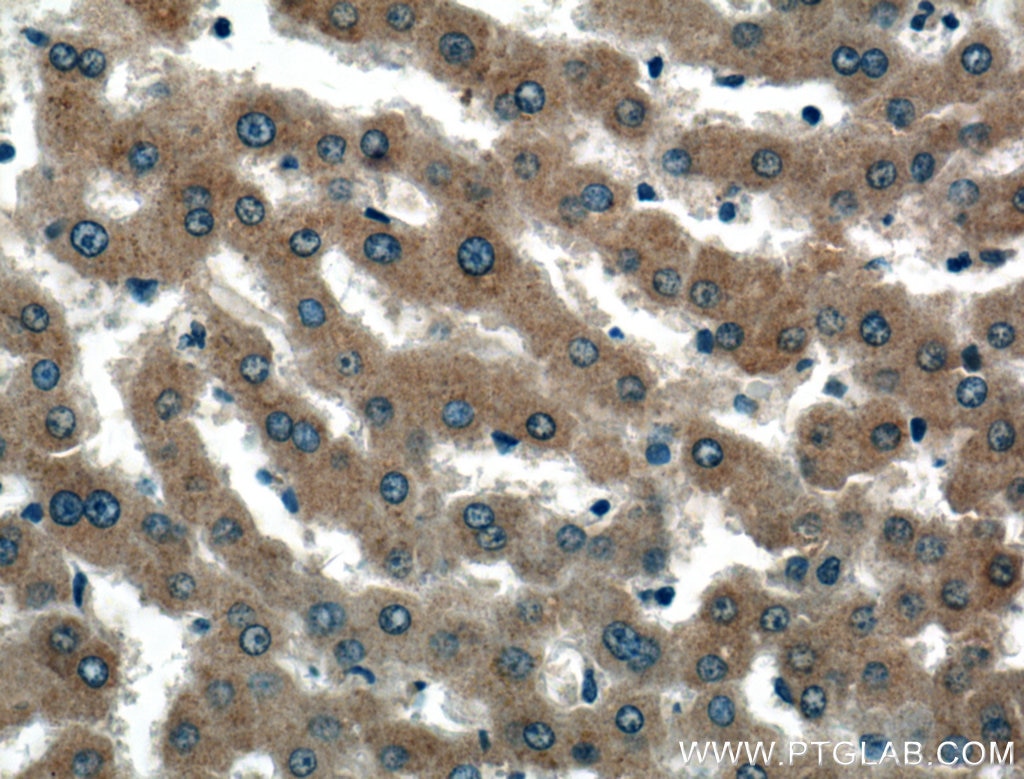
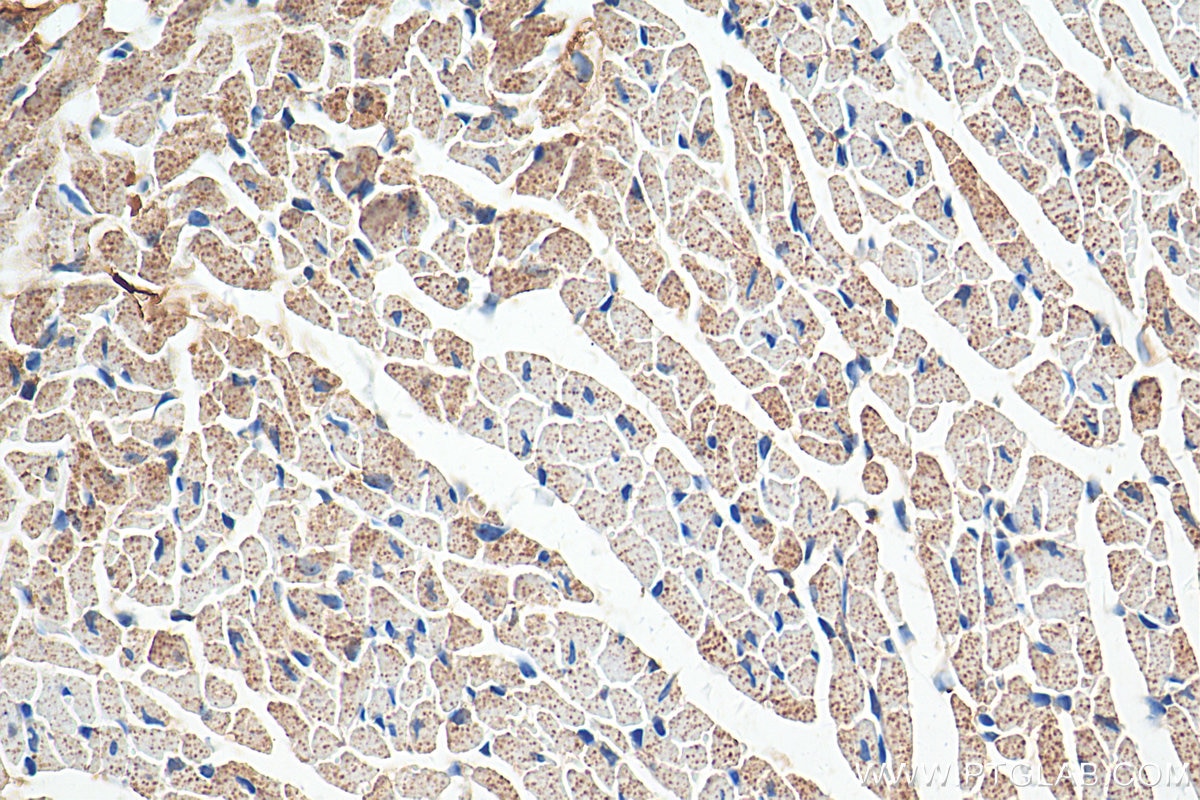
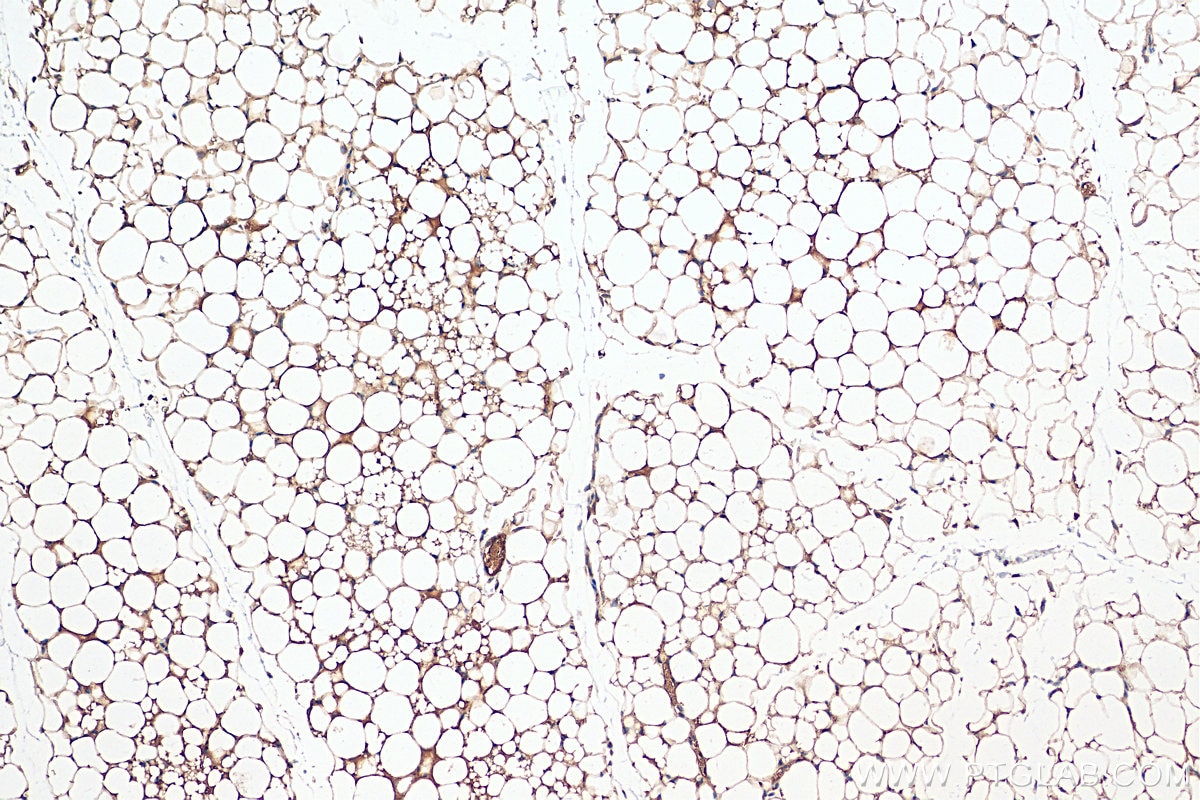
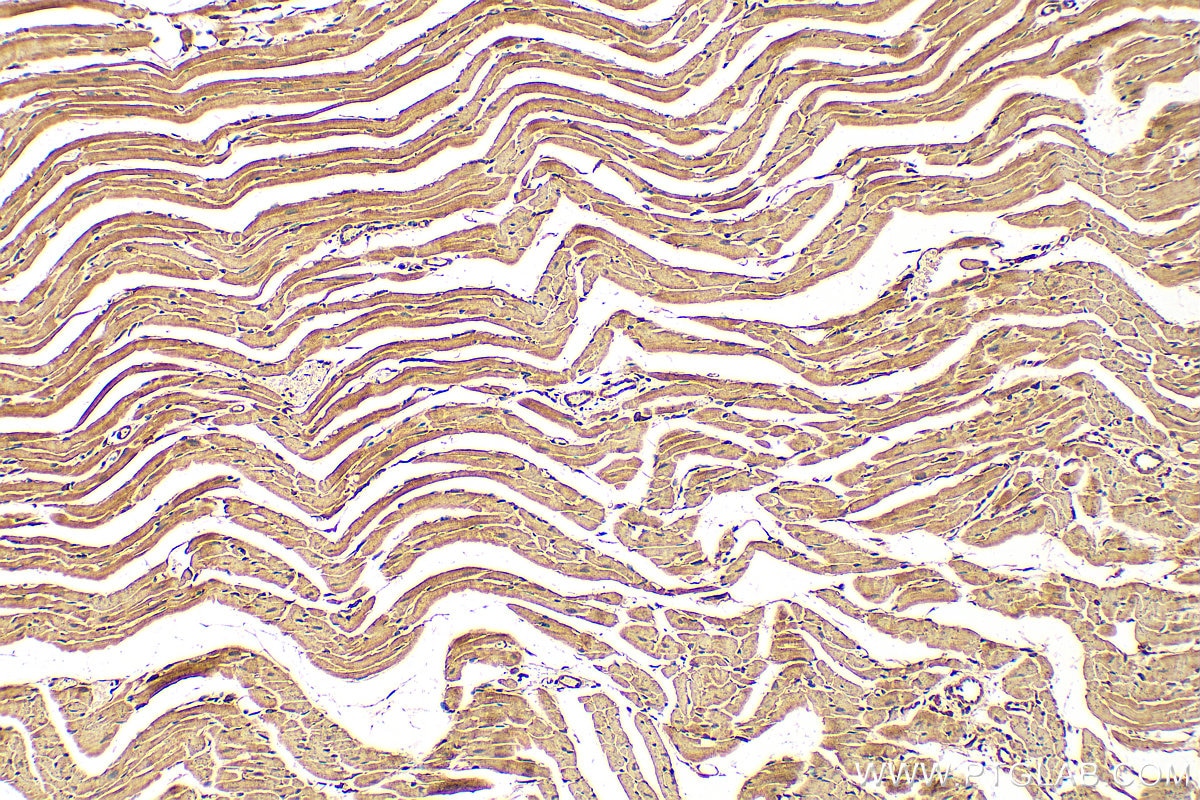
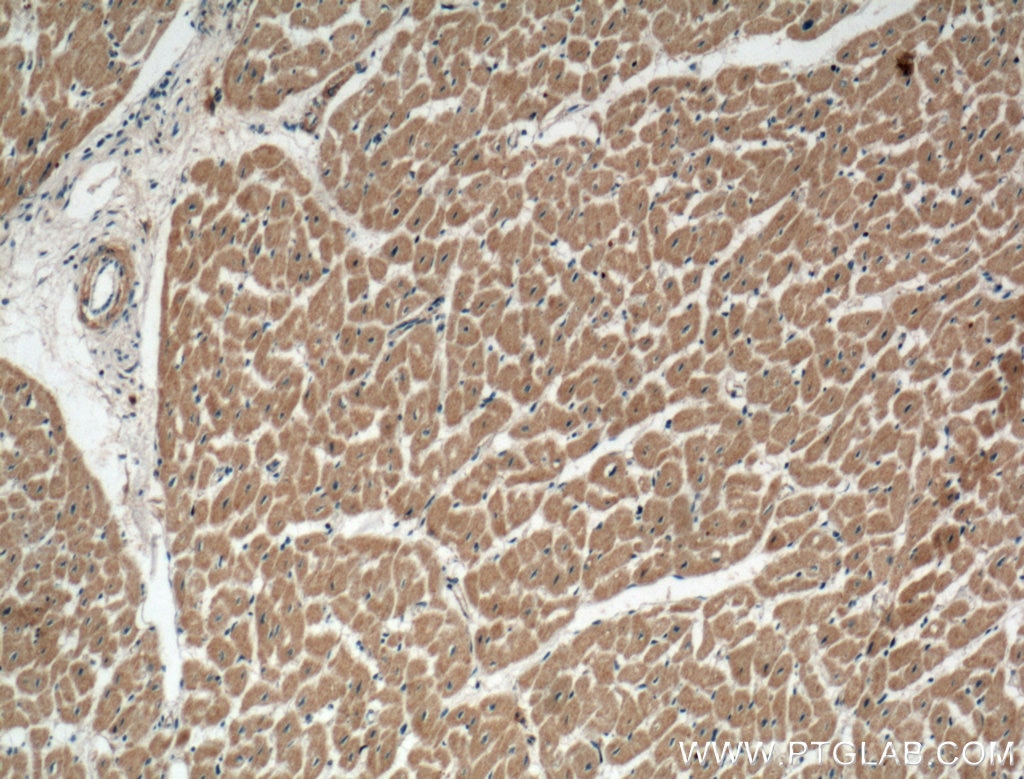
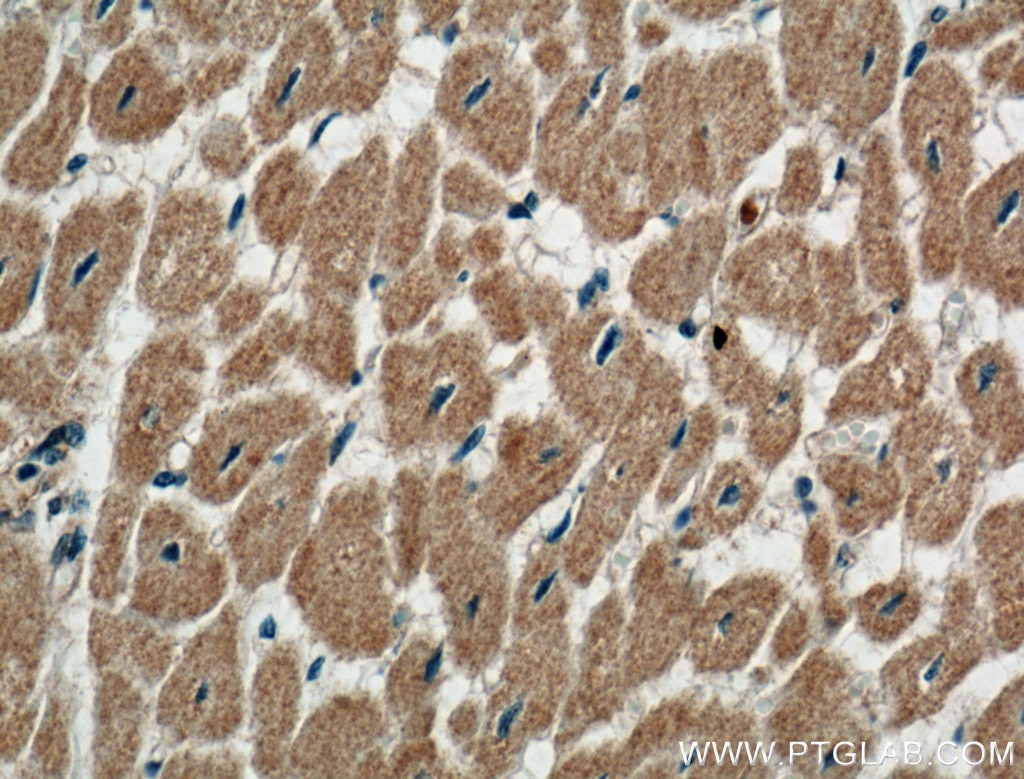
| Positive IHC detected in | human liver tissue, mouse heart tissue, mouse brown adipose tissue, human heart tissue Note: suggested antigen retrieval with TE buffer pH 9.0; (*) Alternatively, antigen retrieval may be performed with citrate buffer pH 6.0 |
Recommended dilution
| Application | Dilution |
|---|---|
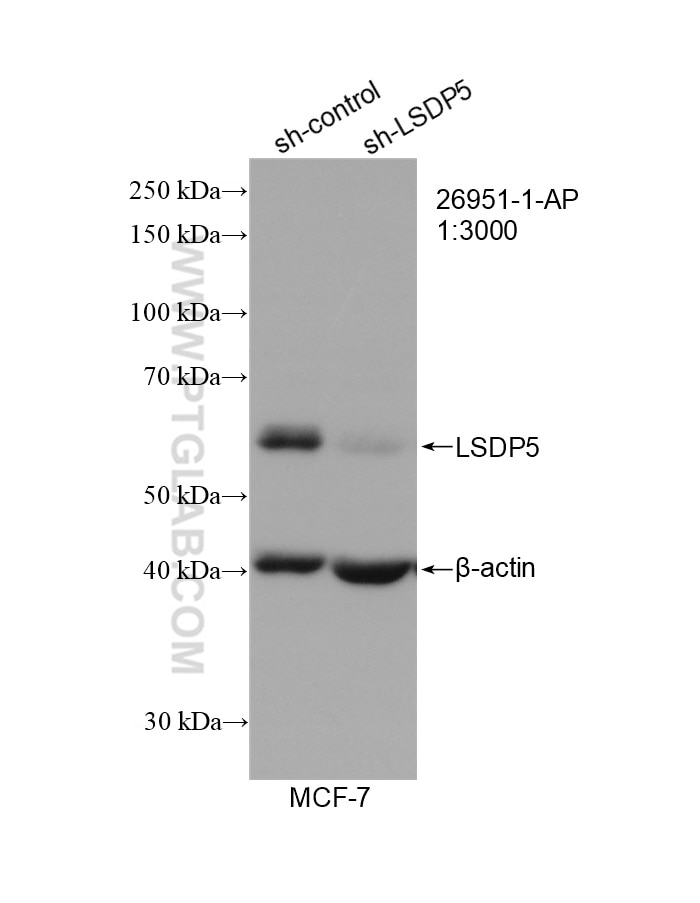
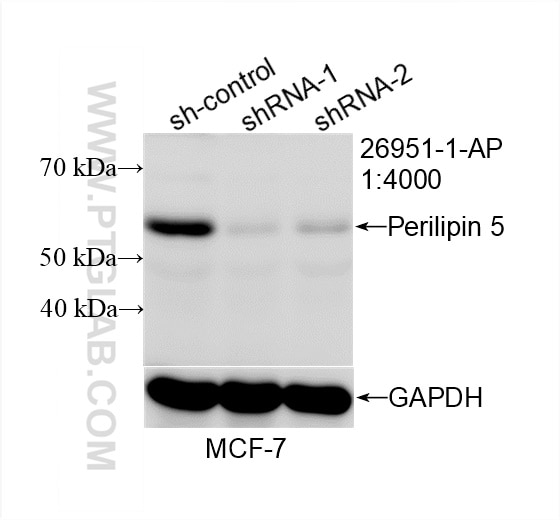
| Western Blot (WB) | WB : 1:2000-1:10000 |
| Immunoprecipitation (IP) | IP : 0.5-4.0 ug for 1.0-3.0 mg of total protein lysate |
| Immunohistochemistry (IHC) | IHC : 1:50-1:500 |
| It is recommended that this reagent should be titrated in each testing system to obtain optimal results. | |
| Sample-dependent, Check data in validation data gallery. | |
Product Information
26951-1-AP targets Perilipin 5 in WB, IHC, IF, IP, CoIP, ELISA applications and shows reactivity with human, mouse, rat, pig samples.
| Tested Reactivity | human, mouse, rat, pig |
| Cited Reactivity | human, mouse, rat, pig, goat |
| Host / Isotype | Rabbit / IgG |
| Class | Polyclonal |
| Type | Antibody |
| Immunogen |
CatNo: Ag25272 Product name: Recombinant human LSDP5 protein Source: e coli.-derived, PGEX-4T Tag: GST Domain: 381-463 aa of BC131524 Sequence: ILVERPEPLPDLADLVDEVIGGPDPRWAHLDWPAQQRAWEAEHRDGSGNGDGDRMGVAGDICEQEPETPSCPVKHTLMPELDF Predict reactive species |
| Full Name | lipid storage droplet protein 5 |
| Calculated Molecular Weight | 463 aa, 51 kDa |
| Observed Molecular Weight | 51-55 kDa |
| GenBank Accession Number | BC131524 |
| Gene Symbol | Perilipin 5 |
| Gene ID (NCBI) | 440503 |
| RRID | AB_2880699 |
| Conjugate | Unconjugated |
| Form | Liquid |
| Purification Method | Antigen affinity purification |
| UNIPROT ID | Q00G26 |
| Storage Buffer | PBS with 0.02% sodium azide and 50% glycerol, pH 7.3. |
| Storage Conditions | Store at -20°C. Stable for one year after shipment. Aliquoting is unnecessary for -20oC storage. 20ul sizes contain 0.1% BSA. |
Background Information
Perilipin 5 (also known as LSDP5/OXPAT) is a lipid droplet (LD) coat protein that promotes association of LDs with mitochondria and is mainly present in tissues with a high fat-oxidative capacity, such as heart, skeletal muscles and brown adipose tissue. It plays an important role in the regulation of cardiac lipid storage and function.
Protocols
| Product Specific Protocols | |
|---|---|
| IHC protocol for Perilipin 5 antibody 26951-1-AP | Download protocol |
| IP protocol for Perilipin 5 antibody 26951-1-AP | Download protocol |
| WB protocol for Perilipin 5 antibody 26951-1-AP | Download protocol |
| Standard Protocols | |
|---|---|
| Click here to view our Standard Protocols |
Publications
What published studies show
The anti-Perilipin 5 (PLIN5) antibody (Cat# 26951-1-AP) has been cited in 49 publications. Journals include Cancer Cell, Nature Metabolism, Nature Communications, Metabolism, Theranostics, Advanced Science, Developmental Cell, EMBO Reports, Journal of Lipid Research, and Autophagy, among others. Associated research fields encompass lipid droplet biology and metabolism, NAFLD/MASLD, cardiovascular disease, diabetes, oncology, neurology, ferroptosis, mitochondrial dysfunction, and exercise-induced metabolic adaptation.
| Species | Application | Title |
|---|---|---|
Cancer Cell Multiomic integration reveals tumoral heterogeneity of lipid dependence within lethal group 3 medulloblastoma. | ||
Nat Metab Daytime-restricted feeding enhances running endurance without prior exercise in mice | ||
Nat Commun O-GlcNAc transferase plays dual antiviral roles by integrating innate immunity and lipid metabolism | ||
Metabolism Ubiquitination of cytoplasmic HMGB1 by RNF186 regulates hepatic lipophagy in non-alcoholic fatty liver disease | ||
Metabolism Mitofusin-2 induced by exercise modifies lipid droplet-mitochondria communication, promoting fatty acid oxidation in male mice with NAFLD | ||
Theranostics Chronic intermittent hypoxia increases Parkinson's disease susceptibility via PPARα-mediated lipid droplet-mitochondrial dysfunction. |















