

Tested Applications
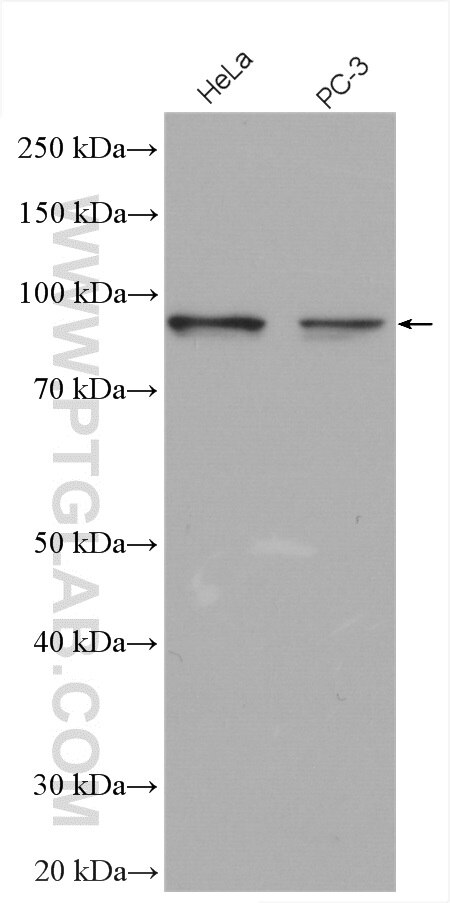
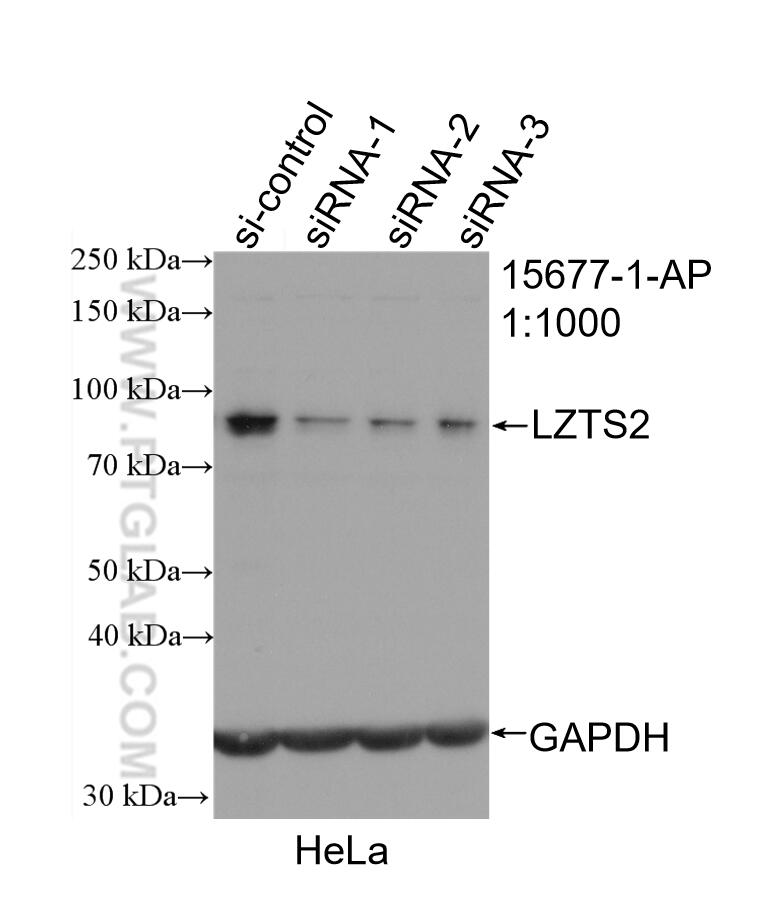
| Positive WB detected in | HeLa cells, PC-3 cells |
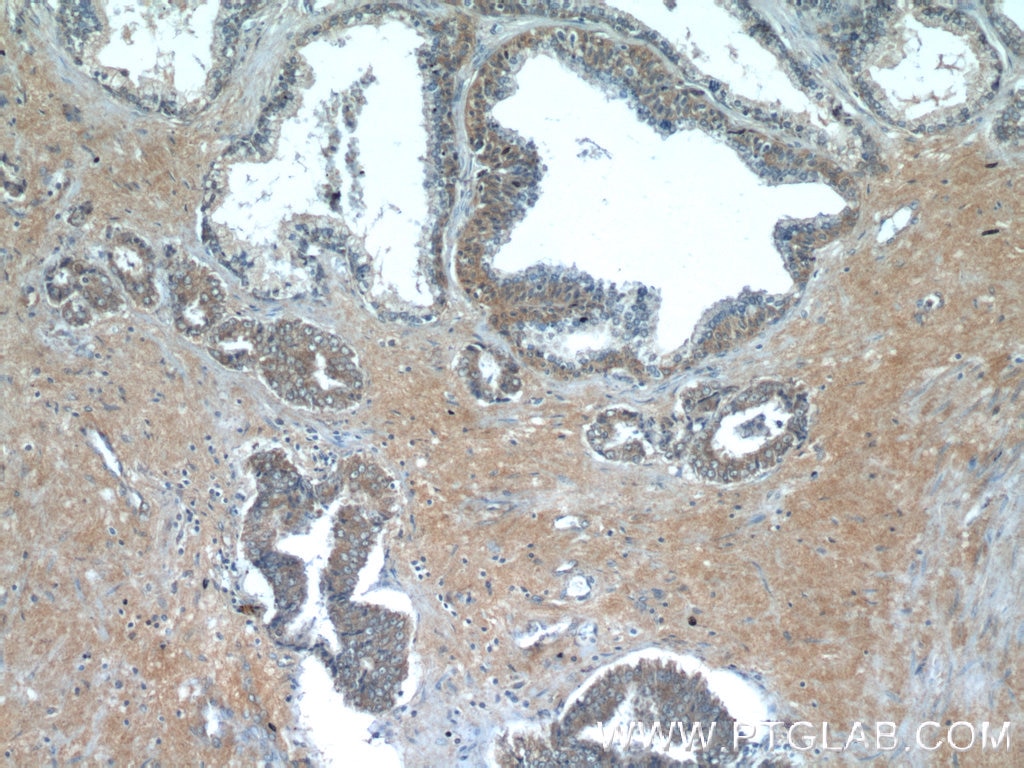
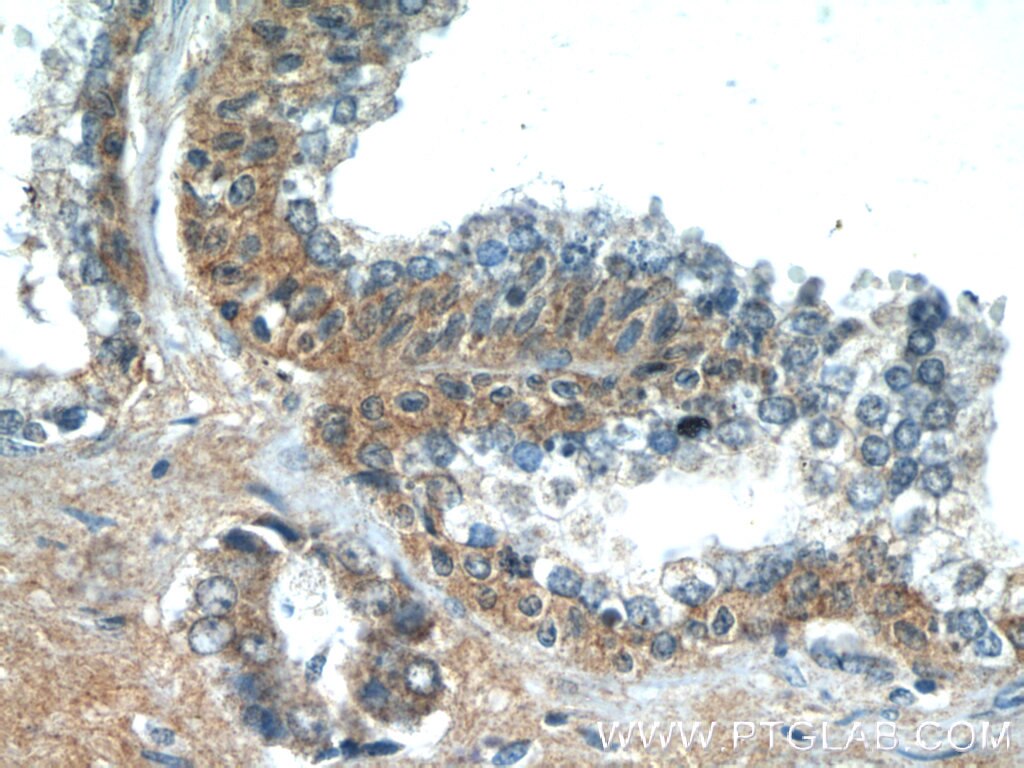
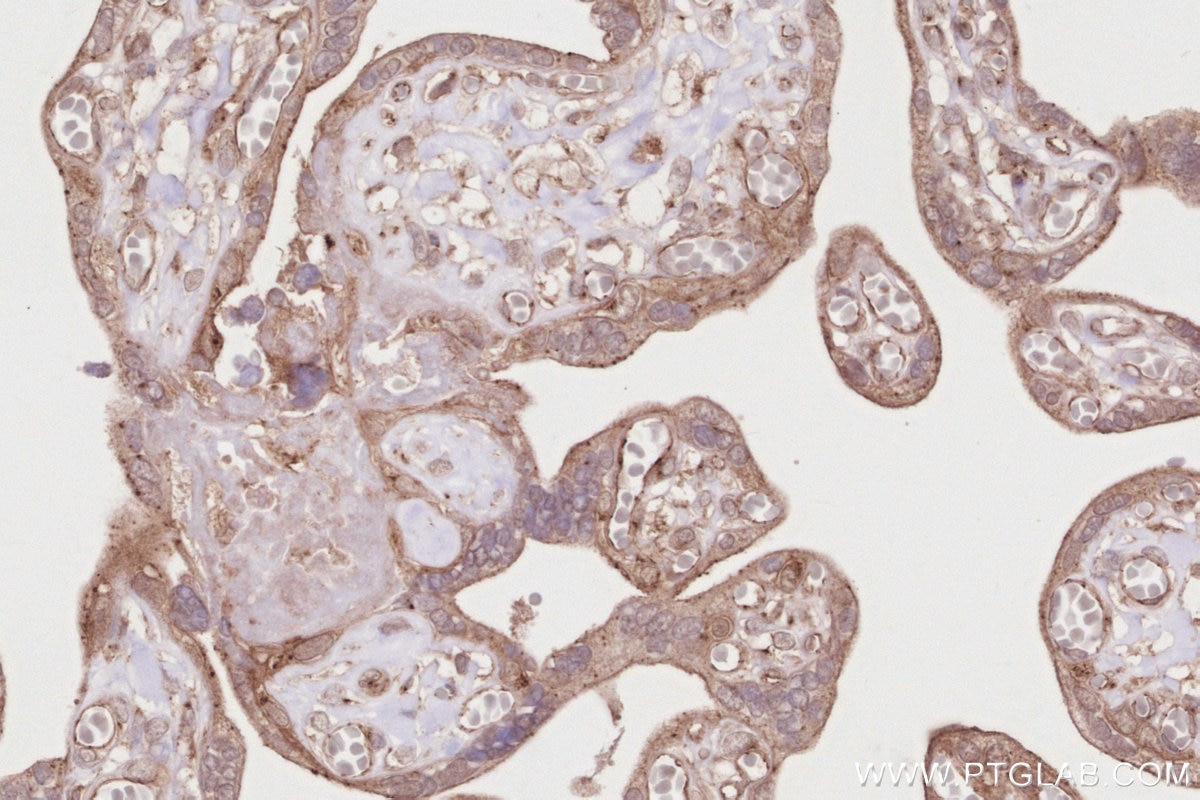
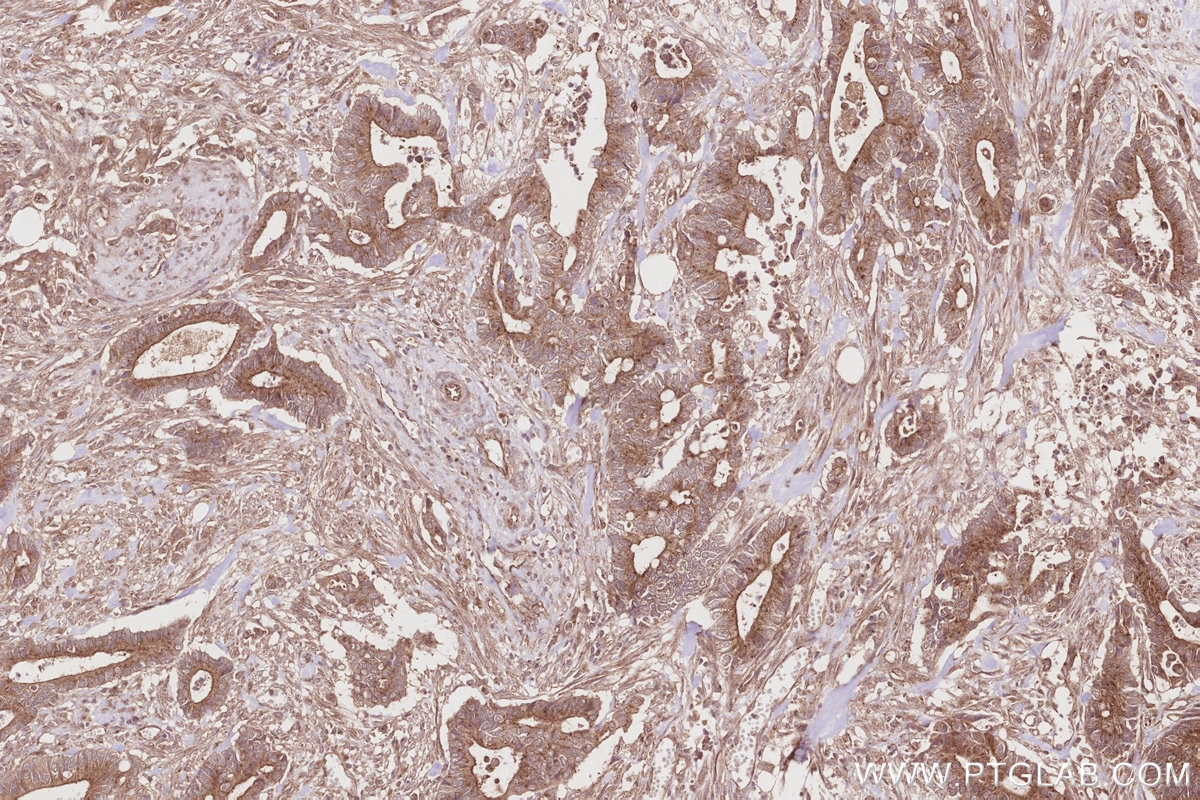
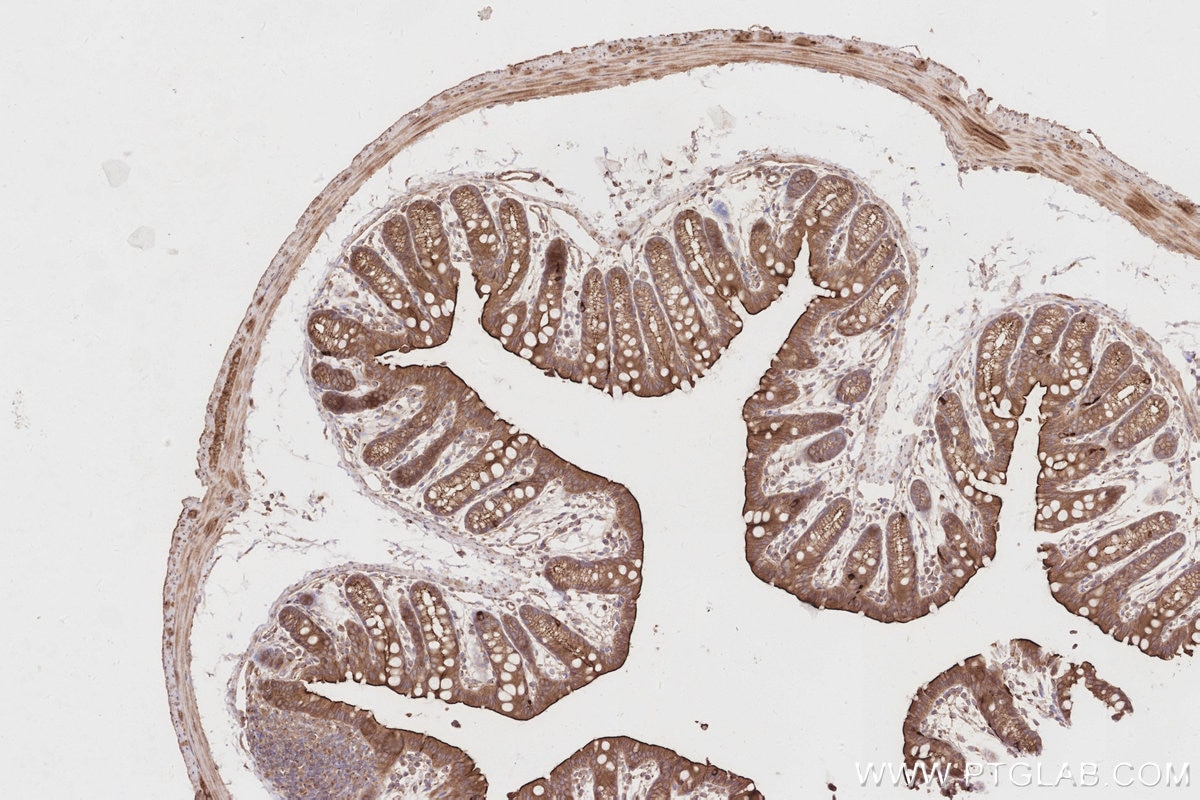
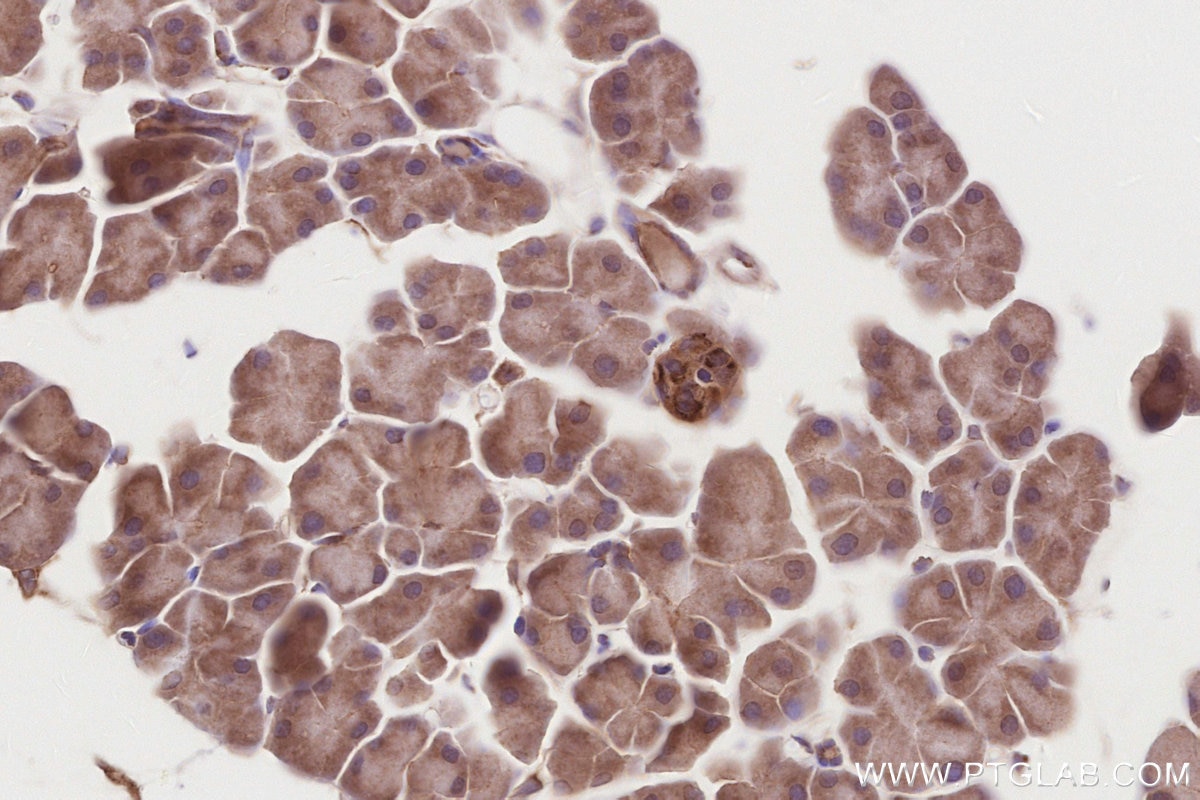
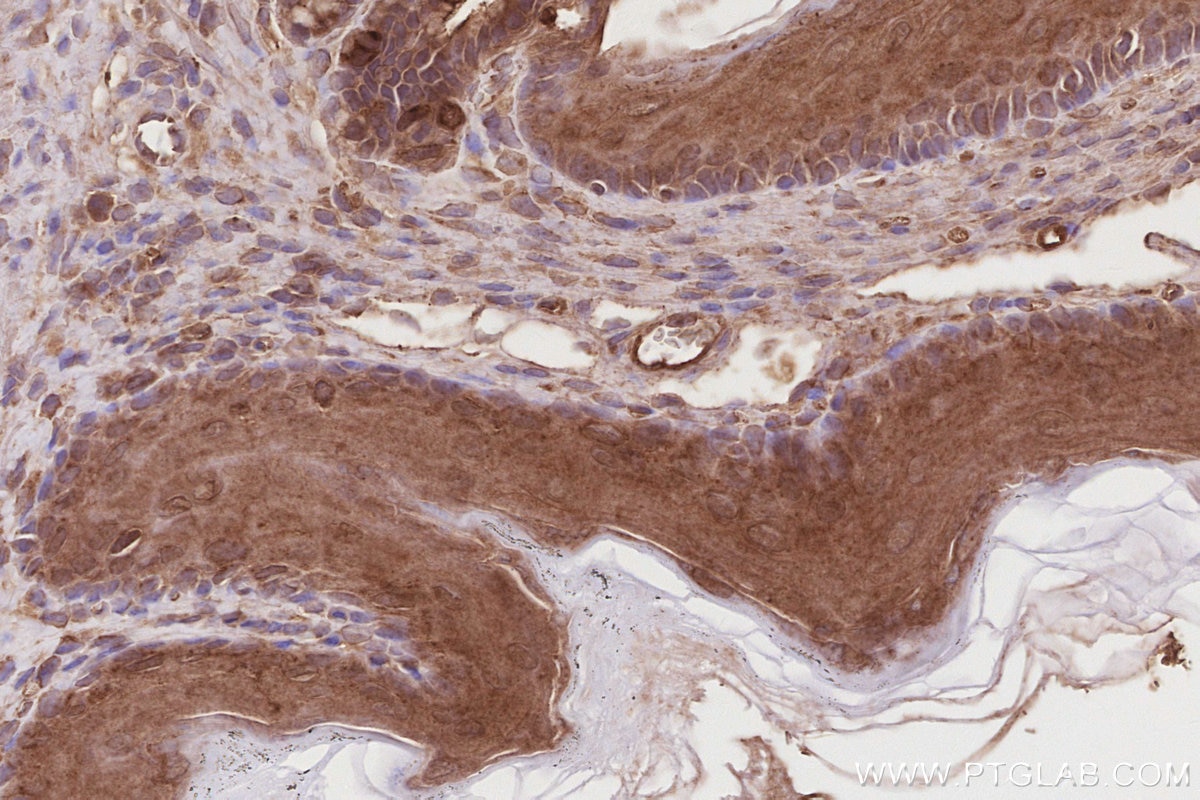
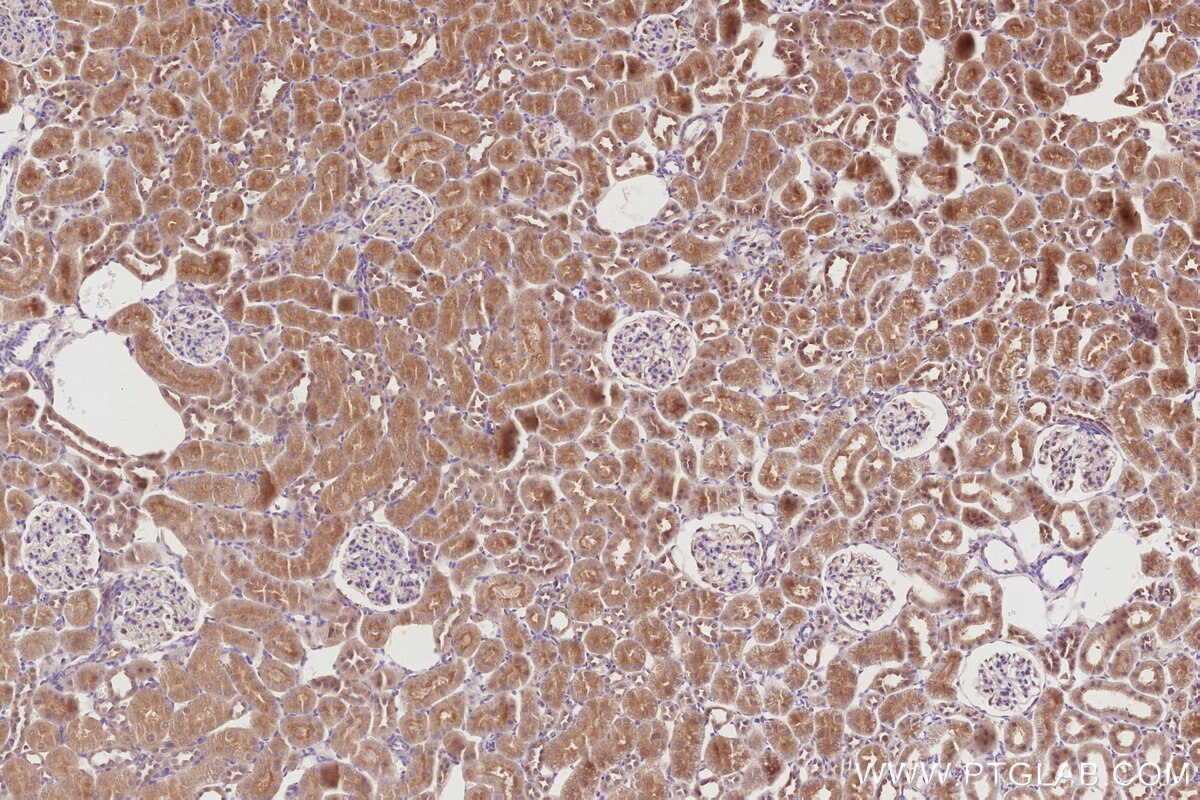
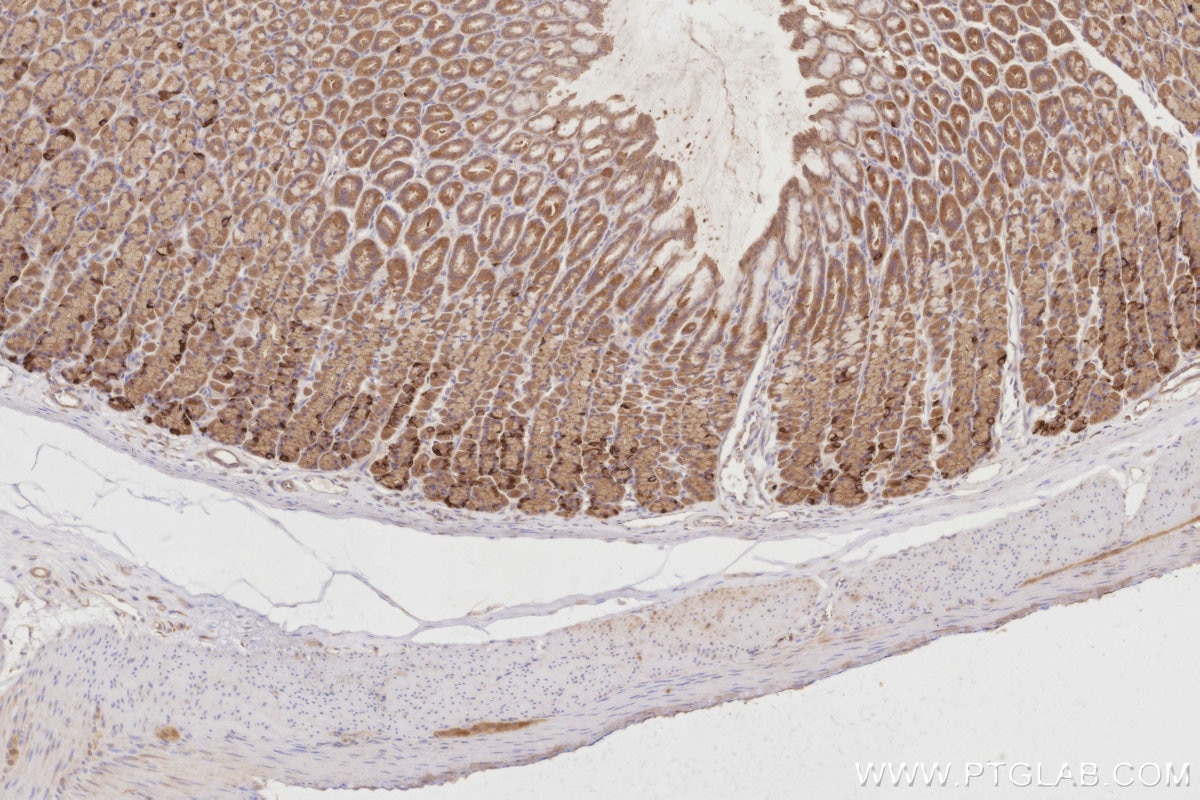
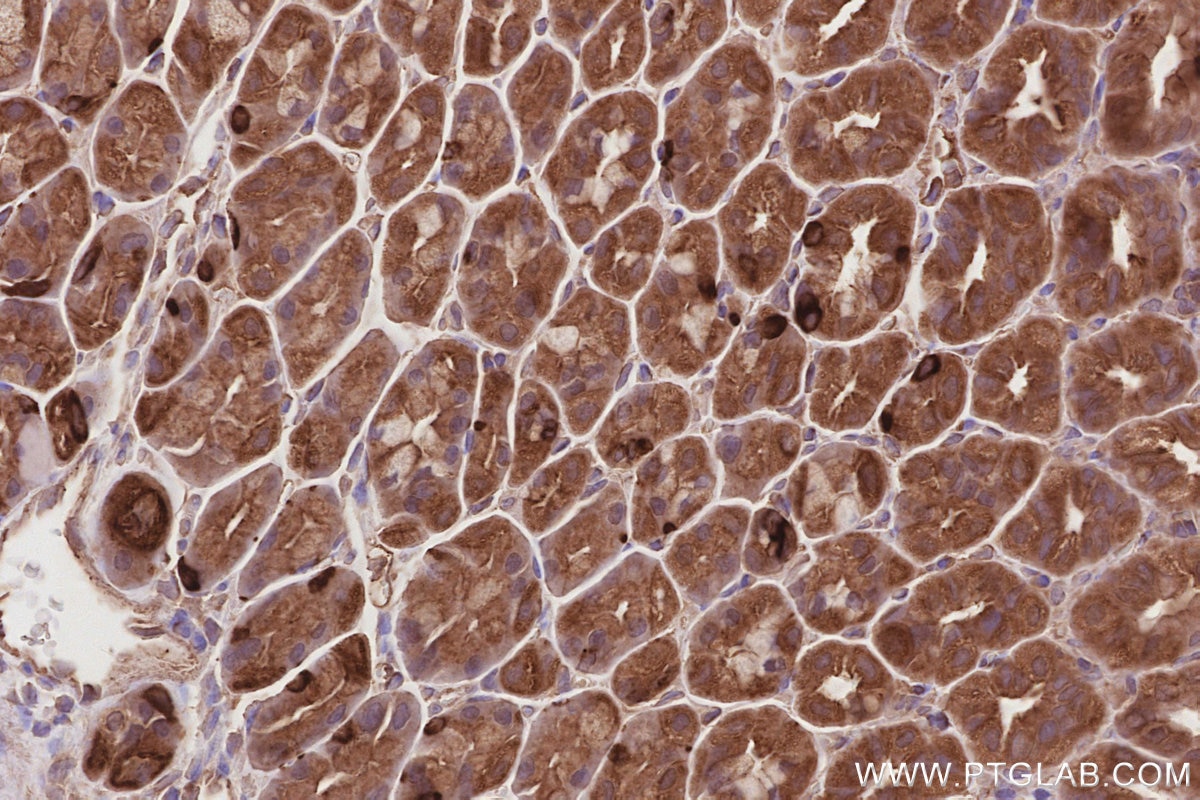
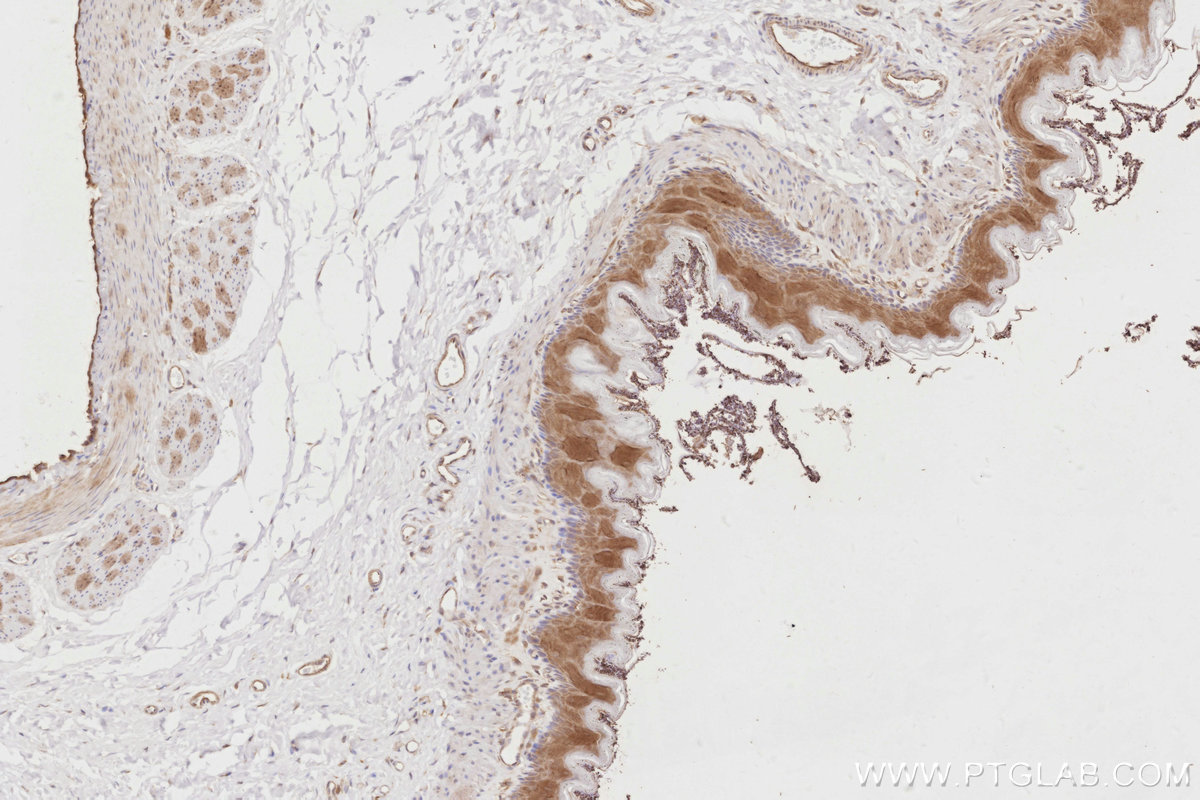
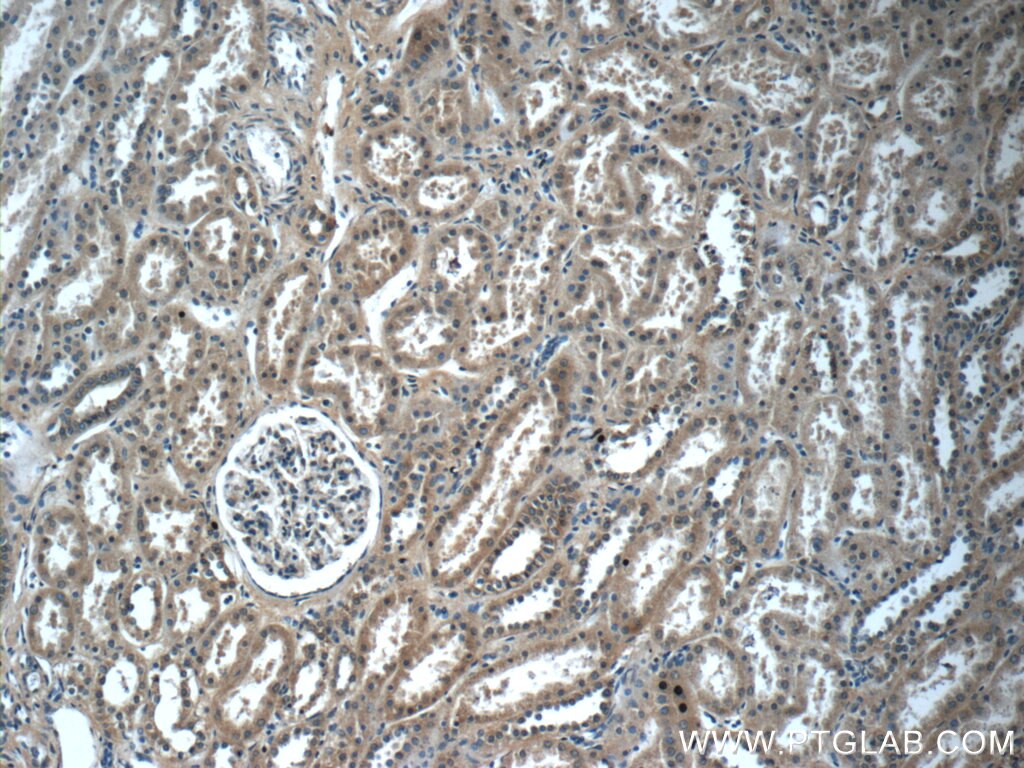
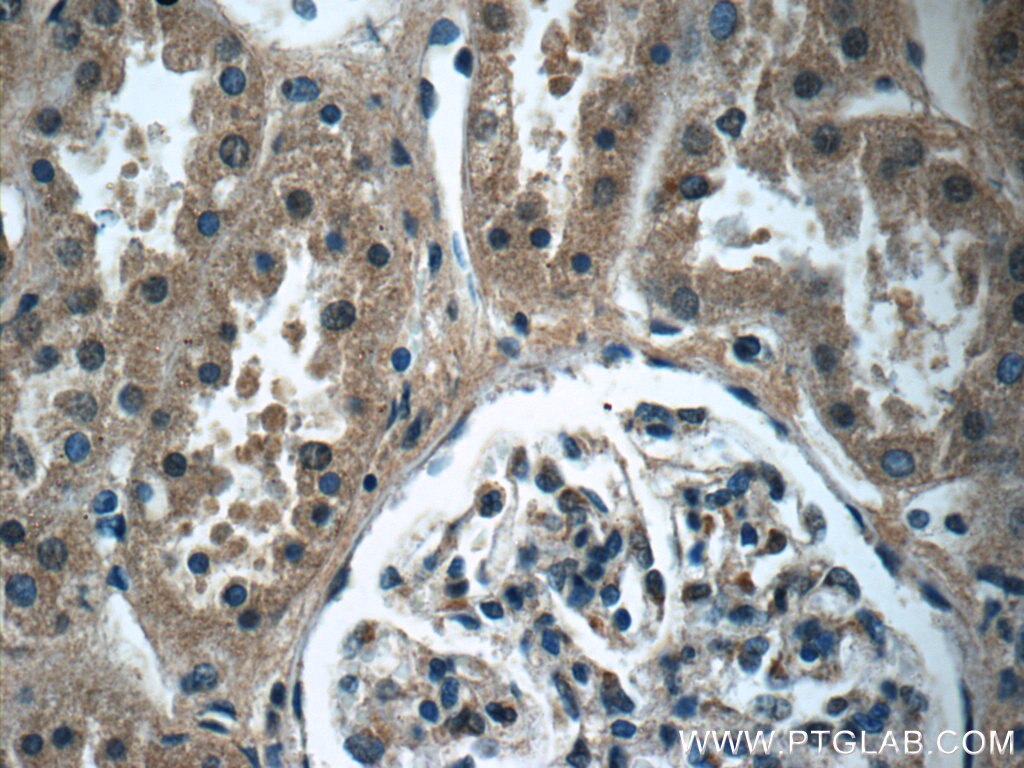
| Positive IHC detected in | human prostate hyperplasia tissue, human placenta tissue, human rectal cancer tissue, mouse colon tissue, mouse pancreas tissue, mouse stomach tissue, human kidney tissue, rat kidney tissue, rat stomach tissue Note: suggested antigen retrieval with TE buffer pH 9.0; (*) Alternatively, antigen retrieval may be performed with citrate buffer pH 6.0 |
Recommended dilution
| Application | Dilution |
|---|---|
| Western Blot (WB) | WB : 1:1000-1:8000 |
| Immunohistochemistry (IHC) | IHC : 1:20-1:200 |
| It is recommended that this reagent should be titrated in each testing system to obtain optimal results. | |
| Sample-dependent, Check data in validation data gallery. | |
Product Information
15677-1-AP targets LZTS2 in WB, IHC, IF, IP, CoIP, ELISA applications and shows reactivity with human, mouse, rat samples.
| Tested Reactivity | human, mouse, rat |
| Cited Reactivity | human |
| Host / Isotype | Rabbit / IgG |
| Class | Polyclonal |
| Type | Antibody |
| Immunogen |
CatNo: Ag8145 Product name: Recombinant human LZTS2 protein Source: e coli.-derived, PGEX-4T Tag: GST Domain: 319-669 aa of BC006212 Sequence: PSDEALLHCVLEGKLRDREAELQQLRDSLDENEATMCQAYEERQRHWQREREALREDCAAQAQRAQRAQQLLQLQVFQLQQEKRQLQDDFAQLLQEREQLERRCATLEREQRELGPRLEETKWEVCQKSGEISLLKQQLKESQAELVQKGSELVALRVALREARATLRVSEGRARGLQEAARARELELEACSQELQRHRQEAEQLREKAGQLDAEAAGLREPPVPPATADPFLLAESDEAKVQRAAAGVGGSLRAQVERLRVELQRERRRGEEQRDSFEGERLAWQAEKEQVIRYQKQLQHNYIQMYRRNRQLEQELQQLSLELEARELADLGLAEQAPCICLEEITATEI Predict reactive species |
| Full Name | leucine zipper, putative tumor suppressor 2 |
| Calculated Molecular Weight | 73 kDa |
| Observed Molecular Weight | 70-80 kDa |
| GenBank Accession Number | BC006212 |
| Gene Symbol | LZTS2 |
| Gene ID (NCBI) | 84445 |
| RRID | AB_2878166 |
| Conjugate | Unconjugated |
| Form | Liquid |
| Purification Method | Antigen affinity purification |
| UNIPROT ID | Q9BRK4 |
| Storage Buffer | PBS with 0.02% sodium azide and 50% glycerol, pH 7.3. |
| Storage Conditions | Store at -20°C. Stable for one year after shipment. Aliquoting is unnecessary for -20oC storage. 20ul sizes contain 0.1% BSA. |
Background Information
LZTS2, also named as KIAA1813 and LAPSER1, is a novel b-Catenin-interacting protein and it regulates the nuclear export of b-Catenin. LZTS2 is a negative regulator of katanin-mediated microtubule severing and release from the centrosome. It is required for central spindle formation and the completion of cytokinesis.
Protocols
| Product Specific Protocols | |
|---|---|
| IHC protocol for LZTS2 antibody 15677-1-AP | Download protocol |
| WB protocol for LZTS2 antibody 15677-1-AP | Download protocol |
| Standard Protocols | |
|---|---|
| Click here to view our Standard Protocols |
Publications
What published studies show
Anti-LZTS2 antibody (Cat# 15677-1-AP) has 11 citations published in journals including Nature Communications, Cell Death & Disease, Cancer Letters, Oncogene, Biochemical Pharmacology, Journal of Cell Biology, Biology Direct, Cell Signaling, Cytoskeleton, and bioRxiv. Research fields span colorectal cancer, hepatocellular carcinoma, nasopharyngeal carcinoma, lung squamous cell carcinoma, lymphoproliferative disorder, Wnt and PI3K/AKT signaling pathways, cell junctions, cytokinesis failure, and centrosome biology.
| Species | Application | Title |
|---|---|---|
Nat Commun Proximity proteomics identifies PAK4 as a component of Afadin-Nectin junctions. | ||
Cell Death Dis RRP15 deficiency induces ribosome stress to inhibit colorectal cancer proliferation and metastasis via LZTS2-mediated β-catenin suppression | ||
Cell Death Dis SPOP and HAUSP bidirectionally regulate LZTS2 ubiquitination to modulate the Wnt pathway.
| ||
Cancer Lett LZTS2 inhibits PI3K/AKT activation and radioresistance in nasopharyngeal carcinoma by interacting with p85.
| ||
Oncogene β-Trcp and CK1δ-mediated degradation of LZTS2 activates PI3K/AKT signaling to drive tumorigenesis and metastasis in hepatocellular carcinoma.
| ||
Biochem Pharmacol EBV-encoded miRNAs BHRF1-1 and BART2-5p aggravate post- transplant lymphoproliferative disorder via LZTS2-PI3K-AKT axis |
















