
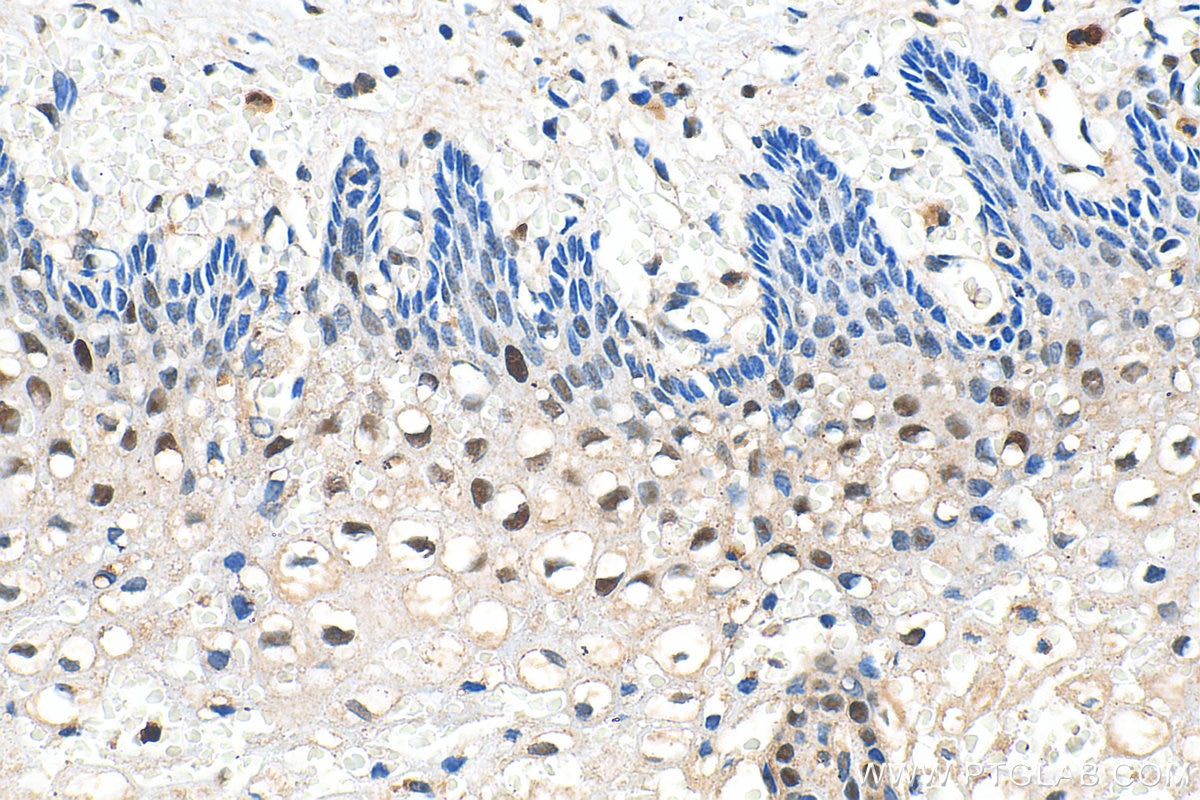
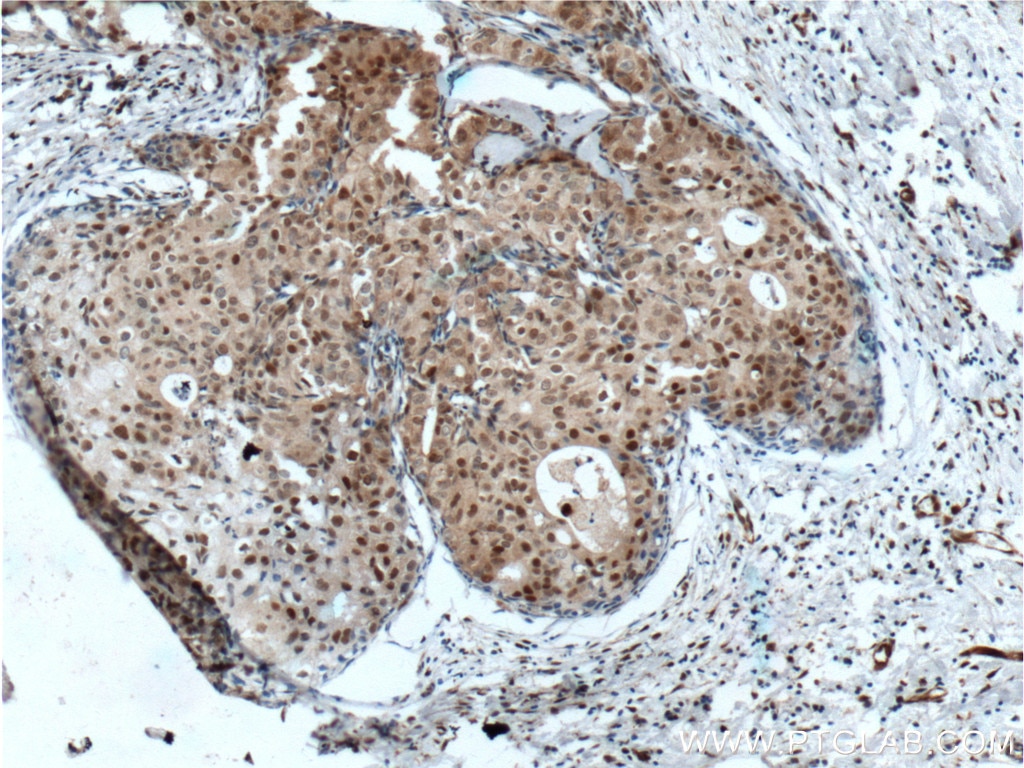
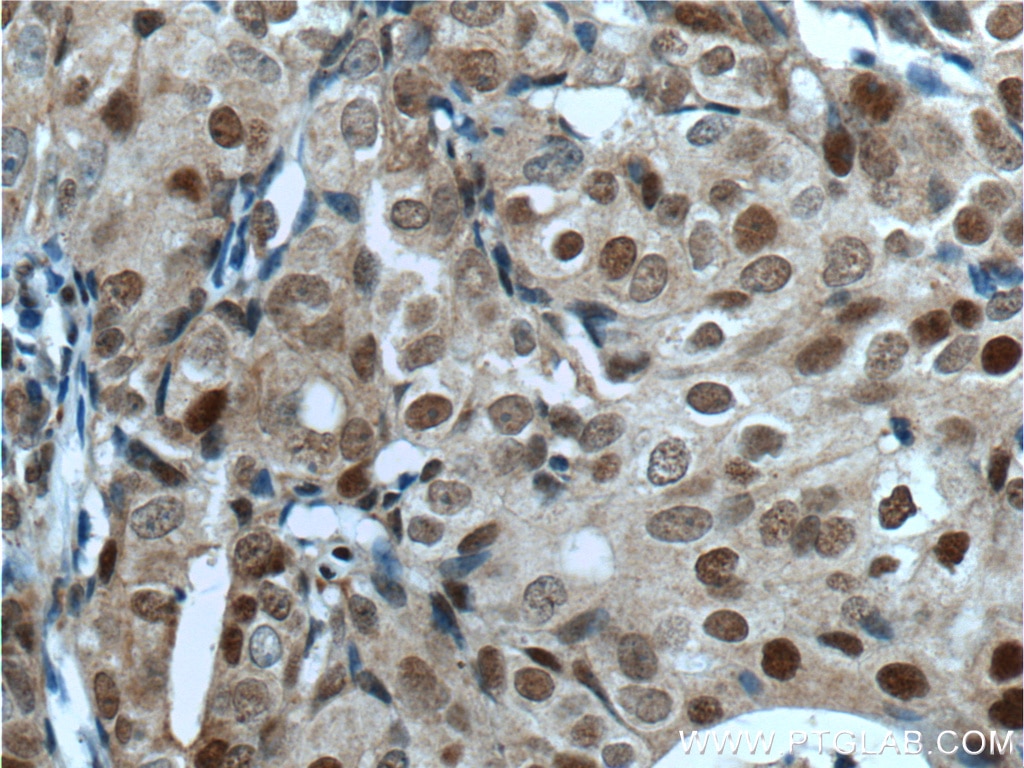
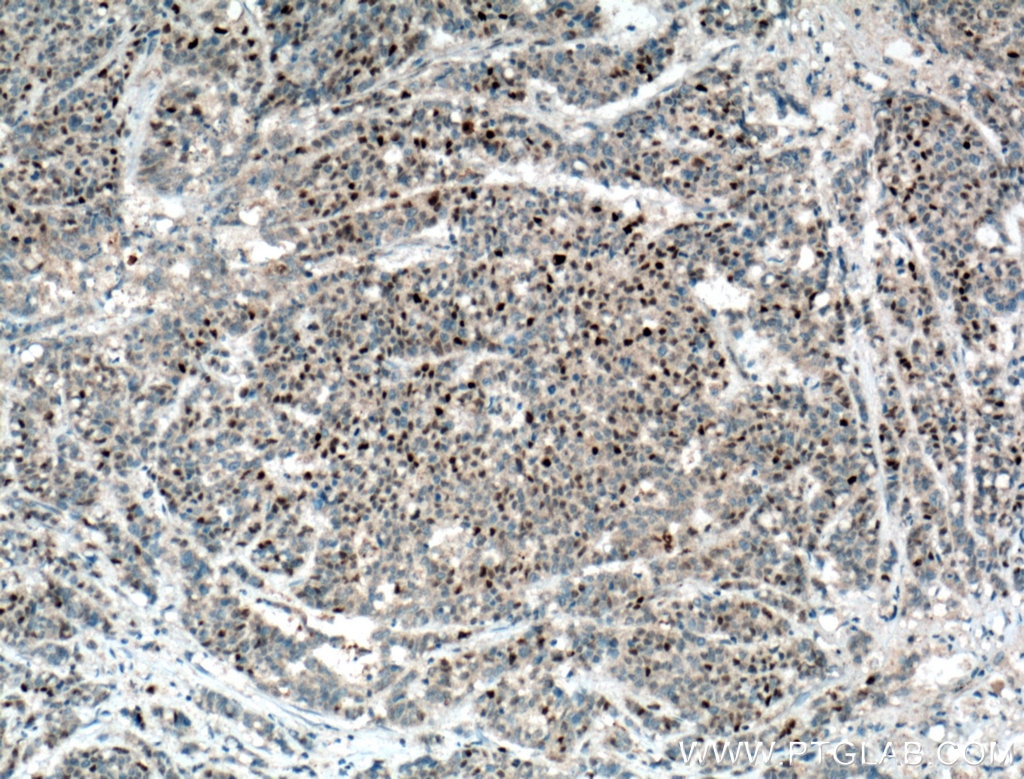

Tested Applications
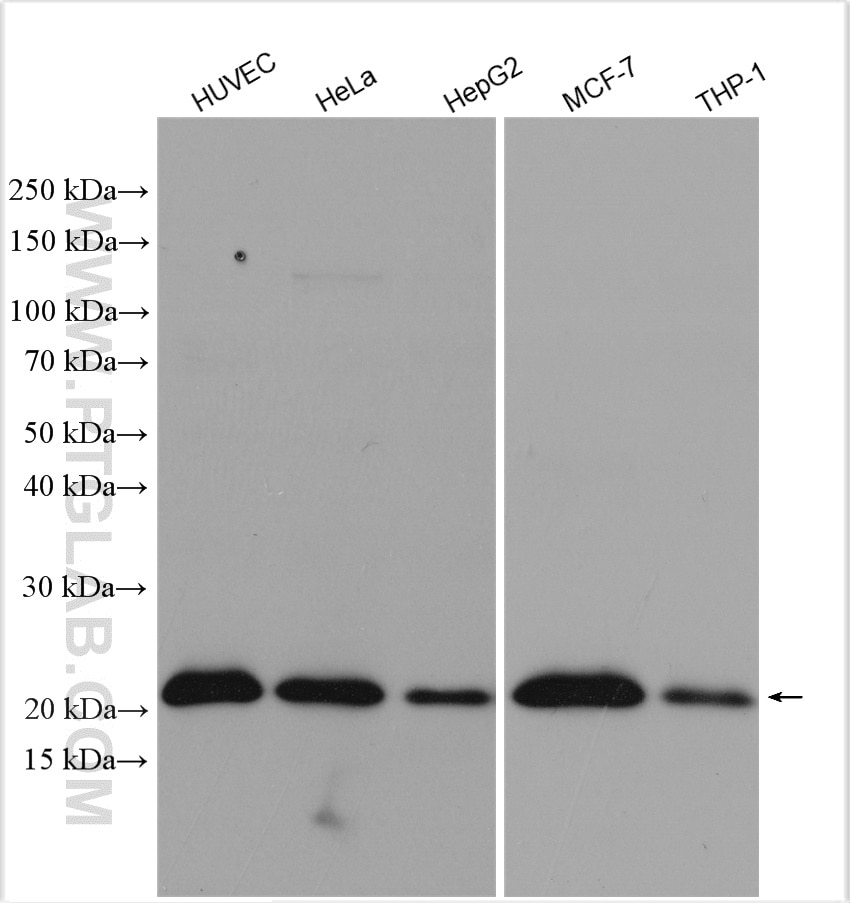
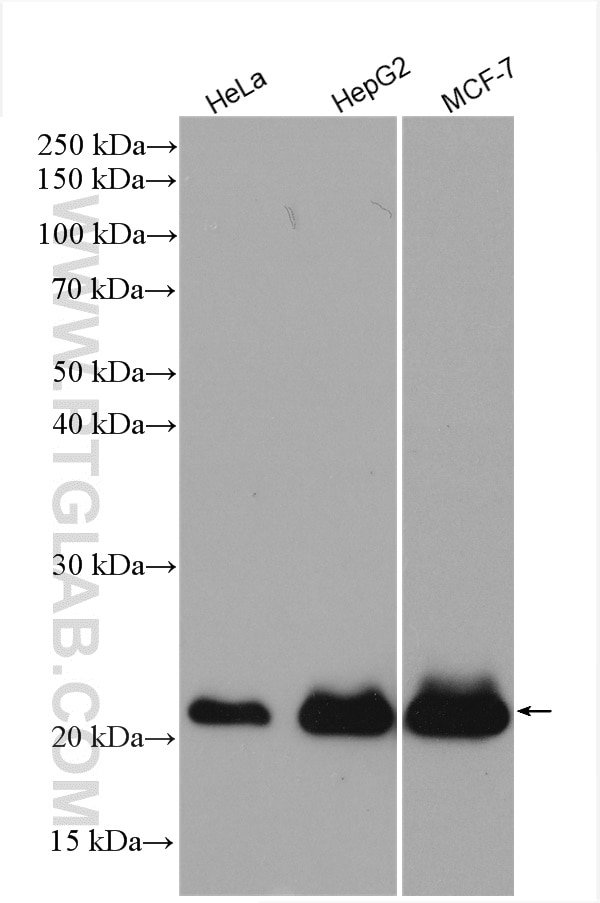
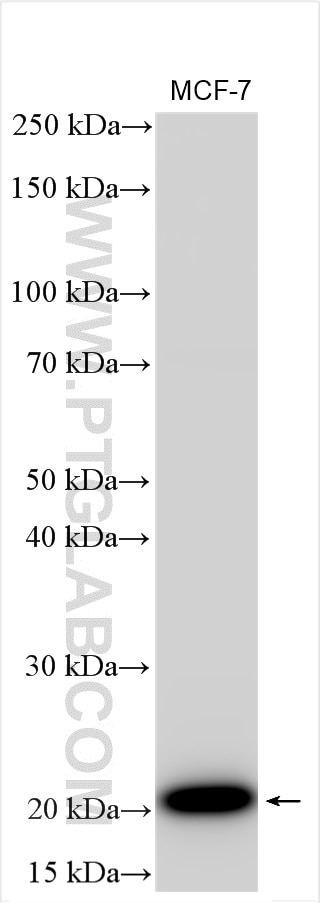
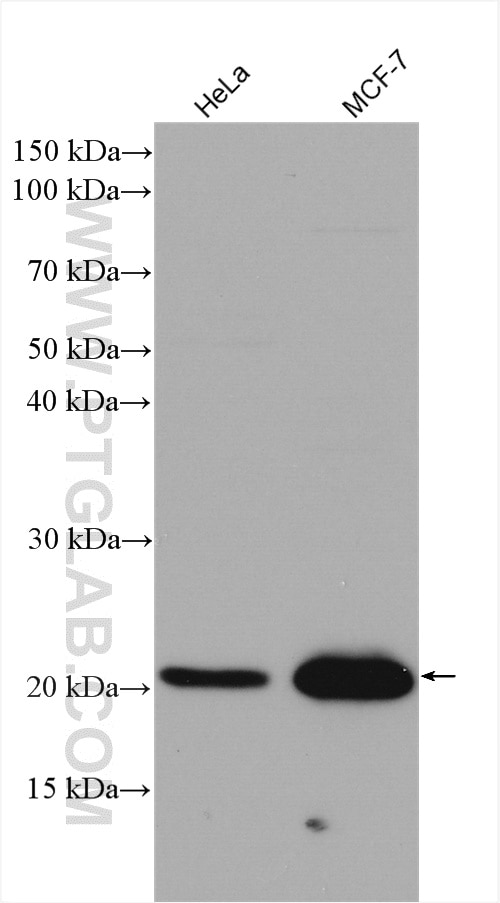
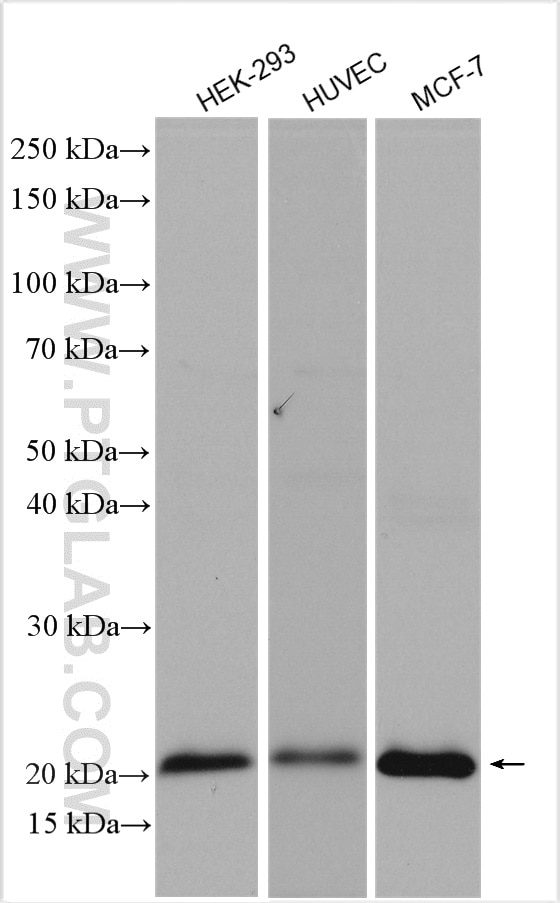
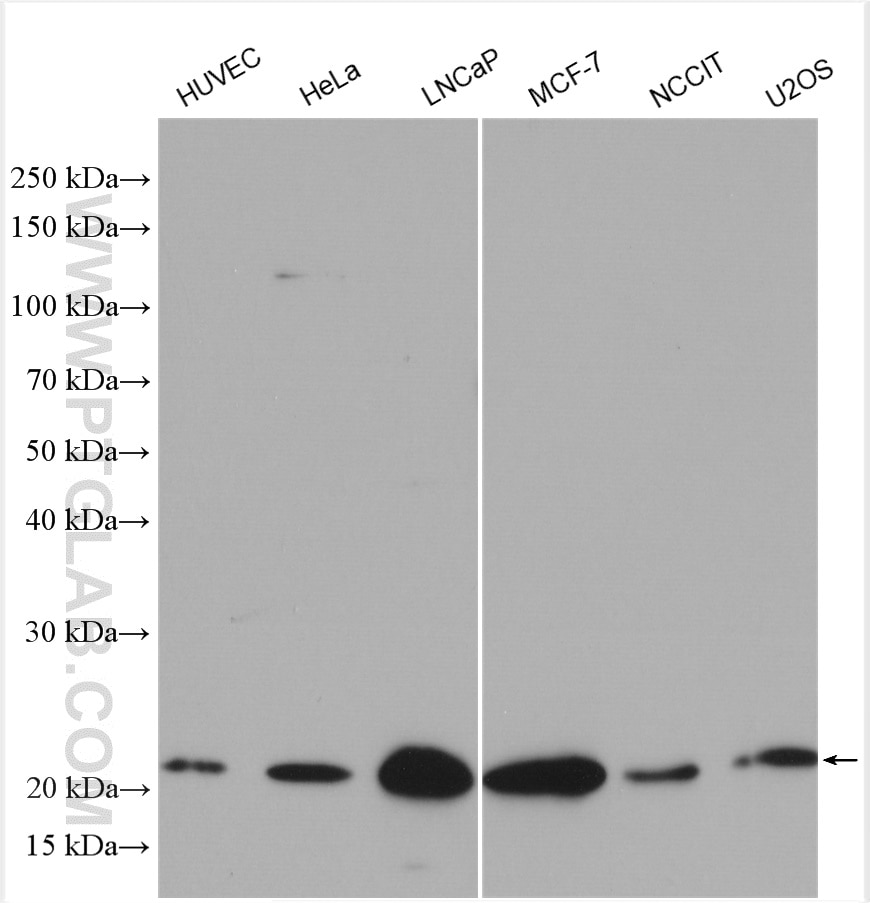
| Positive WB detected in | HUVEC cells, MCF-7 cells, HeLa cells, HEK-293 cells, HepG2 cells, THP-1 cells, LNCaP cells, NCCIT cells, U2OS cells |
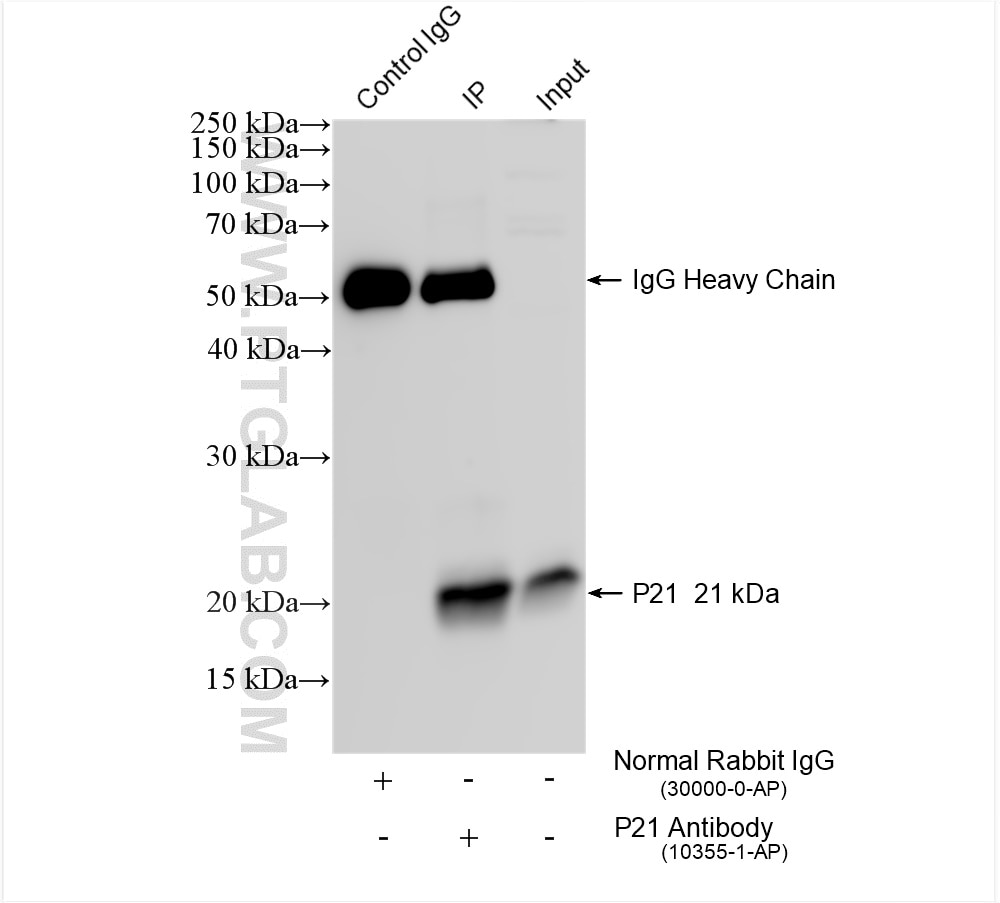
| Positive IP detected in | MCF-7 cells |
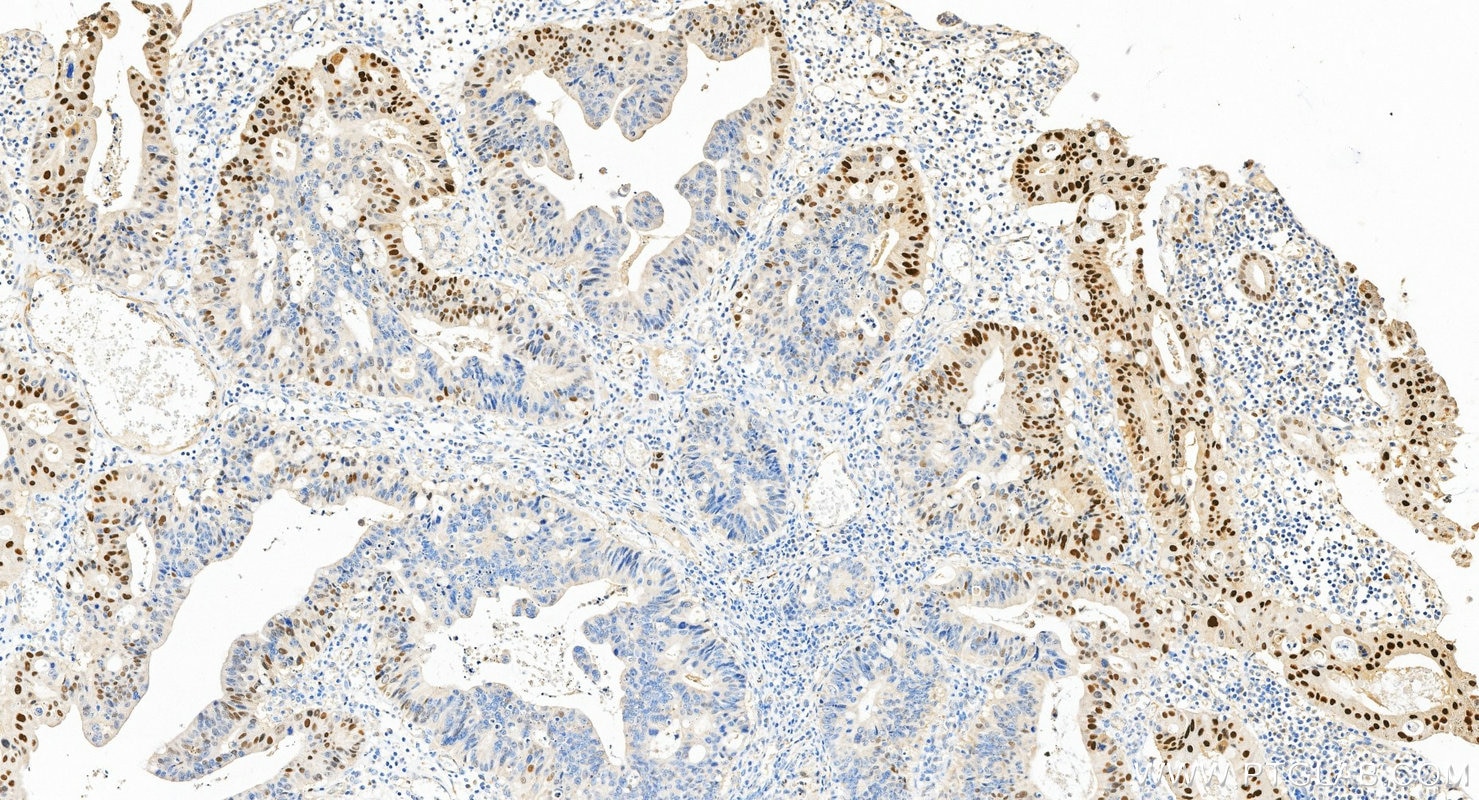
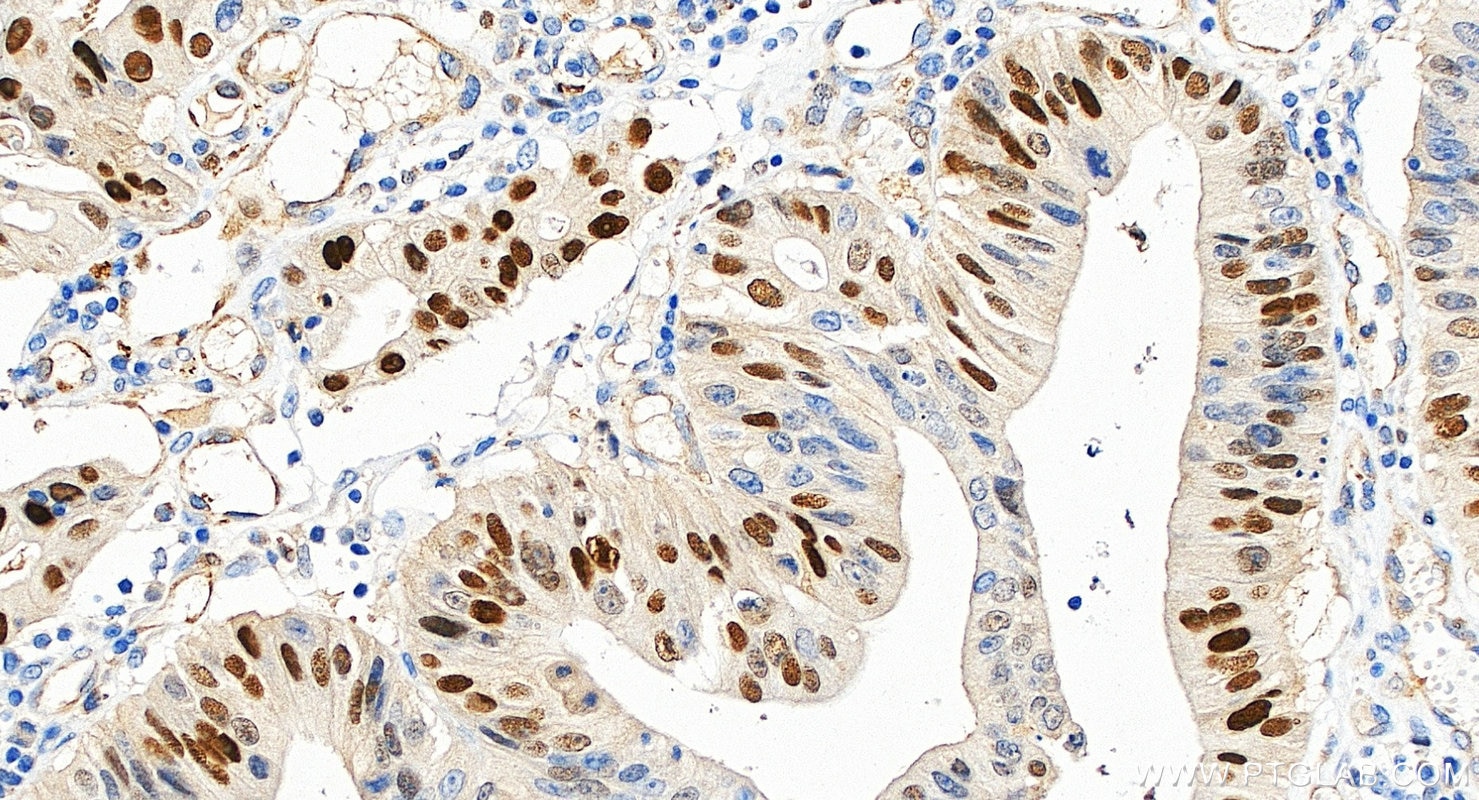
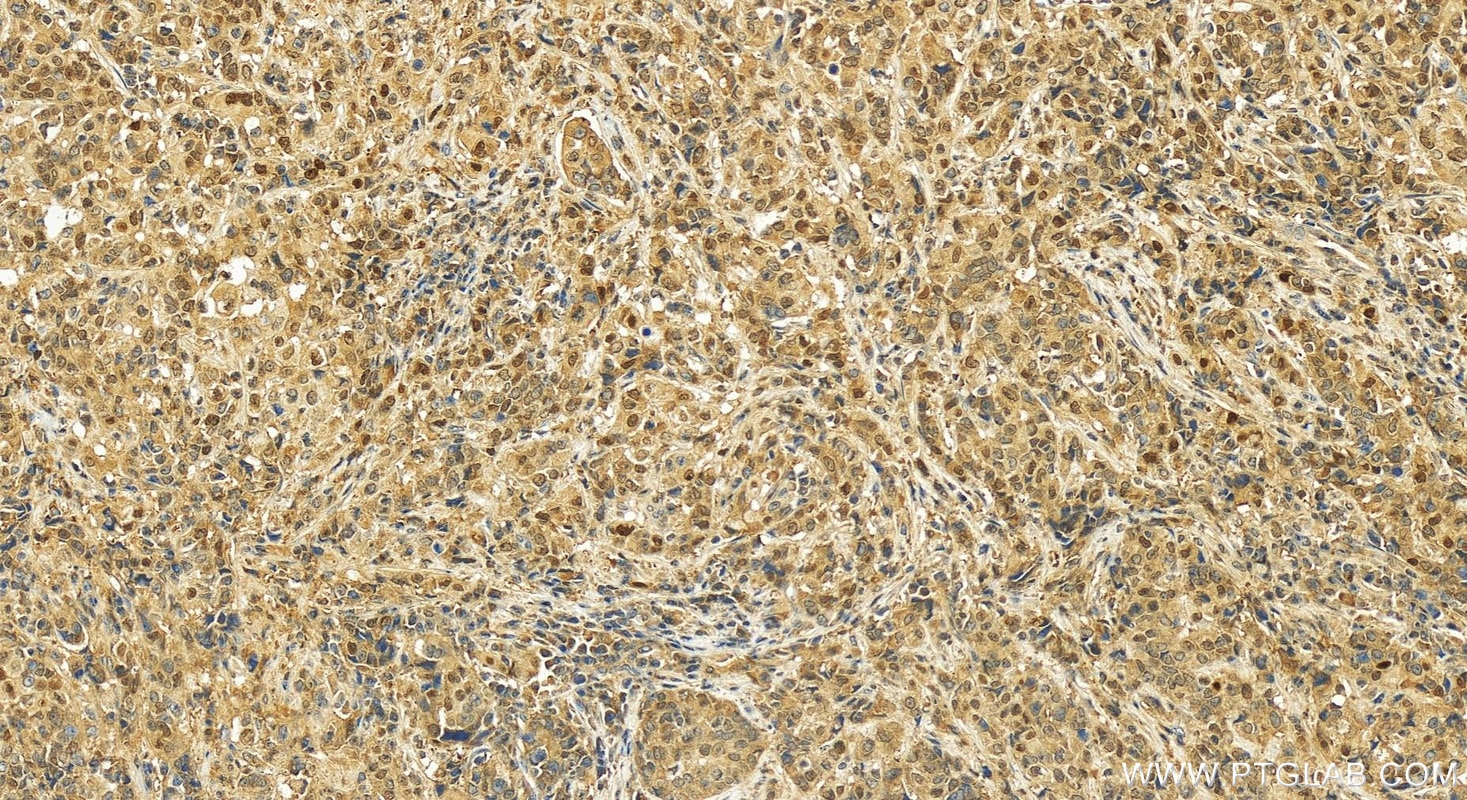
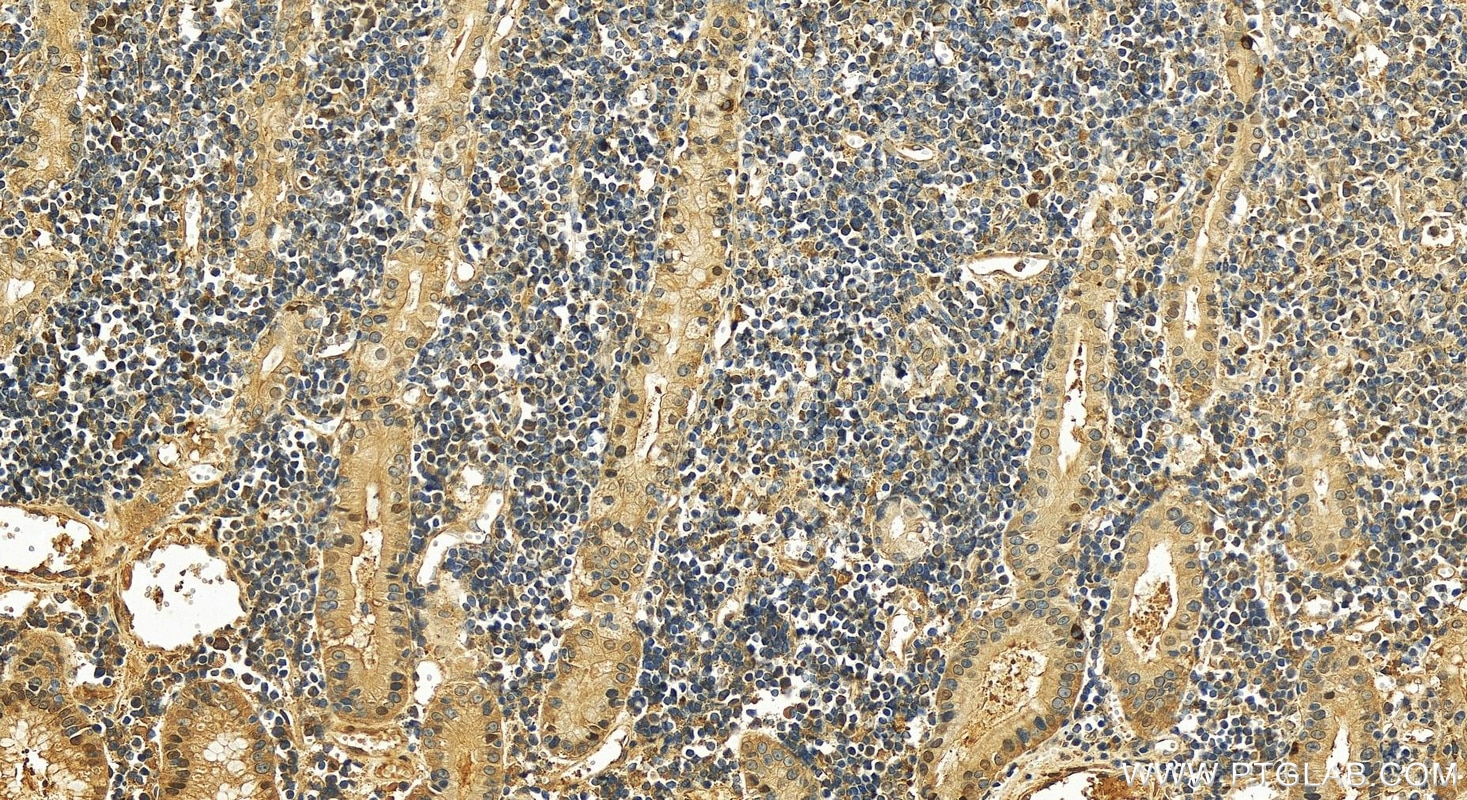
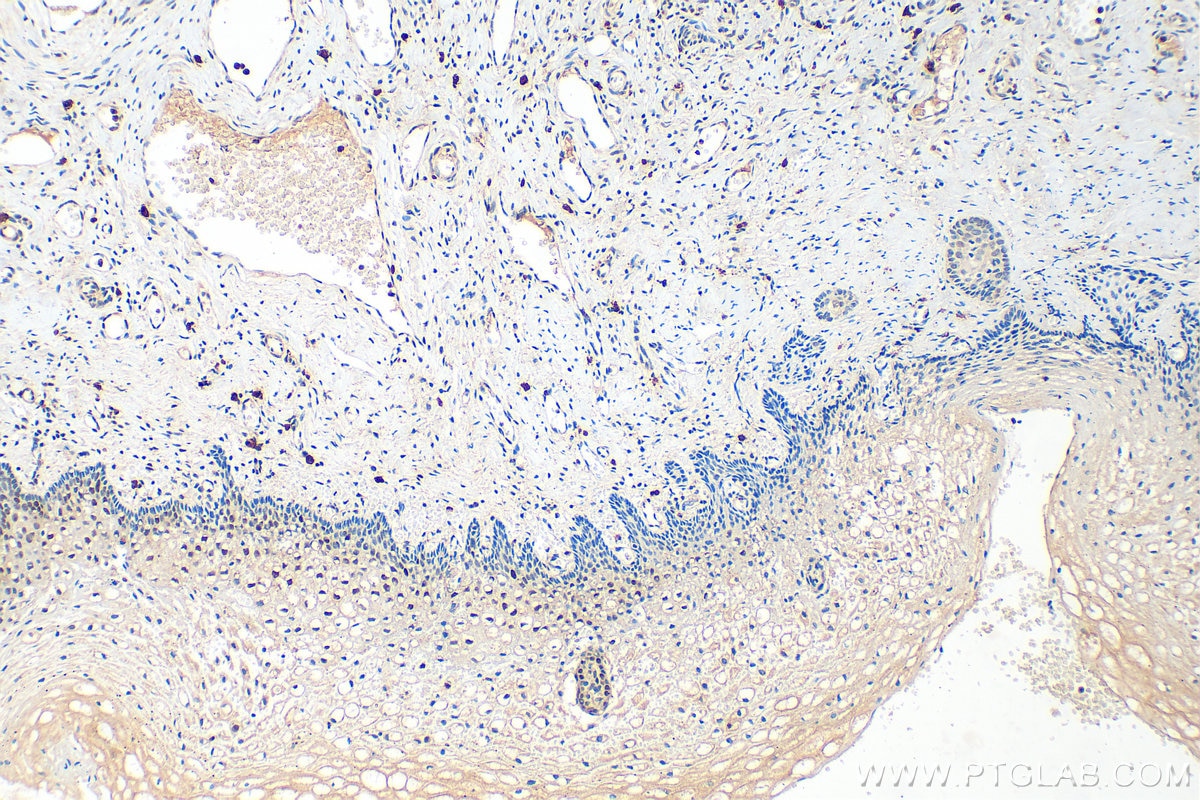
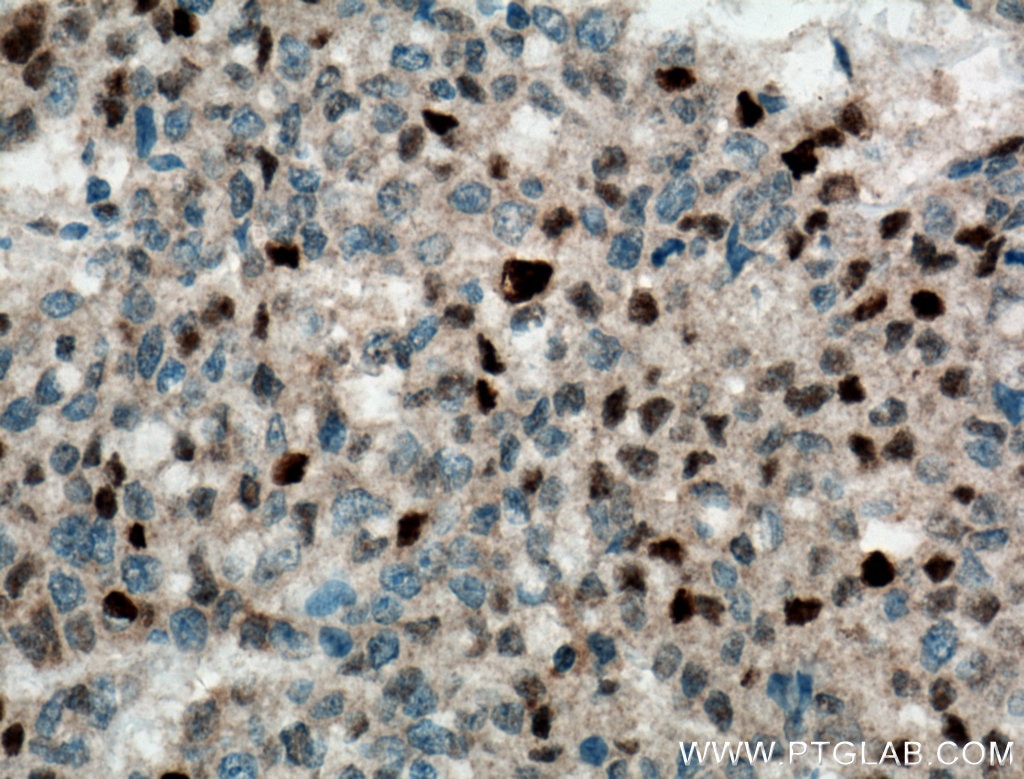
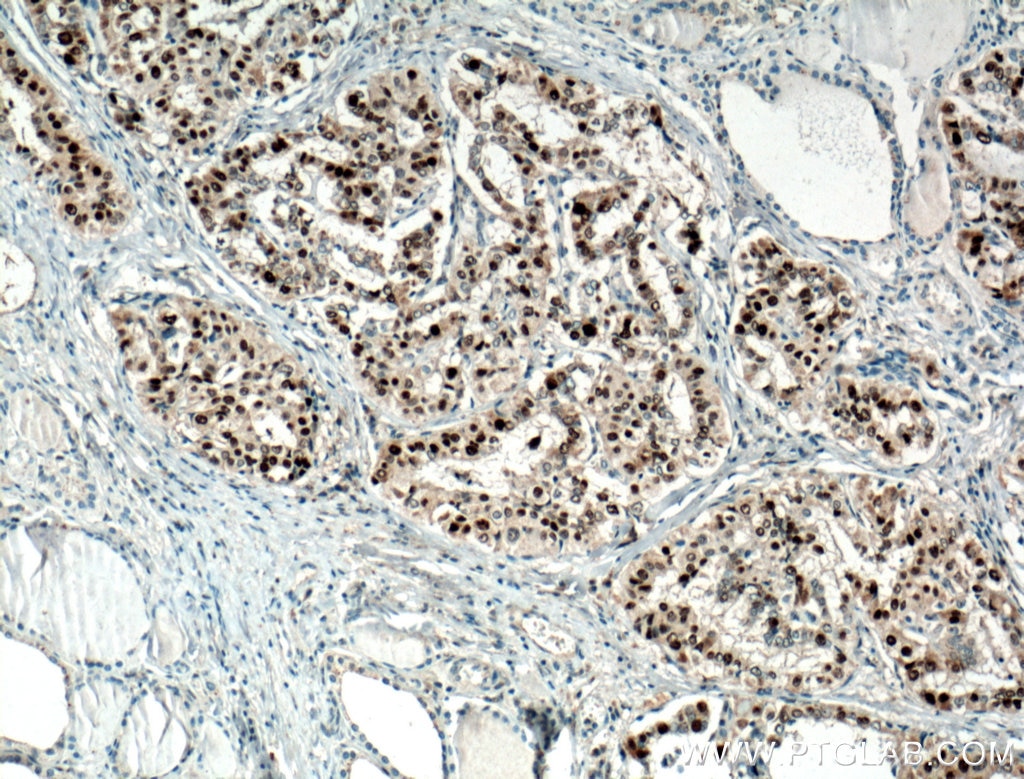
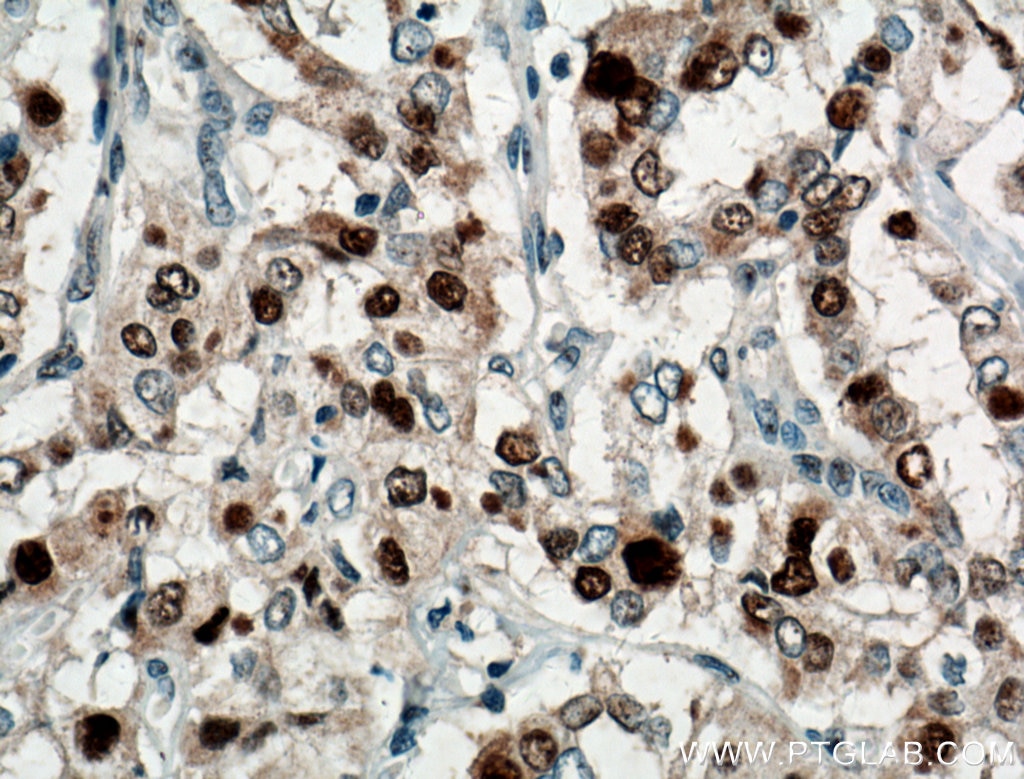
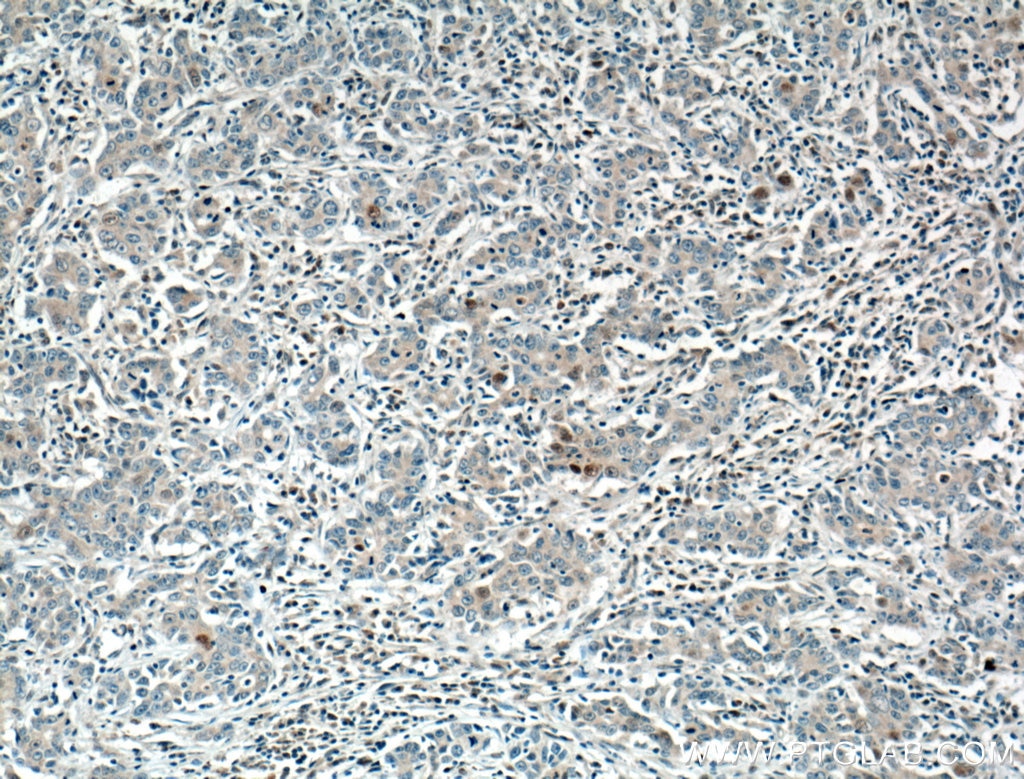
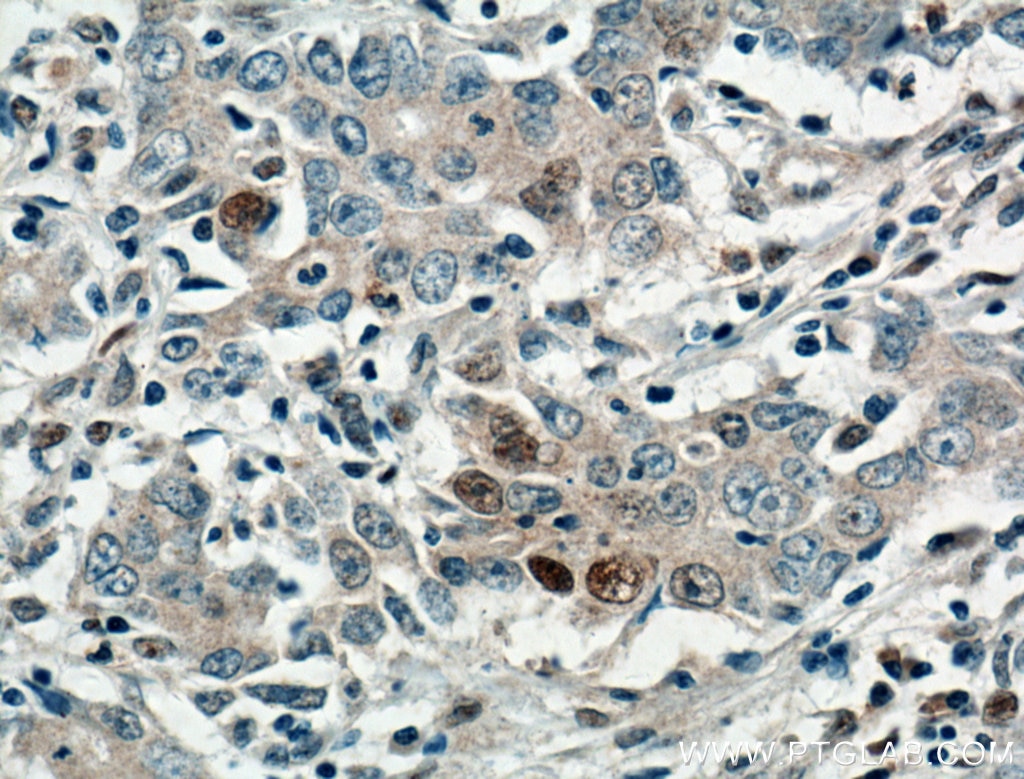
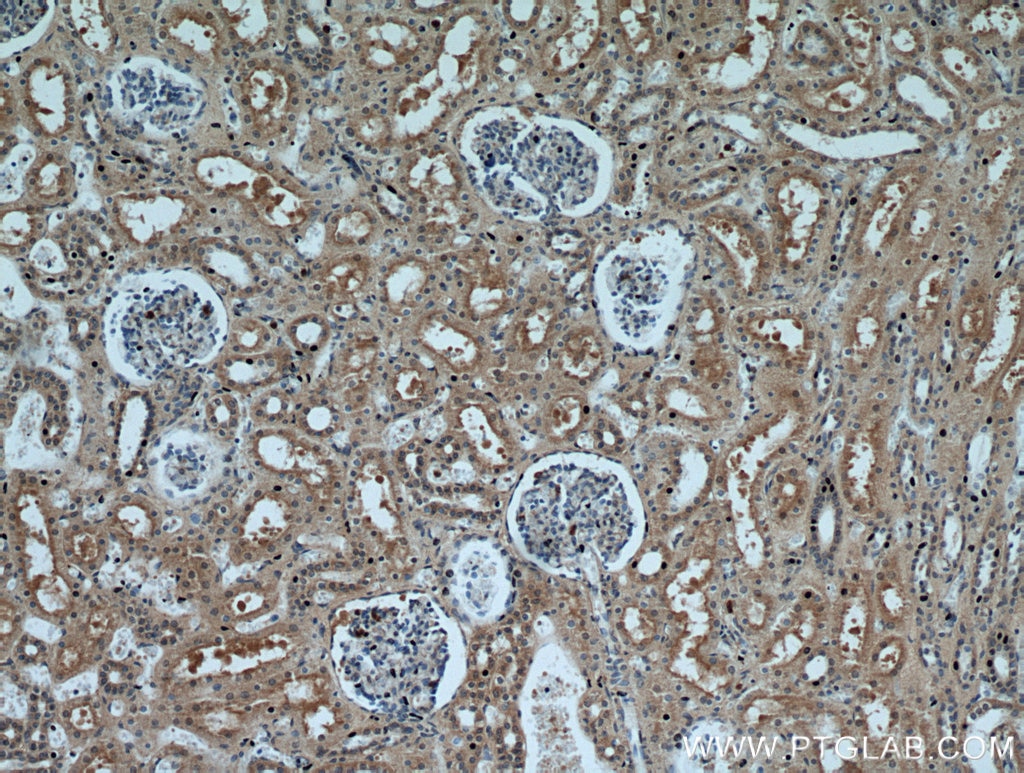
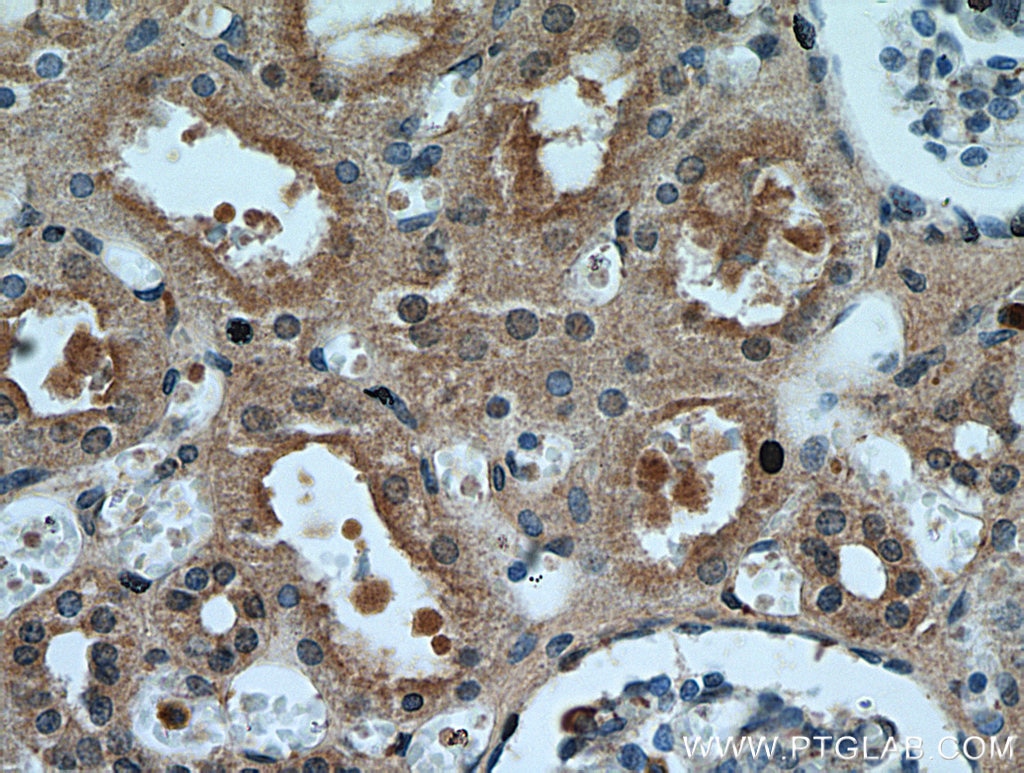
| Positive IHC detected in | human colon cancer tissue, human breast cancer tissue, human cervical cancer tissue, human kidney tissue, human stomach cancer tissue, human thyroid cancer tissue Note: suggested antigen retrieval with TE buffer pH 9.0; (*) Alternatively, antigen retrieval may be performed with citrate buffer pH 6.0 |
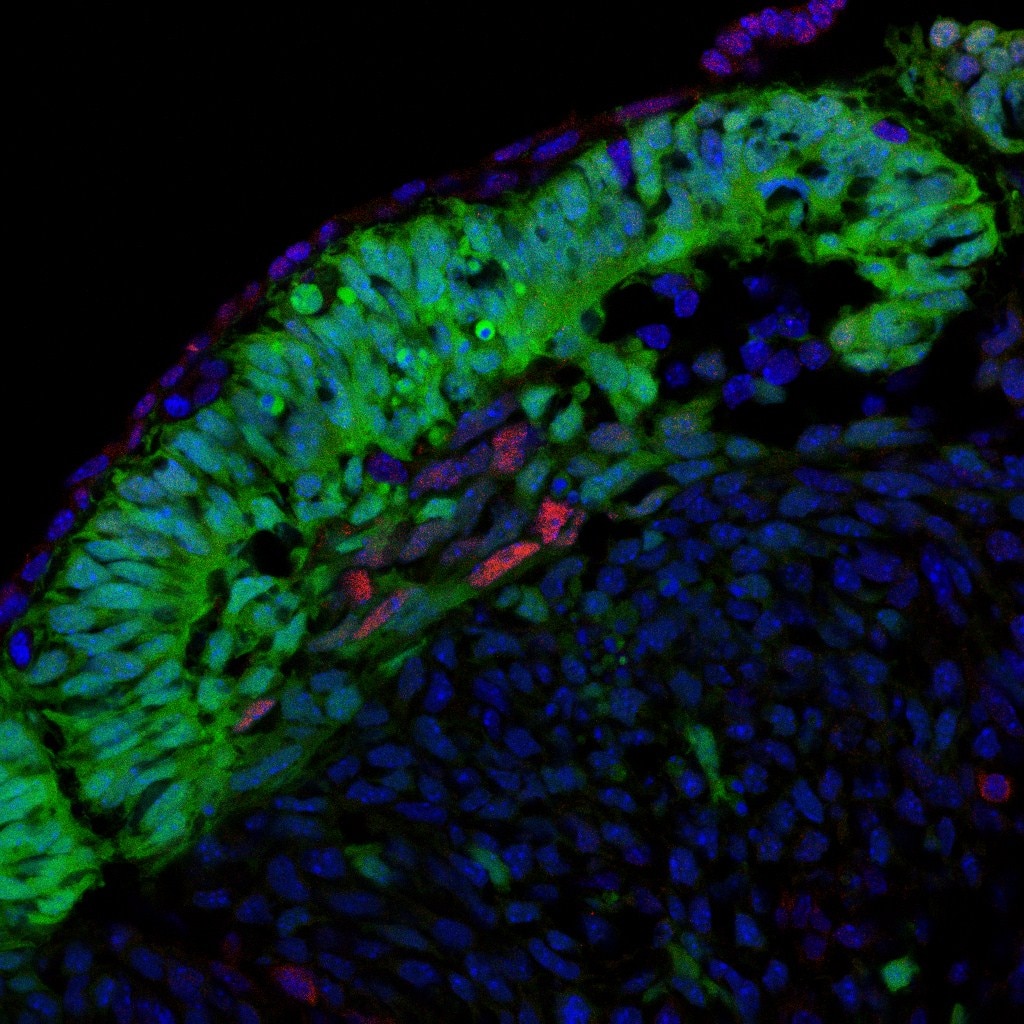
| Positive IF-P detected in | myotome of a somite at E11.5 tissue |
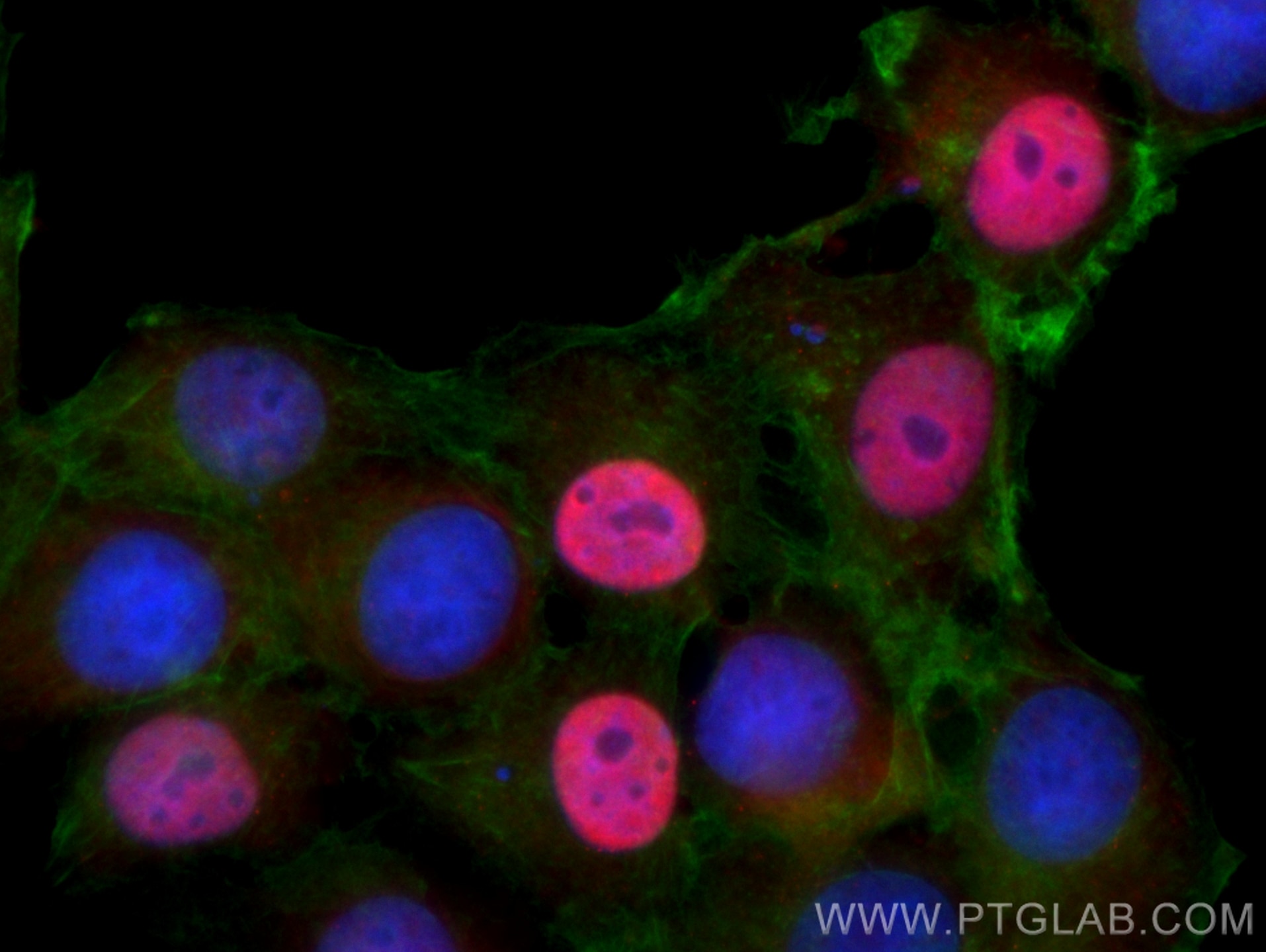
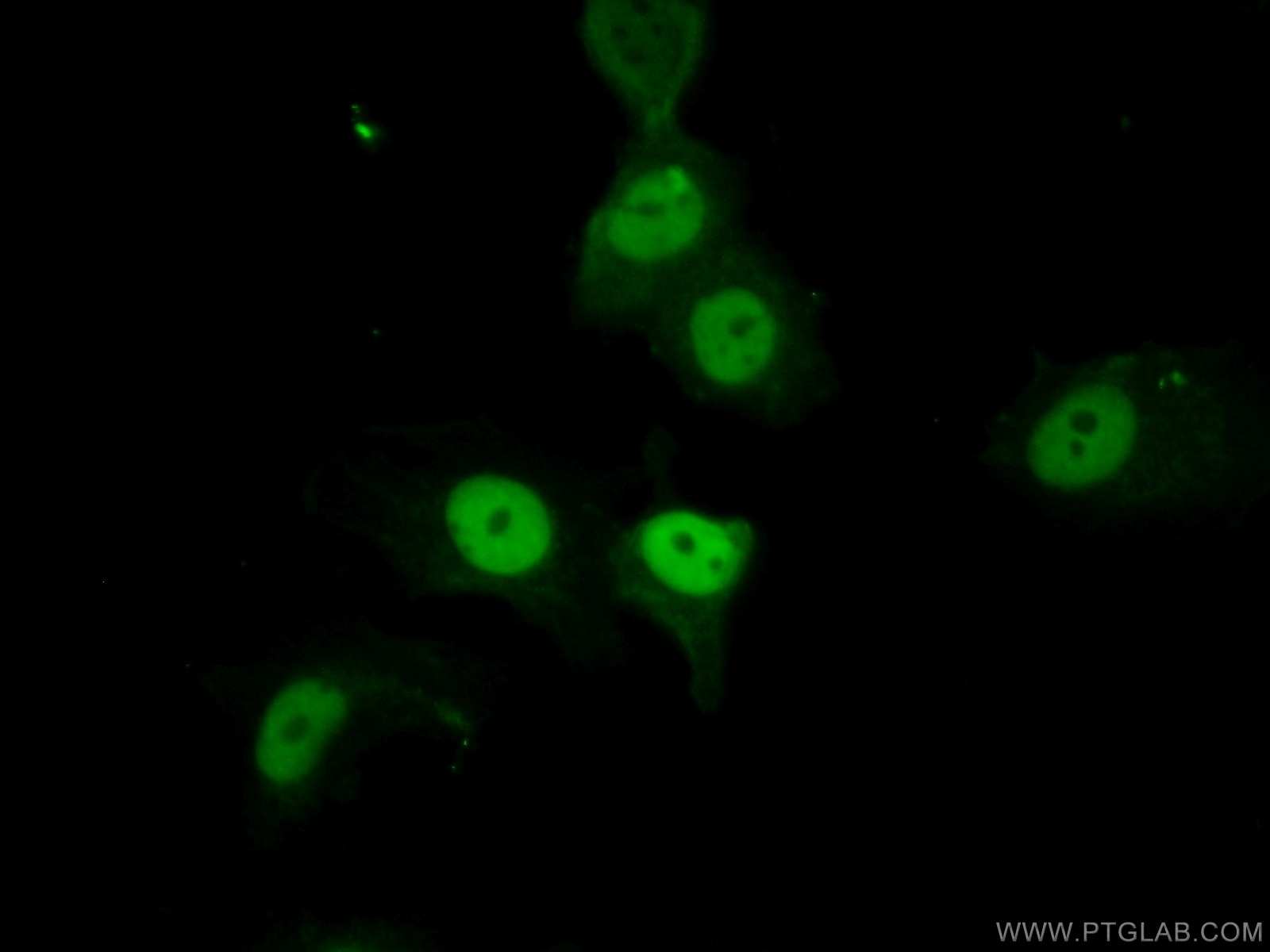
| Positive IF/ICC detected in | MCF-7 cells |
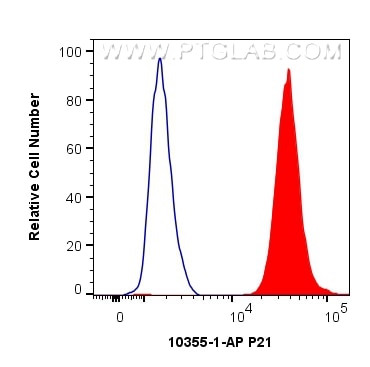
| Positive FC (Intra) detected in | MCF-7 cells |
Recommended dilution
| Application | Dilution |
|---|---|
| Western Blot (WB) | WB : 1:1000-1:4000 |
| Immunoprecipitation (IP) | IP : 0.5-4.0 ug for 1.0-3.0 mg of total protein lysate |
| Immunohistochemistry (IHC) | IHC : 1:4000-1:16000 |
| Immunofluorescence (IF)-P | IF-P : 1:10-1:100 |
| Immunofluorescence (IF)/ICC | IF/ICC : 1:200-1:800 |
| Flow Cytometry (FC) (INTRA) | FC (INTRA) : 0.40 ug per 10^6 cells in a 100 µl suspension |
| It is recommended that this reagent should be titrated in each testing system to obtain optimal results. | |
| Sample-dependent, Check data in validation data gallery. | |
Product Information
10355-1-AP targets P21 in WB, IHC, IF/ICC, IF-P, FC (Intra), IP, CoIP, ELISA, Cell treatment applications and shows reactivity with human samples.
| Tested Reactivity | human |
| Cited Reactivity | human, pig, rabbit, canine, monkey, chicken, artemia sinica |
| Host / Isotype | Rabbit / IgG |
| Class | Polyclonal |
| Type | Antibody |
| Immunogen |
CatNo: Ag0368 Product name: Recombinant human P21;CDKN1A protein Source: e coli.-derived, PGEX-4T Tag: GST Domain: 1-149 aa of BC000275 Sequence: MSEPAGDVRQNPCGSKACRRLFGPVDSEQLSRDCDALMAGCIQEARERWNFDFVTETPLEGDFAWERVRGLGLPKLYLPTGPRRGRDELGGGRRPGTSPALLQGTAEEDHVDLSLSCTLVPRSGEQAEGSPGGPGDSQGRKRRQTSMTD Predict reactive species |
| Full Name | cyclin-dependent kinase inhibitor 1A (p21, Cip1) |
| Calculated Molecular Weight | 18 kDa |
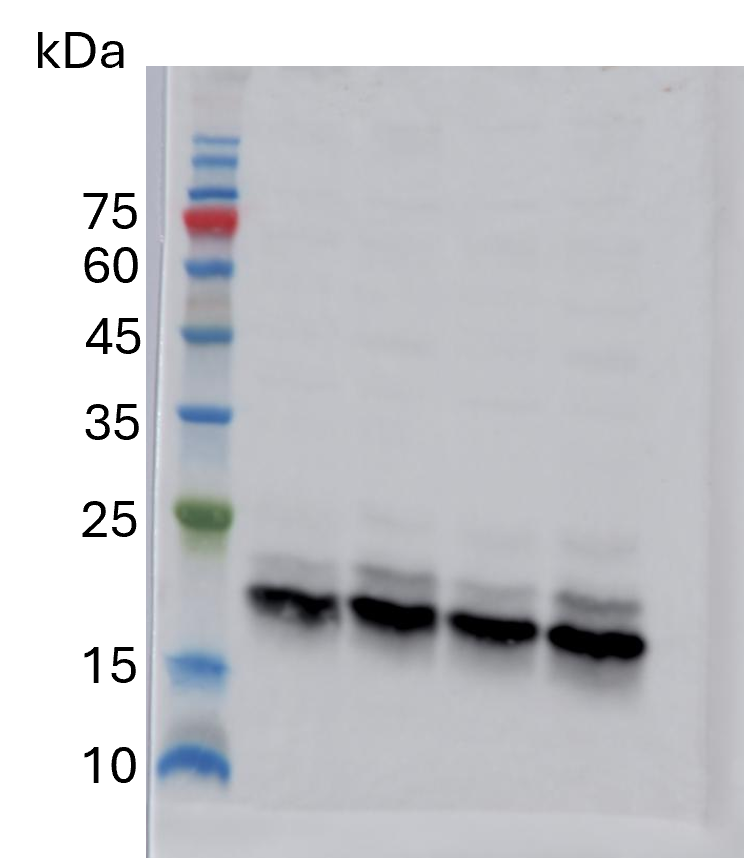
| Observed Molecular Weight | 21 kDa |
| GenBank Accession Number | BC000275 |
| Gene Symbol | p21 |
| Gene ID (NCBI) | 1026 |
| RRID | AB_2077682 |
| Conjugate | Unconjugated |
| Form | Liquid |
| Purification Method | Antigen affinity purification |
| UNIPROT ID | P38936 |
| Storage Buffer | PBS with 0.02% sodium azide and 50% glycerol, pH 7.3. |
| Storage Conditions | Store at -20°C. Stable for one year after shipment. Aliquoting is unnecessary for -20oC storage. 20ul sizes contain 0.1% BSA. |
Background Information
CDKN1A (p21, CIP1, WAF1) is a cyclin-dependent kinase inhibitor. CDKN1A binds to and inhibits the activity of cyclin-CDK2 or -CDK4 complexes, and thus functions as a regulator of cell cycle progression at the G1 phase. The expression of CDKN1A is induced by wild-type but not mutant p53 protein, through which CDKN1A mediates the p53-dependent cell cycle G1 phase arrest in response to a variety of stress stimuli. CDKN1A can interact with proliferating cell nuclear antigen (PCNA), and plays a regulatory role in S phase DNA replication and DNA damage repair. CDKN1A was reported to be specifically cleaved by CASP3-like caspases, which thus leads to a dramatic activation of CDK2, and may be instrumental in the execution of apoptosis following caspase activation. Two alternatively spliced variants, which encode an identical protein, have been reported.
Protocols
| Product Specific Protocols | |
|---|---|
| FC protocol for P21 antibody 10355-1-AP | Download protocol |
| IF protocol for P21 antibody 10355-1-AP | Download protocol |
| IHC protocol for P21 antibody 10355-1-AP | Download protocol |
| IP protocol for P21 antibody 10355-1-AP | Download protocol |
| WB protocol for P21 antibody 10355-1-AP | Download protocol |
| Standard Protocols | |
|---|---|
| Click here to view our Standard Protocols |
Publications
What published studies show
The p21 (CDKN1A) antibody (Cat# 10355-1-AP) has accumulated 1,268 total citations published in high-impact journals including Nature Communications, Nature Aging, Cell, Molecular Cancer, Journal of Experimental & Clinical Cancer Research, Autophagy, Cell Death & Disease, Journal of Advanced Research, Redox Biology, Biomaterials, Science Advances, Gastroenterology, and Cancer Research. Associated research fields encompass cancer biology, cellular senescence, aging, autophagy, ferroptosis, fibrosis, cardiovascular disease, liver disease, osteoarthritis, and tissue regeneration.
| Species | Application | Title |
|---|---|---|
Signal Transduct Target Ther Human adipose and umbilical cord mesenchymal stem cell-derived extracellular vesicles mitigate photoaging via TIMP1/Notch1 | ||
Signal Transduct Target Ther Seryl tRNA synthetase cooperates with POT1 to regulate telomere length and cellular senescence. | ||
J Hematol Oncol Novel potent molecular glue degraders against broad range of hematological cancer cell lines via multiple neosubstrates degradation | ||
J Hematol Oncol CLK1/SRSF5 pathway induces aberrant exon skipping of METTL14 and Cyclin L2 and promotes growth and metastasis of pancreatic cancer. | ||
J Hematol Oncol SIX3, a tumor suppressor, inhibits astrocytoma tumorigenesis by transcriptional repression of AURKA/B. | ||
Cell Sex-dependent effects in the aged melanoma tumor microenvironment influence invasion and resistance to targeted therapy |
Reviews
What customers say
Users consistently rate this p21 antibody highly for Western Blot, praising strong signal, clean background, and good specificity across diverse samples including glioblastoma, skin cells, liver tissue, and cancer cell lines. The most common dilution is 1:1000. A recurring tip: shorter incubation (1.5–2 hr at room temperature) minimizes non-specific bands that can appear with overnight 4°C incubation. One user noted occasional extra bands on gels but found it acceptable for immunofluorescence. Several reviewers highlight reproducibility and the ability to reuse the antibody when prepared in 3% BSA. Overall, it is well-recommended for reliable p21 detection.
The reviews below have been submitted by verified Proteintech customers who received an incentive for providing their feedback.
balawant (Verified Customer) (09-01-2026) | Excellent p21 Antibody for Western Blotting I am very satisfied with the performance of this p21 antibody for Western blot analysis. The antibody produced a strong and clear signal with good specificity and a clean background, making it easy to detect p21 protein expression. The results were highly reproducible across experiments, and the antibody performed well under standard Western blot conditions. Overall, I found this antibody reliable and effective for Western blotting and would recommend it for researchers studying p21 expression.
|
Stefano (Verified Customer) (08-03-2026) | Works nice, sometimes extra bands appears on gel Ok for immunofluorescence
|
Kamal (Verified Customer) (01-22-2026) | Antibody was diluted in 1:3000 1X TBST.
|
Ankush (Verified Customer) (08-13-2025) | The primary antibody was used to detect and quantify the expression level of the p21 protein in skin cells.
 |
Alexandros (Verified Customer) (06-06-2025) | Excellent performance; very nice staining on my membranes (PVDF) and not taking ages to develop as previous antibodies I had tried.
|
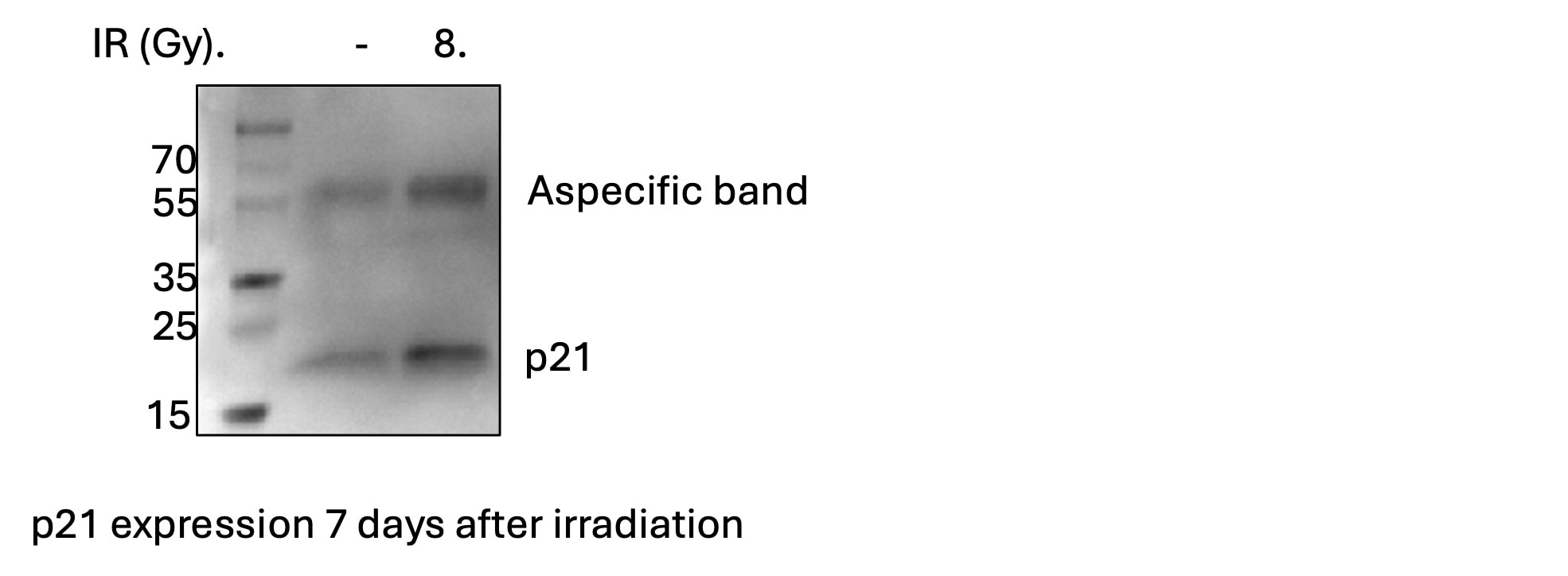
celine (Verified Customer) (11-19-2024) | I used in BSA 3% at 1:1000 for overnight incubation. It worked very well, but there is an unspecific band.
 |
Vikas (Verified Customer) (04-23-2024) | Used p21 antibody at 1:1000 dilution for western blotting worked great. Thank You. Highly recommended.
|
Hadil (Verified Customer) (05-24-2023) | I prepared this antibody in odyssey blocker at 1:1000 and incubated at 4 C overnight and seemed to get a good signal for p21. There were some non-specific bands properly caused by long incubation periods. So, i would recommend using it at this concentration for 1.5-2 hr at RT.
|
Malak (Verified Customer) (04-22-2021) | The best incubation period for this antibody is 1.5 hr at room temperature, longer incubations (especially overnight at 4°C) may result in aspecific bands.
|
Susan (Verified Customer) (12-03-2019) | We had been having issues with our old P21 antibody and this one worked great.
|
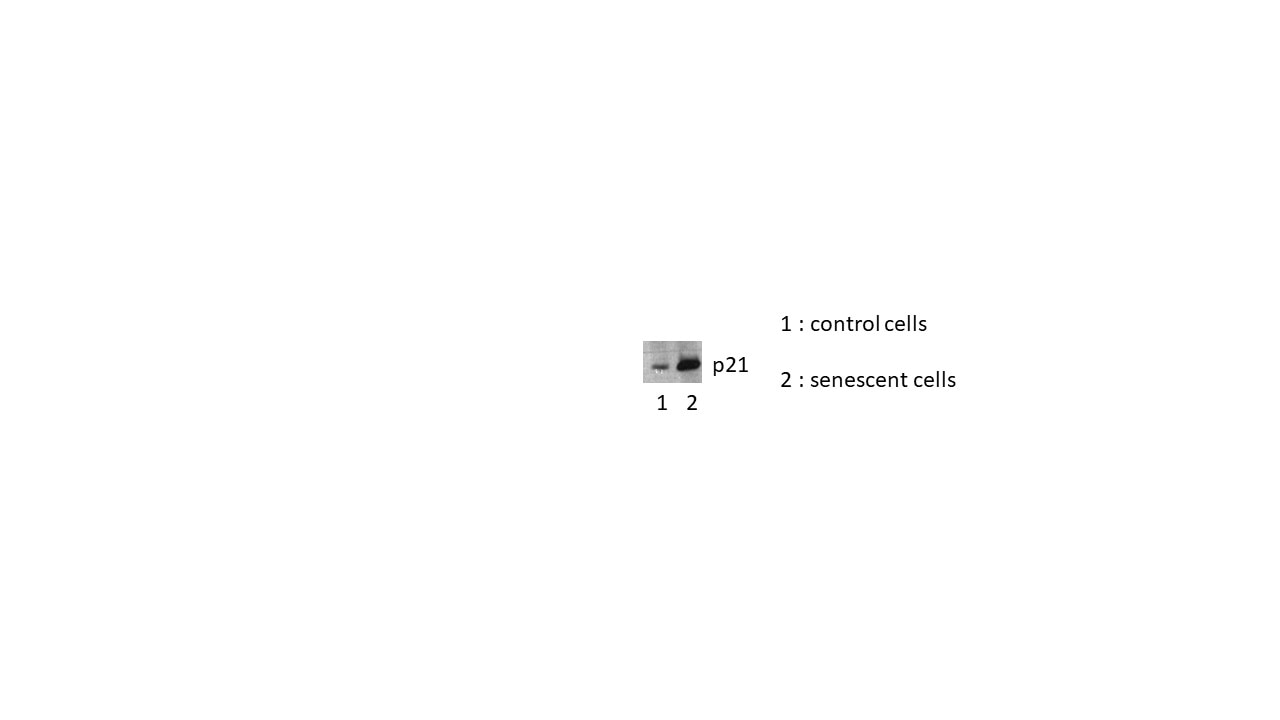
Béatrice (Verified Customer) (09-04-2019) | This is an excellent and specific antibody, without background.When prepared in 3%BSA, it can be reused several times and kept at-20°C
 |




























