
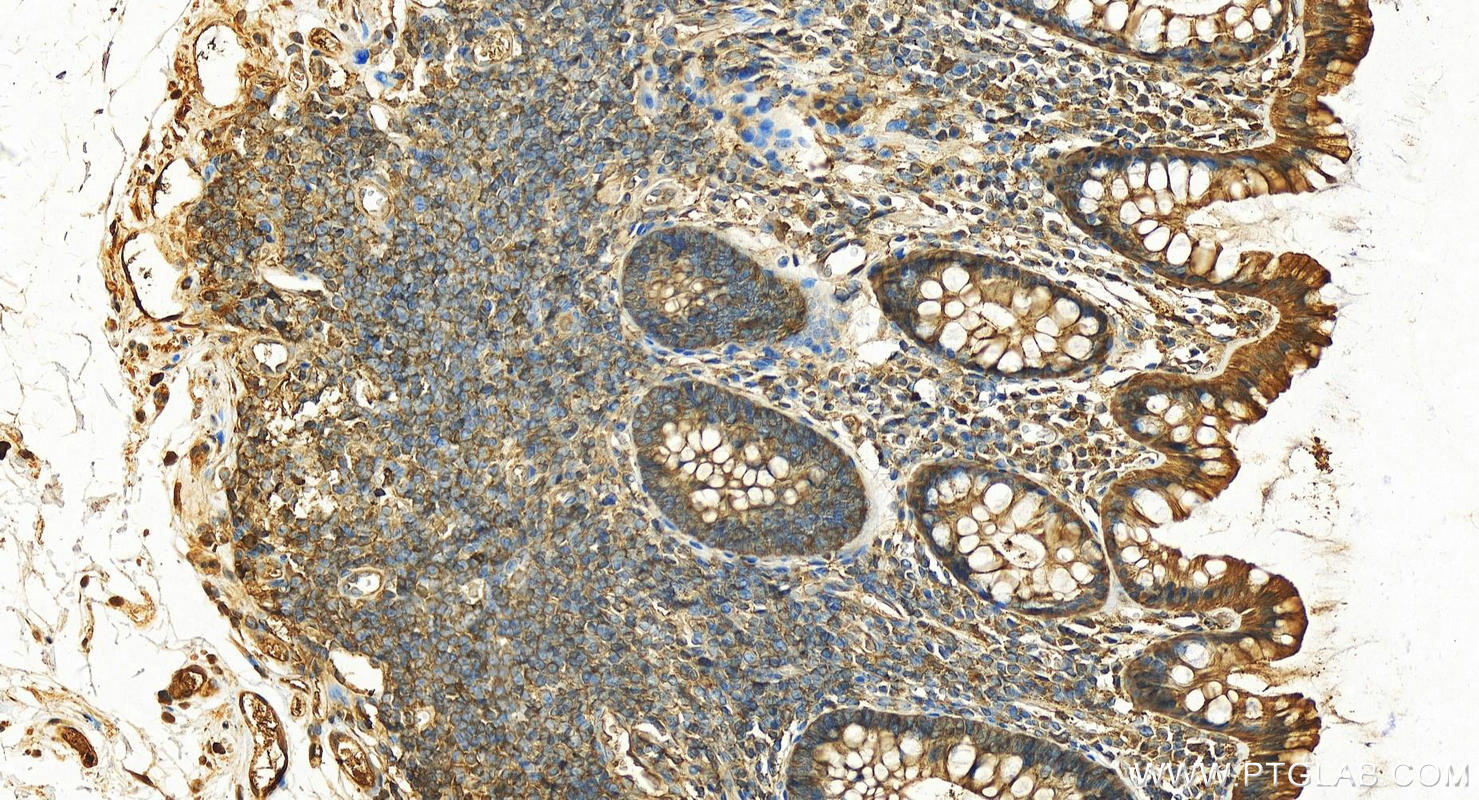
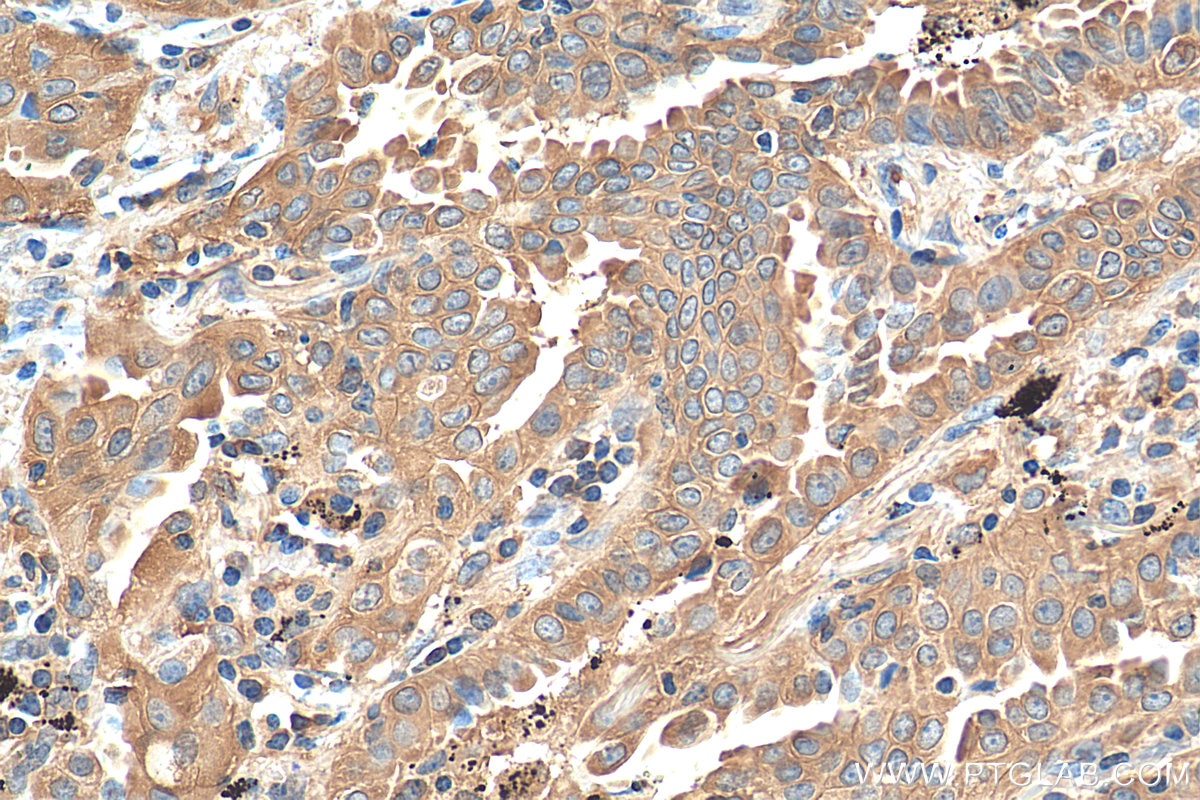
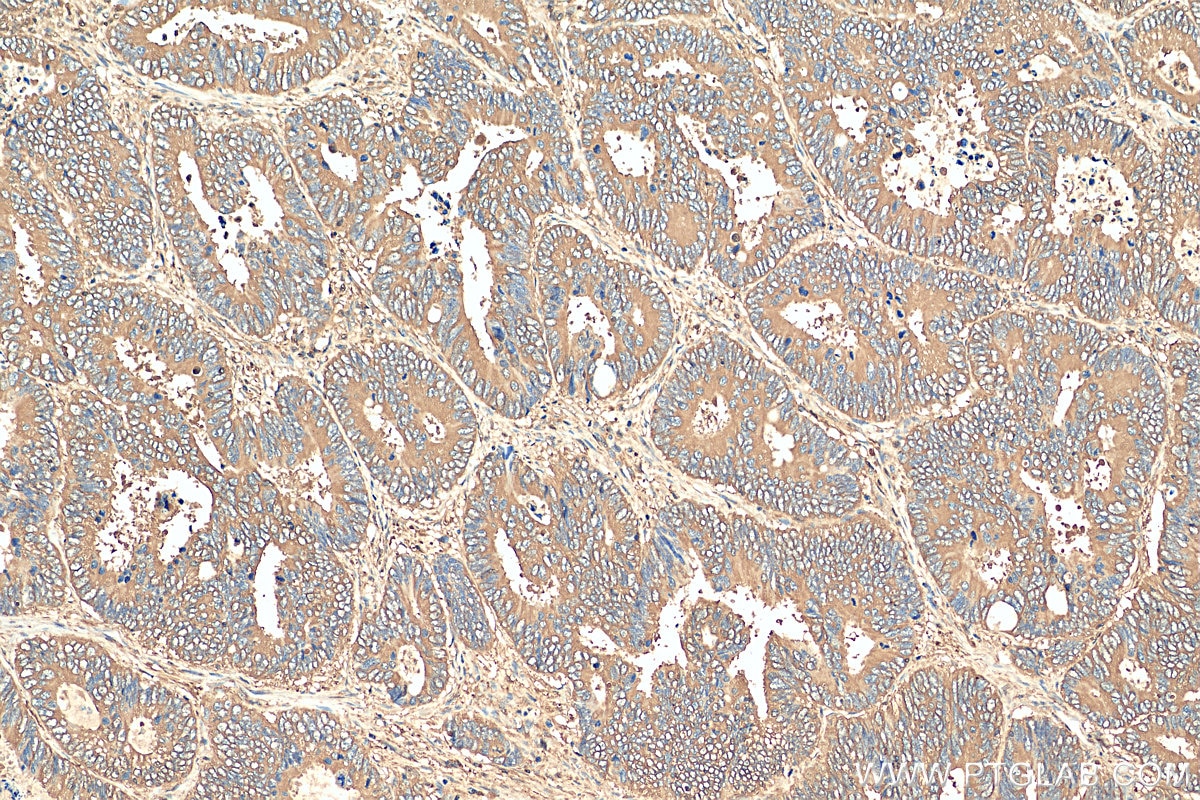
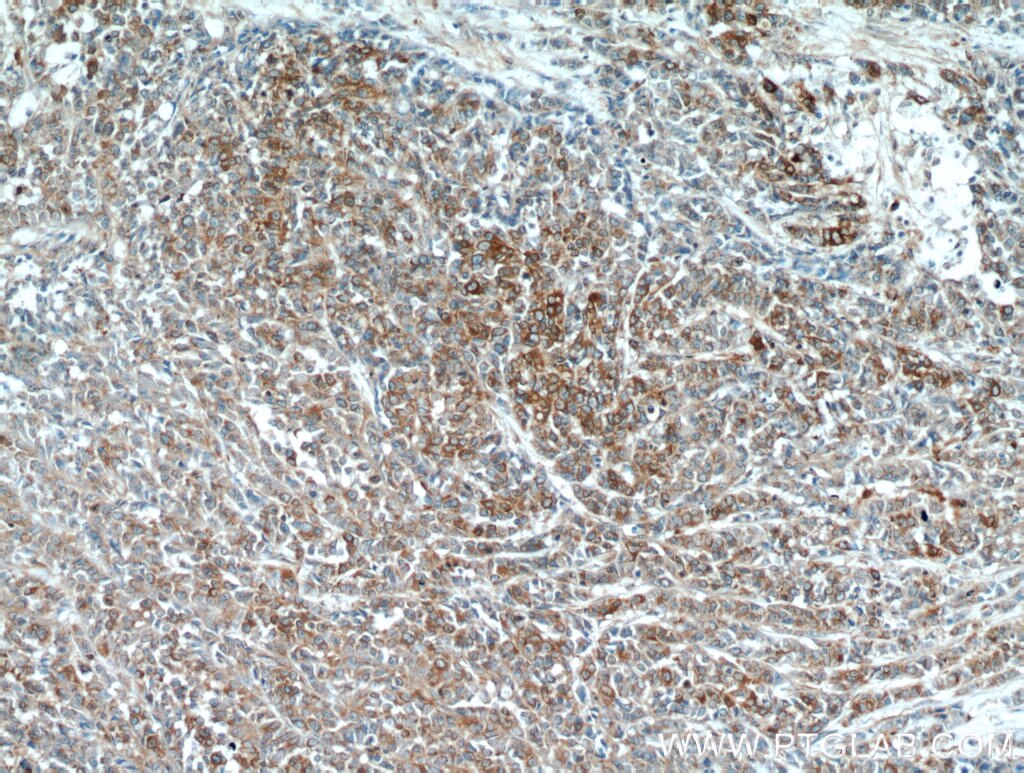

Tested Applications
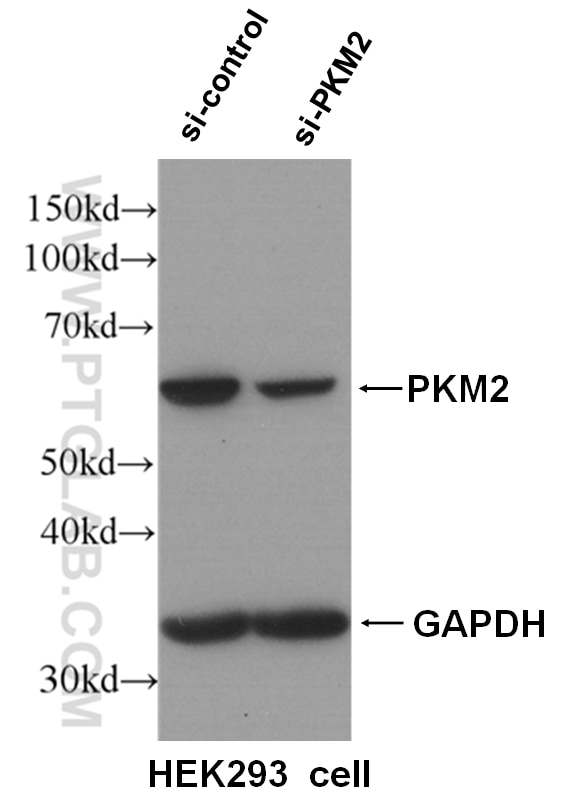
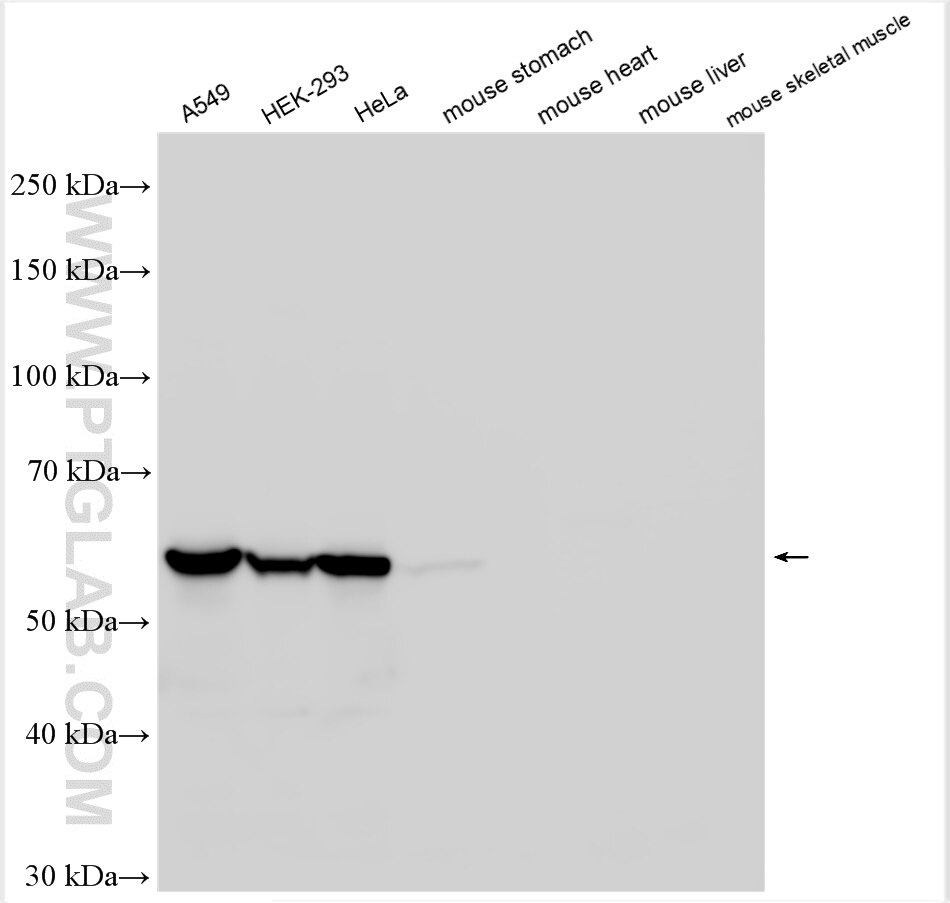
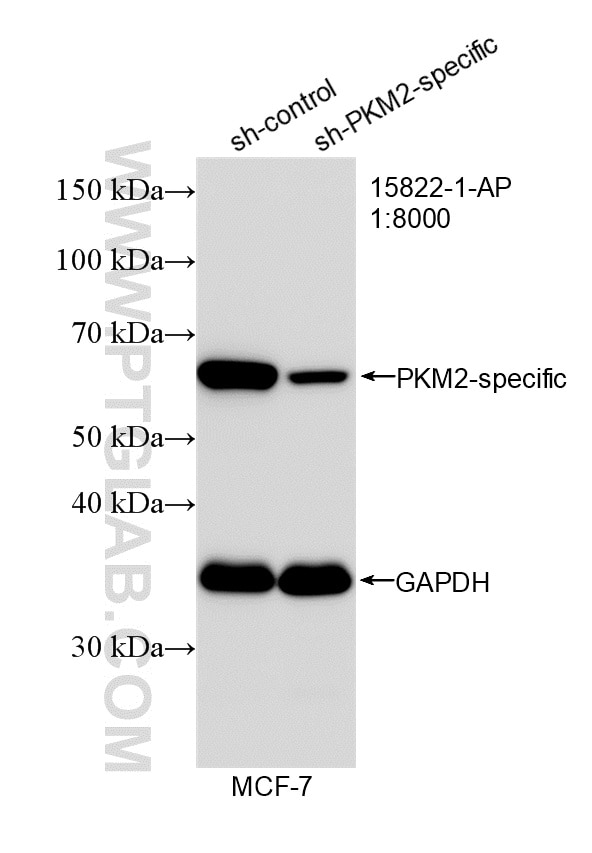
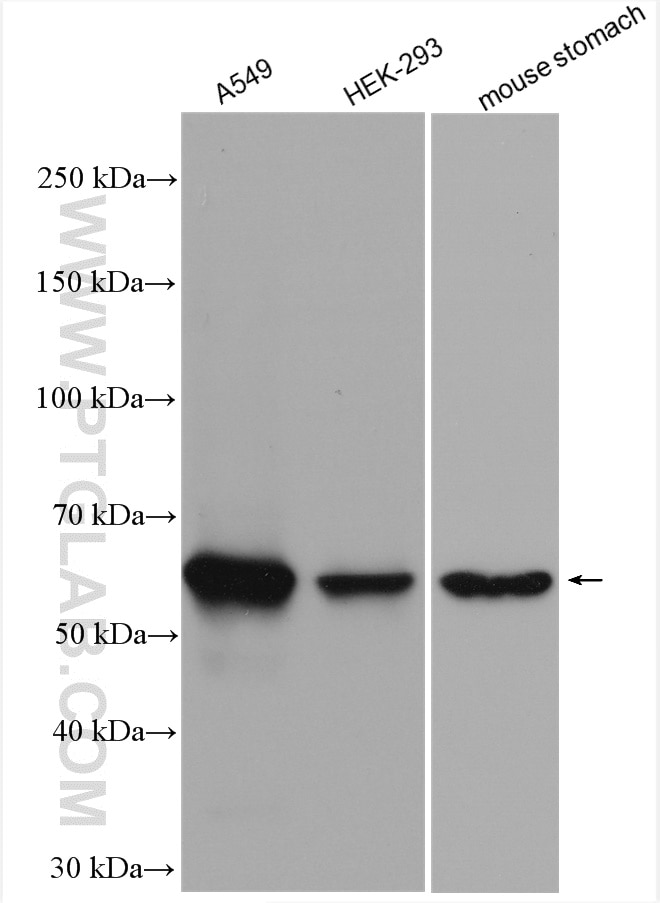
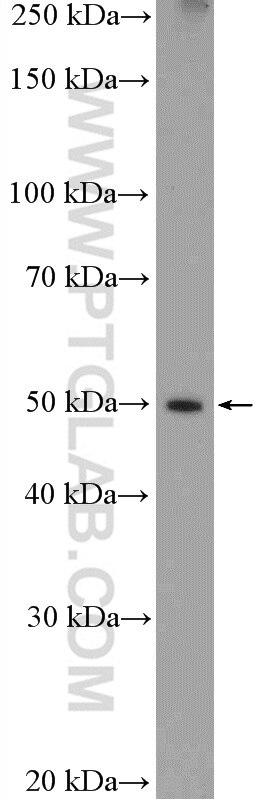
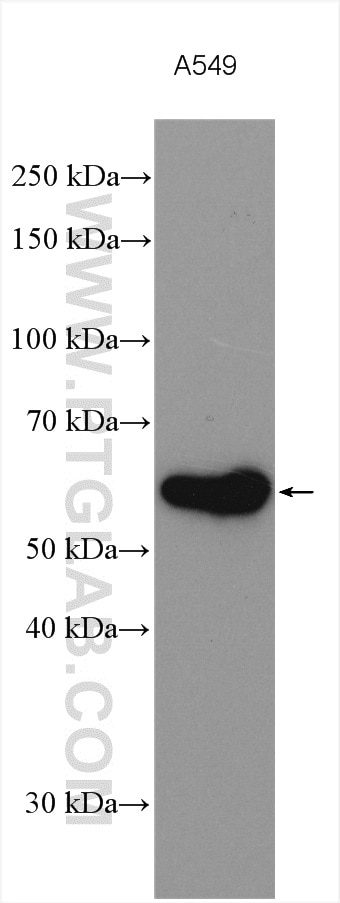
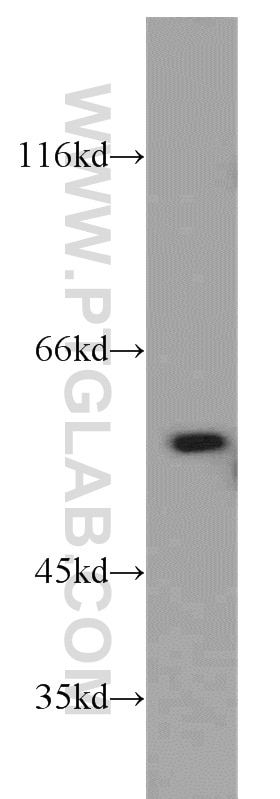
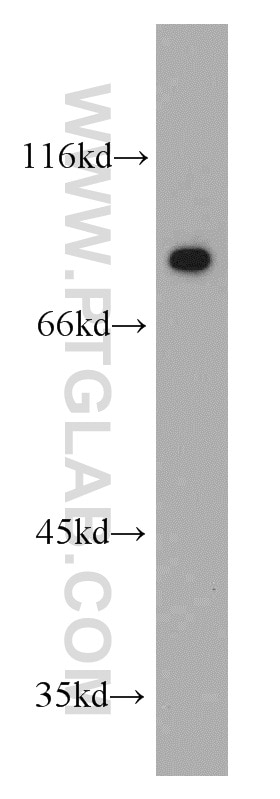
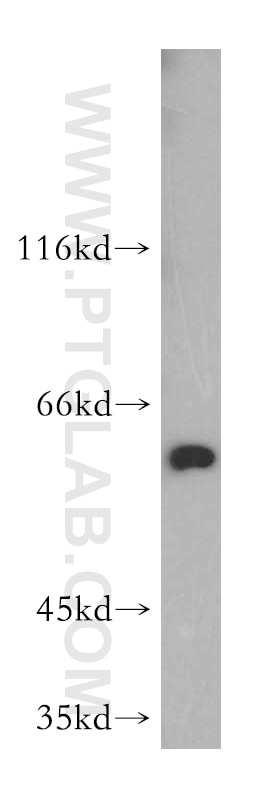
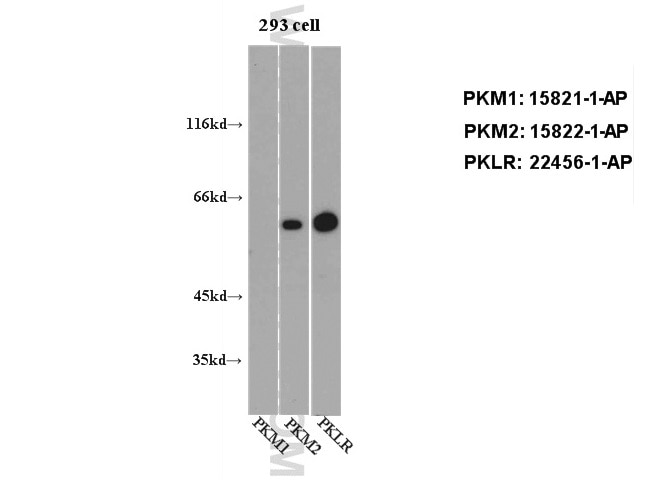
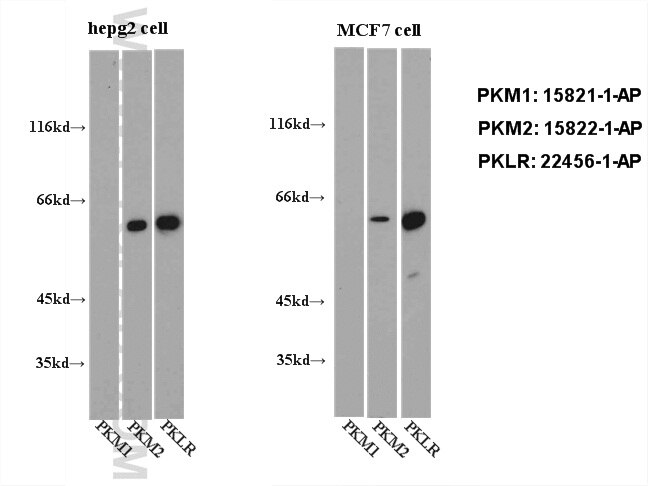
| Positive WB detected in | A549 cells, 293 cell, C6 cells, HEK-293 cells, HeLa cells, MCF-7 cells, N/A, Recombinant protein, HEK-293T cells, mouse stomach tissue |
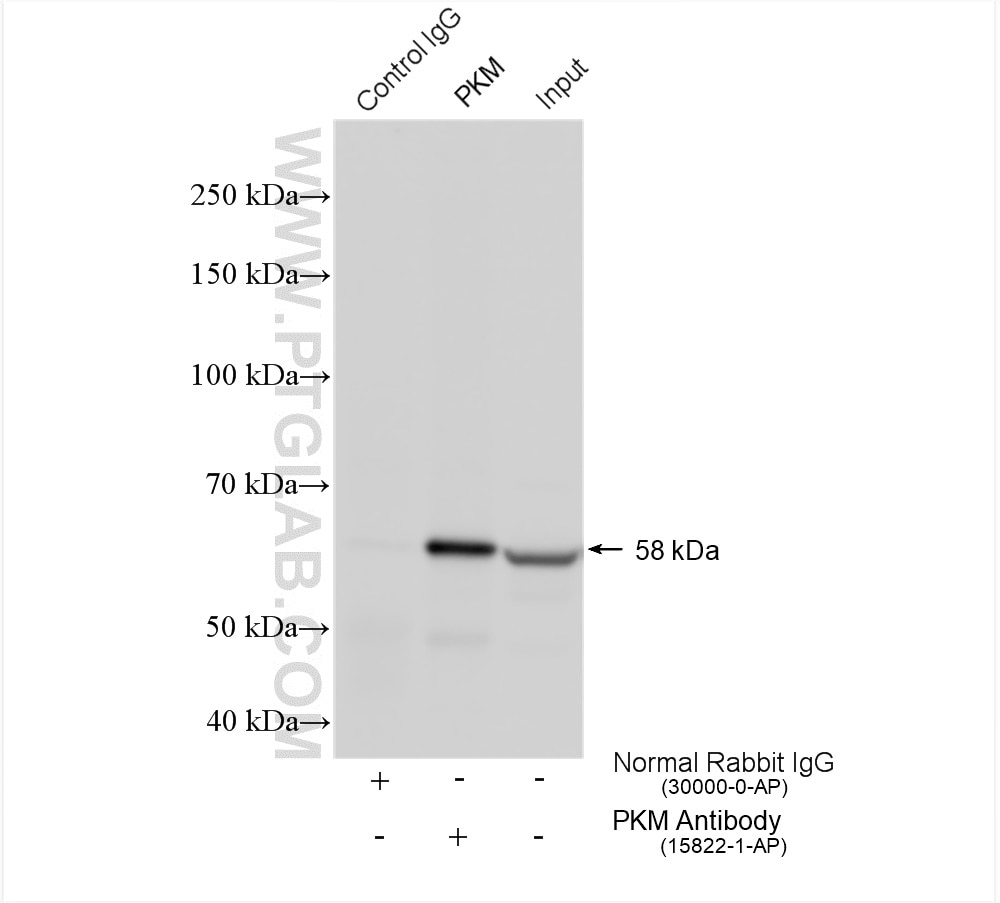
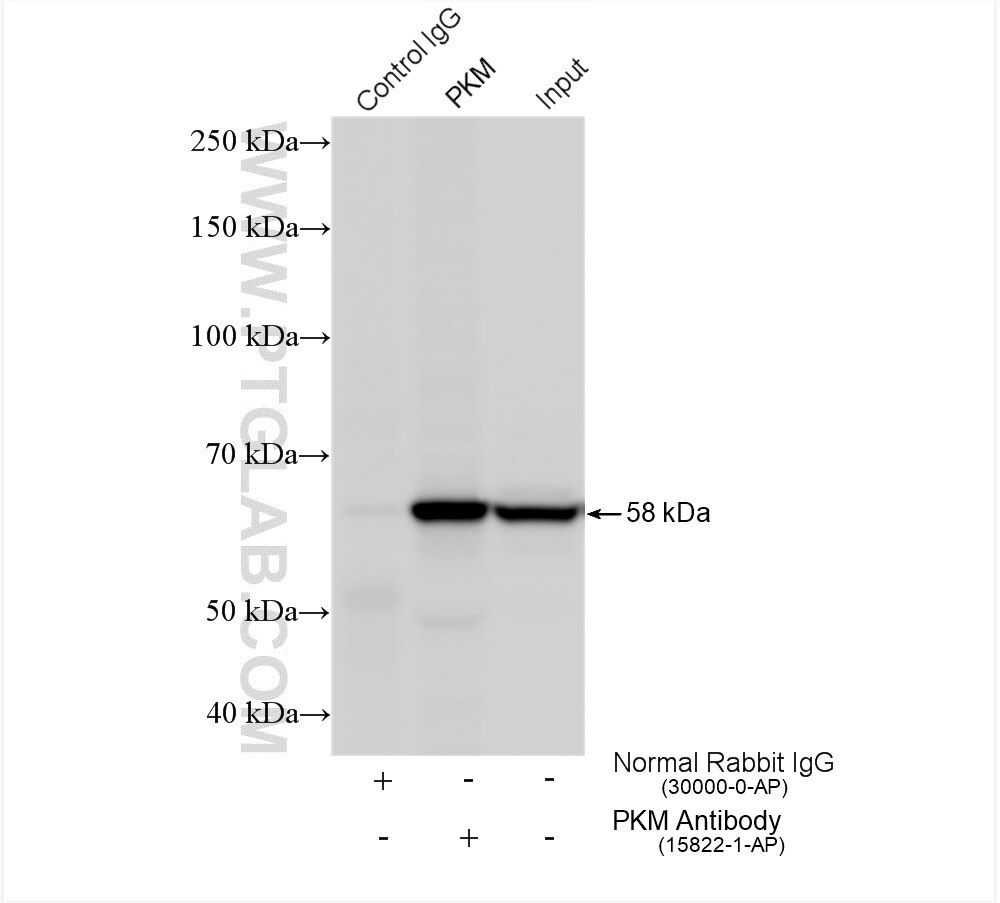
| Positive IP detected in | A549 cells, MCF-7 cells |
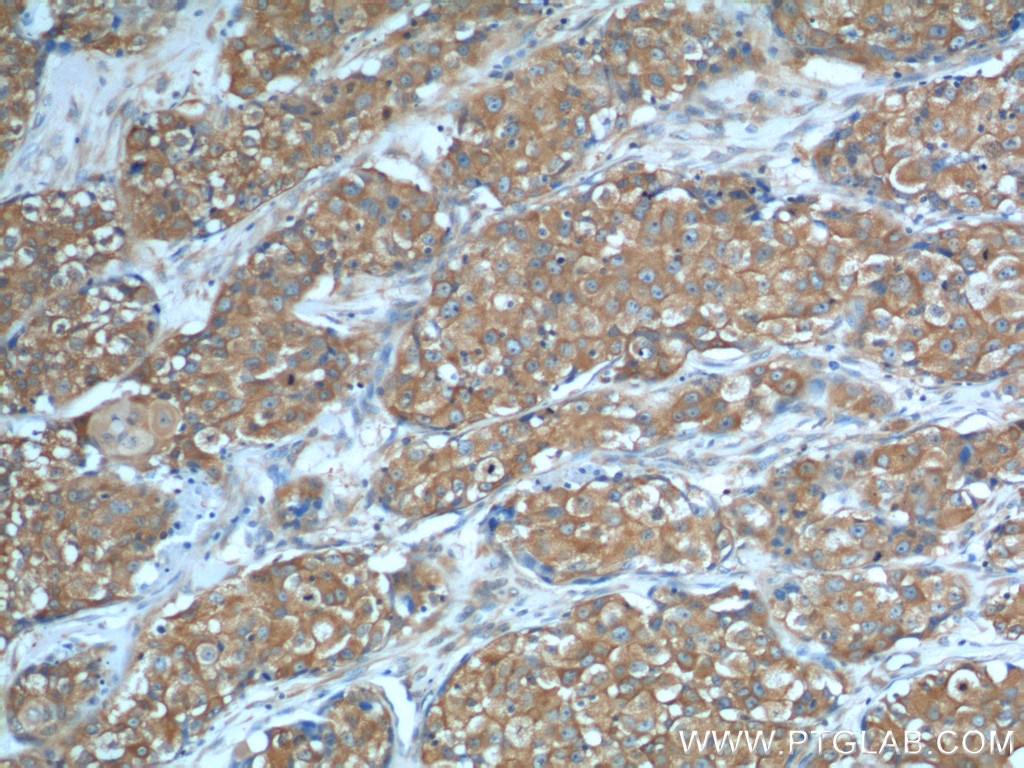
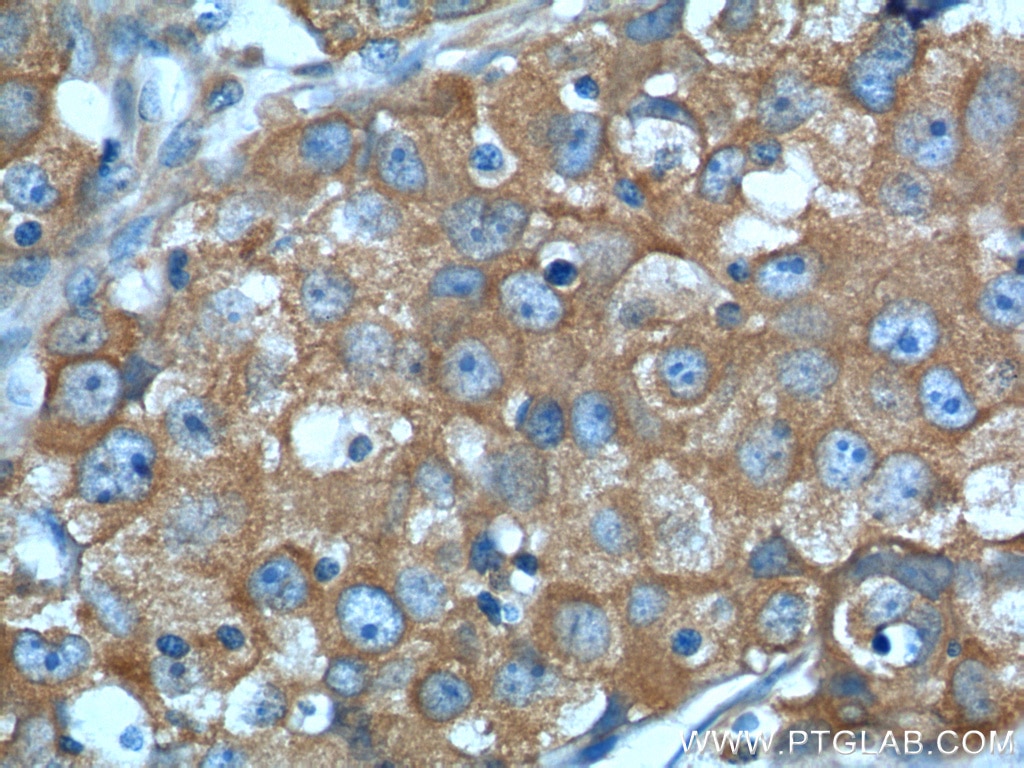
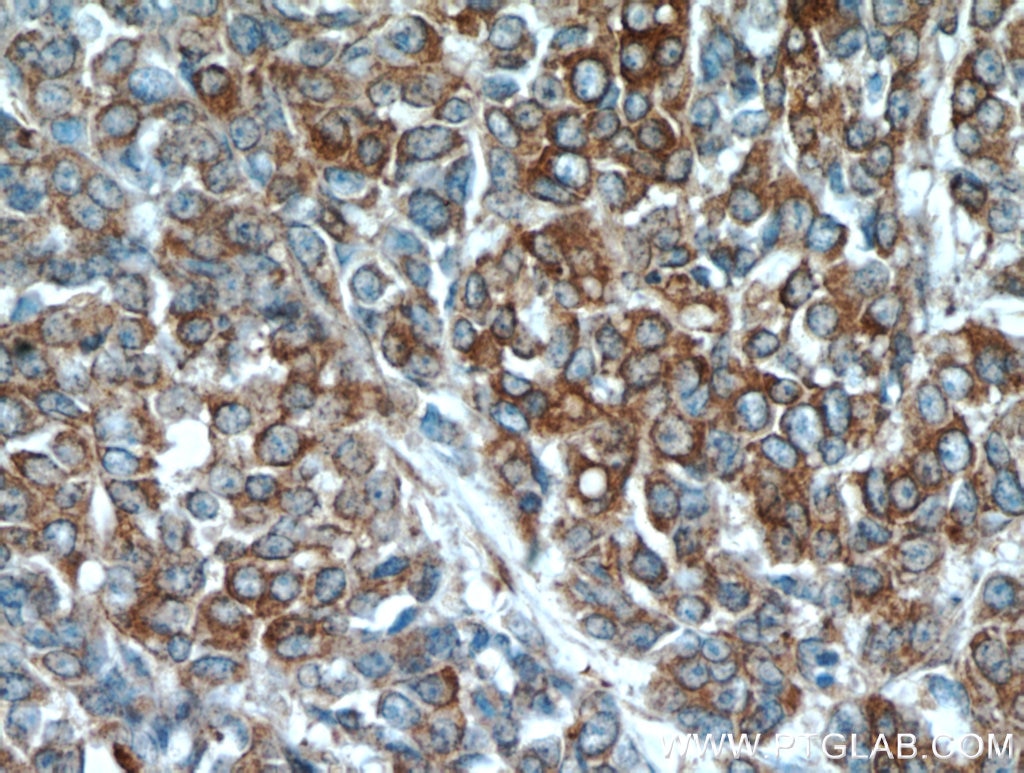
| Positive IHC detected in | human lung cancer tissue, human colon cancer tissue Note: suggested antigen retrieval with TE buffer pH 9.0; (*) Alternatively, antigen retrieval may be performed with citrate buffer pH 6.0 |
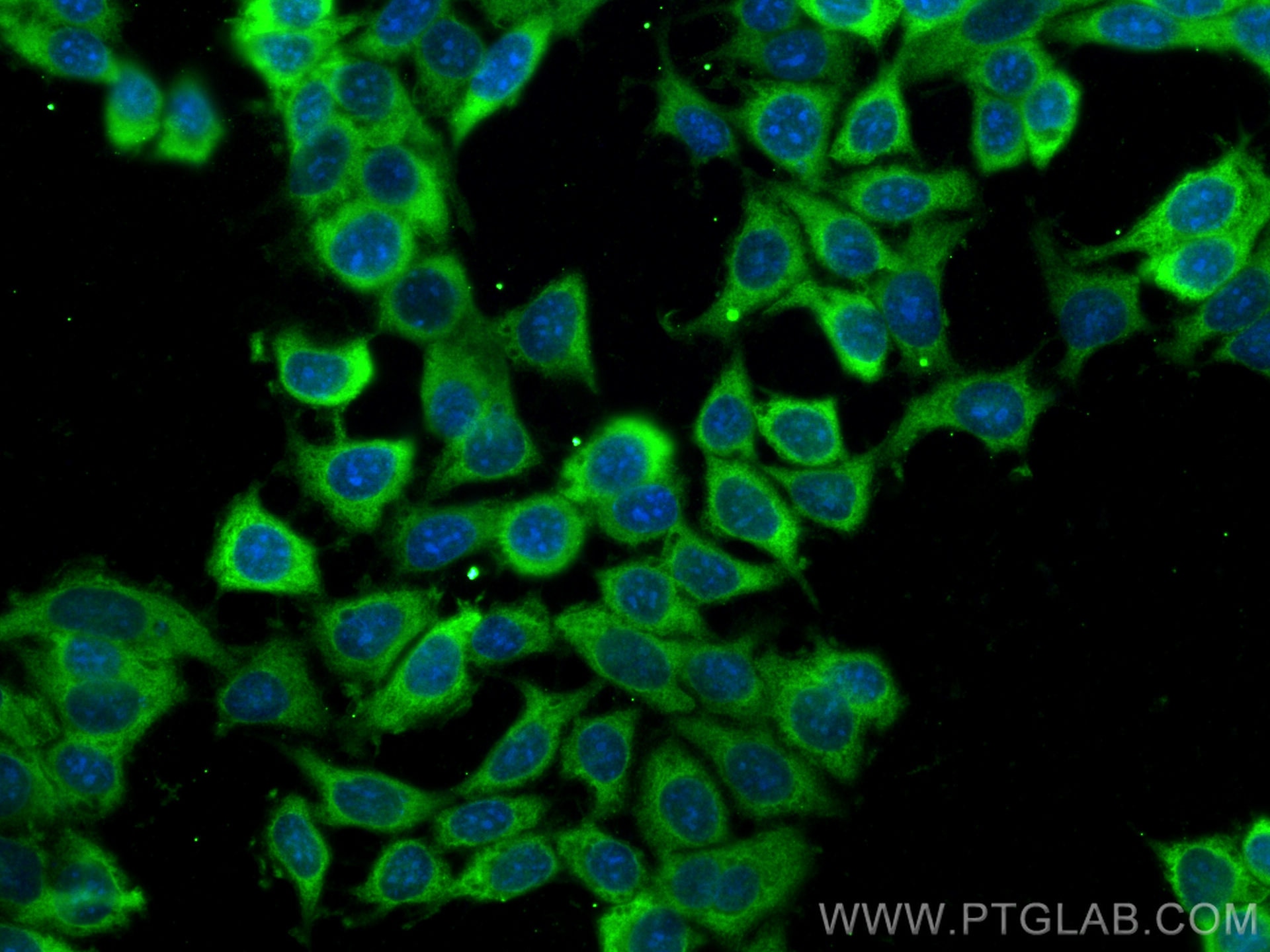
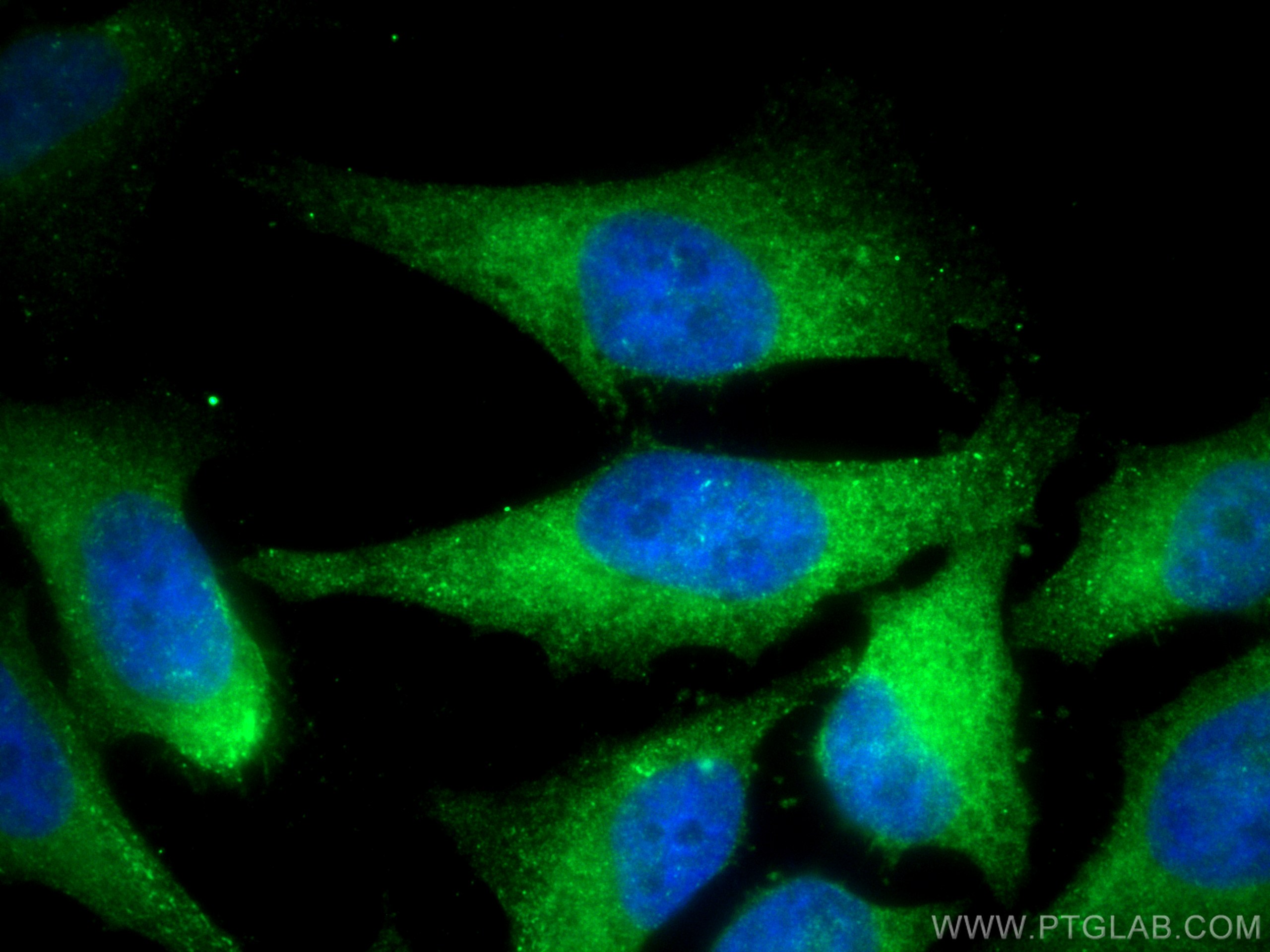
| Positive IF/ICC detected in | HeLa cells, MCF-7 cells |
Recommended dilution
| Application | Dilution |
|---|---|
| Western Blot (WB) | WB : 1:2000-1:12000 |
| Immunoprecipitation (IP) | IP : 0.5-4.0 ug for 1.0-3.0 mg of total protein lysate |
| Immunohistochemistry (IHC) | IHC : 1:100-1:400 |
| Immunofluorescence (IF)/ICC | IF/ICC : 1:50-1:500 |
| It is recommended that this reagent should be titrated in each testing system to obtain optimal results. | |
| Sample-dependent, Check data in validation data gallery. | |
Product Information
15822-1-AP targets PKM2-specific in WB, IHC, IF/ICC, IP, CoIP, ChIP, ELISA applications and shows reactivity with human, mouse, rat samples.
| Tested Reactivity | human, mouse, rat |
| Cited Reactivity | human, mouse, rat, chicken, bovine |
| Host / Isotype | Rabbit / IgG |
| Class | Polyclonal |
| Type | Antibody |
| Immunogen |
Peptide Predict reactive species |
| Full Name | PKM pyruvate kinase, muscle |
| Calculated Molecular Weight | 58 kDa |
| Observed Molecular Weight | 58 kDa |
| GenBank Accession Number | NM_002654 |
| Gene Symbol | PKM |
| Gene ID (NCBI) | 5315 |
| RRID | AB_1851537 |
| Conjugate | Unconjugated |
| Form | Liquid |
| Purification Method | Antigen affinity purification |
| UNIPROT ID | P14618 |
| Storage Buffer | PBS with 0.02% sodium azide and 50% glycerol, pH 7.3. |
| Storage Conditions | Store at -20°C. Stable for one year after shipment. Aliquoting is unnecessary for -20oC storage. 20ul sizes contain 0.1% BSA. |
Background Information
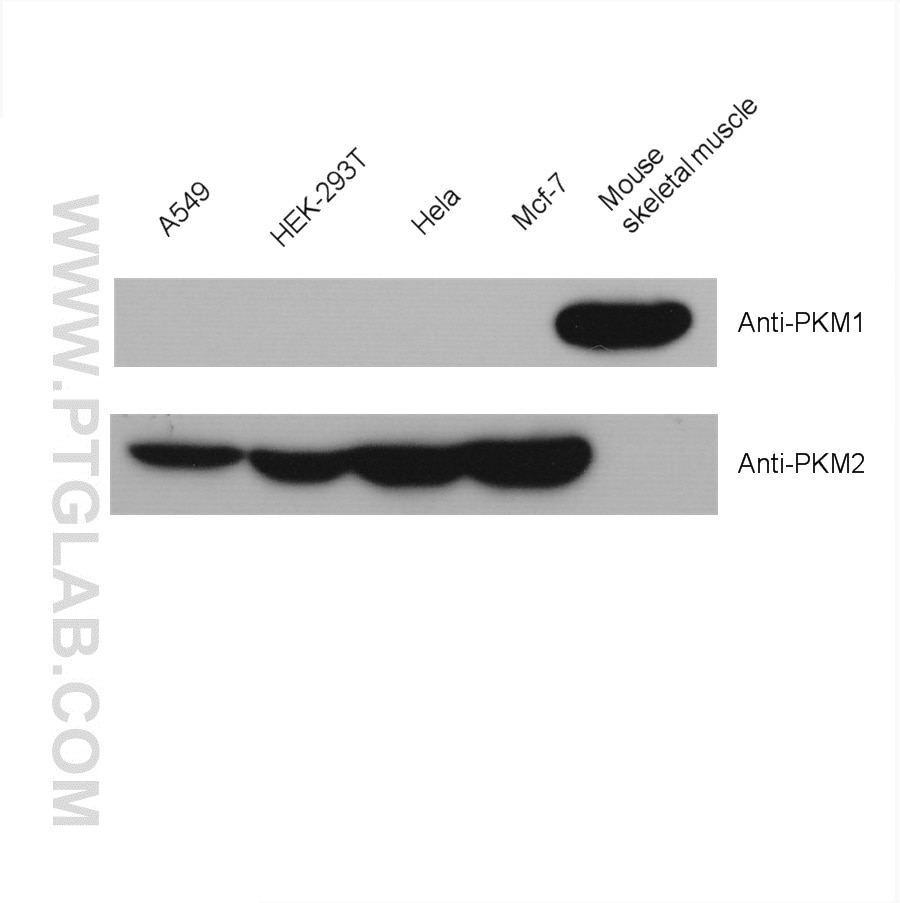
PKM, also named as OIP3, PK2, PK3, PKM, p58, THBP1, CTHBP and Tumor M2-PK, belongs to the pyruvate kinase family. It is glycolytic enzyme that catalyzes the transfer of a phosphoryl group from phosphoenolpyruvate (PEP) to ADP, generating ATP. It stimulates POU5F1-mediated transcriptional activation. PKM plays a general role in caspase independent cell death of tumor cells. PKM has 2 isoforms named as PKM1/M2. The activity of the M2 isoform (but not the M1 isoform) can be inhibited by tyrosine kinase signalling in tumourcells. The primary pyruvate kinase isoform before tumour development is PK-M1; however, the primary isoform from four independent tumours is PK-M2 (PMID:18337823). The immunogen of this antibody is M2 isoform and this antibody is specific to PKM2 isoform. This antibody can detect PKM2 monomer, dimer and tetramer (PMID: 36196894).
Protocols
| Product Specific Protocols | |
|---|---|
| IF protocol for PKM2-specific antibody 15822-1-AP | Download protocol |
| IHC protocol for PKM2-specific antibody 15822-1-AP | Download protocol |
| IP protocol for PKM2-specific antibody 15822-1-AP | Download protocol |
| WB protocol for PKM2-specific antibody 15822-1-AP | Download protocol |
| Standard Protocols | |
|---|---|
| Click here to view our Standard Protocols |
Publications
What published studies show
PKM2 antibody (Cat# 15822-1-AP) has accumulated 435 citations published in prestigious journals including Nature, Cancer Cell, Cell Metabolism, Nature Communications, Molecular Cell, Cell Reports, Oncogene, Theranostics, and Advanced Science. Key research fields encompass cancer metabolism and glycolytic reprogramming, tumor immune microenvironment modulation, chemoresistance mechanisms, neurodegenerative diseases, hepatic and pulmonary fibrosis, cardiovascular disorders, and inflammatory diseases.
| Species | Application | Title |
|---|---|---|
Signal Transduct Target Ther Epigenetic reader ZMYND11 noncanonical function restricts HNRNPA1-mediated stress granule formation and oncogenic activity | ||
Cancer Cell Intersection of immune and oncometabolic pathways drives cancer hyperprogression during immunotherapy | ||
Nature The M2 splice isoform of pyruvate kinase is important for cancer metabolism and tumour growth.
| ||
Cell Metab Astrocytic LRP1 enables mitochondria transfer to neurons and mitigates brain ischemic stroke by suppressing ARF1 lactylation | ||
Cell Metab Acetate enables metabolic fitness and cognitive performance during sleep disruption | ||
Bioact Mater Designed bone-targeting ROS-responsive nanoplatform for precision glycolysis inhibition in postmenopausal osteoporosis. |
Reviews
What customers say
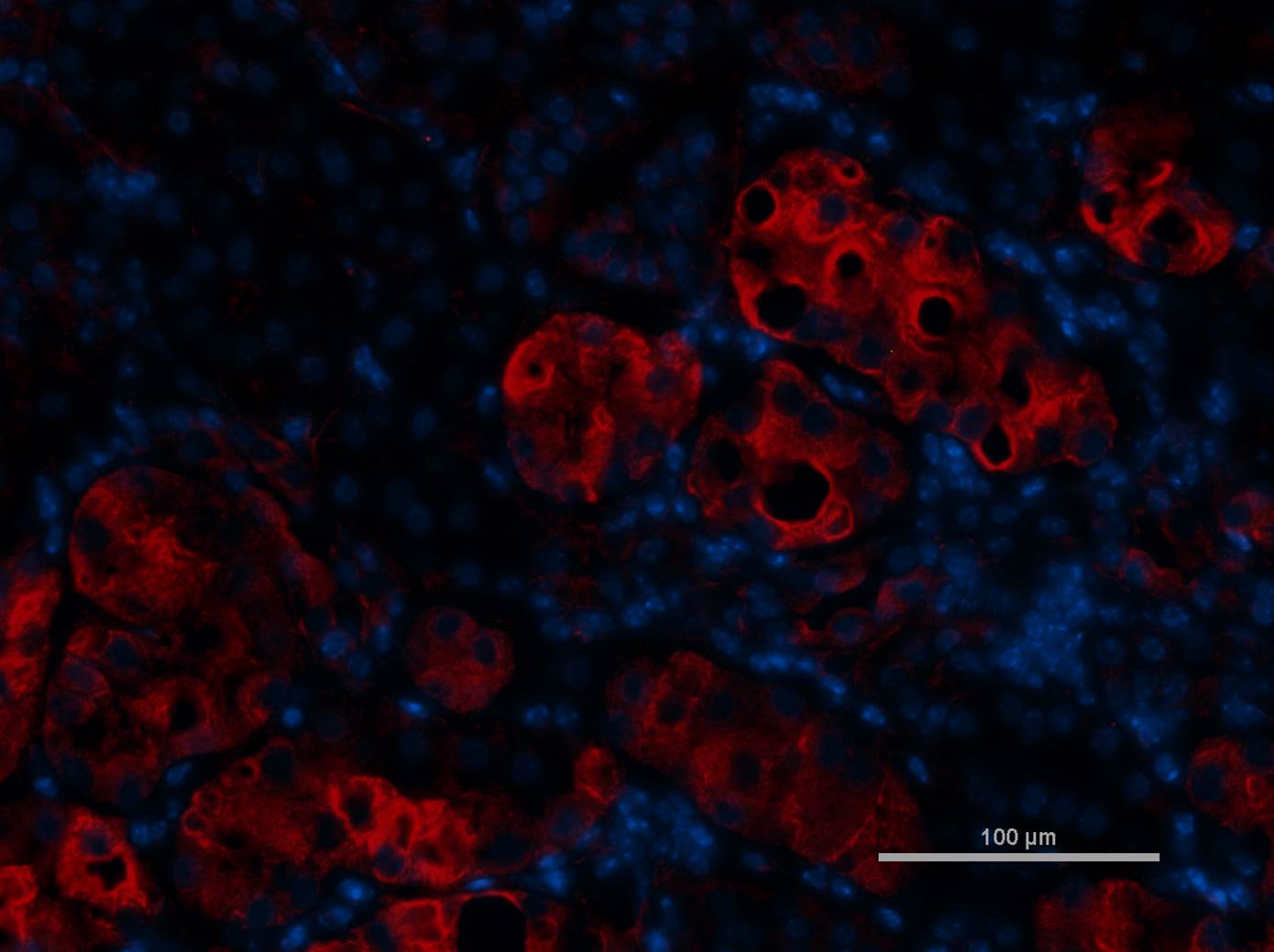
Across five reviews, this PKM2 antibody earns an average rating of 4.8/5. Users report clear, specific bands at the expected ~58 kDa with minimal non-specific signal in Western Blot applications. It performs well at dilutions ranging from 1:200 to 1:5000 depending on the application. One reviewer noted slight non-specific bands in some tissue samples but overall positive results across diverse cell lines. Immunofluorescence use in transgenic mouse kidney was also successful. Reviewers express strong satisfaction with the product's reliability and consistency.
The reviews below have been submitted by verified Proteintech customers who received an incentive for providing their feedback.
Swati (Verified Customer) (09-26-2025) | Shows a clear band around 58 kDa. No non specific bands observed.
|
Pallavi (Verified Customer) (03-31-2025) | i used 1:5000 anti-PKM2 15522-1-AP for western blot on purified protein and it worked perfectly.
|
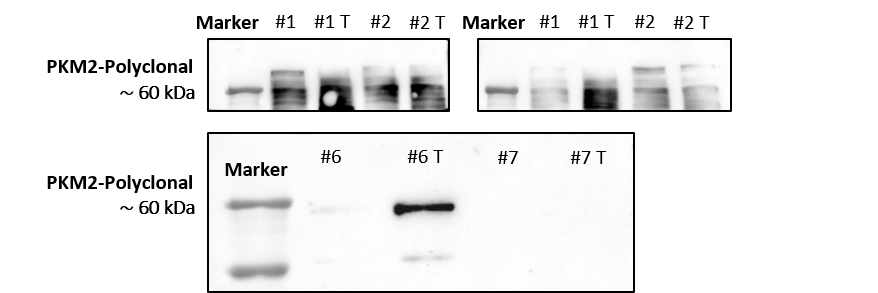
Shinford (Verified Customer) (09-24-2023) | The antibody concentration of 1:1000 worked well, and bands could be detected in a variety of cell lines. There were slight non-specific bands in some tissue and organ cells.
 |
Kristian (Verified Customer) (06-07-2021) | PKM2 (red) is detected in proximale tubules where HIF1A-signaling is activated.
 |
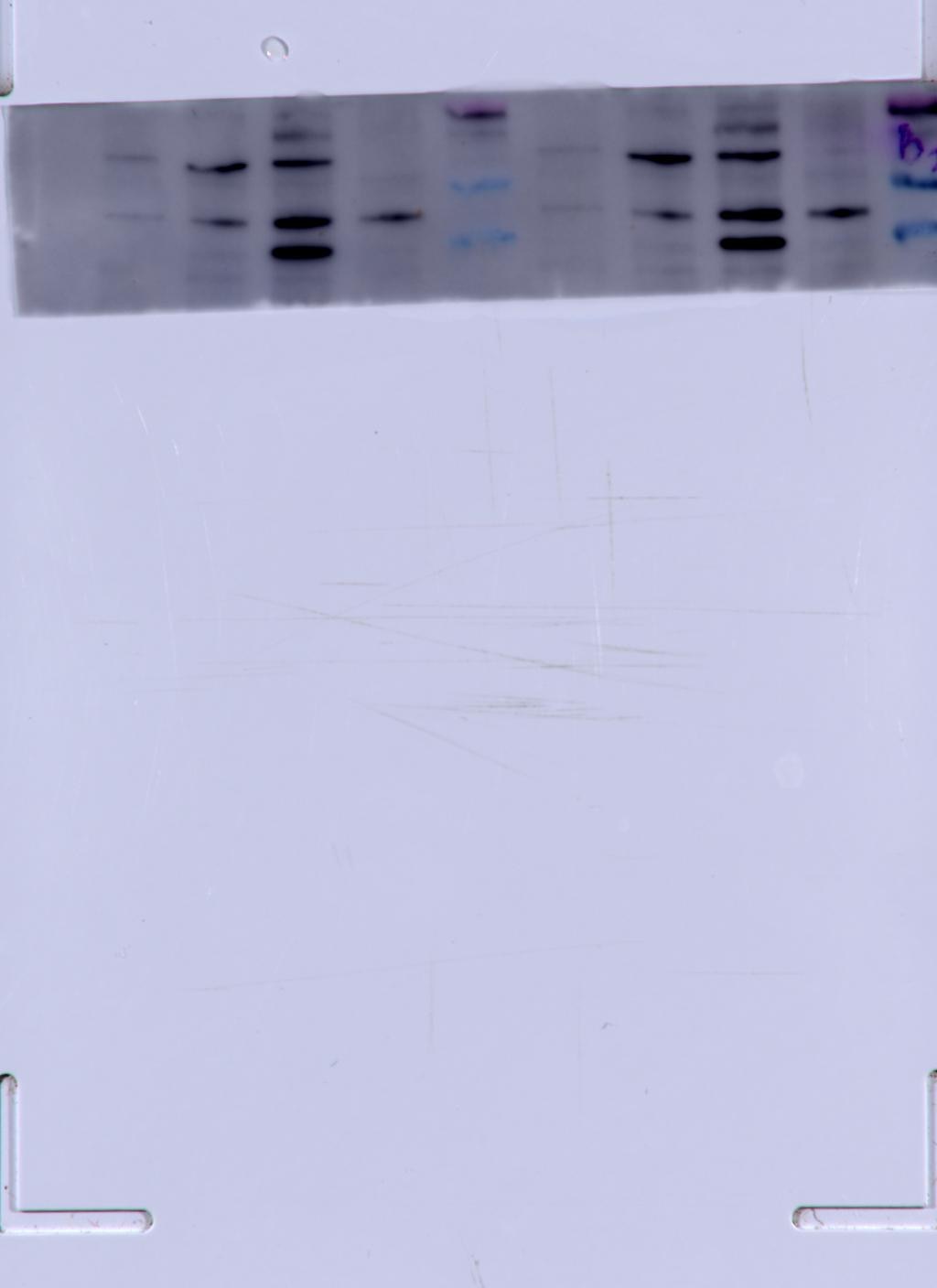
Kishor (Verified Customer) (02-22-2019) | I am very much satisfied with almost all antibodies from Proteintech. This antibody is working very good at 1:1000 dilution for human cancer and primary cells.
 |
























