

Tested Applications
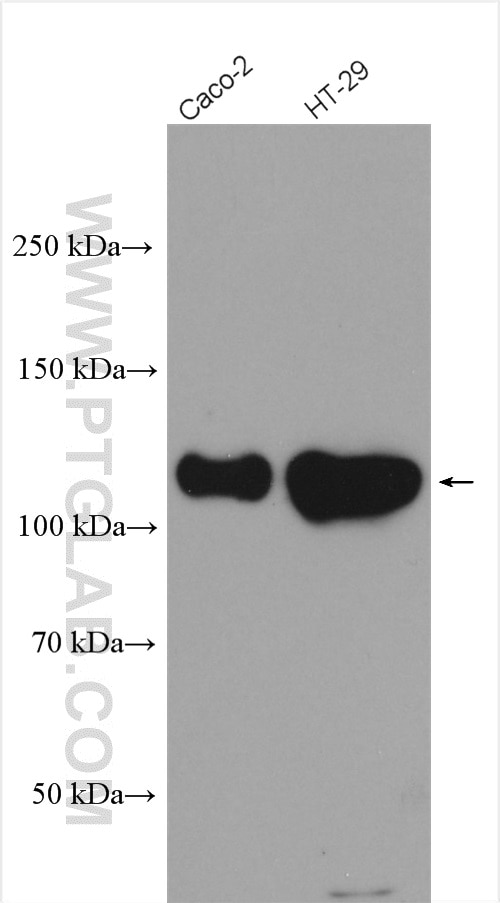
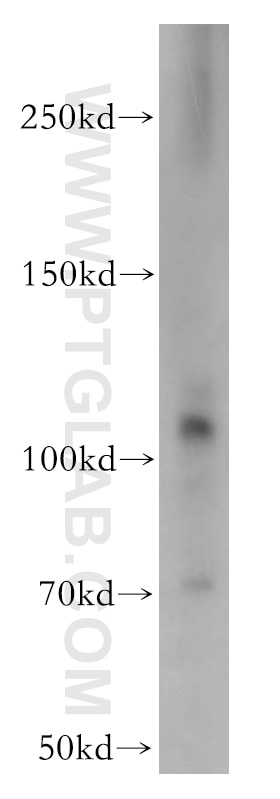
| Positive WB detected in | Caco-2 cells, mouse skeletal muscle tissue, HT-29 cells |
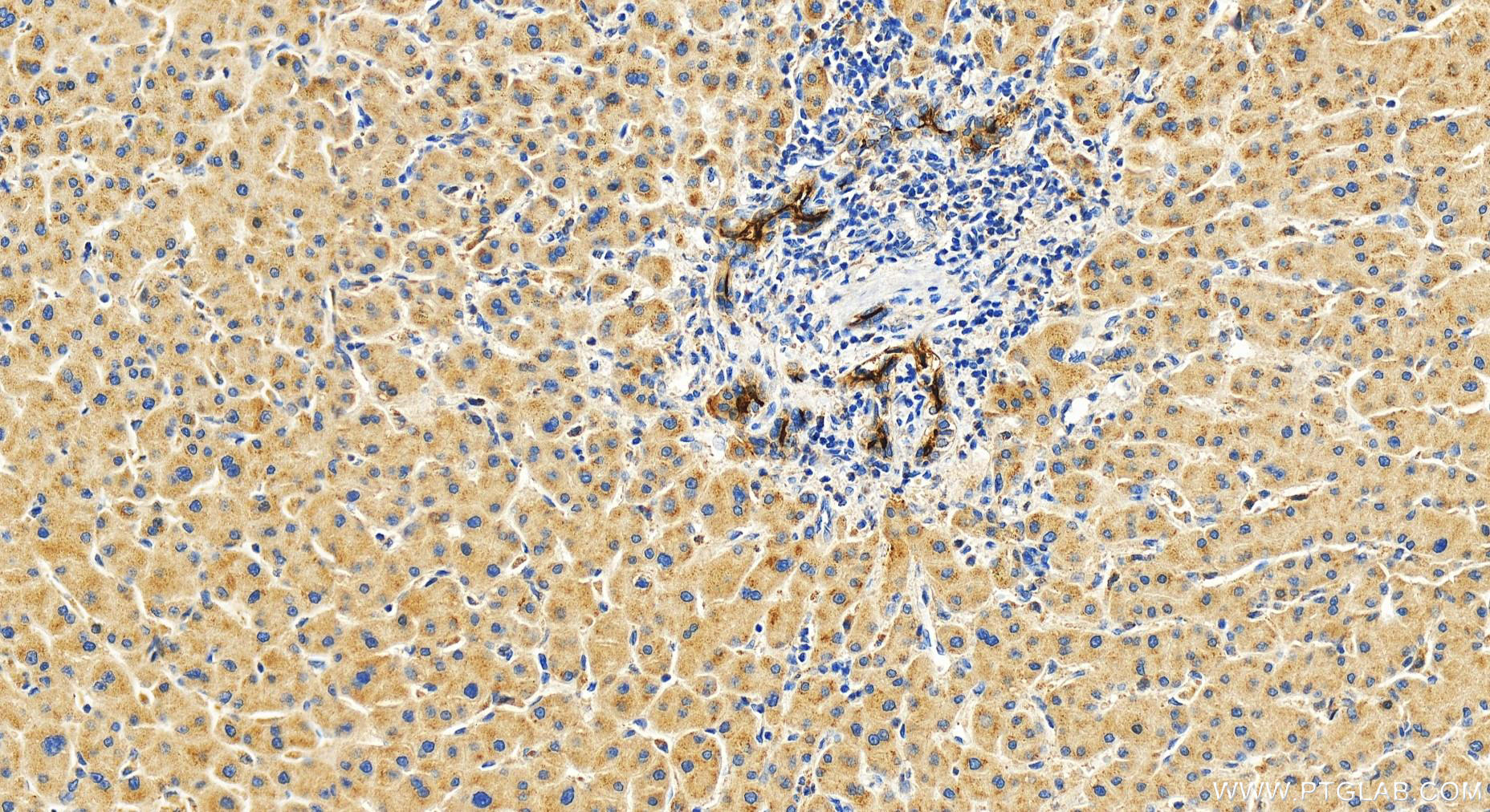
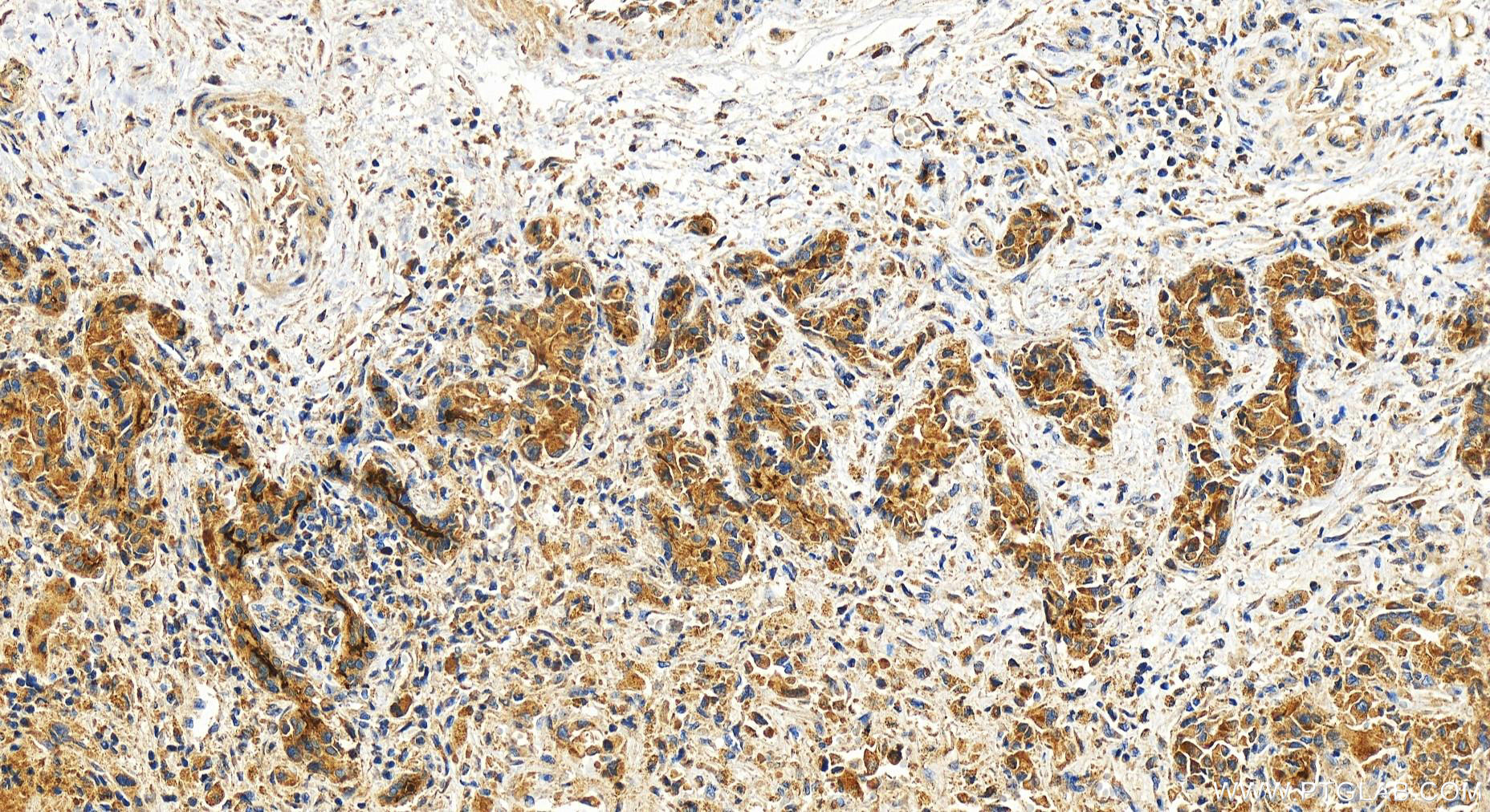
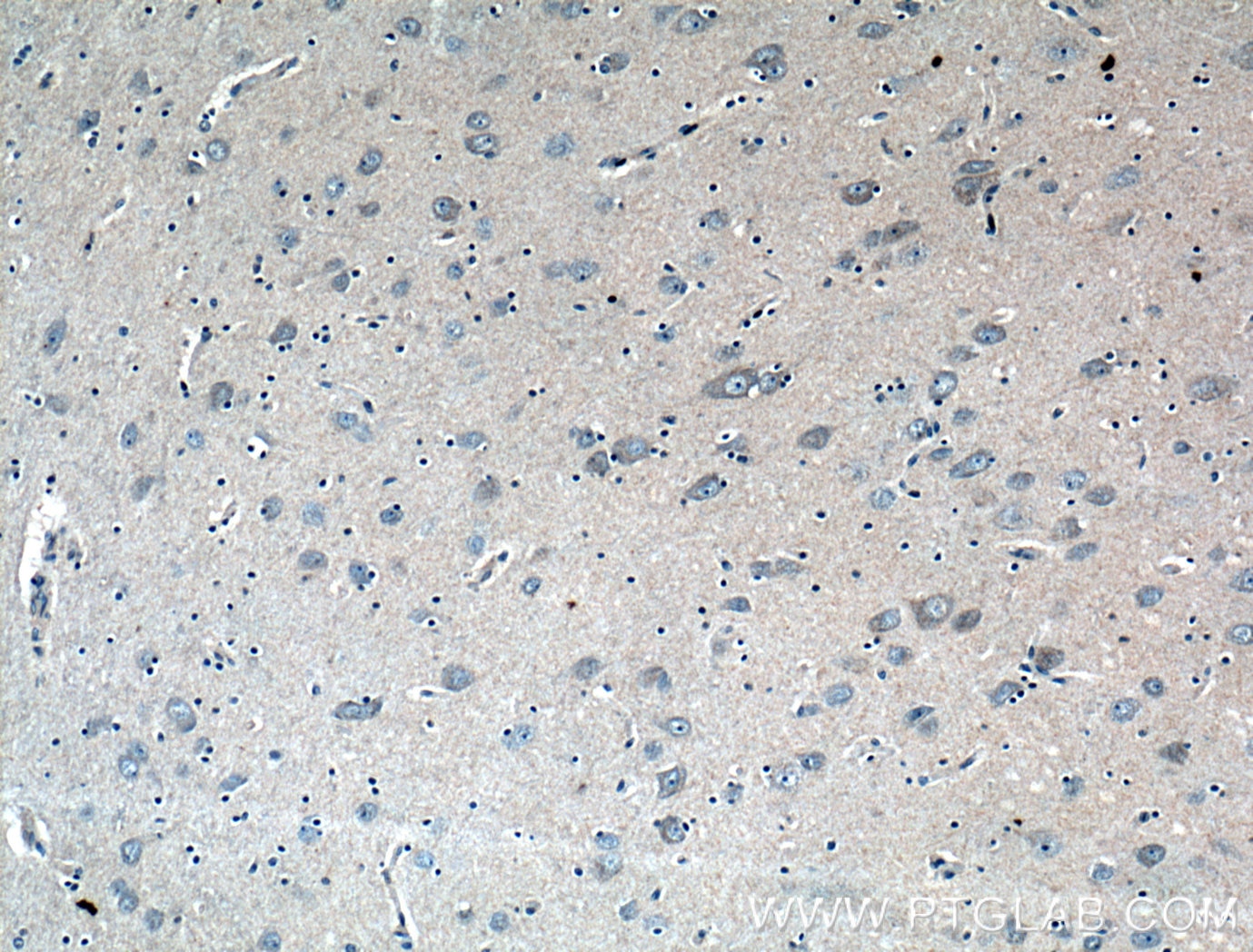
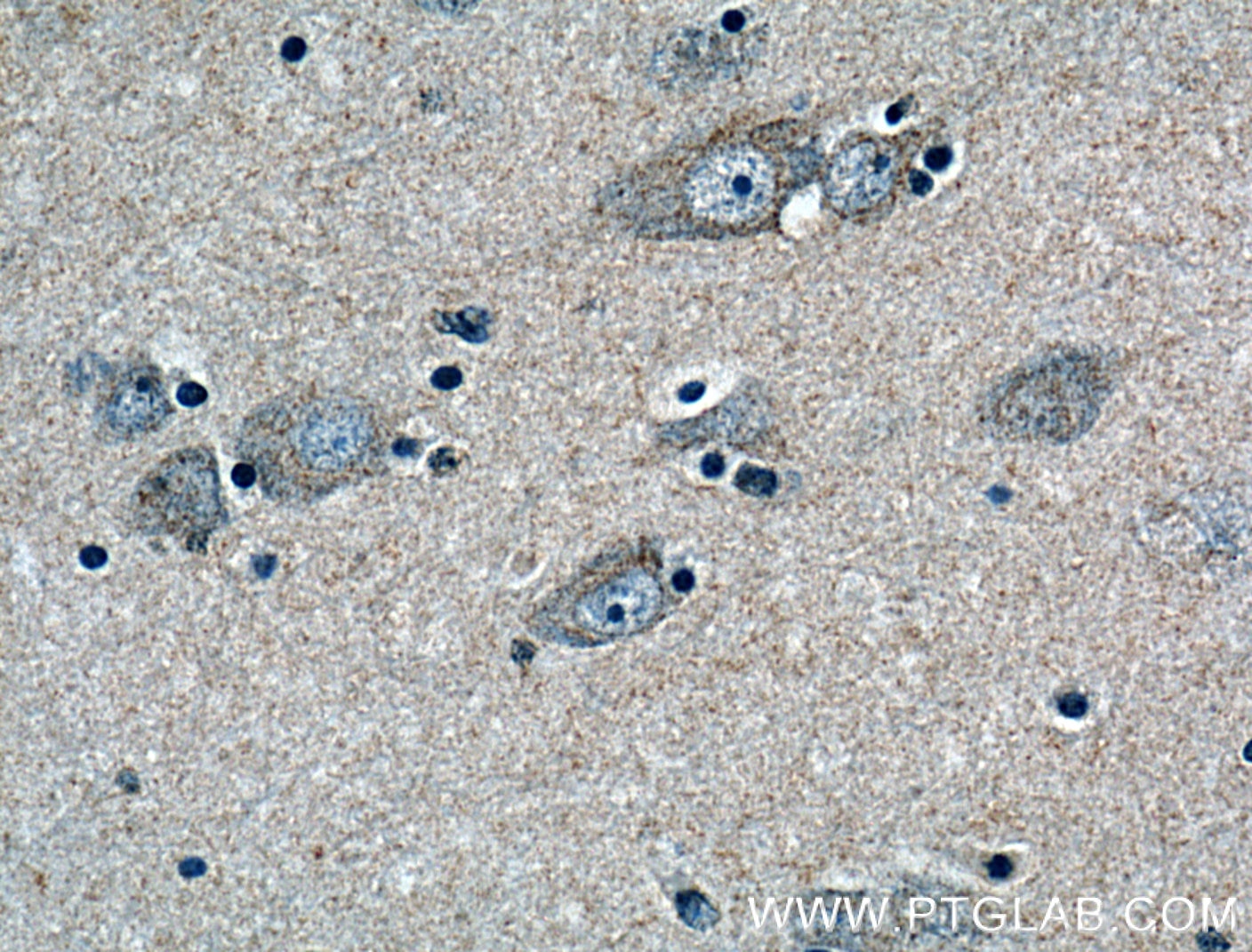
| Positive IHC detected in | human intrahepatic cholangiocarcinoma tissue, human brain tissue Note: suggested antigen retrieval with TE buffer pH 9.0; (*) Alternatively, antigen retrieval may be performed with citrate buffer pH 6.0 |
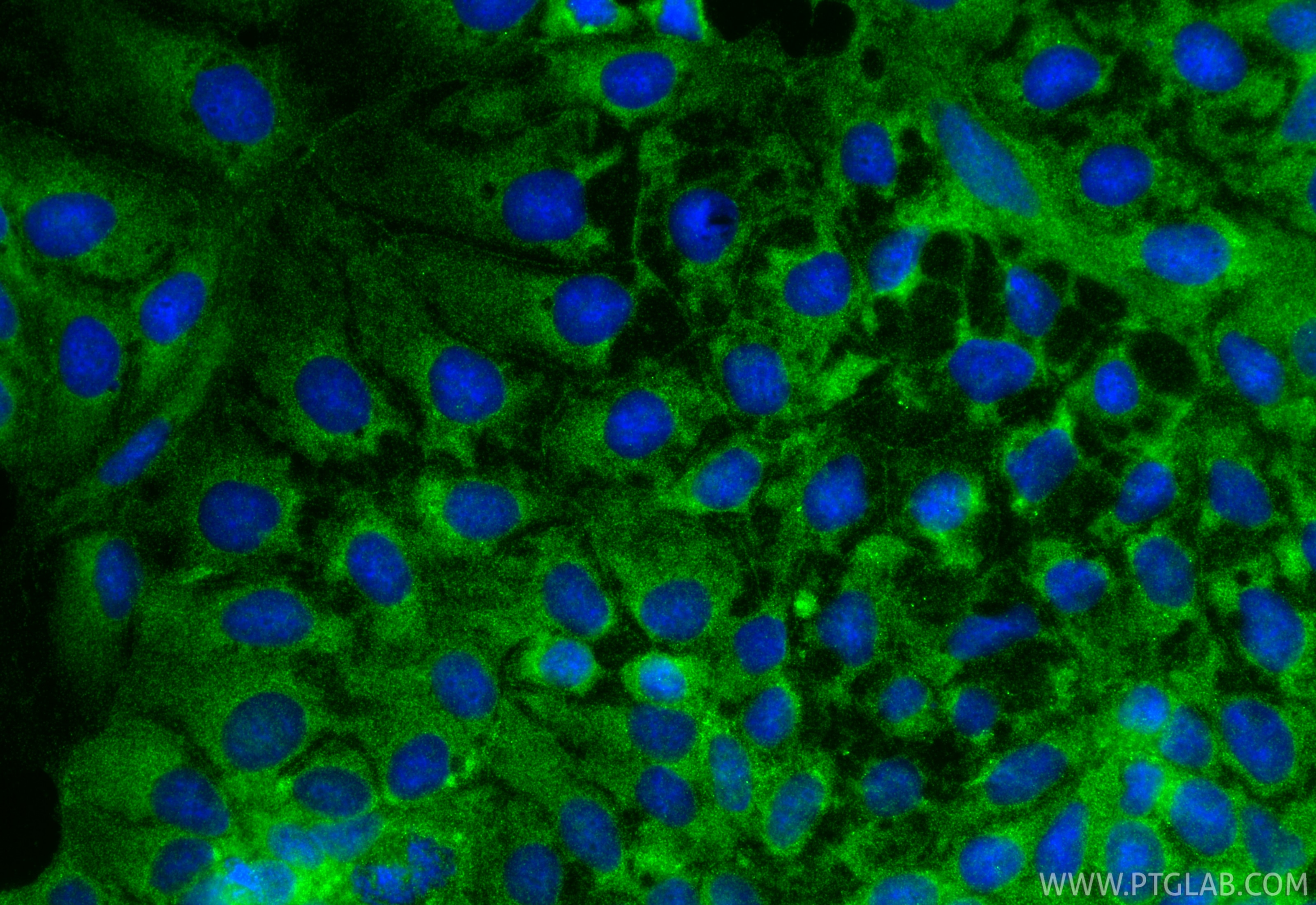
| Positive IF/ICC detected in | Caco-2 cells |
Recommended dilution
| Application | Dilution |
|---|---|
| Western Blot (WB) | WB : 1:500-1:1000 |
| Immunohistochemistry (IHC) | IHC : 1:300-1:1200 |
| Immunofluorescence (IF)/ICC | IF/ICC : 1:50-1:500 |
| It is recommended that this reagent should be titrated in each testing system to obtain optimal results. | |
| Sample-dependent, Check data in validation data gallery. | |
Product Information
18495-1-AP targets CD133 in WB, IHC, IF/ICC, ELISA applications and shows reactivity with human, mouse samples.
| Tested Reactivity | human, mouse |
| Cited Reactivity | human, mouse |
| Host / Isotype | Rabbit / IgG |
| Class | Polyclonal |
| Type | Antibody |
| Immunogen |
CatNo: Ag13327 Product name: Recombinant human CD133 protein Source: e coli.-derived, PGEX-4T Tag: GST Domain: 505-782 aa of BC012089 Sequence: LICEPYTSKELFRVLDTPYLLNEDWEYYLSGKLFNKSKMKLTFEQVYSDCKKNRGTYGTLHLQNSFNISEHLNINEHTGSISSELESLKVNLNIFLLGAAGRKNLQDFAACGIDRMNYDSYLAQTGKSPAGVNLLSFAYDLEAKANSLPPGNLRNSLKRDAQTIKTIHQQRVLPIEQSLSTLYQSVKILQRTGNGLLERVTRILASLDFAQNFITNNTSSVIIEETKKYGRTIIGYFEHYLQWIEFSISEKVASCKPVATALDTAVDVFLCSYIIDPL Predict reactive species |
| Full Name | prominin 1 |
| Calculated Molecular Weight | 97 kDa |
| Observed Molecular Weight | 110-115 kDa |
| GenBank Accession Number | BC012089 |
| Gene Symbol | CD133 |
| Gene ID (NCBI) | 8842 |
| RRID | AB_2172858 |
| Conjugate | Unconjugated |
| Form | Liquid |
| Purification Method | Antigen affinity purification |
| UNIPROT ID | O43490 |
| Storage Buffer | PBS with 0.02% sodium azide and 50% glycerol, pH 7.3. |
| Storage Conditions | Store at -20°C. Stable for one year after shipment. Aliquoting is unnecessary for -20oC storage. 20ul sizes contain 0.1% BSA. |
Background Information
CD133, also known as PROM1 (prominin-1) or AC133, belongs to the prominin family. CD133 is a transmembrane glycoprotein with an NH2-terminal extracellular domain, five transmembrane loops and a cytoplasmic tail. The expression of CD133 has been reported in hematopoietic stem cells, endothelial progenitor cells, neuronal and glial stem cells, suggesting the potential role of CD133 as a cell surface marker of adult stem cells. CD133 has also been reported as a marker of cancer stem cells in various human tumors.
Protocols
| Product Specific Protocols | |
|---|---|
| IF protocol for CD133 antibody 18495-1-AP | Download protocol |
| IHC protocol for CD133 antibody 18495-1-AP | Download protocol |
| WB protocol for CD133 antibody 18495-1-AP | Download protocol |
| Standard Protocols | |
|---|---|
| Click here to view our Standard Protocols |
Publications
What published studies show
CD133 Polyclonal antibody (Cat# 18495-1-AP) has 15 citations published in journals including ACS Nano, Biomaterials, Oncogene, J Oncol, Biomedicines, Bioorg Med Chem, Cancer Med, Exp Cell Res, Front Oncol, World J Gastrointest Oncol, Cancer Genomics Proteomics, World J Oncol, Oncol Lett, and eLife. The research fields span cancer stem cell biology, glioma, pancreatic cancer, colorectal cancer, gastric cancer, melanoma, osteosarcoma, stroke, and radio-immunotherapy.
| Species | Application | Title |
|---|---|---|
ACS Nano Mesenchymal Stem Cell-Derived Mitochondrial Transfer Promotes Tip Cell Phenotype via Glutathione Metabolic Reprogramming in Stroke Mice | ||
Biomaterials Radiation-triggerable bioreactors enable bioenergetic reprograming of cancer stem cell plasticity via targeted arginine metabolism disruption for augmented radio-immunotherapy | ||
Oncogene Cancer stem cells-derived exosomal TSPAN8 enhances non-stem cancer cells stemness and promotes malignant progression in PDAC | ||
J Oncol The Role of Purine Metabolism-Related Genes PPAT and IMPDH1 in the Carcinogenesis of Intrahepatic Cholangiocarcinoma Based on Metabonomic and Bioinformatic Analyses | ||
Biomedicines Engineering Bone-Mimetic Microspheres to Recapitulate the Tumor Microenvironment for In Vitro Osteosarcoma Modeling. | ||
Cancer Med MCPIP1 Controls Hybrid EMT and Tumor Stemness via the IL6/JAK2/STAT3 Axis in Pancreatic Cancer. |








