
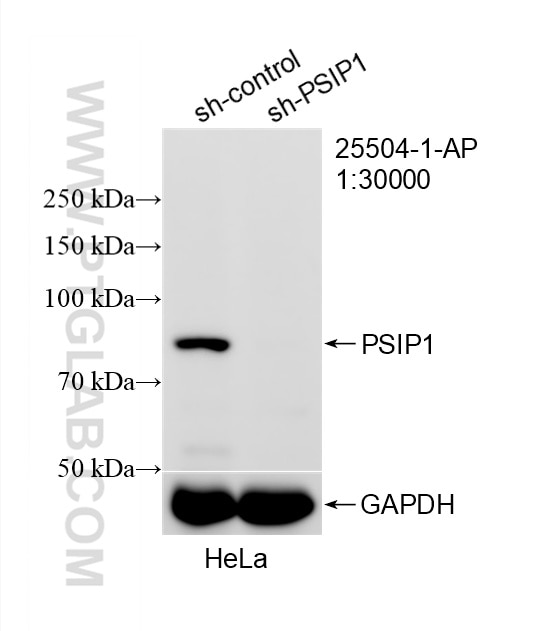


Tested Applications
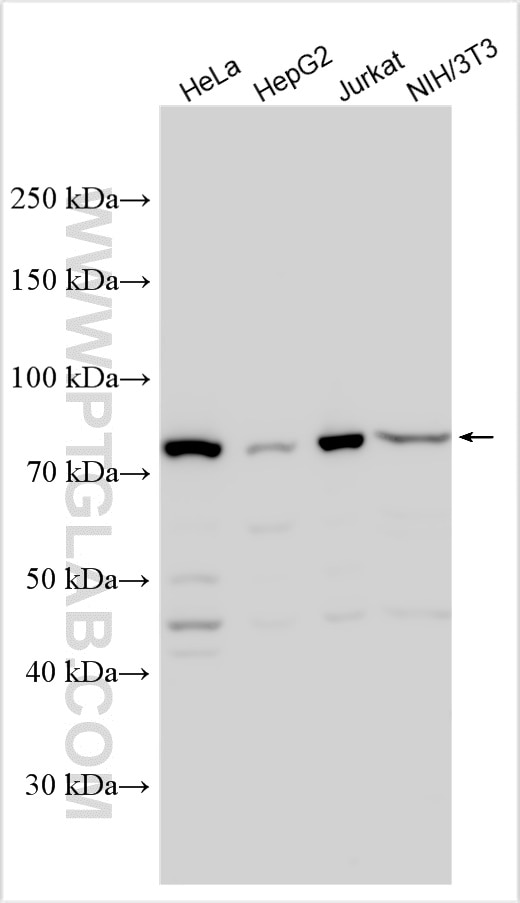
| Positive WB detected in | HeLa cells, HepG2 cells, Jurkat cells, NIH/3T3 cells |
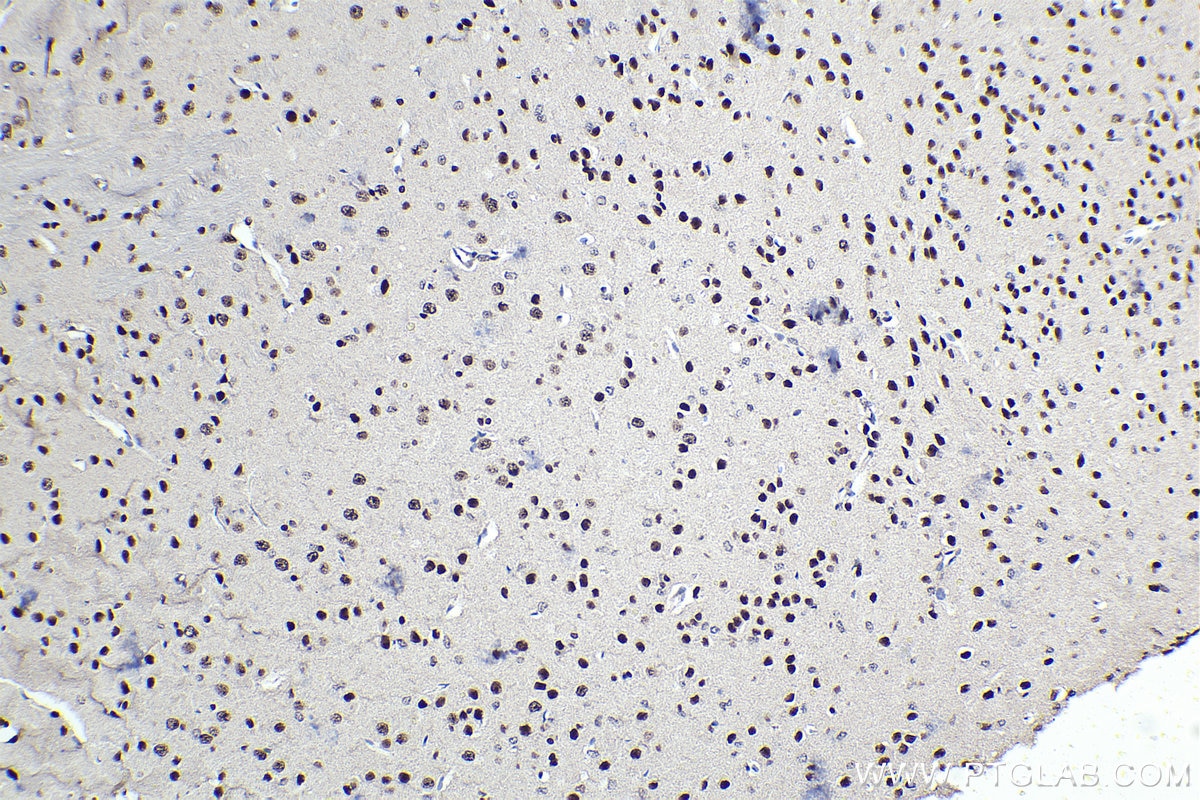
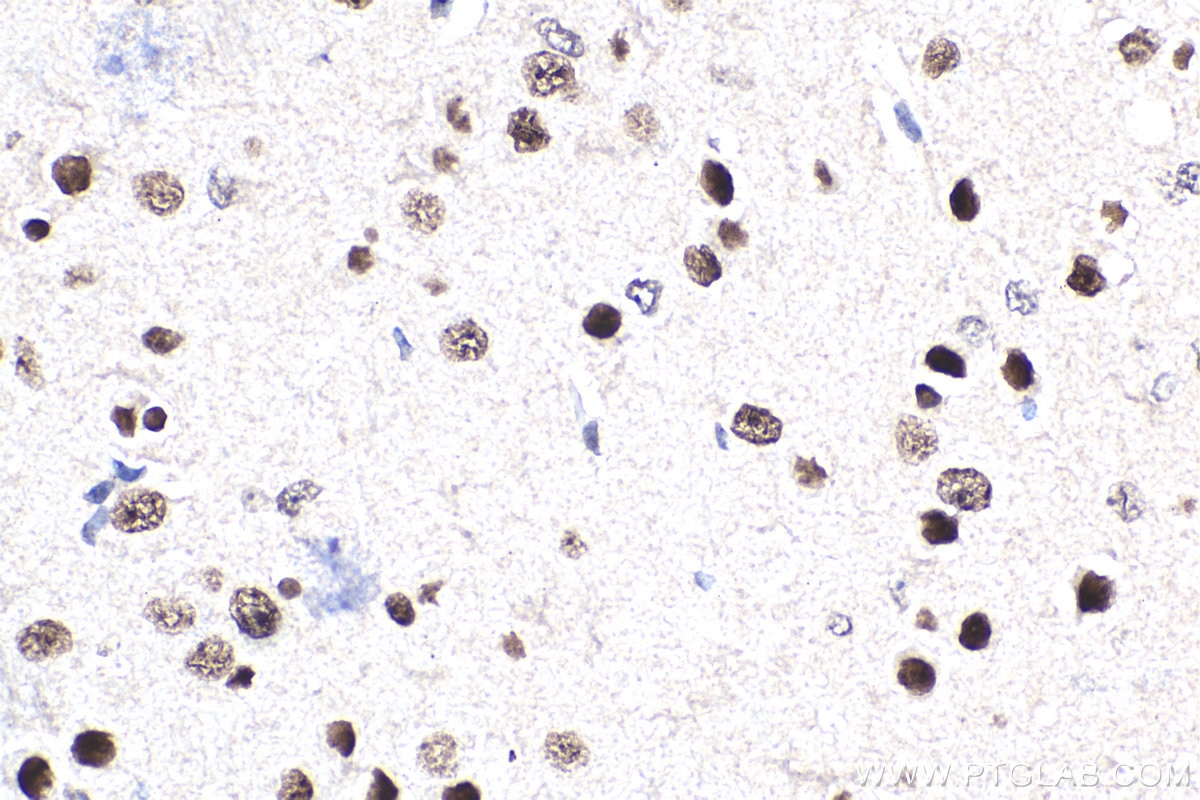
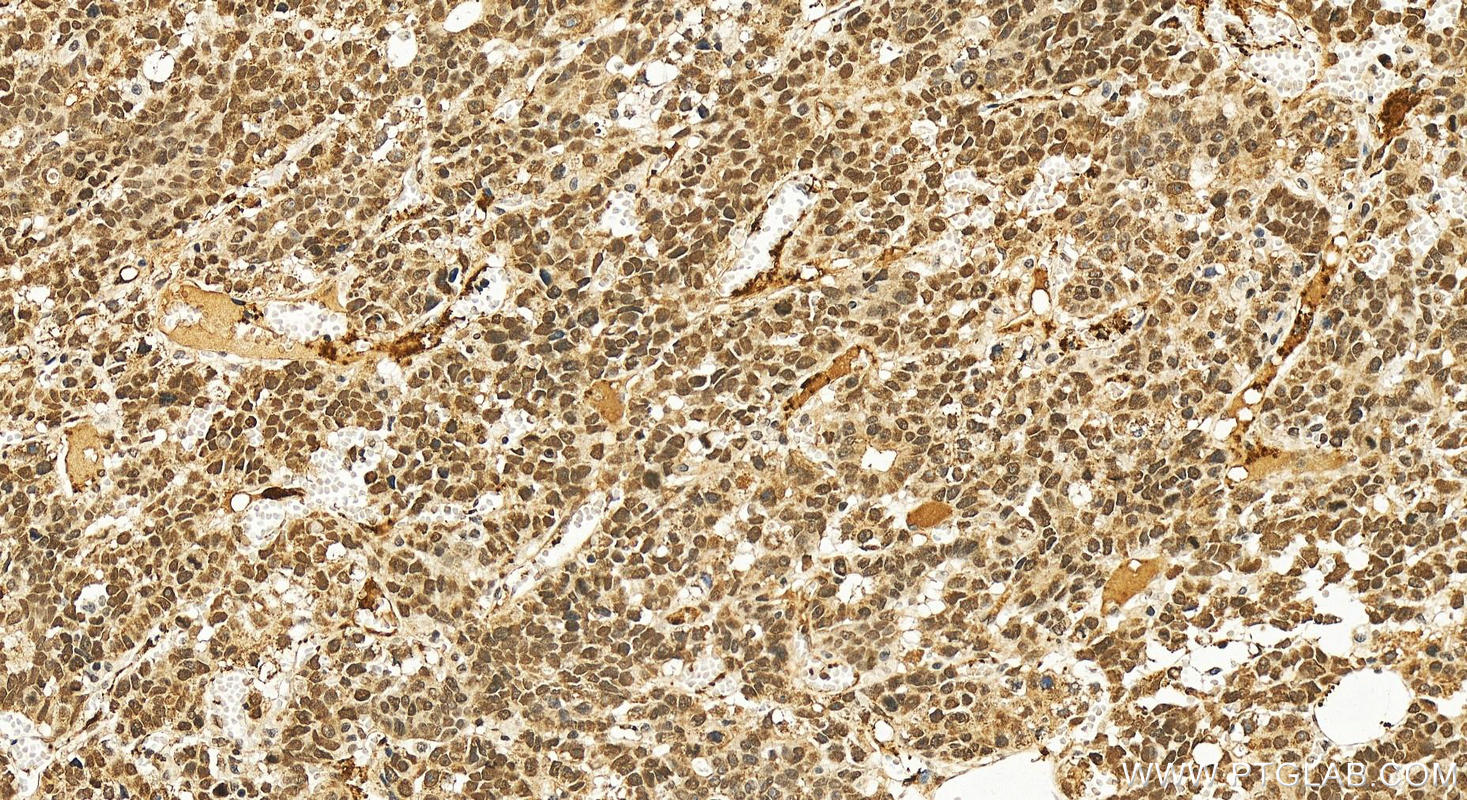
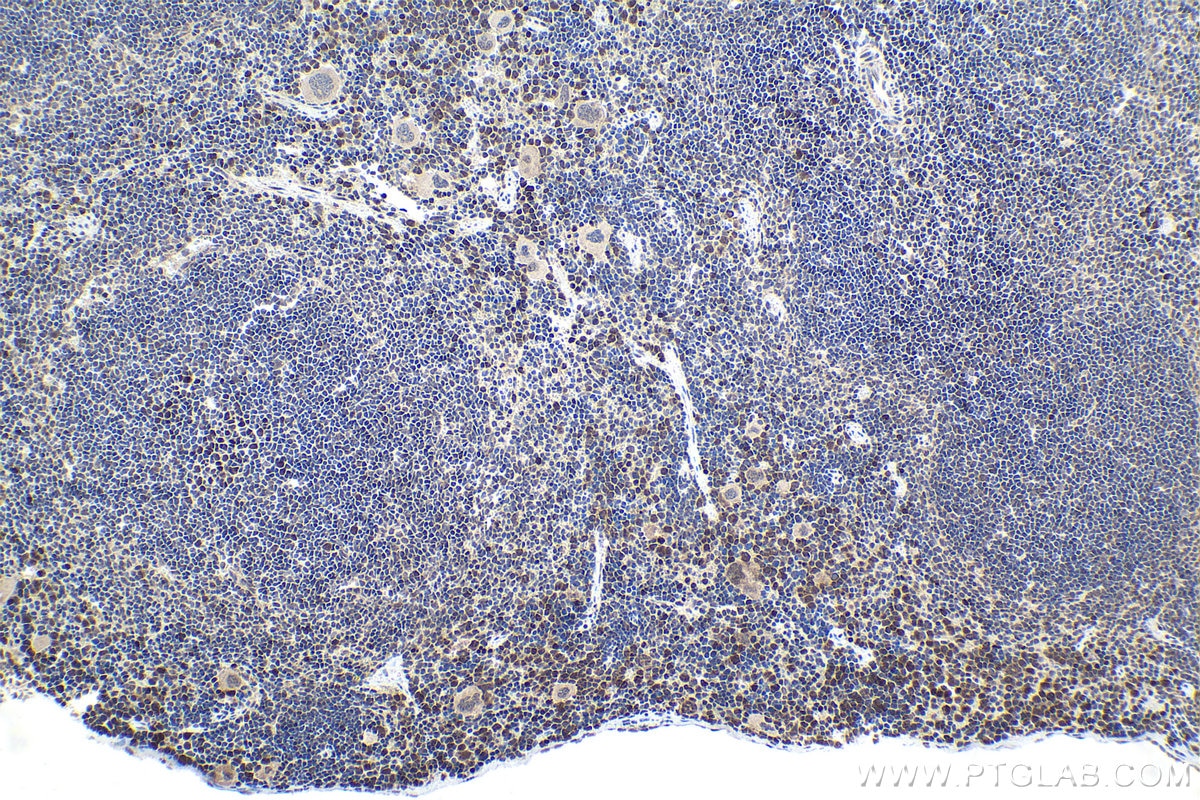
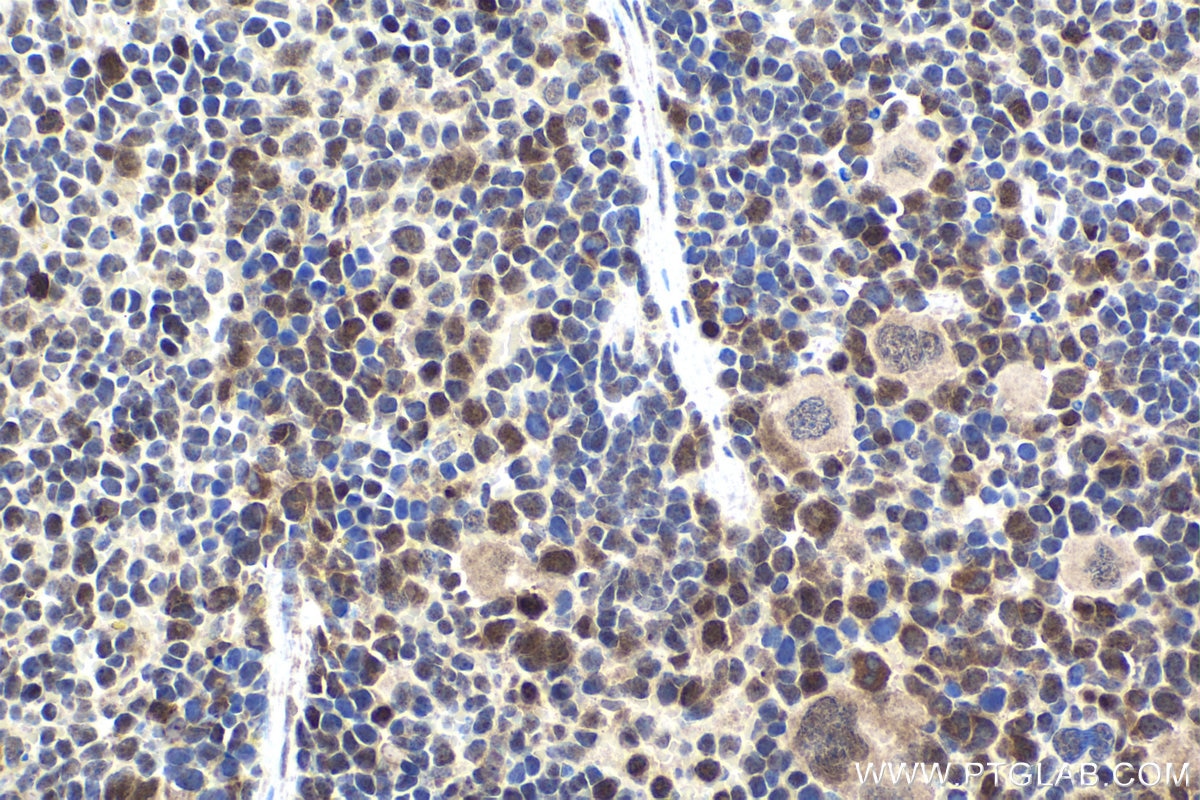
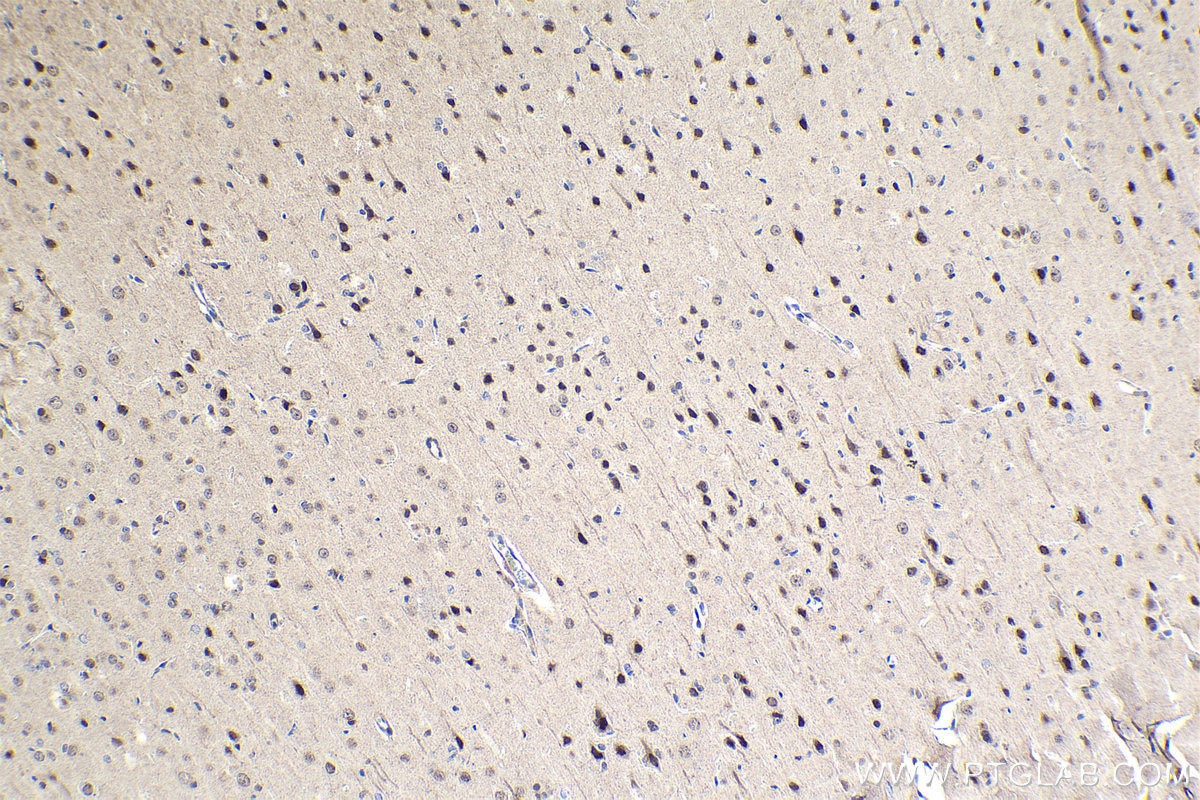
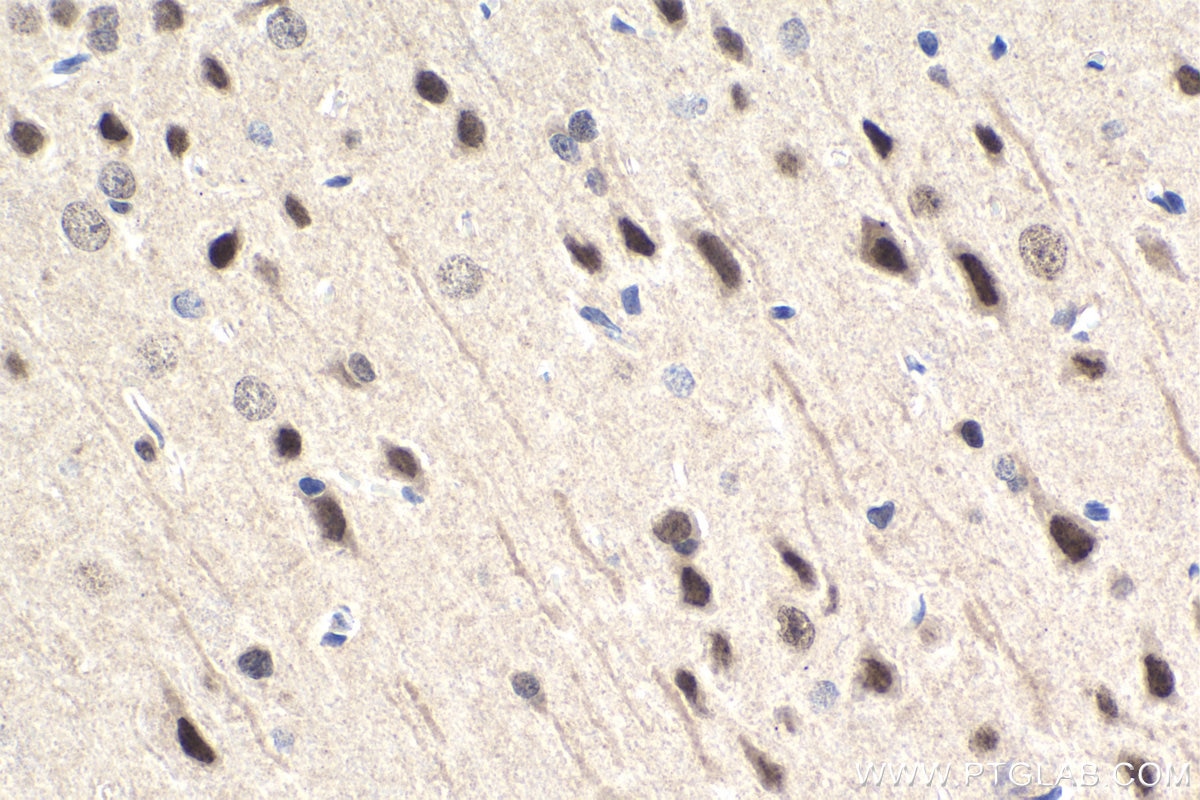
| Positive IHC detected in | mouse brain tissue, human hepatocellular carcinoma, mouse spleen tissue, rat brain tissue Note: suggested antigen retrieval with TE buffer pH 9.0; (*) Alternatively, antigen retrieval may be performed with citrate buffer pH 6.0 |
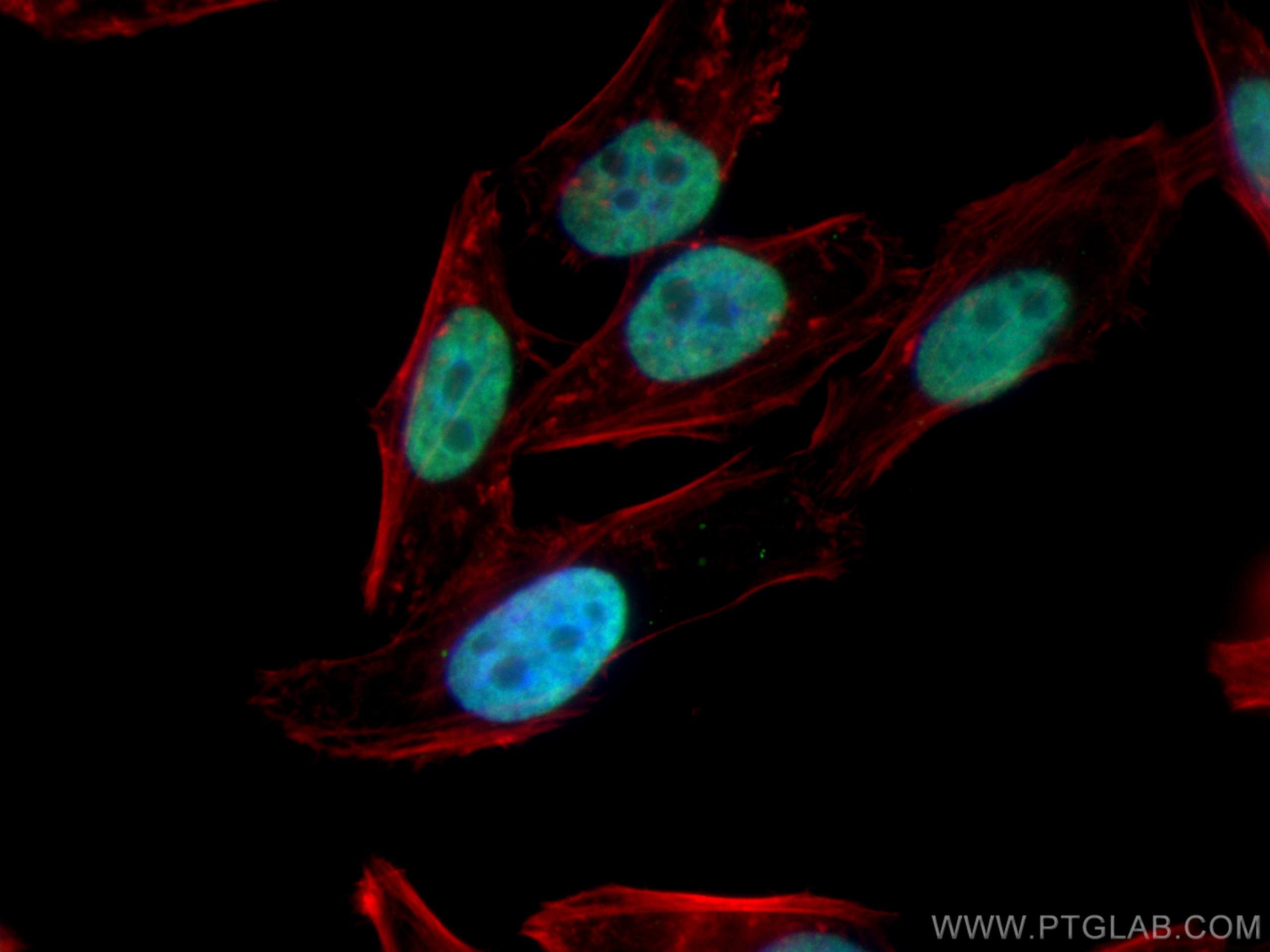
| Positive IF/ICC detected in | HepG2 cells |
Recommended dilution
| Application | Dilution |
|---|---|
| Western Blot (WB) | WB : 1:2000-1:16000 |
| Immunohistochemistry (IHC) | IHC : 1:1000-1:4000 |
| Immunofluorescence (IF)/ICC | IF/ICC : 1:50-1:500 |
| It is recommended that this reagent should be titrated in each testing system to obtain optimal results. | |
| Sample-dependent, Check data in validation data gallery. | |
Product Information
25504-1-AP targets PSIP1 in WB, IHC, IF/ICC, ChIP, RIP, ELISA applications and shows reactivity with human, mouse, rat samples.
| Tested Reactivity | human, mouse, rat |
| Cited Reactivity | human |
| Host / Isotype | Rabbit / IgG |
| Class | Polyclonal |
| Type | Antibody |
| Immunogen |
CatNo: Ag21886 Product name: Recombinant human PSIP1 protein Source: e coli.-derived, PET28a Tag: 6*His Domain: 104-324 aa of BC064135 Sequence: ASSDVEVEEKETSVSKEDTDHEEKASNEDVTKAVDITTPKAARRGRKRKAGVVTTATASVNLKVSPKRGRPAATEVKIPKPRGRPKMVKQPCPSESDIITEEDKSKKKGQEEKQPKKQPKKDEEGQKEEDKPRKEPDKKEGKKEVESKRKNLAKTGVTSTSDSEEEGDDQEGEKKRKGGRNFQTAHRRNMLKGQHEKEAADRKRKQEEQMETEHQTTCNLQ Predict reactive species |
| Full Name | PC4 and SFRS1 interacting protein 1 |
| Calculated Molecular Weight | 530 aa, 60 kDa |
| Observed Molecular Weight | 75 kDa |
| GenBank Accession Number | BC064135 |
| Gene Symbol | PSIP1 |
| Gene ID (NCBI) | 11168 |
| RRID | AB_2861312 |
| Conjugate | Unconjugated |
| Form | Liquid |
| Purification Method | Antigen affinity purification |
| UNIPROT ID | O75475 |
| Storage Buffer | PBS with 0.02% sodium azide and 50% glycerol, pH 7.3. |
| Storage Conditions | Store at -20°C. Stable for one year after shipment. Aliquoting is unnecessary for -20oC storage. 20ul sizes contain 0.1% BSA. |
Background Information
PSIP1, also known as PC4 and SRSF1 Interacting Protein 1 or Lens Epithelium-Derived Growth Factor (LEDGF), is a transcriptional coactivator involved in neuroepithelial stem cell differentiation and neurogenesis. It also plays a role in lens epithelial cell gene regulation and stress responses. It is a chromatin-associated protein with histone chaperone activity, involved in transcriptional elongation. PSIP1 may act as an adapter to coordinate pre-mRNA splicing. PSIP1 encodes two protein isoforms with molecular masses of 52 and 75 kDa. p52 and p75 were identified as interacting with transcription factor PC4 and shown to act as transcriptional coactivators.
Protocols
| Product Specific Protocols | |
|---|---|
| IF protocol for PSIP1 antibody 25504-1-AP | Download protocol |
| IHC protocol for PSIP1 antibody 25504-1-AP | Download protocol |
| WB protocol for PSIP1 antibody 25504-1-AP | Download protocol |
| Standard Protocols | |
|---|---|
| Click here to view our Standard Protocols |
Publications
What published studies show
The PSIP1 Polyclonal antibody (Cat# 25504-1-AP) has 8 citations spanning journals including Nature Cell Biology, Science Advances, Cancer Cell International, Frontiers in Immunology, Cancer Science, eLife, and Clinical and Experimental Otorhinolaryngology. Research fields cover transcription elongation and phase-separated condensates, H3K36me2 in DIPG, nucleosome barrier relief, R-loop regulation in osteosarcoma, T cell exhaustion, renal cell carcinoma, m6A RNA readers in KSHV, and squamous cell carcinoma microenvironment.
| Species | Application | Title |
|---|---|---|
Nat Cell Biol Phase-separated NDF-FACT condensates facilitate transcription elongation on chromatin. | ||
Sci Adv LEDGF and HDGF2 relieve the nucleosome-induced barrier to transcription in differentiated cells.
| ||
Front Immunol Single-cell RNA-seq reveals T cell exhaustion and immune response landscape in osteosarcoma | ||
Cancer Cell Int Identifying PSIP1 as a critical R-loop regulator in osteosarcoma via machine-learning and multi-omics analysis | ||
Cancer Sci N-acetylgalactosaminyltransferase GALNT6 is a potential therapeutic target of clear cell renal cell carcinoma progression |
Reviews
What customers say
All three reviews rate the antibody 5/5 for Western Blot. Users report it works well at 1:1000–1:2000 dilution with a 1-hour room-temperature incubation. It has been validated in Jurkat cells (including LEDGF KO), HT1080 cells, and mouse heart tissue extracts, with one user noting it "worked perfectly" and another calling it a "great antibody." Overall, reviewers consistently highlight strong performance, reliable signal, and ease of use across different cell lines and tissue types.
The reviews below have been submitted by verified Proteintech customers who received an incentive for providing their feedback.
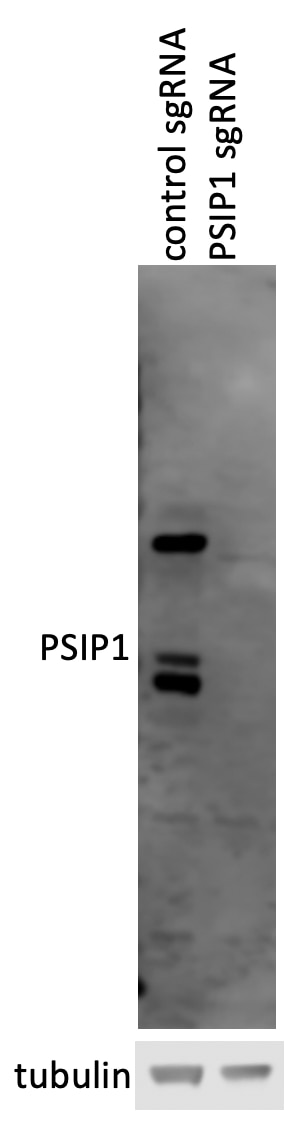
Roy (Verified Customer) (06-15-2024) | Great antibody, validated in Jurkat cells KO for LEDGF expression (1/1000 dilution, 1h incubation at room temperature).
|
Christopher (Verified Customer) (03-03-2022) | worked very well with 1 hour incubation at room temperature
 |
Siting (Verified Customer) (01-28-2020) | It worked perfectly in my mouse heart tissue extract for western blot.
|












