

Tested Applications
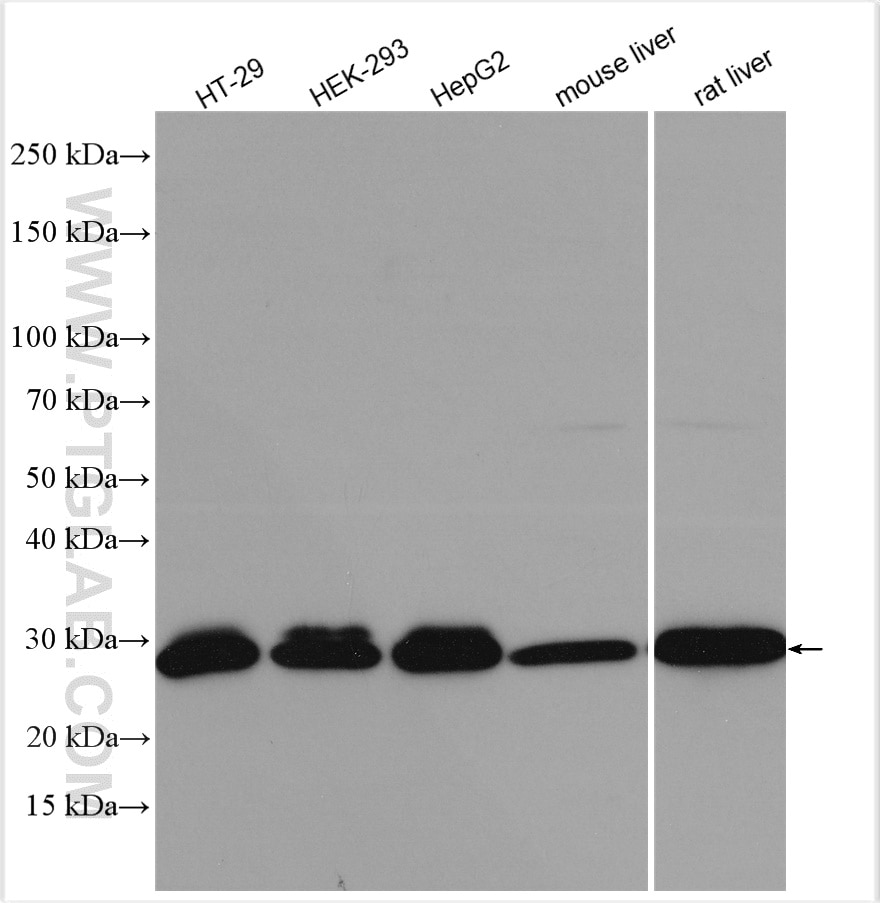
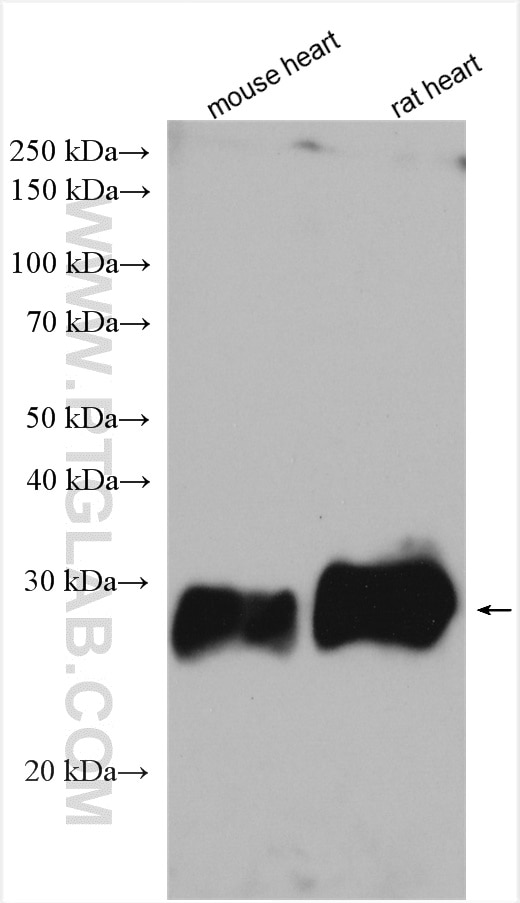
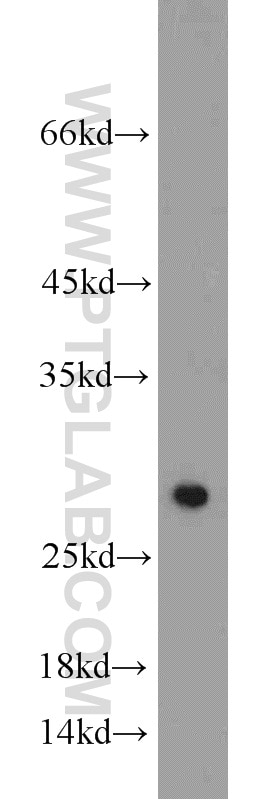
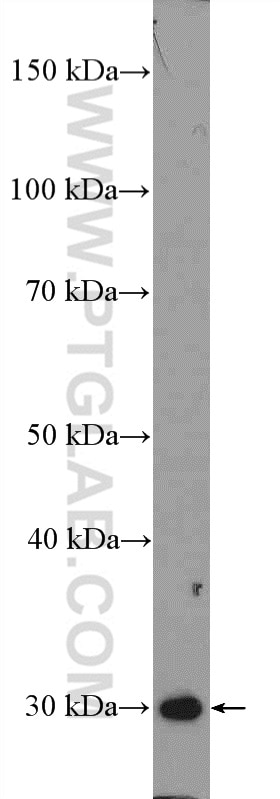
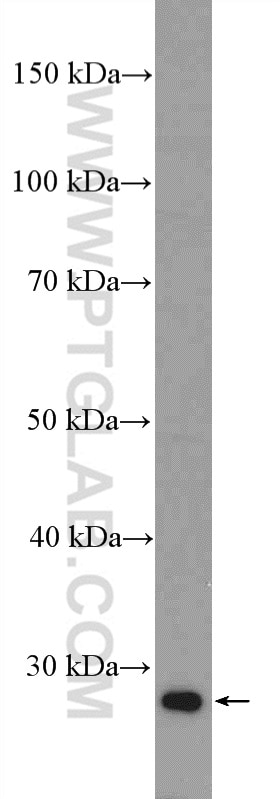
| Positive WB detected in | HT-29 cells, human spleen tissue, mouse heart tissue, mouse kidney tissue, mouse skeletal muscle tissue, HEK-293 cells, HepG2 cells, mouse liver tissue, rat liver tissue, rat heart tissue |
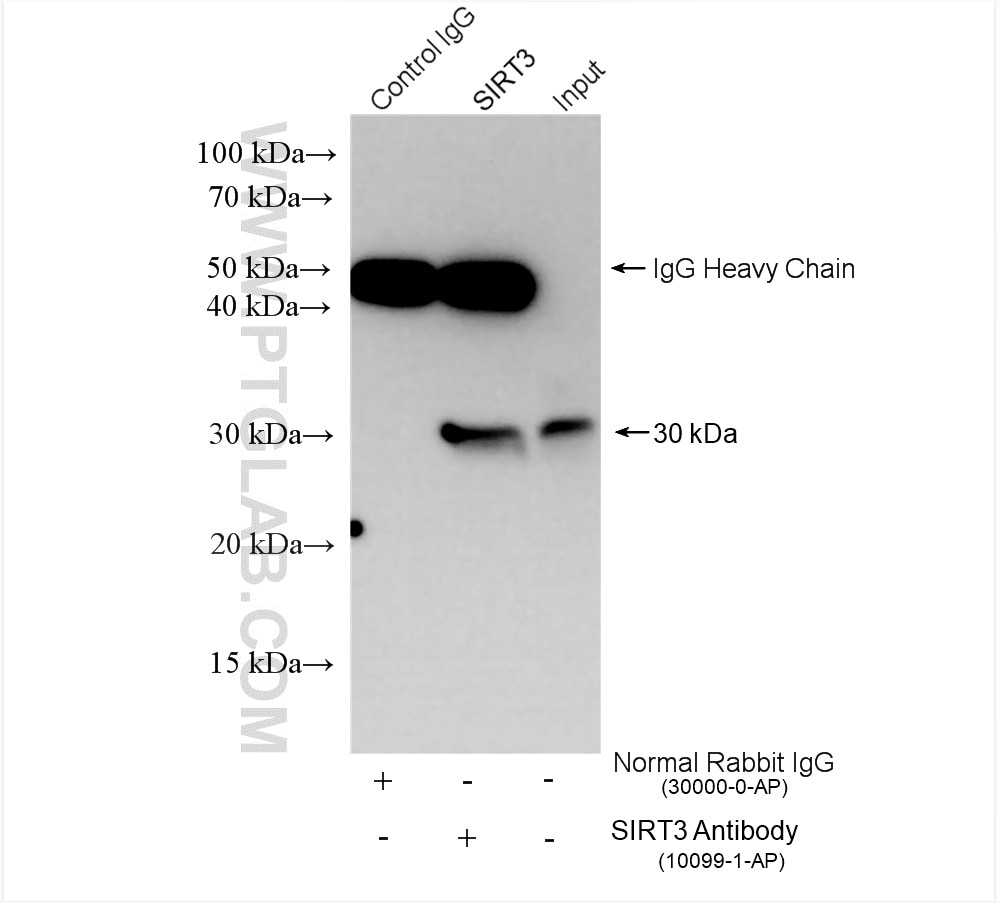
| Positive IP detected in | HT-29 cells |
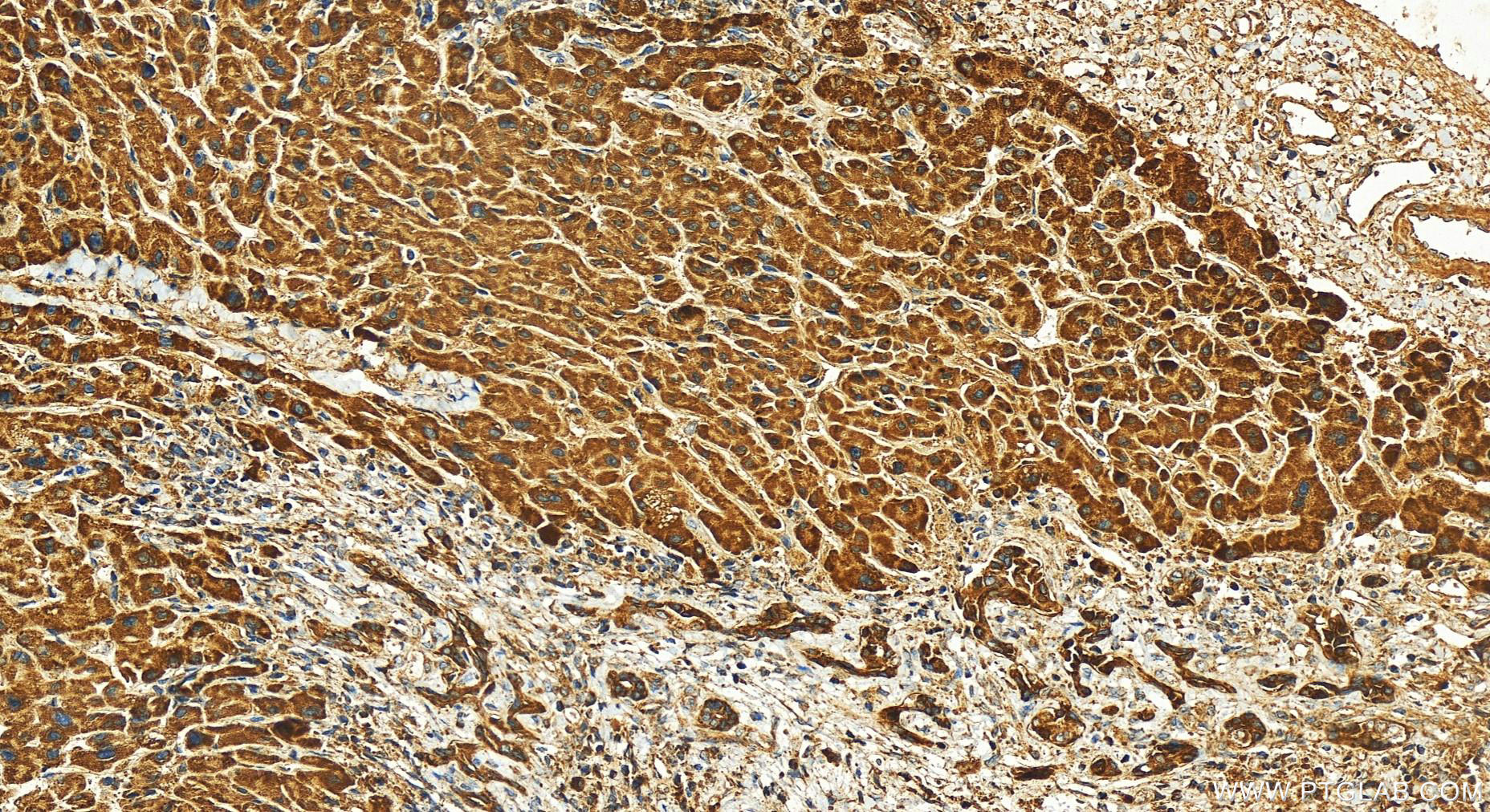
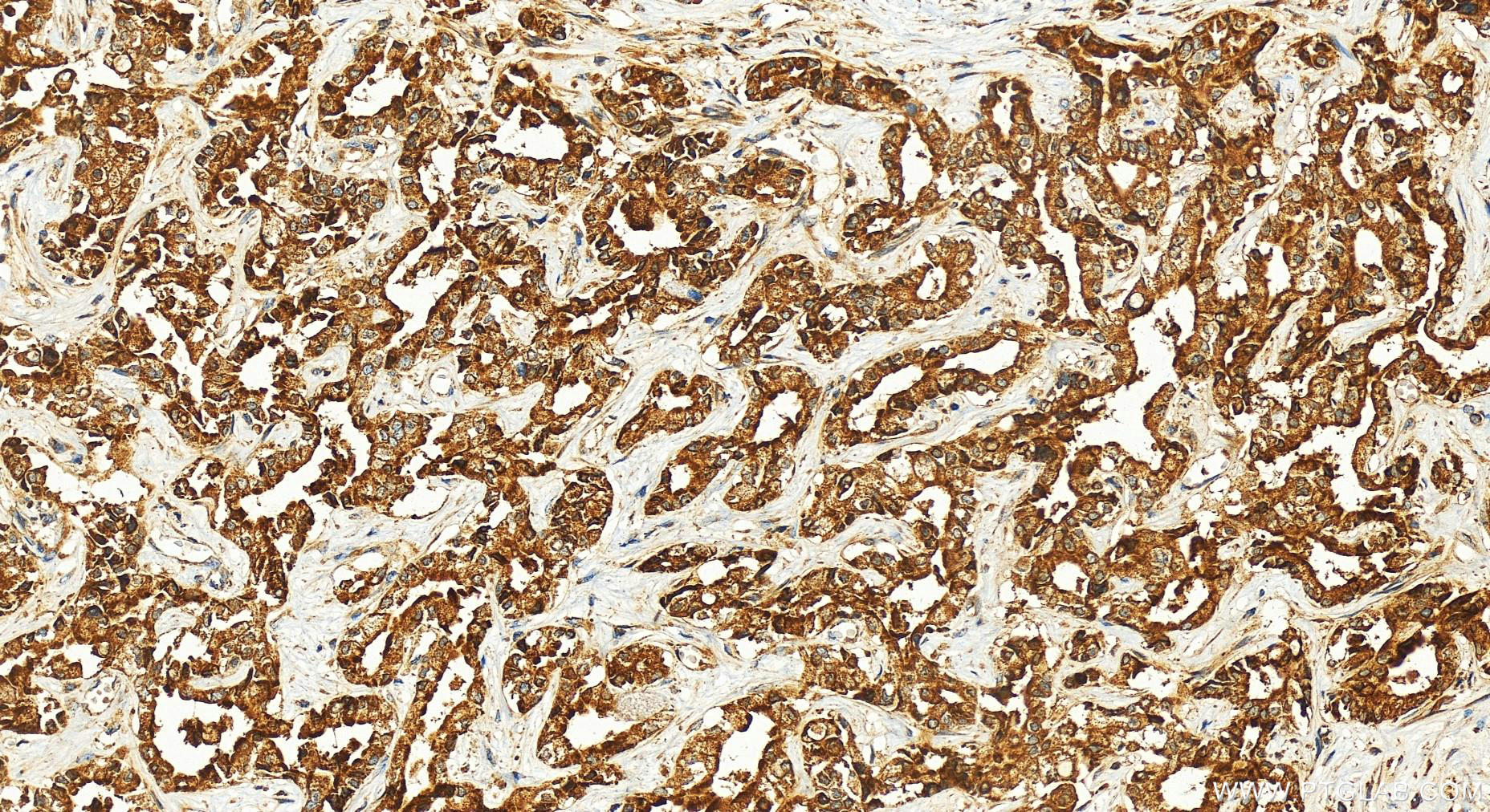
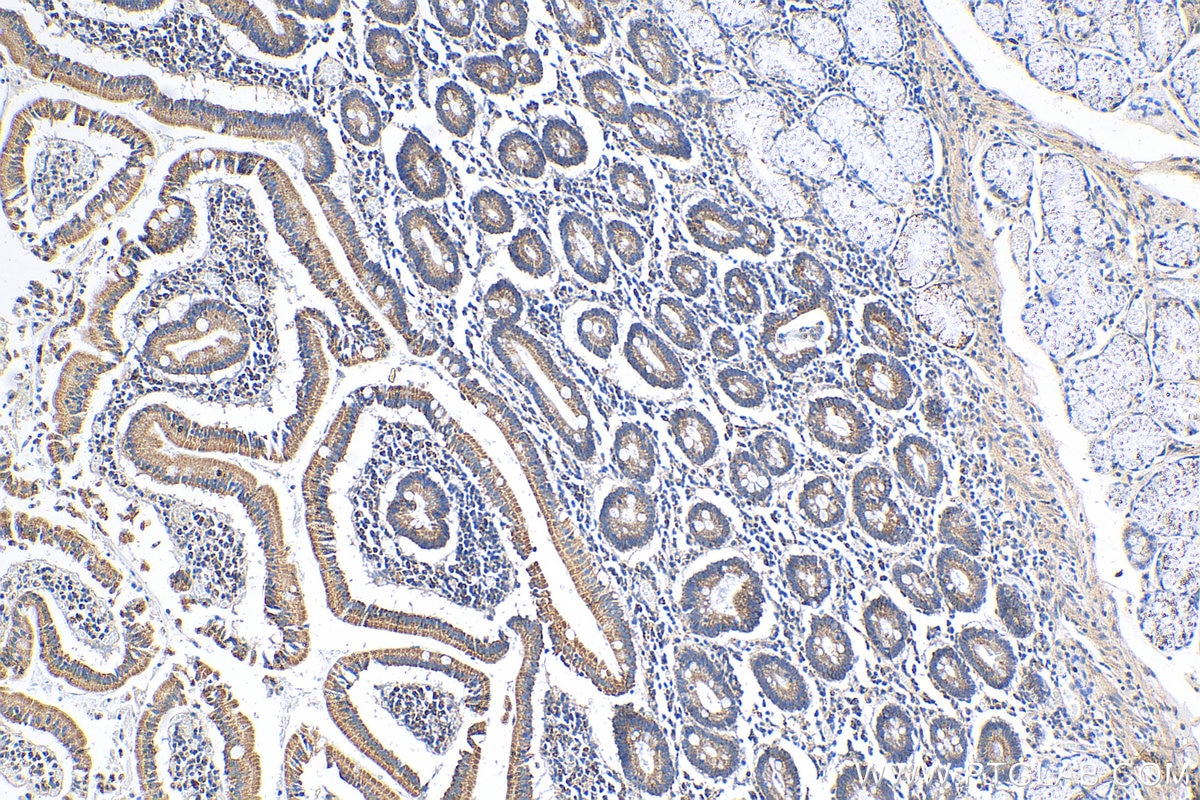
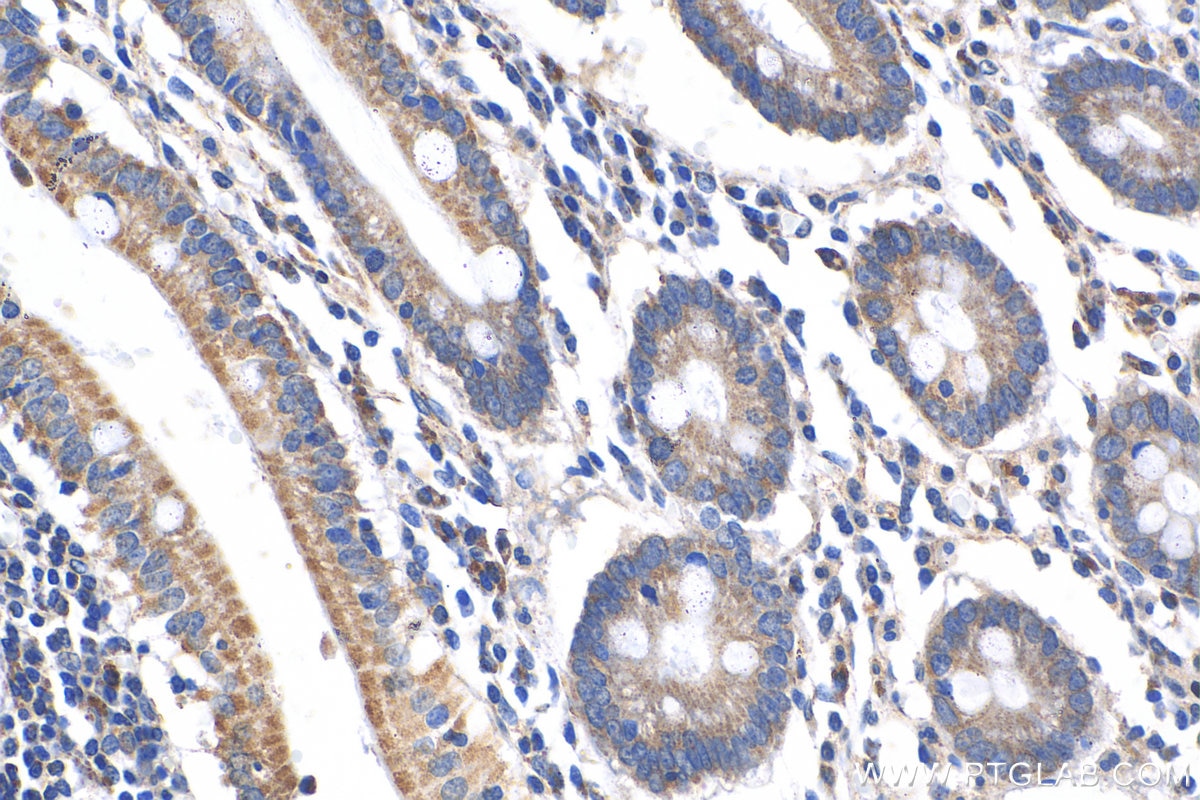
| Positive IHC detected in | human stomach tissue, human intrahepatic cholangiocarcinoma tissue Note: suggested antigen retrieval with TE buffer pH 9.0; (*) Alternatively, antigen retrieval may be performed with citrate buffer pH 6.0 |
Recommended dilution
| Application | Dilution |
|---|---|
| Western Blot (WB) | WB : 1:1000-1:8000 |
| Immunoprecipitation (IP) | IP : 0.5-4.0 ug for 1.0-3.0 mg of total protein lysate |
| Immunohistochemistry (IHC) | IHC : 1:200-1:800 |
| It is recommended that this reagent should be titrated in each testing system to obtain optimal results. | |
| Sample-dependent, Check data in validation data gallery. | |
Product Information
10099-1-AP targets SIRT3 in WB, IHC, IF, IP, CoIP, ELISA applications and shows reactivity with human, mouse, rat samples.
| Tested Reactivity | human, mouse, rat |
| Cited Reactivity | human, mouse, rat, pig, chicken, bovine, goat |
| Host / Isotype | Rabbit / IgG |
| Class | Polyclonal |
| Type | Antibody |
| Immunogen |
CatNo: Ag0148 Product name: Recombinant human SIRT3 protein Source: e coli.-derived, PGEX-4T Tag: GST Domain: 202-399 aa of BC001042 Sequence: GNYKPNVTHYFLRLLHDKGLLLRLYTQNIDGLERVSGIPASKLVEAHGTFASATCTVCQRPFPGEDIRADVMADRVPRCPVCTGVVKPDIVFFGEPLPQRFLLHVVDFPMADLLLILGTSLEVEPFASLTEAVRSSVPRLLINRDLVGPLAWHPRSRDVAQLGDVVHGVESLVELLGWTEEMRDLVQRETGKLDGPDK Predict reactive species |
| Full Name | sirtuin (silent mating type information regulation 2 homolog) 3 (S. cerevisiae) |
| Calculated Molecular Weight | 44 kDa |
| Observed Molecular Weight | 28 kDa |
| GenBank Accession Number | BC001042 |
| Gene Symbol | SIRT3 |
| Gene ID (NCBI) | 23410 |
| RRID | AB_2239240 |
| Conjugate | Unconjugated |
| Form | Liquid |
| Purification Method | Antigen affinity purification |
| UNIPROT ID | Q9NTG7 |
| Storage Buffer | PBS with 0.02% sodium azide and 50% glycerol, pH 7.3. |
| Storage Conditions | Store at -20°C. Stable for one year after shipment. Aliquoting is unnecessary for -20oC storage. 20ul sizes contain 0.1% BSA. |
Background Information
Sirtuins are NAD+-dependent histone/protein deacetylases (HDAC) and SIRT3 is the only sirtuin whose increased expression has been shown to correlate with an extended life span in humans. It is localized in the mitochondrial matrix, where it regulates the acetylation levels of metabolic enzymes, including acetyl coenzyme A synthetase 2. SIRT3 is stress-responsive and its increased expression protects myocytes from genotoxic and oxidative stress-mediated cell death. full-length hSIRT3 (44 kDa) is an inert protein and that it is activated inside the mitochondria following deletion of 142 amino acids of the N-terminal segment. This processed form of SIRT3 is approximately 28 kDa and possesses deacetylase activity. The full SIRT3 is a 44 kDa protein and is processed by mitochondrial processing peptidase (MPP) to give a 28 kDa product.
Protocols
| Product Specific Protocols | |
|---|---|
| IHC protocol for SIRT3 antibody 10099-1-AP | Download protocol |
| IP protocol for SIRT3 antibody 10099-1-AP | Download protocol |
| WB protocol for SIRT3 antibody 10099-1-AP | Download protocol |
| Standard Protocols | |
|---|---|
| Click here to view our Standard Protocols |
Publications
What published studies show
The SIRT3 antibody (Cat# 10099-1-AP) has 234 citations published in journals including Nature Communications, Cell Metabolism, Neuron, Molecular Cell, Redox Biology, Free Radical Biology and Medicine, International Journal of Molecular Sciences, Frontiers in Pharmacology, and many others. Research fields span mitochondrial biology, cardiovascular disease, neurodegeneration, cancer, diabetes, oxidative stress, aging, ferroptosis, mitophagy, liver disease, kidney disease, inflammation, epigenetics, pulmonary disease, bone metabolism, and reproductive biology.
| Species | Application | Title |
|---|---|---|
Signal Transduct Target Ther CD38 deficiency alleviates Ang II-induced vascular remodeling by inhibiting small extracellular vesicle-mediated vascular smooth muscle cell senescence in mice.
| ||
Cell Metab Elevation of JAML Promotes Diabetic Kidney Disease by Modulating Podocyte Lipid Metabolism. | ||
Cell Mol Immunol Dynamic regulation of TBK1 lactylation shapes antiviral immune responses. | ||
Bone Res Isovitexin targets SIRT3 to prevent steroid-induced osteonecrosis of the femoral head by modulating mitophagy-mediated ferroptosis | ||
Nat Commun METTL3 acetylation impedes cancer metastasis via fine-tuning its nuclear and cytosolic functions
| ||
Nat Commun Manganese enhances macrophage bactericidal activity in mice with Staphylococcus aureus osteomyelitis via Sirt3-mitophagy axis. |
Reviews
What customers say
The product received one review with a 4-star rating. The reviewer used it for Western Blot on mouse brain tissue at a 1:500 dilution and reported that it worked well. Overall, the limited feedback suggests satisfactory performance in WB applications.
The reviews below have been submitted by verified Proteintech customers who received an incentive for providing their feedback.
Tanusree (Verified Customer) (12-18-2019) | Product worked well in WB at 1:500 dilution
|











