

Tested Applications
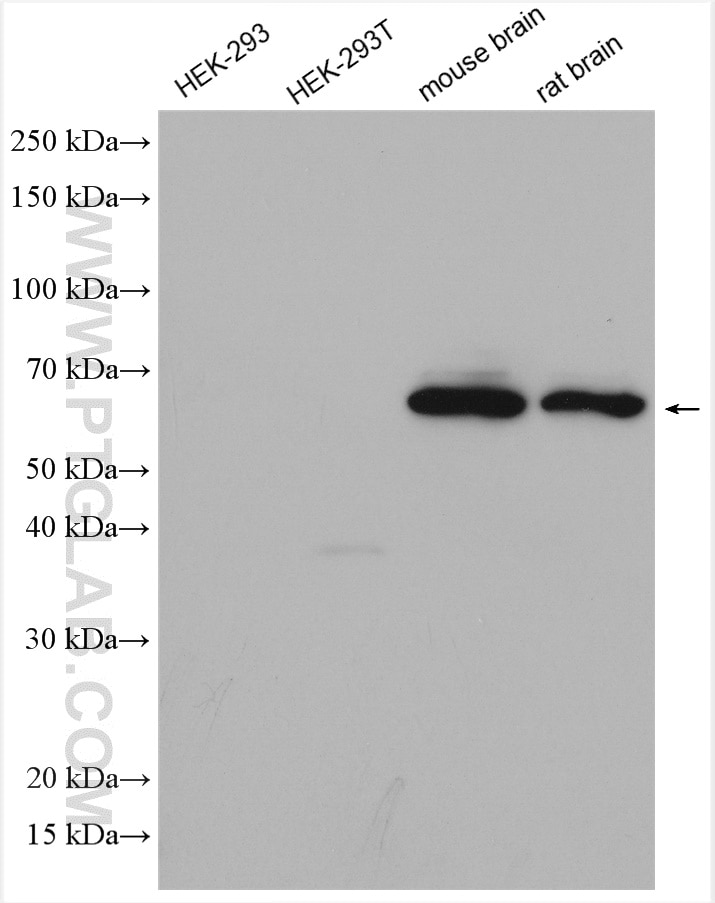
| Positive WB detected in | mouse brain tissue |
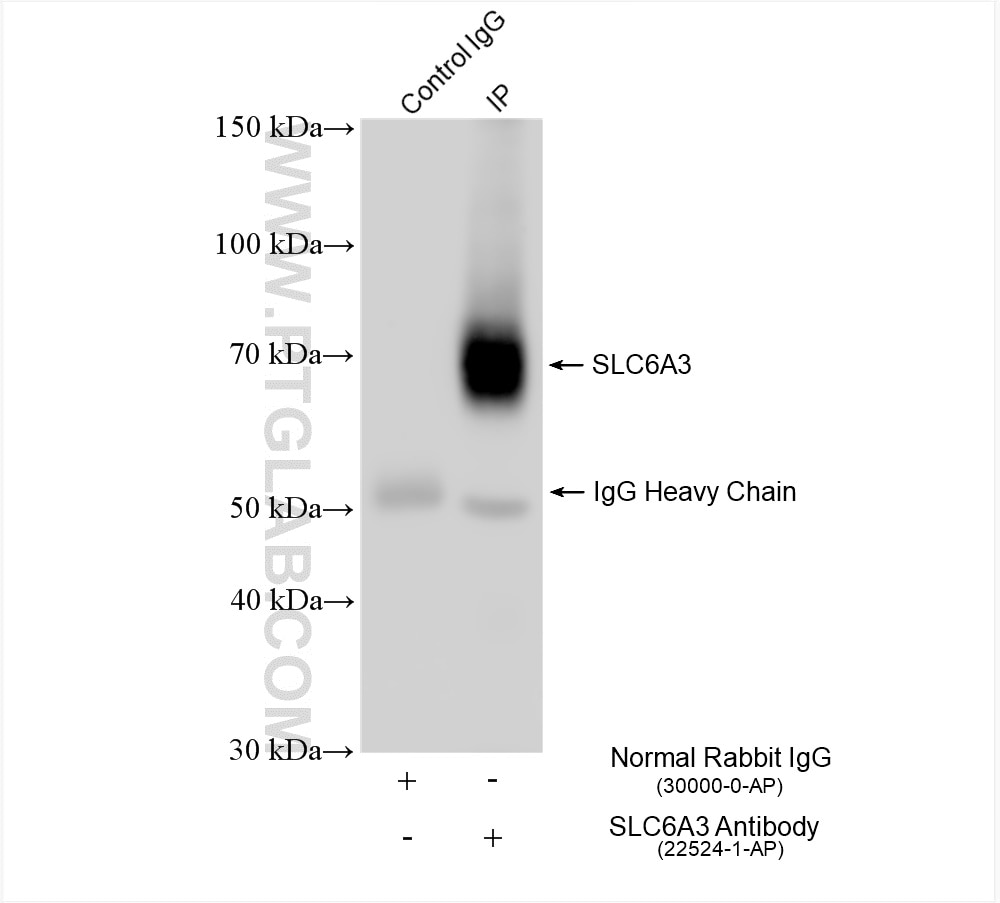
| Positive IP detected in | mouse brain tissue |
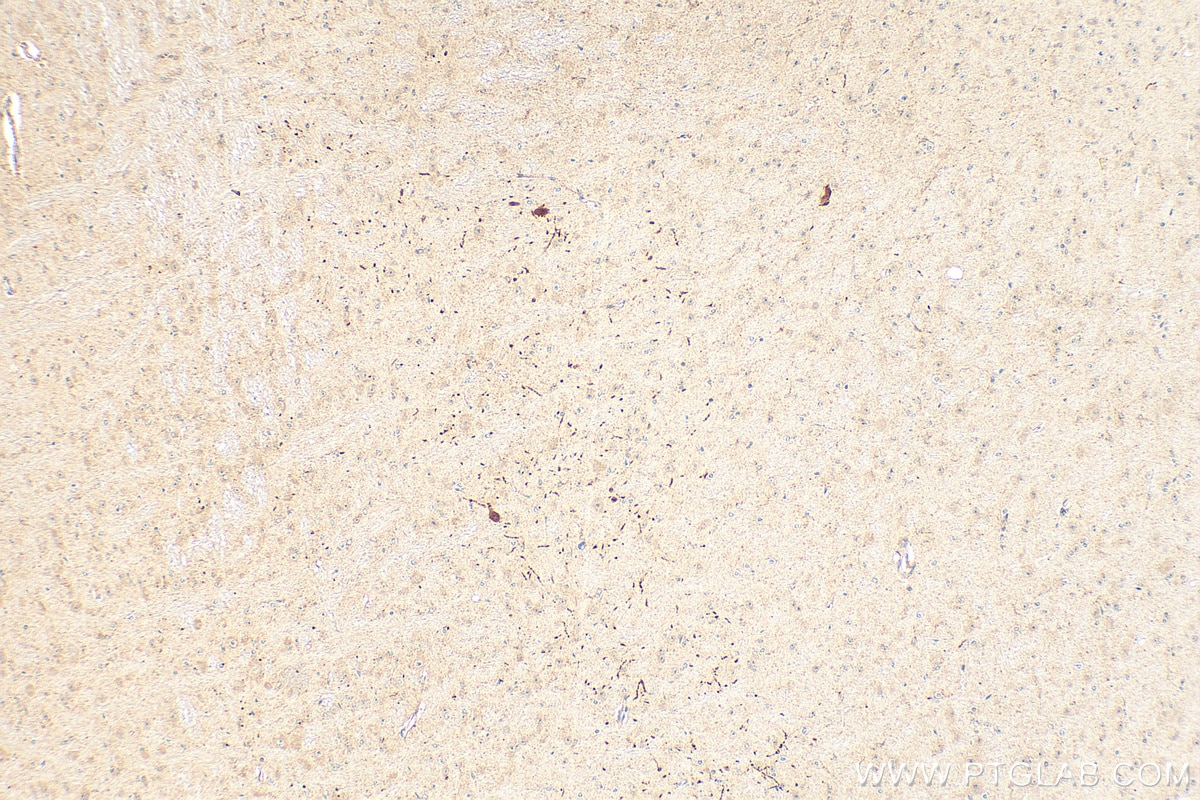
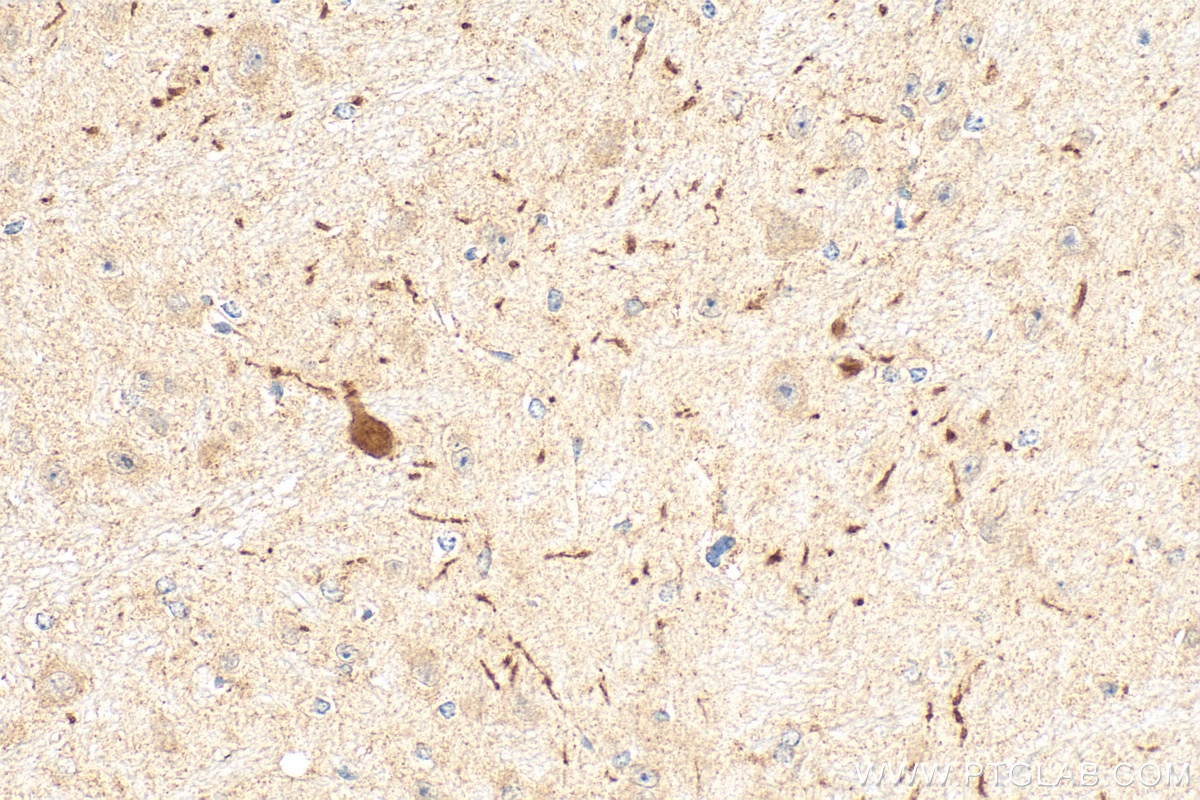
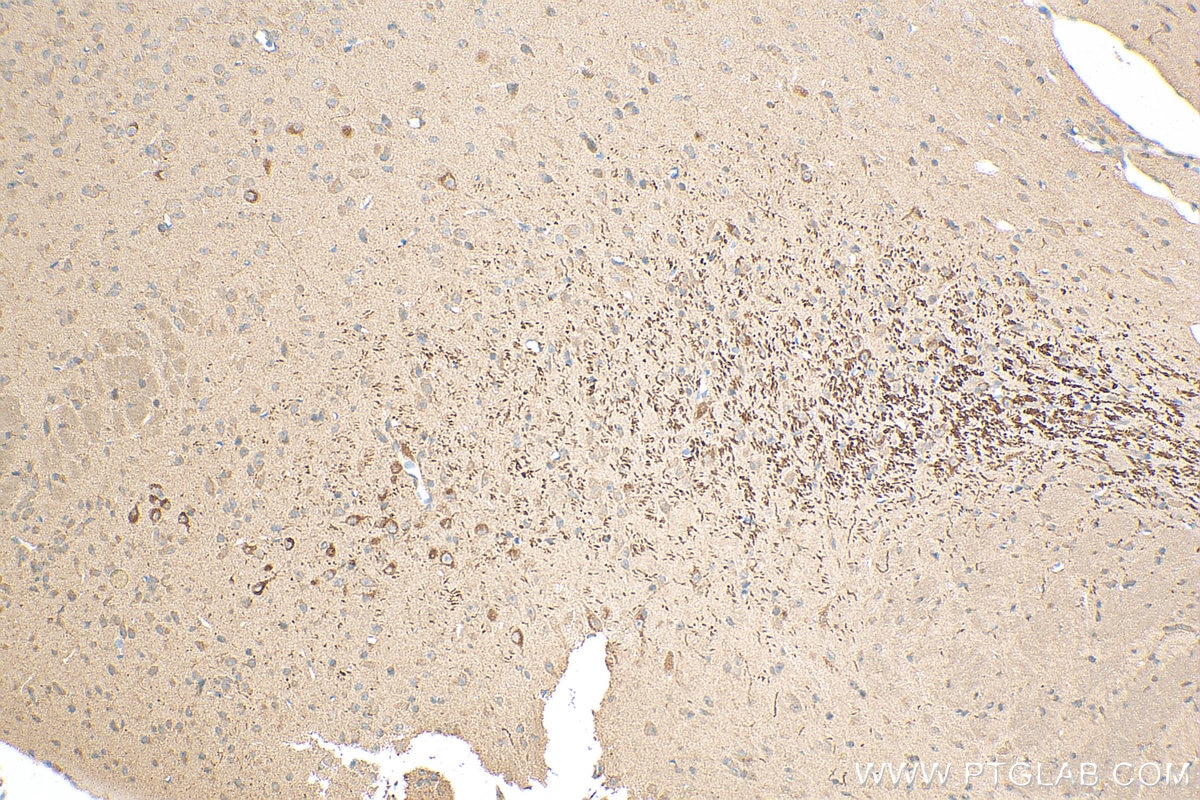
| Positive IHC detected in | mouse brain tissue Note: suggested antigen retrieval with TE buffer pH 9.0; (*) Alternatively, antigen retrieval may be performed with citrate buffer pH 6.0 |
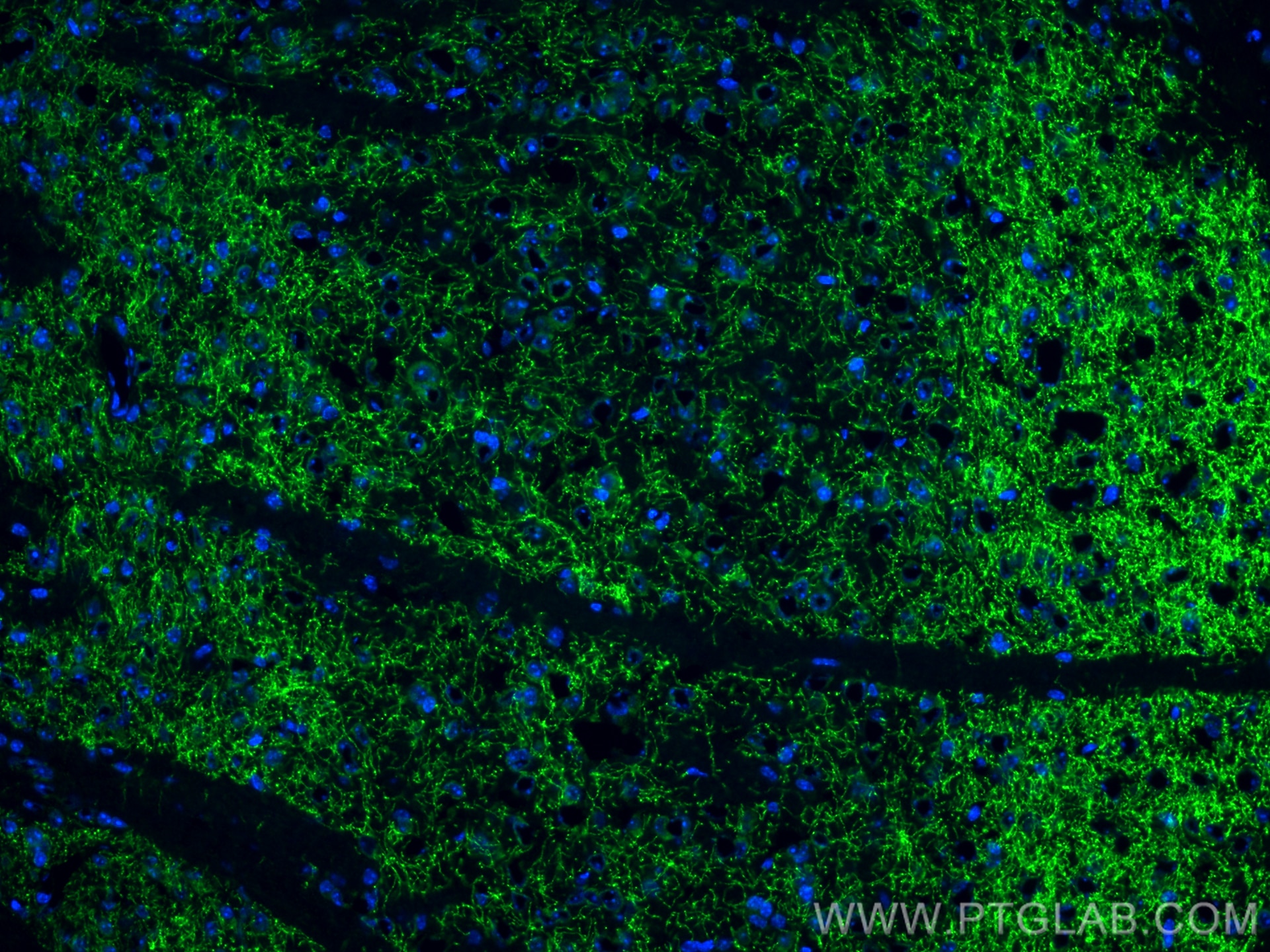
| Positive IF-P detected in | mouse brain tissue |
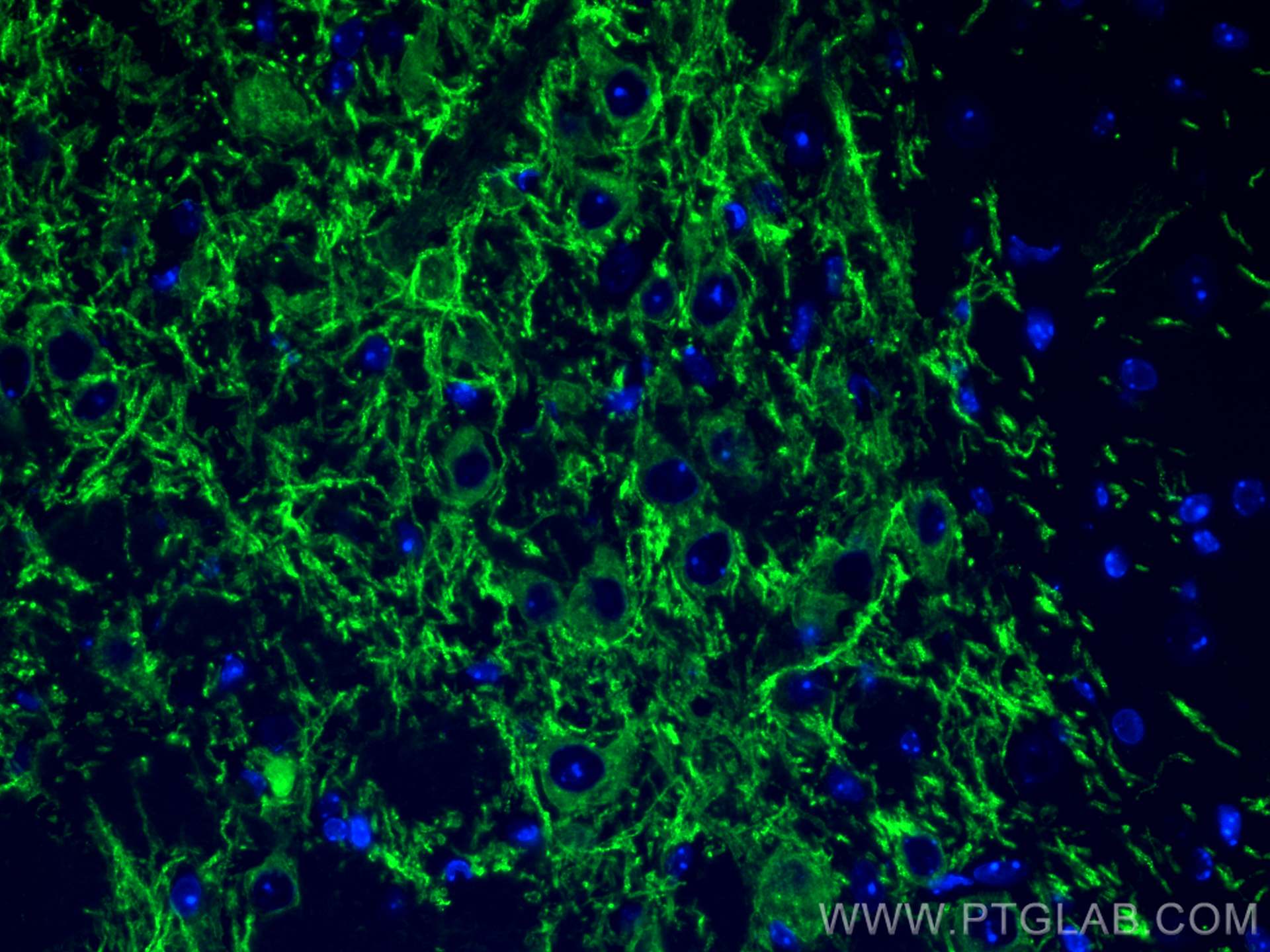
| Positive IF-Fro detected in | mouse brain tissue |
Recommended dilution
| Application | Dilution |
|---|---|
| Western Blot (WB) | WB : 1:500-1:2000 |
| Immunoprecipitation (IP) | IP : 0.5-4.0 ug for 1.0-3.0 mg of total protein lysate |
| Immunohistochemistry (IHC) | IHC : 1:50-1:500 |
| Immunofluorescence (IF)-P | IF-P : 1:50-1:500 |
| Immunofluorescence (IF)-FRO | IF-FRO : 1:50-1:500 |
| It is recommended that this reagent should be titrated in each testing system to obtain optimal results. | |
| Sample-dependent, Check data in validation data gallery. | |
Product Information
22524-1-AP targets Dopamine Transporter/DAT in WB, IHC, IF-P, IF-Fro, IP, ELISA applications and shows reactivity with human, mouse, rat samples.
| Tested Reactivity | human, mouse, rat |
| Cited Reactivity | human, mouse, rat, monkey |
| Host / Isotype | Rabbit / IgG |
| Class | Polyclonal |
| Type | Antibody |
| Immunogen |
CatNo: Ag18297 Product name: Recombinant human SLC6A3 protein Source: e coli.-derived, PGEX-4T Tag: GST Domain: 1-62 aa of BC133003 Sequence: MSKSKCSVGLMSSVVAPAKEPNAVGPKEVELILVKEQNGVQLTSSTLTNPRQSPVEAQDRET Predict reactive species |
| Full Name | solute carrier family 6 (neurotransmitter transporter, dopamine), member 3 |
| Calculated Molecular Weight | 620 aa, 68 kDa |
| Observed Molecular Weight | 68 kDa |
| GenBank Accession Number | BC133003 |
| Gene Symbol | DAT |
| Gene ID (NCBI) | 6531 |
| RRID | AB_2879116 |
| Conjugate | Unconjugated |
| Form | Liquid |
| Purification Method | Antigen affinity purification |
| UNIPROT ID | Q01959 |
| Storage Buffer | PBS with 0.02% sodium azide and 50% glycerol, pH 7.3. |
| Storage Conditions | Store at -20°C. Stable for one year after shipment. Aliquoting is unnecessary for -20oC storage. 20ul sizes contain 0.1% BSA. |
Background Information
DAT, also name as SLC6A3, is dopamine transporter which is a member of the sodium- and chloride- dependent neurotransmitter transporter family. Dopamine(DA) released from neurons is cleared by the DA transporter (DAT). Altered dopaminergic signaling is linked to multiple neuropsychiatric disorders, such as attention deficit hyperactive disorder, mood disorders, schizophrenia, autism and so on (PMID:30755521). 22524-1-AP can detect 70~80kDa band, which is consistent with the report (PMID:12746456).
Protocols
| Product Specific Protocols | |
|---|---|
| IF protocol for Dopamine Transporter/DAT antibody 22524-1-AP | Download protocol |
| IHC protocol for Dopamine Transporter/DAT antibody 22524-1-AP | Download protocol |
| IP protocol for Dopamine Transporter/DAT antibody 22524-1-AP | Download protocol |
| WB protocol for Dopamine Transporter/DAT antibody 22524-1-AP | Download protocol |
| Standard Protocols | |
|---|---|
| Click here to view our Standard Protocols |
Publications
What published studies show
The Dopamine Transporter/DAT (SLC6A3) Polyclonal Antibody (Cat# 22524-1-AP) has accumulated 75 citations across multiple journals, including Nature, Nature Neuroscience, Science Advances, EMBO Journal, Journal of Biological Chemistry, NPJ Parkinson's Disease, Neural Regeneration Research, British Journal of Pharmacology, and Neuroscience. Associated research fields encompass Parkinson's disease, dopaminergic signaling, neurodegeneration, neuroprotection, behavioral neuroscience, pharmacology, environmental neurotoxicology, sleep disorders, and depression.
| Species | Application | Title |
|---|---|---|
Nat Neurosci Propagation of pathologic α-synuclein from kidney to brain may contribute to Parkinson's disease | ||
J Nanobiotechnology Engineered neuronal exosomes mediate α-synuclein clearance to ameliorate Parkinson's disease. | ||
Adv Sci (Weinh) NAD+-Boosters Improve Mitochondria Quality Control In Parkinson's Disease Models Via Mitochondrial UPR | ||
Sci Adv Phosphoglycerate kinase is a central leverage point in Parkinson's disease-driven neuronal metabolic deficits | ||
Sci Adv A nanoparticle-based wireless deep brain stimulation system that reverses Parkinson's disease |
Reviews
What customers say
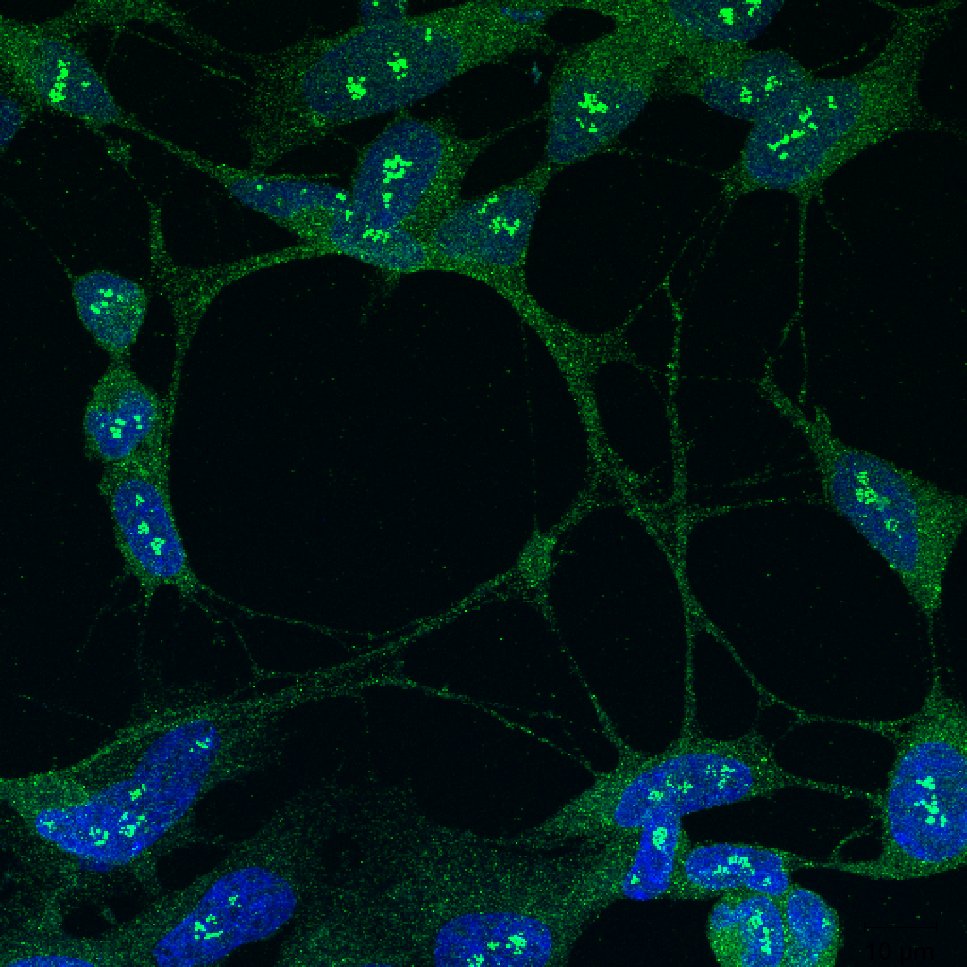
Users report this antibody performs well for detecting endogenous DAT by Western blot (1:1000, PC12 lysate), though signal intensity is relatively low. For immunofluorescence, reviewers confirm good results on differentiated SH-SY5Y cells using 1:200 overnight at 4°C with a 1:500 Alexa Fluor 488 secondary for 1 hour at room temperature. Overall satisfaction is high, with one reviewer also noting fast delivery. Average rating is 4.3/5 across three reviews.
The reviews below have been submitted by verified Proteintech customers who received an incentive for providing their feedback.
N (Verified Customer) (11-04-2025) | A good antibody to detect endo DAT, although at a relatively low titer.
|
Bingying (Verified Customer) (10-21-2025) | Fast delivery and work fine for our cell.
|
Angie (Verified Customer) (01-20-2025) | Overnight incubation of primary antibody (used at 1:200) at 4 °C followed by 1 h incubation of secondary antibody (Alexa Fluor Donkey anti-rabbit 488, 1:500) at room temperature.
 |








