
Filter:



Able AI
What's the best dilution for SSTR3 in ?
Tested Applications
| Positive WB detected in | fetal human brain tissue |
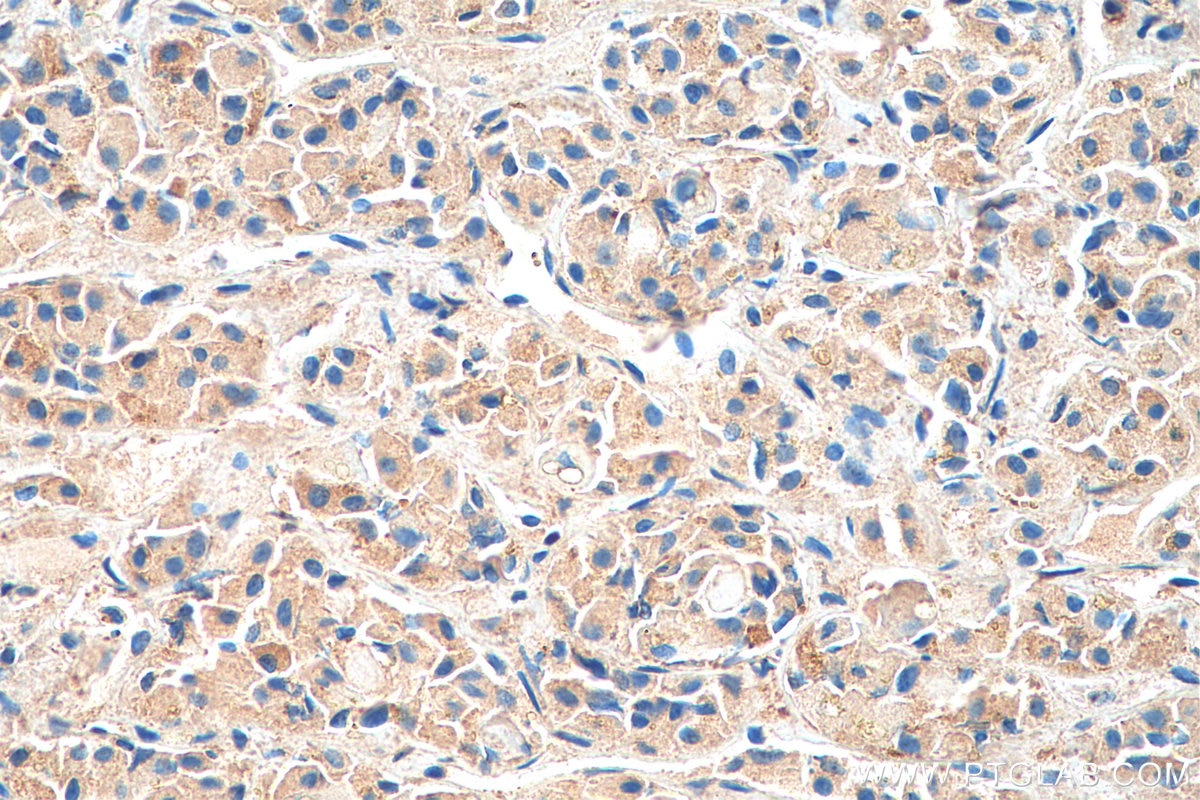
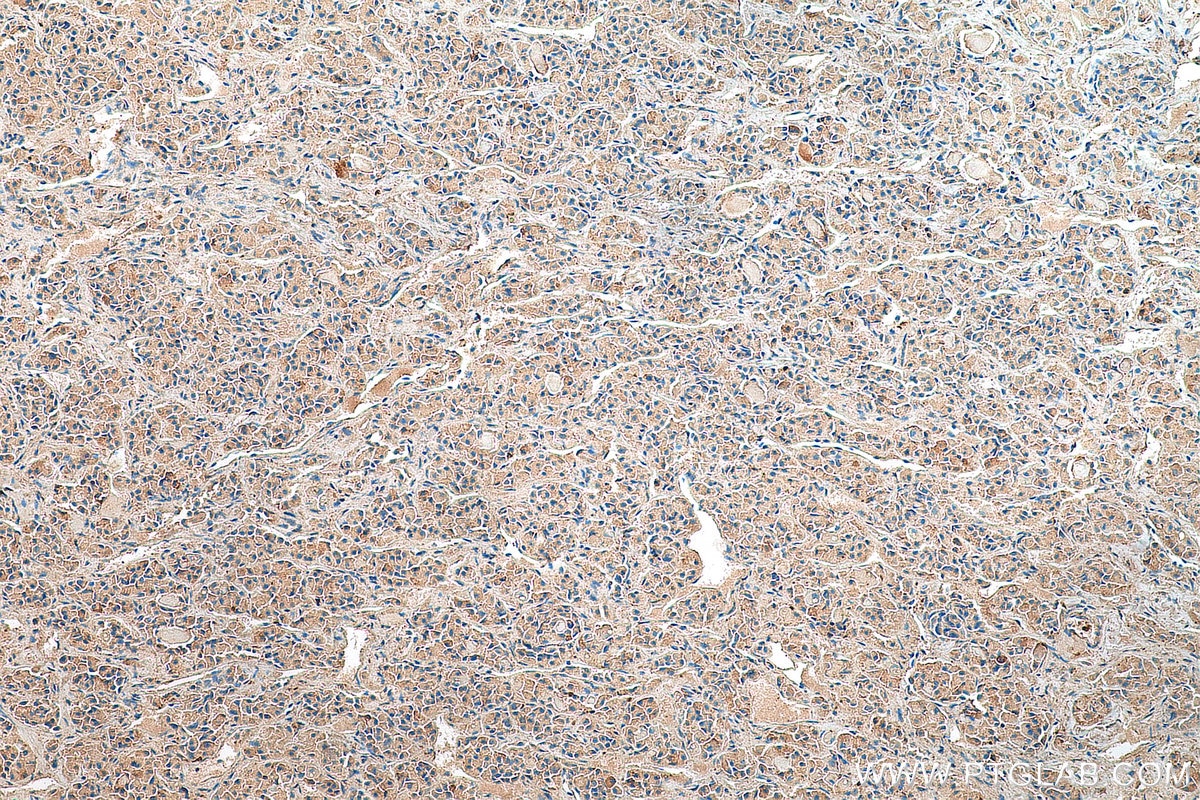
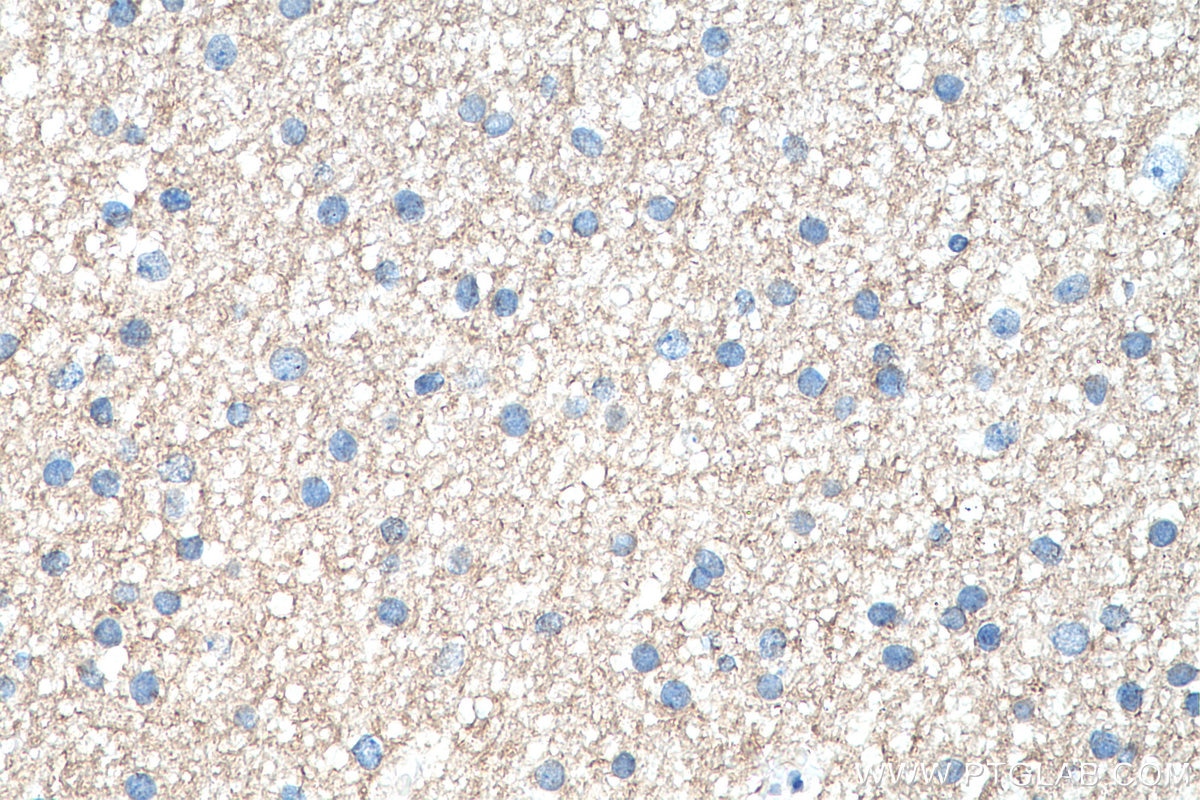
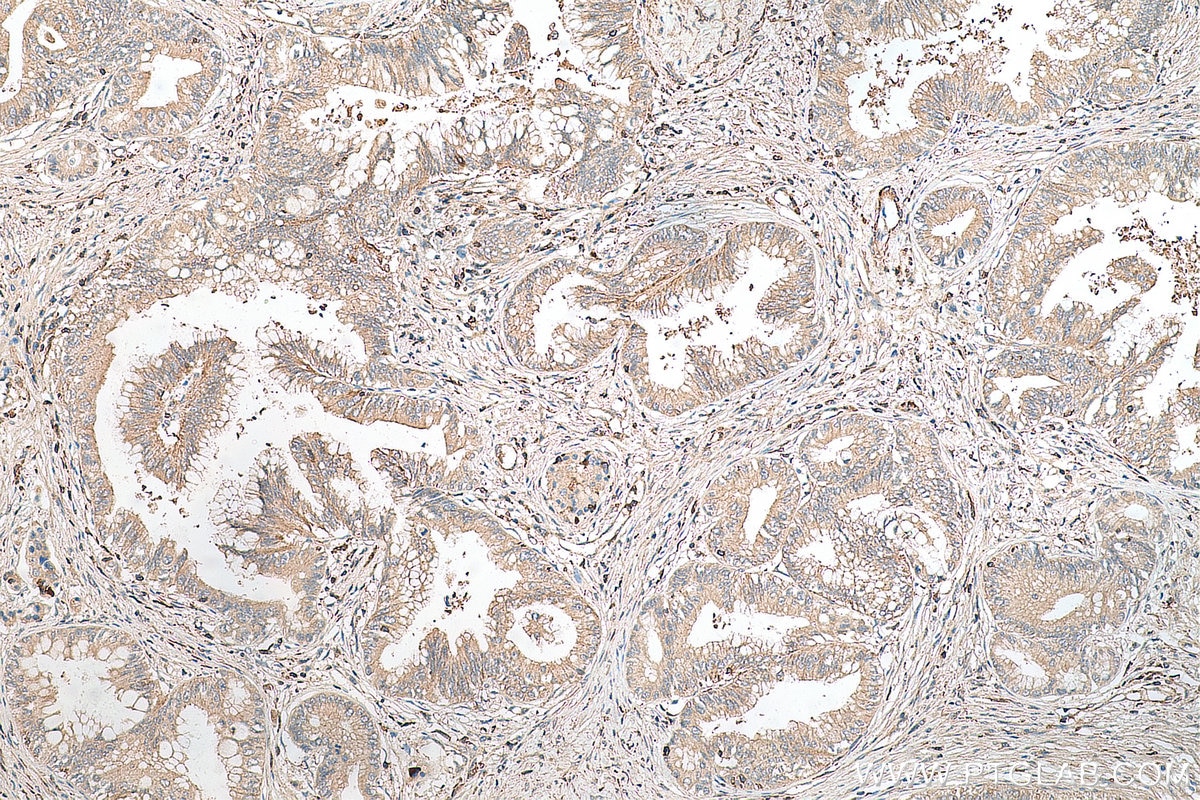
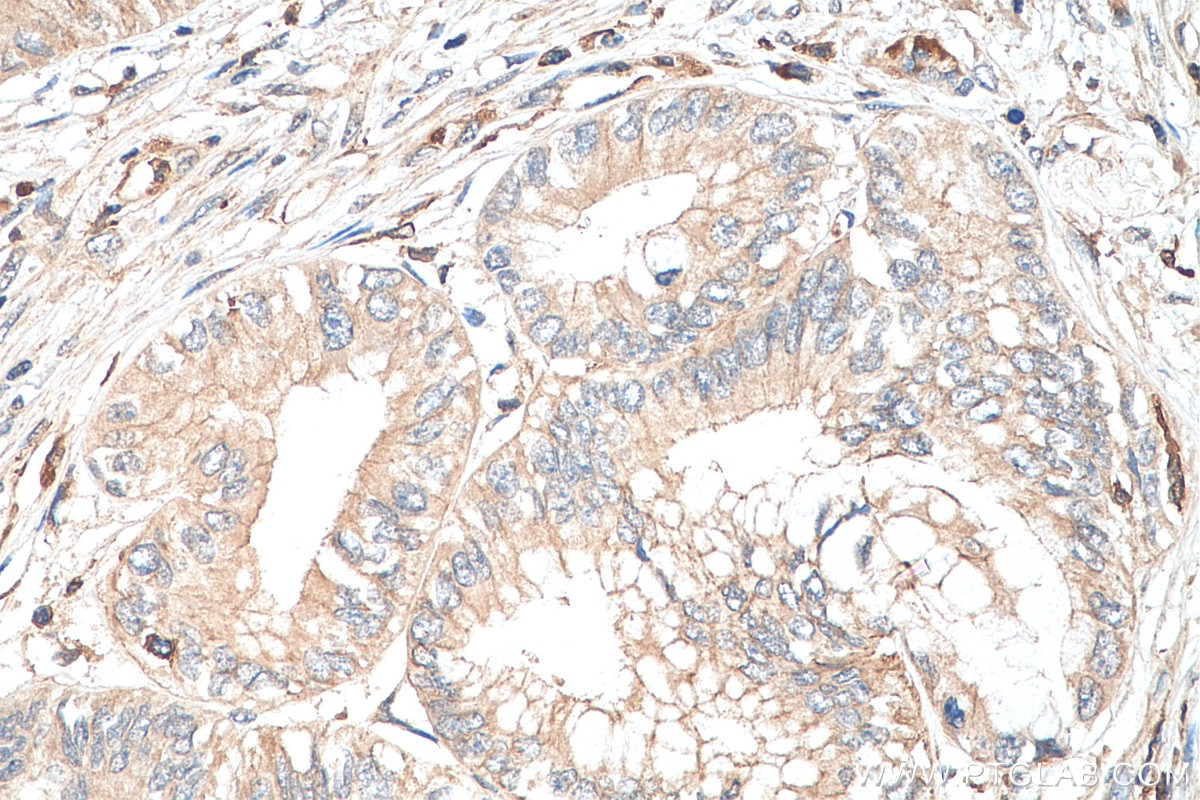
| Positive IHC detected in | human pituitary tissue, human gliomas tissue, human pancreas cancer tissue Note: suggested antigen retrieval with TE buffer pH 9.0; (*) Alternatively, antigen retrieval may be performed with citrate buffer pH 6.0 |
Recommended dilution
| Application | Dilution |
|---|---|
| Western Blot (WB) | WB : 1:200-1:1000 |
| Immunohistochemistry (IHC) | IHC : 1:50-1:500 |
| It is recommended that this reagent should be titrated in each testing system to obtain optimal results. | |
| Sample-dependent, Check data in validation data gallery. | |
Product Information
20696-1-AP targets SSTR3 in WB, IHC, IF, ELISA applications and shows reactivity with human samples.
| Tested Reactivity | human |
| Cited Reactivity | human |
| Host / Isotype | Rabbit / IgG |
| Class | Polyclonal |
| Type | Antibody |
| Immunogen |
Peptide Predict reactive species |
| Full Name | somatostatin receptor 3 |
| Calculated Molecular Weight | 46 kDa |
| Observed Molecular Weight | 52 kDa |
| GenBank Accession Number | NM_001051 |
| Gene Symbol | SSTR3 |
| Gene ID (NCBI) | 6753 |
| RRID | AB_2878725 |
| Conjugate | Unconjugated |
| Form | Liquid |
| Purification Method | Antigen affinity purification |
| UNIPROT ID | P32745 |
| Storage Buffer | PBS with 0.02% sodium azide and 50% glycerol, pH 7.3. |
| Storage Conditions | Store at -20°C. Stable for one year after shipment. Aliquoting is unnecessary for -20oC storage. 20ul sizes contain 0.1% BSA. |
Protocols
| Product Specific Protocols | |
|---|---|
| IHC protocol for SSTR3 antibody 20696-1-AP | Download protocol |
| WB protocol for SSTR3 antibody 20696-1-AP | Download protocol |
| Standard Protocols | |
|---|---|
| Click here to view our Standard Protocols |
Publications
What published studies show
The SSTR3 Polyclonal antibody (Cat# 20696-1-AP) has 4 total citations. These appear in EMBO Reports, Molecular Biology of the Cell, Journal of Histochemistry & Cytochemistry, and Cell Communication and Signaling. The cited research spans ciliary assembly and signaling, ciliary gating at the vertebrate transition zone, immunohistochemical profiling of somatostatin receptor subtypes in neuroendocrine neoplasias, and AKAP2/PKA-mediated ciliogenesis and Shh signaling. Cited applications include IF and IHC in human samples.
| Species | Application | Title |
|---|---|---|
Mol Biol Cell Rpgrip1l controls ciliary gating by ensuring the proper amount of Cep290 at the vertebrate transition zone. | ||
J Histochem Cytochem Immunohistochemical Expression of Somatostatin Receptor Subtypes in a Panel of Neuroendocrine Neoplasias. | ||
Cell Commun Signal AKAP2/PKA complex coordinates primary ciliogenesis, ciliary trafficking and Shh signaling. |








