

Tested Applications
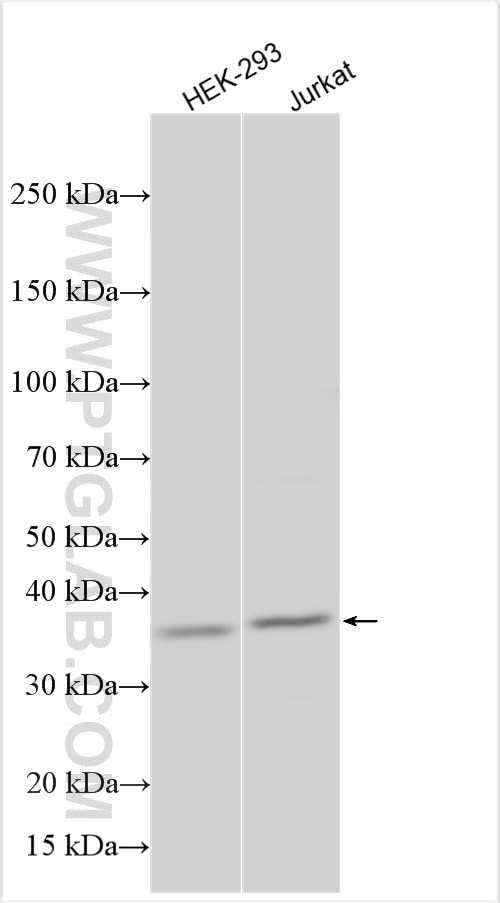
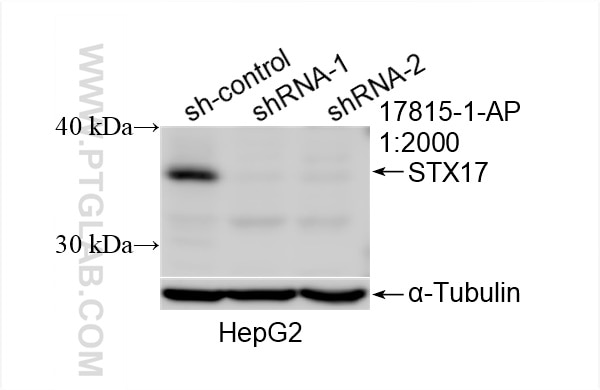
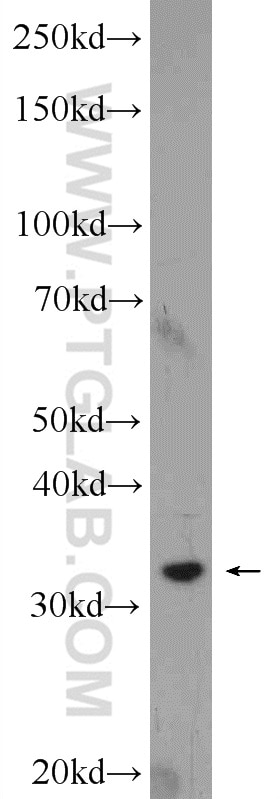
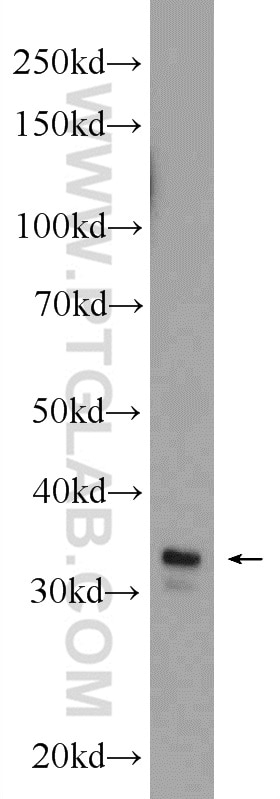
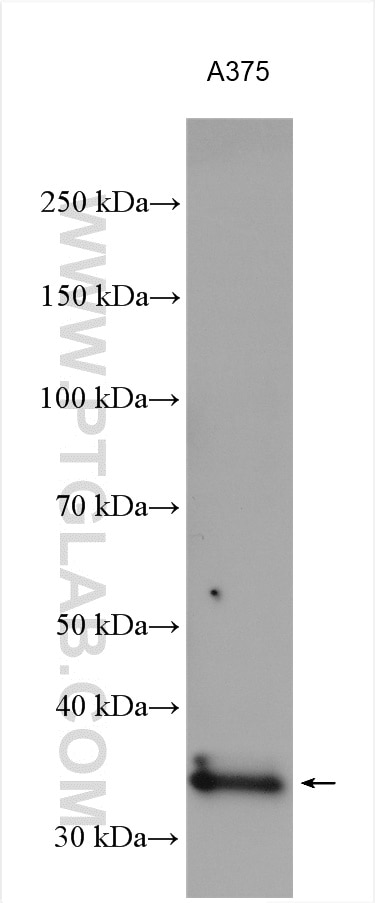
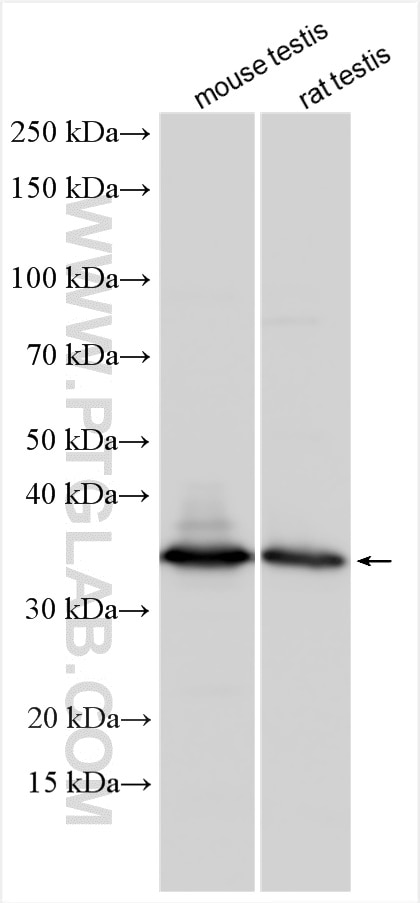
| Positive WB detected in | HEK-293 cells, L02 cells, human testis tissue, mouse testis tissue, A375 cells, rat testis tissue, Jurkat cells |
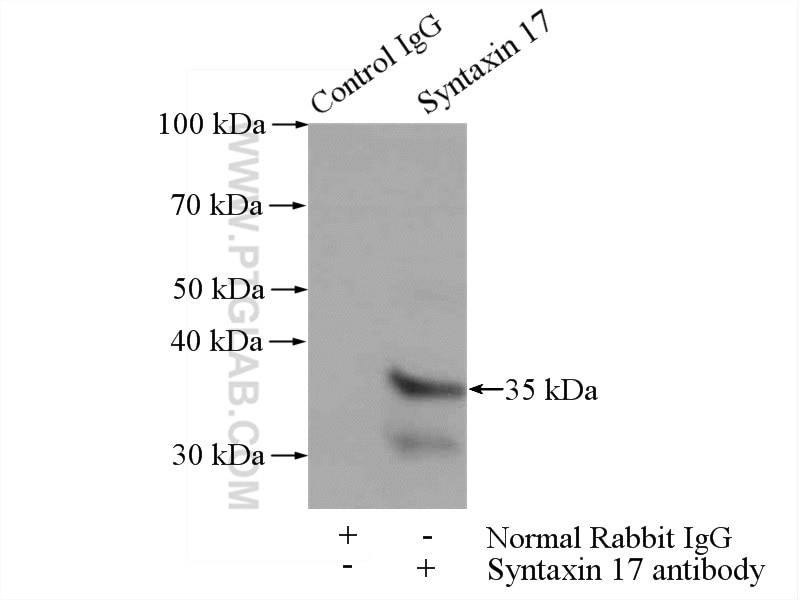
| Positive IP detected in | HepG2 cells |
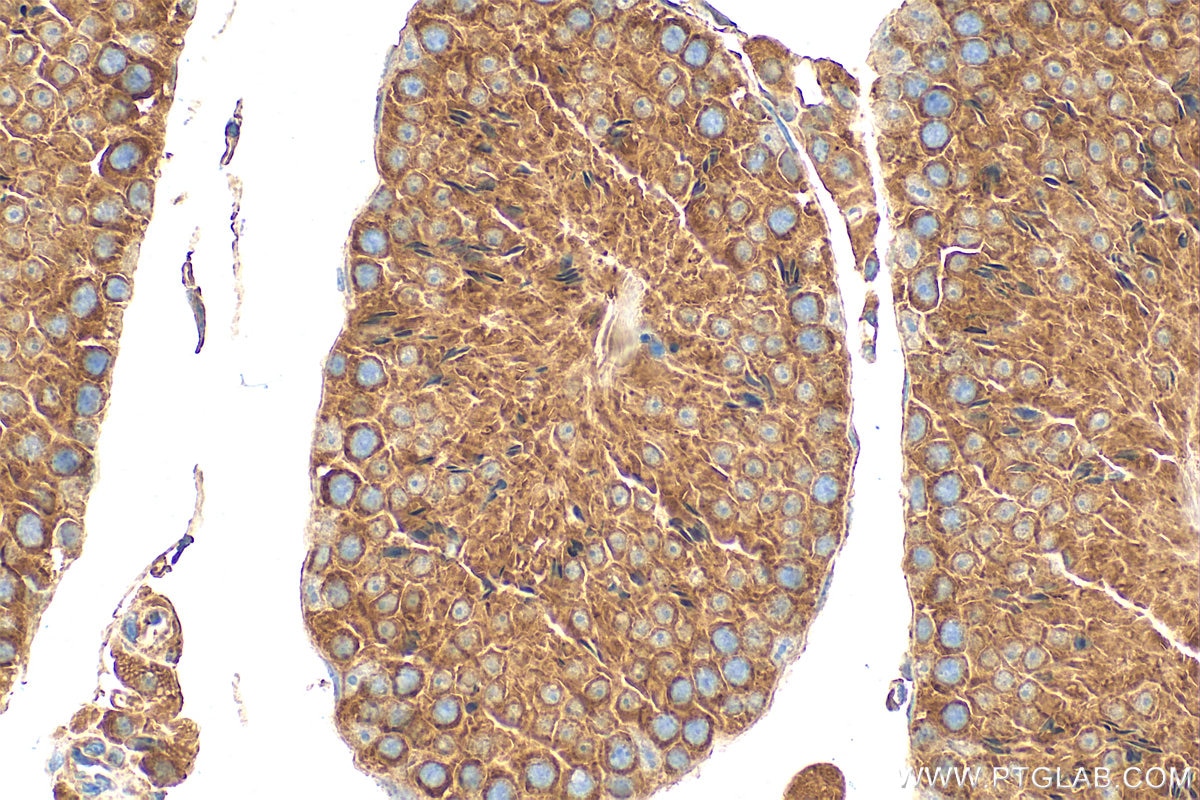
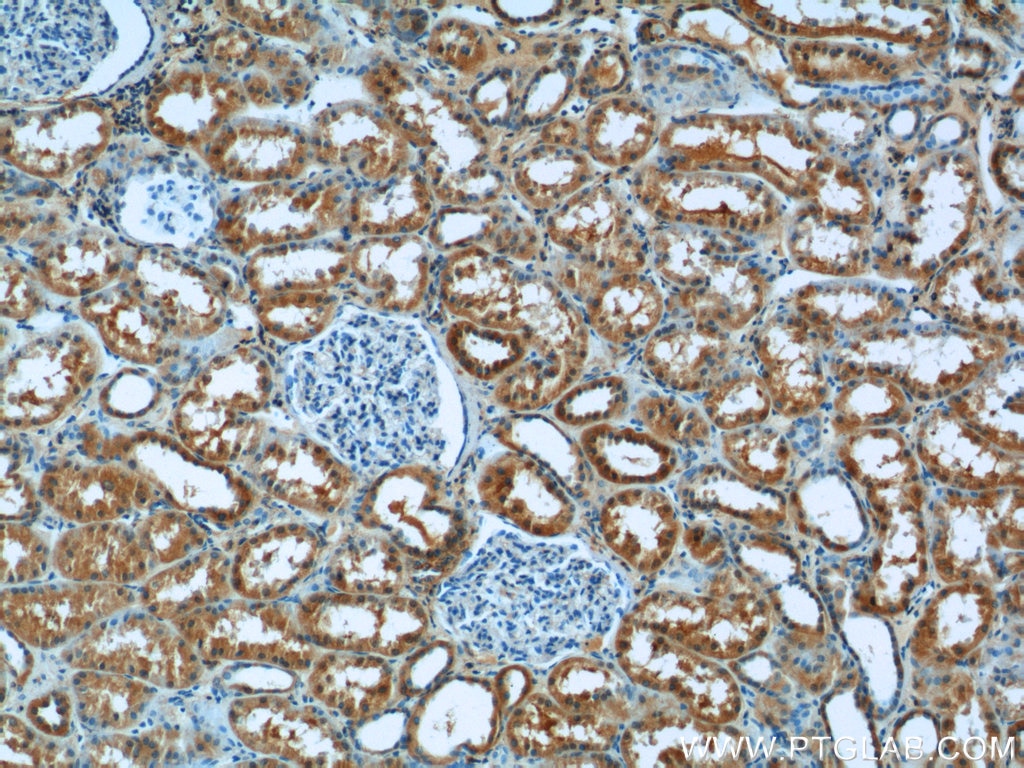
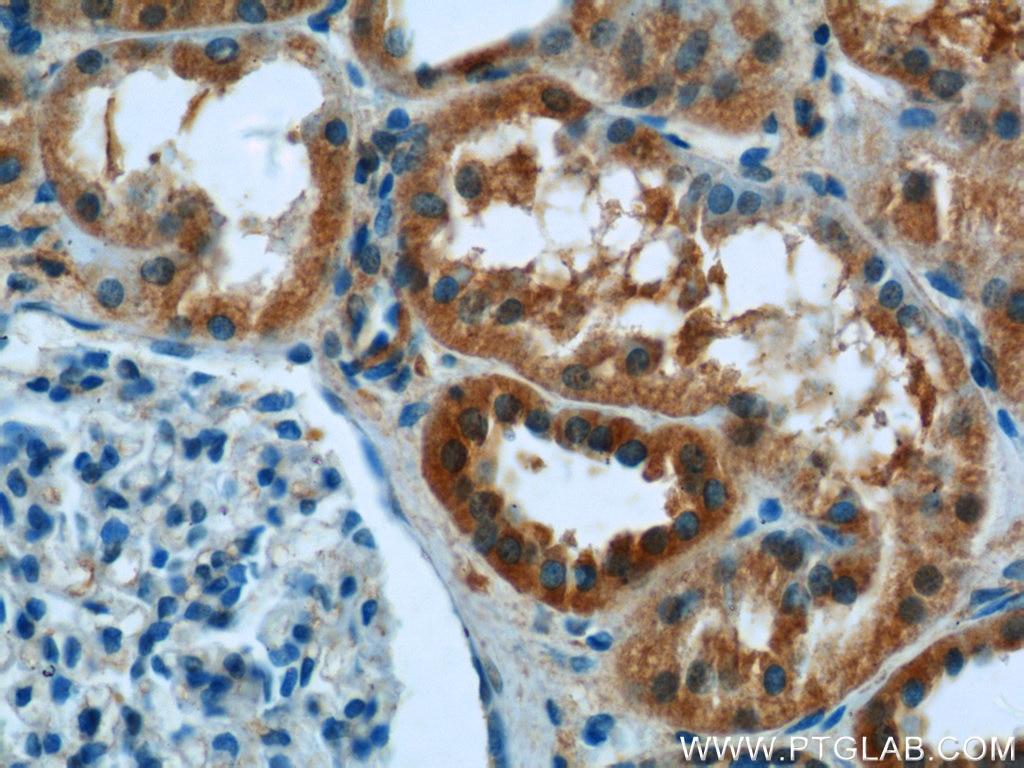
| Positive IHC detected in | mouse testis tissue, human kidney tissue Note: suggested antigen retrieval with TE buffer pH 9.0; (*) Alternatively, antigen retrieval may be performed with citrate buffer pH 6.0 |
Recommended dilution
| Application | Dilution |
|---|---|
| Western Blot (WB) | WB : 1:2000-1:12000 |
| Immunoprecipitation (IP) | IP : 0.5-4.0 ug for 1.0-3.0 mg of total protein lysate |
| Immunohistochemistry (IHC) | IHC : 1:200-1:800 |
| It is recommended that this reagent should be titrated in each testing system to obtain optimal results. | |
| Sample-dependent, Check data in validation data gallery. | |
Product Information
17815-1-AP targets STX17 in WB, IHC, IF, IP, CoIP, ELISA applications and shows reactivity with human, mouse, rat samples.
| Tested Reactivity | human, mouse, rat |
| Cited Reactivity | human, mouse, rat, pig, monkey |
| Host / Isotype | Rabbit / IgG |
| Class | Polyclonal |
| Type | Antibody |
| Immunogen |
CatNo: Ag12134 Product name: Recombinant human STX17 protein Source: e coli.-derived, PGEX-4T Tag: GST Domain: 1-216 aa of BC111009 Sequence: MSEDEEKVKLRRLEPAIQKFIKIVIPTDLERLRKHQINIEKYQRCGIWDKLHEEHINAGRTVQQLRSNIREIEKLCLKVRKDDLVLLKRMIDPVKEEASAATAEFLQLHLESVEELKKQFNDEETLLQPPLTRSMTVGGAFHTTEAEASSQSLTQIYALPEIPQDQNAAESWETLEADLIELSQLVTDFSLLVNSQQEKIDSIADHVNSAAVNVEE Predict reactive species |
| Full Name | syntaxin 17 |
| Calculated Molecular Weight | 302 aa, 33 kDa |
| Observed Molecular Weight | 33-38 kDa |
| GenBank Accession Number | BC111009 |
| Gene Symbol | STX17 |
| Gene ID (NCBI) | 55014 |
| RRID | AB_2255542 |
| Conjugate | Unconjugated |
| Form | Liquid |
| Purification Method | Antigen affinity purification |
| UNIPROT ID | P56962 |
| Storage Buffer | PBS with 0.02% sodium azide and 50% glycerol, pH 7.3. |
| Storage Conditions | Store at -20°C. Stable for one year after shipment. Aliquoting is unnecessary for -20oC storage. 20ul sizes contain 0.1% BSA. |
Background Information
SNAREs, soluble N-ethylmaleimide-sensitive factor-attachment protein receptors, are essential proteins for the fusion of cellular membranes. Syntaxin 17 (STX17) is a SNARE of the autophagosome involved in autophagy through the direct control of autophagosome membrane fusion with the lysosome membrane. STX17 may also play a role in the early secretory pathway where it may maintain the architecture of the endoplasmic reticulum-Golgi intermediate compartment/ERGIC and Golgi and/or regulate transport between the endoplasmic reticulum, the ERGIC, and the Golgi.
Protocols
| Product Specific Protocols | |
|---|---|
| IHC protocol for STX17 antibody 17815-1-AP | Download protocol |
| IP protocol for STX17 antibody 17815-1-AP | Download protocol |
| WB protocol for STX17 antibody 17815-1-AP | Download protocol |
| Standard Protocols | |
|---|---|
| Click here to view our Standard Protocols |
Publications
What published studies show
The STX17 Polyclonal antibody (Cat# 17815-1-AP) has accumulated 73 citations across journals including Autophagy, Nature Communications, Cell Reports, Journal of Cell Biology, Cell Death & Disease, EMBO Journal, Science Translational Medicine, and PLoS ONE. Associated research fields encompass autophagy and autophagosome-lysosome fusion, cancer biology, neurodegenerative diseases (Parkinson's, Alzheimer's), infectious diseases, fibrosis, metabolic disorders, cardiovascular pathology, and pharmacology/toxicology.
| Species | Application | Title |
|---|---|---|
Transl Neurodegener LRRK2 G2019S mutation contributes to mitochondrial transfer dysfunction in a Drp1-STX17-dependent manner.
| ||
Autophagy CORO1C (coronin 1C) promotes autophagosome formation by coordinating branched actin network dynamics | ||
Autophagy Bunyavirus SFTSV exploits autophagic flux for viral assembly and egress
| ||
Autophagy Atractylenolide I inhibits angiogenesis and reverses sunitinib resistance in clear cell renal cell carcinoma through ATP6V0D2-mediated autophagic degradation of EPAS1/HIF2α |
Reviews
What customers say
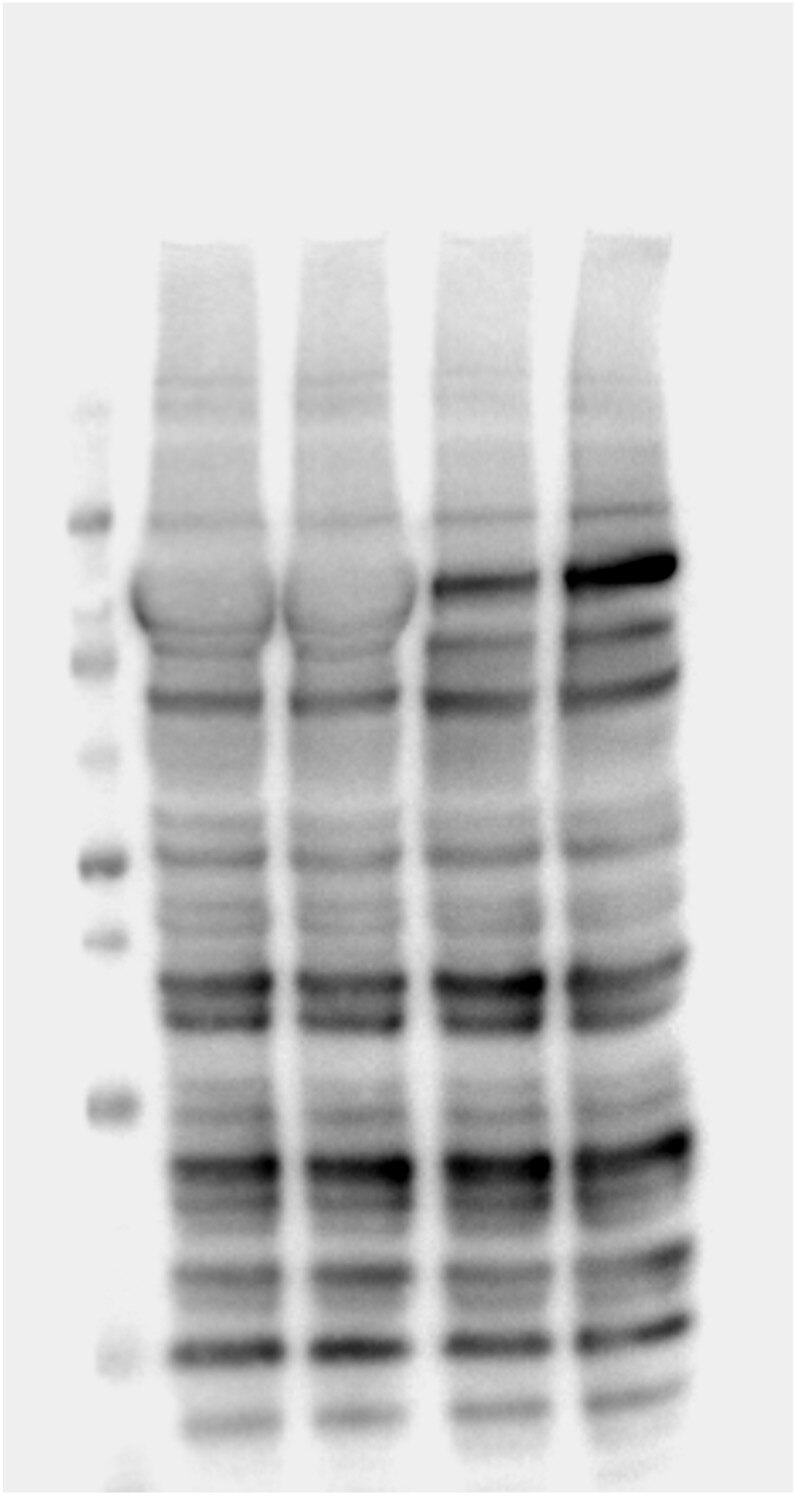
The single review for this product is negative, rated 1 out of 5. The reviewer reported that the antibody did not work in their experiments, producing non-specific bands when used at a 1:500 dilution on heart/cardiomyocyte samples for both Western Blot and Immunohistochemistry applications.
The reviews below have been submitted by verified Proteintech customers who received an incentive for providing their feedback.
Jane (Verified Customer) (01-07-2022) | No working, non specific bands.
 |











