


Tested Applications
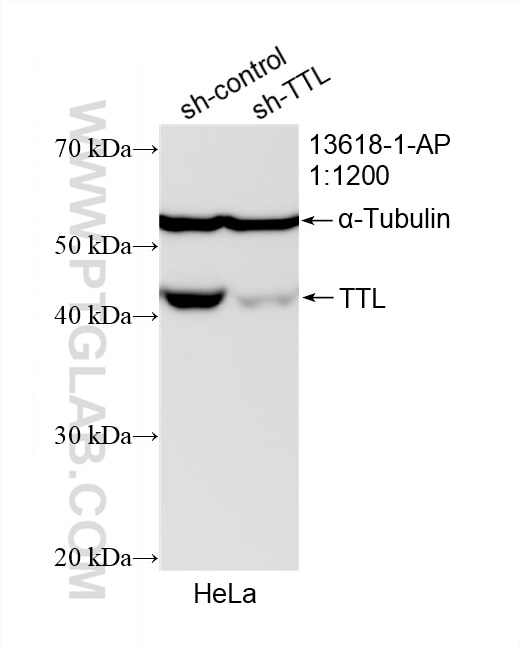
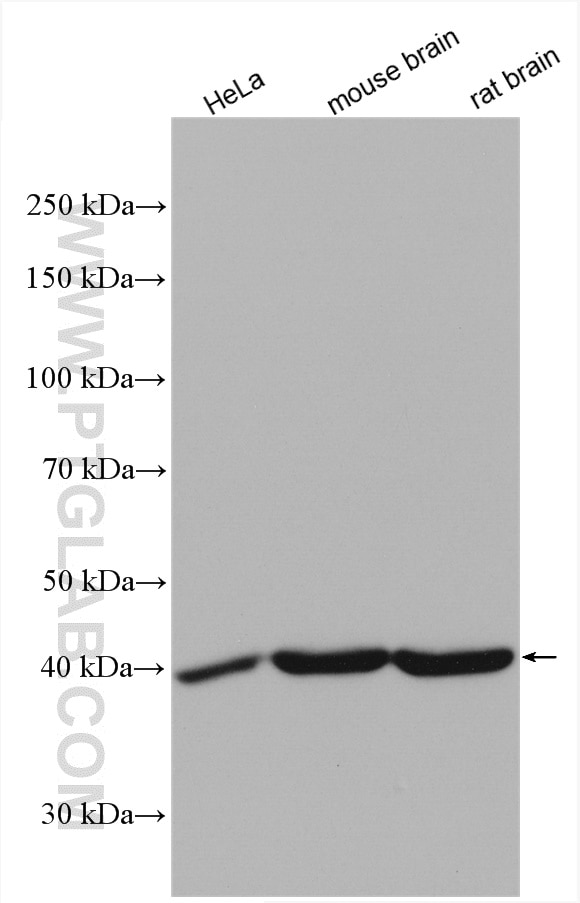
| Positive WB detected in | HeLa cells, mouse brain, rat brain |
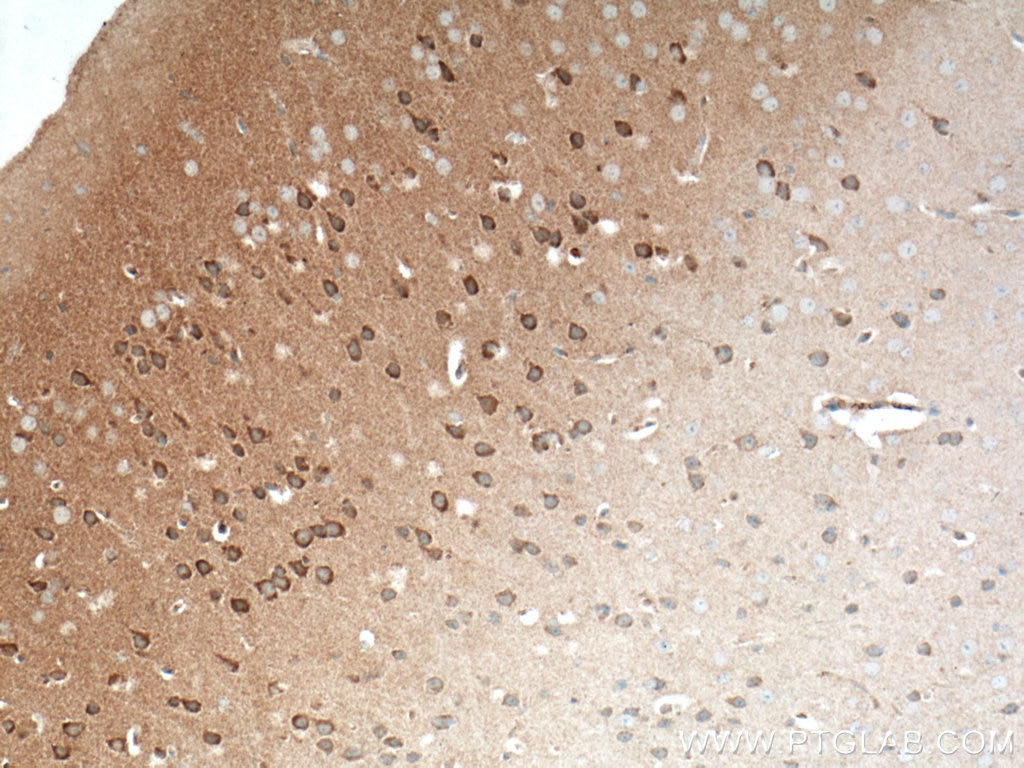
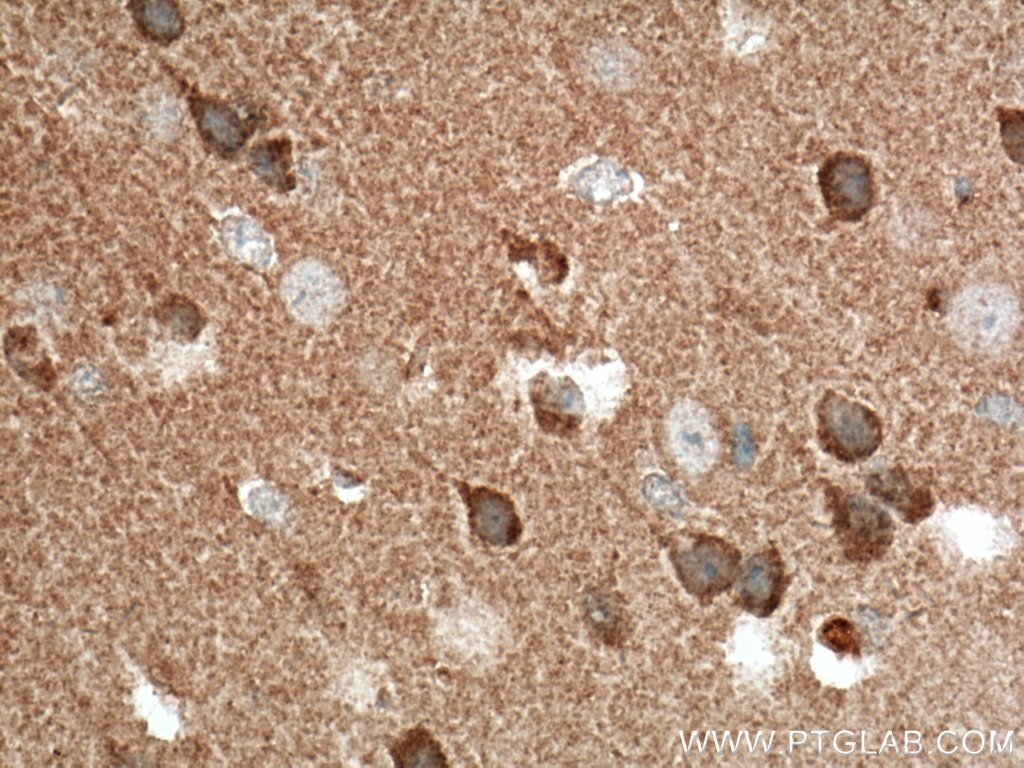
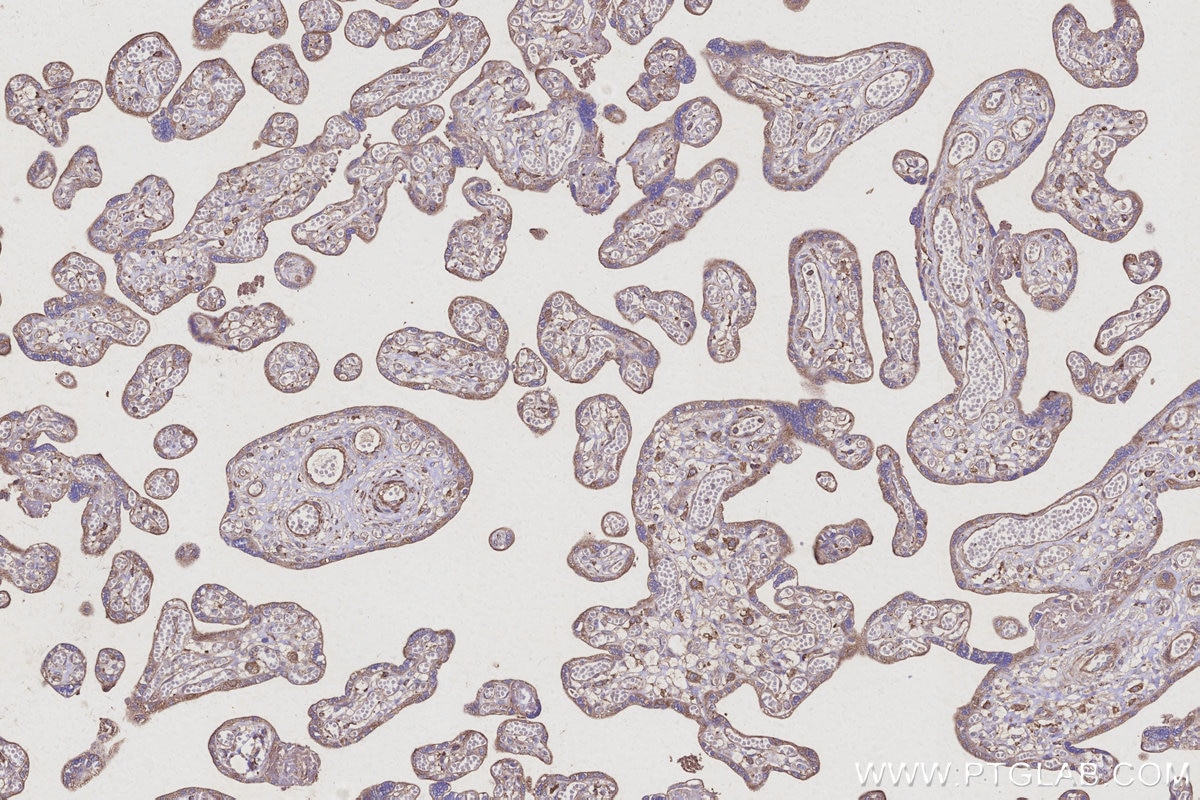
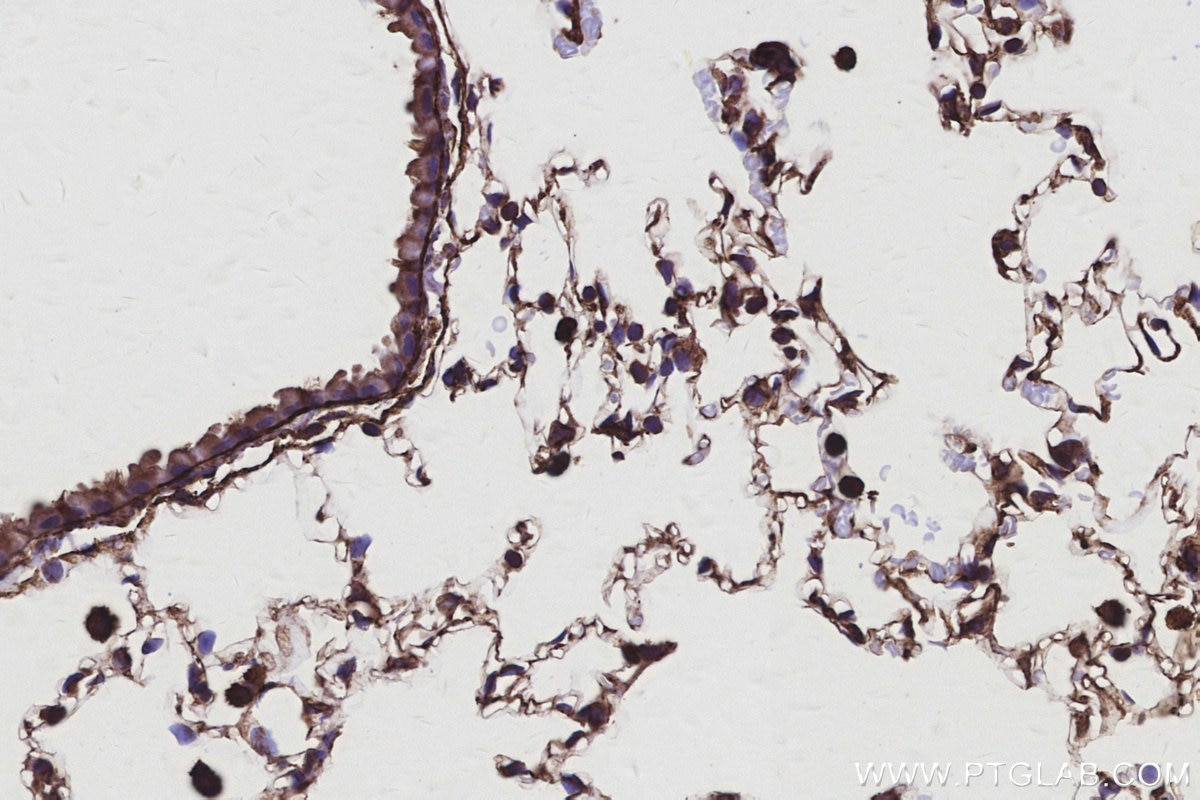
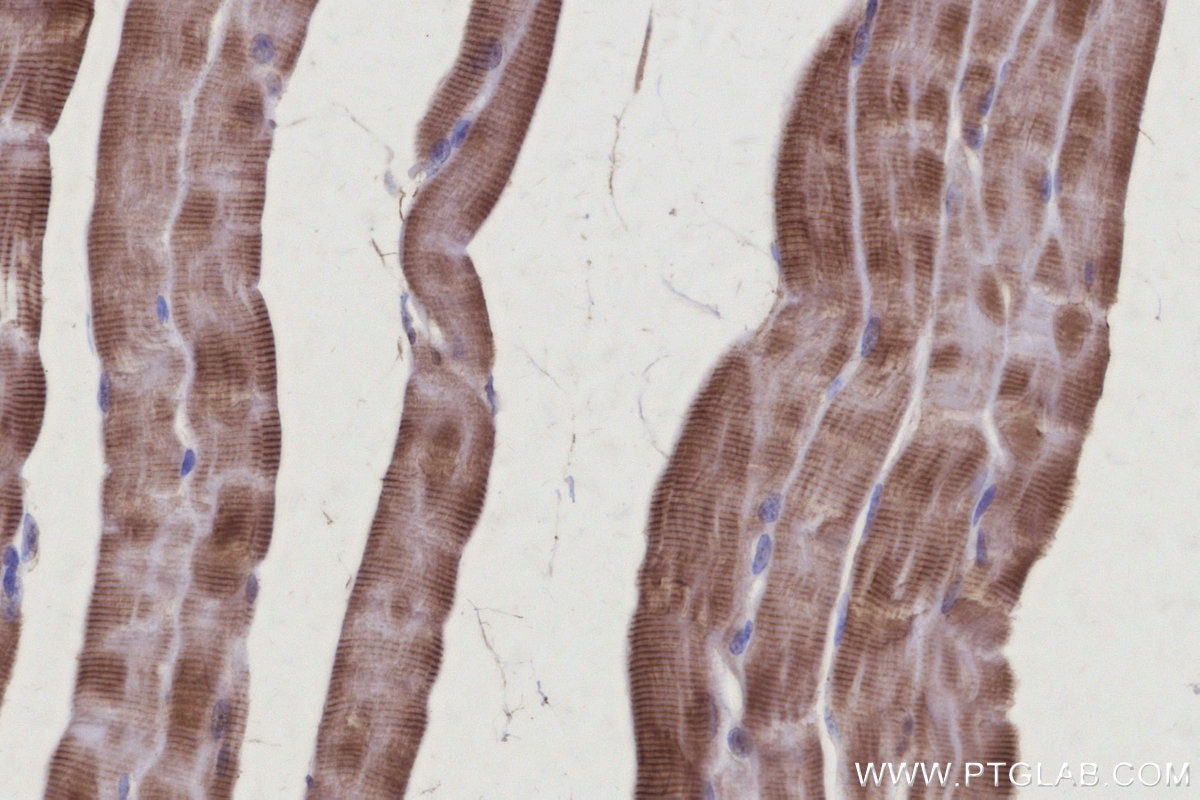
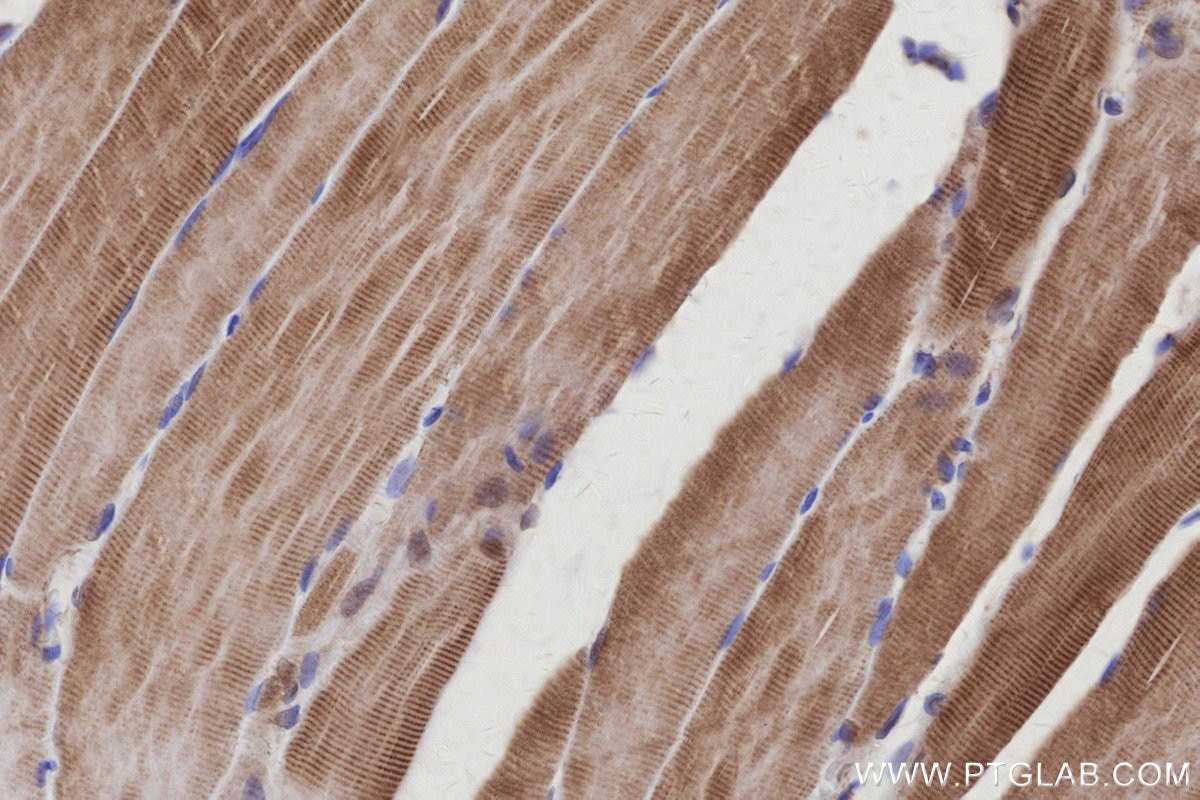
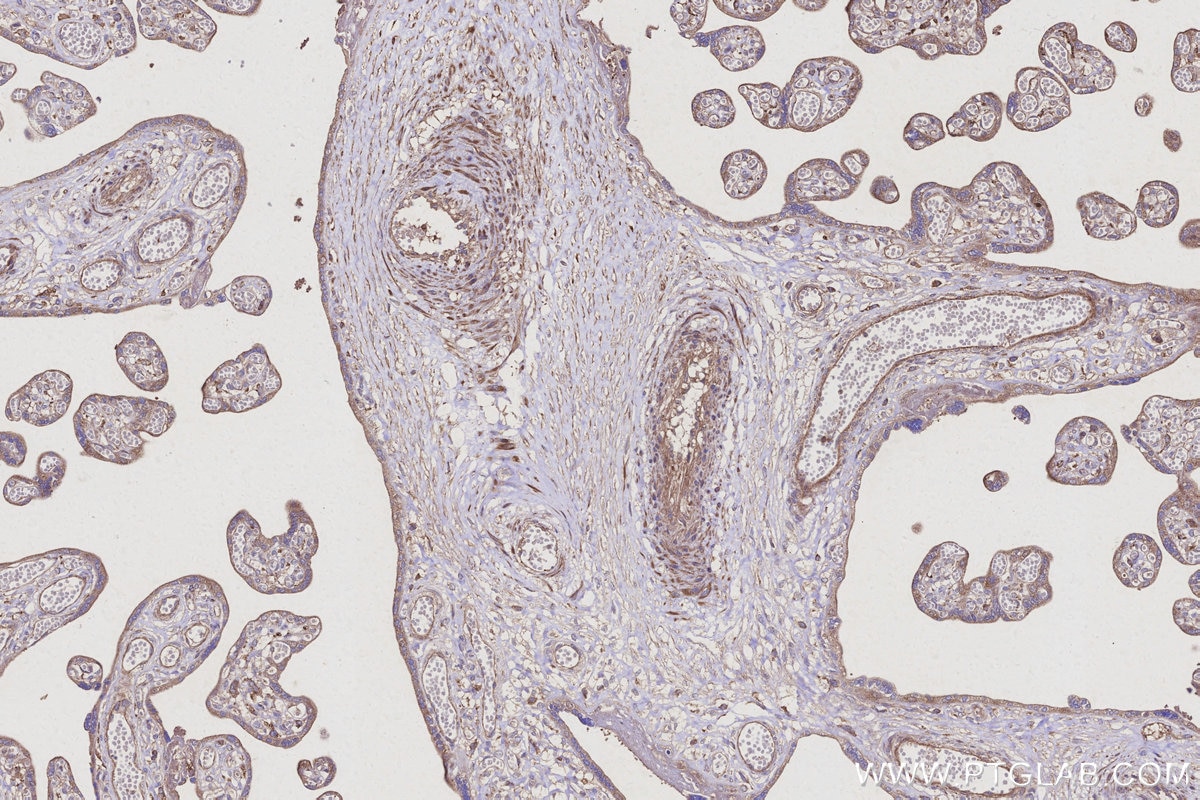
| Positive IHC detected in | mouse brain tissue, rat lung tissue, human placenta tissue, mouse lung tissue, rat skeletal muscle tissue, mouse skeletal muscle tissue Note: suggested antigen retrieval with TE buffer pH 9.0; (*) Alternatively, antigen retrieval may be performed with citrate buffer pH 6.0 |
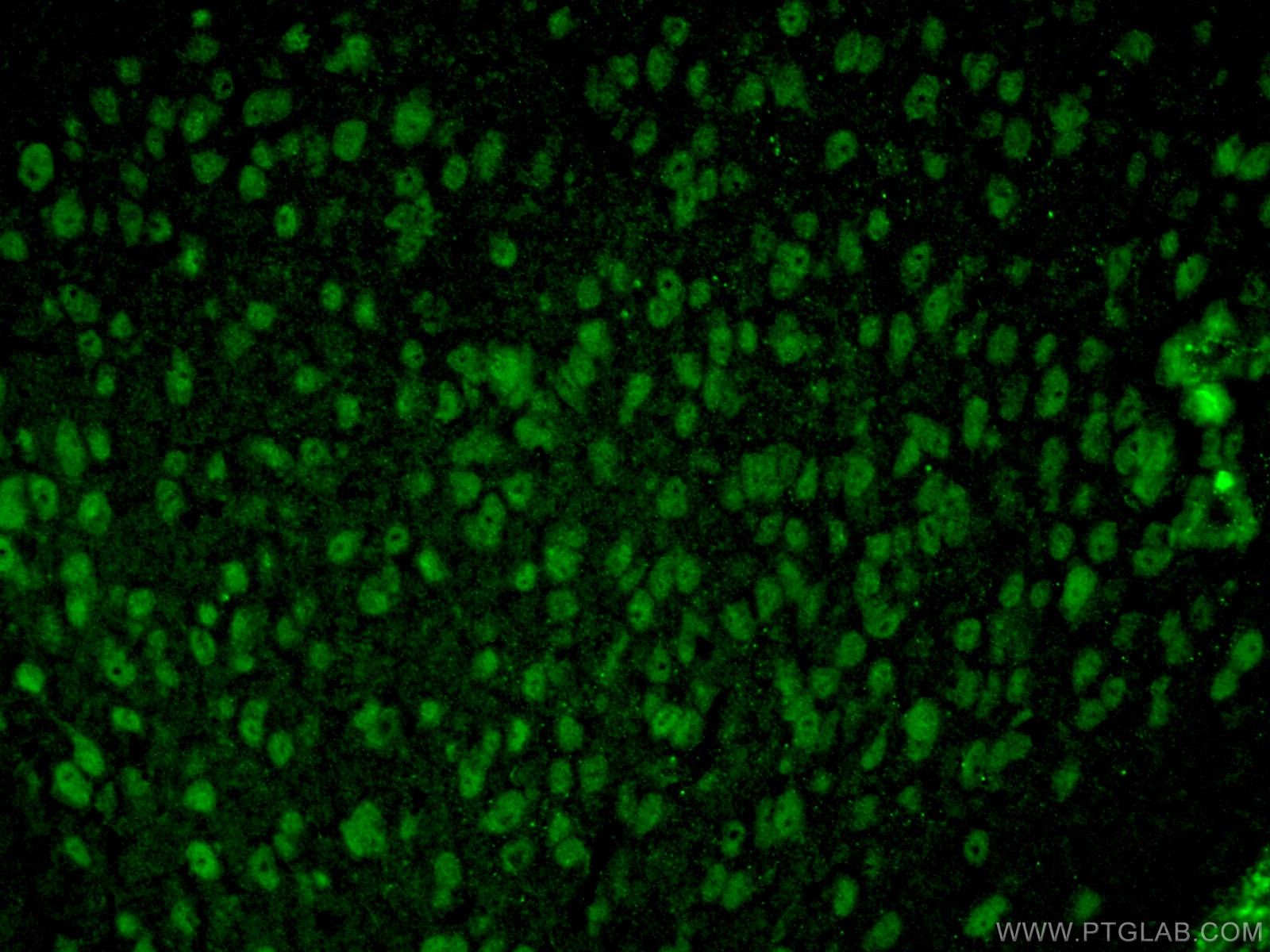
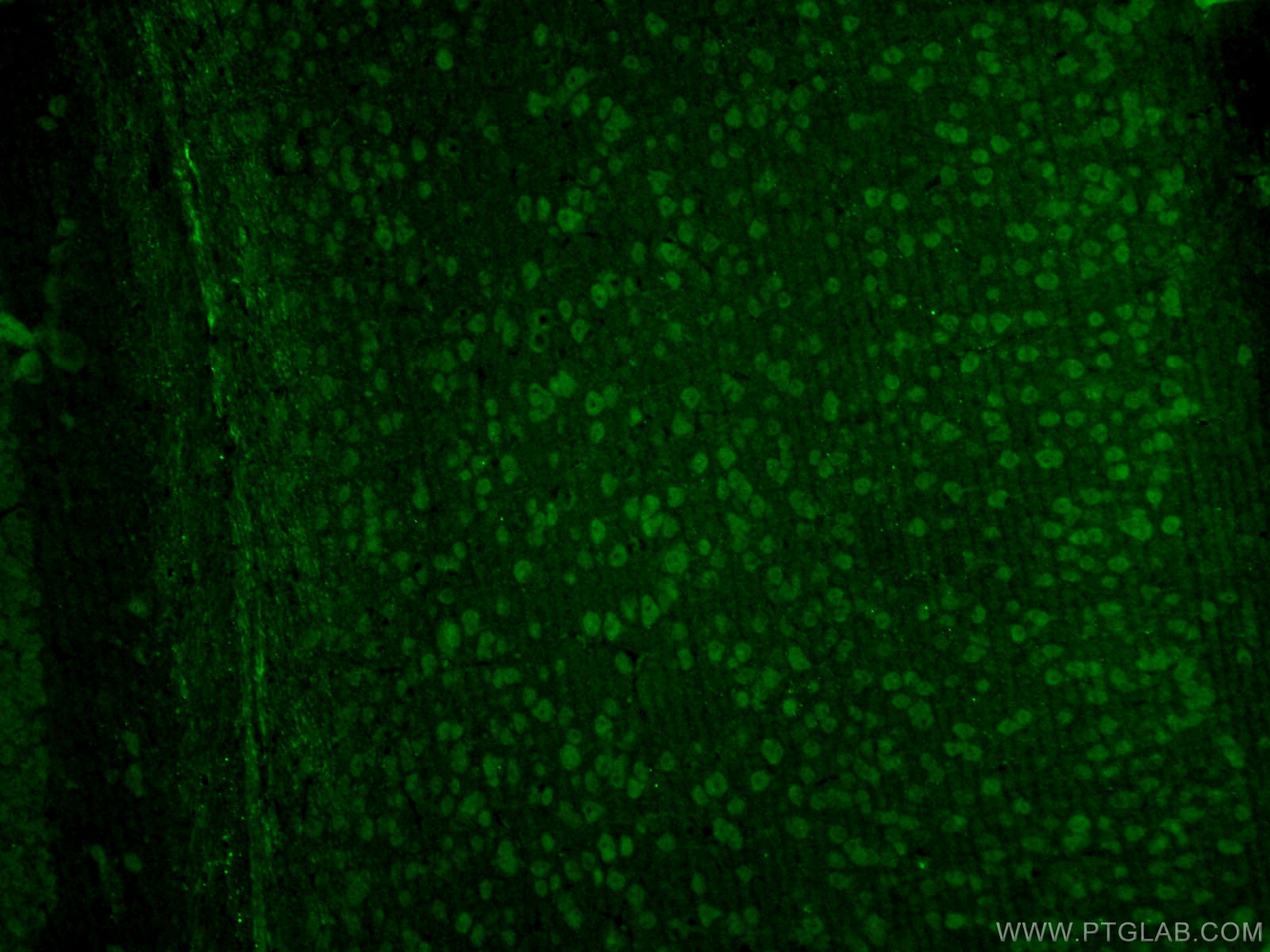
| Positive IF-P detected in | mouse brain tissue |
Recommended dilution
| Application | Dilution |
|---|---|
| Western Blot (WB) | WB : 1:1000-1:4000 |
| Immunohistochemistry (IHC) | IHC : 1:50-1:500 |
| Immunofluorescence (IF)-P | IF-P : 1:50-1:500 |
| It is recommended that this reagent should be titrated in each testing system to obtain optimal results. | |
| Sample-dependent, Check data in validation data gallery. | |
Product Information
13618-1-AP targets TTL in WB, IHC, IF-P, ELISA applications and shows reactivity with human, mouse, rat samples.
| Tested Reactivity | human, mouse, rat |
| Cited Reactivity | human, mouse, rat, canine |
| Host / Isotype | Rabbit / IgG |
| Class | Polyclonal |
| Type | Antibody |
| Immunogen |
CatNo: Ag4526 Product name: Recombinant human TTL protein Source: e coli.-derived, PGEX-4T Tag: GST Domain: 1-377 aa of BC036819 Sequence: MYTFVVRDENSSVYAEVSRLLLATGHWKRLRRDNPRFNLMLGERNRLPFGRLGHEPGLVQLVNYYRGADKLCRKASLVKLIKTSPELAESCTWFPESYVIYPTNLKTPVAPAQNGIQPPISNSRTDEREFFLASYNRKKEDGEGNVWIAKSSAGAKGEGILISSEASELLDFIDNQGQVHVIQKYLEHPLLLEPGHRKFDIRSWVLVDHQYNIYLYREGVLRTASEPYHVDNFQDKTCHLTNHCIQKEYSKNYGKYEEGNEMFFKEFNQYLTSALNITLESSILLQIKHIIRNCLLSVEPAISTKHLPYQSFQLFGFDFMVDEELKVWLIEVNGAPACAQKLYAELCQGIVDIAISSVFPPPDVEQPQTQPAAFIKL Predict reactive species |
| Full Name | tubulin tyrosine ligase |
| Calculated Molecular Weight | 377 aa, 43 kDa |
| Observed Molecular Weight | 43-45 kDa |
| GenBank Accession Number | BC036819 |
| Gene Symbol | TTL |
| Gene ID (NCBI) | 150465 |
| RRID | AB_2256858 |
| Conjugate | Unconjugated |
| Form | Liquid |
| Purification Method | Antigen affinity purification |
| UNIPROT ID | Q8NG68 |
| Storage Buffer | PBS with 0.02% sodium azide and 50% glycerol, pH 7.3. |
| Storage Conditions | Store at -20°C. Stable for one year after shipment. Aliquoting is unnecessary for -20oC storage. 20ul sizes contain 0.1% BSA. |
Background Information
Tubulin-tyrosine ligase (TTL) is the enzyme responsible for the reversible addition of a tyrosine residue at the carboxyl end of alpha-tubulin. TTL forms stable complexes with tubulin and inhibit tubulin polymerization. TTL is frequently suppressed during tumor progression with resulting accumulation of detyrosinated alpha-tubulin in tumor cells. TTL suppression in human cancers is associated with increased tumor aggressiveness.
Protocols
| Product Specific Protocols | |
|---|---|
| IF protocol for TTL antibody 13618-1-AP | Download protocol |
| IHC protocol for TTL antibody 13618-1-AP | Download protocol |
| WB protocol for TTL antibody 13618-1-AP | Download protocol |
| Standard Protocols | |
|---|---|
| Click here to view our Standard Protocols |
Publications
What published studies show
13618-1-AP is a rabbit monoclonal antibody against detyrosinated α-tubulin with 35 total citations. Publications span journals including Nature, Science, Nature Medicine, Nature Communications, Circulation Research, Journal of Cell Biology, PNAS, and Brain. Associated research fields include cardiology (heart failure, cardiac hypertrophy), neurodegeneration (Alzheimer's disease, spinal muscular atrophy, Charcot-Marie-Tooth disease), cell biology (mitosis, microtubule dynamics), cancer biology, and epithelial development.
| Species | Application | Title |
|---|---|---|
Nat Med Suppression of detyrosinated microtubules improves cardiomyocyte function in human heart failure. | ||
Reviews
What customers say
One verified review was submitted by Wei Feng on May 11, 2022. The reviewer used this antibody for Western Blot on mouse heart tissue (Lot 00059821) and gave it a perfect 5-star rating. The comment noted that the antibody detected multiple bands corresponding to different isoforms, indicating broad reactivity across protein variants. Overall, the single review reflects a positive experience with strong performance in WB applications.
The reviews below have been submitted by verified Proteintech customers who received an incentive for providing their feedback.
WEI (Verified Customer) (05-11-2022) | Multiple bands corresponding to different isoforms.
|













