

Tested Applications
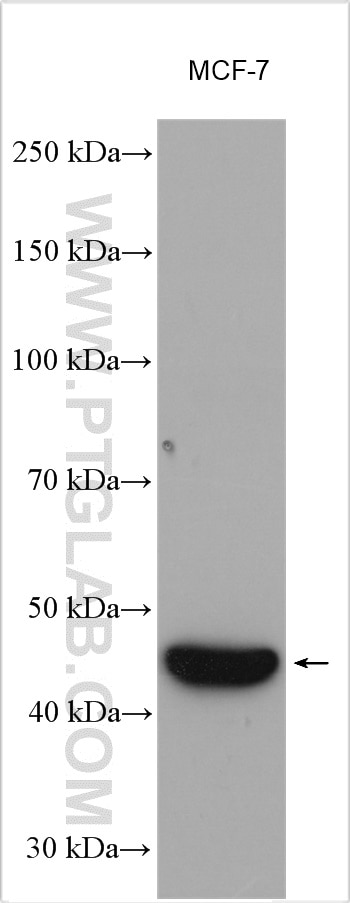
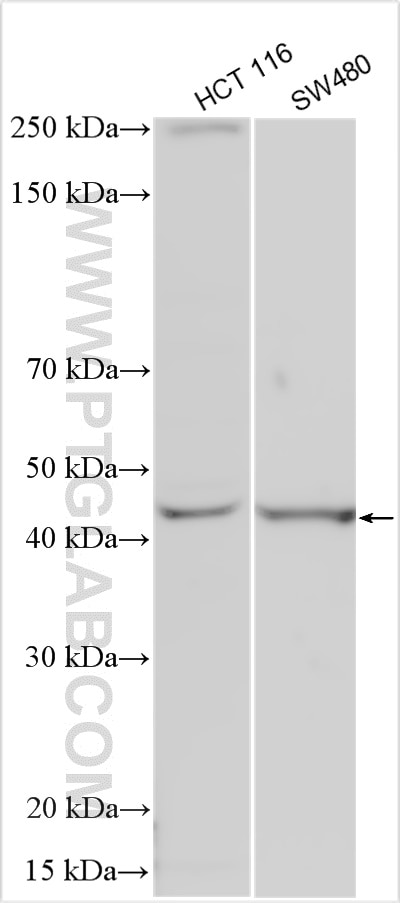
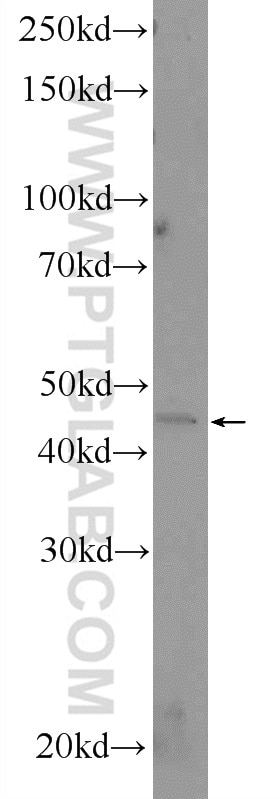
| Positive WB detected in | MCF-7 cells, RAW 264.7 cells, HCT 116 cells, SW480 cells |
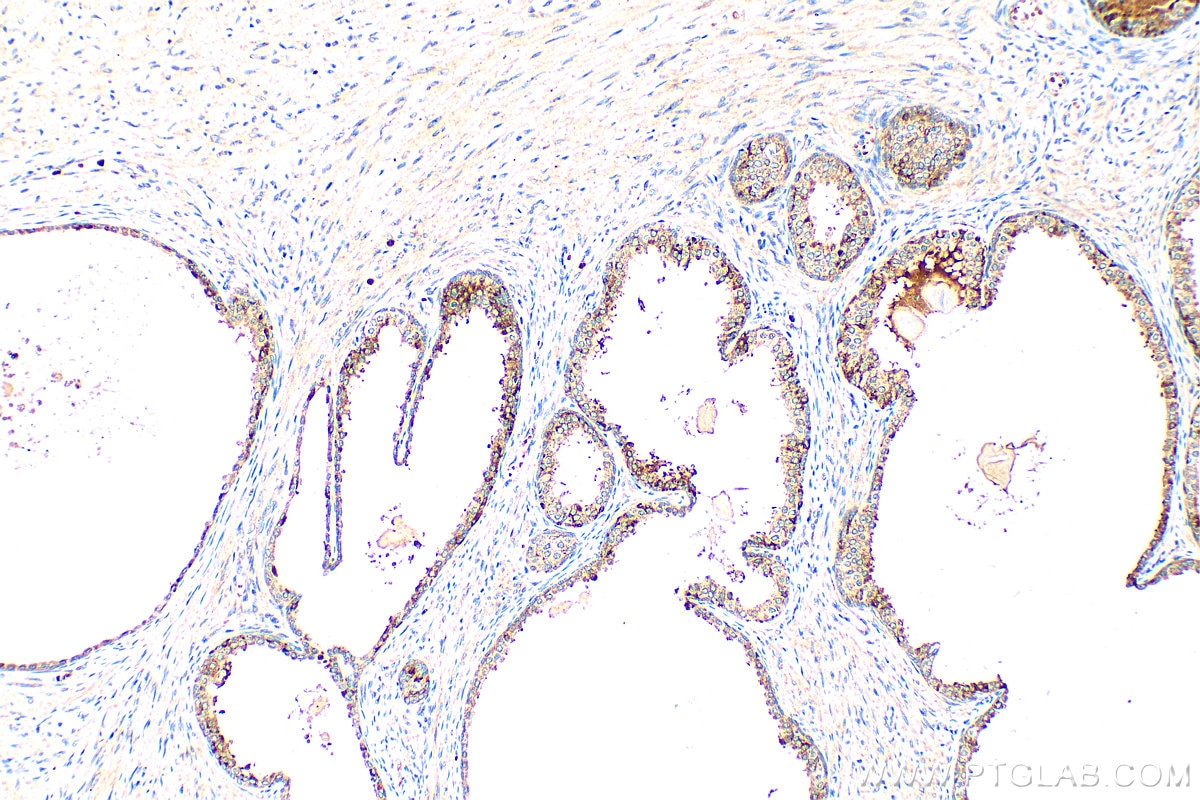
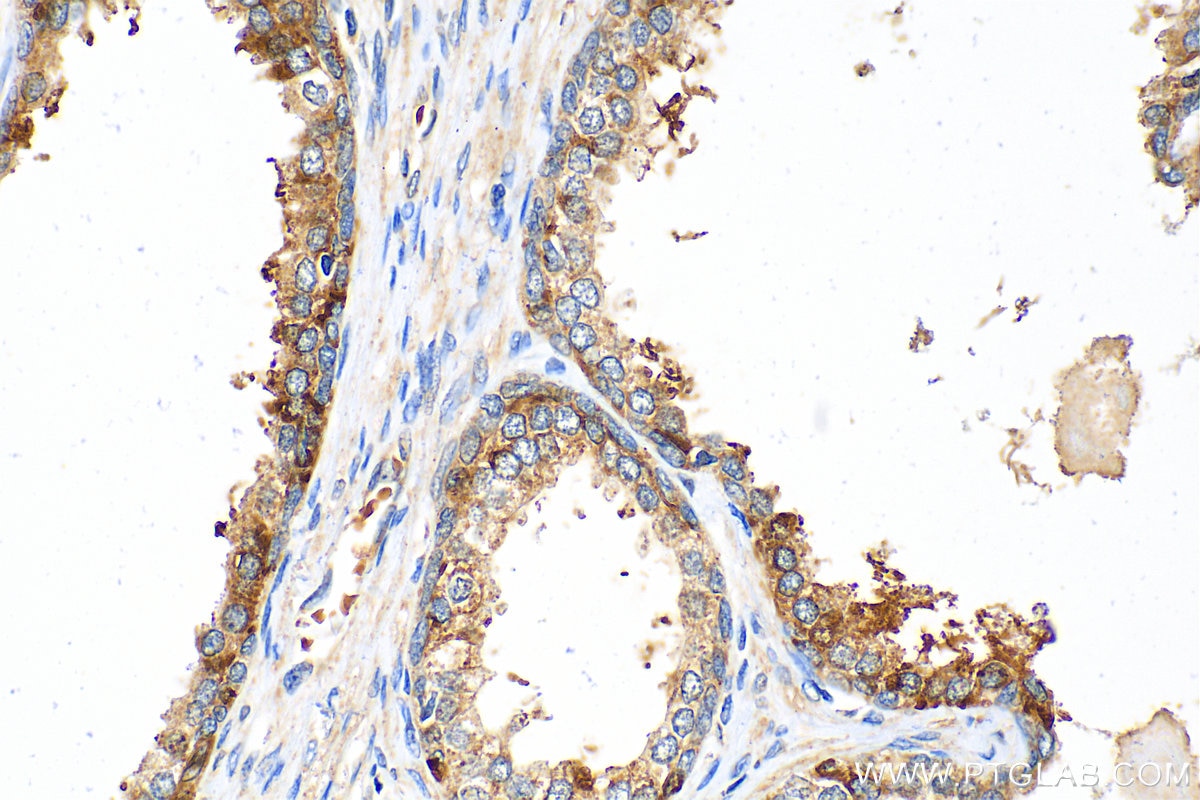
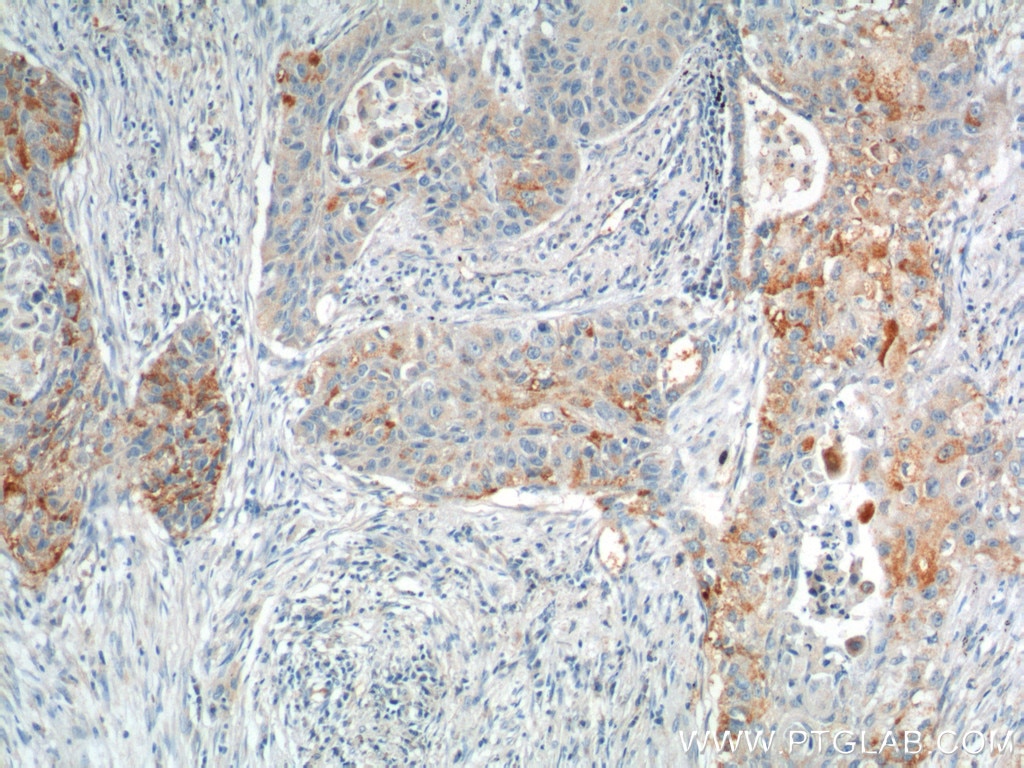
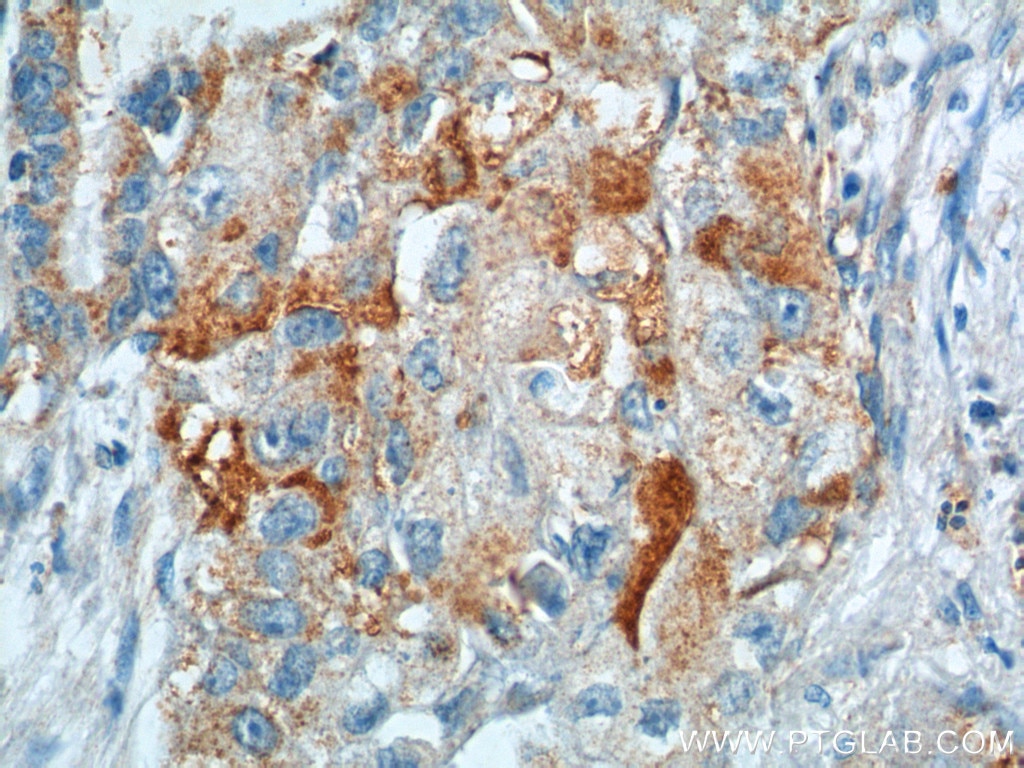
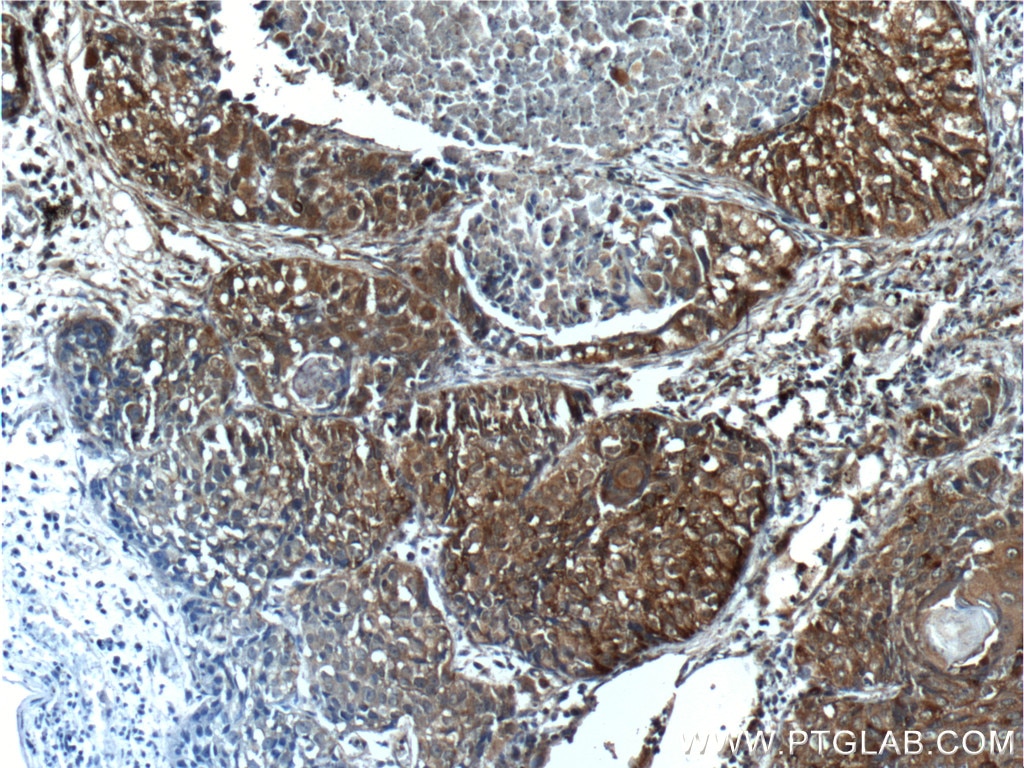
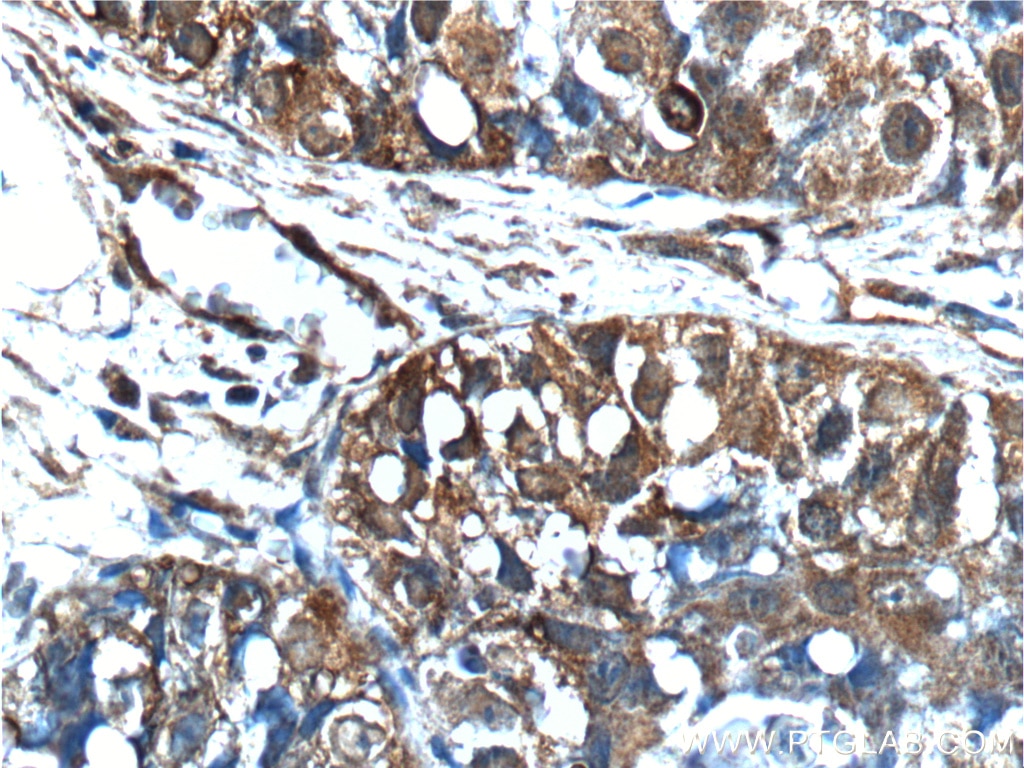
| Positive IHC detected in | human prostate cancer tissue, human lung cancer tissue Note: suggested antigen retrieval with TE buffer pH 9.0; (*) Alternatively, antigen retrieval may be performed with citrate buffer pH 6.0 |
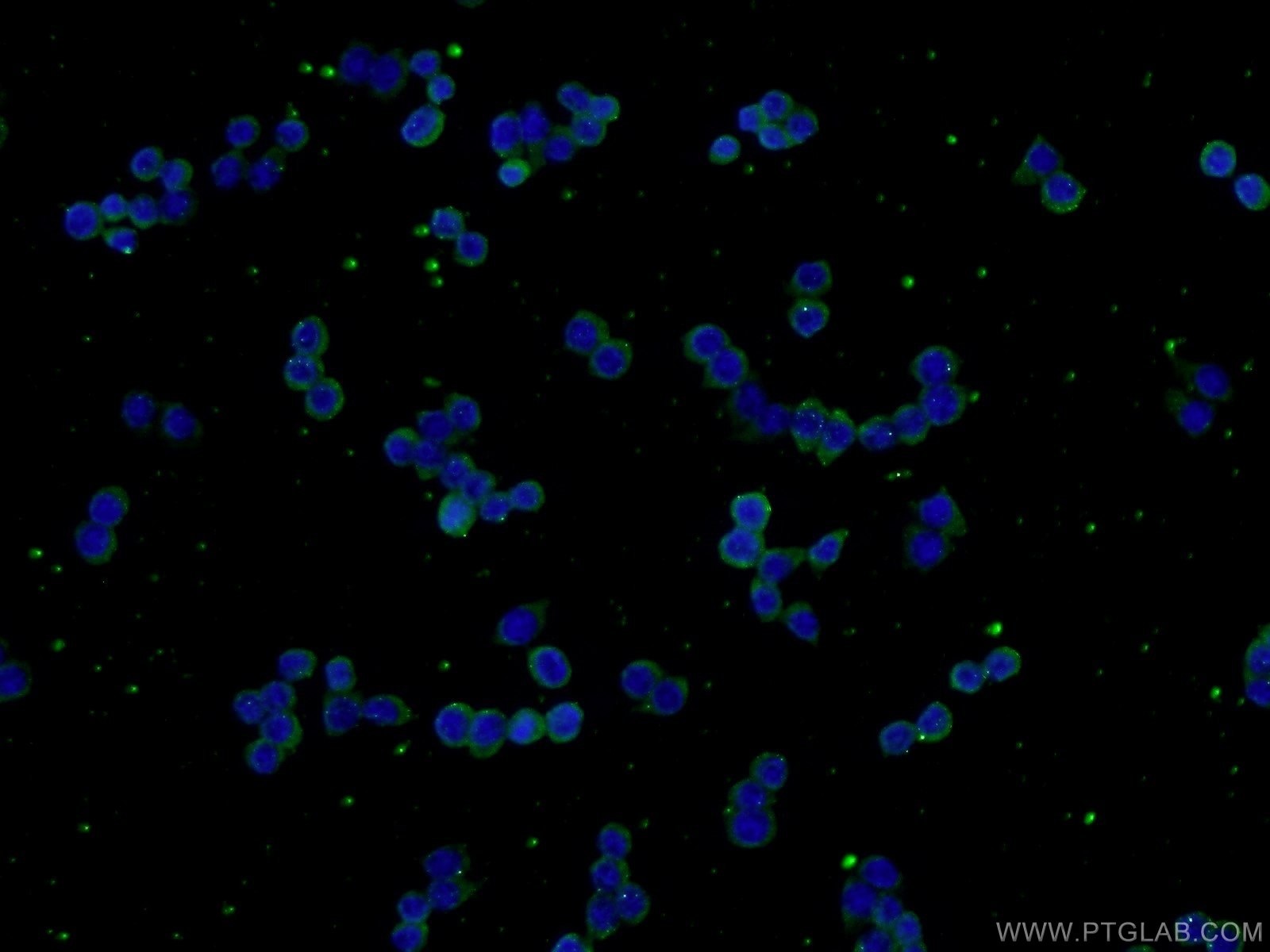
| Positive IF/ICC detected in | RAW 264.7 cells |
Recommended dilution
| Application | Dilution |
|---|---|
| Western Blot (WB) | WB : 1:500-1:2000 |
| Immunohistochemistry (IHC) | IHC : 1:50-1:500 |
| Immunofluorescence (IF)/ICC | IF/ICC : 1:20-1:200 |
| It is recommended that this reagent should be titrated in each testing system to obtain optimal results. | |
| Sample-dependent, Check data in validation data gallery. | |
Product Information
22601-1-AP targets VEGF-C in WB, IHC, IF/ICC, IP, ELISA applications and shows reactivity with human, mouse samples.
| Tested Reactivity | human, mouse |
| Cited Reactivity | human, mouse, rat |
| Host / Isotype | Rabbit / IgG |
| Class | Polyclonal |
| Type | Antibody |
| Immunogen |
CatNo: Ag18182 Product name: Recombinant human VEGFC protein Source: e coli.-derived, PET28a Tag: 6*His Domain: 179-228 aa of BC035212 Sequence: SYLSKTLFEITVPLSQGPKPVTISFANHTSCRCMSKLDVYRQVHSIIRRS Predict reactive species |
| Full Name | vascular endothelial growth factor C |
| Calculated Molecular Weight | 419 aa, 47 kDa |
| Observed Molecular Weight | 47 kDa |
| GenBank Accession Number | BC035212 |
| Gene Symbol | VEGFC |
| Gene ID (NCBI) | 7424 |
| RRID | AB_2879132 |
| Conjugate | Unconjugated |
| Form | Liquid |
| Purification Method | Antigen affinity purification |
| UNIPROT ID | P49767 |
| Storage Buffer | PBS with 0.02% sodium azide and 50% glycerol, pH 7.3. |
| Storage Conditions | Store at -20°C. Stable for one year after shipment. Aliquoting is unnecessary for -20oC storage. 20ul sizes contain 0.1% BSA. |
Background Information
VEGFC is a member of the platelet-derived growth factor / vascular endothelial growth factor (PDGF/VEGF) family. The main function of VEGFC is to promote the growth of lymphatic vessels (lymphangiogenesis). It acts on lymphatic endothelial cells (LECs) primarily via its receptor VEGFR-3 promoting survival, growth, and migration.
Protocols
| Product Specific Protocols | |
|---|---|
| IF protocol for VEGF-C antibody 22601-1-AP | Download protocol |
| IHC protocol for VEGF-C antibody 22601-1-AP | Download protocol |
| WB protocol for VEGF-C antibody 22601-1-AP | Download protocol |
| Standard Protocols | |
|---|---|
| Click here to view our Standard Protocols |
Publications
What published studies show
Anti-VEGF-C antibody (Cat# 22601-1-AP) has 57 citations published in journals including Cancer Cell, Nature Immunology, Molecular Cancer, Advanced Science, Oncogene, Current Biology, FASEB Journal, and Clinical Translational Medicine. Research fields span lymphangiogenesis, angiogenesis, tumor metastasis (gastric, breast, thyroid, colorectal, pancreatic, lung cancers), wound healing, cardiac dysfunction, diabetic complications, and inflammatory diseases.
| Species | Application | Title |
|---|---|---|
Mol Cancer Epigenetically upregulated oncoprotein PLCE1 drives esophageal carcinoma angiogenesis and proliferation via activating the PI-PLCε-NF-κB signaling pathway and VEGF-C/ Bcl-2 expression. | ||
Nat Immunol Sparcl1 mitigates abdominal aortic aneurysm through inhibiting lymphangiogenesis-mediated TLS formation | ||
J Extracell Vesicles DUSP2 regulates extracellular vesicle-VEGF-C secretion and pancreatic cancer early dissemination. | ||
Theranostics Transcriptional Downregulation of miR-4306 serves as a New Therapeutic Target for Triple Negative Breast Cancer. | ||
Adv Sci (Weinh) Single-Cell RNA Sequencing Reveals the Heterogeneity in Differentiation Trajectory and Tumor Microenvironment Leading to More Aggressive Phenotypes of Papillary Thyroid Cancer in Children and Young Adult Patients |
Reviews
What customers say
Two reviewers shared experiences with this antibody. One user reported successful immunofluorescence staining of mouse embryo sections at a 1:50 dilution, noting clear signal and low background. Another user reported no visible bands in Western Blot on ARPE-19 cells at 1:500 dilution and cautioned that this may not reflect performance in other sample types. Overall, results appear application- and sample-dependent, with strong IF performance but limited WB success in the reported case.
The reviews below have been submitted by verified Proteintech customers who received an incentive for providing their feedback.
Guorong (Verified Customer) (11-22-2022) | No bands were observed. Does not represent the performance in other kind of samples
|
hongxuan (Verified Customer) (11-12-2018) | we can detect the obvious signals in the embryo sections by using this primary antibody at a dilution of 1:50. Moreover, the background is very clear. Please forgive me that I cannot upload the files due to it's unpublished data.Thank you very much for you product.
|











