

Tested Applications
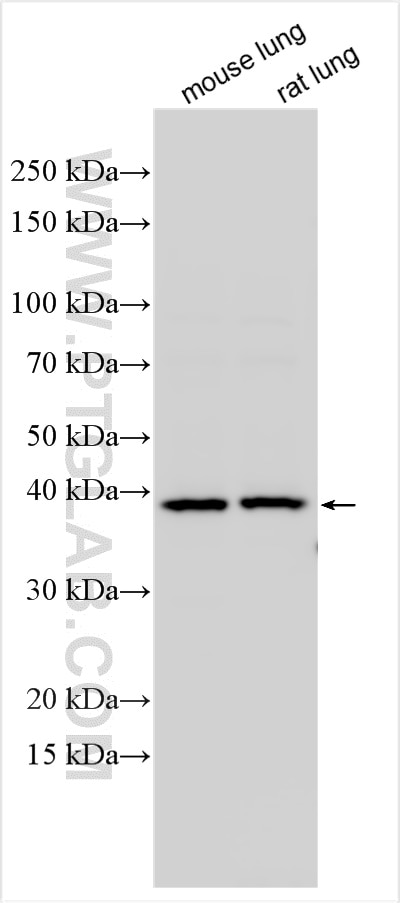
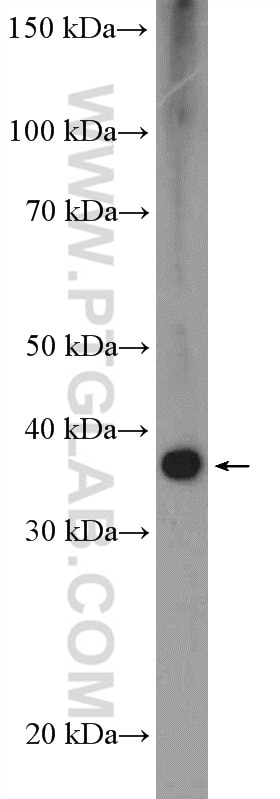
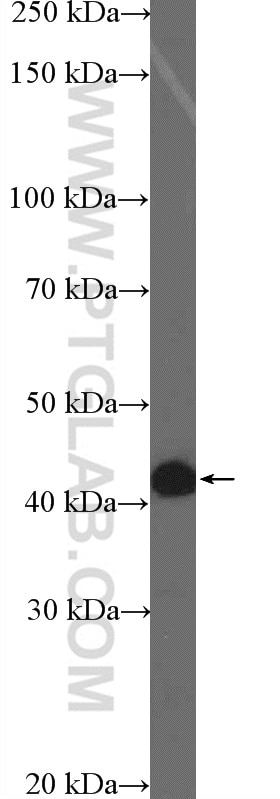
| Positive WB detected in | mouse lung tissue, A549 cells, rat lung tissue |
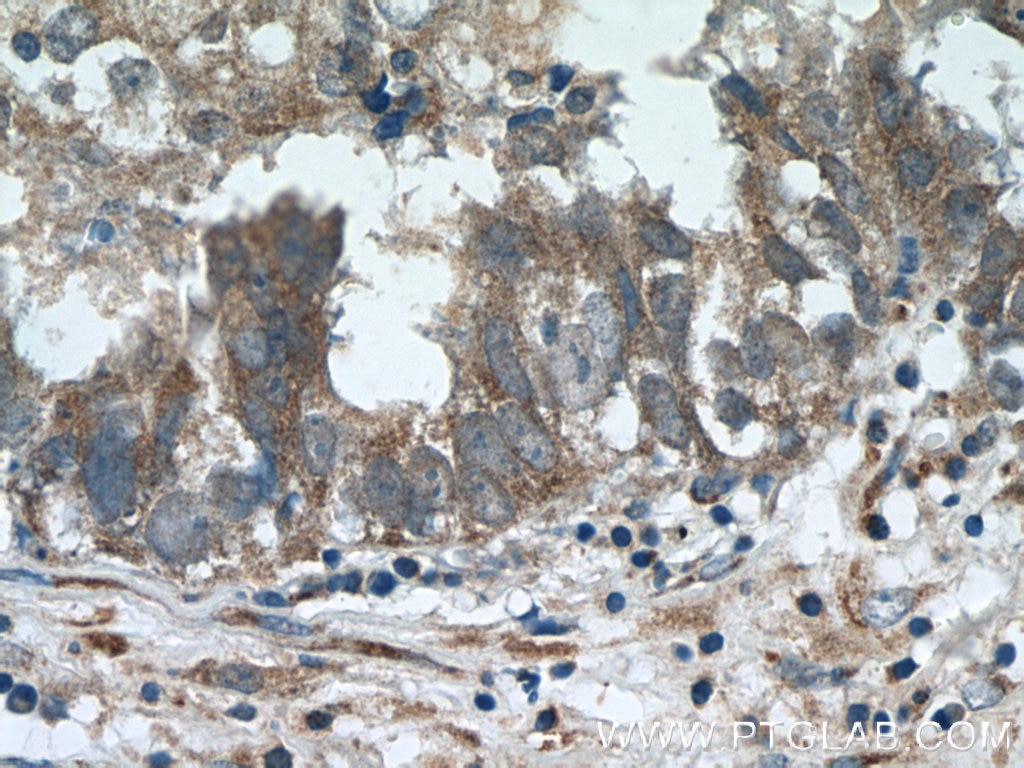
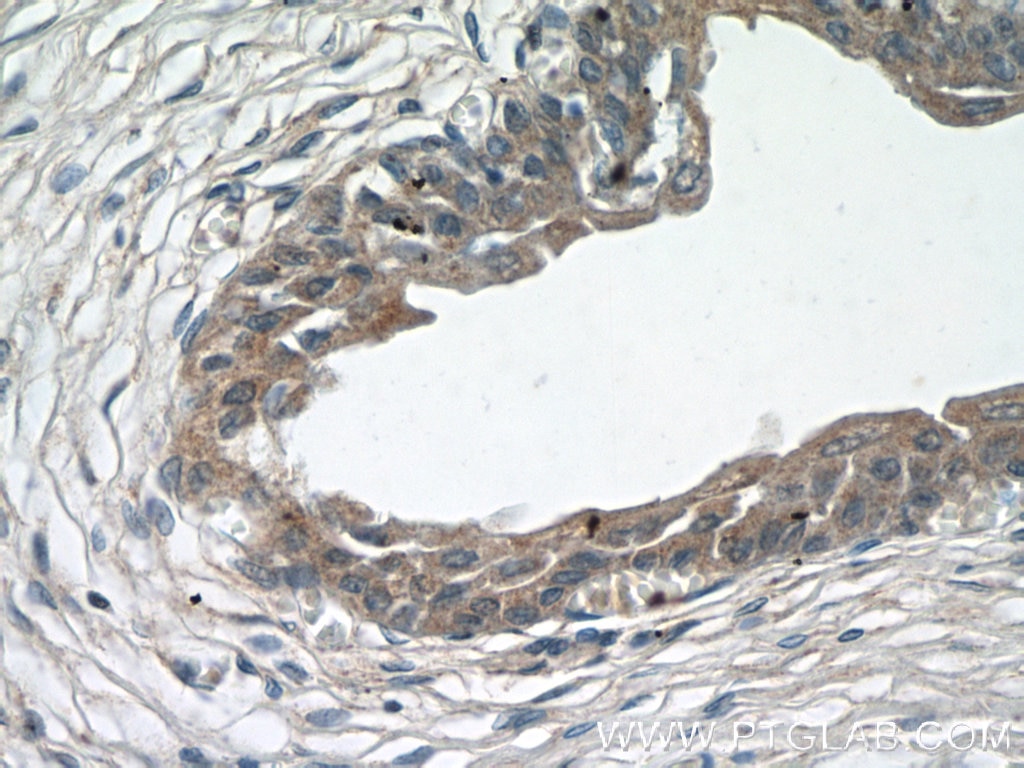
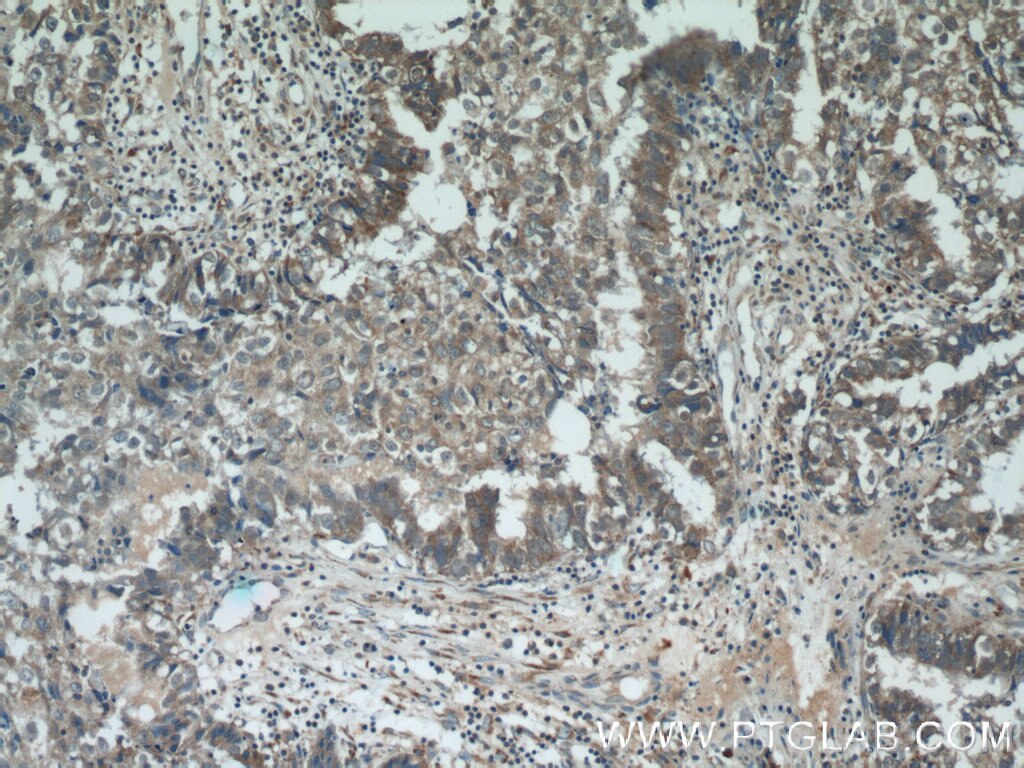
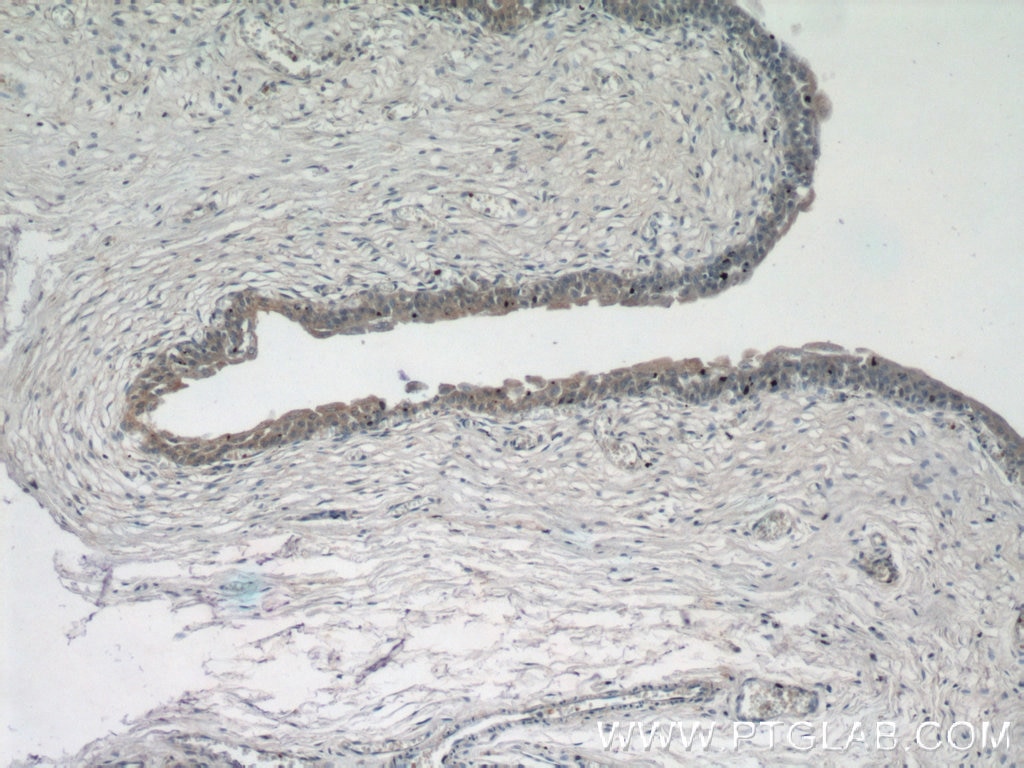
| Positive IHC detected in | human breast cancer tissue, human bladder tissue Note: suggested antigen retrieval with TE buffer pH 9.0; (*) Alternatively, antigen retrieval may be performed with citrate buffer pH 6.0 |
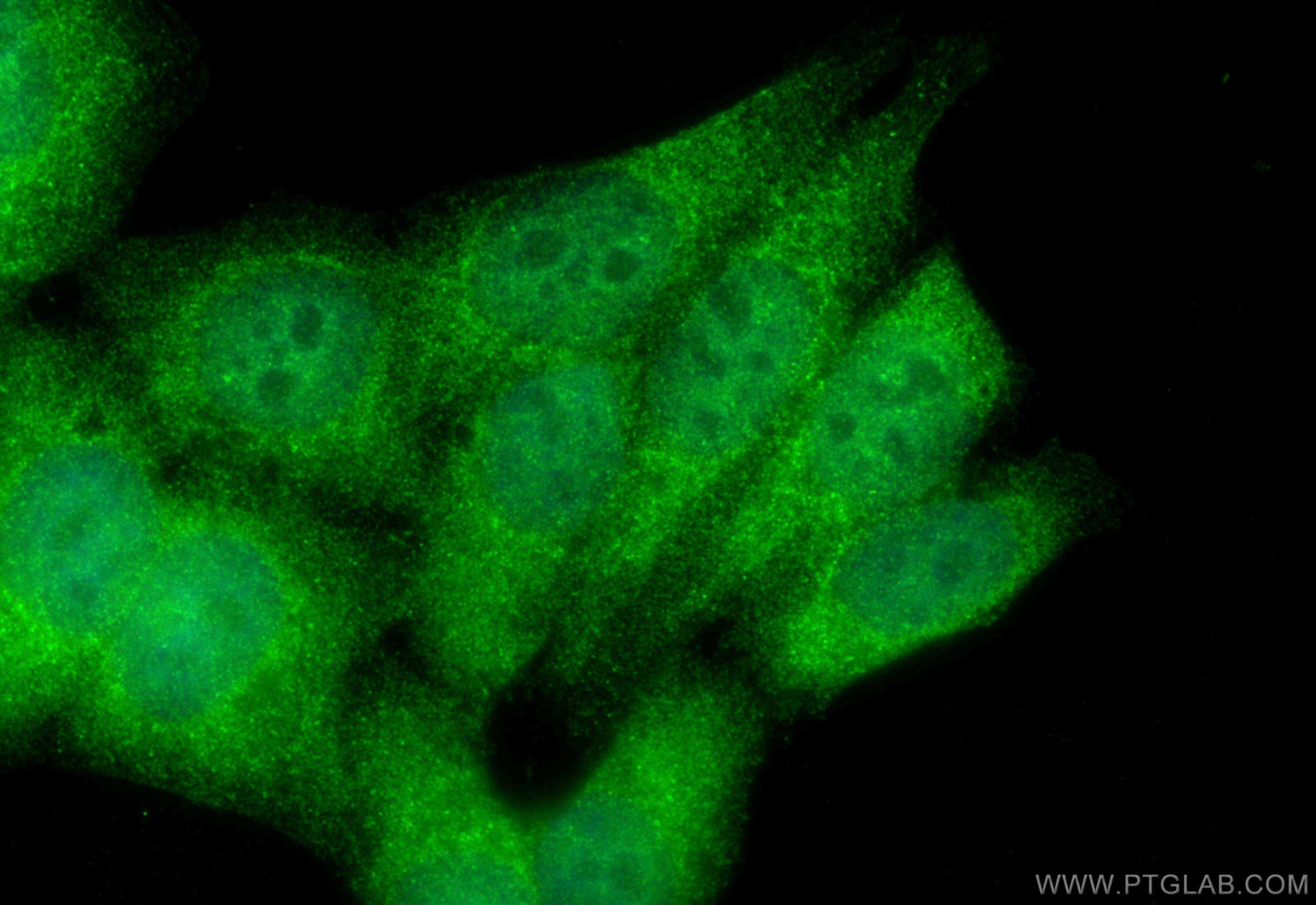
| Positive IF/ICC detected in | HepG2 cells |
Recommended dilution
| Application | Dilution |
|---|---|
| Western Blot (WB) | WB : 1:500-1:3000 |
| Immunohistochemistry (IHC) | IHC : 1:20-1:200 |
| Immunofluorescence (IF)/ICC | IF/ICC : 1:50-1:500 |
| It is recommended that this reagent should be titrated in each testing system to obtain optimal results. | |
| Sample-dependent, Check data in validation data gallery. | |
Product Information
12737-1-AP targets ZFP36 in WB, IHC, IF/ICC, CoIP, RIP, ELISA applications and shows reactivity with human, mouse, rat samples.
| Tested Reactivity | human, mouse, rat |
| Cited Reactivity | human, mouse, rat |
| Host / Isotype | Rabbit / IgG |
| Class | Polyclonal |
| Type | Antibody |
| Immunogen |
CatNo: Ag3461 Product name: Recombinant human ZFP36 protein Source: e coli.-derived, PGEX-4T Tag: GST Domain: 1-326 aa of BC009693 Sequence: MDLTAIYESLLSLSPDVPVPSDHGGTESSPGWGSSGPWSLSPSDSSPSGVTSRLPGRSTSLVEGRSCGWVPPPPGFAPLAPRLGPELSPSPTSPTATSTTPSRYKTELCRTFSESGRCRYGAKCQFAHGLGELRQANRHPKYKTELCHKFYLQGRCPYGSRCHFIHNPSEDLAAPGHPPVLRQSISFSGLPSGRRTSPPPPGLAGPSLSSSSFSPSSSPPPPGDLPLSPSAFSAAPGTPLARRDPTPVCCPSCRRATPISVWGPLGGLVRTPSVQSLGSDPDEYASSGSSLGGSDSPVFEAGVFAPPQPVAAPRRLPIFNRISVSE Predict reactive species |
| Full Name | zinc finger protein 36, C3H type, homolog (mouse) |
| Calculated Molecular Weight | 326 aa, 34 kDa |
| Observed Molecular Weight | 37-44 kDa |
| GenBank Accession Number | BC009693 |
| Gene Symbol | ZFP36 |
| Gene ID (NCBI) | 7538 |
| RRID | AB_10598485 |
| Conjugate | Unconjugated |
| Form | Liquid |
| Purification Method | Antigen affinity purification |
| UNIPROT ID | P26651 |
| Storage Buffer | PBS with 0.02% sodium azide and 50% glycerol, pH 7.3. |
| Storage Conditions | Store at -20°C. Stable for one year after shipment. Aliquoting is unnecessary for -20oC storage. 20ul sizes contain 0.1% BSA. |
Background Information
The expression of many cytokines is regulated post-transcriptionally by factors that modulate mRNA transport, translation, and stability. Much of this regulation occurs by the binding and stabilizing, or destabilizing, of cytokine mRNAs by proteins that recognize adenosine and uridine-rich elements (AREs) in untranslated regions of target transcripts. Zfp36 is a mRNA-binding protein involved in post-transcriptional regulation of AU-rich element (ARE)-containing mRNAs. It was demonstrated to physically interact with the p65 subunit of nuclear factor-κB leading to decreased nuclear import and diminished transcriptional activation mediated by nuclear factor-κB. It acted by specifically binding ARE-containing mRNAs and promoting their degradation, and has a crucial role in the post-transcriptional regulation of tumor necrosis factor (TNF). The calcualted molecular weight of ZFP36 is 34 kDa, but modified ZFP36 is about 40-45 kDa.
Protocols
| Product Specific Protocols | |
|---|---|
| IF protocol for ZFP36 antibody 12737-1-AP | Download protocol |
| IHC protocol for ZFP36 antibody 12737-1-AP | Download protocol |
| WB protocol for ZFP36 antibody 12737-1-AP | Download protocol |
| Standard Protocols | |
|---|---|
| Click here to view our Standard Protocols |
Publications
What published studies show
ZFP36 Polyclonal antibody (Cat# 12737-1-AP) has 37 citations in journals including Signal Transduction and Targeted Therapy, Cell Research, Molecular Cell, Journal of Experimental Medicine, Developmental Cell, Cell Reports, PNAS, FASEB Journal, Advanced Science, Cell Death & Disease, and Science Reports. Key research fields include oncology (ferroptosis, chemoresistance), neurodegeneration (Parkinson's, Alzheimer's), inflammation/immunology, diabetic nephropathy, cardiovascular disease, osteoarthritis, and post-transcriptional RNA regulation.
| Species | Application | Title |
|---|---|---|
Signal Transduct Target Ther Gut dysbiosis conveys psychological stress to activate LRP5/β-catenin pathway promoting cancer stemness | ||
Cell Res Nonenzymatic lysine D-lactylation induced by glyoxalase II substrate SLG dampens inflammatory immune responses | ||
Mol Cell Multivalent Proteins Rapidly and Reversibly Phase-Separate upon Osmotic Cell Volume Change. | ||
Adv Sci (Weinh) Targeting lncRNA DDIT4-AS1 Sensitizes Triple Negative Breast Cancer to Chemotherapy via Suppressing of Autophagy | ||
Adv Sci (Weinh) Type II Alveolar Epithelial Cells Promote Sepsis-Induced Immunosuppression in Alveolar Macrophages via Exosomal lncRNA Rmrp Release. |









