

Tested Applications
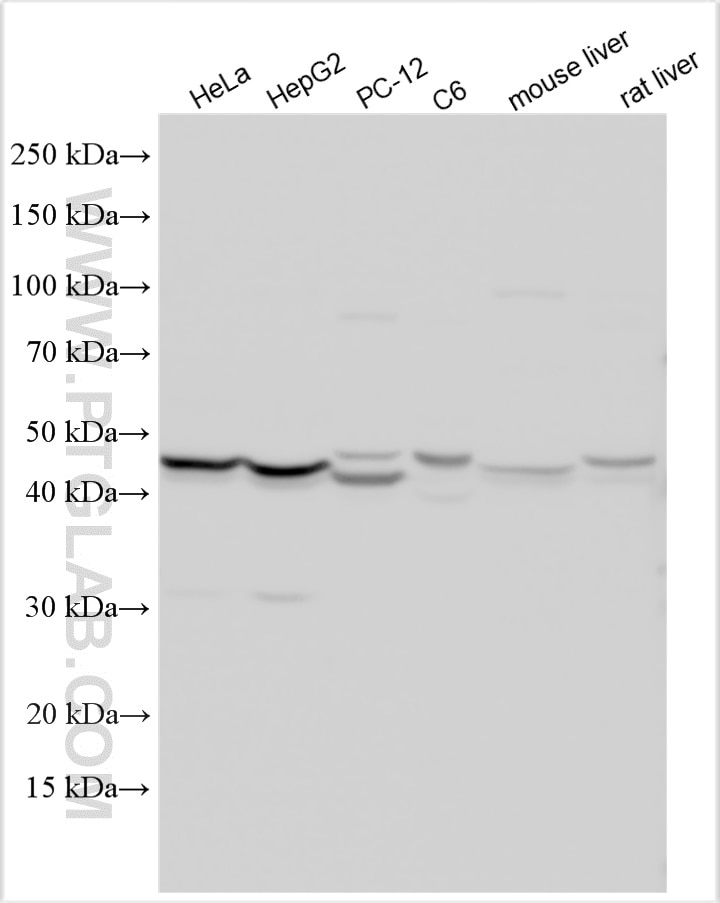
| Positive WB detected in | HeLa cells, PC-12 cells, C6 cells, mouse liver tissue, rat liver tissue |
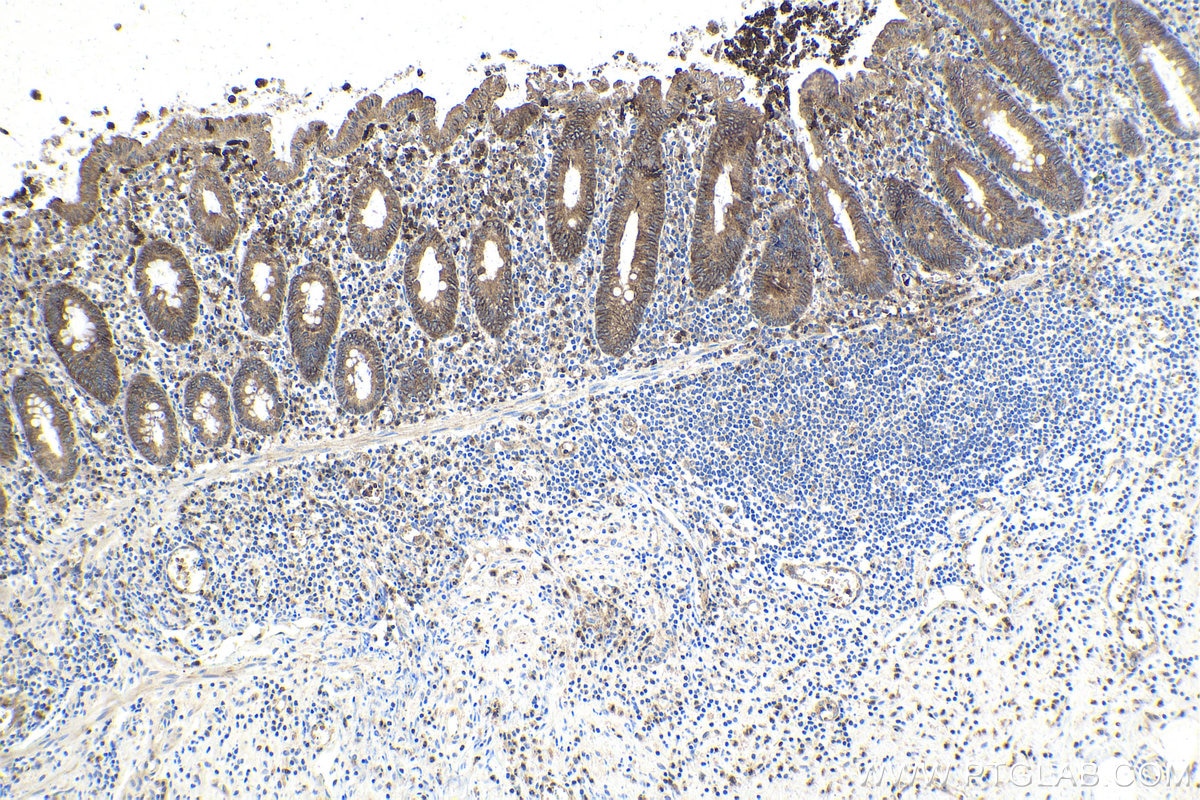
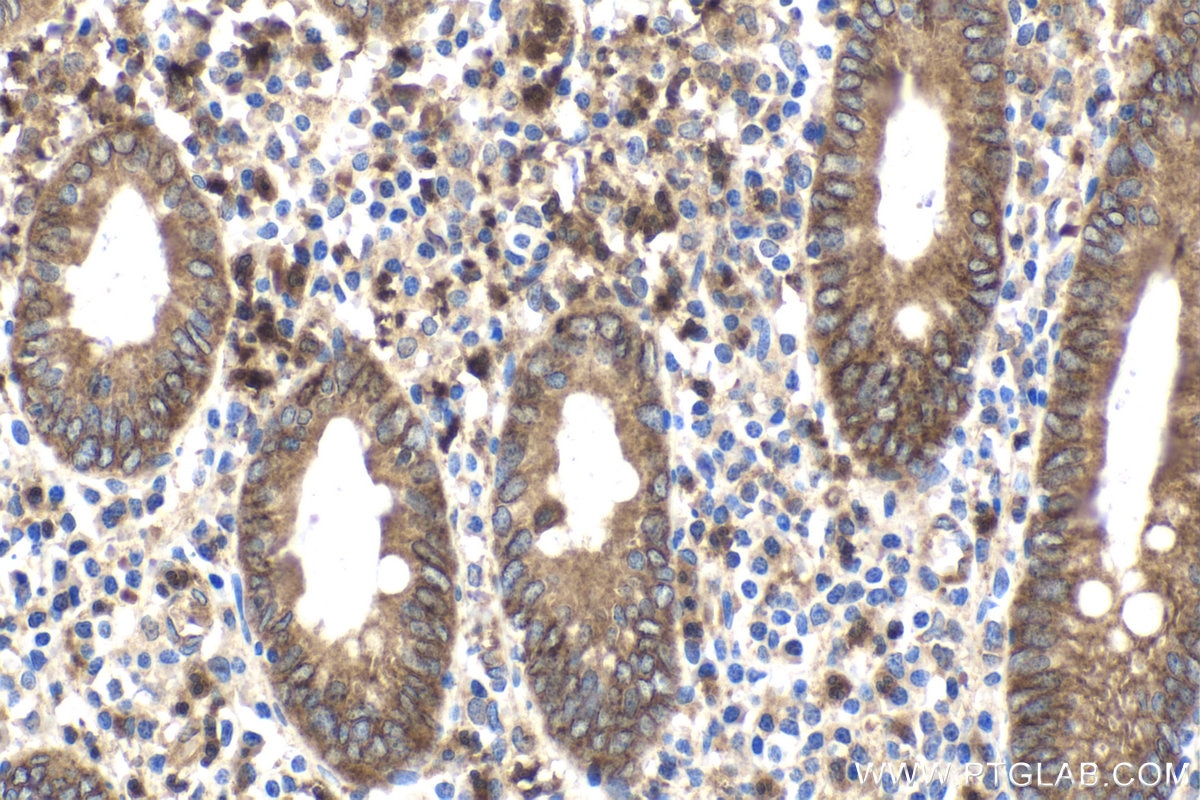
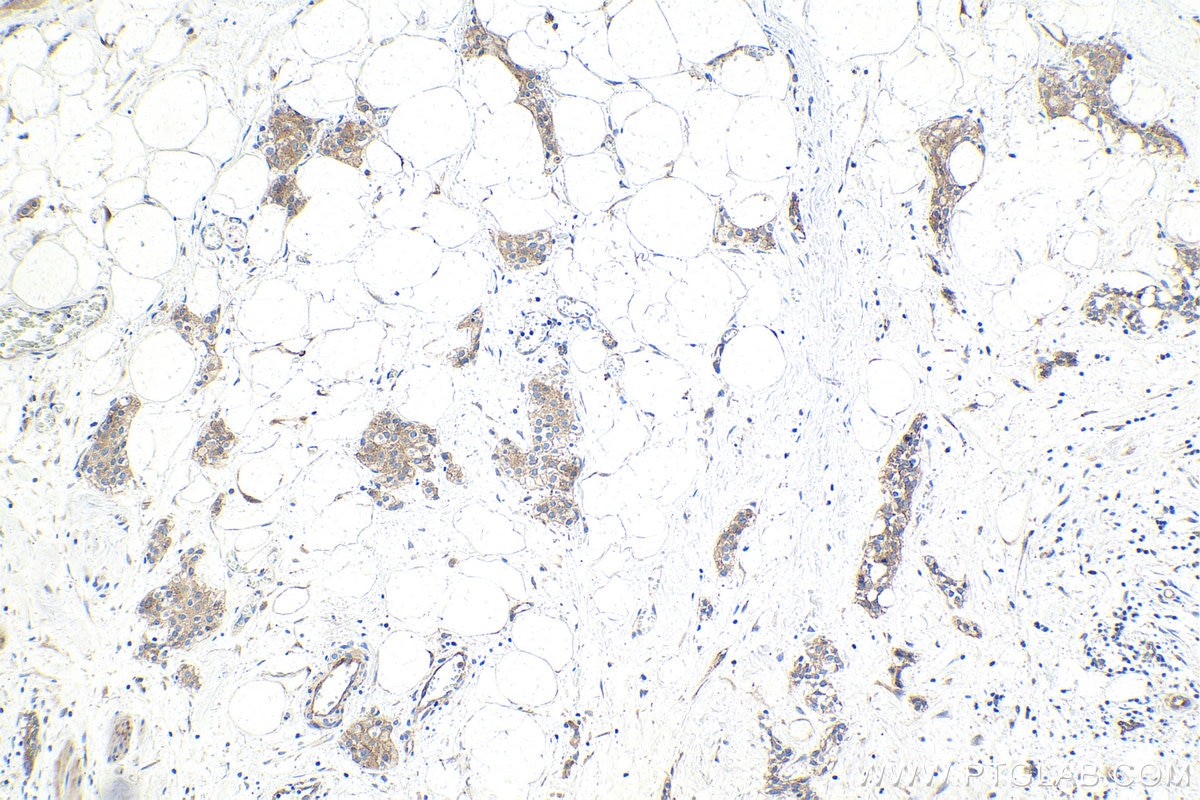
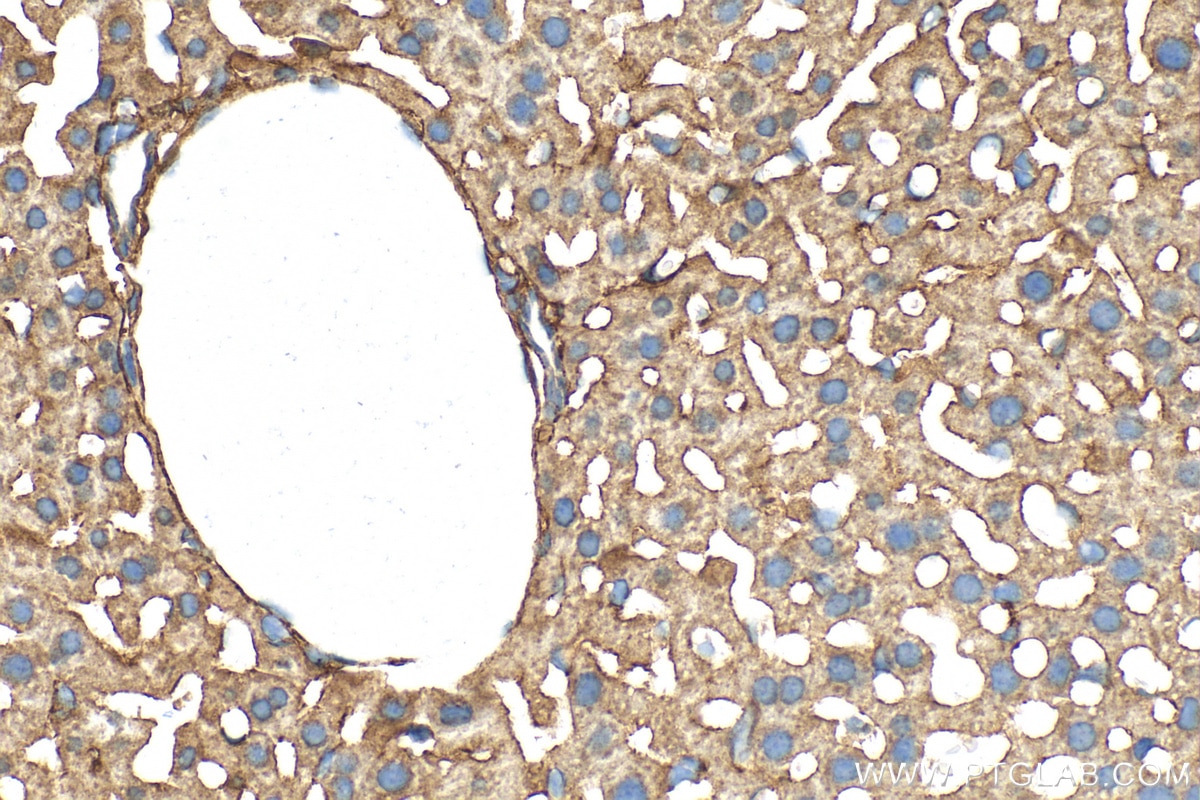
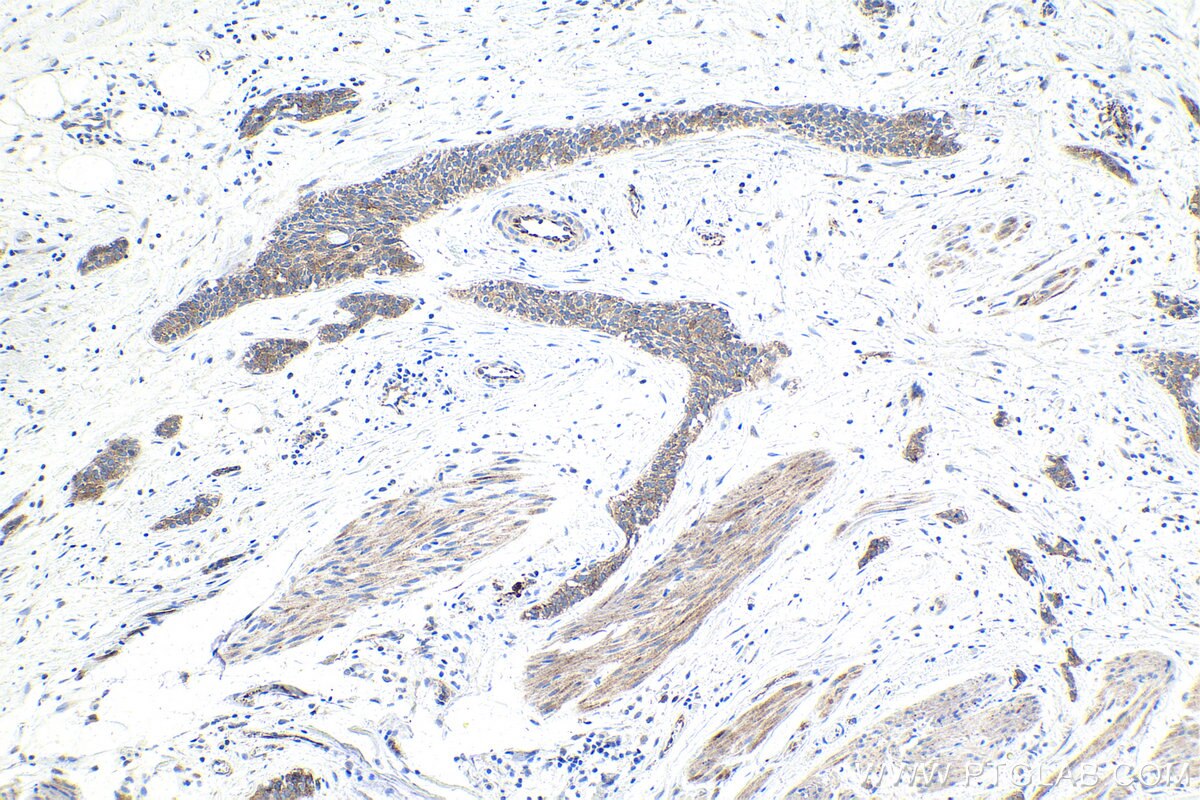
| Positive IHC detected in | human appendicitis tissue, mouse liver tissue, human urothelial carcinoma tissue Note: suggested antigen retrieval with TE buffer pH 9.0; (*) Alternatively, antigen retrieval may be performed with citrate buffer pH 6.0 |
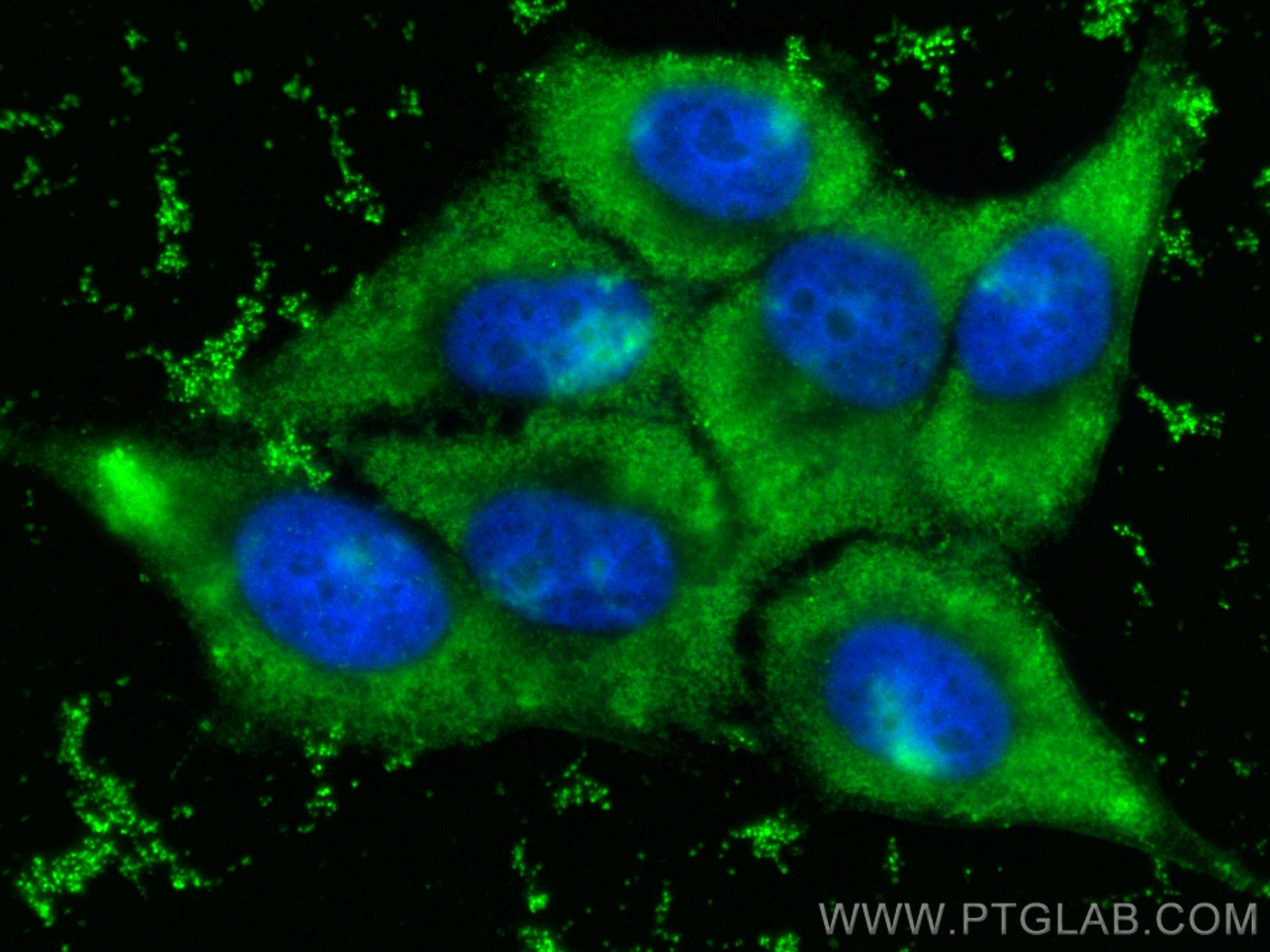
| Positive IF/ICC detected in | HepG2 cells |
Recommended dilution
| Application | Dilution |
|---|---|
| Western Blot (WB) | WB : 1:1000-1:2000 |
| Immunohistochemistry (IHC) | IHC : 1:500-1:2000 |
| Immunofluorescence (IF)/ICC | IF/ICC : 1:200-1:800 |
| It is recommended that this reagent should be titrated in each testing system to obtain optimal results. | |
| Sample-dependent, Check data in validation data gallery. | |
Product Information
28478-1-AP targets STEAP3 in WB, IHC, IF/ICC, ELISA applications and shows reactivity with Human, mouse, rat samples.
| Tested Reactivity | Human, mouse, rat |
| Cited Reactivity | human, mouse, rat, pig, bovine |
| Host / Isotype | Rabbit / IgG |
| Class | Polyclonal |
| Type | Antibody |
| Immunogen |
CatNo: Ag29528 Product name: Recombinant human STEAP3 protein Source: e coli.-derived, PGEX-4T Tag: GST Domain: 60-130 aa of BC042150 Sequence: NPKRTARLFPSAAQVTFQEEAVSSPEVIFVAVFREHYSSLCSLSDQLAGKILVDVSNPTEQEHLQHRESNA Predict reactive species |
| Full Name | STEAP family member 3 |
| Calculated Molecular Weight | 488 aa, 55 kDa |
| Observed Molecular Weight | 45-50 kDa |
| GenBank Accession Number | BC042150 |
| Gene Symbol | STEAP3 |
| Gene ID (NCBI) | 55240 |
| RRID | AB_3086055 |
| Conjugate | Unconjugated |
| Form | Liquid |
| Purification Method | Antigen affinity purification |
| UNIPROT ID | Q658P3 |
| Storage Buffer | PBS with 0.02% sodium azide and 50% glycerol, pH 7.3. |
| Storage Conditions | Store at -20°C. Stable for one year after shipment. Aliquoting is unnecessary for -20oC storage. 20ul sizes contain 0.1% BSA. |
Background Information
STEAP3 (Six-Transmembrane Epithelial Antigen of Prostate 3) is also named as TSAP6, Dudulin-2 and pHyde, and belongs to the STEAP family. STEAP3 is a member of the STEAP family and is composed of a six-transmembrane domain at the COOH-terminal domain and a cytoplasmic N-terminal oxidoreductase domain, which is essential for iron and copper uptake (PMID:16227996). STEAP3 contains a functional p53-binding site in its promoter and can be upregulated following p53 activation to enhance cell death in myeloid leukemia cell line and breast cancer cells (PMID: 18617898). By interacting with Nix, a pro-apoptotic Bcl-2 family member, and Myt1 kinase, a negative regulator of the G2/M transition, STEAP3 overexpression promotes apoptosis and inhibits G2/M transition in cell cycle progression (PMID: 12606722, PMID: 10504341).
Protocols
| Product Specific Protocols | |
|---|---|
| IF protocol for STEAP3 antibody 28478-1-AP | Download protocol |
| IHC protocol for STEAP3 antibody 28478-1-AP | Download protocol |
| WB protocol for STEAP3 antibody 28478-1-AP | Download protocol |
| Standard Protocols | |
|---|---|
| Click here to view our Standard Protocols |
Publications
What published studies show
The STEAP3 Polyclonal antibody (Cat# 28478-1-AP) has 10 citations. These appear in journals including Materials Today Bio, Cell Death Discovery, Redox Report, Cells, International Immunopharmacology, Biology Direct, Journal of Dairy Science, FASEB Journal, BMC Pulmonary Medicine, and Photodiagnosis and Photodynamic Therapy. The research fields center on ferroptosis and iron homeostasis, spanning neuroprotection after traumatic brain injury, neuroblastoma and lung squamous cell carcinoma, microglial neurotoxicity, muscle satellite cell differentiation, hepatic iron deposition, idiopathic pulmonary fibrosis, and macrophage polarization.
| Species | Application | Title |
|---|---|---|
Mater Today Bio Sequential release of N-butylphthalide via multifunctional hydrogel for rapid neuroprotection and sustained neural repair after traumatic brain injury. | ||
Cell Death Discov Sustained dysregulation of iron and glutathione homeostasis induces chronoferroptosis, a persistent ferroptotic adaptation in neuronal cells. | ||
Redox Rep DMAMCL induces ferroptosis in neuroblastoma by targeting HMOX1 in MYCN-amplified subtypes whereas targeting STEAP3 in MYCN-nonamplified subtypes. | ||
Cells The Six-Transmembrane Epithelial Antigen of the Prostate (STEAP) 3 Regulates the Myogenic Differentiation of Yunan Black Pig Muscle Satellite Cells (MuSCs) In Vitro via Iron Homeostasis and the PI3K/AKT Pathway | ||
Int Immunopharmacol STEAP3-SLC39A8-mediated microglia ferroptosis involved in neurotoxicity in rats after exposure to lead and cadmium combined | ||
Biol Direct TFAP2C-mediated transcriptional activation of STEAP3 promotes lung squamous cell carcinoma progression by regulating the β-catenin pathway |








