

Tested Applications
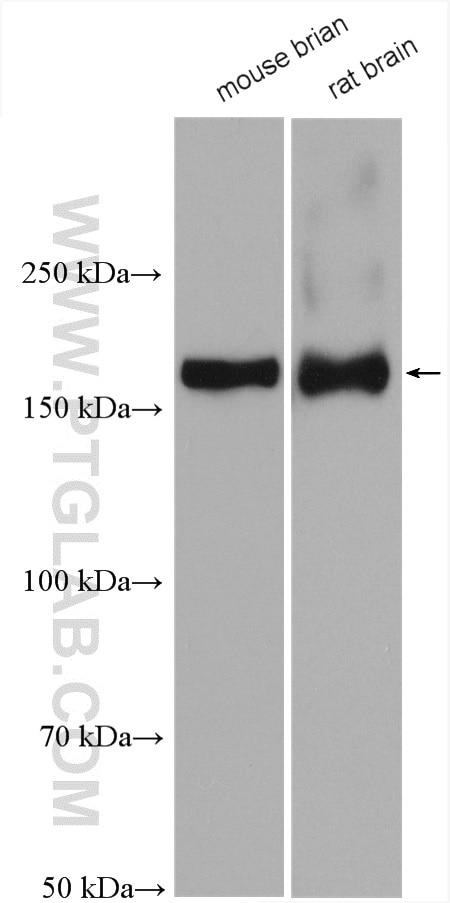
| Positive WB detected in | mouse brain tissue, rat brain tissue |
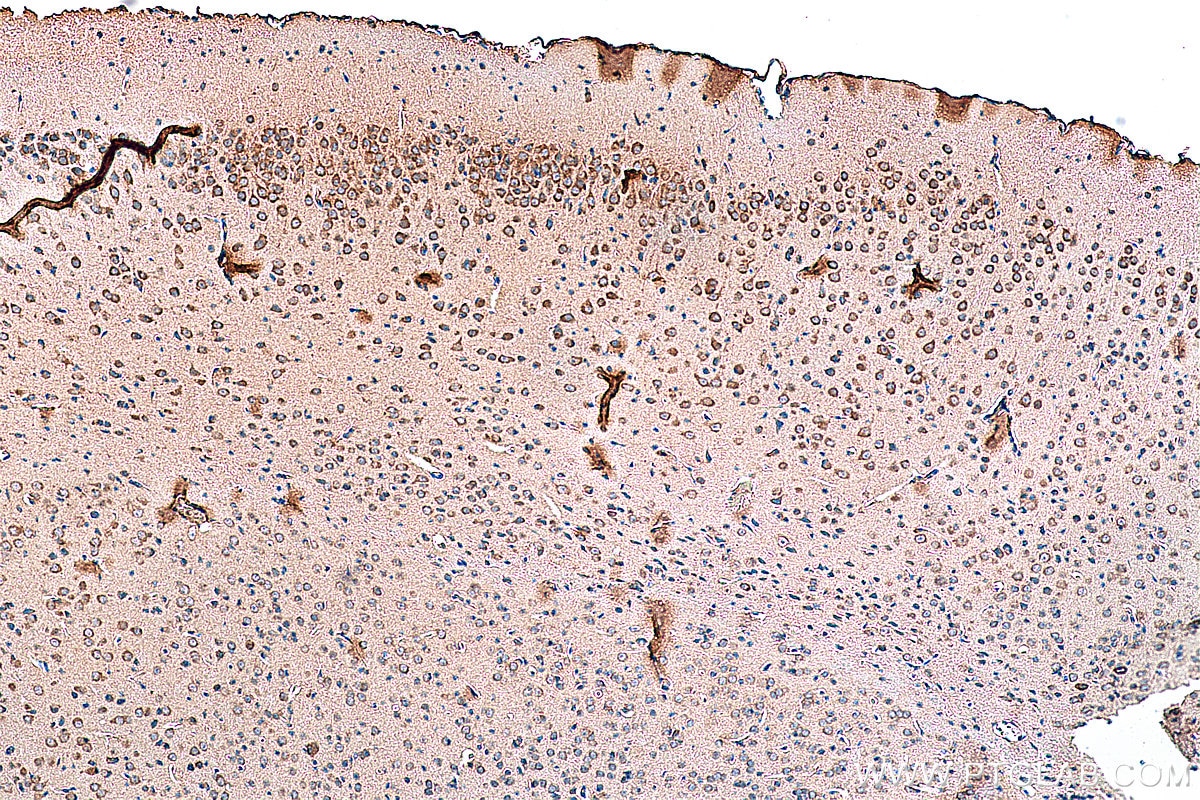
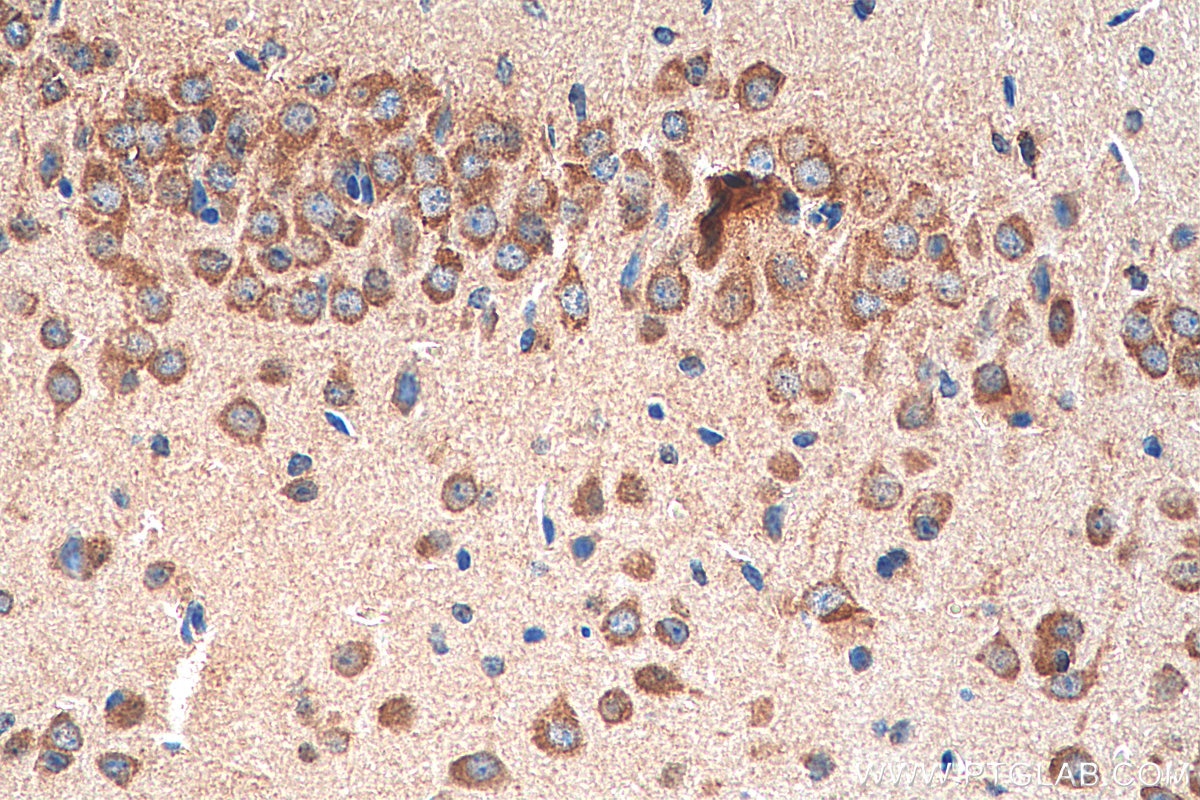
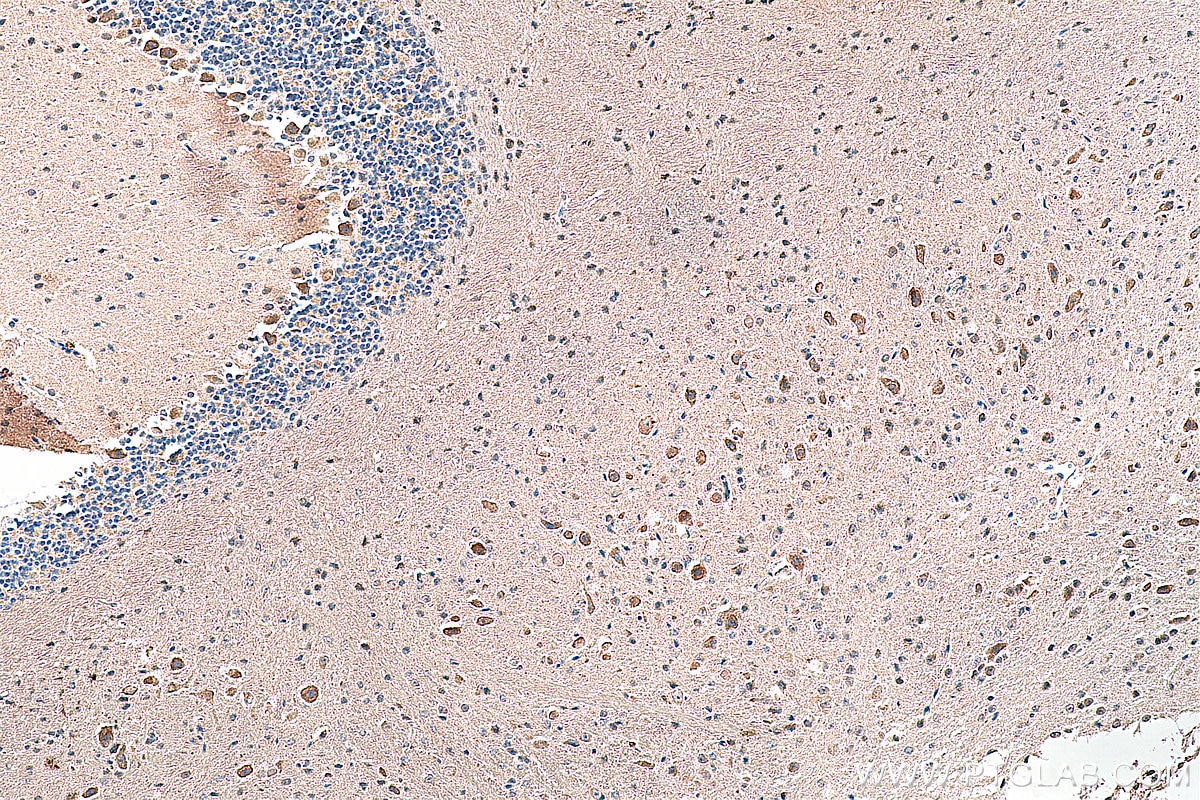
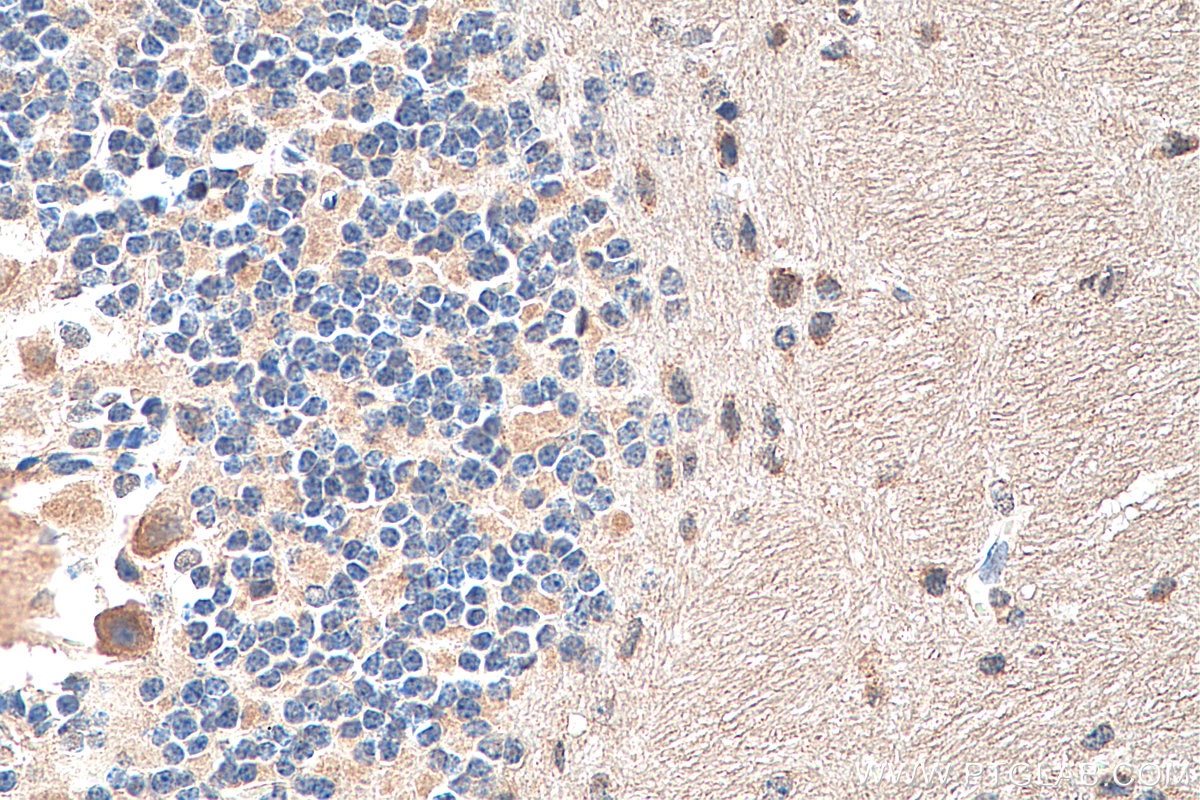
| Positive IHC detected in | mouse brain tissue, mouse cerebellum tissue Note: suggested antigen retrieval with TE buffer pH 9.0; (*) Alternatively, antigen retrieval may be performed with citrate buffer pH 6.0 |
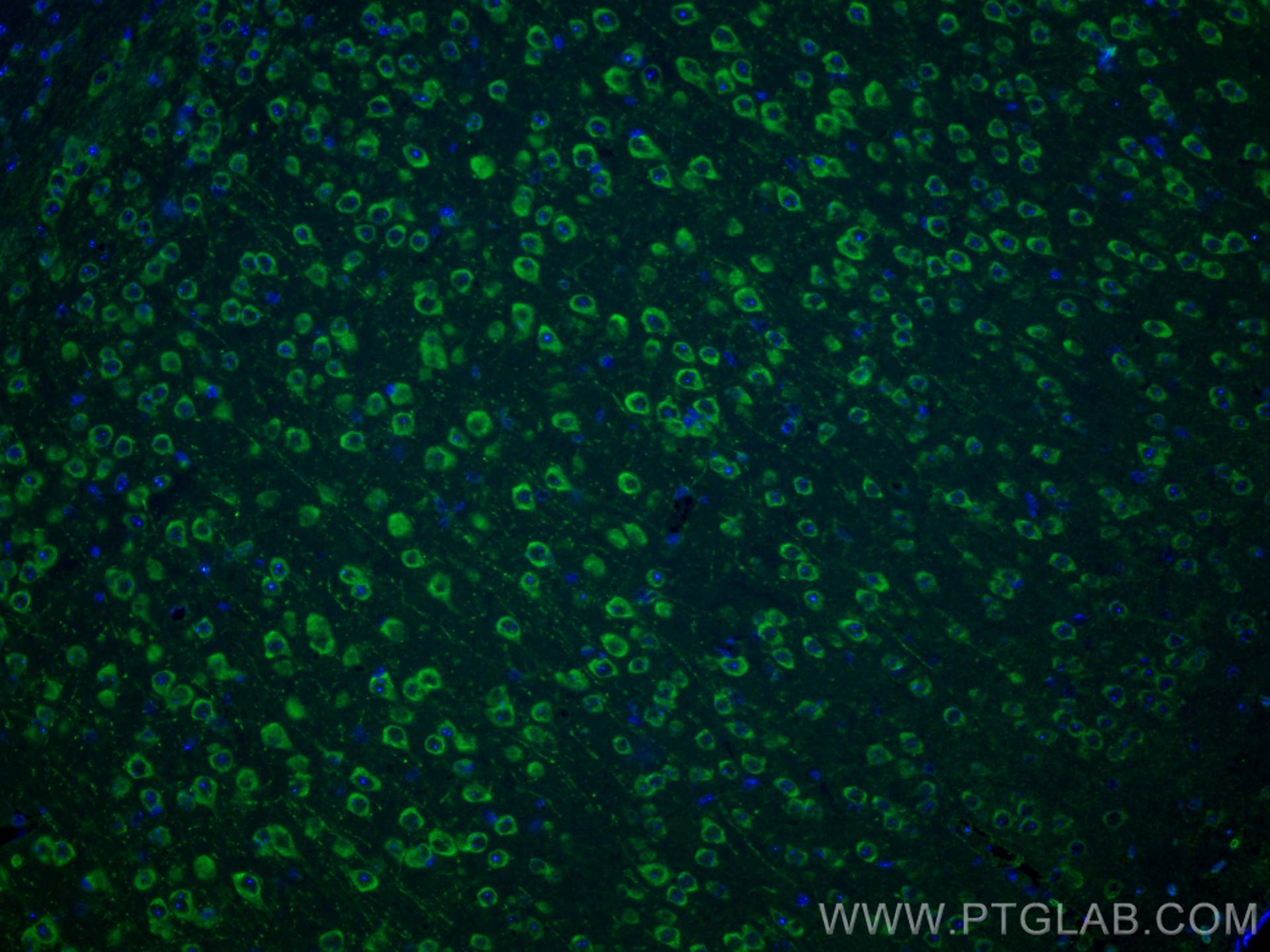
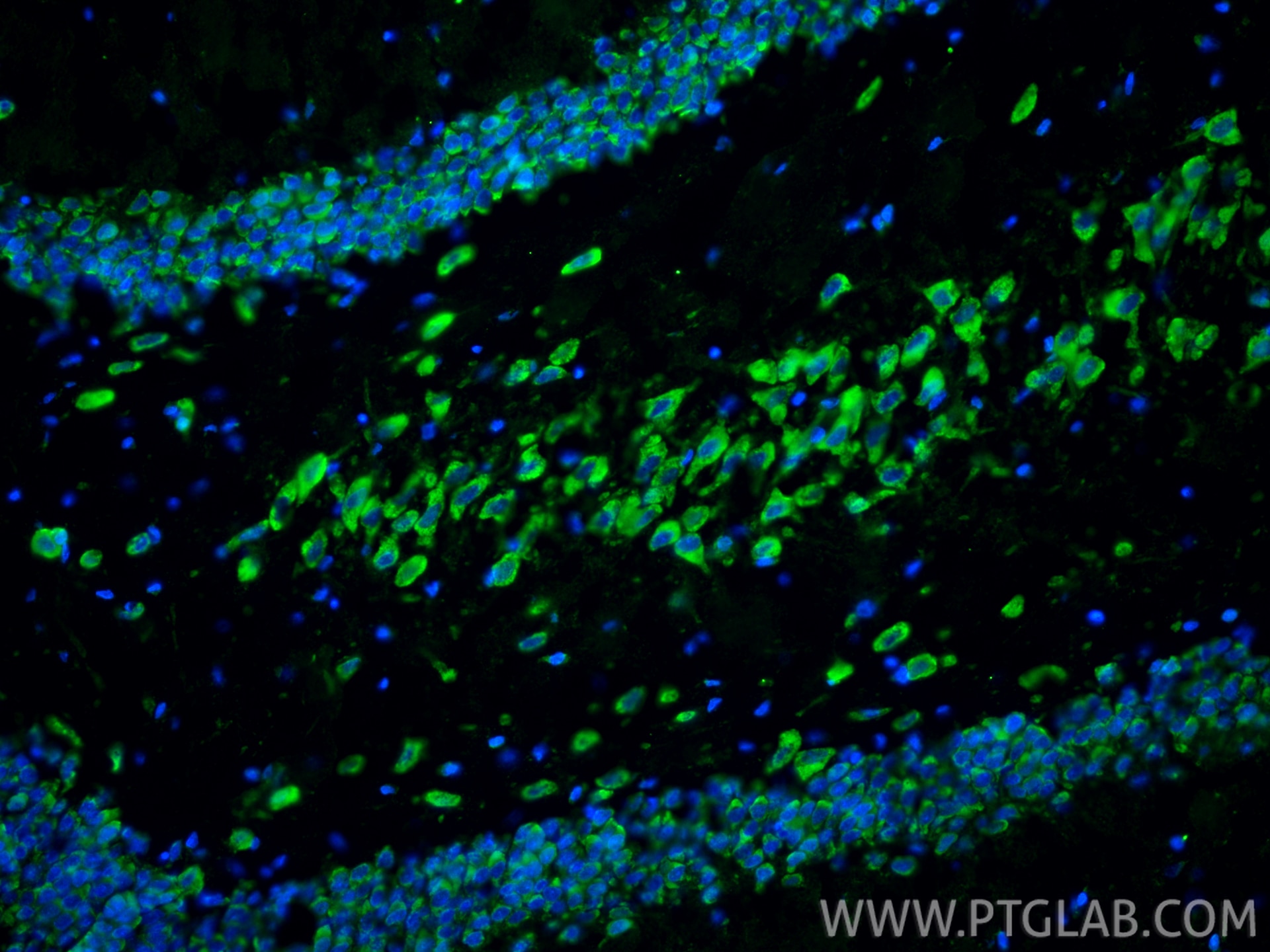
| Positive IF-P detected in | mouse brain tissue |
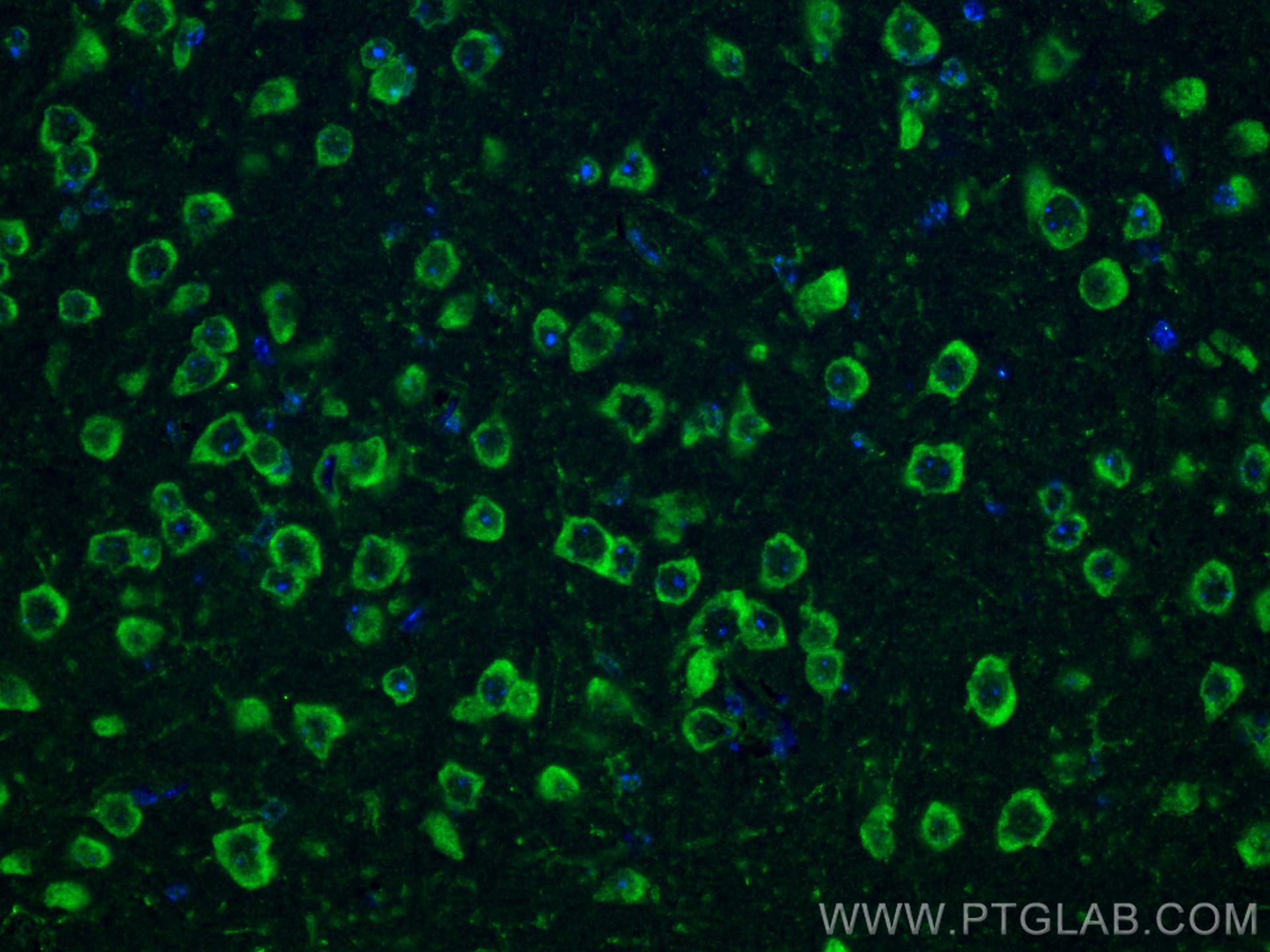
| Positive IF-Fro detected in | rat brain tissue |
Recommended dilution
| Application | Dilution |
|---|---|
| Western Blot (WB) | WB : 1:2000-1:12000 |
| Immunohistochemistry (IHC) | IHC : 1:500-1:2000 |
| Immunofluorescence (IF)-P | IF-P : 1:50-1:500 |
| Immunofluorescence (IF)-FRO | IF-FRO : 1:50-1:500 |
| It is recommended that this reagent should be titrated in each testing system to obtain optimal results. | |
| Sample-dependent, Check data in validation data gallery. | |
Product Information
28571-1-AP targets NMDAR2A/GRIN2A in WB, IHC, IF-P, IF-Fro, ELISA applications and shows reactivity with mouse, rat samples.
| Tested Reactivity | mouse, rat |
| Cited Reactivity | mouse, rat |
| Host / Isotype | Rabbit / IgG |
| Class | Polyclonal |
| Type | Antibody |
| Immunogen |
CatNo: Ag29423 Product name: Recombinant human NMDAR2A/GRIN2A protein Source: e coli.-derived, PGEX-4T Tag: GST Domain: 1000-1127 aa of NM_000833 Sequence: VSTESKANSRPRQLWKKSVDSIRQDSLSQNPVSQRDEATAENRTHSLKSPRYLPEEMAHSDISETSNRATCHREPDNSKNHKTKDNFKRSVASKYPKDCSEVERTYLKTKSSSPRDKIYTIDGEKEPG Predict reactive species |
| Full Name | glutamate receptor, ionotropic, N-methyl D-aspartate 2A |
| Calculated Molecular Weight | 165 kDa |
| Observed Molecular Weight | 180 kDa |
| GenBank Accession Number | NM_000833 |
| Gene Symbol | GRIN2A |
| Gene ID (NCBI) | 2903 |
| RRID | AB_2881171 |
| Conjugate | Unconjugated |
| Form | Liquid |
| Purification Method | Antigen affinity purification |
| UNIPROT ID | Q12879 |
| Storage Buffer | PBS with 0.02% sodium azide and 50% glycerol, pH 7.3. |
| Storage Conditions | Store at -20°C. Stable for one year after shipment. Aliquoting is unnecessary for -20oC storage. 20ul sizes contain 0.1% BSA. |
Protocols
| Product Specific Protocols | |
|---|---|
| IF protocol for NMDAR2A/GRIN2A antibody 28571-1-AP | Download protocol |
| IHC protocol for NMDAR2A/GRIN2A antibody 28571-1-AP | Download protocol |
| WB protocol for NMDAR2A/GRIN2A antibody 28571-1-AP | Download protocol |
| Standard Protocols | |
|---|---|
| Click here to view our Standard Protocols |
Publications
What published studies show
The NMDAR2A/GRIN2A Polyclonal antibody (Cat# 28571-1-AP) has 7 total citations. These appear in journals including Neuron, JCI Insight, Journal of Ethnopharmacology, Neurochemical Research, Behavioural Brain Research, PLoS One, and Heliyon. The cited research spans neuroscience and neurology, focusing on NMDAR signaling in epilepsy, visceral pain, anxiety, depression, cognitive impairment, and anticonvulsant mechanisms in mouse and rat models.
| Species | Application | Title |
|---|---|---|
Neuron The paraventricular thalamus mediates visceral pain and anxiety-like behaviors via two distinct pathways | ||
JCI Insight Deletion of SH2D5 alleviates epileptic seizures and NMDAR expression via autophagic degradation of STAT1.
| ||
J Ethnopharmacol Anticonvulsant effect of Stachydrine on pentylenetetrazole-induced kindling seizure mouse model via Notch and NMDAR signaling pathways | ||
Neurochem Res Scavenger Receptor Class B Type I Modulates Epileptic Seizures and Receptor α2δ-1 Expression | ||
Behav Brain Res Down-regulation of NR2B receptors contributes to the analgesic and antianxiety effects of enriched environment mediated by endocannabinoid system in the inflammatory pain mice | ||
PLoS One The role of DAAO in cognitive impairment of offspring mice induced by arsenic exposure during early developmental stage |









