
Developing Retinal Organoids: Best Practices for Generation, Maintenance, and Validation
This event was held live on August 20th, 2026. Watch the recording.
This event was held live on August 20th, 2026.
Human induced pluripotent stem cell (hiPSC)-derived retinal organoids have emerged as powerful models for studying retinal development, disease mechanisms, and therapeutic interventions. However, generating reproducible organoids and maintaining them through long-term maturation remains a significant challenge.
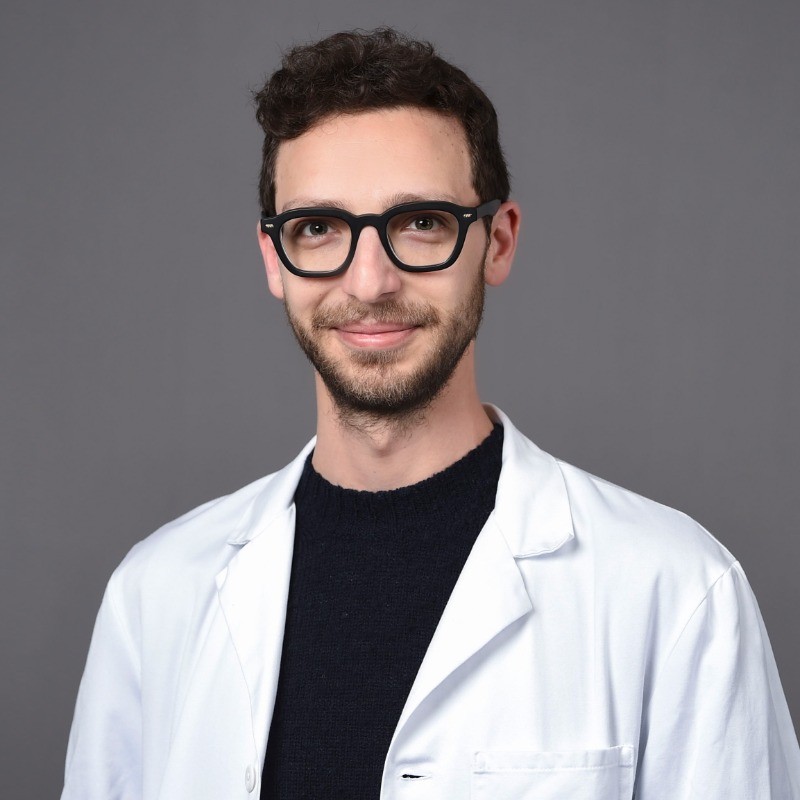
Watch our webinar as Alessandro Bellapianta, PhD Candidate at Johannes Kepler University shared his best practices for developing hiPSC-derived retinal organoids. Alessandro covered the entire retinal organoid workflow, from stem cell differentiation to functional maturity, and highlighted strategies for improving reproducibility and culture success.
Alessandro covered:
-
A comparison of common protocols for generating hiPSC-derived retinal organoids
-
Key developmental milestones and growth factors for successful neuroretinal induction and differentiation
-
Tips and tricks for long-term retinal organoid maintenance and maturation, resulting in viable and structurally organized tissues over several months
-
Approaches for structural, molecular, and functional validation using tools ranging from transcriptomic profiling to bio-electronic interfaces
-
Common challenges and troubleshooting strategies to improve reproducibility and disease modeling
Alessandro Bellapianta
PhD Candidate at Johannes Kepler University
Able™