

Tested Applications
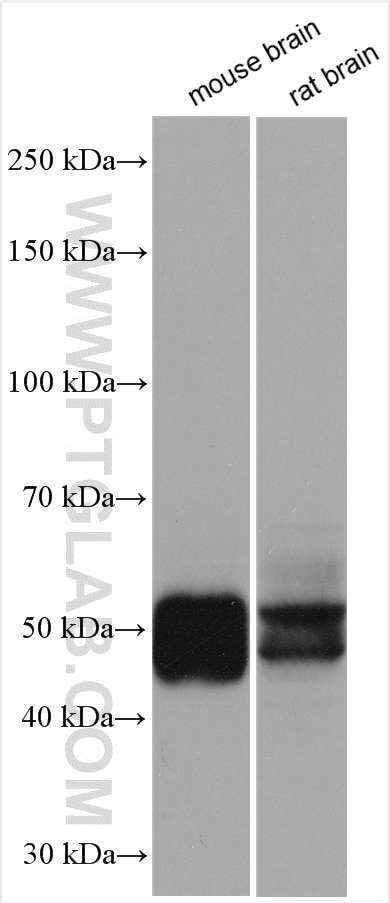
| Positive WB detected in | mouse brain tissue, rat brain |
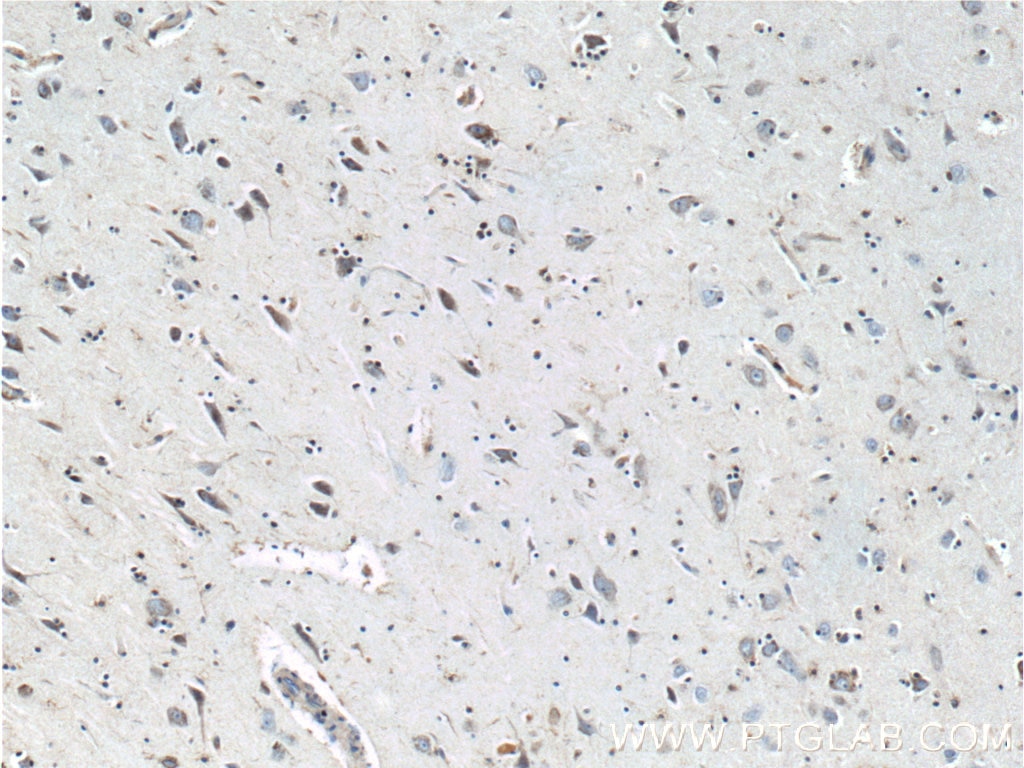
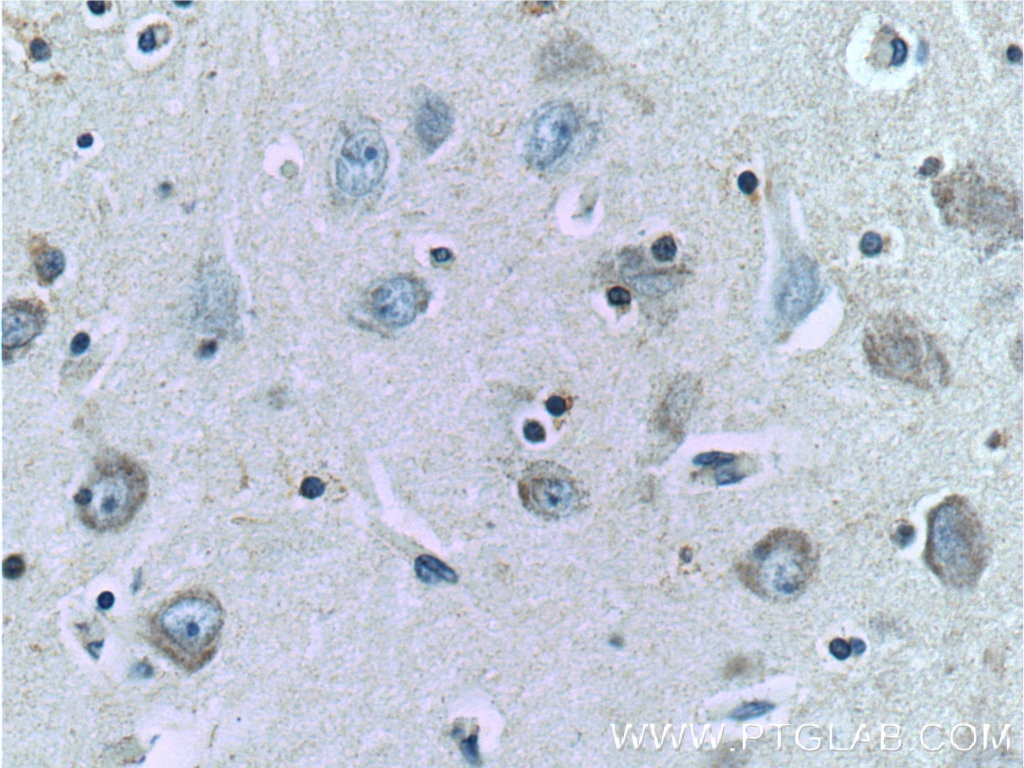
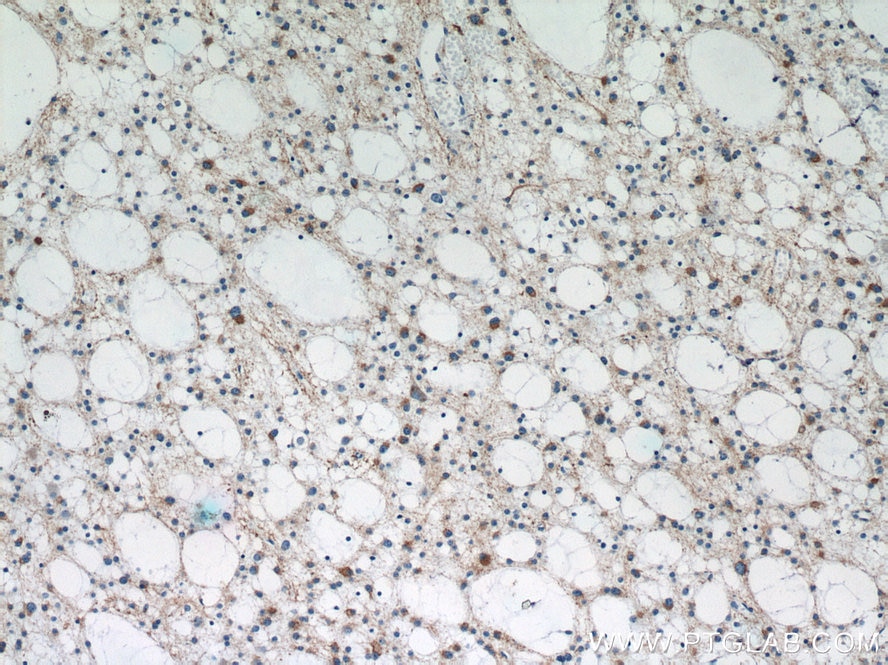
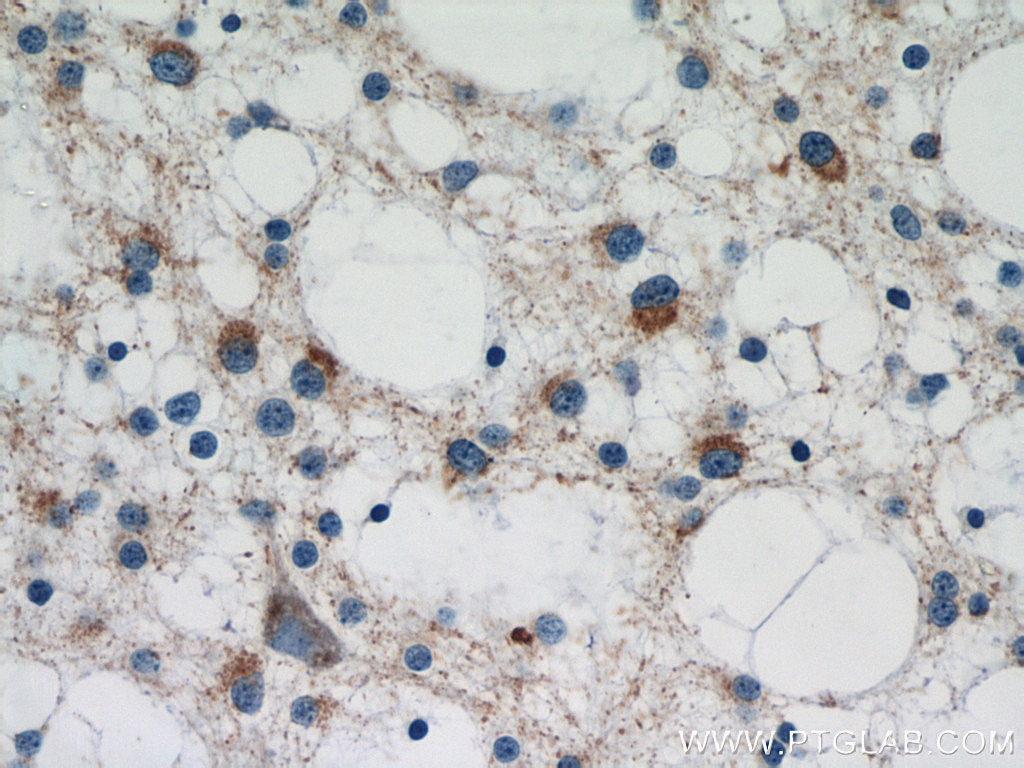
| Positive IHC detected in | human brain tissue, human gliomas tissue Note: suggested antigen retrieval with TE buffer pH 9.0; (*) Alternatively, antigen retrieval may be performed with citrate buffer pH 6.0 |
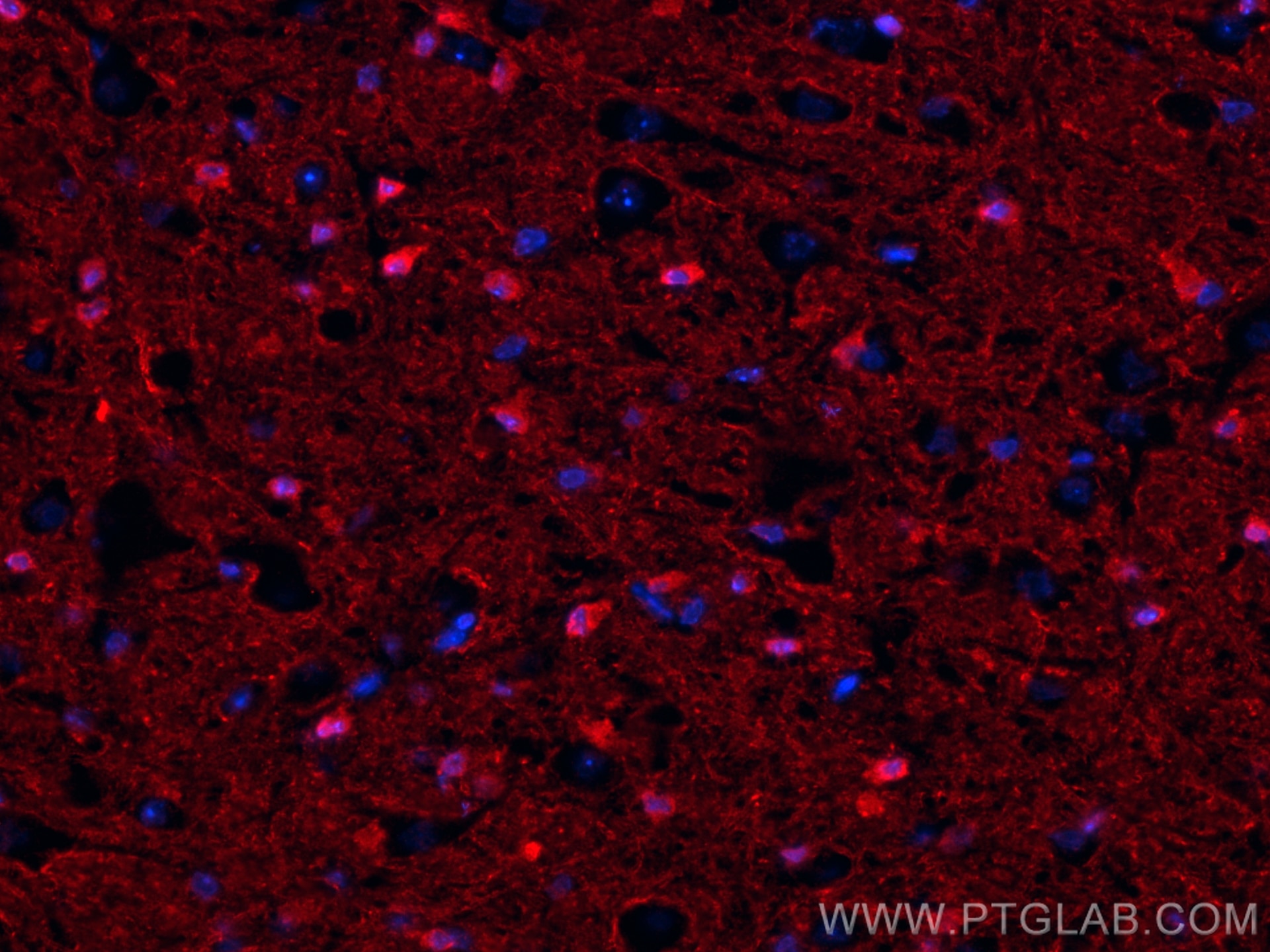
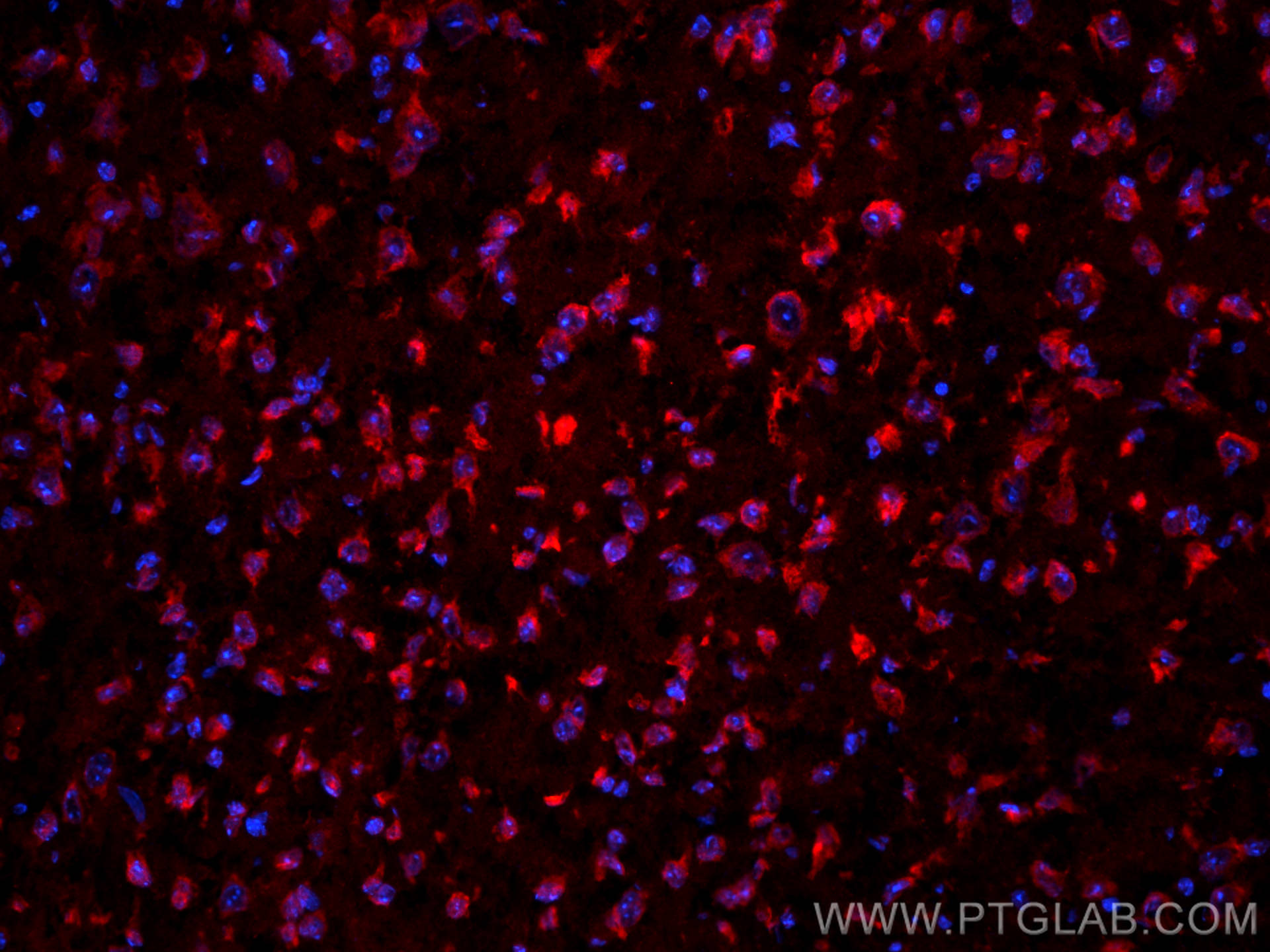
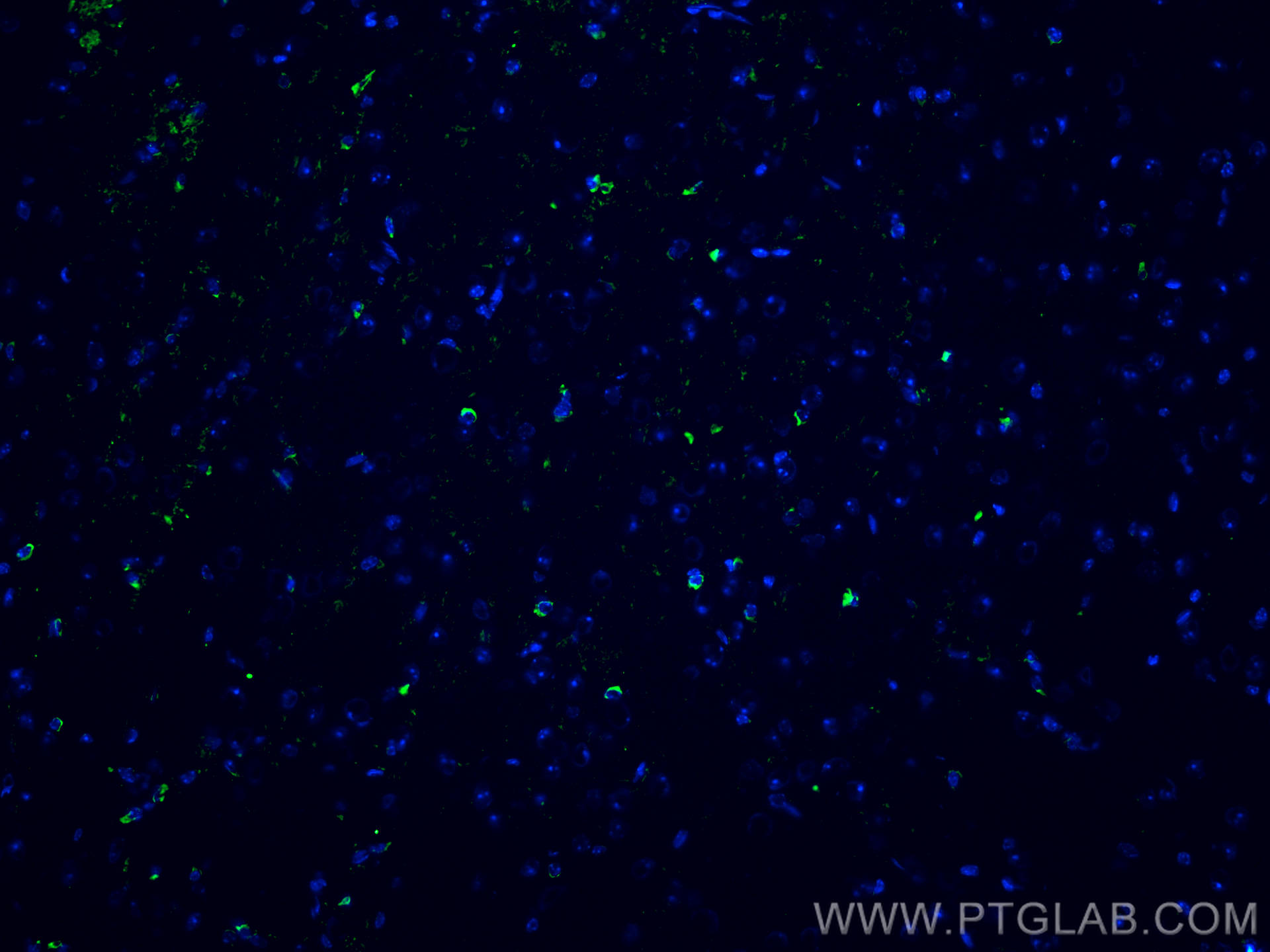
| Positive IF-P detected in | mouse brain tissue |
| Positive IF-Fro detected in | mouse brain tissue |
Recommended dilution
| Application | Dilution |
|---|---|
| Western Blot (WB) | WB : 1:2000-1:12000 |
| Immunohistochemistry (IHC) | IHC : 1:20-1:200 |
| Immunofluorescence (IF)-P | IF-P : 1:50-1:500 |
| Immunofluorescence (IF)-FRO | IF-FRO : 1:50-1:500 |
| It is recommended that this reagent should be titrated in each testing system to obtain optimal results. | |
| Sample-dependent, Check data in validation data gallery. | |
Product Information
10274-1-AP targets TAU in WB, IHC, IF-P, IF-Fro, CoIP, ELISA applications and shows reactivity with human, mouse, rat samples.
| Tested Reactivity | human, mouse, rat |
| Cited Reactivity | human, mouse, rat, goat |
| Host / Isotype | Rabbit / IgG |
| Class | Polyclonal |
| Type | Antibody |
| Immunogen |
CatNo: Ag0354 Product name: Recombinant human TAU protein Source: e coli.-derived, PGEX-4T Tag: GST Domain: 5-208 aa of BC000558 Sequence: PRQEFEVMEDHAGTYGLGDRKDQGGYTMHQDQEGDTDAGLKAEEAGIGDTPSLEDEAAGHVTQARMVSKSKDGTGSDDKKAKGADGKTKIATPRGAAPPGQKGQANATRIPAKTPPAPKTPPSSGEPPKSGDRSGYSSPGSPGTPGSRSRTPSLPTPPTREPKKVAVVRTPPKSPSSAKSRLQTAPVPMPDLKNVKSKIGSTENL Predict reactive species |
| Full Name | microtubule-associated protein tau |
| Calculated Molecular Weight | 37-46, 79-81 kDa |
| Observed Molecular Weight | 45-70 kDa, 100 kDa |
| GenBank Accession Number | BC000558 |
| Gene Symbol | TAU |
| Gene ID (NCBI) | 4137 |
| RRID | AB_2139718 |
| Conjugate | Unconjugated |
| Form | Liquid |
| Purification Method | Antigen affinity purification |
| UNIPROT ID | P10636 |
| Storage Buffer | PBS with 0.02% sodium azide and 50% glycerol, pH 7.3. |
| Storage Conditions | Store at -20°C. Stable for one year after shipment. Aliquoting is unnecessary for -20oC storage. 20ul sizes contain 0.1% BSA. |
Background Information
Tau (tubulin-associated unit) is a microtubule-associated protein (also known as MAPT), expressed mainly in neurons of the central nervous system. Its primary function is to modulate microtubule dynamics for maintaining axonal cytoskeleton. Various isoforms of Tau exist due to the alternative splicing, and short isoforms around 45-69 kDa and long isoforms around 100-110 kDa have been reported in different literature (8752131,15965697). Present polyclonal anti-Tau antibody was produced by immunizing animals with N-terminal of Tau and can detect approx 45-70 kDa and 100-kDa bands in brain tissues.
Protocols
| Product Specific Protocols | |
|---|---|
| IF protocol for TAU antibody 10274-1-AP | Download protocol |
| IHC protocol for TAU antibody 10274-1-AP | Download protocol |
| WB protocol for TAU antibody 10274-1-AP | Download protocol |
| Standard Protocols | |
|---|---|
| Click here to view our Standard Protocols |
Publications
What published studies show
Anti-Tau antibody (Cat# 10274-1-AP) has accumulated 80 citations across journals including Cell Research, Neuron, Journal of Clinical Investigation, Science Advances, Brain, Autophagy, and Alzheimer's Research & Therapy. The research fields predominantly cover neurodegeneration (Alzheimer's disease, Parkinson's disease), tau phosphorylation mechanisms, neuroprotection strategies, cognitive dysfunction, neuroinflammation, autophagy, diabetes-related encephalopathy, epilepsy, and traumatic brain injury, with applications mainly in Western blot, immunofluorescence, and IHC.
| Species | Application | Title |
|---|---|---|
Cell Res Tau is a receptor with low affinity for glucocorticoids and is required for glucocorticoid-induced bone loss | ||
Autophagy The ER protein CANX (calnexin)-mediated autophagy protects against alzheimer disease | ||
Neuron Hepatic expression of APOE3 Christchurch mitigates APOE4-related Alzheimer's disease pathologies in mice. | ||
Redox Biol Absence of astrocytic ceruloplasmin reverses the senescence process with aging of learning and memory abilities | ||
Acta Pharm Sin B Pleiotropic prodrugs for both symptomatic and disease-modifying treatment of Alzheimer's disease. | ||
J Clin Invest TP53/TAU axis regulates microtubule bundling to control alveolar stem cell-mediated regeneration.
|
Reviews
What customers say
Users report consistent performance across applications. For Western Blot (1:1000), one reviewer observed a single band at ~45 kDa matching the expected molecular weight in SH-SY5Y lysate, while another achieved clean results on neuronal stem cells. For Immunofluorescence (1:100), the antibody performed well on mouse brain tissue and primary cells. Overall, reviewers rate it favorably (average ~4.3/5), confirming reliable specificity and sensitivity for both WB and IF.
The reviews below have been submitted by verified Proteintech customers who received an incentive for providing their feedback.
manohar (Verified Customer) (03-06-2024) |
|
David (Verified Customer) (01-02-2024) | Produces a single band at around 45kDa which is concordant with the data sheet.
|
Tanusree (Verified Customer) (02-14-2019) | The antibody worked well with the mouse primary cells and tissue.
|









