

Tested Applications
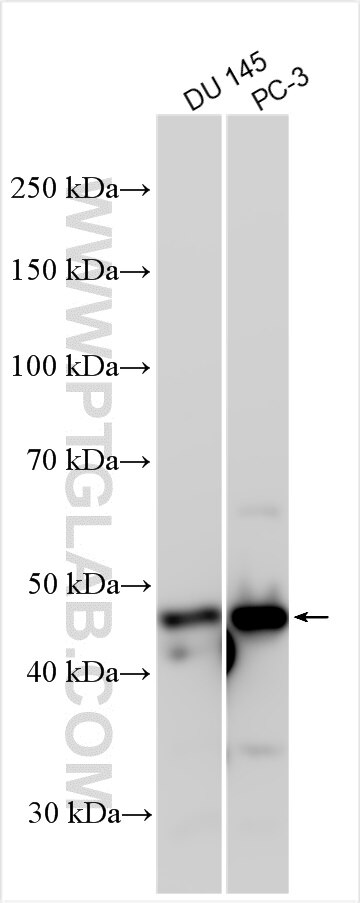
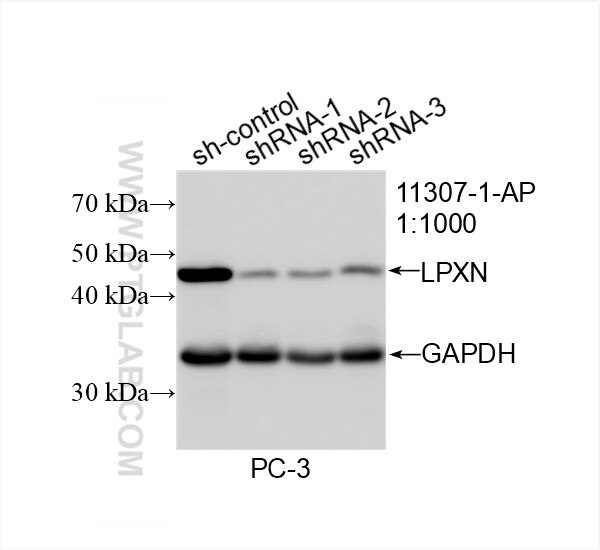
| Positive WB detected in | DU 145 cells, PC-3 cells |
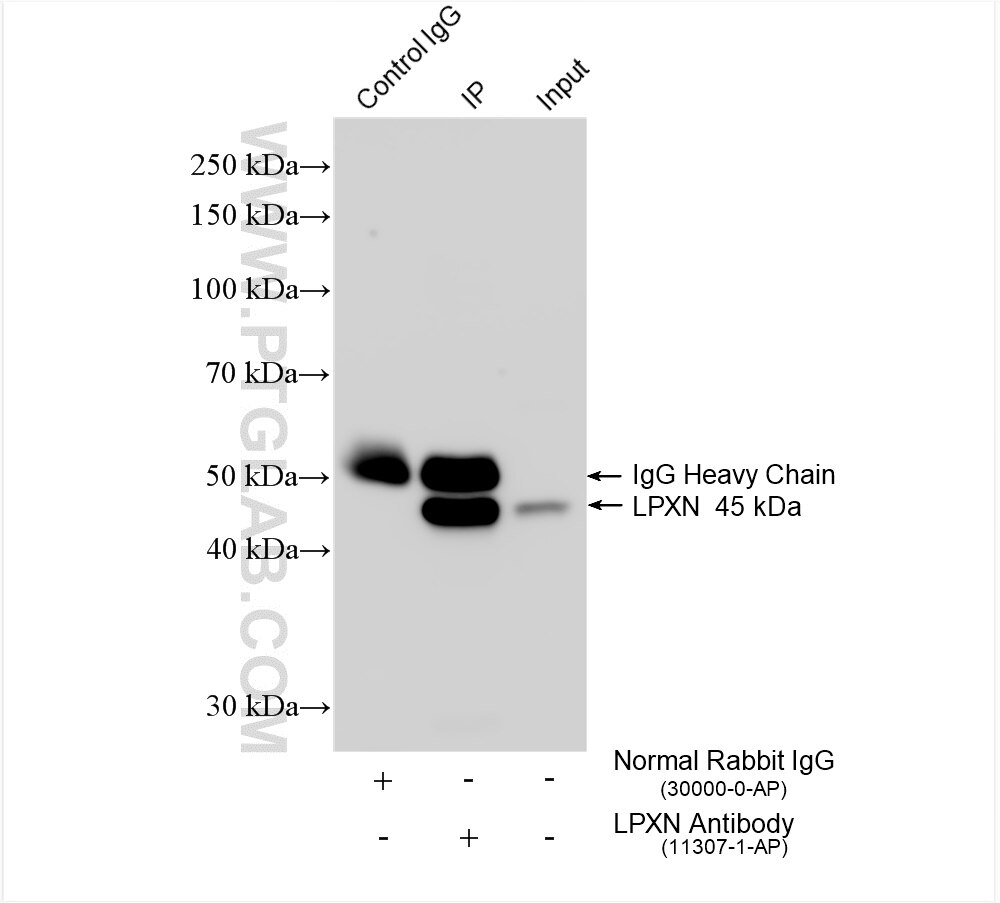
| Positive IP detected in | PC-3 cells |
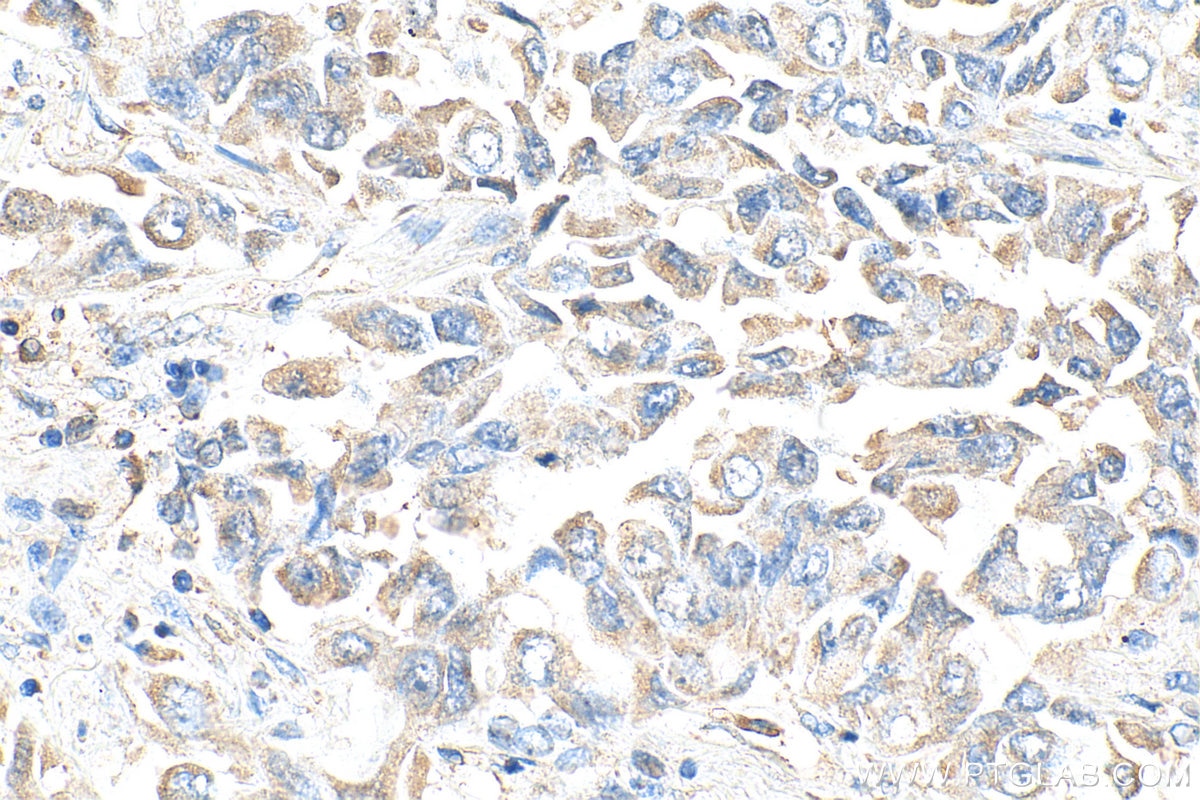
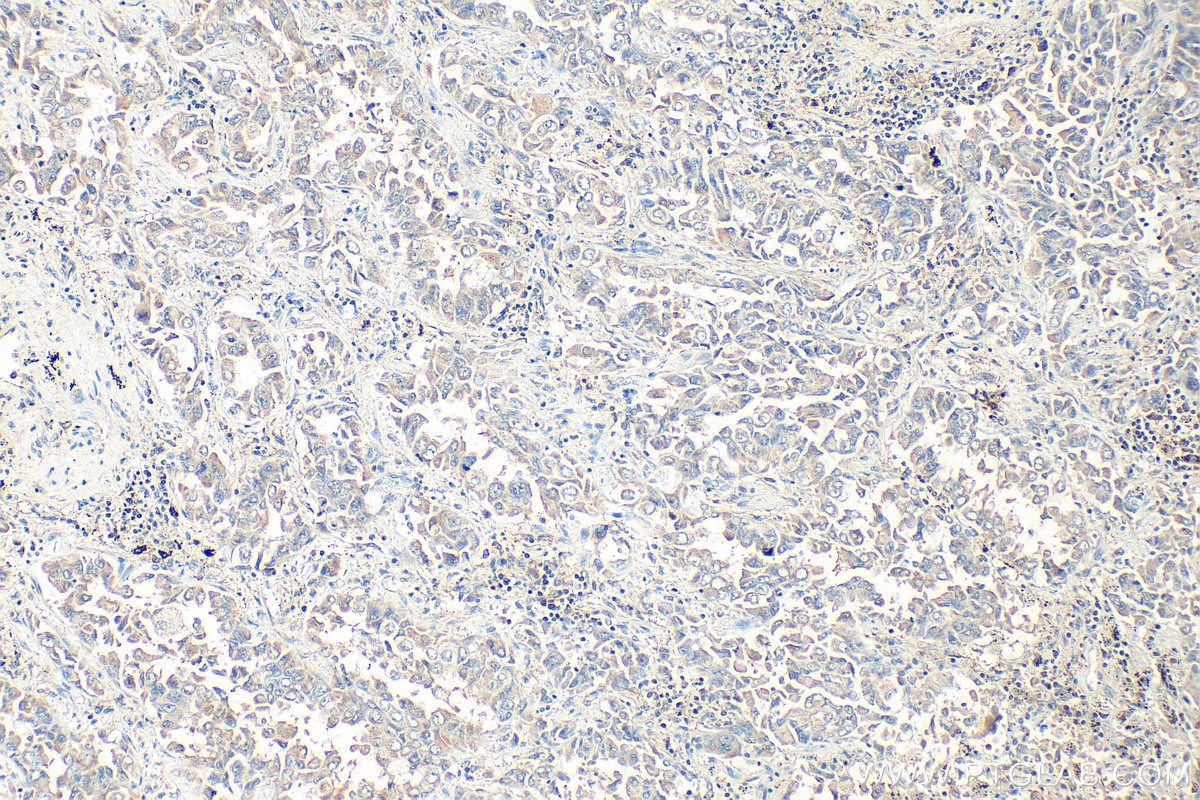
| Positive IHC detected in | human lung cancer tissue Note: suggested antigen retrieval with TE buffer pH 9.0; (*) Alternatively, antigen retrieval may be performed with citrate buffer pH 6.0 |
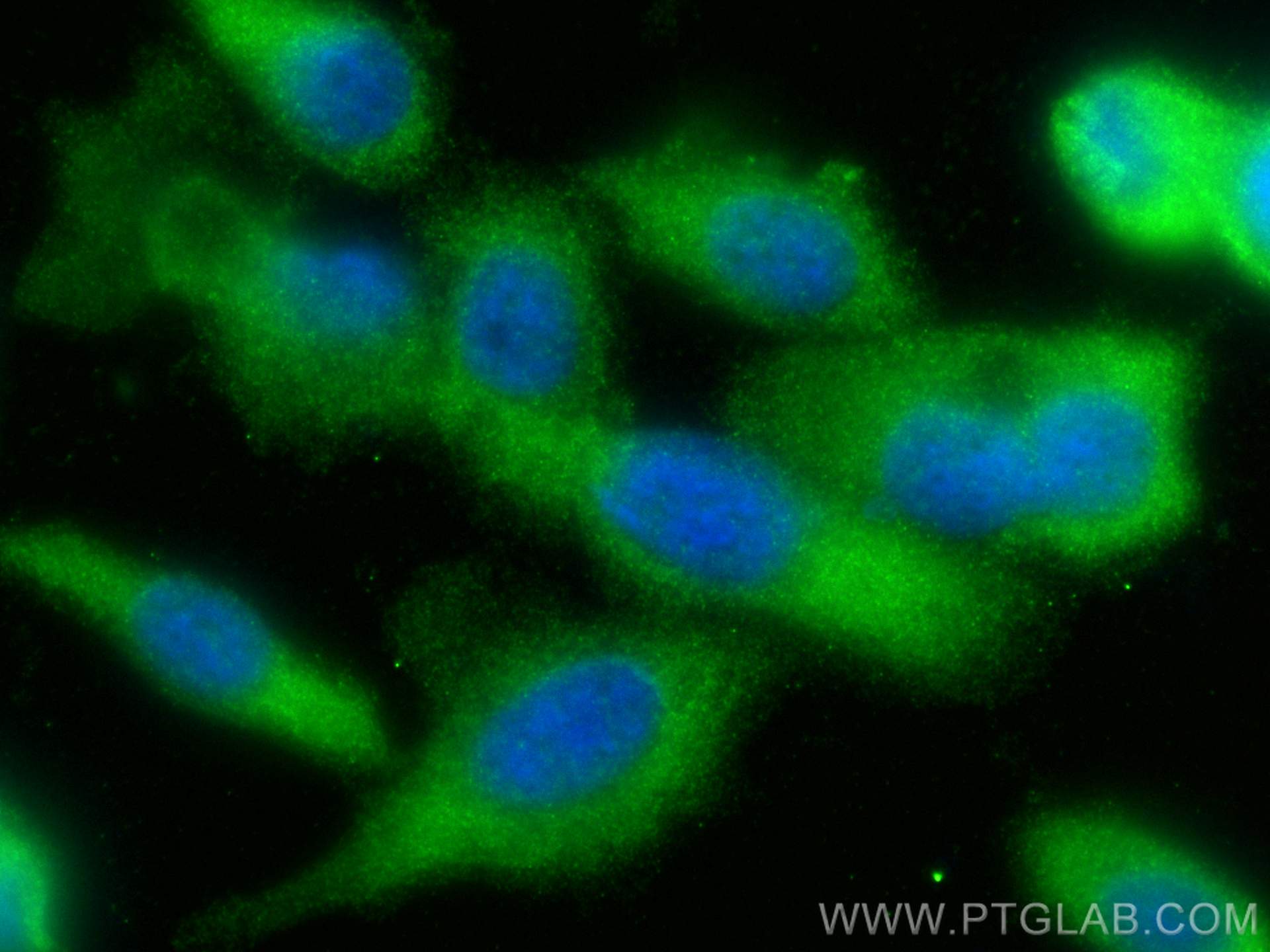
| Positive IF/ICC detected in | PC-3 cells |
Recommended dilution
| Application | Dilution |
|---|---|
| Western Blot (WB) | WB : 1:2000-1:10000 |
| Immunoprecipitation (IP) | IP : 0.5-4.0 ug for 1.0-3.0 mg of total protein lysate |
| Immunohistochemistry (IHC) | IHC : 1:400-1:1600 |
| Immunofluorescence (IF)/ICC | IF/ICC : 1:200-1:800 |
| It is recommended that this reagent should be titrated in each testing system to obtain optimal results. | |
| Sample-dependent, Check data in validation data gallery. | |
Product Information
11307-1-AP targets LPXN in WB, IHC, IF/ICC, IP, ELISA applications and shows reactivity with human samples.
| Tested Reactivity | human |
| Cited Reactivity | mouse |
| Host / Isotype | Rabbit / IgG |
| Class | Polyclonal |
| Type | Antibody |
| Immunogen |
CatNo: Ag1845 Product name: Recombinant human LPXN protein Source: e coli.-derived, PGEX-4T Tag: GST Domain: 87-386 aa of BC019035 Sequence: TSAAAQLDELMAHLTEMQAKVAVRADAGKKHLPDKQDHKASLDSMLGGLEQELQDLGIATVPKGHCASCQKPIAGKVIHALGQSWHPEHFVCTHCKEEIGSSPFFERSGLAYCPNDYHQLFSPRCAYCAAPILDKVLTAMNQTWHPEHFFCSHCGEVFGAEGFHEKDKKPYCRKDFLAMFSPKCGGCNRPVLENYLSAMDTVWHPECFVCGDCFTSFSTGSFFELDGRPFCELHYHHRRGTLCHGCGQPITGRCISAMGYKFHPEHFVCAFCLTQLSKGIFREQNDKTYCQPCFNKLFPL Predict reactive species |
| Full Name | leupaxin |
| Calculated Molecular Weight | 43 kDa |
| Observed Molecular Weight | 45 kDa |
| GenBank Accession Number | BC019035 |
| Gene Symbol | LPXN |
| Gene ID (NCBI) | 9404 |
| RRID | AB_2877756 |
| Conjugate | Unconjugated |
| Form | Liquid |
| Purification Method | Antigen affinity purification |
| UNIPROT ID | O60711 |
| Storage Buffer | PBS with 0.02% sodium azide and 50% glycerol, pH 7.3. |
| Storage Conditions | Store at -20°C. Stable for one year after shipment. Aliquoting is unnecessary for -20oC storage. 20ul sizes contain 0.1% BSA. |
Background Information
LPXN, also known as Leupaxin, LDPL, belongs to the paxillin family. LPXN Contributes to the regulation of cell adhesion, spreading, and cell migration and acts as a negative regulator in integrin-mediated cell adhesion events (PMID: 20543562). LPXN has four leucine-rich LD-motifs in the N-terminus and four LIM domains in the C-terminus. It may function in cell type-specific signaling by associating with PYK2, a member of the focal adhesion kinase family (PMID: 9565592). Studies in breast cancer implicate LPXN is involved in the regulation of ER action as a co-factor (PMID: 25955236). LPXN is expressed in prostate cancer cells and its expression intensity is directly linked to PCa progression (PMID: 18451096).
Protocols
| Product Specific Protocols | |
|---|---|
| IF protocol for LPXN antibody 11307-1-AP | Download protocol |
| IHC protocol for LPXN antibody 11307-1-AP | Download protocol |
| IP protocol for LPXN antibody 11307-1-AP | Download protocol |
| WB protocol for LPXN antibody 11307-1-AP | Download protocol |
| Standard Protocols | |
|---|---|
| Click here to view our Standard Protocols |
Publications
What published studies show
The LPXN Polyclonal antibody (Cat# 11307-1-AP) has 3 total citations. These appear in Journal of Molecular and Cellular Cardiology, Molecular and Cellular Biochemistry, and Frontiers in Cell and Developmental Biology. The research fields span cardiac fibroblast activation and extracellular matrix regulation, ECM stiffness-dependent ovarian cancer progression, and foot-and-mouth disease virus entry mechanisms.
| Species | Application | Title |
|---|---|---|
J Mol Cell Cardiol Exogenous extracellular matrix proteins decrease cardiac fibroblast activation in stiffening microenvironment through CAPG. | ||
Front Cell Dev Biol Genome-wide CRISPR screen identifies RNF24 as a critical host factor for foot-and-mouth disease virus entry. |







