

Tested Applications
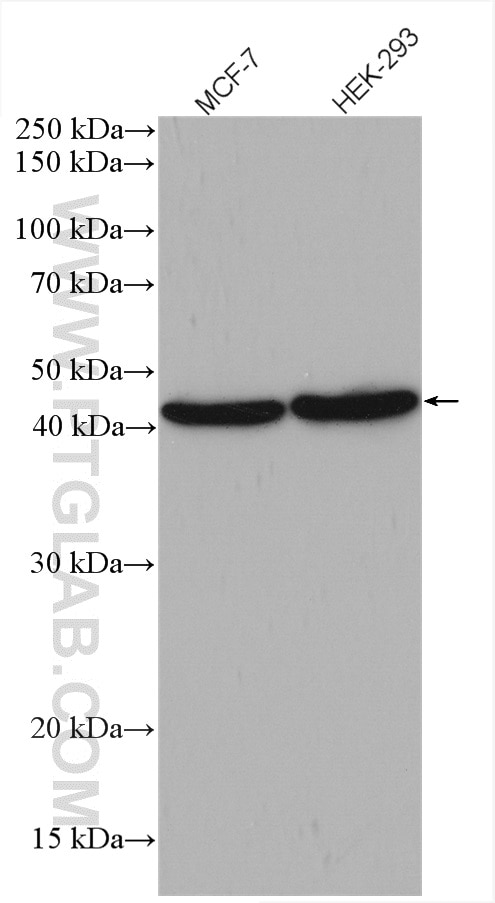
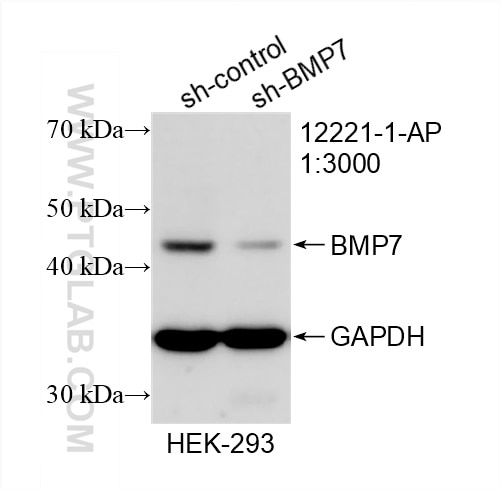
| Positive WB detected in | MCF-7 cells, HEK-293 cells |
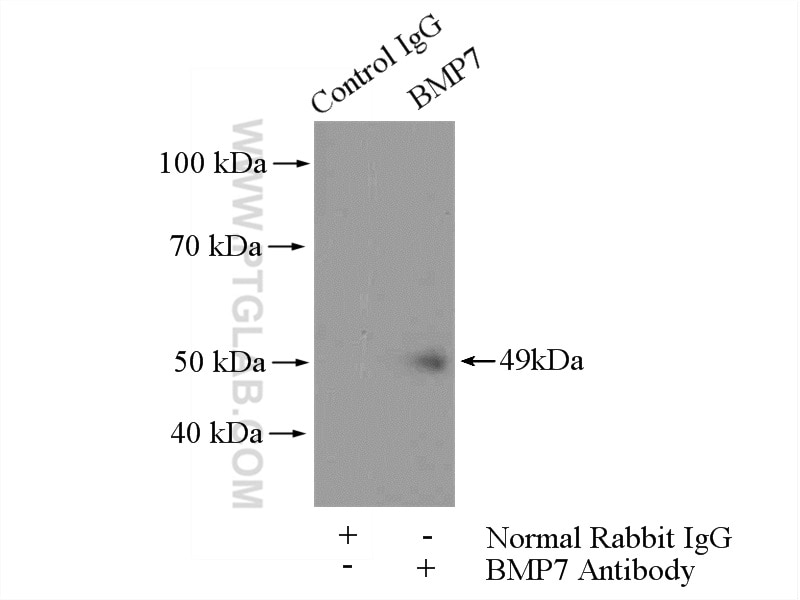
| Positive IP detected in | HEK-293 cells |
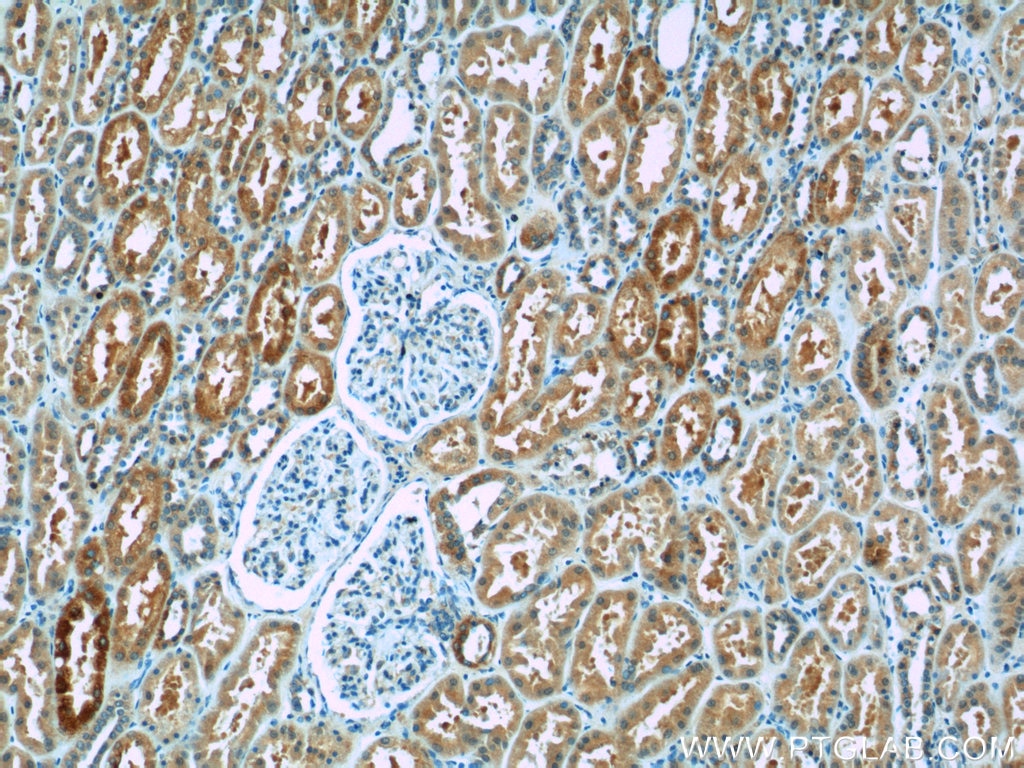
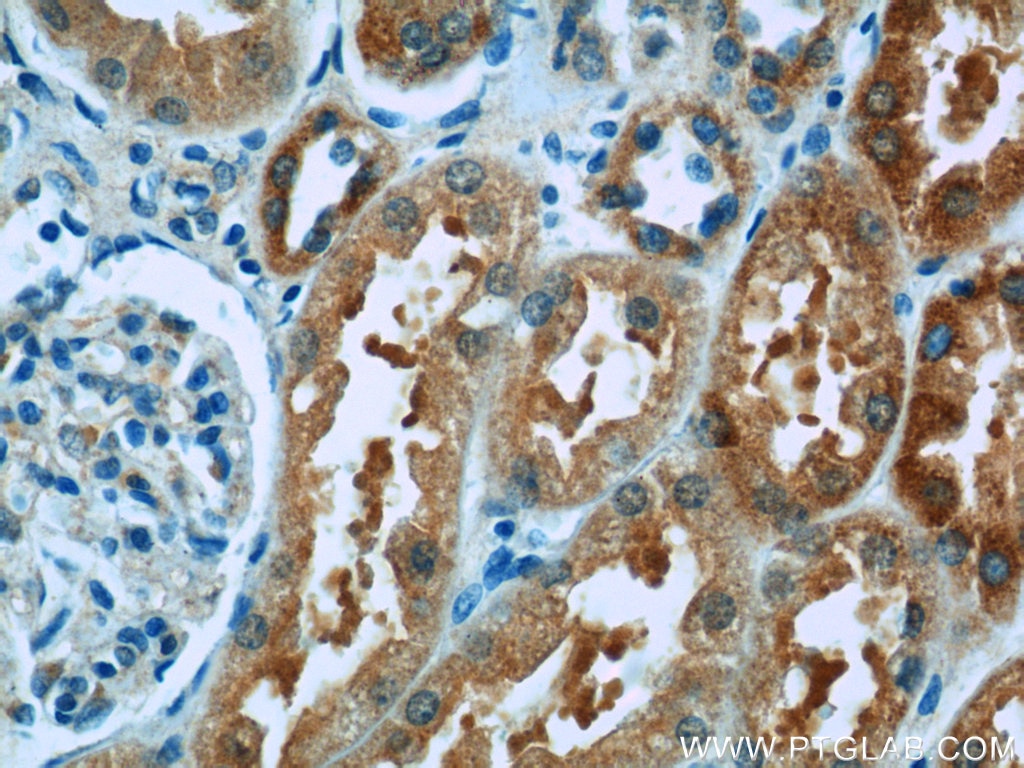
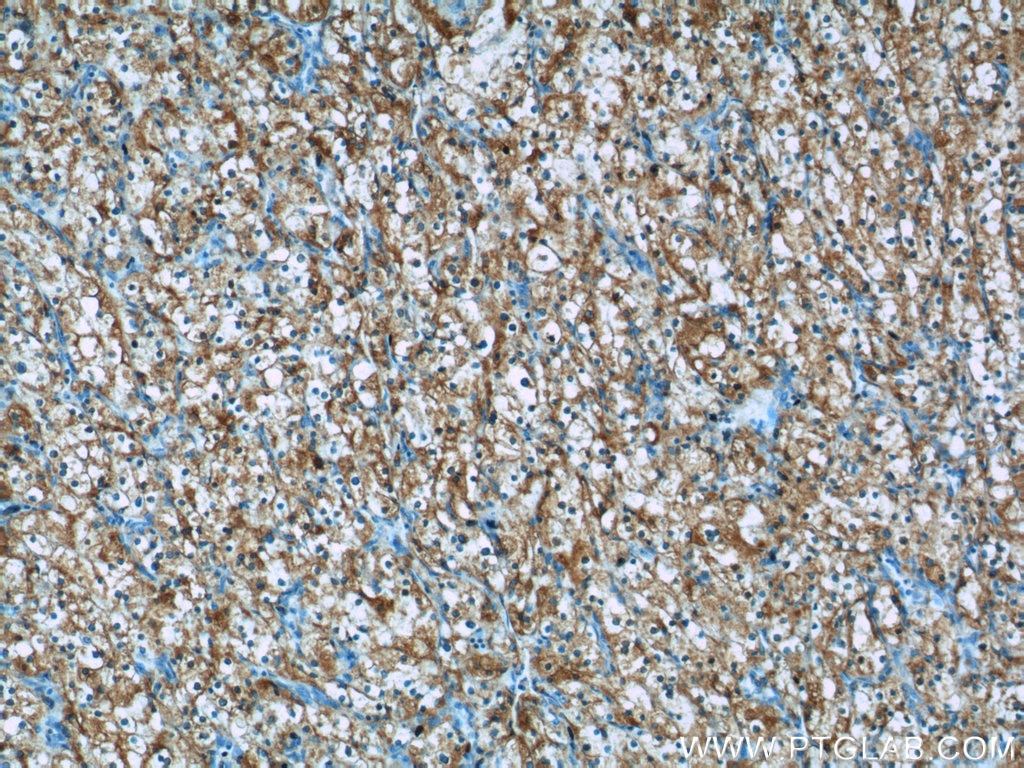
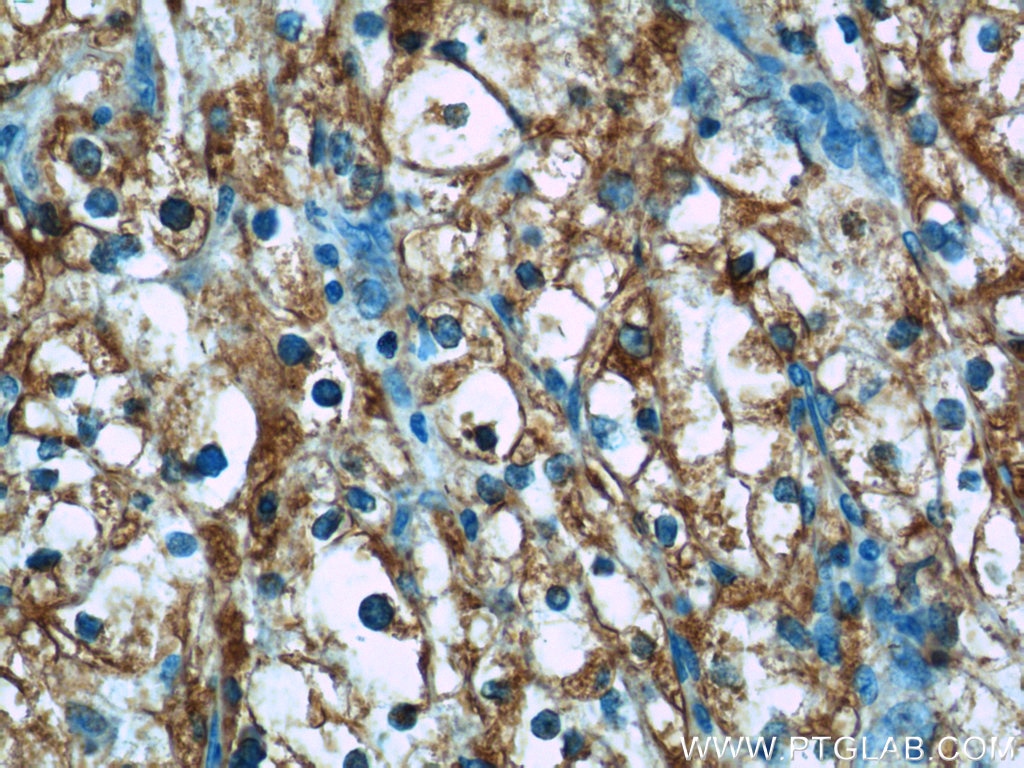
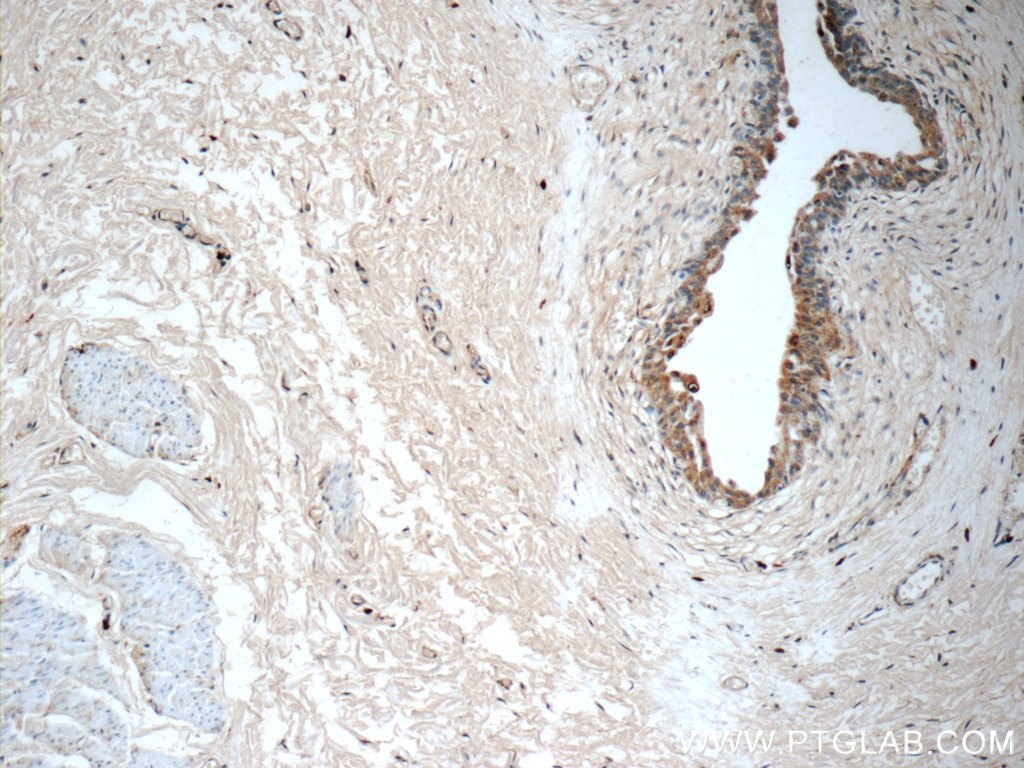
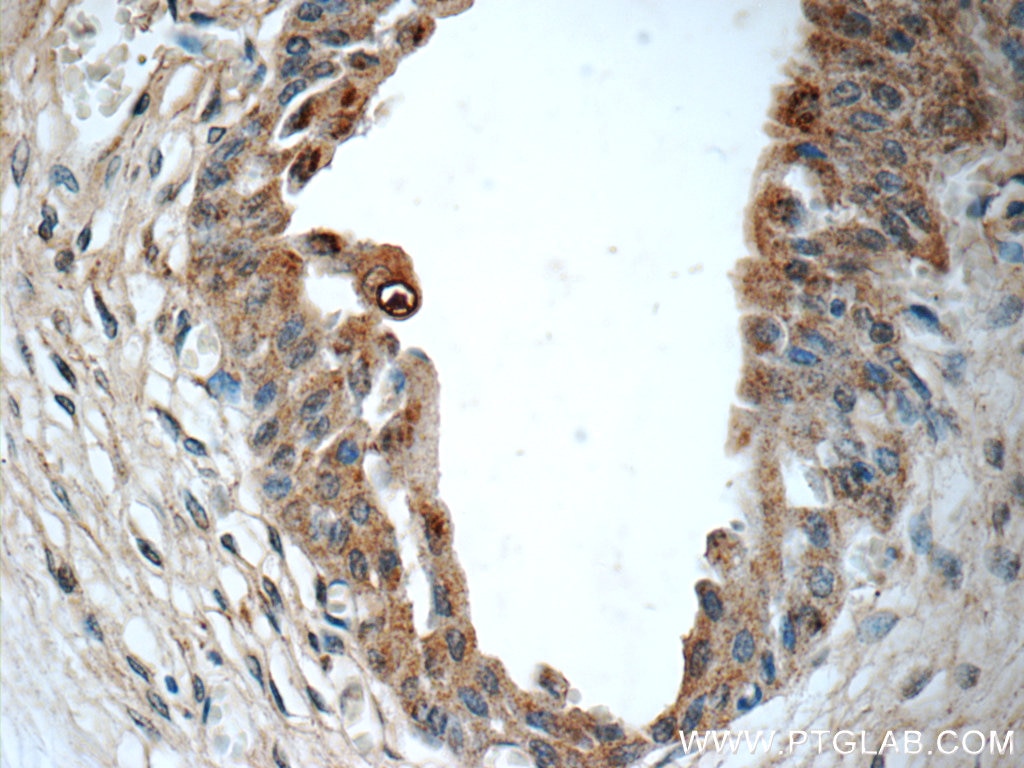
| Positive IHC detected in | human kidney tissue, human bladder tissue, human renal cell carcinoma tissue Note: suggested antigen retrieval with TE buffer pH 9.0; (*) Alternatively, antigen retrieval may be performed with citrate buffer pH 6.0 |
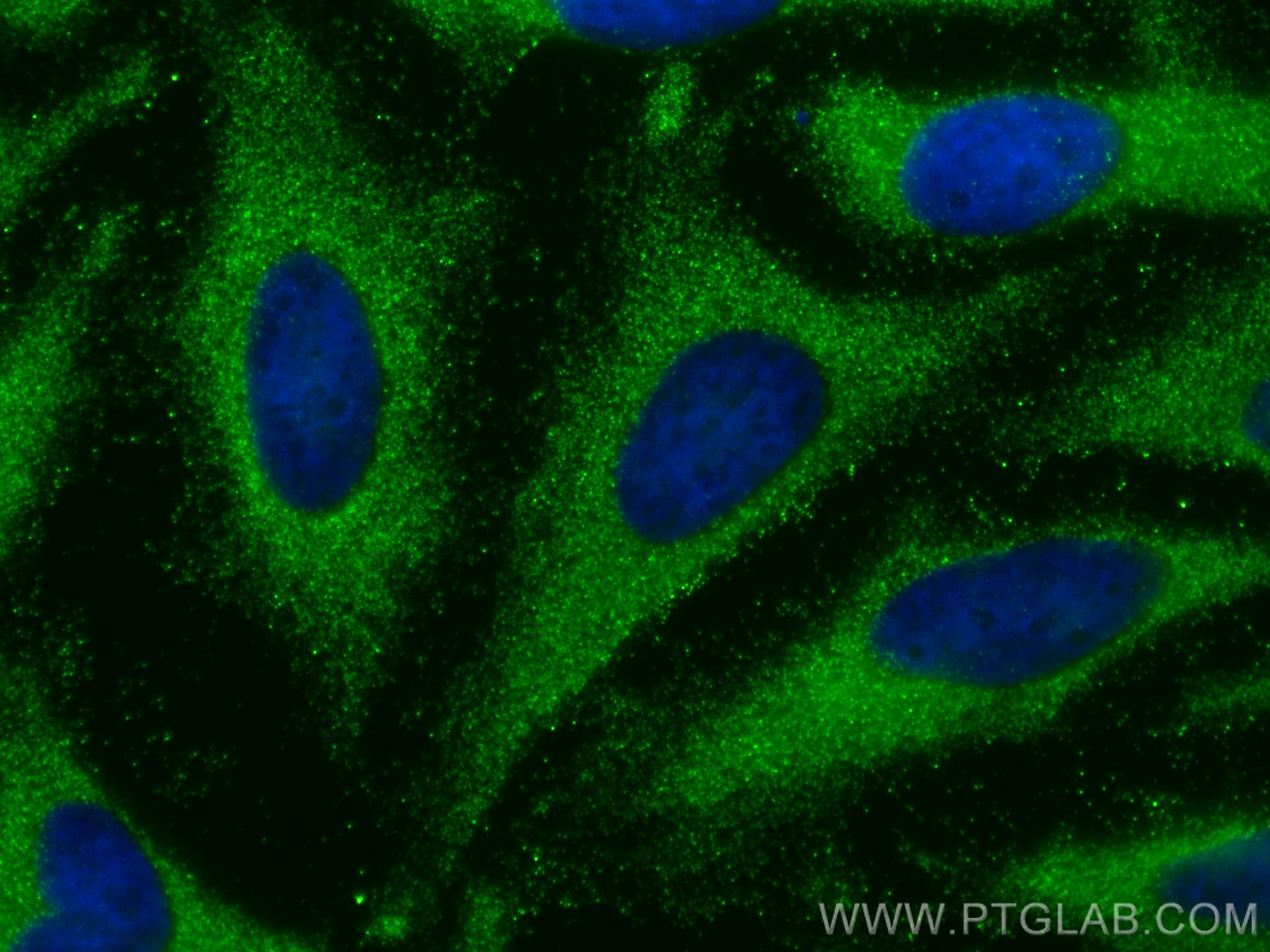
| Positive IF/ICC detected in | HeLa cells |
Recommended dilution
| Application | Dilution |
|---|---|
| Western Blot (WB) | WB : 1:500-1:2000 |
| Immunoprecipitation (IP) | IP : 0.5-4.0 ug for 1.0-3.0 mg of total protein lysate |
| Immunohistochemistry (IHC) | IHC : 1:50-1:500 |
| Immunofluorescence (IF)/ICC | IF/ICC : 1:50-1:500 |
| It is recommended that this reagent should be titrated in each testing system to obtain optimal results. | |
| Sample-dependent, Check data in validation data gallery. | |
Product Information
12221-1-AP targets BMP7 in WB, IHC, IF/ICC, IP, ELISA applications and shows reactivity with human samples.
| Tested Reactivity | human |
| Cited Reactivity | human, rat |
| Host / Isotype | Rabbit / IgG |
| Class | Polyclonal |
| Type | Antibody |
| Immunogen |
CatNo: Ag2902 Product name: Recombinant human BMP7 protein Source: e coli.-derived, PGEX-4T Tag: GST Domain: 82-431 aa of BC008584 Sequence: FMLDLYNAMAVEEGGGPGGQGFSYPYKAVFSTQGPPLASLQDSHFLTDADMVMSFVNLVEHDKEFFHPRYHHREFRFDLSKIPEGEAVTAAEFRIYKDYIRERFDNETFRISVYQVLQEHLGRESDLFLLDSRTLWASEEGWLVFDITATSNHWVVNPRHNLGLQLSVETLDGQSINPKLAGLIGRHGPQNKQPFMVAFFKATEVHFRSIRSTGSKQRSQNRSKTPKNQEALRMANVAENSSSDQRQACKKHELYVSFRDLGWQDWIIAPEGYAAYYCEGECAFPLNSYMNATNHAIVQTLVHFINPETVPKPCCAPTQLNAISVLYFDDSSNVILKKYRNMVVRACGCH Predict reactive species |
| Full Name | bone morphogenetic protein 7 |
| Calculated Molecular Weight | 431 aa, 49 kDa |
| Observed Molecular Weight | 43-49 kDa |
| GenBank Accession Number | BC008584 |
| Gene Symbol | BMP7 |
| Gene ID (NCBI) | 655 |
| RRID | AB_2063960 |
| Conjugate | Unconjugated |
| Form | Liquid |
| Purification Method | Antigen affinity purification |
| UNIPROT ID | P18075 |
| Storage Buffer | PBS with 0.02% sodium azide and 50% glycerol, pH 7.3. |
| Storage Conditions | Store at -20°C. Stable for one year after shipment. Aliquoting is unnecessary for -20oC storage. 20ul sizes contain 0.1% BSA. |
Background Information
The bone morphogenetic proteins (BMPs) are a family of secreted signaling molecules that can induce ectopic bone growth. Many BMPs are part of the transforming growth factor-beta (TGFB) superfamily. BMPs were originally identified by an ability of demineralized bone extract to induce endochondral osteogenesis in vivo in an extraskeletal site.
BMP7, also known as osteogenic protein-1 or OP-1, plays a key role in the transformation of mesenchymal cells into bone and cartilage. BMP7 may be involved in bone homeostasis (PMID: 15621726). It is expressed in the brain, kidneys and bladder. BMP7 is also present in cancers, including breast, prostate, and colon cancers, in which it is implicated in regulating cancer cell proliferation (PMID: 16419056, PMID: 15531927). Overexpression of BMP7 mRNA in colorectal cancer patients was significantly associated with poor prognosis and low overall survival (PMID: 18259822). Recent studies suggest that high-expression level of BMP7 serves as a biomarker for poor prognosis for HCC (PMID: 23179403).
Protocols
| Product Specific Protocols | |
|---|---|
| IF protocol for BMP7 antibody 12221-1-AP | Download protocol |
| IHC protocol for BMP7 antibody 12221-1-AP | Download protocol |
| IP protocol for BMP7 antibody 12221-1-AP | Download protocol |
| WB protocol for BMP7 antibody 12221-1-AP | Download protocol |
| Standard Protocols | |
|---|---|
| Click here to view our Standard Protocols |
Publications
What published studies show
The anti-BMP7 antibody (Cat# 12221-1-AP) has 26 citations published in journals including Nature Communications, Circulation Research, Advanced Science, Science Advances, Cell Death & Disease, EBioMedicine, Genome Medicine, Journal of Translational Medicine, eLife, Annals of Surgical Oncology, and others. Associated research fields span cardiology (dilated cardiomyopathy, cardiac fibrosis), renal disease (diabetic nephropathy, renal fibrosis), oncology (esophageal, breast, colorectal, hepatocellular cancers), epithelial-mesenchymal transition, neurodevelopment, pulmonary disease, and developmental biology.
| Species | Application | Title |
|---|---|---|
Nat Commun Brown adipose tissue secretes OLFM4 to coordinate sensory and sympathetic innervation via Schwann cells | ||
Circ Res Yin Yang 1 Suppresses Dilated Cardiomyopathy and Cardiac Fibrosis Through Regulation of Bmp7 and Ctgf. | ||
Adv Sci (Weinh) WTAP Mediated m6A Modification Stabilizes PDIA3P1 and Promotes Tumor Progression Driven by Histone Lactylation in Esophageal Squamous Cell Carcinoma | ||
Sci Adv Single-cell and spatial omics reveals region-specific plasticity and therapeutic vulnerabilities in metastatic high-risk neuroblastoma. | ||
Cell Death Dis BMP-7 ameliorates partial epithelial-mesenchymal transition by restoring SnoN protein level via Smad1/5 pathway in diabetic kidney disease. | ||
EBioMedicine miR-4739 mediates pleural fibrosis by targeting bone morphogenetic protein 7. |











