
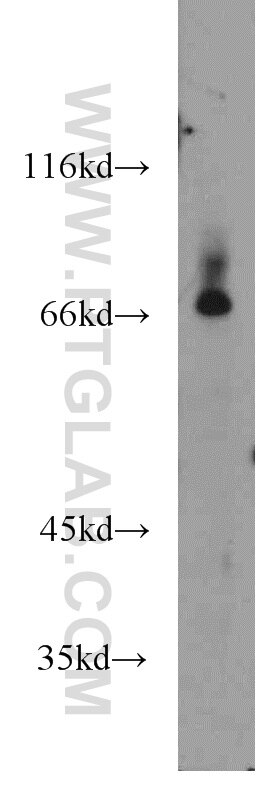
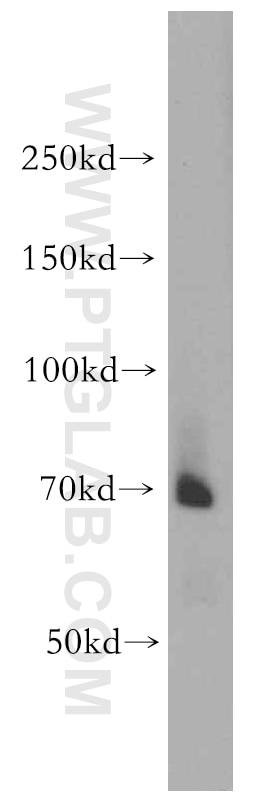
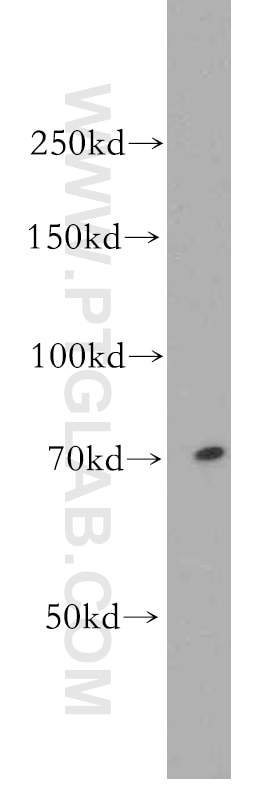
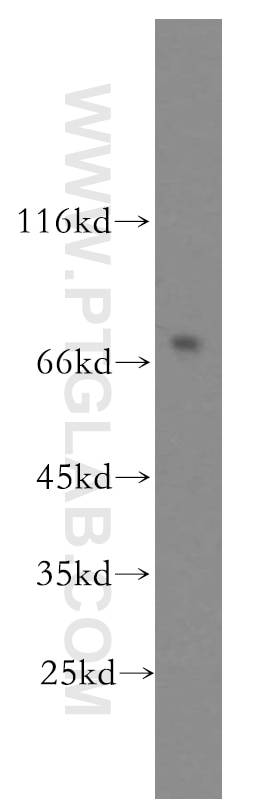

Tested Applications
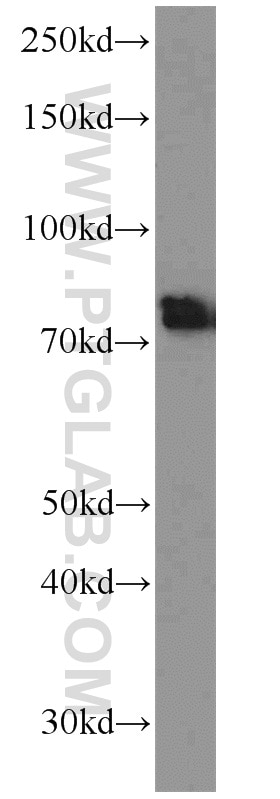
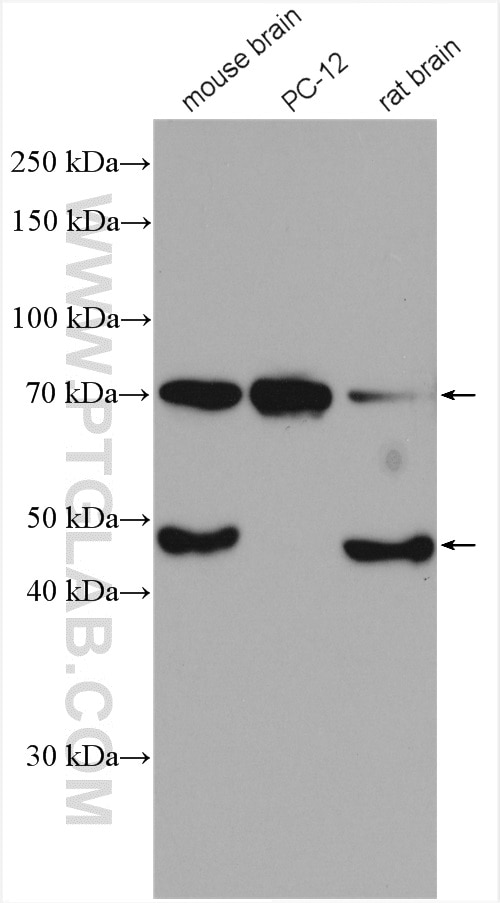
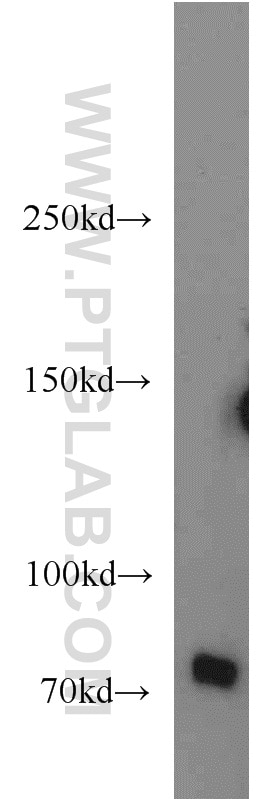
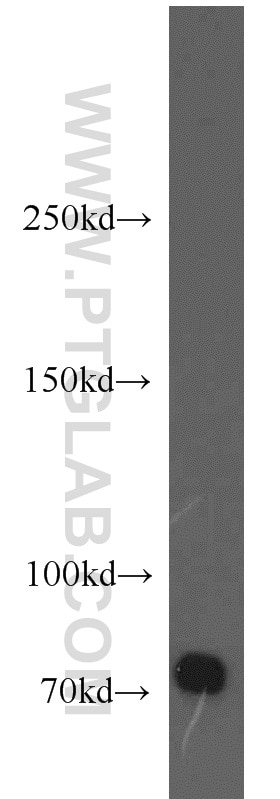
| Positive WB detected in | mouse brain tissue, human brain tissue, mouse pancreas tissue, HeLa cells, zebrafish tissue, PC-12 cells, rat brain tissue |
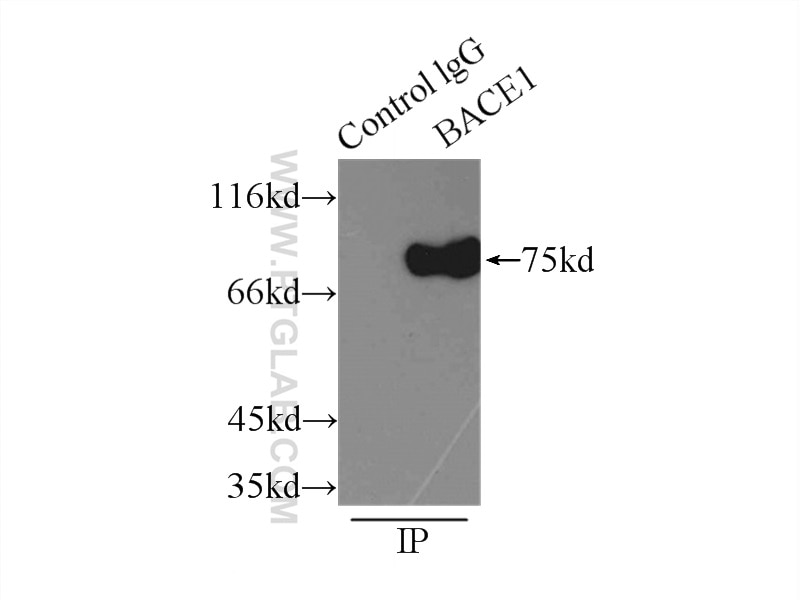
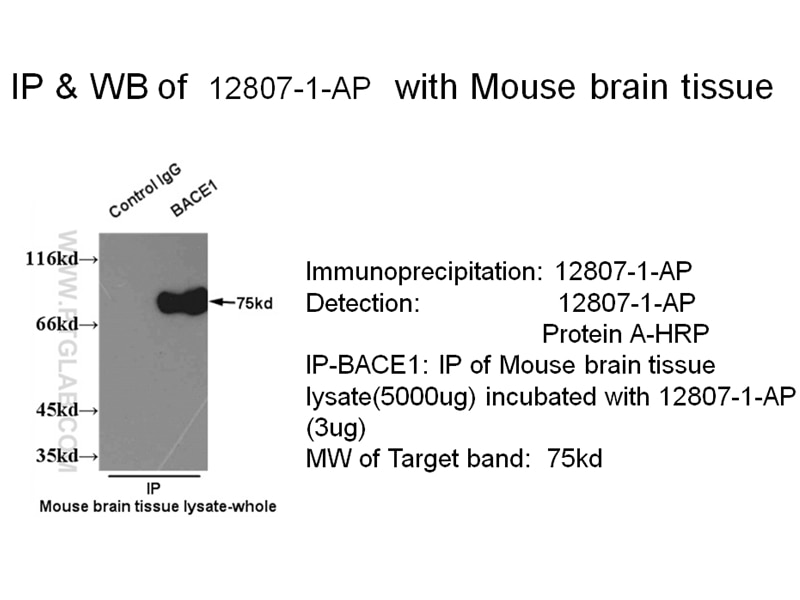
| Positive IP detected in | mouse brain tissue |
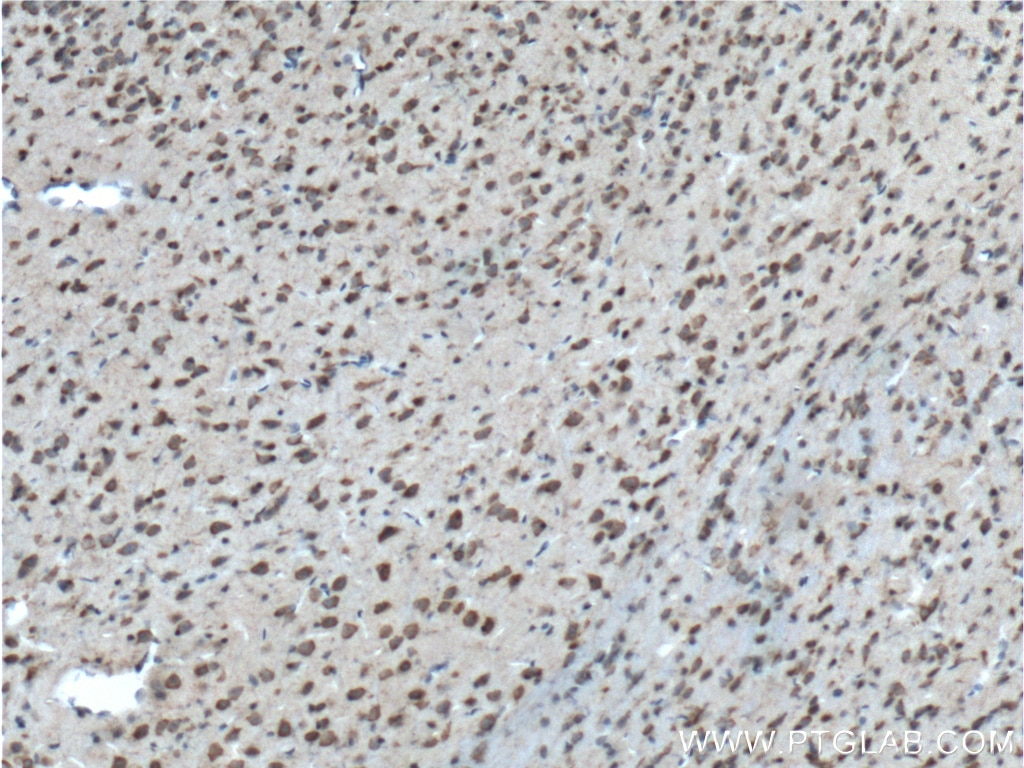
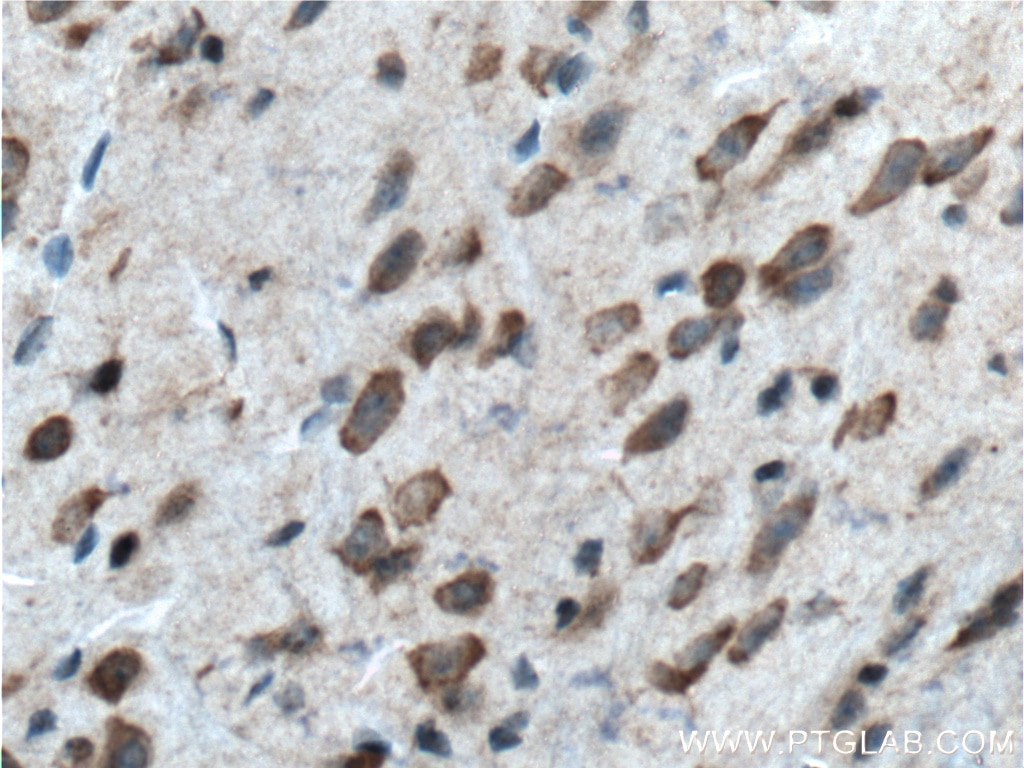
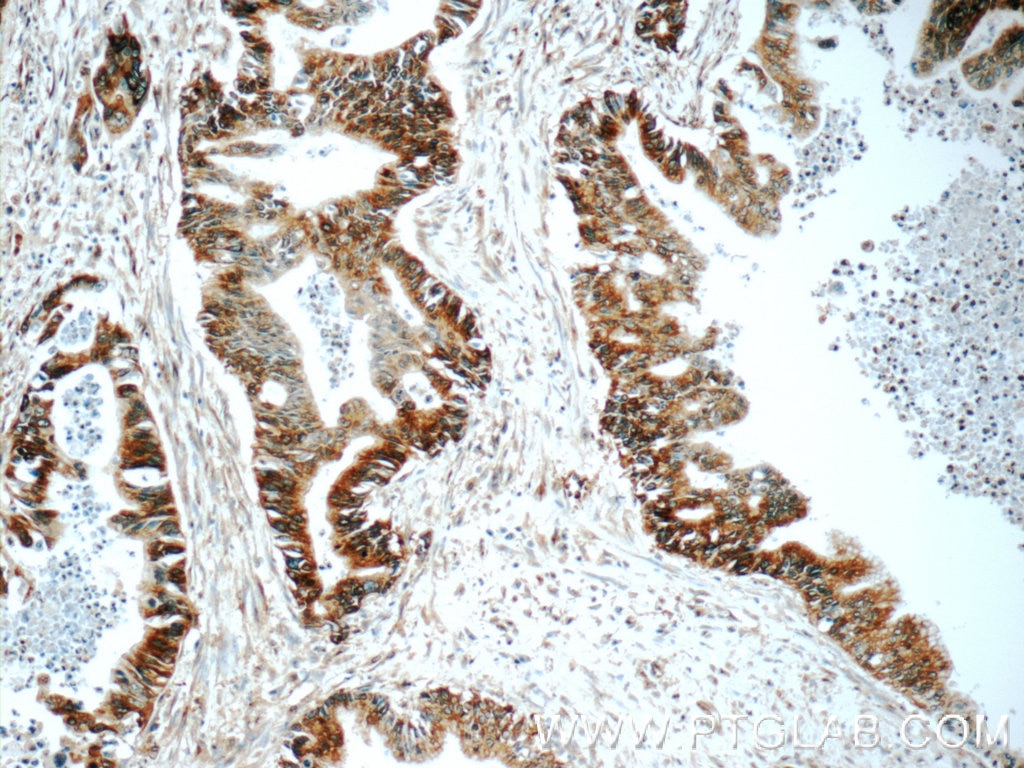
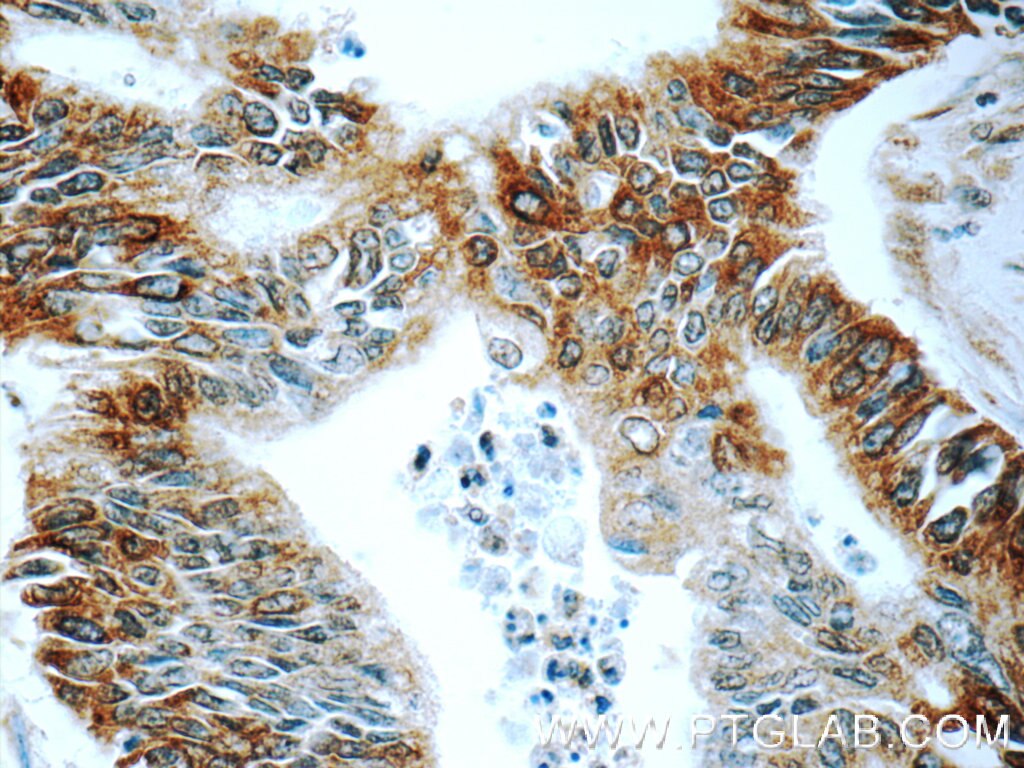
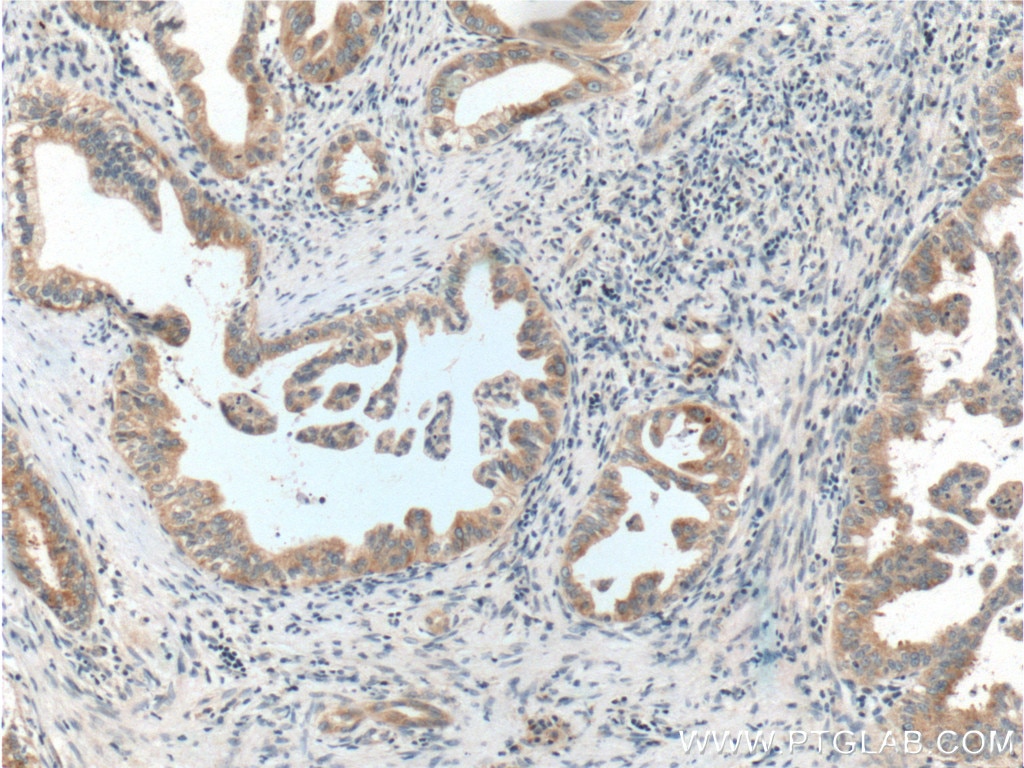
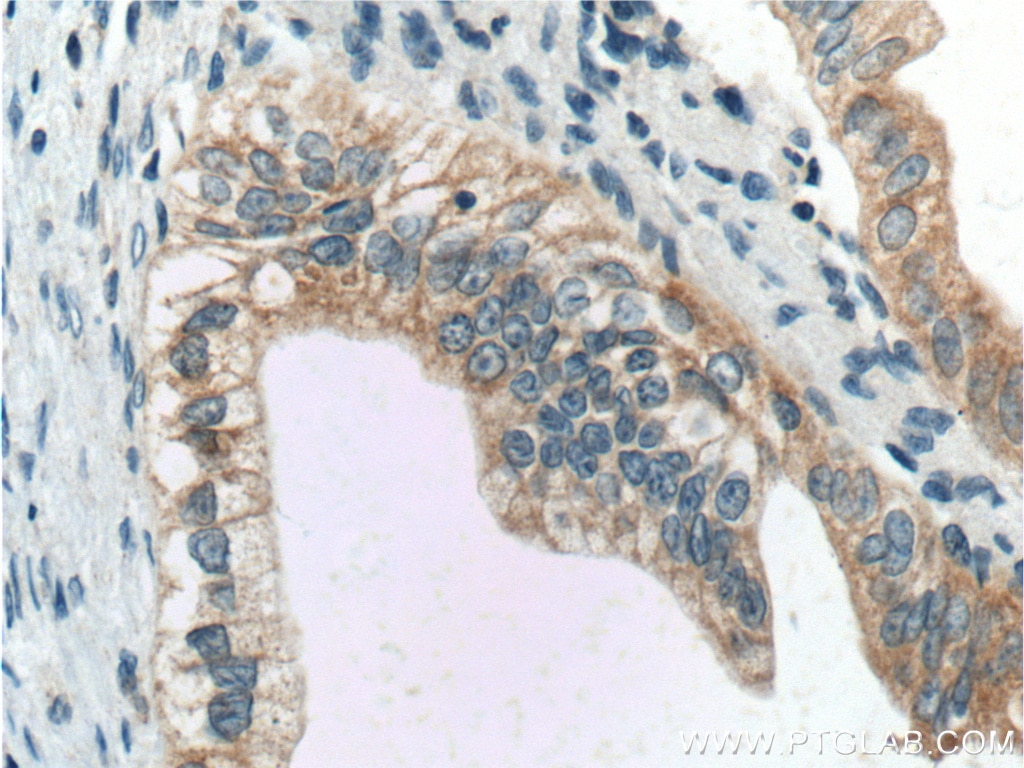
| Positive IHC detected in | mouse brain tissue, human pancreas cancer tissue Note: suggested antigen retrieval with TE buffer pH 9.0; (*) Alternatively, antigen retrieval may be performed with citrate buffer pH 6.0 |
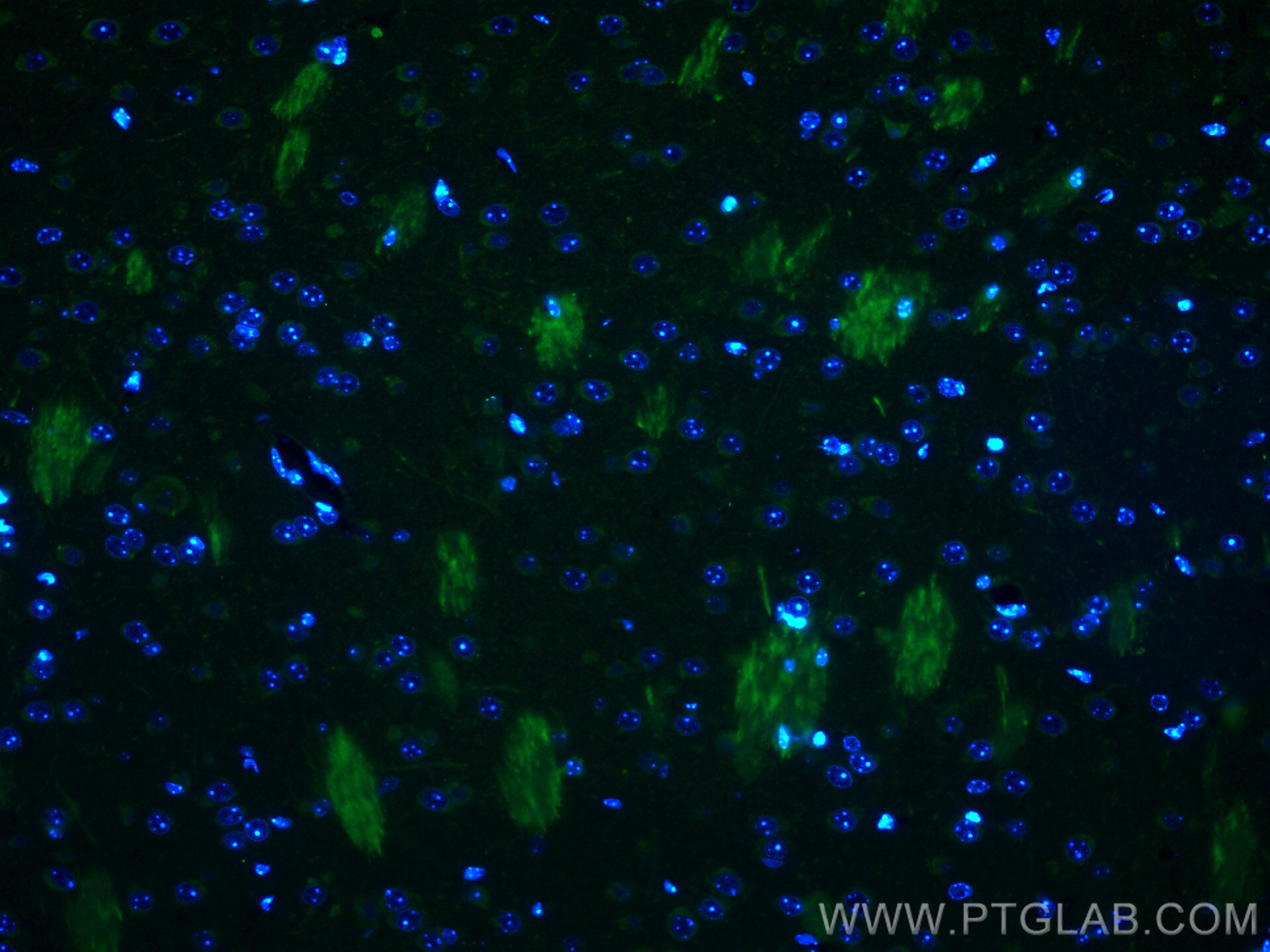
| Positive IF-P detected in | mouse brain tissue |
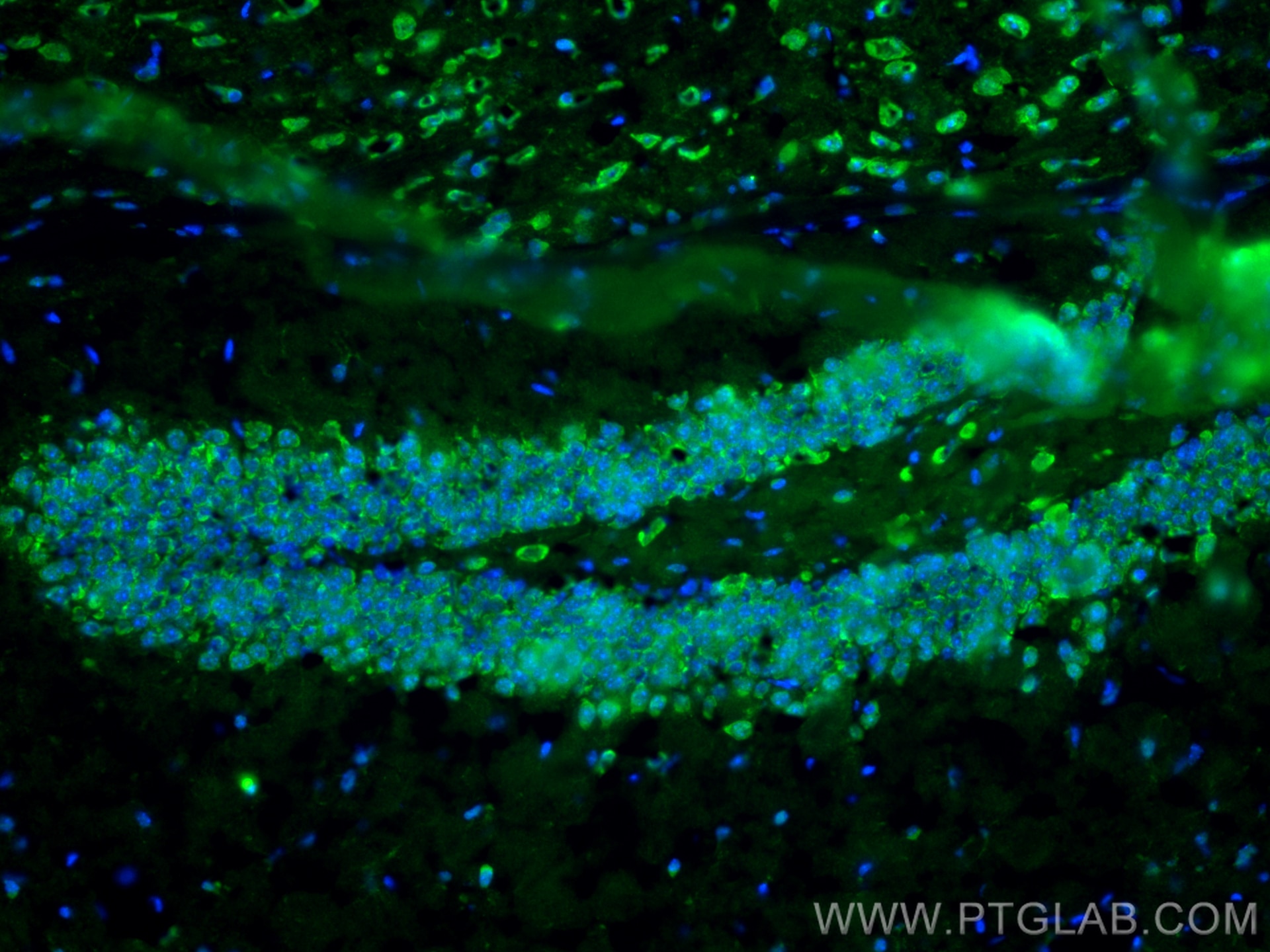
| Positive IF-Fro detected in | mouse brain tissue |
Recommended dilution
| Application | Dilution |
|---|---|
| Western Blot (WB) | WB : 1:500-1:1000 |
| Immunoprecipitation (IP) | IP : 0.5-4.0 ug for 1.0-3.0 mg of total protein lysate |
| Immunohistochemistry (IHC) | IHC : 1:100-1:400 |
| Immunofluorescence (IF)-P | IF-P : 1:50-1:500 |
| Immunofluorescence (IF)-FRO | IF-FRO : 1:200-1:800 |
| It is recommended that this reagent should be titrated in each testing system to obtain optimal results. | |
| Sample-dependent, Check data in validation data gallery. | |
Product Information
12807-1-AP targets BACE1 in WB, IHC, IF-P, IF-Fro, IP, ELISA applications and shows reactivity with human, mouse, rat, zebrafish samples.
| Tested Reactivity | human, mouse, rat, zebrafish |
| Cited Reactivity | human, mouse, rat |
| Host / Isotype | Rabbit / IgG |
| Class | Polyclonal |
| Type | Antibody |
| Immunogen |
CatNo: Ag3559 Product name: Recombinant human BACE1 protein Source: e coli.-derived, PGEX-4T Tag: GST Domain: 157-457 aa of BC036084 Sequence: VRANIAAITESDKFFINGSNWEGILGLAYAEIARPDDSLEPFFDSLVKQTHVPNLFSLQLCGAGFPLNQSEVLASVGGSMIIGGIDHSLYTGSLWYTPIRREWYYEVIIVRVEINGQDLKMDCKEYNYDKSIVDSGTTNLRLPKKVFEAAVKSIKAASSTEKFPDGFWLGEQLVCWQAGTTPWNIFPVISLYLMGEVTNQSFRITILPQQYLRPVEDVATSQDDCYKFAISQSSTGTVMGAVIMEGFYVVFDRARKRIGFAVSACHVHDEFRTAAVEGPFVTLDMEDCGYNIPQTDESTLM Predict reactive species |
| Full Name | beta-site APP-cleaving enzyme 1 |
| Calculated Molecular Weight | 501 aa, 56 kDa |
| Observed Molecular Weight | 70-75 kDa, 42-56 kDa |
| GenBank Accession Number | BC036084 |
| Gene Symbol | BACE1 |
| Gene ID (NCBI) | 23621 |
| RRID | AB_10638760 |
| Conjugate | Unconjugated |
| Form | Liquid |
| Purification Method | Antigen affinity purification |
| UNIPROT ID | P56817 |
| Storage Buffer | PBS with 0.02% sodium azide and 50% glycerol, pH 7.3. |
| Storage Conditions | Store at -20°C. Stable for one year after shipment. Aliquoting is unnecessary for -20oC storage. 20ul sizes contain 0.1% BSA. |
Background Information
beta-secretase, encoded by BACE1(beta-stie amyloid beta A4 precursor protein-cleavage enzyem1) gene, is a neuron-specific membrane-associated protease that participate in the two step proteolytic processing of the APP. Cleaves at the N-terminus of the A-beta peptide sequence, between residues 671 and 672 of APP, leads to the generation and extracellular release of beta-cleaved soluble APP, and a corresponding cell-associated C-terminal fragment which is later released by gamma-secretase. It has a high expression in the brain and pancreas. This protein has 6 isoforms produced by alternative splicing. BACE1 can be detected with different molecular weight: 42-56kD (prozymogen and isoforms), 65-75 (glycosylated forms) and 160kDa (dimer) (PMID:22741101; 21795680).
Protocols
| Product Specific Protocols | |
|---|---|
| IF protocol for BACE1 antibody 12807-1-AP | Download protocol |
| IHC protocol for BACE1 antibody 12807-1-AP | Download protocol |
| IP protocol for BACE1 antibody 12807-1-AP | Download protocol |
| WB protocol for BACE1 antibody 12807-1-AP | Download protocol |
| Standard Protocols | |
|---|---|
| Click here to view our Standard Protocols |
Publications
What published studies show
The BACE1 Polyclonal antibody (Cat# 12807-1-AP) has accumulated 49 citations. These publications span journals including Cell, PNAS, Redox Biology, Alzheimer's & Dementia, Small, Cell Reports, Aging Cell, Neurotherapeutics, and Frontiers in Pharmacology. The research fields predominantly focus on Alzheimer's disease, amyloid-β pathology, APP processing, neuroprotection, and cognitive impairment, with studies exploring pathways such as Nrf2/Keap1, Wnt/β-catenin, and ferroptosis. Most applications were Western blot in mouse, rat, or human samples.
| Species | Application | Title |
|---|---|---|
Cell Elucidating pathway-selective biased CCKBR agonism for Alzheimer's disease treatment. | ||
Redox Biol A potent phosphodiester Keap1-Nrf2 protein-protein interaction inhibitor as the efficient treatment of Alzheimer's disease | ||
Redox Biol Hyperoside alleviates toxicity of β-amyloid via endoplasmic reticulum-mitochondrial calcium signal transduction cascade in APP/PS1 double transgenic Alzheimer's disease mice | ||
Alzheimers Dement Air pollution amyloidogenesis is attenuated by the gamma-secretase modulator GSM-15606 | ||
Small Brain-Penetration and Neuron-Targeting DNA Nanoflowers Co-Delivering miR-124 and Rutin for Synergistic Therapy of Alzheimer's Disease. | ||
Proc Natl Acad Sci U S A Aβ-induced Golgi fragmentation in Alzheimer's disease enhances Aβ production. |
Reviews
What customers say
The single review for this product is highly positive, rated 5 stars. The customer used it for Western Blot on brain tissue at a 1:1000 dilution and reported a good signal. Overall, the feedback indicates reliable performance and strong signal quality for WB applications.
The reviews below have been submitted by verified Proteintech customers who received an incentive for providing their feedback.
Xiaoyu (Verified Customer) (02-07-2024) | Good signal.
 |



















