

Tested Applications
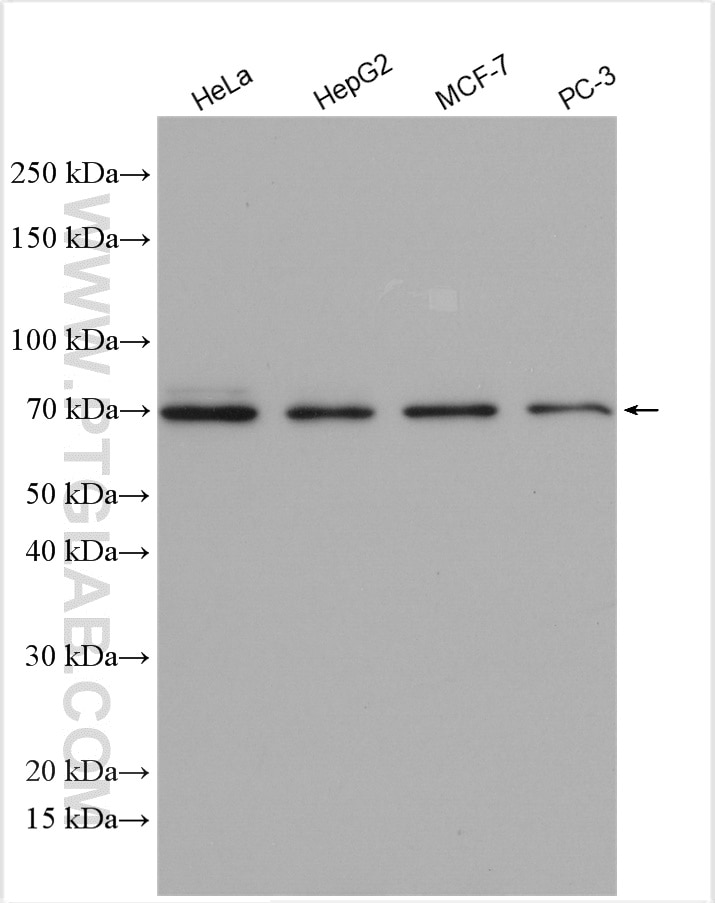
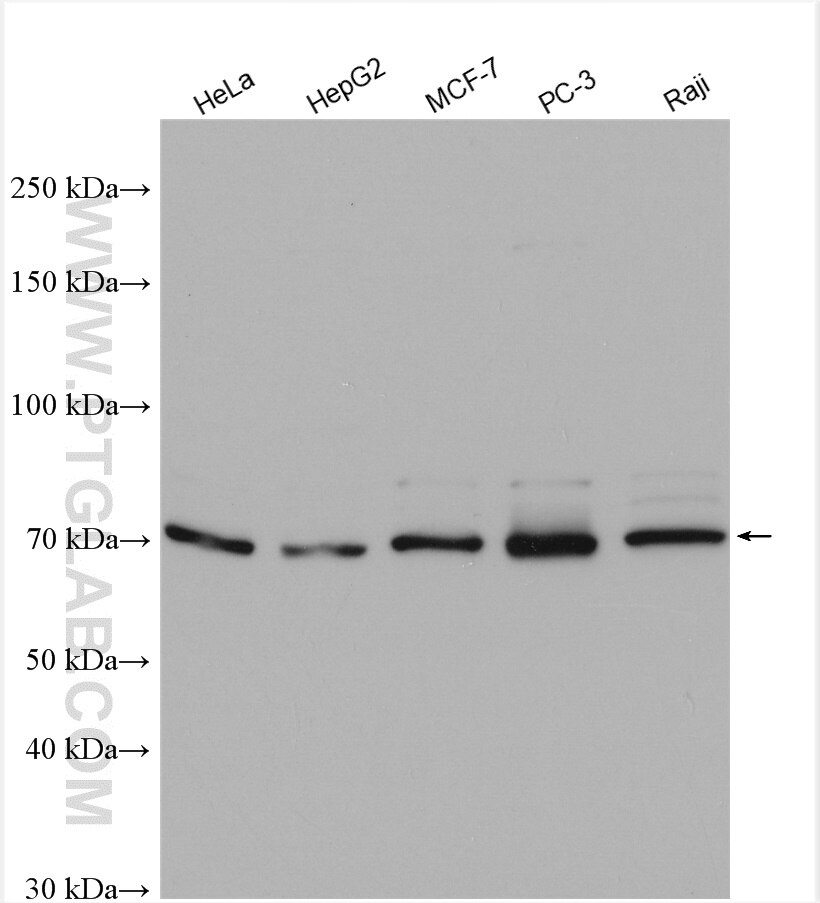
| Positive WB detected in | HeLa cells, HepG2 cells, MCF-7 cells, PC-3 cells, Raji cells |
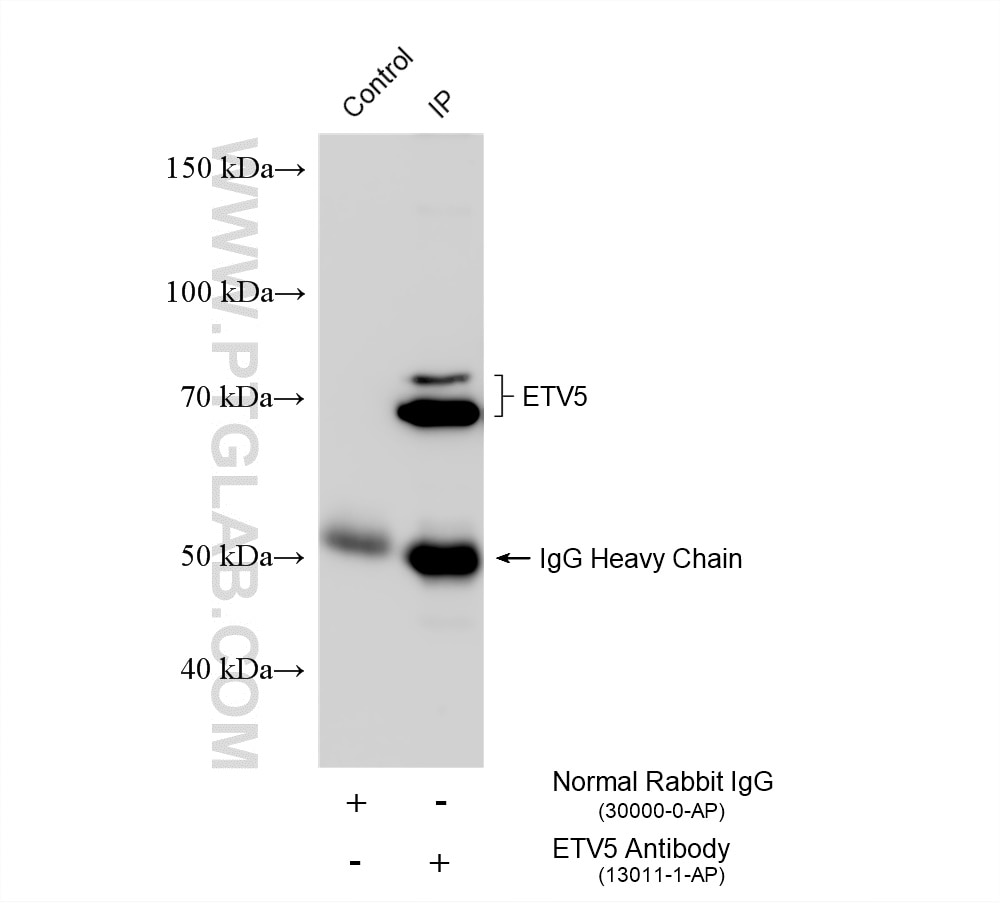
| Positive IP detected in | HeLa cells |
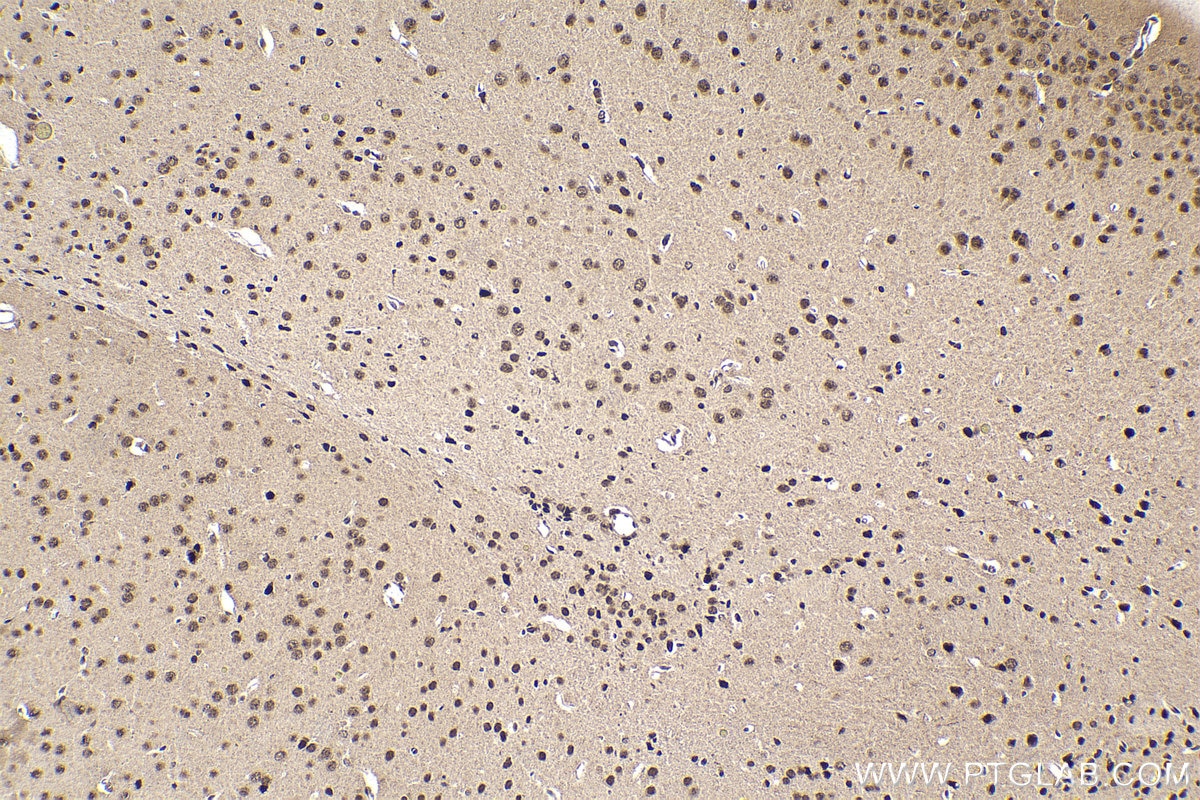
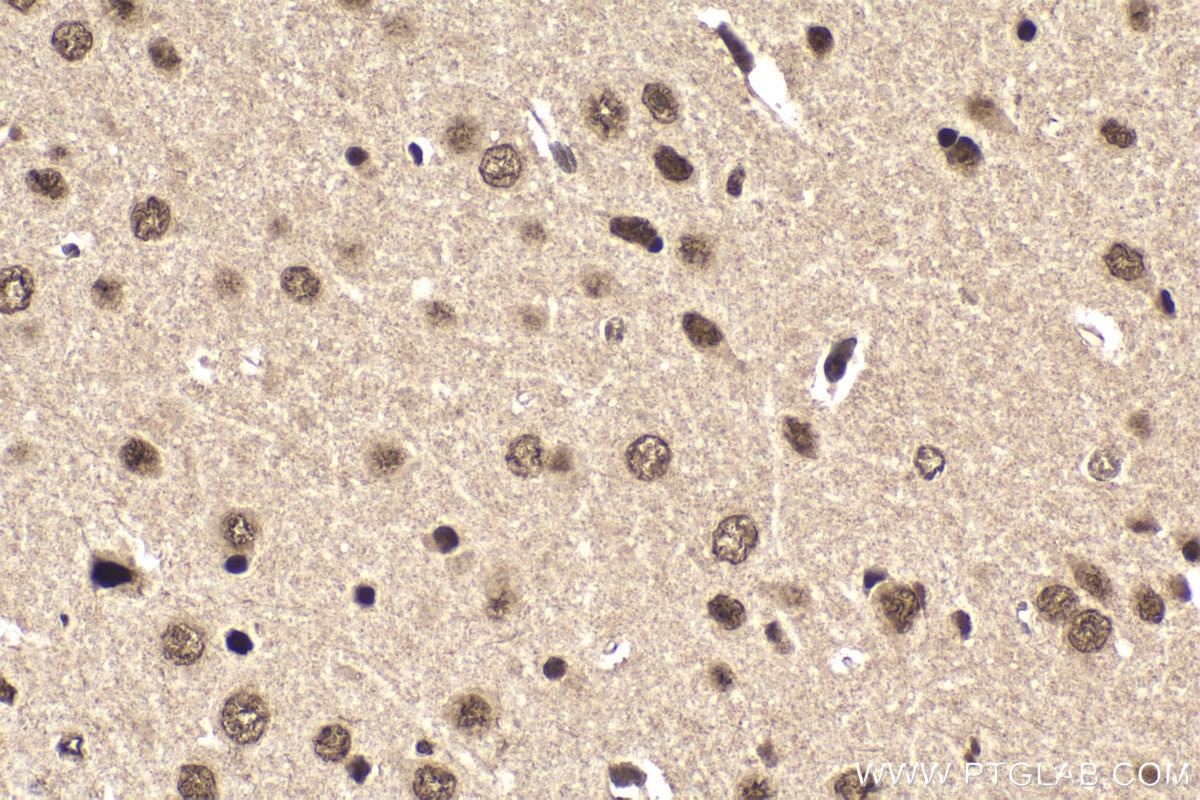
| Positive IHC detected in | mouse brain tissue Note: suggested antigen retrieval with TE buffer pH 9.0; (*) Alternatively, antigen retrieval may be performed with citrate buffer pH 6.0 |
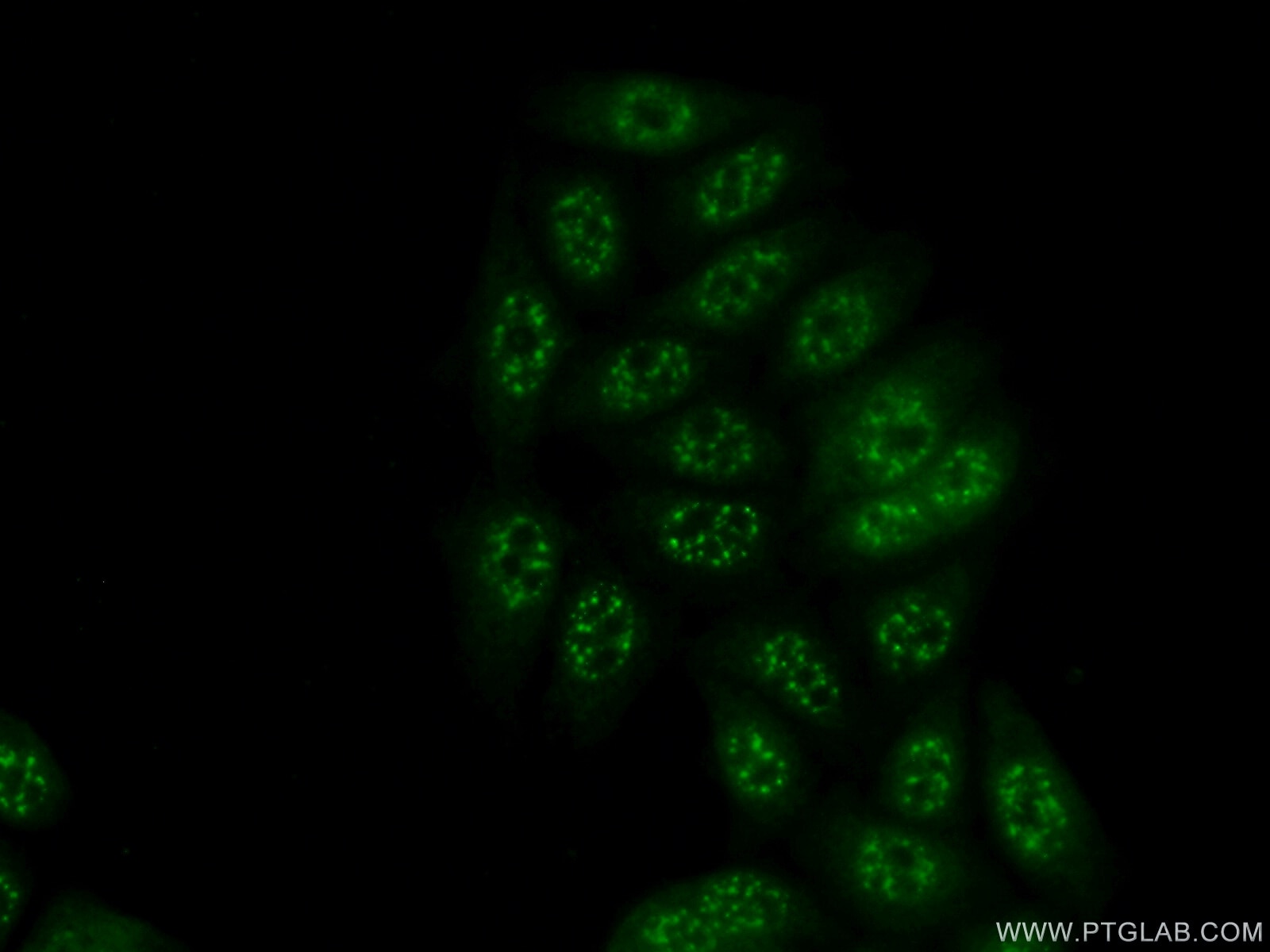
| Positive IF/ICC detected in | PC-3 cells |
Recommended dilution
| Application | Dilution |
|---|---|
| Western Blot (WB) | WB : 1:1000-1:6000 |
| Immunoprecipitation (IP) | IP : 0.5-4.0 ug for 1.0-3.0 mg of total protein lysate |
| Immunohistochemistry (IHC) | IHC : 1:1000-1:4000 |
| Immunofluorescence (IF)/ICC | IF/ICC : 1:50-1:500 |
| It is recommended that this reagent should be titrated in each testing system to obtain optimal results. | |
| Sample-dependent, Check data in validation data gallery. | |
Product Information
13011-1-AP targets ETV5 in WB, IHC, IF/ICC, IP, CoIP, ChIP, ELISA applications and shows reactivity with human, mouse, rat samples.
| Tested Reactivity | human, mouse, rat |
| Cited Reactivity | human, mouse |
| Host / Isotype | Rabbit / IgG |
| Class | Polyclonal |
| Type | Antibody |
| Immunogen |
CatNo: Ag3708 Product name: Recombinant human ETV5 protein Source: e coli.-derived, PGEX-4T Tag: GST Domain: 160-510 aa of BC007333 Sequence: SGHAPAAGPVQGVGPAPAPHSLPEPGPQQQTFAVPRPPHQPLQMPKMMPENQYPSEQRFQRQLSEPCHPFPPQPGVPGDNRPSYHRQMSEPIVPAAPPPPQGFKQEYHDPLYEHGVPGMPGPPAHGFQSPMGIKQEPRDYCVDSEVPNCQSSYMRGGYFSSSHEGFSYEKDPRLYFDDTCVVPERLEGKVKQEPTMYREGPPYQRRGSLQLWQFLVTLLDDPANAHFIAWTGRGMEFKLIEPEEVARRWGIQKNRPAMNYDKLSRSLRYYYEKGIMQKVAGERYVYKFVCDPDALFSMAFPDNQRPFLKAESECHLSEEDTLPLTHFEDSPAYLLDMDRCSSLPYAEGFAY Predict reactive species |
| Full Name | ets variant 5 |
| Calculated Molecular Weight | 510 aa, 58 kDa |
| Observed Molecular Weight | 70 kDa |
| GenBank Accession Number | BC007333 |
| Gene Symbol | ETV5 |
| Gene ID (NCBI) | 2119 |
| RRID | AB_2278092 |
| Conjugate | Unconjugated |
| Form | Liquid |
| Purification Method | Antigen affinity purification |
| UNIPROT ID | P41161 |
| Storage Buffer | PBS with 0.02% sodium azide and 50% glycerol, pH 7.3. |
| Storage Conditions | Store at -20°C. Stable for one year after shipment. Aliquoting is unnecessary for -20oC storage. 20ul sizes contain 0.1% BSA. |
Background Information
ETS variant gene 5(ETV5) belongs to the ETS oncogene family that shares a conserved peptide, ETS domain, which mediates sequence-specific DNA binding. ETV5 is a transcription factor and is required for spermatogonial stem cell self-renewal. ETV5 can be negatively regulated by COP1, a tumor suppressor. Also it has a role in branching morphogenesis in the developing kidney
Protocols
| Product Specific Protocols | |
|---|---|
| IF protocol for ETV5 antibody 13011-1-AP | Download protocol |
| IHC protocol for ETV5 antibody 13011-1-AP | Download protocol |
| IP protocol for ETV5 antibody 13011-1-AP | Download protocol |
| WB protocol for ETV5 antibody 13011-1-AP | Download protocol |
| Standard Protocols | |
|---|---|
| Click here to view our Standard Protocols |
Publications
What published studies show
The ETV5 Polyclonal antibody (Cat# 13011-1-AP) has accumulated 39 citations across journals including Cell, Nature Genetics, Nature Communications, PNAS, Developmental Cell, EMBO Journal, EMBO Molecular Medicine, Diabetes, Oncogene, Cancer Research, Bone Research, and Cell Death Discovery. Associated research fields encompass cancer biology, developmental biology (renal, neural, dental), neuroscience, reproductive biology, lipid metabolism, immunology, stroke, and epigenetic regulation.
| Species | Application | Title |
|---|---|---|
Cell Loss of Ataxin-1 Potentiates Alzheimer's Pathogenesis by Elevating Cerebral BACE1 Transcription. | ||
Nat Genet The dynamic, combinatorial cis-regulatory lexicon of epidermal differentiation. | ||
Cell Stem Cell Species-specific chromatin architecture and neurogenesis mediated by a human enhancer. | ||
Cancer Res TRAPPC4 Promotes GPX4 Stability to Drive Ferroptosis Resistance and Tumor Progression in Head and Neck Squamous Cell Carcinoma | ||
Bone Res FGF signaling modulates mechanotransduction/WNT signaling in progenitors during tooth root development | ||







