

Tested Applications
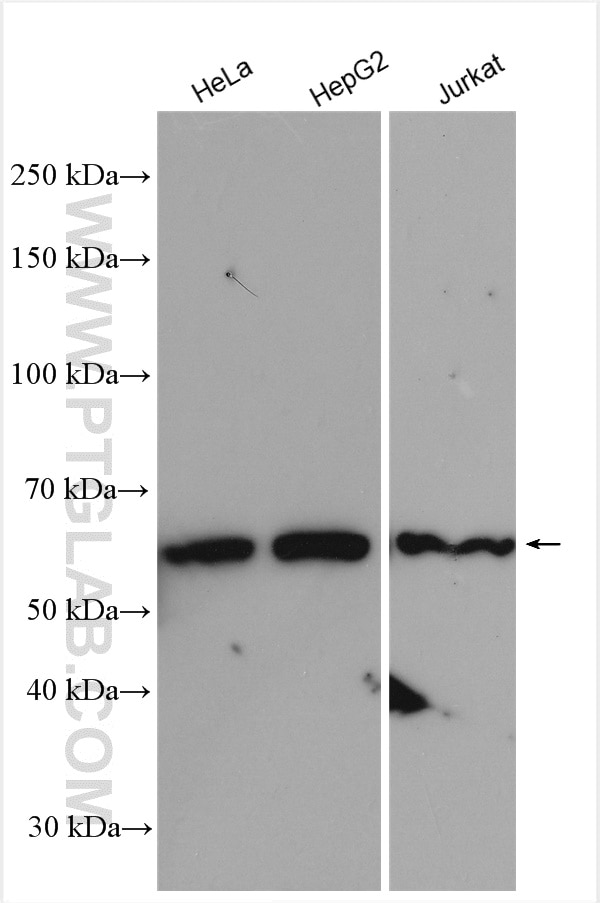
| Positive WB detected in | HeLa cells, HepG2 cells, Jurkat cells |
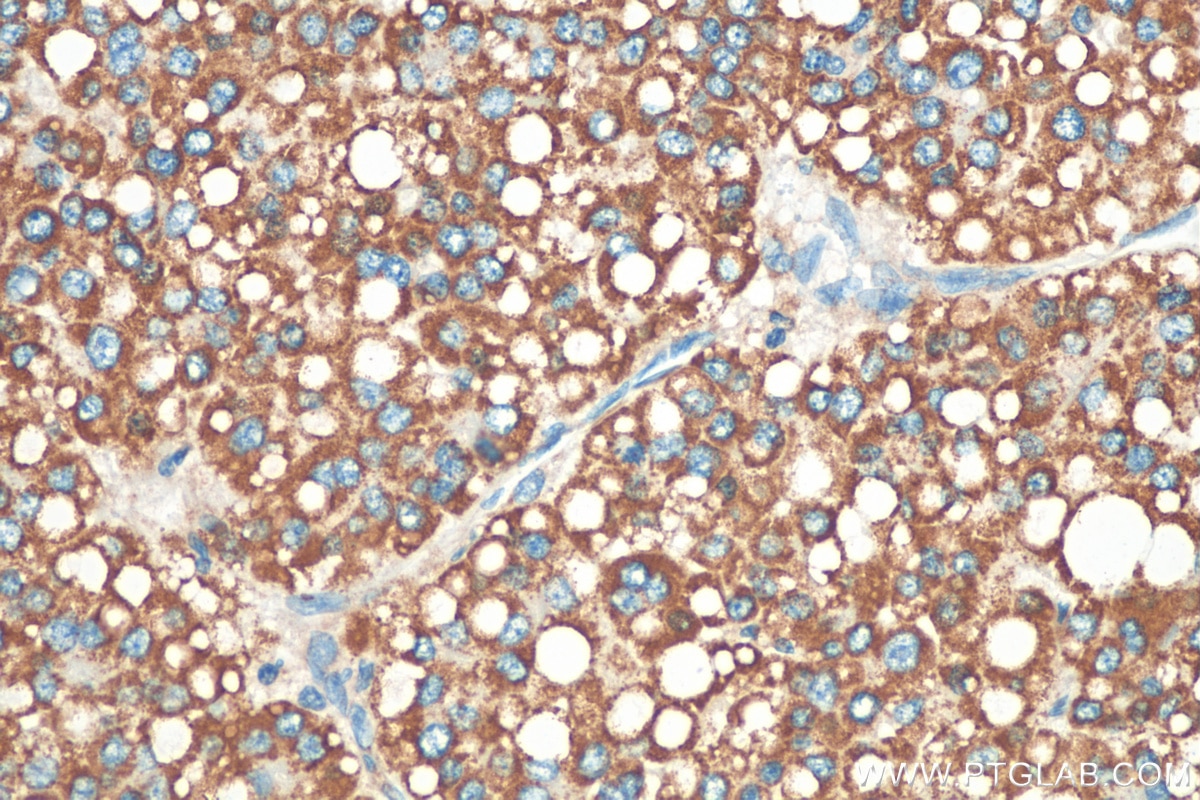
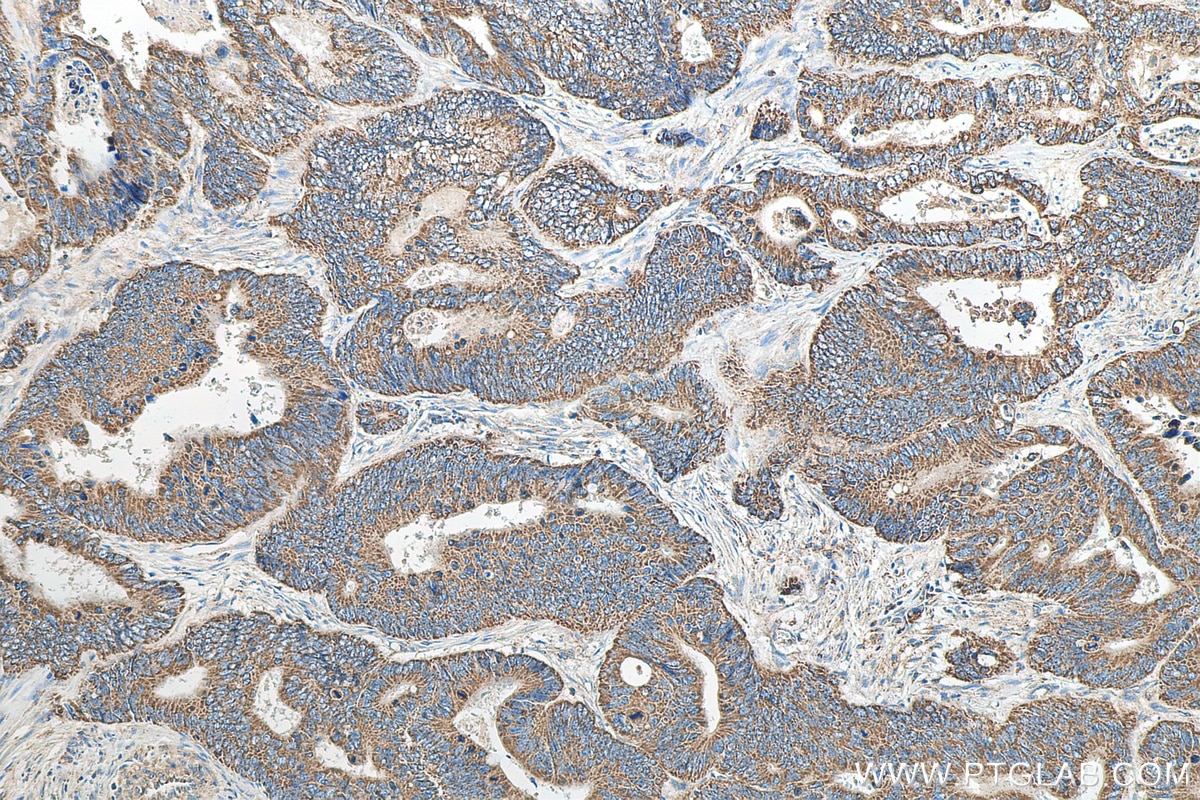
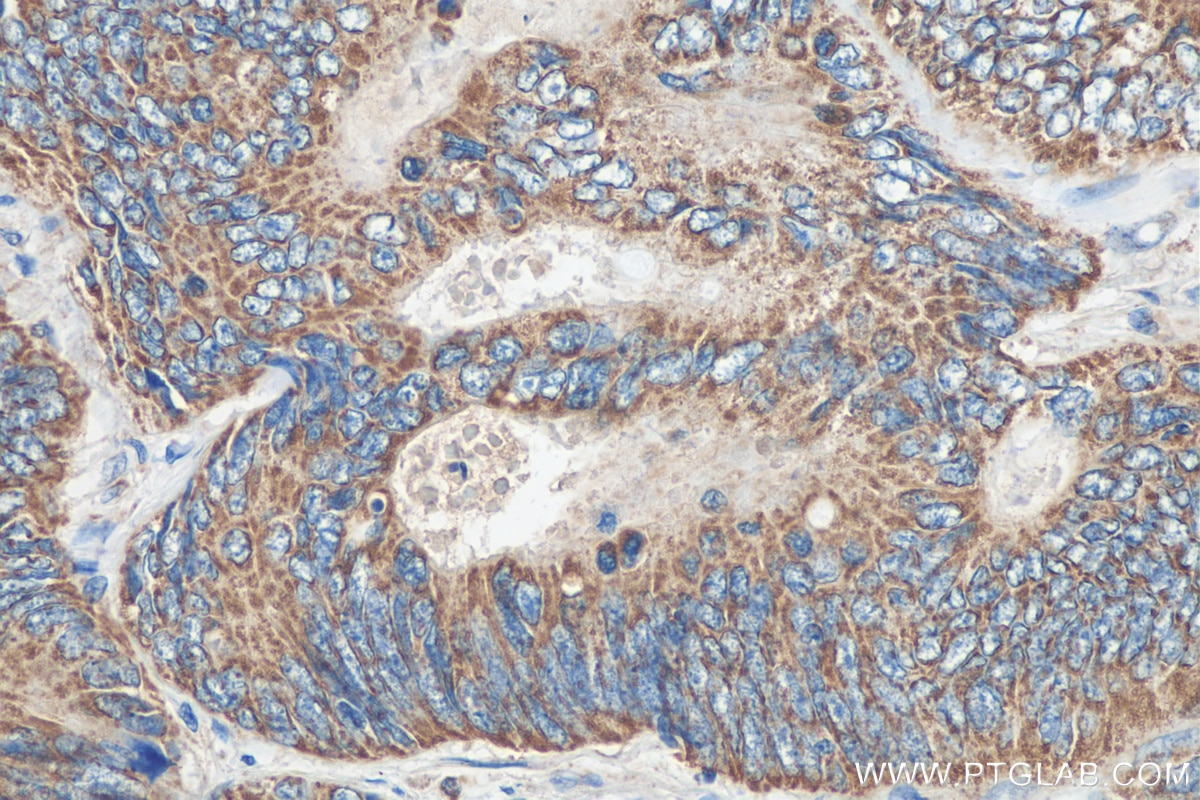
| Positive IHC detected in | human liver cancer tissue, human colon cancer tissue Note: suggested antigen retrieval with TE buffer pH 9.0; (*) Alternatively, antigen retrieval may be performed with citrate buffer pH 6.0 |
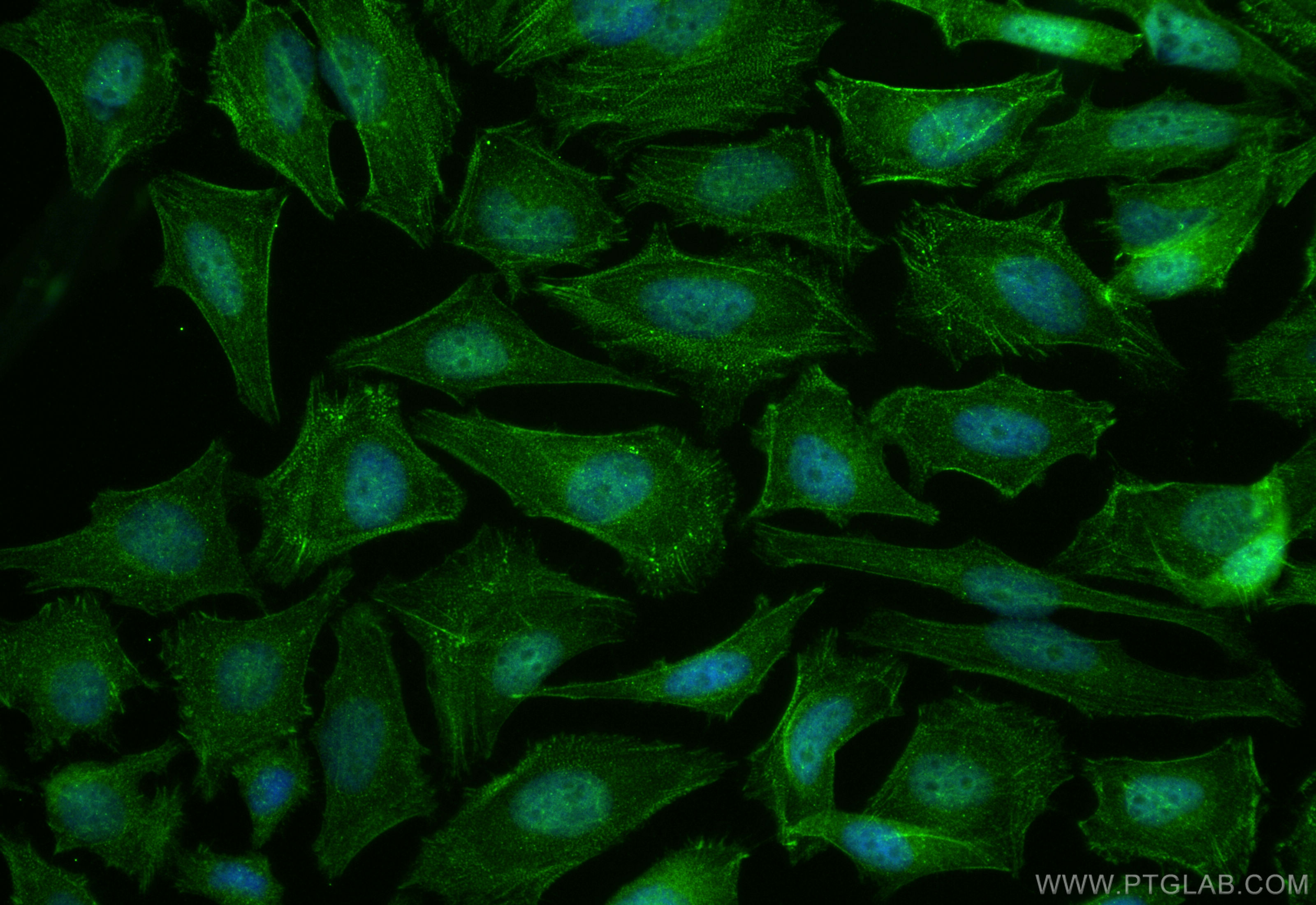
| Positive IF/ICC detected in | HeLa cells |
Recommended dilution
| Application | Dilution |
|---|---|
| Western Blot (WB) | WB : 1:1000-1:8000 |
| Immunohistochemistry (IHC) | IHC : 1:50-1:500 |
| Immunofluorescence (IF)/ICC | IF/ICC : 1:50-1:500 |
| It is recommended that this reagent should be titrated in each testing system to obtain optimal results. | |
| Sample-dependent, Check data in validation data gallery. | |
Product Information
13285-1-AP targets ZBP1 in WB, IHC, IF/ICC, CoIP, ELISA applications and shows reactivity with human samples.
| Tested Reactivity | human |
| Cited Reactivity | human, rat, pig, chicken, bovine |
| Host / Isotype | Rabbit / IgG |
| Class | Polyclonal |
| Type | Antibody |
| Immunogen |
CatNo: Ag4119 Product name: Recombinant human ZBP1 protein Source: e coli.-derived, PGEX-4T Tag: GST Domain: 1-149 aa of BC028218 Sequence: MAQAPADPGREGHLEQRILQVLTEAGSPVKLAQLVKECQAPKRELNQVLYRMKKELKVSLTSPATWCLGGTDPEGEGPAELALSSPGNCHPGEAGLTLQGASWQWTSTDLSLGSNLNSATWELTGFLSLCLGFFFWLMELTAGLLGRGC Predict reactive species |
| Full Name | Z-DNA binding protein 1 |
| Calculated Molecular Weight | 46 kDa |
| Observed Molecular Weight | 42-68 kDa |
| GenBank Accession Number | BC028218 |
| Gene Symbol | ZBP1 |
| Gene ID (NCBI) | 81030 |
| RRID | AB_2122651 |
| Conjugate | Unconjugated |
| Form | Liquid |
| Purification Method | Antigen affinity purification |
| UNIPROT ID | Q9H171 |
| Storage Buffer | PBS with 0.02% sodium azide and 50% glycerol, pH 7.3. |
| Storage Conditions | Store at -20°C. Stable for one year after shipment. Aliquoting is unnecessary for -20oC storage. 20ul sizes contain 0.1% BSA. |
Background Information
ZBP1(Z-DNA-binding protein 1), also named as DAI or DLM-1, is a nucleic acid sensor with some isoforms. It has been reported that ZBP1 can sense the viral nucleic acids of viruses and induce the death of infected cells to prevent virus transmission. ZBP1 can be activated and causes necrocytosis without viral infection, which is associated with nuclear Z-form nucleic acids. ZBP1 can be detected 42 kDa, 55 kDa, 68 kDa isoforms (PMID: 37012234, PMID: 9121465).
Protocols
| Product Specific Protocols | |
|---|---|
| IF protocol for ZBP1 antibody 13285-1-AP | Download protocol |
| IHC protocol for ZBP1 antibody 13285-1-AP | Download protocol |
| WB protocol for ZBP1 antibody 13285-1-AP | Download protocol |
| Standard Protocols | |
|---|---|
| Click here to view our Standard Protocols |
Publications
What published studies show
Anti-ZBP1 (Z-DNA Binding Protein 1) antibody (Cat# 13285-1-AP) has accumulated 53 citations across journals including Nature Communications, Cell Death & Disease, Cell Death Discovery, Apoptosis, Biomaterials, Journal of Controlled Release, mBio, Scientific Reports, and Free Radical Biology and Medicine. Associated research fields encompass PANoptosis, necroptosis, pyroptosis, inflammatory responses, cancer biology, neurodegeneration, infectious diseases, cardiovascular disease, and multi-organ injury mechanisms.
| Species | Application | Title |
|---|---|---|
Drug Resist Updat Targeting LIG1 to overcome oxaliplatin resistance by inducing PANoptosis in colorectal cancer. | ||
Nat Commun RIPK1 kinase drove brain microvascular endothelial cells death and blood-brain barrier disruption in neonatal Escherichia coli meningitis.
| ||
Nat Commun Programmable targeted RNA degradation via dCas13d-directed chaperone-mediated autophagy (dCasCMA). | ||
Exp Hematol Oncol Tetrahydromagnolol targets TRIM38 to mediate PANoptosis in cancer cells and has the potential for synergistic cancer therapy. | ||
J Adv Res PERK drives aflatoxin B1-induced chicken cellular senescence by promoting NLRP3-mediated PANoptosis. | ||
J Nanobiotechnology Natural panax notoginseng-derived nanovesicles trigger multiple cell death mechanisms and reprogram chemokine signaling to impede oral squamous cell carcinoma progression. |
Reviews
What customers say
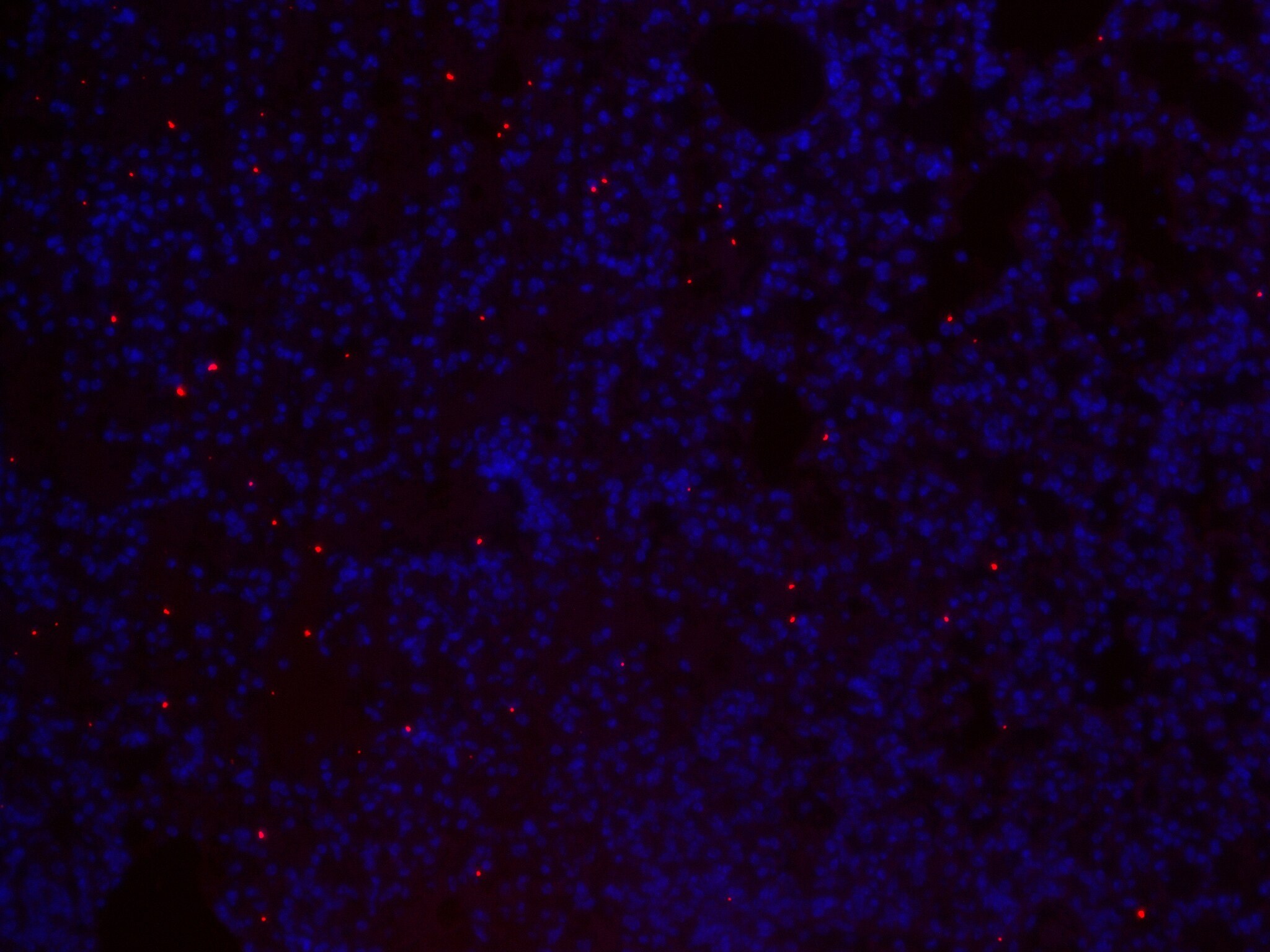
One reviewer rated this product 5 out of 5 stars. They used it for immunofluorescence on mouse lung tissue sections at a 1:100 dilution and reported positive results. The reviewer noted that the antibody may work well at an even lower concentration, though they had not yet tested this. Overall, the feedback is favorable, with the user expressing confidence in the antibody's performance while suggesting potential for optimization at reduced concentrations.
The reviews below have been submitted by verified Proteintech customers who received an incentive for providing their feedback.
Charity (Verified Customer) (02-15-2024) | this will probably work at a lower concentration but I have not tried it yet.
 |






